
This guide contains affiliate links. As an Amazon Associate we earn from qualifying purchases — at no extra cost to you.
Estimated reading time: 19 minutes
Last updated: June 2026
What Is Fort Lauderdale Best Known For?
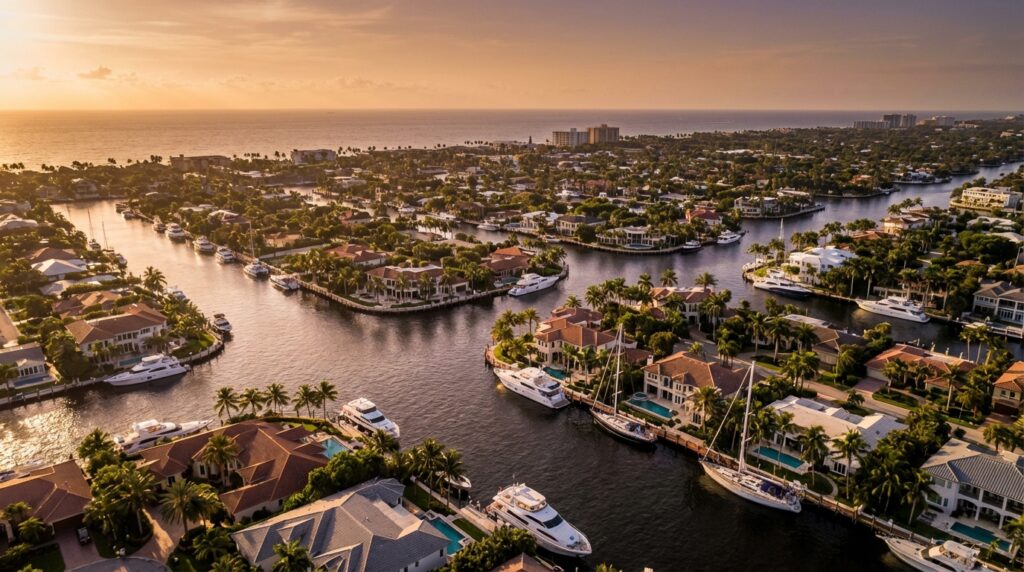
Fort Lauderdale is best known as the “Venice of America,” named for its 165 miles of canals and Intracoastal waterways that thread through the city. It is also famous for 23 miles of Atlantic beaches, the upscale shopping and dining of Las Olas Boulevard, a huge yachting and boating scene, and Port Everglades, one of the world’s busiest cruise ports. Many visitors treat it as a calmer, more affordable alternative to Miami.
How We Researched This Guide
This Fort Lauderdale guide was built from official tourism data, 4K documentary footage, and feedback from experienced travelers. Details on attractions, pricing, and logistics were verified at writing time. Please check current sources before planning your visit, as information changes seasonally.
Want to see Fort Lauderdale’s canals and beaches for yourself? Watch our full Fort Lauderdale travel guide in 4K.
Fort Lauderdale earned its “Venice of America” nickname from a large network of canals that crisscross the city. These 165 miles of navigable waterways attract 16.8 million visitors annually, according to Visit Lauderdale. You can ride a gondola past waterfront mansions or cruise the Intracoastal Waterway. The canals define this place more than any brochure tagline ever could.
Fort Lauderdale Beach stretches 23 miles along Florida‘s Atlantic coast. The sand is clean. The water is warm year-round. The beachfront promenade runs parallel to A1A, lined with hotels and outdoor cafes. You won’t find the spring break chaos that plagued the city decades ago. The vibe now skews toward families and couples looking for a quieter alternative to South Beach.
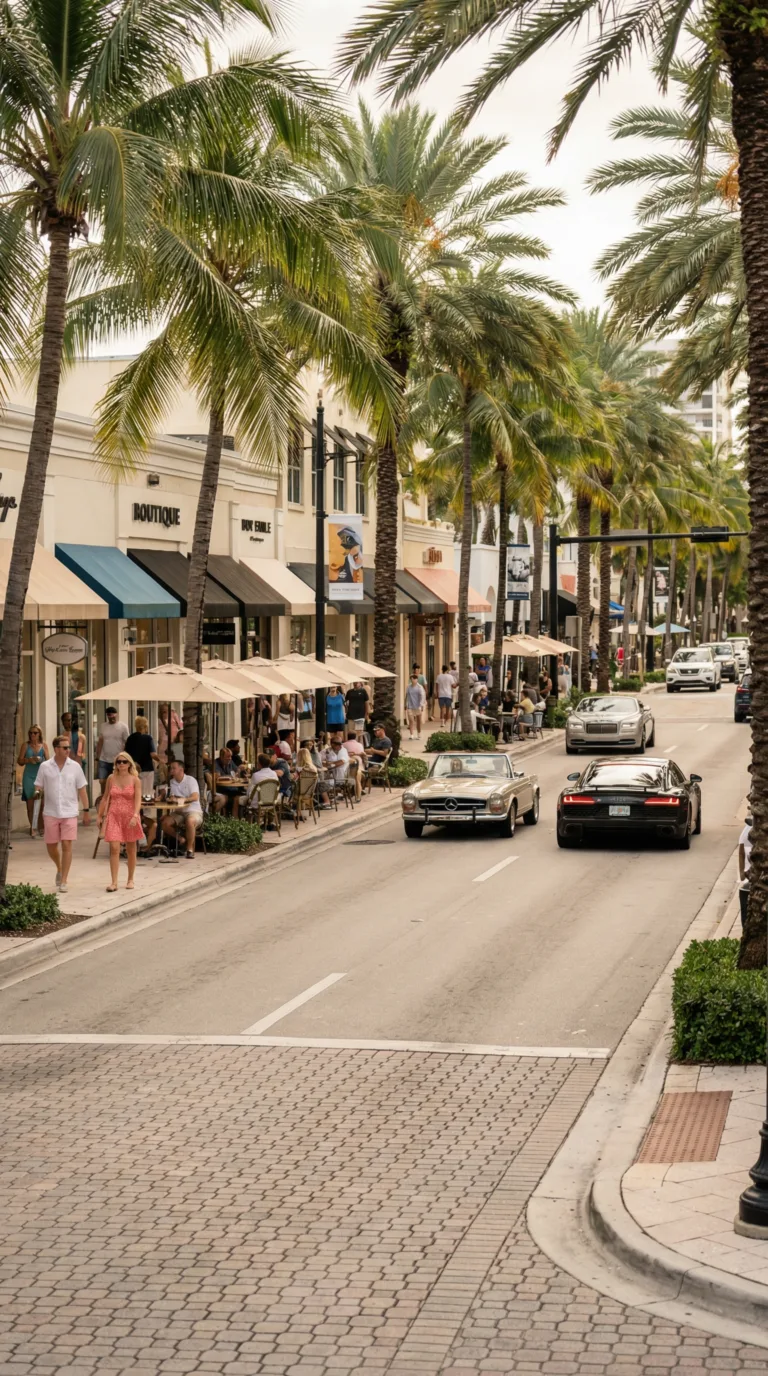
Las Olas Boulevard cuts through the heart of downtown. This mile-long strip holds art galleries, boutiques, and sidewalk restaurants. It connects the beach to the historic Riverwalk, where you’ll find the Broward Center for the Performing Arts and the Fort Lauderdale History Center. Port Everglades, one of the world’s busiest cruise ports, sits just south of downtown and handles over 3.8 million cruise passengers each year.
Fort Lauderdale sits 30 miles north of Miami. The pace here is slower. The beaches are less crowded. The waterfront dining scene rivals anything in South Florida without the attitude.
Top Attractions and Things to Do in Fort Lauderdale
Fort Lauderdale’s top attractions include the 90,500-search Fort Lauderdale Beach, Las Olas Boulevard’s mile-long shopping district, Port Everglades cruise terminal, gondola rides through 165 miles of canals, and the Fort Lauderdale Aquarium.
Fort Lauderdale Beach stretches seven miles along A1A. Golden sand. Turquoise water. A wave-shaped promenade that runs the entire length. According to the Fort Lauderdale Parks and Recreation Department, the beach features 23 public access points with free parking at most locations. You can swim, paddleboard, or just walk the Fort Lauderdale Beach Park boardwalk from sunrise to sunset. Beach volleyball courts sit every few hundred yards. Lifeguards patrol daily from 9 AM to 5 PM.
Planning Tip
The beachfront hotels rent chairs and umbrellas for $25 per day. But you can bring your own gear for free. Early mornings attract runners and dog walkers. Afternoons fill with families and college students. The beach never feels crowded outside spring break.
Las Olas Boulevard cuts through downtown for exactly one mile. Start at Andrews Avenue and walk east toward the beach. You’ll pass 40+ boutiques, 20+ restaurants, and a dozen art galleries. The street dates to 1917 when developer Charles Rodes planted royal palms and built Spanish Revival storefronts. Those buildings still stand. Shops sell everything from surf gear to $3,000 handbags. Sidewalk cafes serve Cuban sandwiches and craft cocktails. Sunday mornings bring a farmers market with local produce and fresh-baked bread.
The boulevard connects to the historic Riverwalk district. Brick pathways follow the New River through downtown. Free concerts happen Friday nights at Huizenga Plaza. You can walk the entire route in 20 minutes or stop at every gallery and spend three hours.
Port Everglades handles 3.9 million cruise passengers annually, making it the third-busiest cruise port in the world according to Port Everglades official statistics. Royal Caribbean, Carnival, and Norwegian all dock here. The terminals sit two miles south of downtown. Even if you’re not cruising, you can watch ships depart from the public observation areas along Eisenhower Boulevard. Departures happen daily between 4 PM and 6 PM. Ships blast their horns as they leave. The spectacle costs nothing.
Gondola rides launch from several points along the Intracoastal Waterway. You sit in an actual Venetian gondola while a gondolier poles you through residential canals. Most tours last 90 minutes and cost $150 per couple. You’ll glide past waterfront mansions worth $10 million or more. The canals total 165 miles throughout Broward County. Some routes pass under drawbridges and through yacht-filled marinas. Book sunset tours for the best light.
Shooters Waterfront sits on the Intracoastal at 3033 NE 32nd Avenue. It’s a restaurant and bar built on pilings over the water. Megayachts drift past while you eat grouper sandwiches. The outdoor deck holds 200 people. Live bands play Thursday through Sunday. No cover charge. You can dock your own boat at their marina slips or arrive by car. Happy hour runs 4 PM to 7 PM with $6 cocktails.
The Fort Lauderdale Aquarium occupies a small building at 1801 SE 17th Street. It’s not SeaWorld. Expect local species like sea turtles, stingrays, and nurse sharks. Admission costs $18 for adults. Kids under 12 pay $12. The touch tank lets you handle horseshoe crabs and starfish. Feeding shows happen at 11 AM and 2 PM daily. You can tour the whole facility in 90 minutes.
iFly Fort Lauderdale operates an indoor skydiving wind tunnel at 2805 W Cypress Creek Road. First-time flyers pay $70 for two one-minute flights. An instructor teaches you body position on the ground, then you step into a vertical wind tunnel generating 175 mph winds. You float. You spin. You don’t die. The whole experience takes about a hour including safety briefings.
Free activities include walking the historic Stranahan House grounds, exploring Hugh Taylor Birch State Park’s coastal hammock trails, and watching boats pass through the Las Olas drawbridge. The Riverwalk hosts art fairs and food truck rallies most weekends with no admission fees.
Miami Beach sits 30 miles south via I-95. You can drive there in 40 minutes outside rush hour. South Beach’s Art Deco district and Ocean Drive make easy day trips if you want to expand your itinerary beyond Fort Lauderdale proper.
What should you pack for Fort Lauderdale?
Fort Lauderdale is 23 miles of warm Atlantic beach laced with canals and water taxis, sunny almost year-round. Pack for sand, sun, and time on the water:
- reef-safe mineral sunscreen — Florida’s reefs (and the strong year-round sun) call for a mineral, reef-safe formula
- sand-free beach towel — the city gives you 23 miles of public beach — a quick-dry, sand-free towel beats a soggy one
- waterproof phone pouch — water taxis, gondola canal cruises, and beach swims — keep your phone dry
As an Amazon Associate we earn from qualifying purchases.
Fort Lauderdale Neighborhoods: Where to Explore
Fort Lauderdale’s key neighborhoods include Downtown with the Brightline station and Riverwalk, the Las Olas corridor with upscale shopping, the beachfront area with hotels and restaurants, and North Fort Lauderdale’s residential communities.
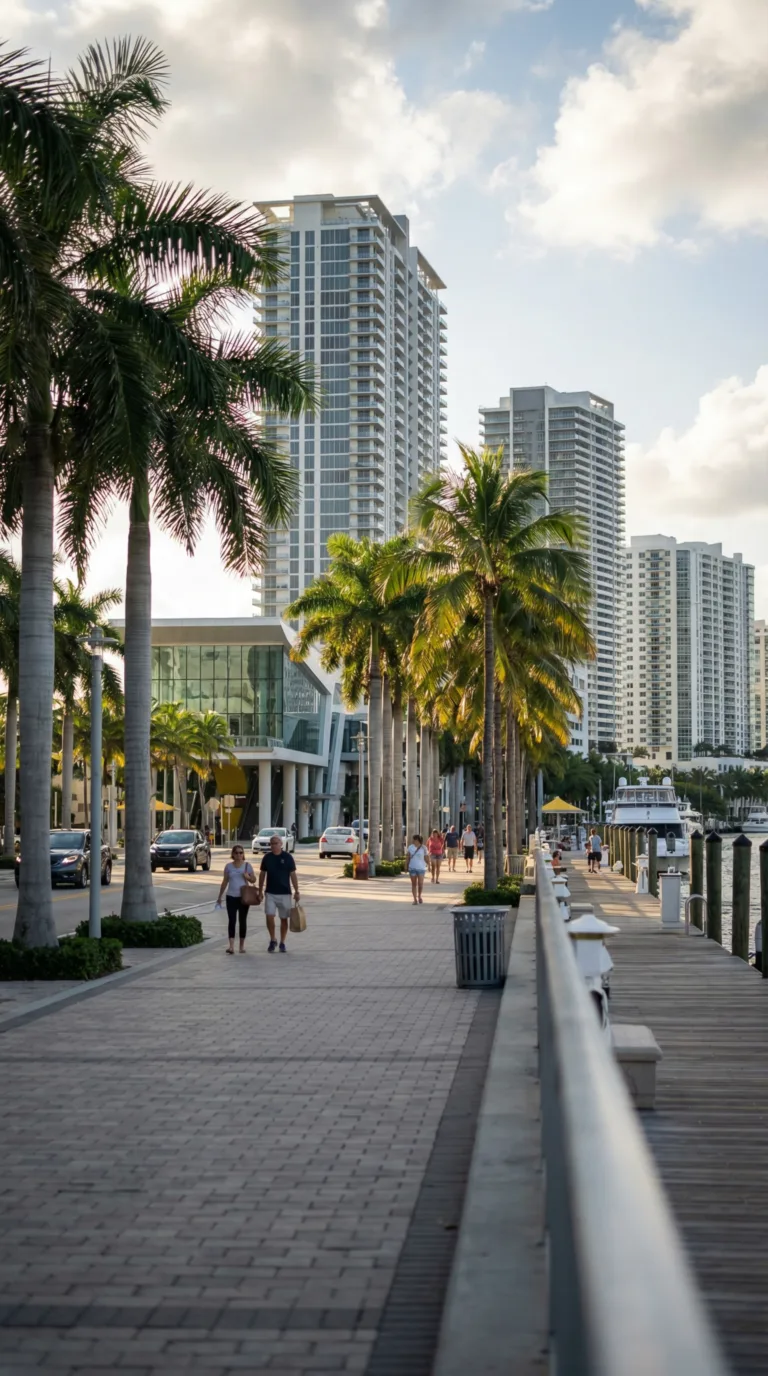
Downtown Fort Lauderdale anchors the city’s urban core. The Riverwalk threads through the business district, connecting office towers to cultural venues like the Broward Center for the Performing Arts. The Brightline station sits here, high-speed rail to Miami in 30 minutes, Orlando in three hours. Weekday lunch crowds fill restaurants near the courthouse. Weekends bring families to the Riverwalk parks. According to the Fort Lauderdale Downtown Development Authority, this district has grown into South Florida’s third-largest employment center.
The Las Olas corridor runs east from downtown to the ocean. This is Fort Lauderdale’s prestige address. Historic districts line the boulevard, 1920s Mediterranean Revival homes under canopies of live oaks. Over 50 restaurants and boutiques occupy the commercial stretch, per the Las Olas Boulevard Association. You’ll find art galleries, sidewalk cafes, and shops selling $300 sunglasses. Real estate here starts at seven figures.
Fort Lauderdale Beach packs hotels, bars, and restaurants along A1A. The beachfront strip runs three miles. Public access points appear every few blocks. Spring Break crowds have thinned since the city cracked down on rowdy tourism in the 2010s. Now it skews older, cruise passengers, European tourists, snowbirds. Beach bars close at midnight.
North Fort Lauderdale feels residential. Strip malls, chain restaurants, suburban blocks. Less tourist infrastructure. Locals live here because rents run 30% cheaper than downtown or Las Olas.
The Intracoastal Waterway stitches these neighborhoods together. Water taxis run the route. So do private boats, the canal system connects most residential streets to the ocean.
Fort Lauderdale Food Scene: Waterfront Dining and Local Favorites
Fort Lauderdale’s dining scene features over 4,000 restaurants including waterfront institutions like Shooters Waterfront, upscale steakhouses like Chima and Mastro’s, and fresh seafood spots along Las Olas Boulevard and the Intracoastal Waterway.
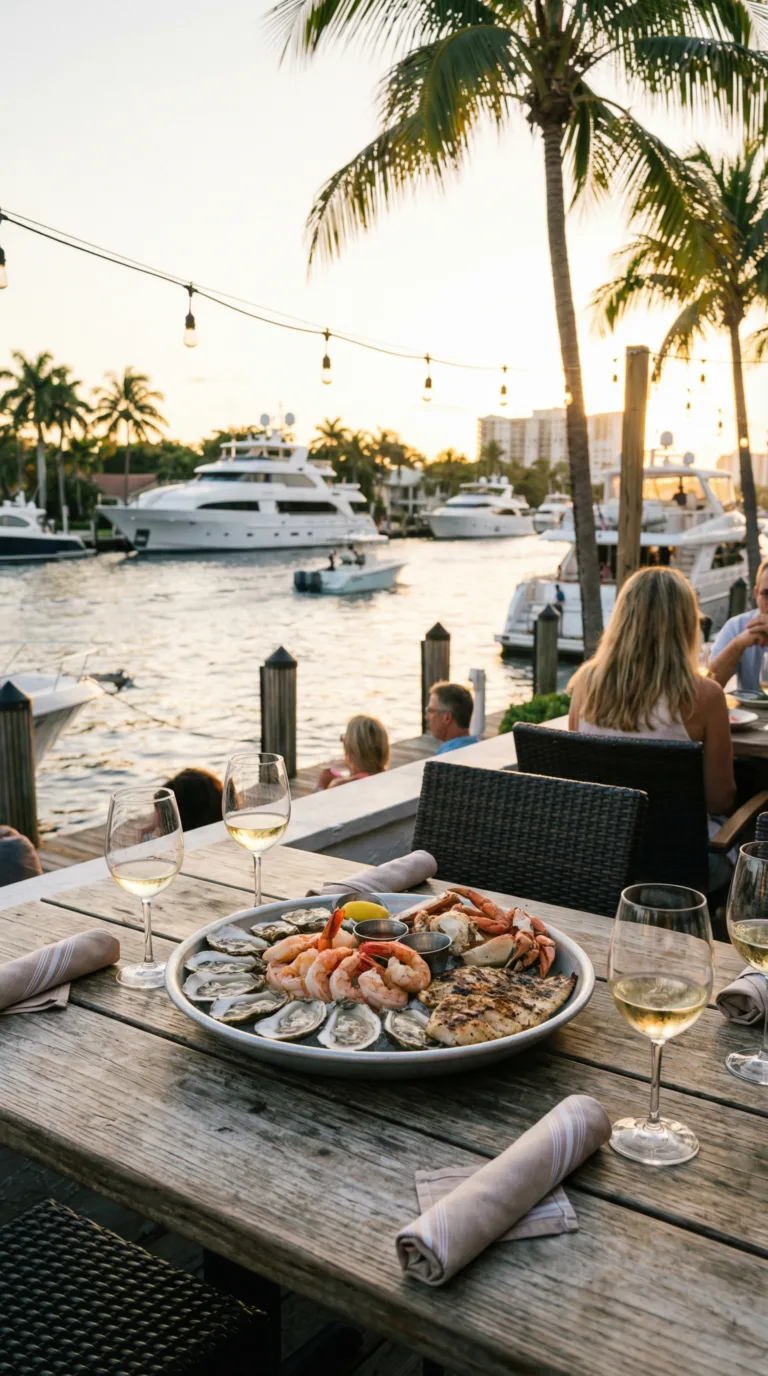
The city serves up 4,000+ restaurants according to the Greater Fort Lauderdale Convention & Visitors Bureau. That’s a lot of options. Most cluster along the water.
Shooters Waterfront sits directly on the Intracoastal. You dock your boat at their marina and walk straight to your table. The menu runs heavy on grouper sandwiches ($18) and blackened mahi ($26). Sunset views come standard. Live music plays most evenings.
Coconuts operates a similar setup a few miles south. Tiki bar atmosphere. Fried shrimp baskets for $16. Boaters tie up for lunch and stay through happy hour.
Las Olas Boulevard concentrates the upscale spots. Chima does Brazilian rodizio service, servers bring skewers of meat to your table until you surrender. $65 per person at dinner. Truluck’s specializes in stone crab and fresh fish flown in daily. Expect $45-60 entrees. Mastro’s cooks steaks in a 1,200-degree broiler. The bone-in ribeye runs $72.
Casual American restaurants fill the gaps. Moxies serves burgers and salmon bowls in a modern dining room near the beach. Quarterdeck operates as a no-frills seafood shack, peel-and-eat shrimp by the pound, plastic baskets, paper towels instead of napkins. Fleming’s offers a more refined steakhouse experience with a 100-bottle wine list.
The seafood comes from local boats. Grouper, snapper, and mahi appear on most menus. Stone crab season runs October through May. You’ll see it everywhere during those months.
Where to Stay in Fort Lauderdale
Fort Lauderdale offers a wide range of hotels, from beachfront properties and luxury 5-star resorts like The Diplomat to boutique stays like W Fort Lauderdale and Kimpton, plus convenient options near the cruise port and airport.
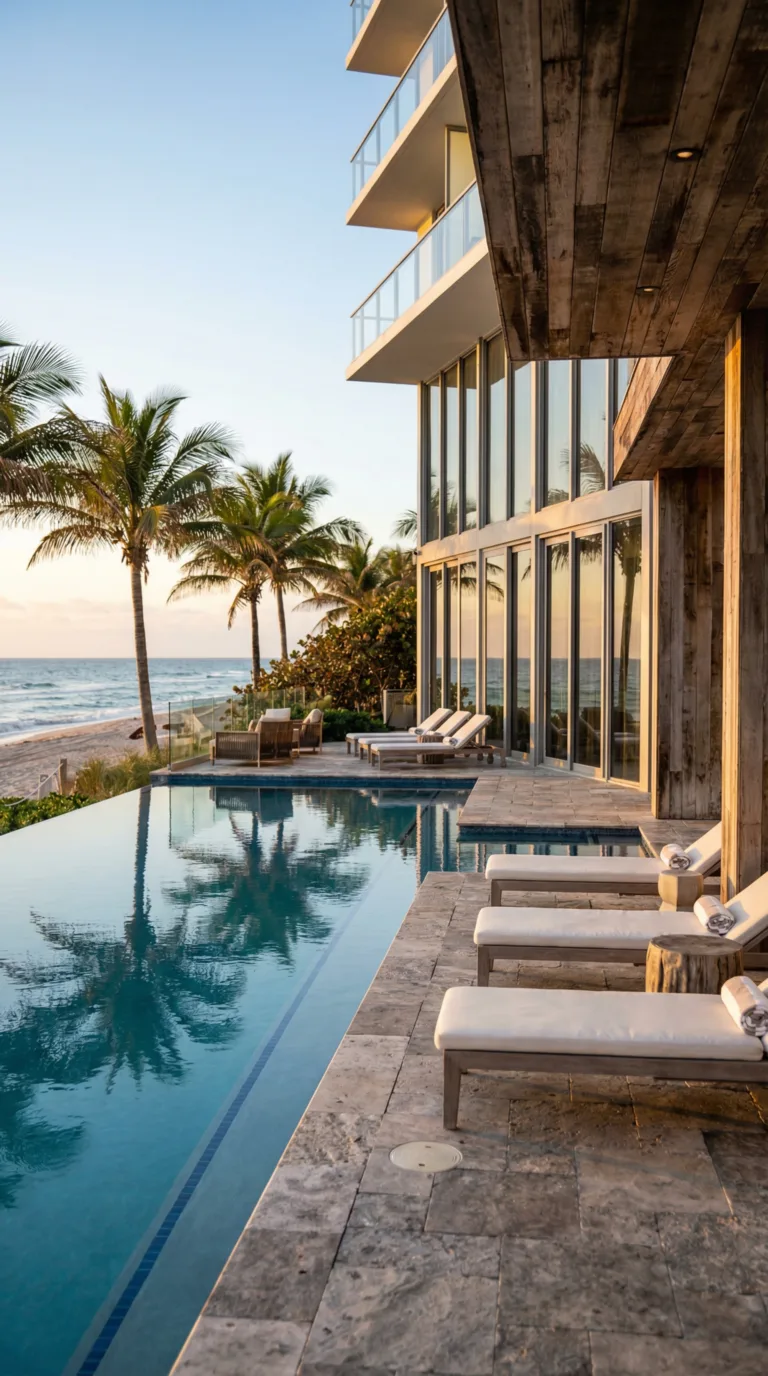
Greater Fort Lauderdale maintains roughly 15,000 hotel rooms according to the Convention & Visitors Bureau. Beachfront hotels are the most sought-after. Fort Lauderdale hotels on the beach are especially popular because people want sand access without crossing A1A. The strip between Sunrise Boulevard and Las Olas delivers direct ocean views and pool decks steps from the Atlantic.
W Fort Lauderdale sits on the beach with 517 rooms and a rooftop pool. The lobby feels like a nightclub. Rooms run $300–600 depending on season. It attracts younger travelers who want design over tradition.
The Diplomat anchors the southern end in Hollywood (technically not Fort Lauderdale but close enough). This 1,000-room resort sprawls across beachfront property with multiple pools, a spa, and eight restaurants. Rates start around $250. Families and convention groups book here.
Kimpton Fort Lauderdale operates downtown near the Riverwalk. Smaller footprint. Pet-friendly. Free wine hour every evening. You trade beach access for walkability to bars and restaurants along Las Olas Boulevard.
Need a bed near Port Everglades? Hotels near the cruise port cluster along 17th Street Causeway. Expect $120–180 per night at chains like Hyatt Place or Hilton Garden Inn. You can Uber to the terminal in eight minutes.
Airport hotels sit along Federal Highway near FLL. Nothing fancy but functional for early flights. Hampton Inn and Courtyard by Marriott charge $110–150.
VRBO listings scatter through residential neighborhoods like Victoria Park and Colee Hammock. Expect $150–300 per night for a two-bedroom condo. Longer stays (seven nights or more) sometimes find discounts.
All-inclusive resorts? Fort Lauderdale doesn’t really do that model. You’re not in Cancun. Book through Visit Lauderdale Hotels & Accommodations for current availability and package deals.
Getting to and Around Fort Lauderdale
Fort Lauderdale-Hollywood International Airport (FLL) is the main gateway, while Brightline high-speed rail connects to Miami in 30 minutes for approximately $10-20, and Uber rides to Miami cost around $35-50 covering the 30-mile distance.
Fort Lauderdale-Hollywood International Airport handles over 36 million passengers annually according to Broward County Aviation Department. Four terminals spread across the complex. Domestic flights dominate, but you’ll find direct international routes to Canada, Latin America, and Europe. Ground transportation runs from baggage claim, rental cars, taxis, ride-shares all queue outside.
The airport sits between Fort Lauderdale and Hollywood. Twenty minutes to downtown by car. Food options cluster near gates. Nothing special. Grab something before security if you’re picky.
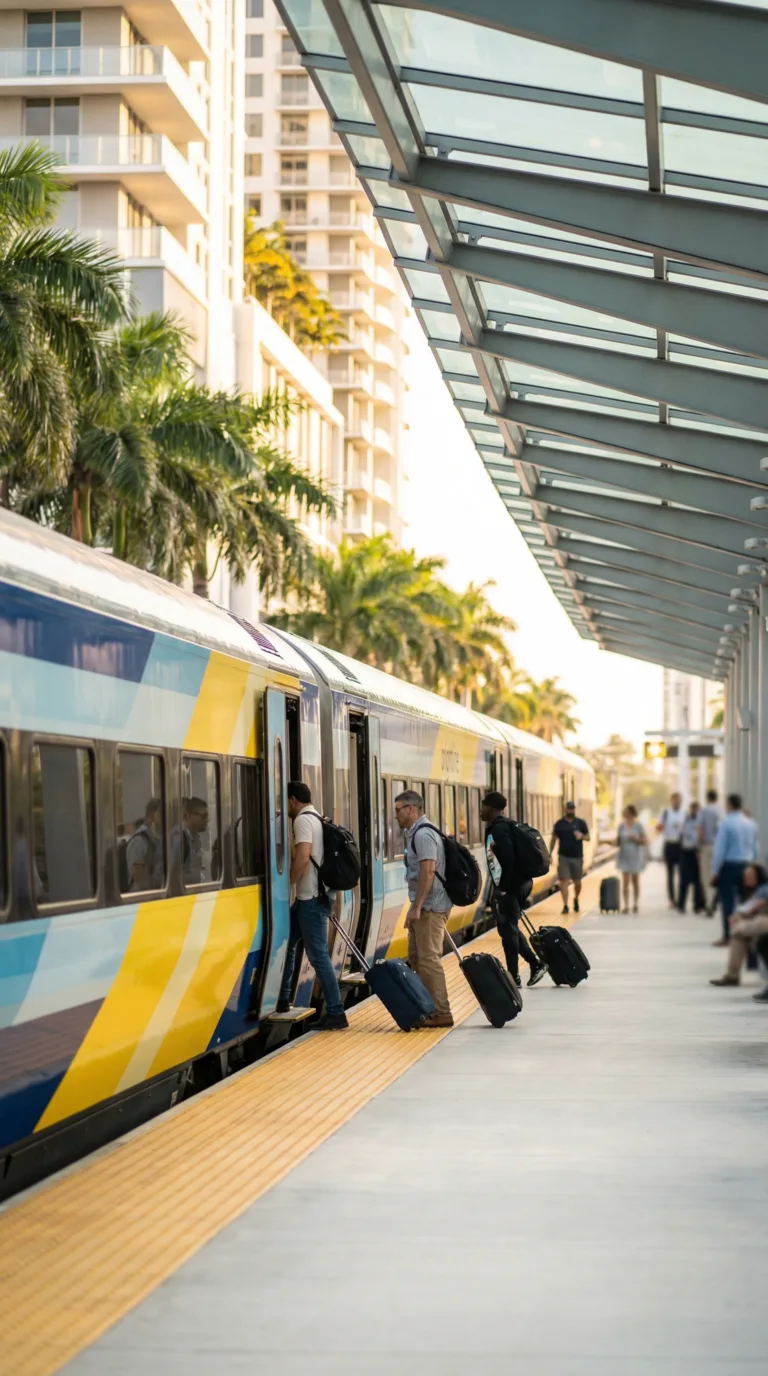
Brightline changed the game for reaching Miami. The high-speed rail departs from downtown Fort Lauderdale’s station every hour during peak times. Thirty minutes to Miami’s Brickell station. Fares run $10-20 depending on class and booking time. Check the Brightline official website with schedules and fares for current pricing. According to Brightline’s 2025 route data, trains also connect north to West Palm Beach and Orlando.
Miami sits 30 miles south. An Uber costs $35-50 depending on surge pricing and traffic. I-95 clogs during rush hour. Budget 45 minutes minimum.
Local transport within Fort Lauderdale leans on ride-sharing. Water taxis run the Intracoastal, $28 for an all-day pass. Rental cars make sense if you’re exploring beyond the beach corridor. Street parking downtown costs $1.50 per hour at meters. Visit the Fort Lauderdale-Hollywood International Airport official website for terminal maps and real-time flight updates.
Travel Routes
Below are recommended travel routes with key stops and estimated drive times.
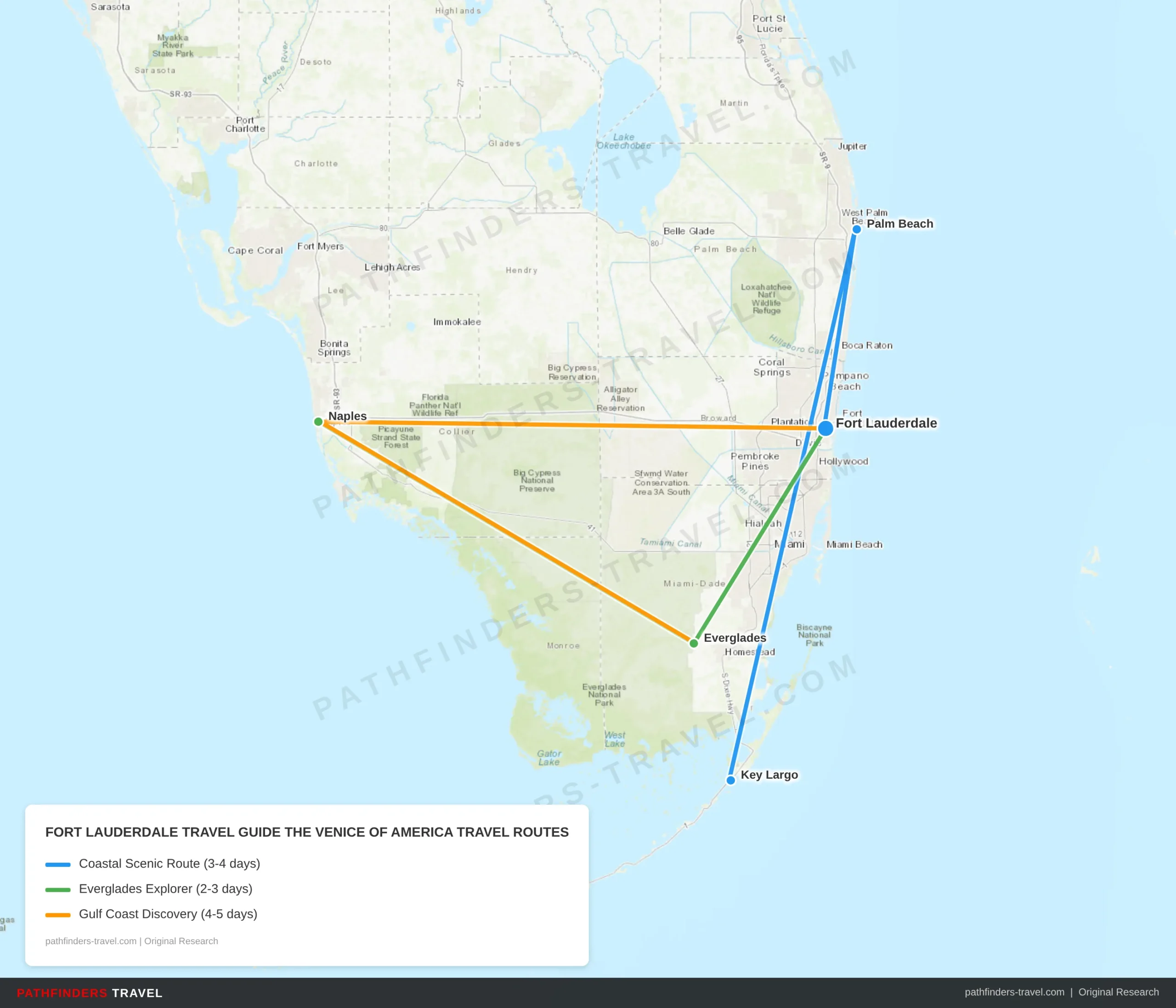
| # | Stop | Highlights | Drive Time |
|---|---|---|---|
| 1 | Fort Lauderdale | Las Olas Boulevard shopping, Fort Lauderdale Beach, canal gondola tours, waterfront dining | 0h |
| 2 | Palm Beach | Worth Avenue luxury shopping, Flagler Museum, clean beaches, upscale resorts | 1h 15m |
| 3 | Key Largo | John Pennekamp Coral Reef State Park, glass-bottom boat tours, snorkeling, seafood restaurants | 2h 30m |
| 4 | Biscayne Bay | Biscayne National Park, boat tours, manatee watching, coral reef exploration | 1h 45m |
| # | Stop | Highlights | Drive Time |
|---|---|---|---|
| 1 | Fort Lauderdale | Venice of America canals, beach boardwalk, cruise port, historic Riverwalk | 0h |
| 2 | Flamingo Gardens | Botanical gardens, wildlife sanctuary, native Florida plants, bird watching | 45m |
| 3 | Everglades | Airboat tours, alligator spotting, Anhinga Trail, visitor centers, wilderness camping | 1h 30m |
| 4 | Naples | Historic downtown pier, white sand beaches, upscale shopping, Gulf Coast sunsets | 2h 15m |
| # | Stop | Highlights | Drive Time |
|---|---|---|---|
| 1 | Fort Lauderdale | Intracoastal waterways, Port Everglades, Fort Lauderdale Aquarium, beachfront promenade | 0h |
| 2 | Naples | Fifth Avenue shopping, Naples Pier, untouched Gulf beaches, fine dining scene | 2h 15m |
| 3 | Sanibel Island | Shell collecting, J.N. ‘Ding’ Darling Wildlife Refuge, lighthouse, causeway bridge views | 1h 30m |
| 4 | Everglades | River of grass ecosystem, wildlife photography, ranger programs, Ten Thousand Islands | 2h 45m |
Fort Lauderdale on a Budget
Fort Lauderdale budget travelers can enjoy free beach access across 23 miles of coastline, free walking tours of historic districts, complimentary Riverwalk strolls, and budget daily costs averaging $80-120 for accommodation, food, and local transport.
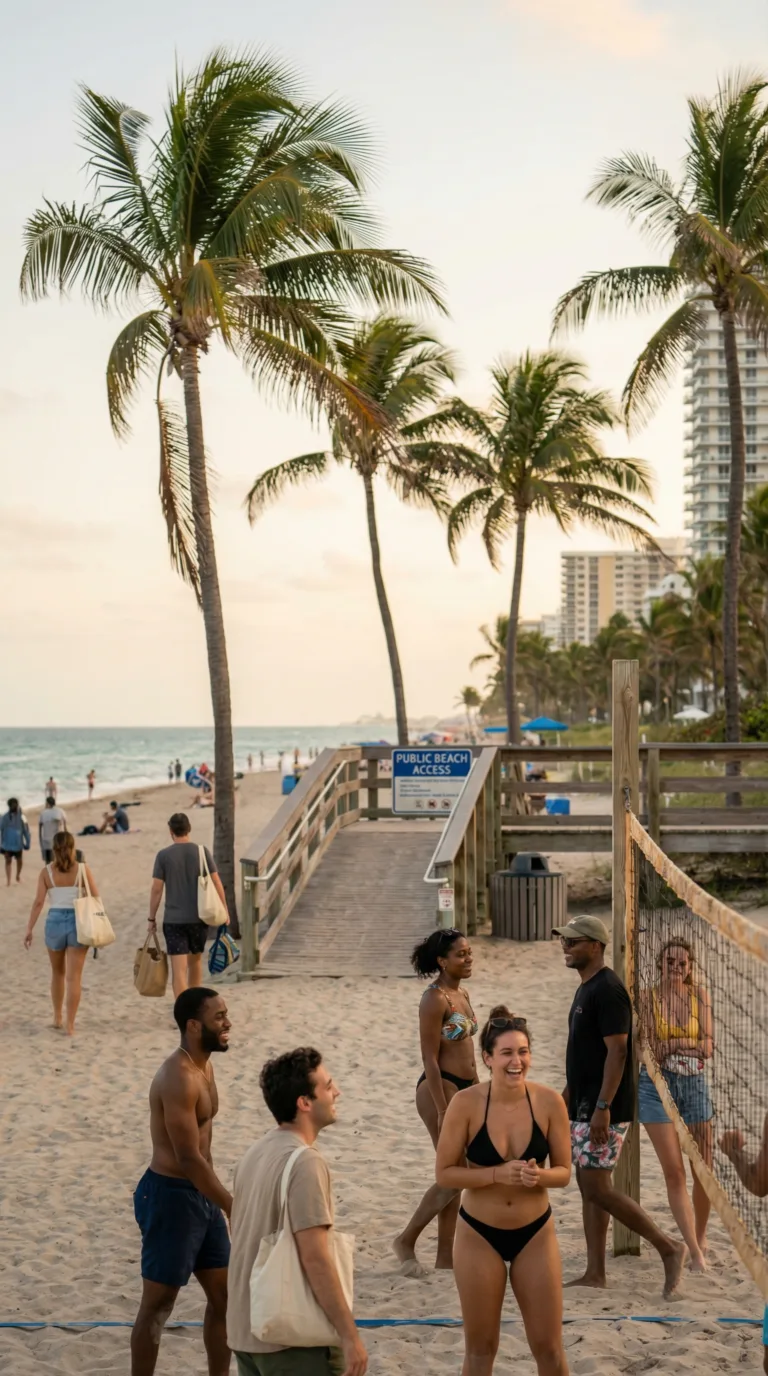
The city gives you 23 miles of public beach. Zero entrance fees. Park at metered spots along A1A (around $2/hour) or find free street parking a few blocks inland. What to do in Fort Lauderdale for free starts with the obvious: walk the sand, swim, watch boats cut through the Intracoastal.
The Riverwalk costs nothing. Two miles of brick paths along the New River. You’ll pass restaurants, but you don’t have to buy anything. Historic Stranahan House sits nearby, skip the tour if you’re tight, just photograph the exterior. Himmarshee Village and Flagler Village are walkable neighborhoods where you can window-shop vintage stores and street art without spending a dime.
Daily budgets depend on your tolerance for hostel bunks. Budget travelers (hostels, street tacos, bus rides) can scrape by on $50-70/day. Mid-range travelers, Airbnb studio, casual restaurants, occasional Uber, should plan for $80-120/day according to 2025 travel budget aggregators. Luxury seekers will blow past $300/day once you factor in oceanfront hotels and cocktails at Shooters Waterfront.
Money-saving hacks: eat west of Federal Highway where locals go. Happy hour runs 4-7pm at most bars (half-price apps, $5 drafts). Summer rates drop 30-40% compared to winter, but you’ll sweat through July humidity. Fort Lauderdale undercuts Miami prices by roughly 15-20% across hotels and dining while delivering the same Atlantic coastline.
Day Trips from Fort Lauderdale
Fort Lauderdale’s prime location enables day trips to Miami (30 miles south), Orlando theme parks (215 miles north), historic St. Augustine (280 miles), the Florida Keys (150 miles to Key West), and Gulf Coast destinations like Naples, Sarasota, and Anna Maria Island.
Miami sits 30 miles south, a 30-to-45-minute drive or a quick Brightline train ride. Miami Beach delivers Art Deco architecture along Ocean Drive, South Beach’s neon-lit nightlife, and Cuban cafés in Little Havana. The fort lauderdale to miami route is one of Florida’s busiest corridors. The fort lauderdale miami distance makes it an easy morning departure with an evening return.
Orlando theme parks require a 3.5-hour drive north. Disney World, Universal Studios, and SeaWorld cluster around the city. Start early. Traffic clogs I-95 and the Florida Turnpike by mid-morning.
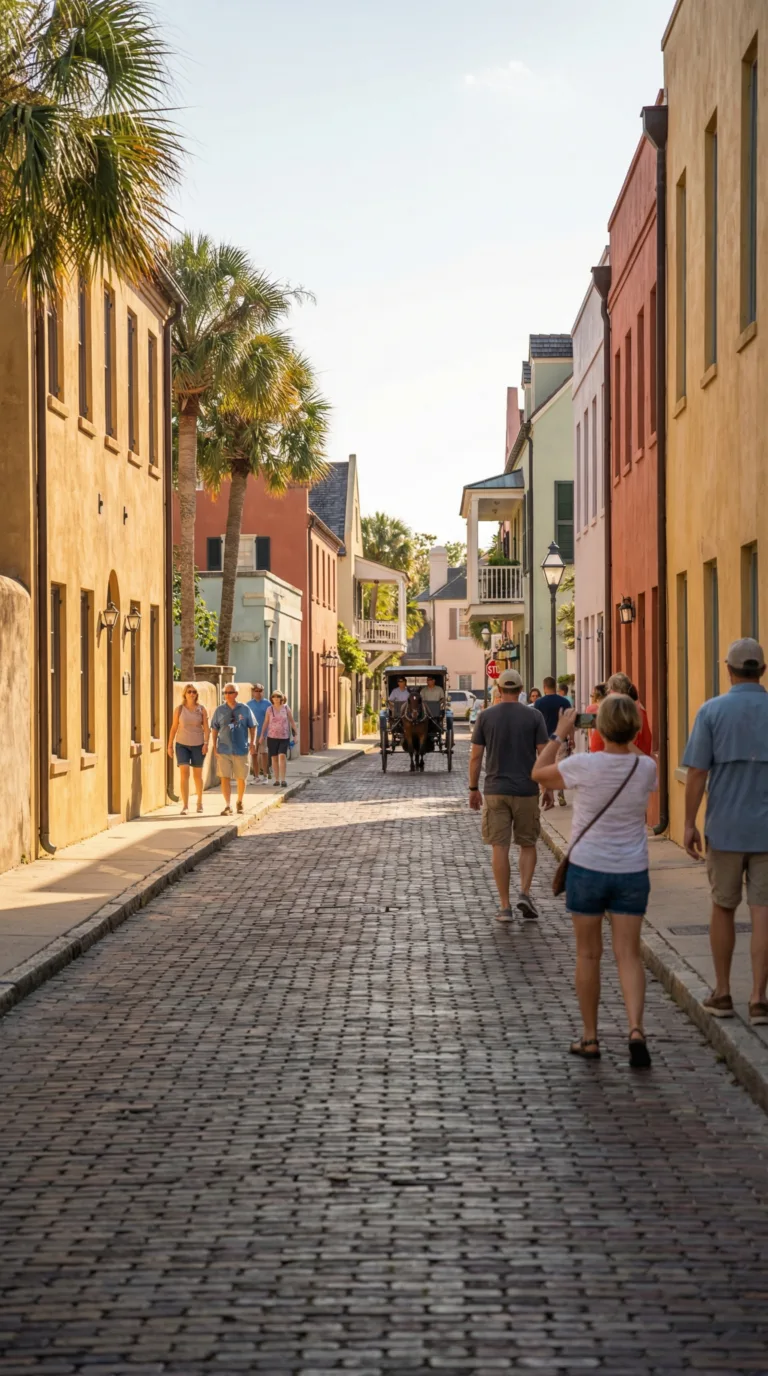
St. Augustine sits 280 miles north, about 4.5 hours by car. America’s oldest city preserves Spanish colonial forts, cobblestone streets, and 450-year-old architecture. The Castillo de San Marcos fortress overlooks the bay. Narrow lanes wind past pastel buildings and courtyard restaurants.
Key West anchors the southern tip of the Florida Keys, 150 miles from Fort Lauderdale via the Overseas Highway. According to the Florida Department of Transportation, the drive takes roughly 3.5 hours without stops. Turquoise water flanks the road. Coral reefs, conch fritters, and Hemingway’s old house await at the end.
Gulf Coast destinations like Naples, Sarasota, and Anna Maria Island sit 2 to 3 hours west across Alligator Alley. Tampa and St. Petersburg offer museums and waterfront dining. Clearwater draws families to its white-sand beach. Marco Island provides a quieter alternative with mangrove kayaking.
Atlantic Coast options include Cocoa Beach (2 hours north) for surf culture and Daytona Beach (3 hours north) for car-friendly sand. Jacksonville and Tallahassee serve travelers exploring northern Florida’s state parks and capital history. Plan routes and road conditions through Visit Florida.
Practical Information for Visiting Fort Lauderdale
Fort Lauderdale experiences a tropical climate with peak season from December to April (70-80°F), hot humid summers (85-95°F), and operates in Eastern Time Zone (EST/EDT) with generally safe conditions for tourists in main areas.
Fort Lauderdale sits in the Eastern Time Zone (EST/EDT). The city follows daylight saving time, shifting clocks forward in March and back in November.
December through April delivers the best weather. Temperatures hover between 70-80°F with low humidity and minimal rain. This is peak tourist season, expect higher hotel rates and crowded beaches. December weather specifically draws northern visitors escaping winter, with daytime highs around 77°F and cool evenings in the mid-60s. According to the National Weather Service Fort Lauderdale, December sees an average of just 2.3 inches of rain across the month.
Summer brings heat and humidity. May through September sees temperatures climb to 85-95°F with sticky air and daily afternoon thunderstorms. Hurricane season runs June through November. Hotels drop prices significantly during these months.
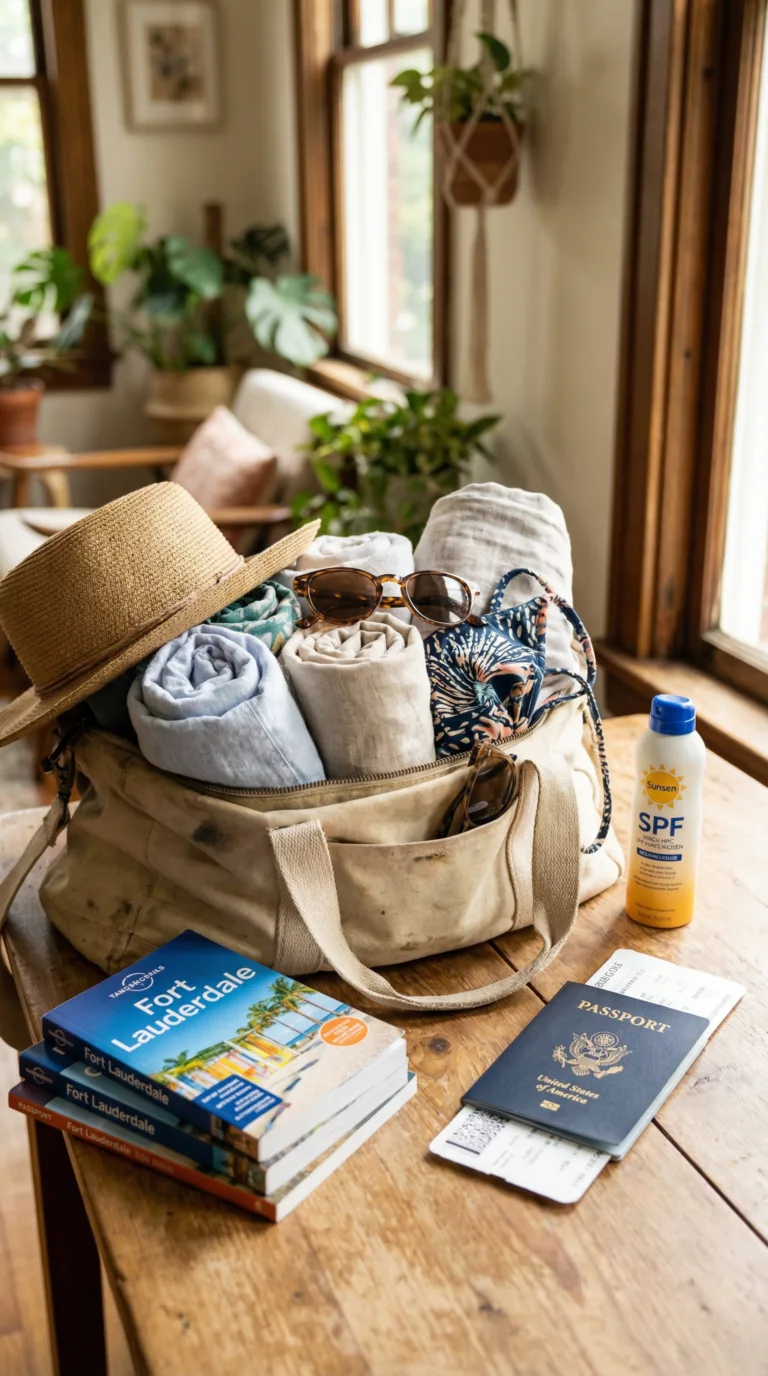
Pack high-SPF sunscreen. Florida sun burns fast. Bring light, breathable clothing, swimwear, polarized sunglasses, and a wide-brimmed hat. Tourist areas like Las Olas Boulevard and the beach are generally safe. Use standard urban precautions: don’t leave valuables in your car, stay aware of your surroundings, avoid poorly lit areas at night.
Frequently Asked Questions
What is the best time to visit Fort Lauderdale?
The best time to visit Fort Lauderdale is November through April, the dry season, when temperatures sit in the comfortable 70s and 80s with low humidity and little rain. This is peak season, so prices and crowds run higher. May through September is hot, humid, and stormy and overlaps hurricane season, but brings the lowest hotel rates.
Is Fort Lauderdale safe for tourists?
Fort Lauderdale is generally safe for tourists, especially in main areas like the beach, Las Olas Boulevard, and downtown. Use standard precautions: stay aware of your surroundings, avoid isolated areas at night, and secure valuables. The beachfront, hotel zones, and major attractions keep a strong security and police presence, and crime in tourist districts stays low compared with urban averages.
Which is nicer, Miami or Fort Lauderdale?
Fort Lauderdale offers a more relaxed, laid-back waterfront vibe compared with Miami’s high-energy atmosphere. It suits travelers seeking a calmer beach vacation with excellent dining and boating culture, while Miami appeals to those wanting lively nightlife and people-watching. Fort Lauderdale costs less and draws smaller crowds while delivering similar beach quality and weather.
How far is Fort Lauderdale from Miami?
Fort Lauderdale sits about 30 miles north of Miami. Driving takes 30 to 45 minutes depending on traffic. Brightline high-speed rail connects the two cities in about 30 minutes for $10-20, while an Uber or taxi typically runs $35-50.
How many days do you need in Fort Lauderdale?
Two to three days is enough for the highlights: a day on Fort Lauderdale Beach and the promenade, a day for Las Olas Boulevard and the Riverwalk, and a water-taxi or gondola tour of the canals. Add a day or two for a side trip to Miami, the Everglades, or the Florida Keys.