
Estimated reading time: 15 minutes
Last updated: September 2026
What Are the Best Things to Do in St. Petersburg, Florida?
The best things to do in St. Petersburg, Florida are visiting the Salvador Dali Museum (the largest Dali collection outside Europe), relaxing on the Gulf beaches at Fort De Soto Park and St. Pete Beach, strolling the rebuilt St. Pete Pier, wandering the Central Avenue arts district and its outdoor murals, and exploring Sunken Gardens. The city enjoys 361 days of sunshine a year.
Want to explore St. Pete’s sunshine and art scene? Watch our complete St. Petersburg travel guide in 4K.
The Salvador Dali Museum sits on the downtown waterfront. Its glass bubble holds over 2,400 Dali works, more than any other museum on the planet. You can see melting clocks, surrealist masterpieces, and rotating exhibitions inside a building that looks like it escaped from one of his paintings.
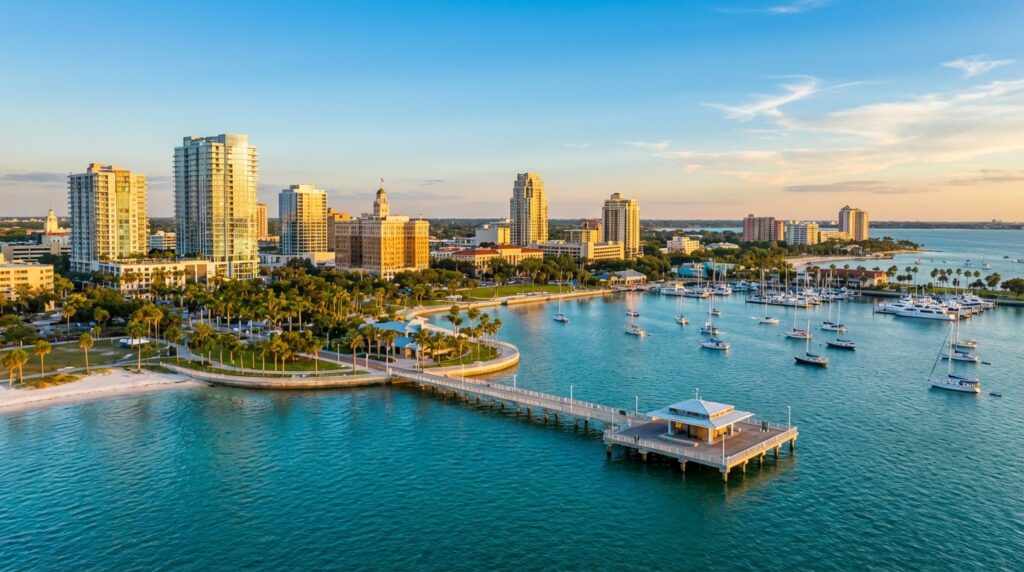
St. Pete gets 361 days of sunshine per year, according to the Official Visit St. Pete/Clearwater tourism website. That’s more than San Diego or Miami. The city rebuilt its waterfront over the past two decades. Old warehouses became art galleries. Empty lots turned into parks. Now you get museums, craft breweries, and white-sand beaches within a 10-minute drive.
The arts district runs along Central Avenue. You’ll find the Museum of Fine Arts, the Chihuly Collection, and the Morean Arts Center clustered within walking distance. Beach access comes easy, 35 miles of Gulf Coast shoreline stretches from Fort De Soto Park to Clearwater Beach. Water stays warm year-round. No wetsuit needed.
Research Sources
This St. Petersburg guide was built using official tourism board materials, government resources, 4K documentary footage, and reports from experienced travelers. All details were verified at the time of writing. Please check local websites and tourism boards for any recent changes before planning your visit.
The Dali Museum, Fort De Soto and the St. Pete Pier
St. Petersburg’s top attractions include the Salvador Dali Museum with 2,400+ works, Fort DeSoto’s seven miles of award-winning beaches, the renovated St. Pete Pier spanning 26 acres, and the century-old Sunken Gardens botanical green space.
The Salvador Dali Museum holds the largest collection of Dali’s work outside Spain. Over 2,400 pieces fill the galleries, according to the museum’s official records. The building itself stops you cold, a glass and concrete cube wrapped in an 18-inch-thick hurricane-proof “Enigma” made of 1,062 triangular glass panels. Inside, you’ll find melting clocks from “The Disintegration of the Persistence of Memory” and the massive “The Hallucinogenic Toreador.” Admission runs $32 for adults. Check the Salvador Dali Museum official website with hours and admission before you go, they close Wednesdays.
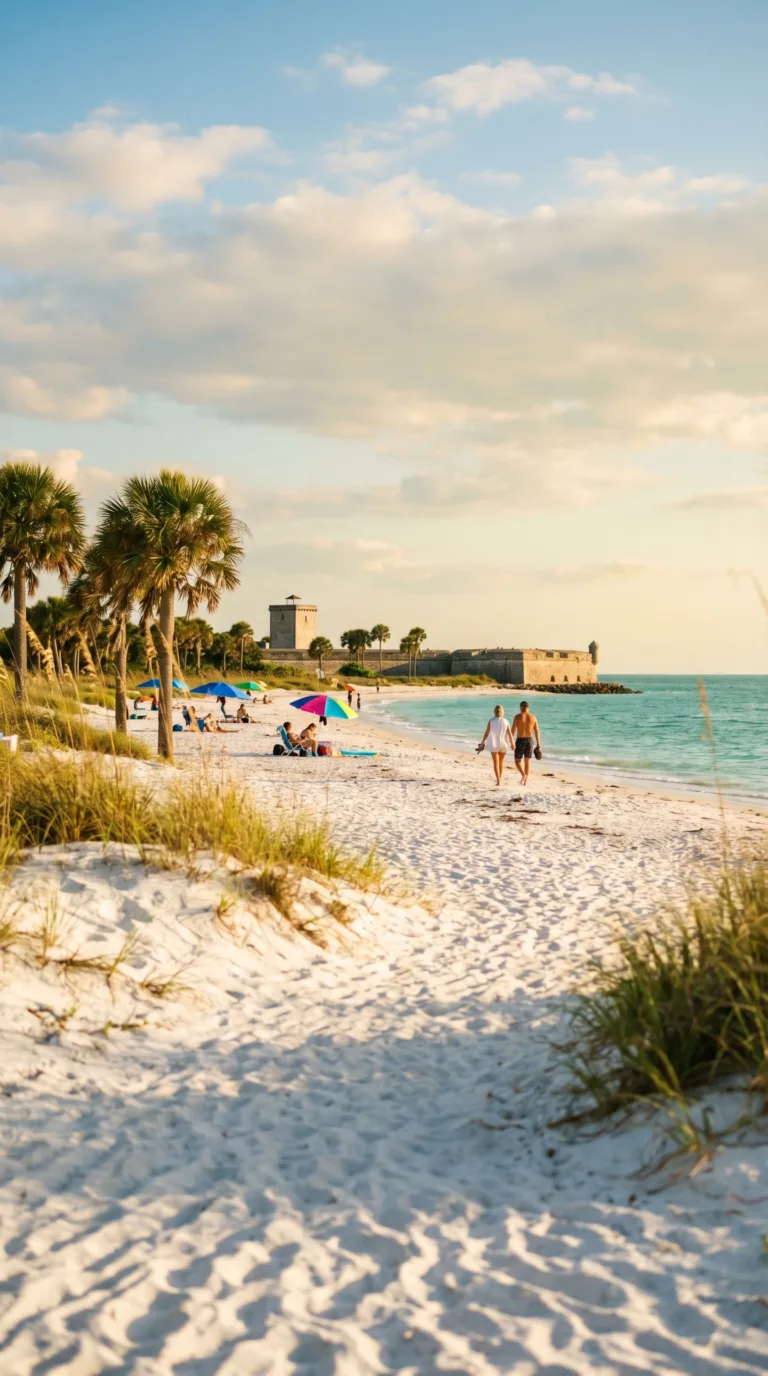
Fort DeSoto Park gives you seven miles of Gulf Coast sand without the condo towers. Dr. Beach ranked it America’s #1 beach in 2005, and it still pulls top-10 spots in annual rankings. The park sits on five interconnected islands at the mouth of Tampa Bay. You can kayak through mangrove tunnels, tour the 1898 Spanish-American War fort, or claim a picnic table under the pines. The North Beach swim area has calm, shallow water. Parking costs $5 per vehicle. Get there before 10 a.m. on weekends or you’ll circle for a spot. The Pinellas County Parks official page for Fort DeSoto Park lists current conditions and amenities.
The city’s other beaches stretch for miles. Pass-a-Grille Beach at the southern tip of St. Pete Beach keeps things low-key with free street parking and no high-rises blocking the sunset. St. Pete Beach proper runs more commercial but delivers soft sand and warm Gulf water. You’ll find public access points every few blocks.
The Pier reopened in 2020 after a $92 million rebuild. The structure juts 3,000 feet into Tampa Bay on 26 acres of reclaimed waterfront. Five restaurants anchor the complex, from casual fish shacks to upscale dining. Kids burn energy at the Marketplace playground. Anglers cast from the fishing deck. The Tilted Lawn slopes down to the water for sunset watching. Parking in the adjacent garage costs $3 per hour. Visit the St. Pete Pier official website for event schedules and restaurant menus.
Sunken Gardens has been growing since 1903, when a plumber named George Turner Sr. drained a sinkhole lake and planted citrus trees. Now 50,000+ tropical plants cover four acres in the middle of the city: flamingos wade in ponds, parrots squawk from aviaries, and orchids bloom year-round in the conservatory. The gardens feel like Old Florida before air conditioning — shaded paths, dripping humidity, zero corporate polish. Admission is $18 for adults.
Tropicana Field hosts Tampa Bay Rays baseball from March through September. The dome keeps games cool but the sight lines feel cramped compared to newer stadiums. Tickets start around $20. Jannus Live books touring bands into an outdoor courtyard venue downtown. The brick walls and open sky create decent acoustics for rock, indie, and electronic acts. Shows run most weekends. Vinoy Park spreads green space along the bayfront next to the historic Vinoy Hotel. Locals use it for morning runs, weekend markets, and festival overflow.
Where to Eat in St. Petersburg
St. Petersburg’s dining scene features over 800 restaurants ranging from waterfront seafood spots serving fresh Gulf catches to award-winning farm-to-table establishments in the Edge District and Grand Central District.

The city pulls in serious food talent. St. Petersburg restaurants earned three James Beard Award nominations in 2025, according to the James Beard Foundation. That’s rare for a Florida city outside Miami.
Waterfront tables deliver the classic Gulf Coast experience. Grouper sandwiches run $14–18. Stone crab season (October through May) brings claws for $35–50 per pound. Dockside spots let you watch pelicans dive while you crack shells.
The Edge District and Grand Central District pack the chef-driven action. Small plates. Natural wine. Menus that change weekly based on what farms deliver. Craft breweries anchor both neighborhoods, some pair house-brewed IPAs with wood-fired pizzas.
Cuban sandwiches cost $8–12 at lunch counters across town. The debate over Tampa-style versus Miami-style rages here too. Locals pick sides.
Brunch culture runs deep. Expect waits at popular spots on weekends. Shrimp and grits. Crab cake benedicts. Bottomless mimosas for $15–20.
Atmosphere splits three ways. Beachside joints serve fish tacos in flip-flops. Upscale waterfront rooms require reservations and closed-toe shoes. Neighborhood bistros fall somewhere between, good food, no pretense.
Check the Visit St. Pete/Clearwater official dining guide for current menus and hours. Restaurants here close Mondays more often than you’d expect.
Where to Stay in St. Petersburg
St. Petersburg offers over 6,500 hotel rooms ranging from beachfront resorts on St. Pete Beach to downtown boutique hotels near the Dali Museum, with options spanning budget-friendly chains to luxury waterfront properties.
Your choice depends on priorities. Beach or culture. Pool lounging or museum hopping.
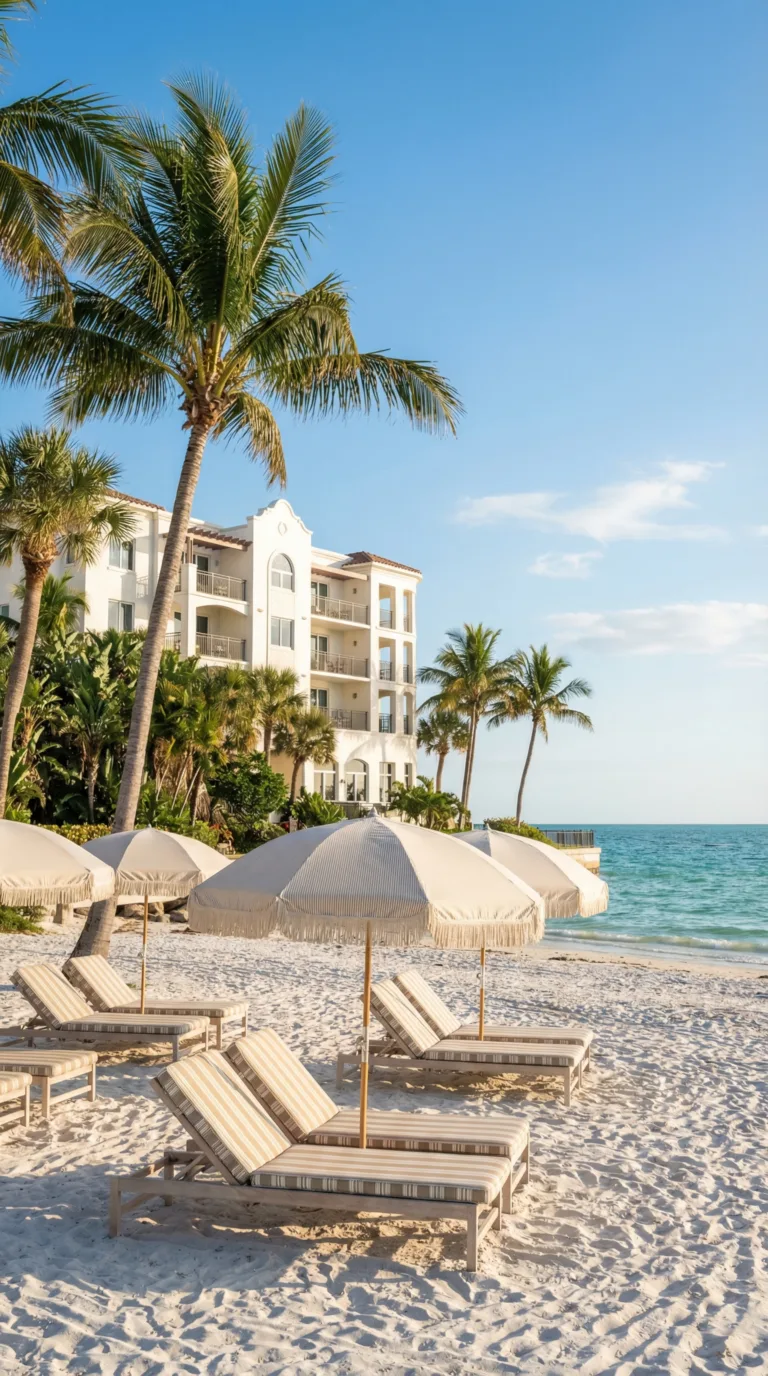
St. Pete Beach claims most of the beachfront hotels in St. Petersburg. Resorts here sit directly on the Gulf. White sand. Turquoise water. Sunset views from your balcony. The Visit St. Pete/Clearwater official accommodation booking page lists dozens of properties, from large resorts with multiple pools to smaller boutique spots. Average nightly rates for beachfront hotels run $250–450 during peak winter months, according to Visit St. Pete/Clearwater. You’ll pay for that Gulf access.
Downtown St. Petersburg flips the script. Hotels here put you within walking distance of the Dali Museum, The Pier, and Central Avenue’s restaurant row. Boutique properties dominate, renovated historic buildings, modern design hotels, smaller footprints. No beach outside your door, but you can walk to dinner without calling an Uber.
Mid-range chains cluster near major roads. Budget travelers find options along 4th Street North. Vacation rentals scatter across the city, condos on the beach, bungalows in historic neighborhoods.
Pick your base camp. Beach resorts for sand and Gulf swimming. Downtown for art and nightlife. You can’t do both from one spot.
Getting Around St. Petersburg
St. Petersburg is served by Tampa International Airport 30 minutes north, with local transportation including the free Downtown Looper trolley, PSTA buses, bike-share programs, and over 200 miles of bike lanes.
Most visitors fly into Tampa International Airport, 18 miles north. The drive takes 30 minutes without traffic. St. Pete-Clearwater International Airport sits closer but offers fewer flight options. Rental cars start around $40 per day. Rideshare from Tampa airport runs $35–50.
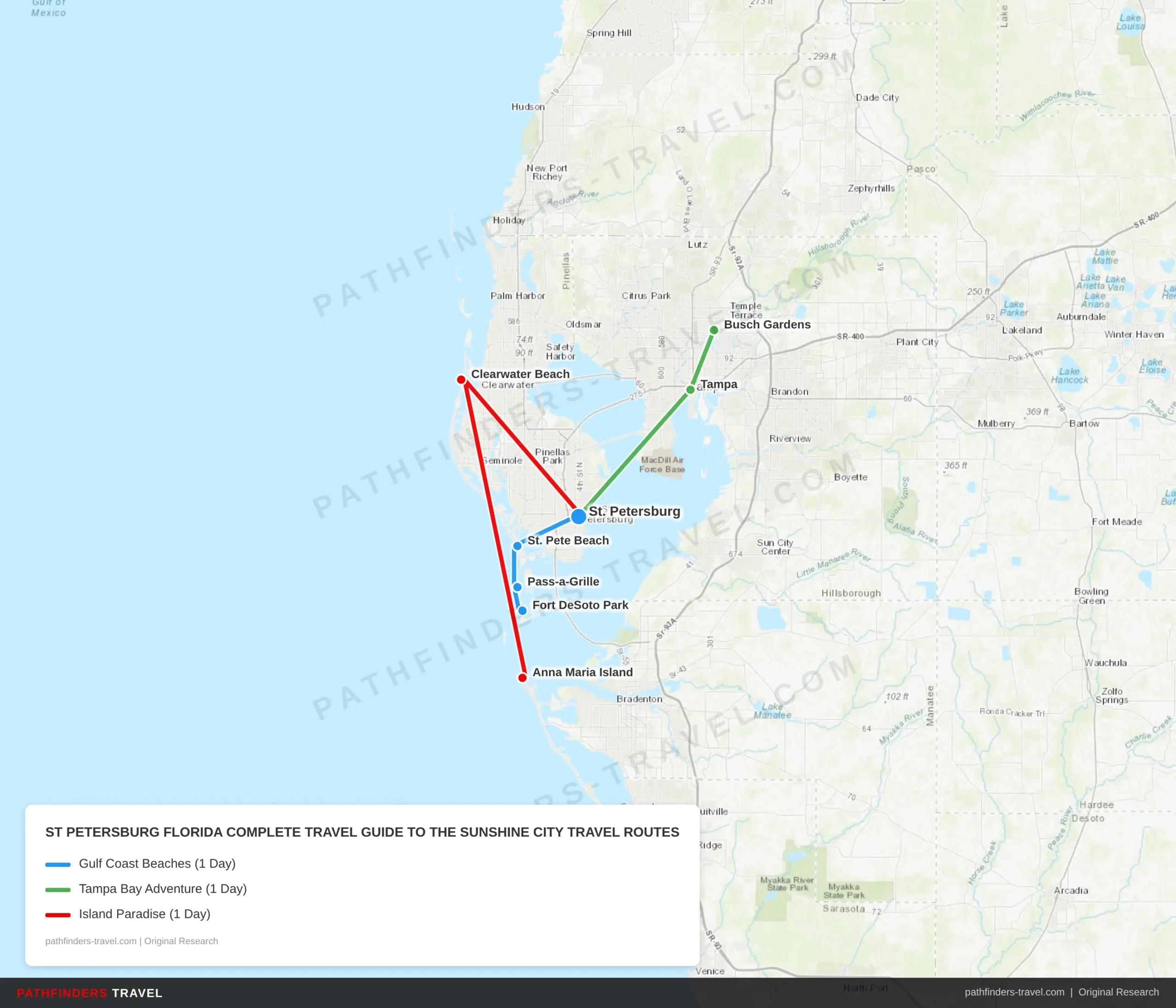
| # | Stop | Highlights | Drive Time |
|---|---|---|---|
| 1 | St. Petersburg | Salvador Dali Museum, The Pier, downtown arts district | Start |
| 2 | St. Pete Beach | Main beach area, restaurants, soft white sand | 15m |
| 3 | Pass-a-Grille | Historic fishing village, free parking, sunset views | 10m |
| 4 | Fort DeSoto Park | Award-winning beaches, Spanish-American War fort, kayaking | 20m |
| # | Stop | Highlights | Drive Time |
|---|---|---|---|
| 1 | St. Petersburg | Museum district, waterfront, breakfast spots | Start |
| 2 | Tampa | Riverwalk, Ybor City, downtown attractions | 45m |
| 3 | Busch Gardens | Roller coasters, African wildlife, family entertainment | 20m |
| # | Stop | Highlights | Drive Time |
|---|---|---|---|
| 1 | St. Petersburg | Arts district, Sunken Gardens, morning exploration | Start |
| 2 | Clearwater Beach | Sugar sand beaches, Pier 60 entertainment, clear waters | 30m |
| 3 | Anna Maria Island | Quiet beaches, charming villages, local seafood | 45m |
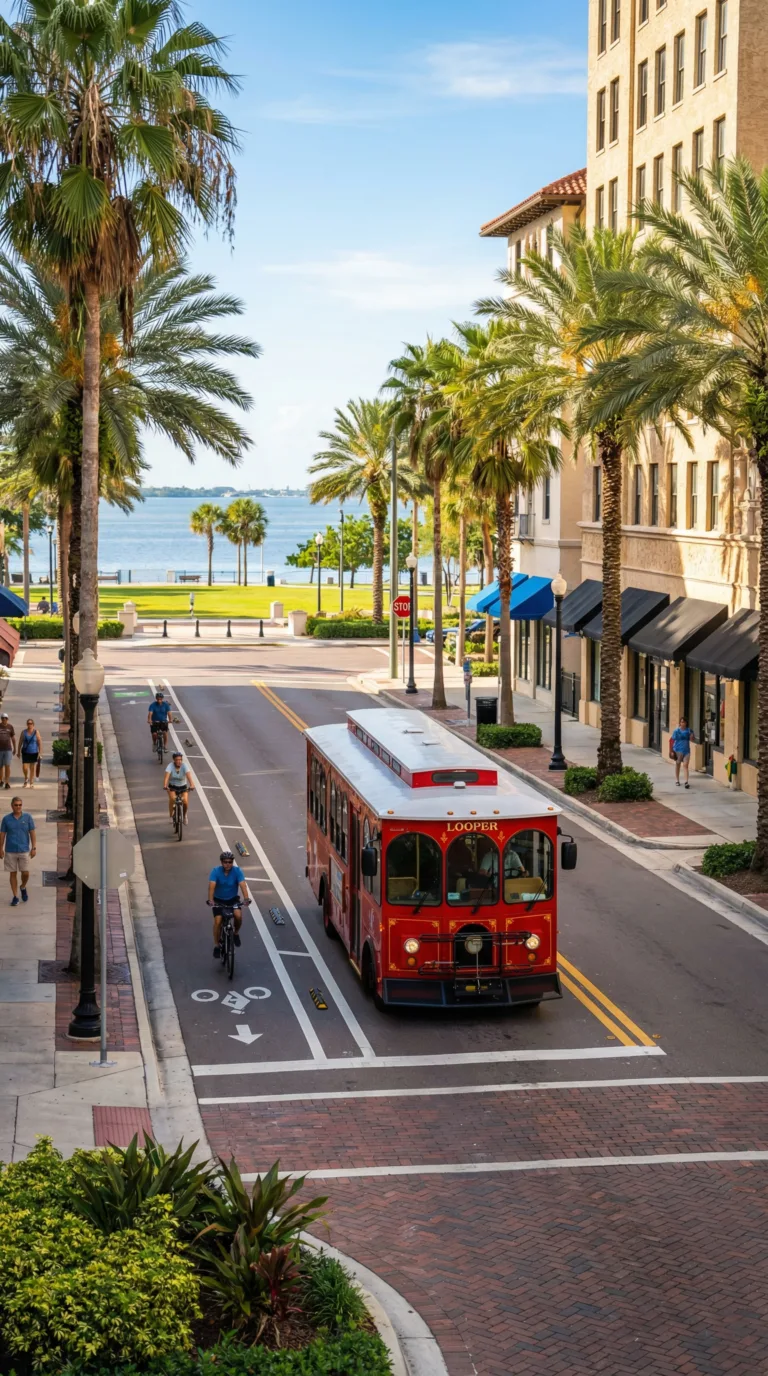
Downtown works without a car. The free Downtown Looper trolley circles the waterfront and museum district every 15 minutes. PSTA buses connect neighborhoods across the city, check PSTA Routes & Schedules for current times. A single ride costs $2.25.
St. Petersburg has over 200 miles of bike lanes, according to the City of St. Petersburg. The terrain stays flat. Coast Bike Share stations dot downtown and beach areas. Hourly rentals run $8. You can pedal from downtown to the Pier in 10 minutes.
A car makes sense for beach days and regional trips. Parking downtown costs $1–2 per hour at meters. Most hotels charge $15–25 daily for parking.
Best Time to Visit St. Petersburg
St. Petersburg averages 361 days of sunshine annually with peak season from March to May offering temperatures of 70-85°F, while summer months (June-September) bring afternoon thunderstorms and humidity with temperatures reaching 90°F.
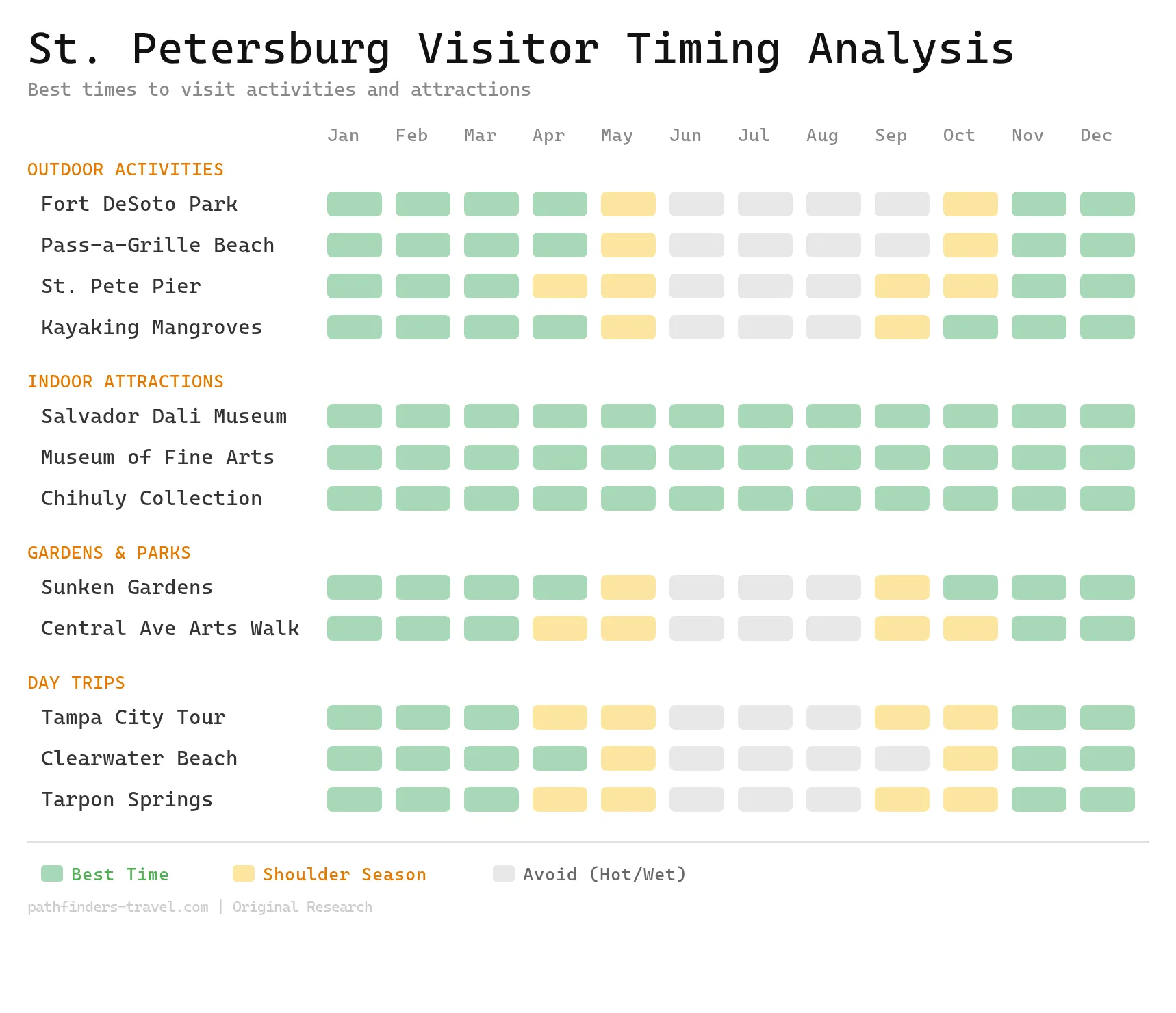
The city’s subtropical climate delivers warm weather year-round. No snow. No freezing rain. Just sunshine and Gulf breezes. According to NOAA climate data, St. Petersburg holds the Guinness World Record for consecutive sunny days, 768 days from 1967 to 1969. That streak ended, but the sun still shows up most days.
March through May is peak season. Temperatures sit between 70°F and 85°F. Humidity stays manageable. Spring breakers flood the beaches in March, but April and May thin out. Hotel rates climb during these months. Book early or pay premium prices. The National Weather Service St. Petersburg Forecast shows consistent dry conditions through spring.
Summer hits hard. June through September brings 90°F heat and thick humidity. Afternoon thunderstorms roll in almost daily around 3 PM. They dump rain for 20 minutes, then vanish. Beach mornings work best. Hotel rates drop 30-40% compared to winter. Fewer tourists. Hurricane season runs June through November. Most storms miss the area, but check forecasts if booking August or September. Because of the heat and sudden storms, knowing what to pack for Florida’s changeable weather helps you stay comfortable through beach days and humid afternoons.
Winter draws snowbirds from the Midwest and Canada. December through February sees temperatures in the 60s and 70s. Perfect for walking the waterfront. Accommodation prices spike. A beachfront hotel room that costs $120 in July jumps to $220 in February. Fall (October-November) offers the sweet spot, warm water, smaller crowds, reasonable rates.
Day Trips from St. Petersburg
St. Petersburg’s central Gulf Coast location provides easy access to Tampa‘s museums and dining 30 minutes north, Clearwater’s award-winning beaches 25 minutes northwest, historic St. Augustine 2.5 hours northeast, and Orlando‘s theme parks 2 hours east.
St. Pete sits at the center of Florida’s Gulf Coast. You can reach five different cities in under a hour. Pack a cooler and go.
Tampa is 30 minutes north via I-275. The city pulls 20 million visitors annually, according to the Visit Tampa Bay official tourism website. Hit the Florida Aquarium ($32 adults) or walk the 2.6-mile Tampa Riverwalk for free. Ybor City serves Cuban sandwiches at Columbia Restaurant since 1905. Busch Gardens charges $110 at the gate but runs better coaster lineups than most Orlando parks.
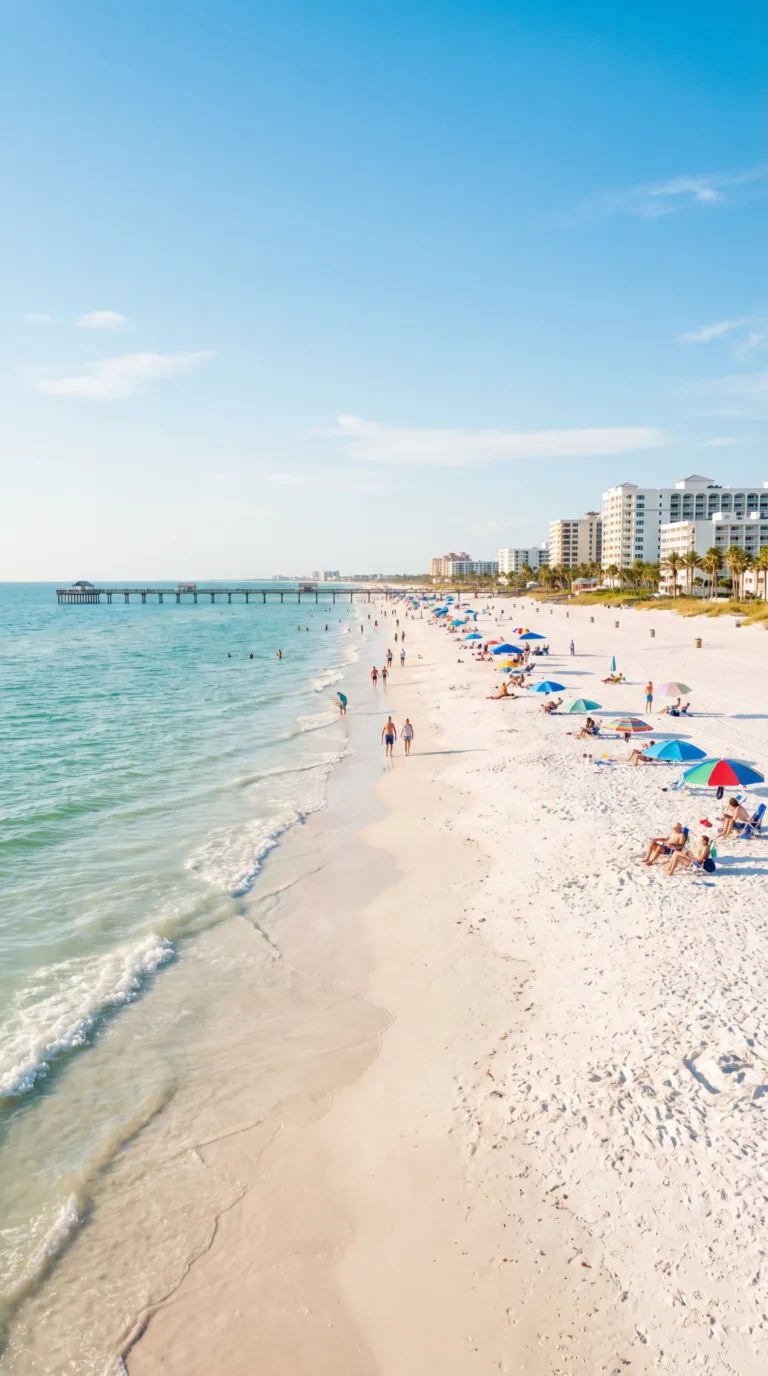
Clearwater sits 25 minutes northwest. The beach wins TripAdvisor awards every year for its white quartz sand. Parking costs $2 per hour at metered spots along the strip. Clearwater Marine Aquarium ($41.95 adults) houses Winter the dolphin from the movie. The sunset celebration at Pier 60 happens nightly with street performers and craft vendors.
Sarasota requires one hour south on I-275. The Ringling Museum ($25 adults) displays circus history and Baroque art in a 66-acre estate. Siesta Key Beach ranks #1 in the U.S. for sand quality, per Dr. Beach’s 2024 list. The sand is 99% pure quartz and stays cool underfoot even at noon.
Anna Maria Island is one hour south via the Sunshine Skyway Bridge ($1.50 toll). The 7-mile barrier island bans high-rise construction. Free trolley service runs the length of the island year-round. Bean Point at the northern tip offers zero development and strong tarpon fishing.
Orlando sits two hours east on I-4. Walt Disney World, Universal Studios, and SeaWorld draw 75 million combined visitors per year, according to the Themed Entertainment Association’s 2025 report. Day trips work if you pick one park and leave by 6 a.m. to beat gate crowds.
St. Augustine requires 2.5 hours northeast via I-95. Founded in 1565, it predates Jamestown by 42 years. Castillo de San Marcos ($15 adults) is the oldest masonry fort in the continental U.S. Walk St. George Street for Spanish colonial buildings that actually date to the 1700s, not replicas.
Naples (2.5 hours south) and Miami (4 hours southeast) work better as overnight trips. Check the Visit Florida official state tourism website for regional travel planning before you commit to longer drives.
Frequently Asked Questions
Why is St. Petersburg so famous?
St. Petersburg holds the Guinness World Record for most consecutive sunny days, 768 days straight from 1967 to 1969. The Salvador Dali Museum houses the world’s most complete collection of Dali’s works outside Spain, with over 2,400 objects spanning his entire career. Fort DeSoto Park consistently ranks among America’s best beaches in national surveys. The downtown waterfront has transformed into a thriving arts district anchored by The Pier. The city also hosts the Firestone Grand Prix of St. Petersburg, the IndyCar season opener that brings international attention each March.
Where is the IndyCar race in St. Petersburg?
The Firestone Grand Prix of St. Petersburg runs on a 1.8-mile street circuit through downtown. The track uses city streets and one runway of Albert Whitted Airport. Races typically happen in early March. The circuit winds along the waterfront with Tampa Bay views, passing directly by The Pier. Grandstands line the downtown streets where drivers hit speeds over 180 mph. You can walk the entire track route when races aren’t running.
Which is better to visit, Clearwater or St. Petersburg?
Both are great but suit different travellers. Clearwater Beach has the wider, whiter sand and a livelier family-resort boardwalk, while St. Petersburg offers world-class museums (the Dali and Chihuly collections), a walkable downtown arts district, the St. Pete Pier, and quieter beaches like Fort De Soto. For a pure beach day choose Clearwater; for a mix of culture, dining, and coast choose St. Petersburg. They sit about 25 minutes apart, so many visitors do both.
Is St. Petersburg, Florida worth visiting?
Yes. You get top-quality museums, Gulf Coast beaches, and a walkable downtown without Miami’s crowds or prices. The weather stays pleasant year-round. The food scene rivals bigger Florida cities. It works well as a base for exploring Tampa Bay. Families find plenty to do beyond beaches. You’ll spend less here than in most major Florida destinations while getting better beach access.
How many days do you need in St. Petersburg, Florida?
Plan for 3-4 days minimum. Day one covers the Dali Museum and downtown waterfront around The Pier. Day two goes to Fort DeSoto Park or St. Pete Beach. Day three hits Sunken Gardens and local neighborhoods. Add extra days for Tampa, Clearwater, or other Gulf Coast trips. A full week lets you relax at the beach without rushing through museums. Most visitors find four days hits the sweet spot between seeing everything and not feeling rushed.