
Estimated reading time: 17 minutes
Last updated: September 2026
Is Miami Worth Visiting?
Yes — Miami is well worth visiting. Florida’s Magic City pairs miles of golden Atlantic beaches with the pastel Art Deco district of South Beach, the Cuban culture and cafecito of Little Havana, the street art of Wynwood, and a buzzing food and nightlife scene. It’s also a gateway to the Everglades and the Florida Keys, making it one of the most vibrant, multicultural city breaks in the US.
Research & Sources
We researched this guide using Miami’s official tourism board, government resources, 4K documentary footage, and firsthand traveler accounts. Details on attractions, neighborhoods, and costs were verified at the time of writing. Please check local websites for current hours, pricing, and any seasonal changes before visiting.
Want to see Miami’s vibrant streets and beaches for yourself? Watch our complete Miami travel guide in 4K Ultra HD.
Planning Tip
The things to do in Miami span far beyond sunbathing. You’ll find Art Deco walking tours in pastel-colored districts, salsa clubs that don’t close until sunrise, and Cuban cafeterias serving cortadito coffee for $2. This coastal city operates on Caribbean time with American infrastructure.
Miami Beach alone draws millions to its white sand and turquoise water. The city proper sits across Biscayne Bay, connected by causeways that funnel traffic between mainland neighborhoods and barrier island resorts. According to the Greater Miami Convention & Visitors Bureau, the metro area welcomed 24.2 million visitors in 2024. Most come for the 300 days of sunshine. Many stay for the food.
Miami’s population tells its own story. U.S. Census Bureau data from 2020 shows 70.2% of residents identify as Hispanic or Latino. Spanish is the first language in entire neighborhoods. Little Havana sells guava pastries from walk-up windows. Wynwood galleries close for Three Kings Day. This isn’t a theme park version of Latin culture, it’s the actual demographic majority shaping the city’s rhythm.
Top Attractions and Things to Do in Miami
Wynwood Walls features over 50 murals by world-renowned street artists across 80,000 square feet, while Vizcaya Museum’s 34-room Italian Renaissance villa attracts over 200,000 annual visitors to its 10-acre bayfront gardens.
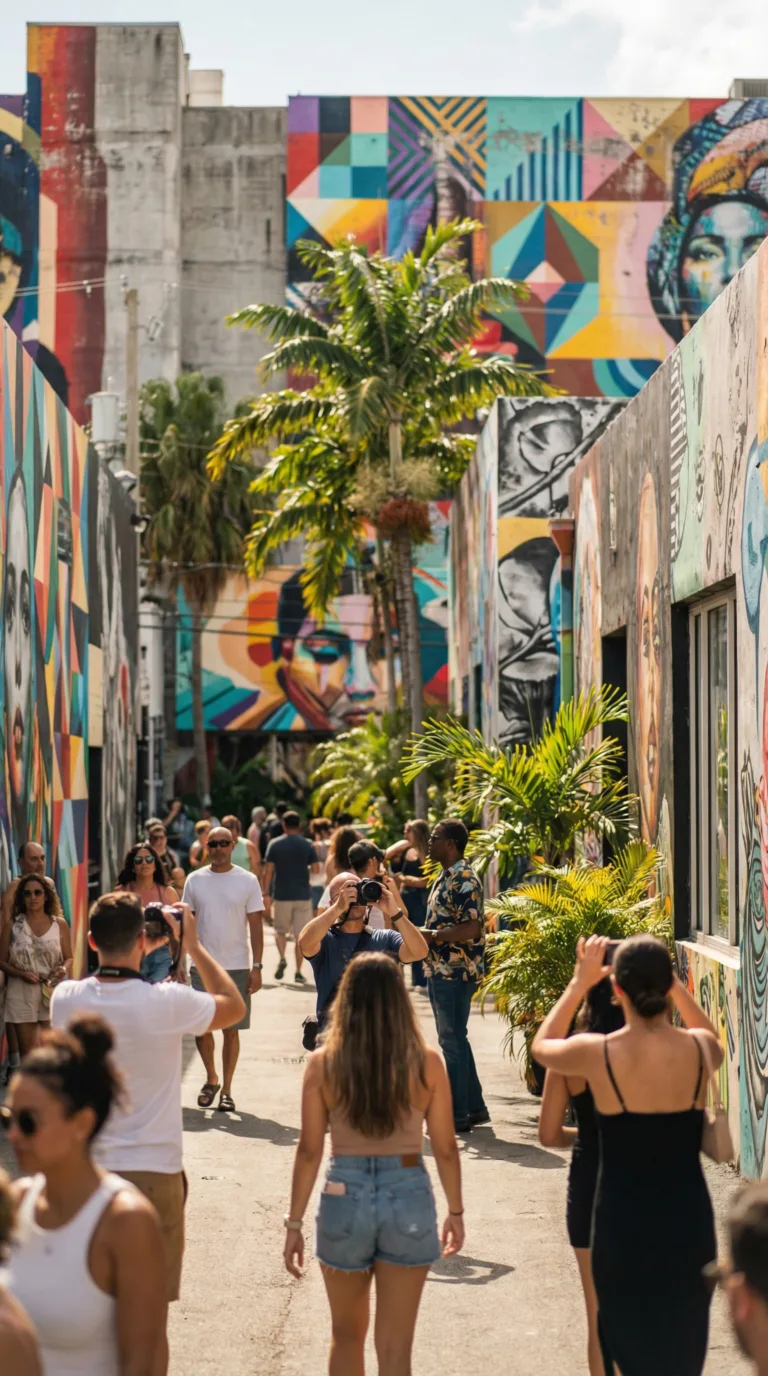
Start with Wynwood Walls. This outdoor gallery transformed a forgotten warehouse district into Miami’s top cultural attraction. Over 50 murals cover 80,000 square feet of concrete, painted by artists like Shepard Fairey and Os Gemeos. Entry is free. You’ll spend 45 minutes wandering between massive pieces that get repainted every few years. The Official Wynwood Walls website lists current artists and upcoming installations.
Vizcaya Museum and Gardens sits on Biscayne Bay in Coconut Grove. James Deering built this 34-room Italian Renaissance villa in 1916. The estate draws over 200,000 visitors annually, according to Vizcaya’s attendance reports. Walk through rooms filled with European antiques, then explore 10 acres of formal gardens with fountains and sculptures. Couples like this spot for engagement photos. Admission costs $25 for adults. Check the Vizcaya Museum and Gardens official website for seasonal hours.
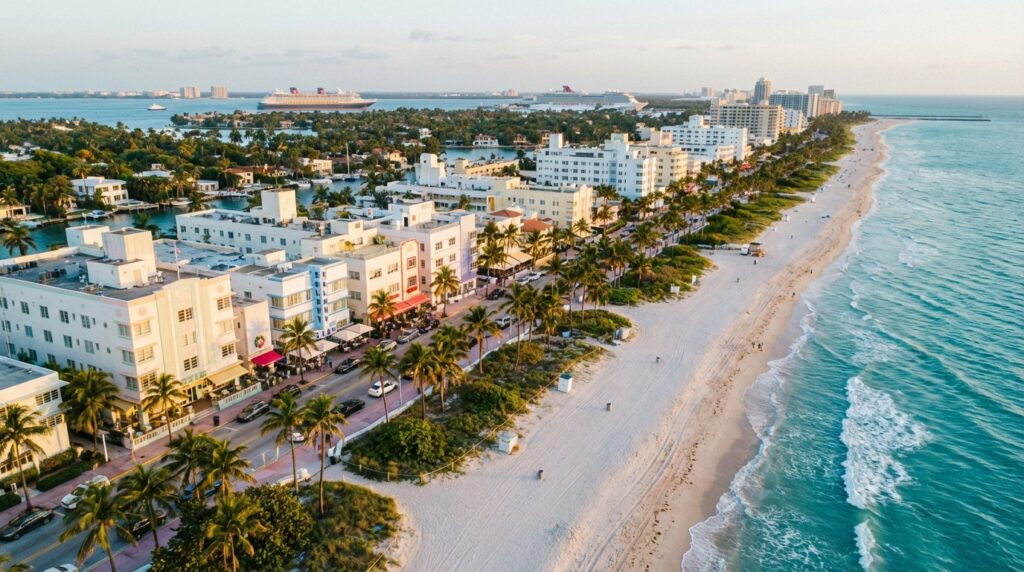
Miami Beach stretches along seven miles of Atlantic coastline. South Beach packs the most energy. Art Deco buildings line Ocean Drive in pastel pink and turquoise. The sand is white, the water is warm, and lifeguards patrol every block. You can walk Ocean Drive for free and photograph the architecture. Parking runs $3 per hour at meters or $20 for beach lots.
Families head to Zoo Miami, the largest tropical zoo in the continental U.S. It holds over 3,000 animals across 750 acres. Kids like the petting zoo and splash pad. Admission is $24 for adults, $20 for children. Bayside Marketplace offers free live music most evenings and sits right on the water. Dolphin Mall is an outlet center with 240 stores.
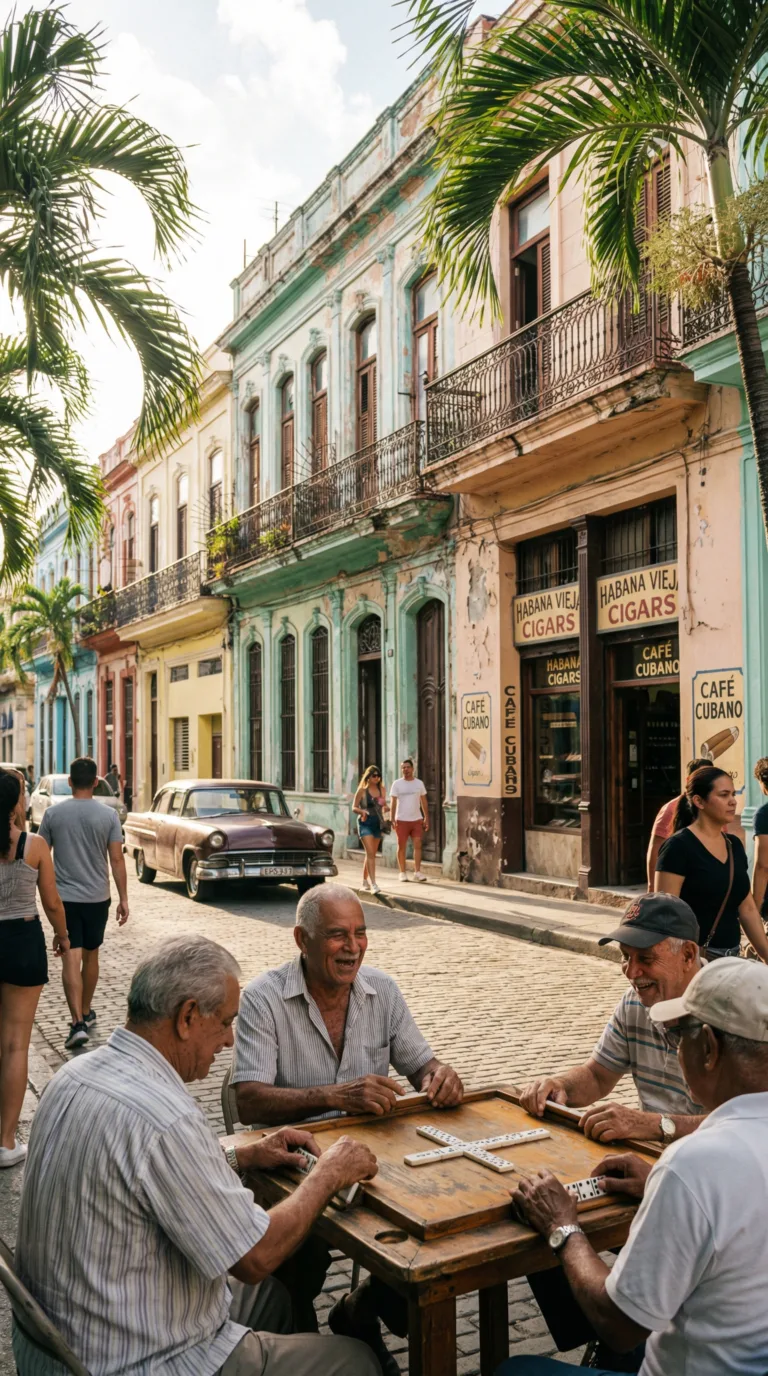
Free things to do in Miami include walking Little Havana along Calle Ocho, where you’ll find cigar rollers and domino players in Maximo Gomez Park. Crandon Park on Key Biscayne has two miles of beach with calm water and no entrance fee on weekdays. South Pointe Park at the southern tip of Miami Beach costs nothing and gives you views of cruise ships leaving the port.
Adults and teens gravitate toward water sports. Rent jet skis at Haulover Beach for $80 per hour or try paddleboarding in Biscayne Bay for $30. Lincoln Road Mall runs seven pedestrian blocks with shops, cafes, and street performers. The Miami Beach official visitor information page lists current events and beach conditions.
For a one-day itinerary, hit Wynwood Walls in the morning before the heat peaks. Drive to Vizcaya for the afternoon. End at South Beach for sunset and dinner on Ocean Drive. That covers art, history, and beach time in under eight hours.
Miami’s Best Neighborhoods to Explore
South Beach’s Art Deco Historic District contains over 800 preserved buildings from the 1930s-1940s, while Wynwood’s 50-block arts district transformed from warehouses into Miami’s creative hub with 70+ galleries and street art installations.
Miami splits into distinct zones. Each neighborhood feels like a different city.
South Beach dominates the Miami Beach area with its iconic Art Deco Historic District. The Miami Design Preservation League maintains over 800 pastel-colored buildings from the 1930s and 1940s. Ocean Drive runs along the beach packed with outdoor cafes and neon-lit hotels. The nightlife here runs until sunrise. Expect crowds year-round.
Wynwood sits north of downtown as Miami’s creative engine. According to the Wynwood Business Improvement District, this 50-block zone houses 70+ art galleries and some of the world’s best street murals. Warehouses turned into restaurants and craft breweries. The vibe skews hipster, lots of vintage shops and coffee roasters.
Little Havana preserves Cuban culture along Calle Ocho (8th Street). You’ll find men playing dominoes at Maximo Gomez Park, cigar rollers working in shop windows, and ventanitas serving cafecito for $1.50. Live salsa music spills from restaurants most nights. This is where Miami’s Latin soul lives.
Brickell rises as the financial district with glass towers and rooftop bars. Young professionals earning Miami’s median salary of $62,000 cluster here. The neighborhood feels modern and polished, think condos, not cottages.
Downtown Miami handles business during the day. Museums and Bayside Marketplace draw tourists. The energy shifts corporate after dark.
Key Biscayne offers a quieter beach escape across the causeway. Families prefer Crandon Park’s calm waters. The island feels suburban compared to South Beach’s chaos.
Pick your base neighborhood based on what you want. Party? South Beach. Art? Wynwood. Culture? Little Havana. Each area also offers hotels and rentals if you want to stay local.
Miami’s Food Scene and Cuban Cuisine
Miami’s food scene reflects its 70.2% Hispanic population with over 200 Cuban restaurants in Little Havana alone, while the city hosts 20+ Michelin-recognized establishments blending Caribbean, Latin American, and international cuisines.
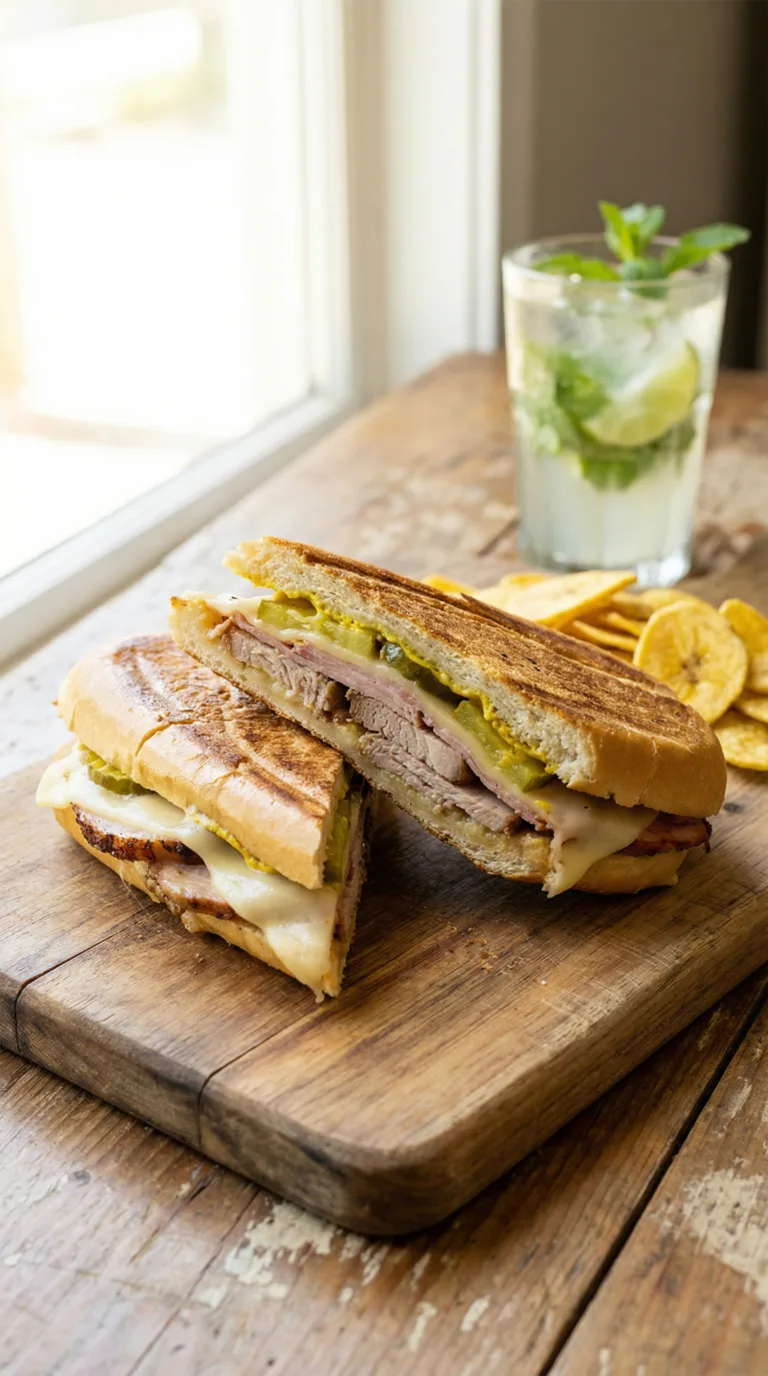
Miami’s dining landscape mirrors its demographics. The city’s 70.2% Hispanic population drives a food culture rooted in Cuban, Caribbean, and Latin American traditions. Little Havana serves as ground zero for authentic Cuban cooking, over 200 Cuban restaurants pack the district, according to the Little Havana Business Association. You’ll find Cuban sandwiches pressed to perfection, ropa vieja simmered for hours, croquetas fried crispy, and cafecito served in tiny cups at sidewalk ventanitas.
Calle Ocho (Southwest 8th Street) anchors the action. Versailles Restaurant has fed locals since 1971, $9 for a full Cuban sandwich, $12 for ropa vieja with black beans and rice. El Exquisito serves midnight sandwiches until 3 a.m. for $7. Explore Little Havana to map out the district’s family-run cafés and bakeries.
Beyond Cuban food, Miami’s Latin American reach extends to Peruvian ceviche bars, Colombian arepas, Venezuelan empanadas, and Argentine steakhouses. The Michelin Guide lists 20+ Miami restaurants, many fuse Caribbean ingredients with global techniques. Stone crab claws (October through May) sell for $40–$60 per pound at waterfront seafood spots. Haitian griot and Jamaican jerk chicken appear in North Miami. Miami Beach’s kosher delis cater to the city’s Jewish population.
Food halls like Time Out Market consolidate 18 vendors under one roof. Beachfront cafés serve açaí bowls and Cuban coffee. The dining scene shifts from $3 street-side croquetas to $200 tasting menus within a few blocks.
Where to Stay in Miami
Miami Beach hotels average $250-450 per night during peak season (December-April), while Brickell and Downtown offer mid-range options from $150-250, with budget travelers finding hostels and motels from $60-100 in areas like Miami Beach and Little Havana.
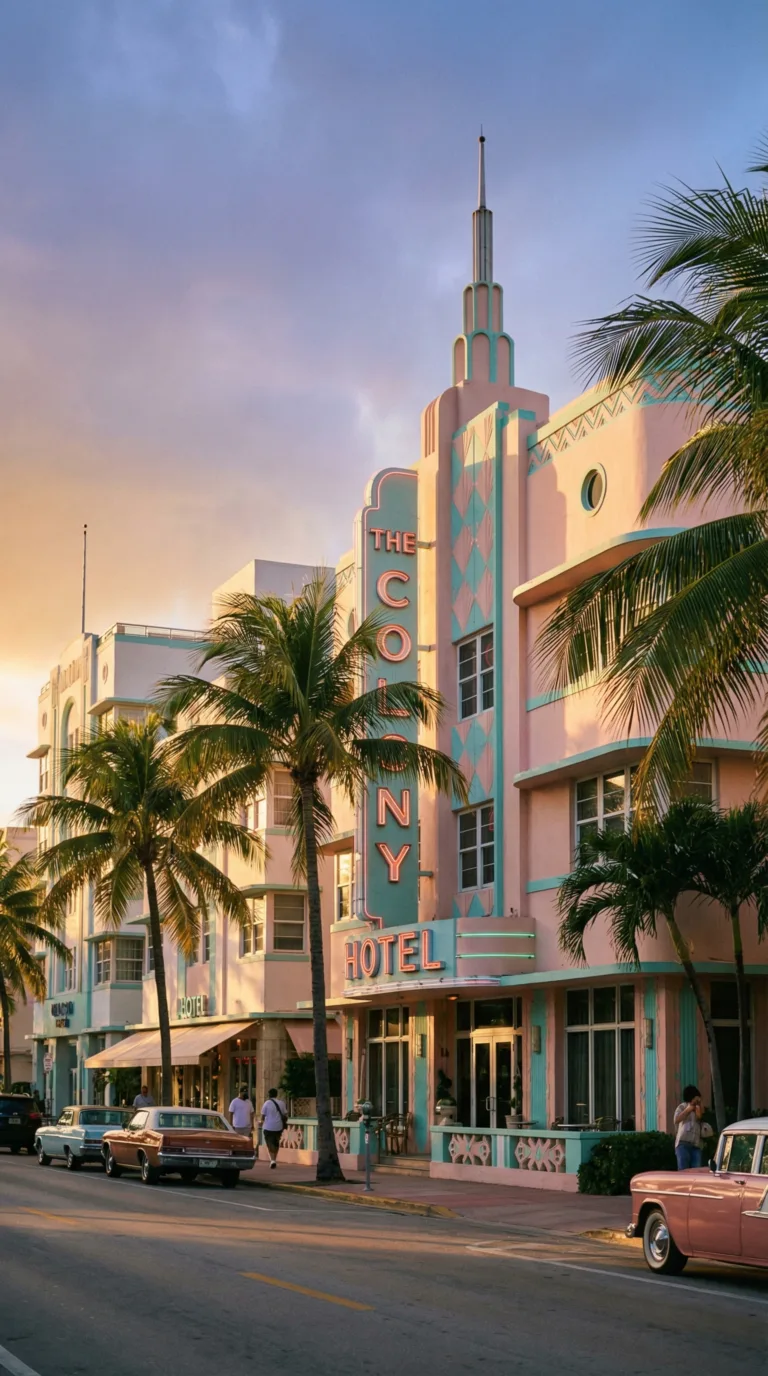
South Beach dominates the miami beach hotel scene. Art Deco properties line Ocean Drive. You’ll pay for the location. Beachfront resorts start at $350 in winter. Boutique hotels in restored 1930s buildings run $200-300. The trade-off? You’re steps from the Atlantic.
Brickell attracts business travelers and visitors with $80,000-$100,000 budgets who want modern amenities. High-rise hotels here feature rooftop pools and sleek lobbies. Rates hover around $180-250. You’re central to everything but not on the beach.
Downtown Miami caters to convention-goers and cruise passengers. Mid-range chains cluster near the port. Expect $150-200 per night. Proximity to Brickell and Wynwood makes it practical.
Wynwood offers boutique stays in converted warehouses. Artistic vibe. Trendy. Rates run $120-200. You’re in the cultural district, not near water.
Budget options exist. Hostels in South Beach start at $60 for dorm beds. Motels along Biscayne Boulevard run $80-120. Airbnb fills gaps in Little Havana and Coconut Grove.
Book early for Art Deco Weekend (January) and spring break (March). Prices spike 40-60%. Winter is peak season. Summer brings heat and lower rates. Choose your neighborhood based on priorities: beach access versus nightlife versus cultural attractions. The Greater Miami and the Beaches Hotel Association lists member properties across all price ranges.
Getting to and Around Miami
Miami International Airport (MIA) serves 52 million annual passengers with direct flights from 170+ destinations, located just 8 miles from downtown with $25-35 taxi rides, while the free Metromover and $2.25 Metrorail provide public transit across the metro area.
Miami International Airport is your main gateway. It’s a massive hub 8 miles west of downtown. Taxis to South Beach run $35-40. Uber and Lyft cost $20-30 depending on surge pricing. The Miami International Airport official website lists all ground transport options. Rental cars start at the airport’s consolidated facility, useful if you’re planning day trips.
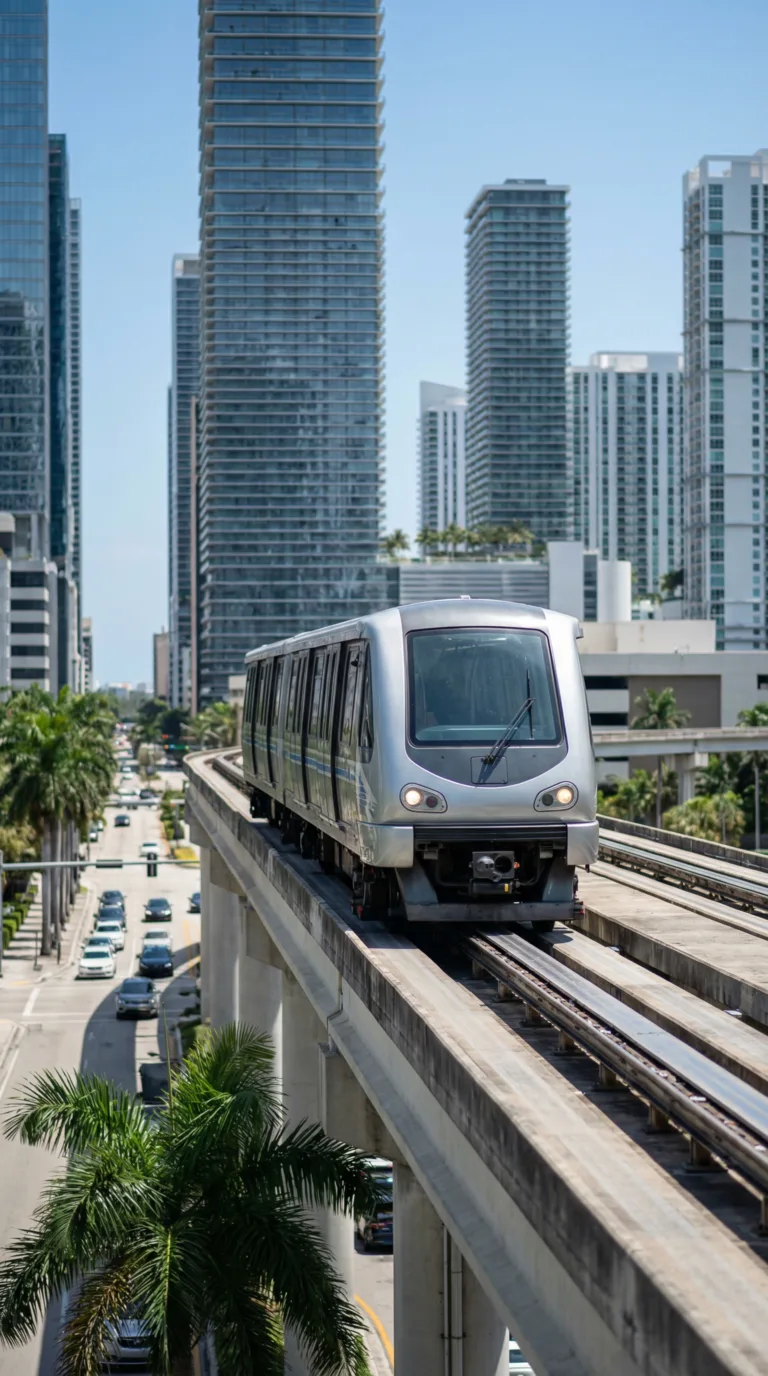
Public transit exists but has gaps. The Metrorail runs north-south through downtown and Brickell. Fare is $2.25 per ride. The Metromover is free, it loops through downtown, Brickell, and the Arts & Entertainment District on improved tracks. Neither reaches South Beach. For that, you need the 120 bus ($2.25) or a rideshare. Check Miami-Dade Transit routes and fares for current schedules.
Driving into Miami? I-95 is the main corridor from the north. Parking in South Beach is brutal, $25-40 per day at hotels, metered street spots gone by 10 a.m. You don’t need a car if you’re staying on the beach. You do need one for the Everglades or if you’re asking about the distance from Miami to Key West (it’s 160 miles, roughly 3.5 hours via the Overseas Highway).
Miami Beach has a decent boardwalk for biking. Citi Bike stations dot the area, $5 for 30 minutes. Water taxis cross Biscayne Bay between downtown and Miami Beach, offering views of the skyline. They’re scenic but slow.
Travel Routes
Below are recommended travel routes with key stops and estimated drive times.
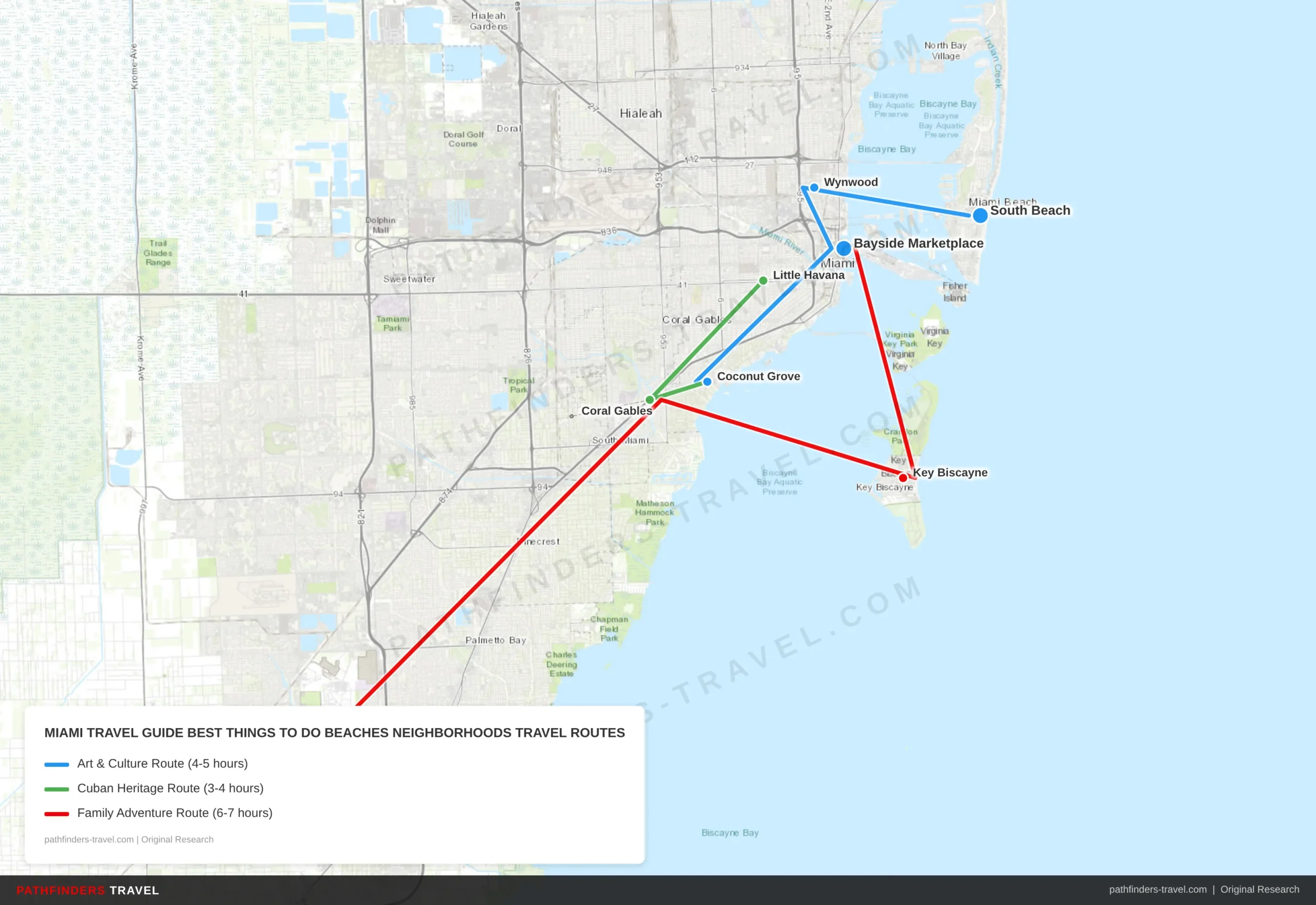
| # | Stop | Highlights | Drive Time |
|---|---|---|---|
| 1 | South Beach | Art Deco buildings on Ocean Drive, white sand beaches, colorful lifeguard towers | Start |
| 2 | Wynwood | Wynwood Walls outdoor gallery, 50+ murals by world-renowned street artists | 15 min |
| 3 | Bayside Marketplace | Free live music, waterfront dining, shopping on Biscayne Bay | 12 min |
| 4 | Coconut Grove | Vizcaya Museum 34-room villa, 10-acre bayfront gardens, European antiques | 20 min |
| # | Stop | Highlights | Drive Time |
|---|---|---|---|
| 1 | Little Havana | Calle Ocho street life, Cuban cafeterias, guava pastries, cortadito coffee | Start |
| 2 | Coral Gables | Mediterranean Revival architecture, upscale shopping, cultural attractions | 8 min |
| 3 | Coconut Grove | Historic neighborhood, waterfront dining, local galleries and boutiques | 10 min |
| # | Stop | Highlights | Drive Time |
|---|---|---|---|
| 1 | Zoo Miami | 3,000 animals across 750 acres, petting zoo, splash pad for kids | Start |
| 2 | Coral Gables | Family-friendly neighborhoods, parks, historic architecture tour | 25 min |
| 3 | Key Biscayne | Crandon Park Beach, lighthouse, nature trails, calm family beaches | 20 min |
| 4 | Bayside Marketplace | Free entertainment, boat tours, family dining with bay views | 15 min |
Miami Travel Budget and Costs
Budget travelers can visit Miami for $100-150 daily including hostel accommodation, public transit, and casual dining, while mid-range visitors should budget $250-400 daily for hotels, restaurants, and attractions, with Miami ranking as the 5th most expensive US city for tourists.
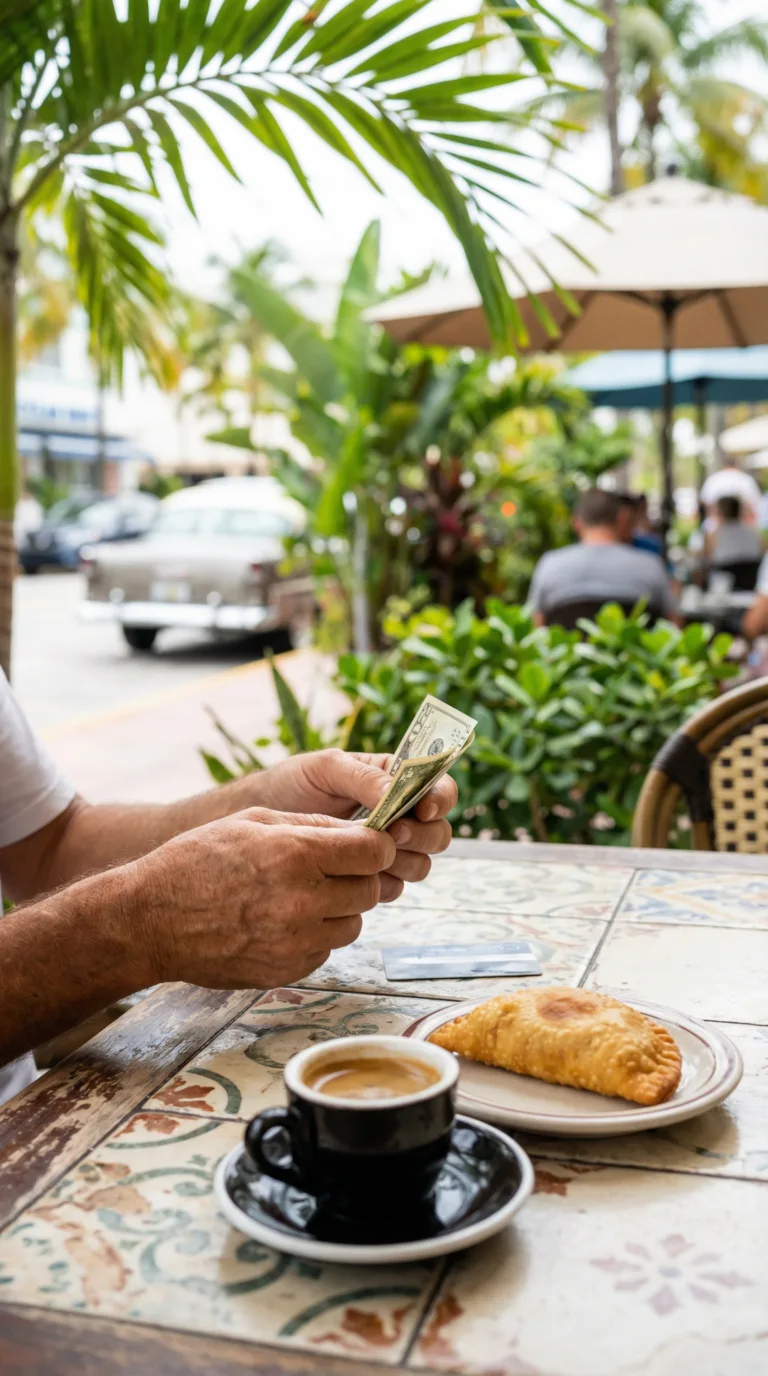
Miami costs money. A lot of it. The city ranks as America’s 5th priciest destination for tourists, and locals need $80,000-$100,000 annual salaries just to afford popular neighborhoods comfortably. Your biggest expense will be accommodation. Hostels run $30-60 per night. Mid-range hotels cost $150-250. Luxury properties start at $300 and climb fast.
Food pricing splits into tiers. Little Havana Cuban cafeterias charge $8-15 for full meals, your best value in the city. Casual restaurants run $15-30 per person. Upscale dining hits $40-80 before drinks. Skip the tourist traps on Ocean Drive. Walk two blocks inland and prices drop 30%.
Transportation stays cheap if you use public transit. Metromover rides are free. Buses and Metrorail cost $2.25 per trip. Rideshares run $10-30 depending on distance. Rental cars cost $40-70 daily, but parking fees add $20-40 more in beach areas.
Many top attractions cost nothing. All public beaches are free. Museums charge $15-25 for entry. Organized tours range from $40-100. Budget $100-150 daily if you’re hostel-hopping and eating Cuban food. Mid-range travelers need $250-400 for hotels, sit-down meals, and paid activities. Luxury budgets start at $400 and have no ceiling.
Visit between May and November for 30-50% lower hotel rates. Miami Beach and South Beach always cost more than mainland neighborhoods. Happy hours run 4-7pm at most bars, half-price drinks and appetizers.
Best Day Trips from Miami
Key West sits 160 miles from Miami via the 113-mile Overseas Highway across 42 bridges, while Orlando’s theme parks lie 235 miles north (3.5-hour drive) and Fort Lauderdale’s beaches are just 30 miles away (45 minutes), offering diverse day trip options from cultural to coastal.
Miami anchors South Florida’s exploration hub. You can reach Gulf beaches, Atlantic surf breaks, and Caribbean-style islands within a few hours.
Fort Lauderdale sits 30 miles north, a 45-minute drive up I-95. Las Olas Boulevard runs through downtown with boutiques and cafes. The Riverwalk follows the New River past restaurants and museums. Beaches here spread wider than Miami’s strips.
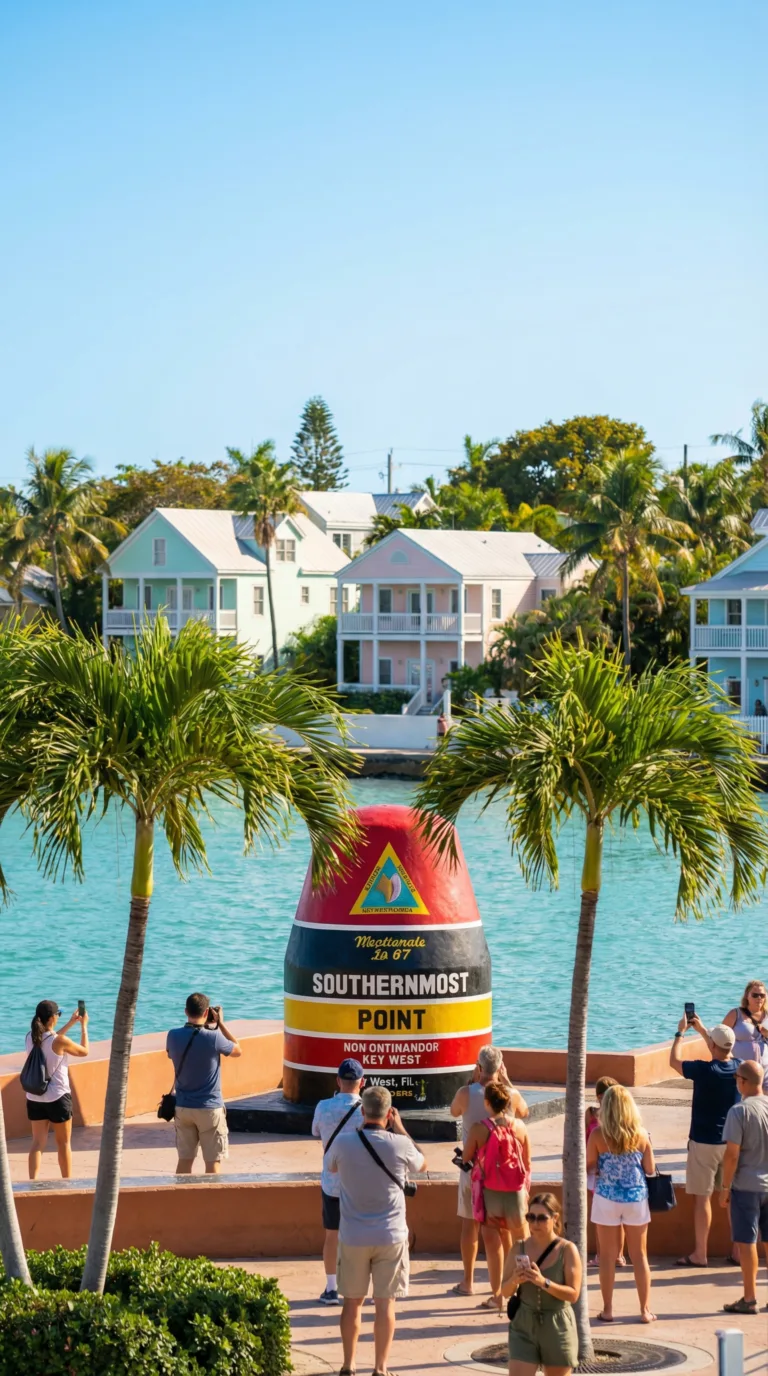
The distance from Miami to Key West covers 160 miles. Drive time runs 3.5 hours via the Overseas Highway, which crosses 42 bridges through the Florida Keys according to the Official Florida Keys tourism website. The Seven Mile Bridge stretches over open water with nothing but turquoise on both sides. Stop in Key Largo for reef diving at John Pennekamp Coral Reef State Park. Islamorada offers sportfishing charters, tarpon and bonefish run year-round. Marathon’s beaches provide swimming breaks. Key West’s Duval Street packs bars and shops into 12 blocks. The Southernmost Point marker sits 90 miles from Cuba. Sunset celebration at Mallory Square draws street performers and food carts nightly.
Everglades National Park lies one hour west on US-41. Airboat tours run through sawgrass marshes where alligators sun on banks. The Everglades National Park official website lists ranger-led wildlife walks and canoe trails. You’ll spot herons, ibises, and anhinga birds hunting in shallow water.
Naples sits two hours west on I-75. Fifth Avenue South runs through downtown with galleries and upscale restaurants. Gulf Coast beaches here face calmer water than Miami’s Atlantic shore. Marco Island adds another 20 minutes south, a barrier island with shell-covered beaches and fishing piers.
Orlando requires 235 miles north, about 3.5 hours on Florida’s Turnpike. Disney World, Universal Studios, and SeaWorld cluster around the city. Leave Miami by 7 AM to maximize park time. Many visitors turn this into an overnight trip.
Cocoa Beach lies 3.5 hours north on Florida’s Atlantic coast. Surfers catch consistent waves here. Kennedy Space Center sits 15 minutes north, tour launch pads and see real rockets in the Vehicle Assembly Building.
Anna Maria Island, Sarasota, and St. Petersburg spread along the Gulf Coast 4 hours north. Siesta Key’s quartz sand stays cool underfoot even in summer heat. St. Pete’s Salvador Dalí Museum holds the largest collection of his work outside Spain. Clearwater and Tampa push past 4.5 hours, doable but exhausting for a single day. Daytona Beach allows car driving on hard-packed sand, 4.5 hours north.
St. Augustine needs 5 hours each way. The oldest continuously occupied European settlement in the US preserves Spanish colonial architecture from the 1500s. Plan an overnight stay. Same advice applies to Jacksonville (5+ hours) and Tallahassee (7 hours), too far for day trips.
Practical Tips for Visiting Miami
Miami’s tropical climate averages 77°F year-round with peak season from December-April (70-80°F, low humidity) and summer months June-September reaching 85-95°F with afternoon thunderstorms and 60-70% humidity requiring light, breathable clothing and high-SPF sunscreen.
Peak season runs December through April. Temperatures hover between 70-80°F with humidity around 50%. You’ll pay more for hotels, but the miami weather is perfect. Summer means 85-95°F heat with 60-70% humidity. Afternoon thunderstorms roll in almost daily between June and September, according to the National Weather Service Miami.
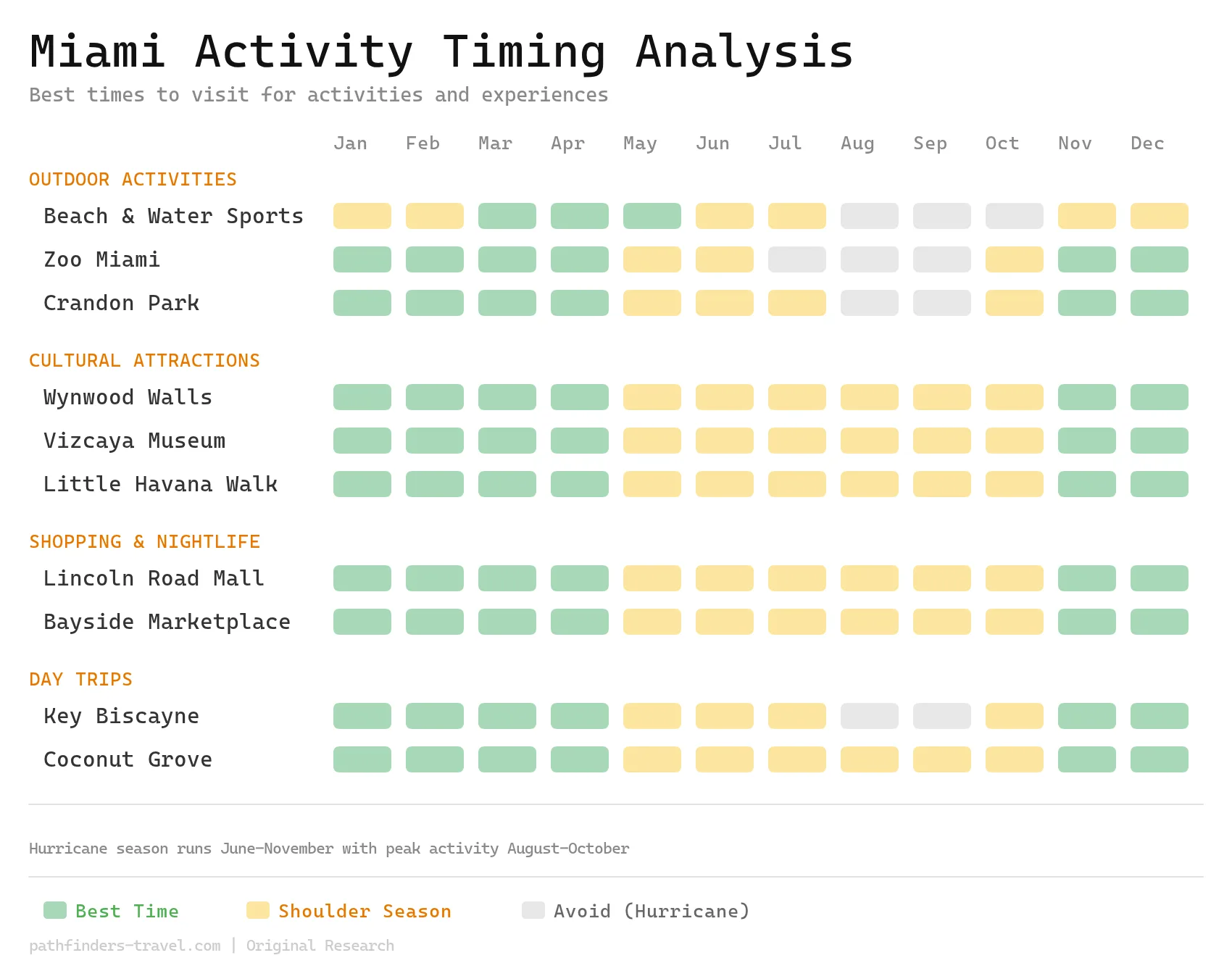
Hurricane season spans June through November. Peak risk hits August through October. Check the National Hurricane Center before booking summer trips. Most hotels have clear evacuation policies.
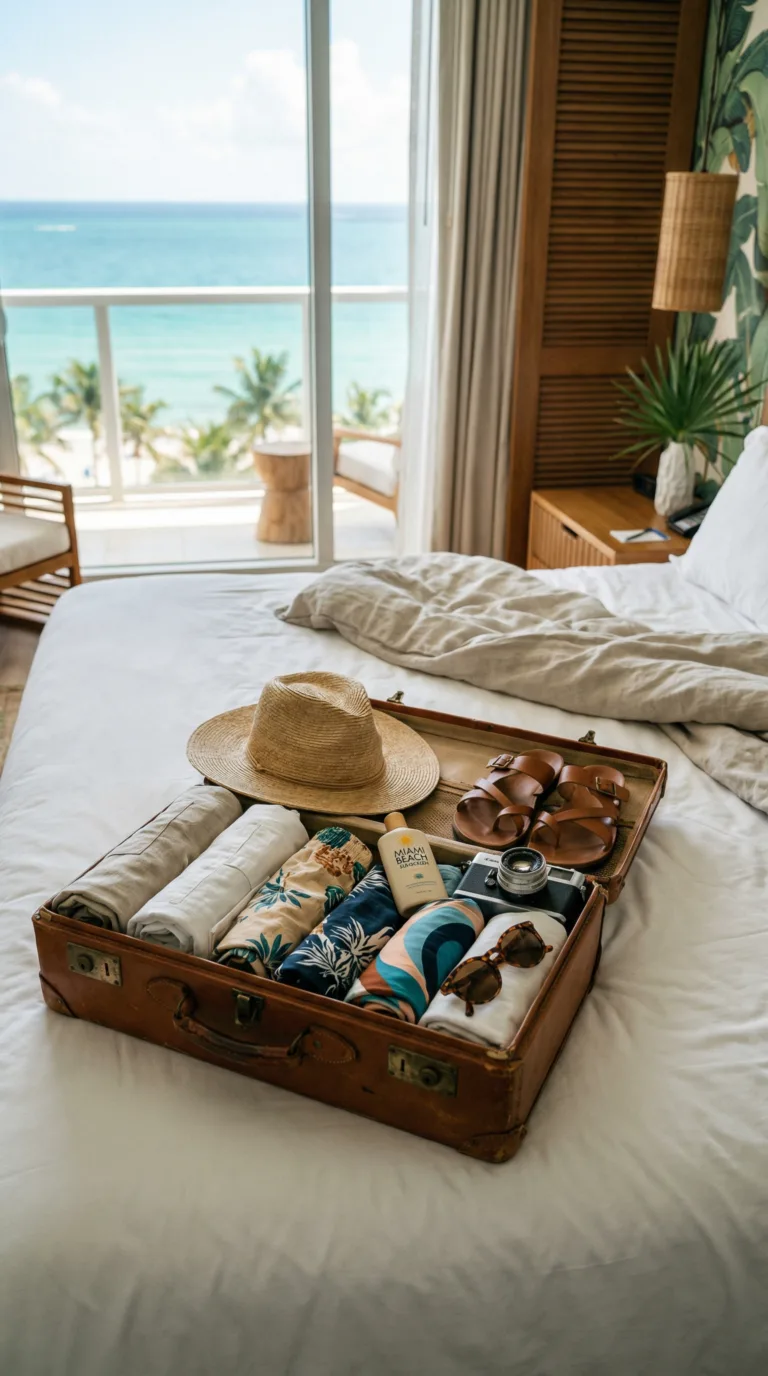
Pack light, breathable fabrics. Cotton and linen beat synthetic materials. Bring multiple swimsuits so one can dry while you wear another. High-SPF sunscreen is non-negotiable, Miami’s UV index stays brutal year-round. Reapply every two hours. A wide-brimmed hat helps during midday.
Miami runs casual but stylish. Jeans work fine, but you’ll roast in summer heat. South Beach nightclubs enforce dress codes, no shorts, no flip-flops after 10 PM. Beach attire dominates everywhere else.
English and Spanish both work. Spanish dominates in Little Havana and Hialeah. Tipping runs 18-20% at restaurants. Service moves on “island time”, don’t expect New York pace.
Best Time to Visit
Miami enjoys year-round warmth, but the best visiting conditions occur during the dry season from December through April when temperatures are pleasant and humidity is lower. Hurricane season from June through November brings increased storm risk, with August-October being the most active period.
Frequently Asked Questions About Miami
What is Miami best known for?
Miami is best known for its beaches and Art Deco architecture in South Beach, its Cuban culture and food in Little Havana, the colourful Wynwood street-art district, and a glamorous nightlife and boating scene. It’s also a major cruise port and gateway to the Everglades and Florida Keys.
What is the number one attraction in Miami?
South Beach and its Art Deco Historic District top most lists, with pastel 1930s buildings, Ocean Drive, and wide white sand. Other favourites include the Wynwood Walls, Little Havana’s Calle Ocho, Vizcaya Museum & Gardens, and Bayside Marketplace.
How many days do you need in Miami?
Three to four days is ideal for a first visit — enough for the beaches, South Beach, Wynwood, and Little Havana, plus a day trip to the Everglades or the Keys. Add a couple more days to slow down or explore further afield.
Is Miami expensive?
Miami can be pricey, especially South Beach hotels, dining, and parking in the peak winter season. Save by visiting in the shoulder months, staying in Brickell or Coral Gables, using public transit and the free Metromover, and enjoying the beaches, which are free.
How far is Key West from Miami?
Key West is about 160 miles (260 km) southwest of Miami, a scenic three-to-four-hour drive down the Overseas Highway through the Keys. It works as a long day trip, but an overnight lets you enjoy the islands and the famous sunset at Mallory Square.