
This guide contains affiliate links. As an Amazon Associate we earn from qualifying purchases — at no extra cost to you.
Estimated reading time: 15 minutes
Last updated: August 2026
Table of Contents
- Is San Antonio Worth Visiting?
- Top Attractions: From the Riverwalk to World-Class Theme Parks
- Neighborhoods: Exploring San Antonio’s Distinct Districts
- Food & Dining: Tex-Mex Capital of the World
- Where to Stay: Hotels for Every Budget and Style
- Getting Around: Transportation in San Antonio
- Budget Planning: What to Expect in San Antonio
- Day Trips: Exploring Beyond San Antonio
- Practical Tips: Weather, Safety & Best Time to Visit
- Frequently Asked Questions
Is San Antonio Worth Visiting?
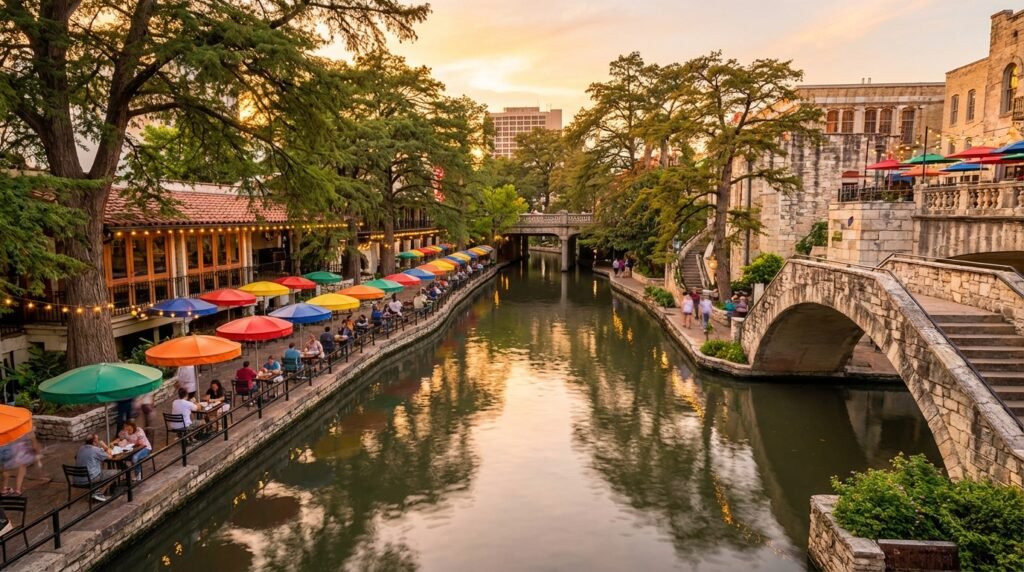
Yes, San Antonio is well worth visiting. Texas’s second-largest city blends 300-year-old history with modern fun along its famous River Walk, a 20-mile network of café-lined waterways downtown. You can tour the Alamo and four other Spanish colonial missions (a UNESCO World Heritage Site), eat some of the best Tex-Mex in the country, and reach theme parks like SeaWorld and Six Flags Fiesta Texas. Spring and fall are the best times to go.
Want to experience the Riverwalk and San Antonio’s highlights yourself? Watch our complete San Antonio travel guide in 4K.
The San Antonio Riverwalk pulls you in first. Twenty miles of stone pathways snake below street level, past restaurants and bars where you can eat tacos at 2 p.m. or drink margaritas at midnight. This single waterway defines what people think of when they picture San Antonio.
Texas’s second-largest city sits in the south-central part of the state, about 80 miles from the Mexican border. The population tops 1.4 million. Spanish missionaries built five stone churches here in the 1700s. Those missions still stand. You can walk through them for free.
San Antonio is known for more than history. Theme parks draw crowds too: SeaWorld and Six Flags Fiesta Texas sit on opposite sides of town. The food scene runs deep with Tex-Mex joints that have been family-owned for three generations. Downtown streets fill up during Fiesta in April, when the entire city throws a 10-day party.
People who visit San Antonio come for the Riverwalk. They stay because the city mixes 300-year-old architecture with roller coasters and breakfast tacos. You can tour a UNESCO World Heritage Site in the morning and ride a river barge past mariachi bands by lunch. That combination doesn’t exist anywhere else in Texas.
Top Attractions: From the Riverwalk to World-Class Theme Parks
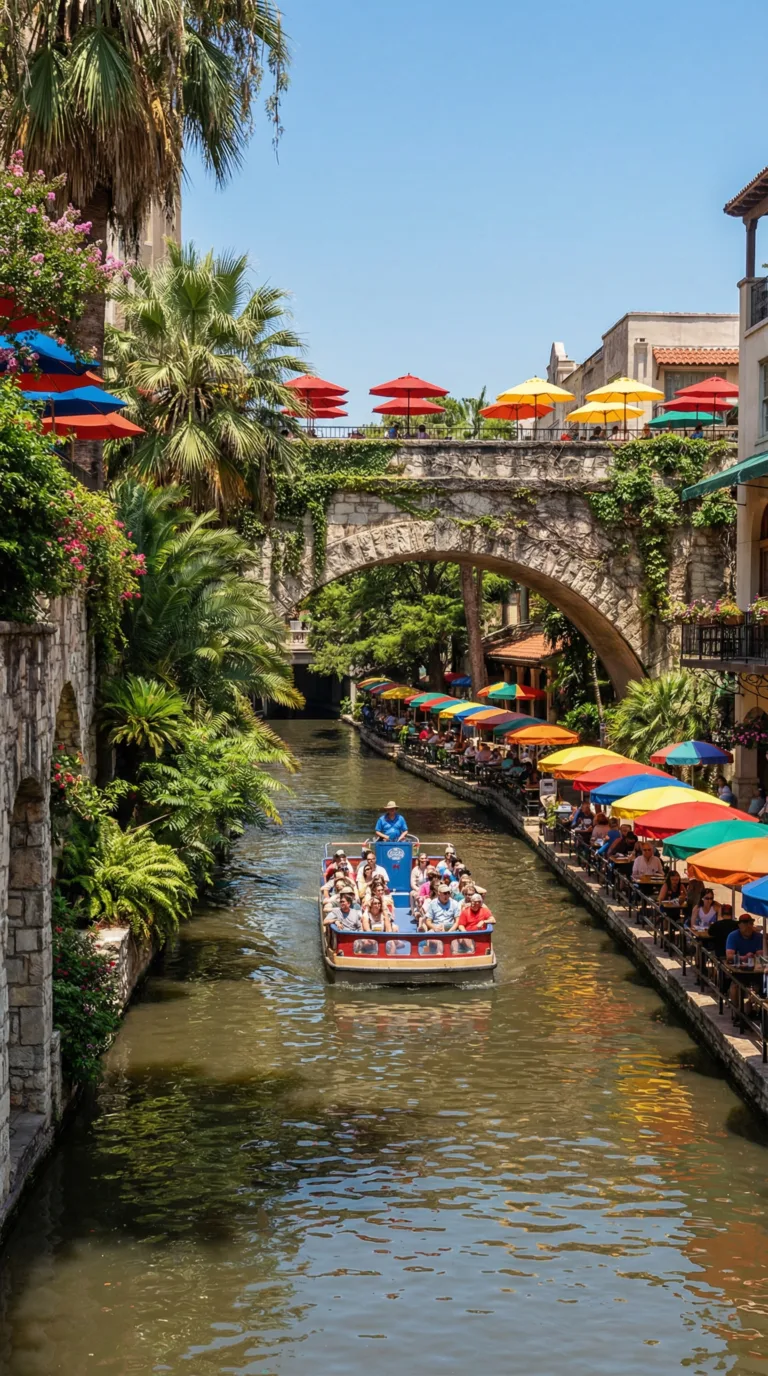
The San Antonio Riverwalk defines this city. Fifteen miles of paved paths snake below street level, following the San Antonio River through downtown. Cypress trees hang over the water. Stone bridges arch overhead. Restaurants pack both banks, Mexican joints, steakhouses, cafés with outdoor tables two feet from the current.
You can walk it. Most people do. Fifteen miles of stone paths are hard on the feet, so a pair of comfortable walking shoes makes the difference by mid-afternoon. But the san antonio riverwalk boat ride gives you the full picture. Open-air barges hold about forty passengers. Guides point out architecture. You float under bridges, past hotel balconies, through the Museum Reach section where public art installations line the banks. Tickets run $14.50 for adults. Boats leave every fifteen minutes during peak season. Grab a san antonio riverwalk map at any hotel lobby, the system splits into four sections, and it’s easy to get turned around near the Pearl district.
Christmas transforms the place. More than 100,000 lights wrap trees and railings during the holiday season. The san antonio riverwalk christmas display runs from late November through early January. Crowds triple. Book dinner reservations two weeks out if you’re visiting in December.
SeaWorld San Antonio sprawls across 416 acres on the city’s west side. Killer whale shows still draw the biggest crowds, though the park shifted away from theatrical performances after 2016. Now it’s educational presentations, trainers explain orca behavior, feeding patterns, conservation efforts. The park added steel roller coasters to diversify. The Great White coaster hits 63 mph. Wave Breaker launches you over fake jet ski vehicles. Check SeaWorld San Antonio tickets and hours before you go, the park closes Tuesdays and Wednesdays in off-season months.
The Alamo needs no introduction. The 1836 battle site sits in downtown’s center, dwarfed by surrounding hotels and office towers. Admission is free. Lines form by 10 a.m. on weekends. The limestone chapel, the only original structure still standing, measures just 75 feet long. You’ll spend twenty minutes inside, max.
Pearl occupies the old Pearl Brewery campus north of downtown. The complex reopened in 2006 as a mixed-use district. The farmers market runs Saturday and Sunday mornings year-round. Forty vendors sell produce, bread, tamales, local honey. Restaurants include Cured (charcuterie), Southerleigh (craft beer), and Botika (Peruvian-Asian fusion). Free parking fills up by 9 a.m. on market days.
The Alamodome hosts UTSA football, concerts, and conventions. The retractable-roof stadium seats 64,000. Check the events calendar if you’re hunting for san antonio things to do today or san antonio things to do this weekend, the venue books 150+ events annually.
Free options exist. The Spanish missions south of downtown, San José, Concepción, San Juan, Espada, charge nothing. All four are active Catholic parishes and UNESCO World Heritage sites. Brackenridge Park offers 343 acres of trails, picnic areas, and river access without an entrance fee.
What should I pack for San Antonio?
Pack comfortable walking shoes, an insulated water bottle, a wide-brim sun hat, a power bank, and sunscreen. San Antonio is a hot, walkable city: you log miles on the Riverwalk stone paths, spend long days at the Alamo, the missions and the theme parks, and face real Texas heat from late spring through early fall, so cushioned feet and sun cover matter most. The walking shoe comes in a men’s and a women’s version.
The San Antonio kit
Five picks for miles of hot Riverwalk pavement and long theme-park days.
- Skechers Go Walk (men’s) — The Riverwalk is fifteen miles of stone paths and you will be on your feet all day; these slip on and cushion every step. Women: the Go Walk Joy has over ninety thousand reviews for the same reason.
- YETI Rambler 36 oz insulated bottle — Summers hit ninety-five degrees and the post itself says carry water everywhere. Thirty-six ounces stays cold for hours between refills.
- Osprey Ultralight Stuff Pack daypack — Packs down to a fist for the flight, then carries water, sunscreen and a layer through a theme-park or Riverwalk day. The restaurants blast AC, so bring one.
- SUN CUBE wide-brim sun hat — Shade you carry with you. UPF fifty on a treeless Alamo Plaza or a mission courtyard at noon, and it packs flat.
- Anker 10,000mAh power bank — SeaWorld and Six Flags are all-day parks and your phone runs maps, tickets and photos the whole time. This tops it up twice before it needs a wall.
As an Amazon Associate we earn from qualifying purchases.
Neighborhoods: Exploring San Antonio’s Distinct Districts
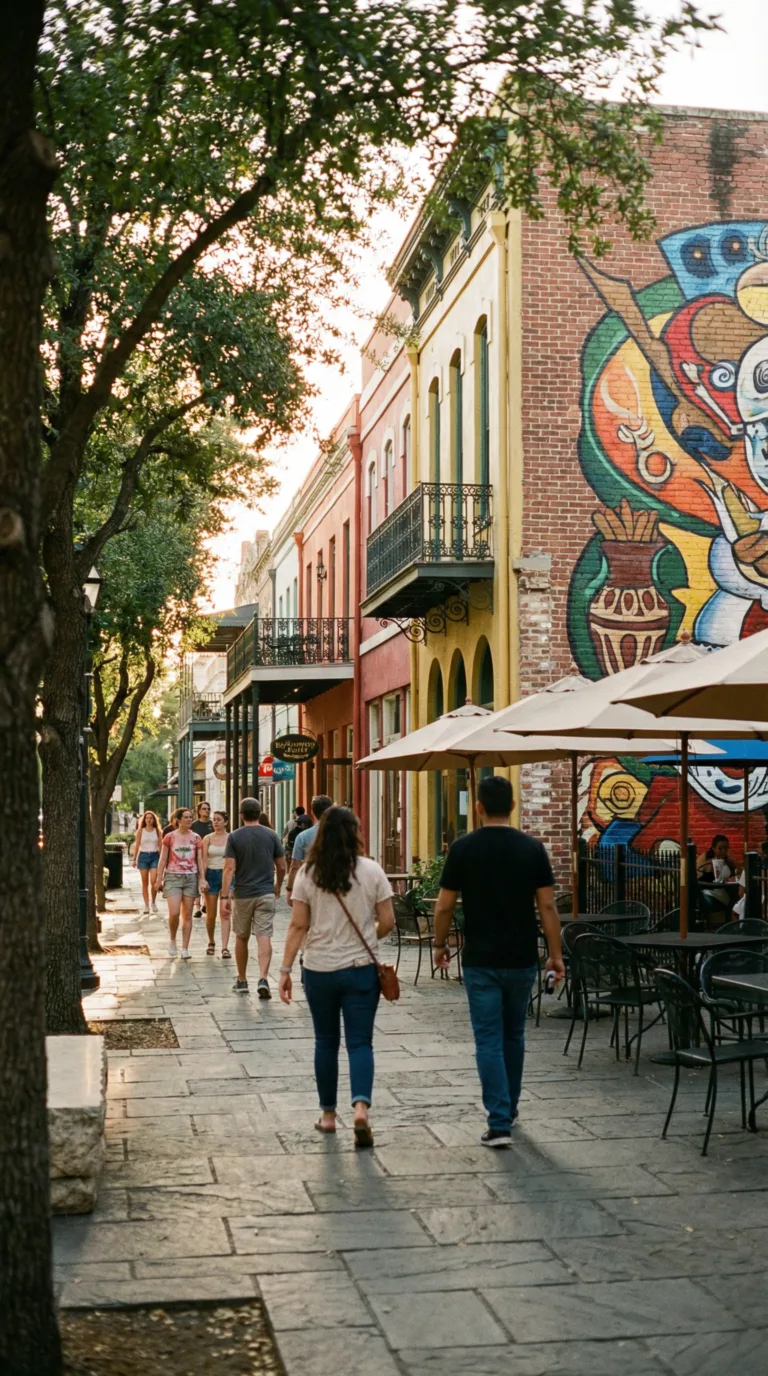
Downtown San Antonio anchors the city’s tourism core. The Riverwalk snakes through here. Hotels cluster around Alamo Plaza. Restaurants spill onto sidewalks. Most first-time visitors never leave this zone, and honestly, you could spend three days here without running out of things to do.
The Pearl District sits two miles north. This old brewery campus got converted into a food-obsessed complex in 2006. Now it’s boutiques, weekend farmers markets, and the Culinary Institute of America. Locals come here for brunch. Tourists come here to escape the Riverwalk crowds.
King William Historic District spreads south of downtown along tree-canopied streets. Victorian mansions line the blocks. Some are B&Bs. Some are private homes with plaques out front. Walk it on a Sunday morning when traffic’s light.
Southtown claims the arts scene. Galleries open their doors for First Friday art walks. Studios occupy converted warehouses. Coffee shops stay open late. It’s grittier than Pearl, cheaper than downtown, and where the under-35 crowd actually hangs out.
The San Antonio area spreads wide beyond these core districts. Each neighborhood serves a different traveler type. History buffs stick to downtown and King William. Foodies migrate to Pearl. Art seekers head to Southtown. Pick your lane.
Food & Dining: Tex-Mex Capital of the World

San Antonio owns the Tex-Mex crown. This is where flour tortillas meet Mexican spices and American appetite. The city wakes up to breakfast tacos, not as a trend, but as daily fuel. You’ll find them at gas stations, drive-throughs, and family-run joints where the line wraps around the block by 7 AM.
Rosario’s serves classic Mexican plates in Southtown, enchiladas with mole that tastes like someone’s grandmother made it. The margaritas are strong. The patio fills up fast on weekends. For Riverwalk dining with a Texas edge, Boudro’s does guacamole tableside and mesquite-grilled fish. The location puts you right on the water. Expect a wait during peak hours.
Cured at the Pearl takes a different route, charcuterie boards, house-cured meats, and craft cocktails in a renovated warehouse. The Pearl district itself hosts a weekend farmers market where local vendors sell everything from tamales to kombucha. Check the Riverwalk Dining Guide for full restaurant listings along the water.
Beyond Tex-Mex, San Antonio’s German roots show up in King William District bakeries. BBQ joints smoke brisket low and slow. The food scene here doesn’t follow coastal trends. It sticks to what works, big portions, bold flavors, and recipes passed down through generations.
Where to Stay: Hotels for Every Budget and Style
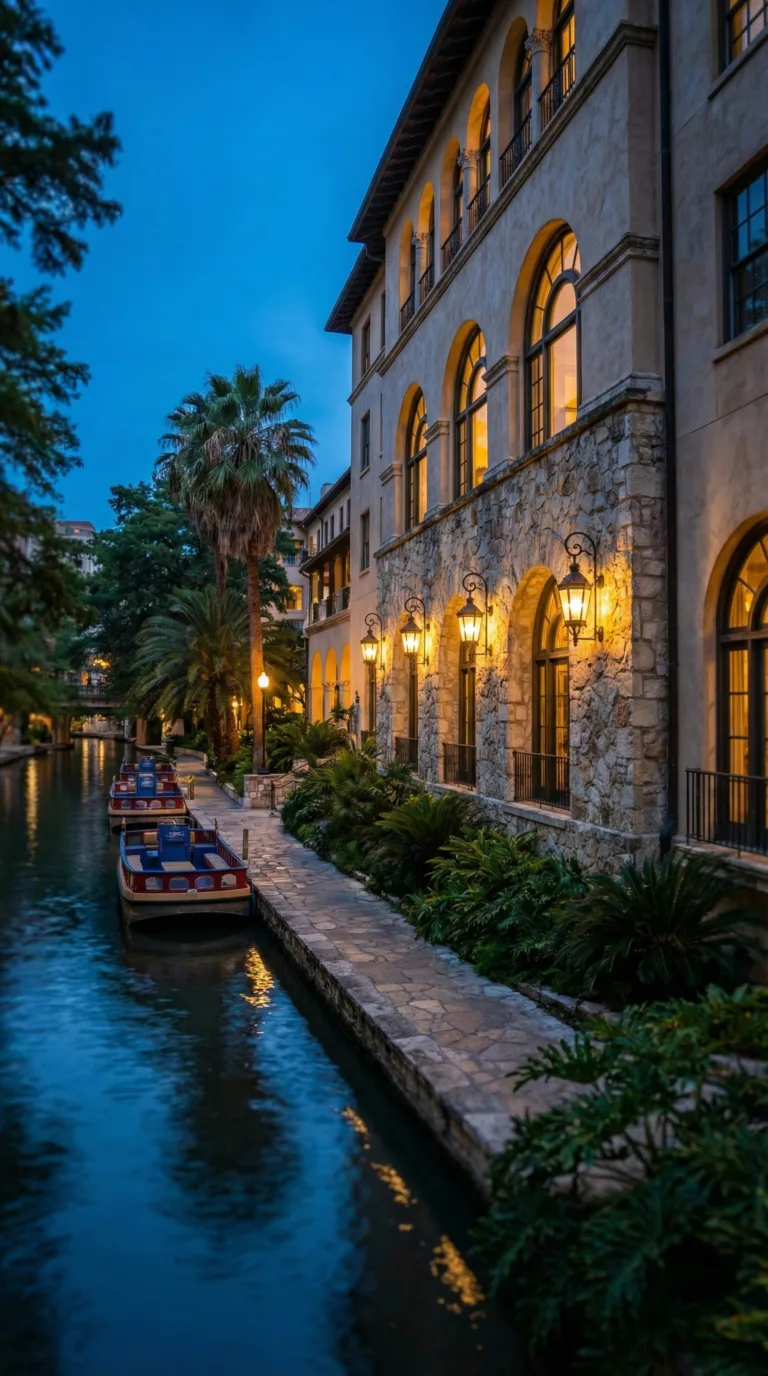
San Antonio hotels range from budget chains to five-star resorts. You’ll find something that fits your wallet and travel style. The question isn’t full spas, and multiple pools. These properties sit 15, 20 minutes northwest of downtown. Expect resort fees of $35–50 per night on top of room rates.
Families visiting theme parks should consider San Antonio hotels near Six Flags or San Antonio hotels by SeaWorld. These properties run $80–150 per night and include free breakfast. You’ll drive 20 minutes to reach downtown, but you’ll walk to the parks.
San Antonio hotels airport work for early morning flights or late arrivals. Nothing fancy, but they’re functional and cheap, $60–90 per night with free airport shuttle. Check the San Antonio Hotel & Lodging Association for current deals and seasonal promotions.
Getting Around: Transportation in San Antonio
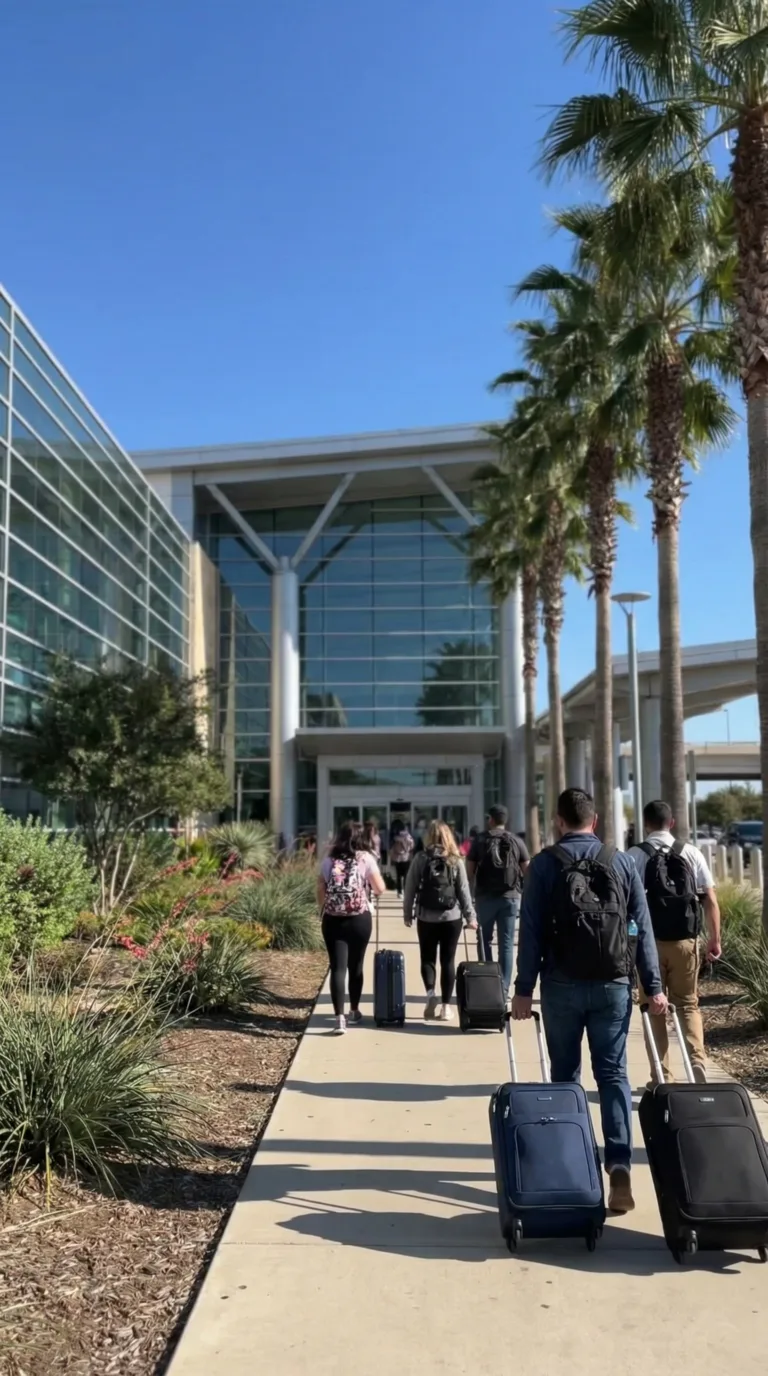
San Antonio International Airport sits 8 miles north of downtown. Most major carriers fly here. You’ll find rideshare pickup zones on the lower level. Uber and Lyft run $15–25 to downtown hotels, depending on surge pricing. Taxis cost slightly more. Rental car counters line the terminal, rates start around $35 per day for economy vehicles.
Driving in San Antonio means navigating I-10, I-35, and Loop 410. Rush hour clogs I-10 between 7, 9 AM and 4, 6 PM. The highway system connects major attractions, but downtown streets run one-way and confuse first-timers. GPS helps. San Antonio International Airport Ground Transportation details all airport transfer options.
San Antonio Riverwalk parking fills fast. Public garages charge $10–20 per day. The Rivercenter Mall garage offers direct Riverwalk access. Street meters cost $1.50 per hour with 2-hour limits. Park outside downtown and walk, the entire Riverwalk area covers less than 2 miles end-to-end.
Budget travelers use VIA buses. Routes connect downtown to major neighborhoods for $1.30 per ride. Check VIA Metropolitan Transit Bus Schedules before planning trips. Service runs limited hours on weekends.
Rideshare works everywhere. Downtown stays walkable once you arrive. Most hotels cluster within 15 minutes of the Alamo on foot.
Budget Planning: What to Expect in San Antonio

San Antonio costs less than Austin or Dallas. Your wallet will notice.
Budget hotels start around $60 per night. Mid-range properties run $120–180. Splurge on a Riverwalk hotel for $250–400. Book outside the downtown core and save 30%.
Food here is cheap if you eat like locals do. Breakfast tacos cost $2–3 each. Taco stands charge $8 for a full lunch. Tex-Mex dinners with margaritas run $15–25 per person. Upscale Riverwalk restaurants push $40–60 per plate.
The san antonio things to do free list is long. The Riverwalk itself costs nothing to walk. All five Spanish missions are free to enter. Brackenridge Park charges zero admission. Public art installations dot downtown at no cost.
Paid attractions add up fast. SeaWorld San Antonio tickets start at $70. The zoo costs $25 for adults. Riverwalk boat tours run $15. Theme parks eat budgets quickly.
Visit October through March for lower hotel rates. Skip peak summer weekends. Use the VIA Metropolitan Transit bus system instead of rideshares. Park once and walk everywhere downtown.
Day Trips: Exploring Beyond San Antonio
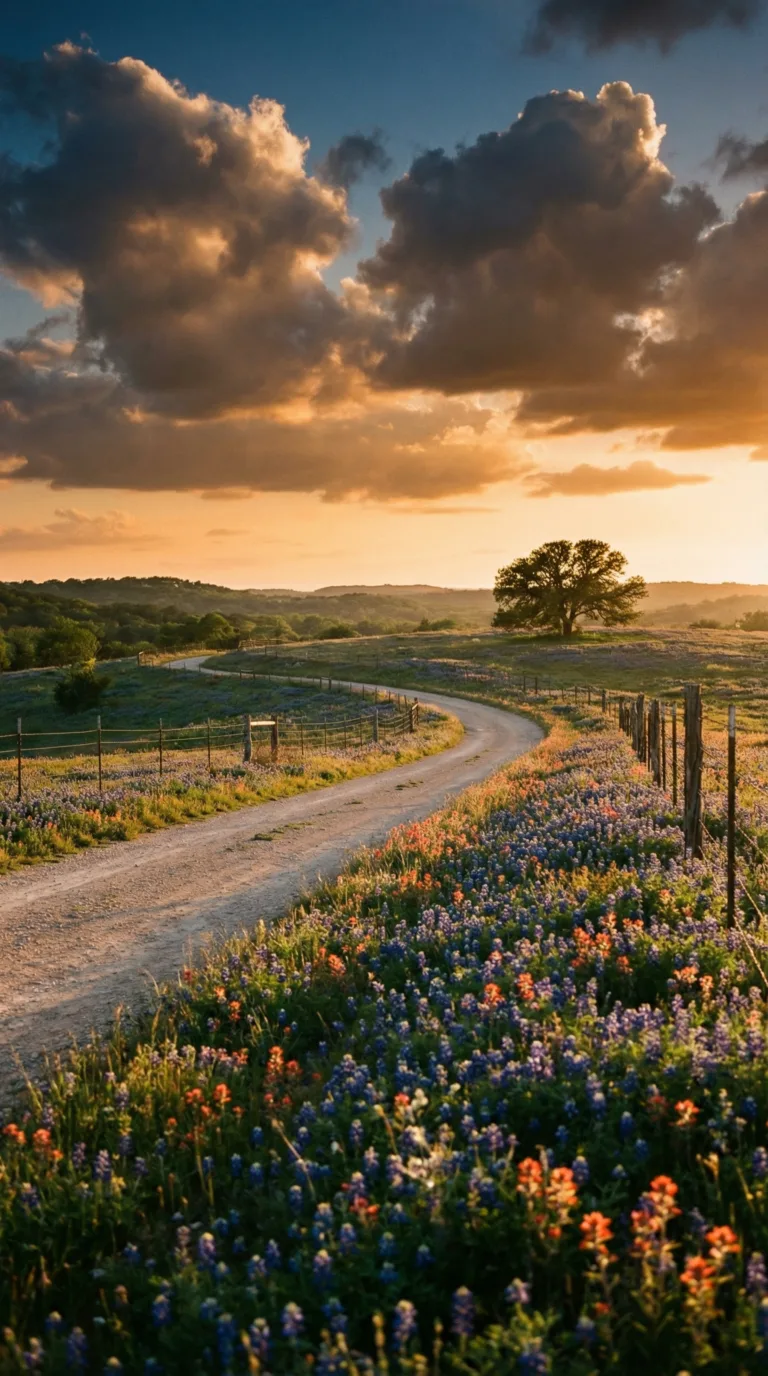
San Antonio sits in the middle of Texas. That makes it a perfect base for exploring multiple cities in a single vacation. You can hit the coast, the capital, or the Hill Country wineries without changing hotels.
Austin is 90 minutes north on I-35. The state capitol building is free to tour. Sixth Street has live music every night, country, blues, rock, whatever you want. Breakfast tacos cost $2.50 at gas stations. Traffic is terrible from 7, 9 AM and 4, 7 PM, so plan around rush hour.
Houston is three hours east. Space Center Houston runs $30 per adult. The Museum District has 19 museums, many free. Vietnamese food in Midtown rivals anything in California. The city sprawls, so pick one neighborhood and stick to it.
Corpus Christi is two hours southeast. The USS Lexington aircraft carrier is docked on the bay, $20 admission. Beaches are free. Padre Island National Seashore charges $25 per car. Seafood shacks along the waterfront sell fried shrimp plates for $12.
Dallas is four hours north, pushing it for a day trip, but doable. The Sixth Floor Museum at Dealey Plaza covers JFK’s assassination. The Arts District has the Dallas Museum of Art (free general admission). Deep Ellum has dive bars and tacos.
Galveston Island is 3.5 hours away. The Strand Historic District has 19th-century buildings and antique shops. Beaches are narrow but swimmable. Moody Gardens charges $70 for an all-day pass. Skip it unless you have kids.
Waco is three hours north. Magnolia Market draws crowds, get there at 9 AM or wait in line. The Dr Pepper Museum is quirky and costs $12. Cameron Park has free hiking trails along the Brazos River.
Aransas Pass is 2.5 hours southeast for fishing charters and birding. Whooping cranes winter here November through March. Check the Official Texas Tourism website for current conditions and road closures before heading out.
San Antonio is perfectly positioned for exploring Texas’s vibrant capital, with Austin just 80 miles north offering a contrasting blend of live music, tech culture, and outdoor adventures.
As one of the most historic and culturally rich destinations in the state, San Antonio consistently ranks among the best places to visit in Texas alongside Houston, Austin, and Big Bend.
After exploring the Alamo and the River Walk, consider extending your Texas adventure with a trip to Dallas, located about 275 miles northeast and known for its arts district and modern skyline.
For an authentic taste of Texas cowboy culture beyond San Antonio’s missions, head to nearby Fort Worth to experience the historic Stockyards and daily cattle drives.
Practical Tips: Weather, Safety & Best Time to Visit
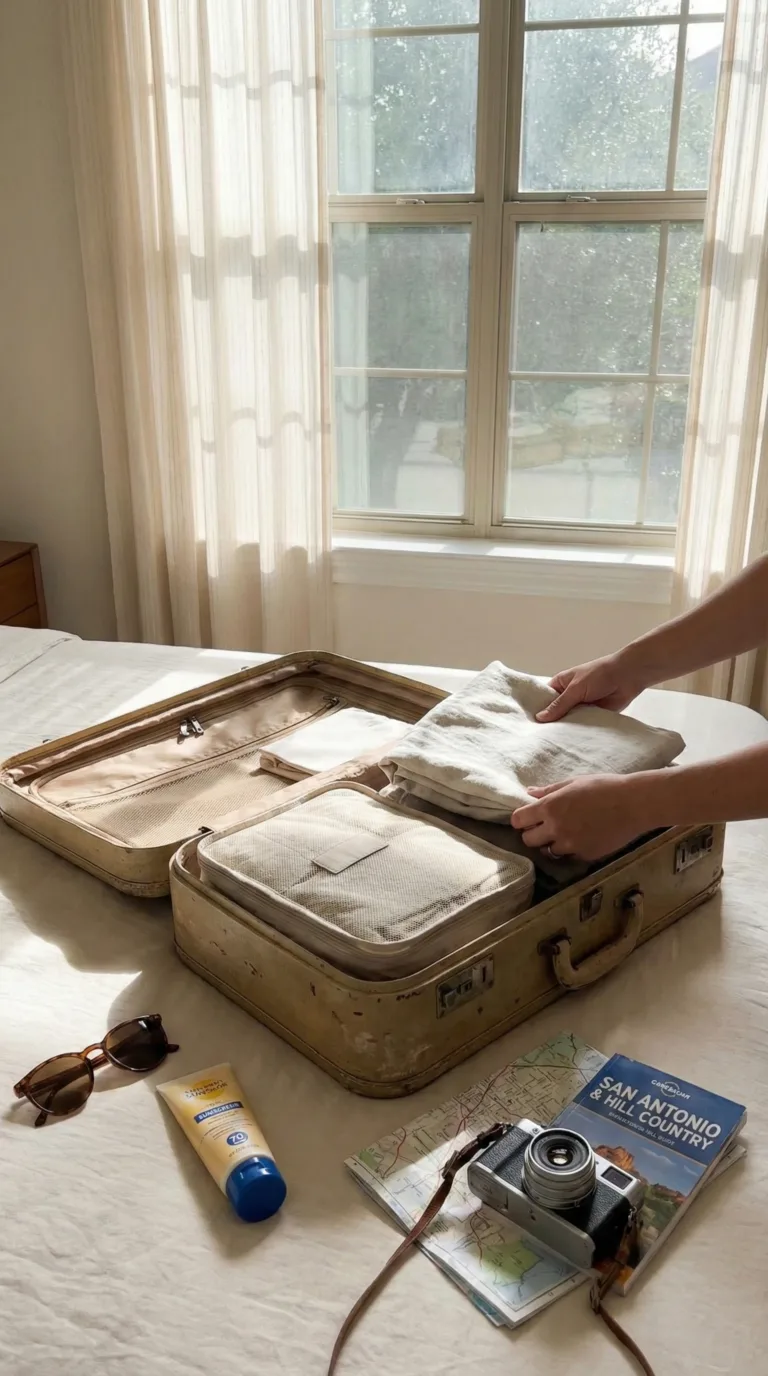
San Antonio weather runs hot. Summers hit 95°F with thick humidity. You’ll sweat through shirts by noon. Carry water everywhere. Sunscreen isn’t optional. A broad-spectrum sunscreen rated SPF 50 or higher is the one thing you will reach for every single day here.
Spring (March through May) and fall (October through November) deliver the sweet spot. Temps hover in the 70s and 80s. You can walk the Riverwalk without melting. These months book up fast.
San Antonio winter temperatures stay mild. Most days reach the 60s. Nights drop to the 40s. Pack a light jacket. The San Antonio freeze happens maybe once a year, usually January or February. Locals panic. Pipes burst. It’s rare but real.
The city sits in the Central Time Zone (UTC-6). Same as Chicago and Dallas. Plan your calls home accordingly.
Is San Antonio safe? Downtown and the Riverwalk area see heavy police presence. Tourist zones stay well-lit and patrolled. Use standard city sense. Don’t flash cash. Lock your rental car. Avoid empty streets at 2 a.m. The National Weather Service San Antonio forecast updates daily for trip planning.
Pack comfortable walking shoes. You’ll log miles on River Walk stone paths. Bring layers, restaurants blast AC. Throw in a hat, sunglasses, and breathable cotton shirts. Your feet and skin will thank you.
Frequently Asked Questions
What is San Antonio known for?
San Antonio is known for the River Walk, the Alamo, and four other 18th-century Spanish missions that together form a UNESCO World Heritage Site. It is also famous as a Tex-Mex capital, for theme parks like SeaWorld and Six Flags Fiesta Texas, and for the 10-day Fiesta celebration held each April.
What is the best time to visit San Antonio?
Spring (March through May) and fall (October through November) are ideal, with temperatures in the 70s and 80s for comfortable River Walk strolls. Summers are hot and humid near 95°F, while winters stay mild in the 60s, though a rare freeze can hit in January or February.
Is the San Antonio River Walk free to visit?
Yes, walking the River Walk is free and open day and night. You only pay for extras: a narrated river barge tour runs about $15, and the restaurants, bars, and shops lining the water set their own prices.
How many days do you need in San Antonio?
Two to three days covers the highlights: one day for the River Walk and the Alamo downtown, a second for the missions and Tex-Mex, and a third if you want a theme park like SeaWorld or a day trip to Austin or the Hill Country.
What are the best day trips from San Antonio?
Austin sits about 80 miles north for live music and the State Capitol, while the Hill Country towns of Fredericksburg and New Braunfels offer wineries and rivers. Natural Bridge Caverns and the Gulf Coast at Corpus Christi are also within easy reach.