This guide contains affiliate links. As an Amazon Associate we earn from qualifying purchases — at no extra cost to you.
Estimated reading time: 8 minutes
Last updated: September 2026
What Should I Pack for Denali National Park?
Pack layered clothing for rapid weather changes, waterproof outer shells, insulated jackets for cold nights, sturdy hiking boots, thermal base layers, warm gloves, and sun protection. Even in summer, Denali’s temperatures drop quickly, and rain or wind can arrive without warning. Bring bear spray, insect repellent for June-July mosquitoes, and gear that handles everything from 30-degree mornings to 70-degree afternoons.
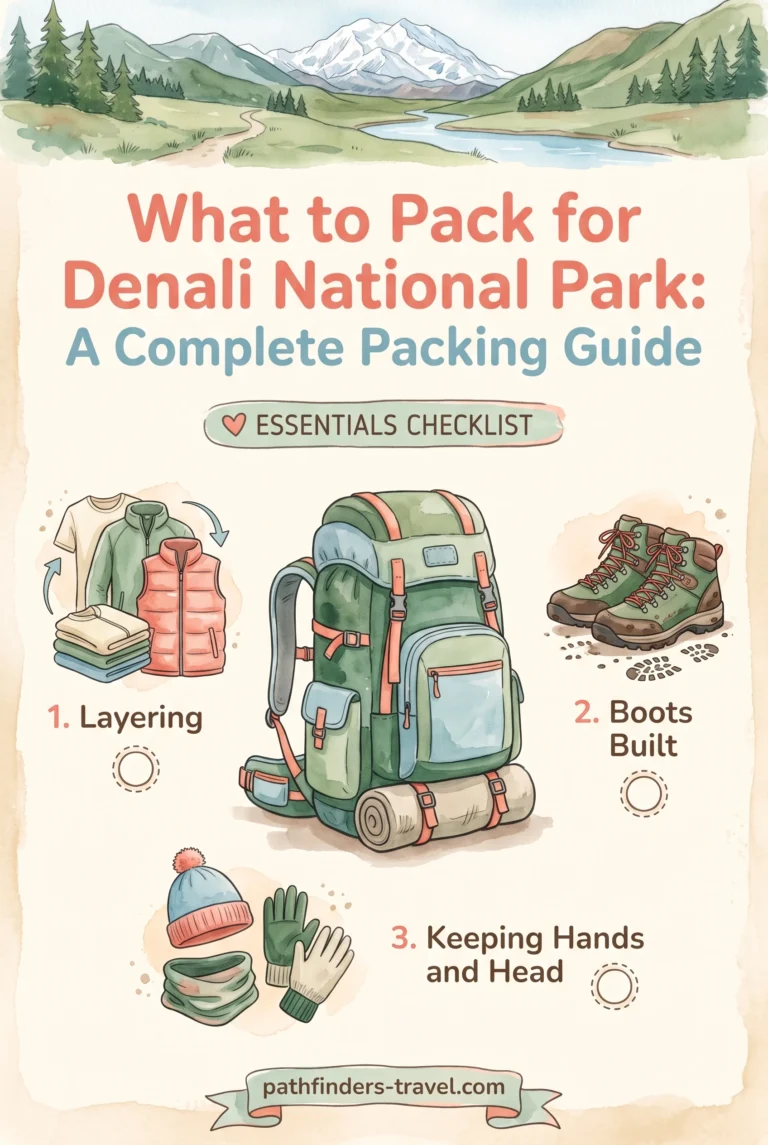
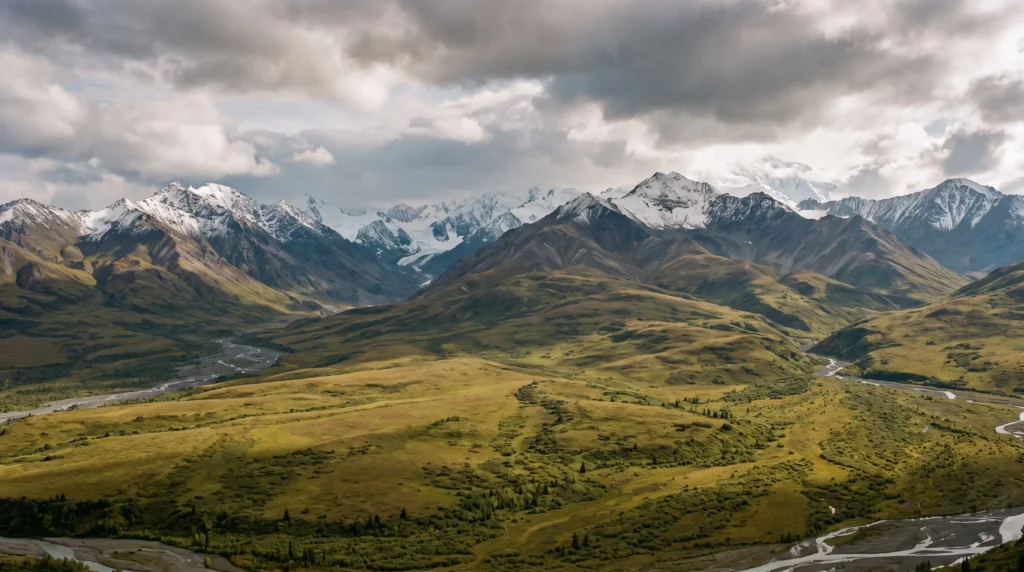
Denali’s six million acres of roadless wilderness create packing challenges you won’t find in most national parks. The park road stays unpaved beyond the first fifteen miles, there are no marked trails in the backcountry, and weather can swing from sunny and warm to cold and rainy in a single afternoon. I learned this the hard way on my first trip when a blue-sky morning turned into a frigid, windy hike by lunch.
This guide breaks down exactly what you need, organized by natural packing categories. You’ll find options for different budgets and trip styles, even in July. Mosquitoes reach legendary numbers in June and early July. Cell service doesn’t exist past the entrance, and help can be hours away in an emergency. Your packing list needs to account for self-sufficiency in a place where nature sets all the rules.
Layering for Denali’s Changing Weather
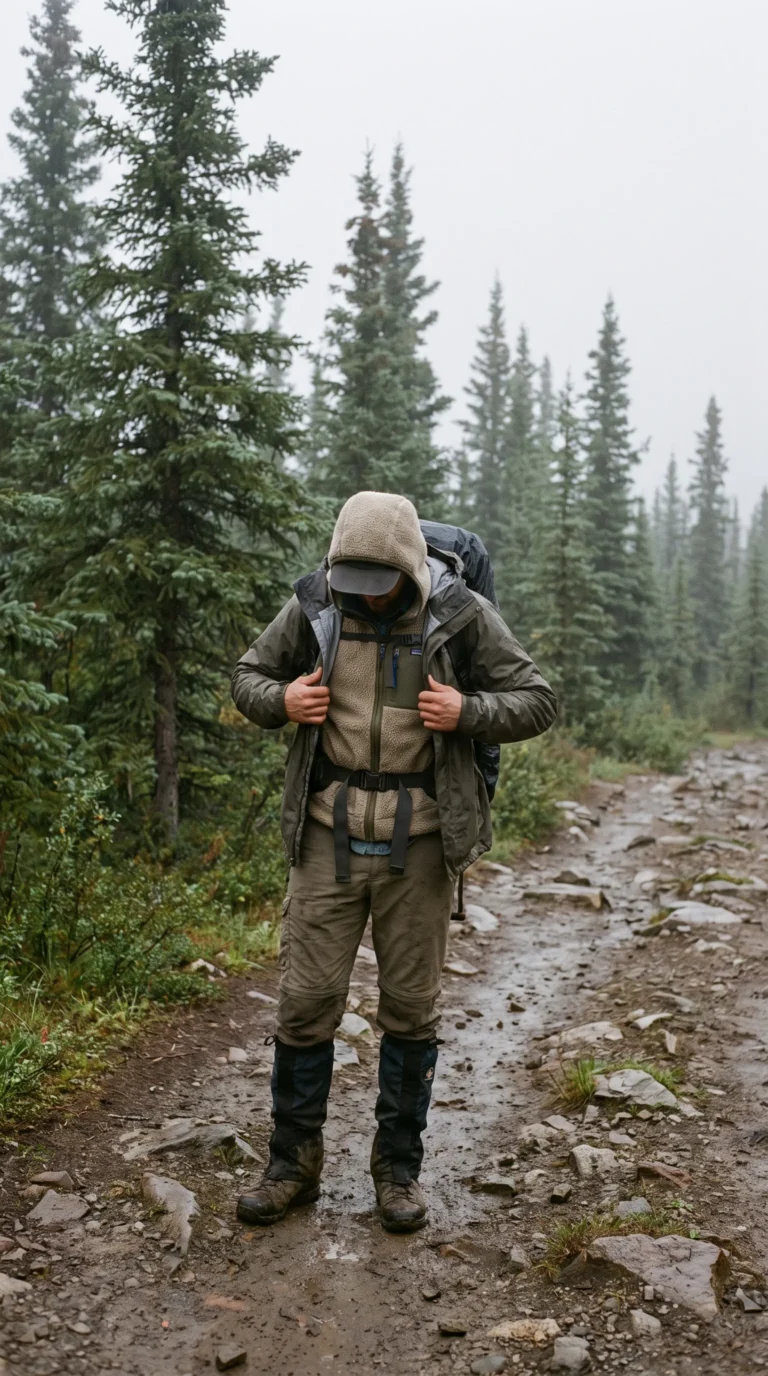
Denali’s weather shifts fast, so layering is your best defense. Start with thermal base layers that wick moisture away from your skin during active hikes and keep you warm when nighttime temperatures drop to 40 degrees. These form the foundation of every outfit you’ll wear in the park, think about how you’ll spend most of your time. If you’re planning guided day hikes and bus trips during summer months, the Women Thermal Shirts work well with fleece lining that takes the edge off cool mornings without adding bulk. If you’re heading out for longer backcountry treks and need gear that performs hard, the Helly Hansen LIFA pants deliver quick-dry technical performance that keeps up with sweat and stream crossings.
Your middle insulation layer isn’t negotiable. Even July mornings often start around 45 degrees, and wind chill on exposed tundra drops the feel another ten degrees or more. I always pack a warm mid-layer because standing still to watch a grizzly or waiting for a shuttle can turn cold fast.
For your outer insulation, match your coat to your itinerary. Travelers doing mostly bus tours and shorter hikes benefit from this packable long raincoat that doubles as rain protection and has a plaid lining that adds warmth without the weight of traditional down. If you’re camping overnight or visiting in shoulder seasons when snow is likely, the thickened vegan down parka keeps you comfortable when temperatures drop and wind picks up.
Keep your outer shell accessible at all times. Denali weather doesn’t wait for you to dig through your pack. Getting caught in rain without waterproof coverage leads to miserable, cold hours that can ruin an otherwise perfect day. I clip my rain jacket to the outside of my daypack so it’s ready the second clouds roll in, which happens more often than the forecast suggests.
Boots Built for Tundra and Trails
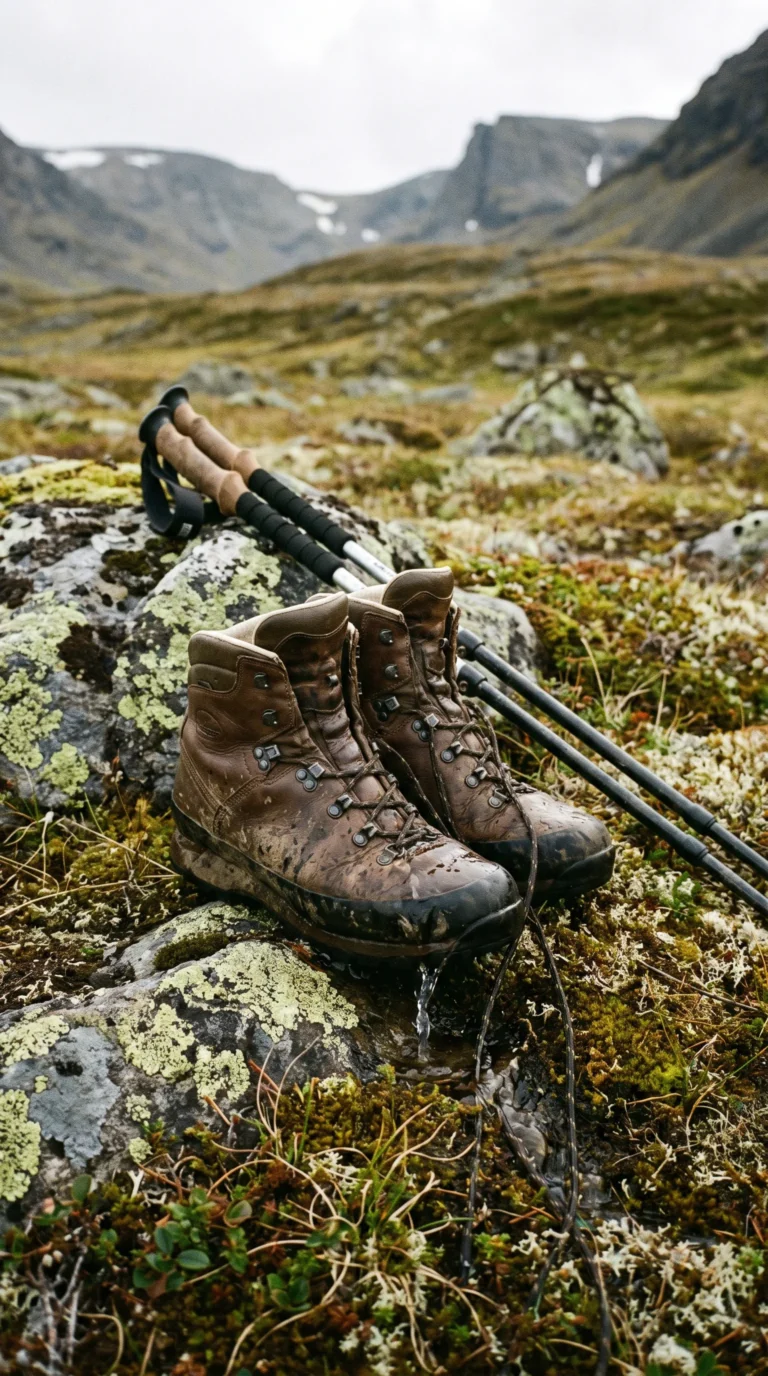
For stream crossings, ankle-twisting scree, and miles of wet tundra, you need boots that can take a beating. Denali’s backcountry has no groomed trails in most areas, no bridges over rivers, and tundra that stays damp from dawn until well past breakfast. Your feet will face constant moisture, uneven ground, and shifting rocks that test every step.
Waterproof hiking boots with ankle-high support are the baseline for most visitors. The extra height prevents rolled ankles when you’re hopping between rocks, and a waterproof membrane keeps your feet dry during creek crossings and morning dew soaks. If you’re planning multi-day treks across varied terrain with forest paths and open tundra, these men’s ankle-high waterproof hiking boots balance protection with comfort without weighing you down.
Shoulder-season and winter visitors need different gear altogether. If you favor natural foot movement and a roomier toe box, these barefoot-style winter boots offer warmth with a zero-drop sole. If maximum warmth and traction on icy trails matter more, the Columbia Ice Maiden II snow boots for women deliver solid insulation and grip when temperatures drop below freezing.
Whatever you choose, break in new boots at least two weeks before your trip. I learned this the hard way on an earlier Alaska trip, limping back to the trailhead with blisters that turned every downhill into a wince. Denali’s remoteness means a blister problem becomes a real ordeal, so wear your boots around town, on weekend hikes, even to the grocery store if that’s what it takes.
Keeping Hands and Head Warm
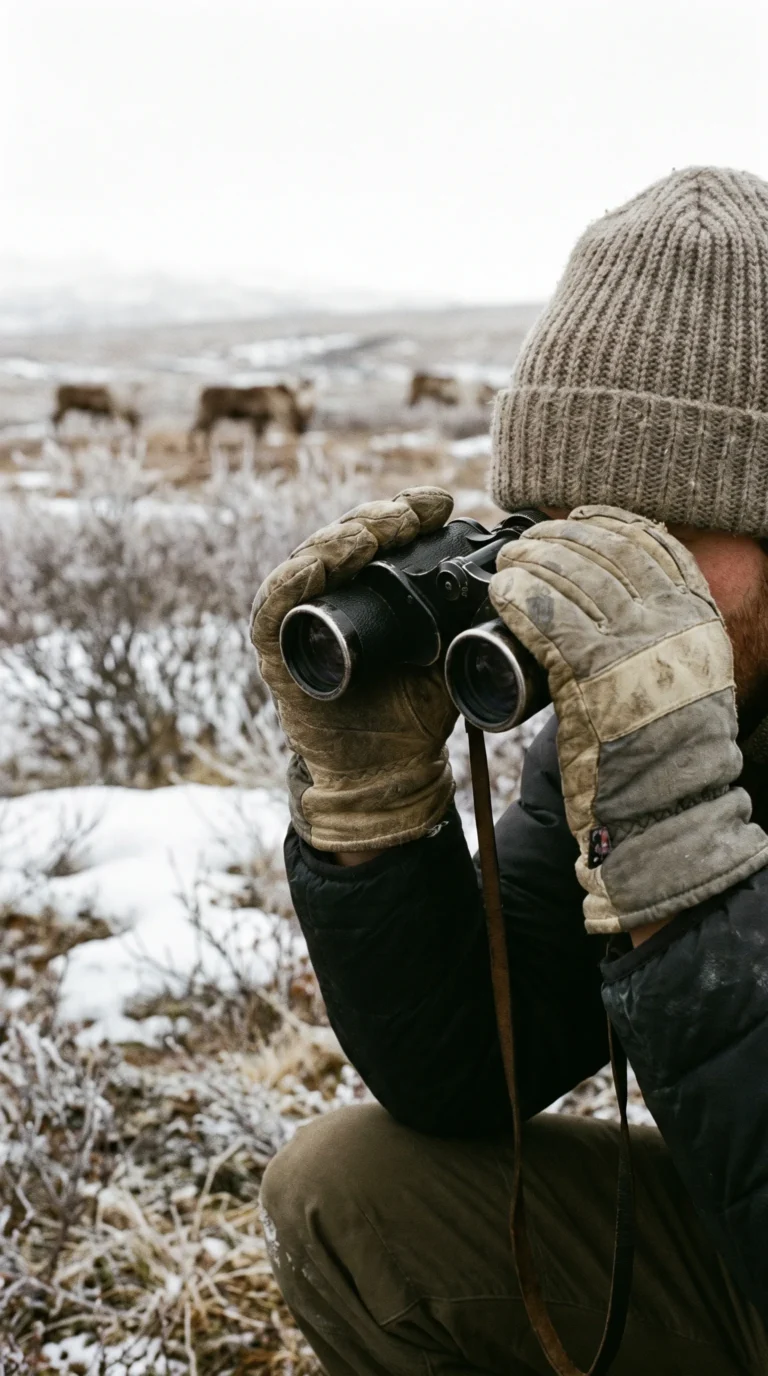
Even in summer, mornings in Denali often start in the 40s, and wind on ridgelines or near glaciers drops the felt temperature fast. What feels manageable at the trailhead becomes genuinely cold within a hour, making warm gloves a daily essential rather than cold-weather backup gear. Your extremities lose heat first, and once your fingers go numb, the whole-body chill sets in and ruins the experience.
If you need to use your phone or camera without removing gloves, these waterproof merino wool touchscreen gloves have three-layer thermal construction that keeps your hands warm while you snap photos or check maps. For maximum warmth and durability during rugged use, a classic waterproof insulated knit cuff glove delivers better cold-weather protection and holds up to long days on the trail.
Hand warmers extend your comfort on cold mornings and windswept overlooks. Rechargeable electric warmers with a charging case offer up to 14,000mAh capacity and dual-sided heat for multi-day trips without the waste of disposables. If you prefer simplicity and lighter packing, air-activated disposable hand warmers provide up to 11 hours of reliable heat and tuck easily into pockets or gloves.
A warm beanie is essential for early morning wildlife watching, evening campfires, and sudden weather changes. I always keep one in my daypack even when the forecast looks sunny. This bulk pack of winter beanies is useful if you’re traveling with family or a group and want to make sure everyone stays warm without hunting for lost hats.
Keeping your hands and head covered prevents the whole-body chill that turns a beautiful hike into a race back to the car. Pack more warmth than you think you’ll need.
Frequently Asked Questions
Can you wear jeans in Denali National Park?
You can wear jeans in Denali, but they’re not the best choice for hiking or outdoor activities. Cotton denim absorbs moisture and takes forever to dry, which can leave you cold and uncomfortable if you sweat or encounter rain. I’ve seen plenty of visitors in jeans around the park entrance and visitor centers, where they work fine for short walks and photo stops. For actual trail time or bus tours, quick-dry pants or hiking leggings will keep you much more comfortable throughout the day.
Do I need bear spray in Denali National Park?
Bear spray is highly recommended in Denali, where both grizzly and black bears roam actively. While bears generally avoid people, surprise encounters can happen on trails or in thick brush areas. Park rangers encourage carrying bear spray and knowing how to use it, especially if you’re hiking backcountry routes. You can buy it in Alaska or rent it from outdoor shops in the nearby towns, which saves you the hassle of flying with pressurized canisters. Many visitors also carry it on shuttle buses when they hop off for short hikes. If you’re weighing the full scope of what wildlife viewing involves beyond the gear, planning the timing and logistics of your Denali visit matters just as much as what you pack for those bear encounters.
What should I pack for a two-week Alaska trip that includes Denali?
A two-week Alaska trip needs versatile layers that work across different climates and activities. Pack your core Denali gear (insulated jacket, rain layers, hiking boots, warm hat), then add lighter items for coastal towns or warmer days. Since Alaska’s diverse landscapes range from alpine tundra to temperate rainforests and rugged Pacific shores, the same waterproof shells and layering strategy that works in Denali applies when you’re exploring Olympic’s coastal trails and rainforests or dealing with Mount Rainier’s unpredictable alpine weather. I always bring one nice outfit for dinners out, plus swimwear if your lodges have hot tubs. A small laundry kit helps you rewear favorites without overpacking. Keep valuables and essentials in your carry-on, and remember Alaska’s weather can shift quickly wherever you go.
What is the best time of year to visit Denali for packing purposes?
Late May through mid-September offers the easiest packing since temperatures stay moderate and most park facilities are open. June and July bring the warmest weather and longest daylight, so you can pack slightly lighter layers. August and early September get cooler with more rain, requiring heavier insulation and reliable waterproofs. Winter visits (September through April) demand serious cold-weather gear including expedition parkas, insulated boots, and face protection. Summer is definitely the most forgiving season for packing light.
Should I bring waterproof gear even if the forecast looks clear?
Yes, always pack waterproof layers regardless of what the forecast says. Denali’s weather changes fast, and mountain conditions can differ dramatically from what’s predicted for lower elevations. I’ve started hikes under blue skies and hit rain squalls within a hour. A packable rain jacket and waterproof pants take minimal space but can save your entire day. Clear mornings often turn cloudy by afternoon, so having that protection means you stay comfortable regardless of what nature throws at you.