Estimated reading time: 10 minutes
Last updated: September 2026
Table of Contents
- What Are the Best Places to Visit in Reading, PA?
- Top Things to See and Do in Reading
- Day Trips and Nearby Destinations
- Frequently Asked Questions
What Are the Best Places to Visit in Reading, PA?
Reading’s best places to visit center on the 1908 Pagoda atop Mount Penn, a red hilltop landmark with 25-mile views over Berks County. Add the Reading Public Museum, GoggleWorks Center for the Arts, the Reading Railroad Heritage Museum, and the paved Schuylkill River Trail. The Penn Street Historic District and Neversink Mountain’s ridge trails round out a full day in the city.
Reading, Pennsylvania sits about 65 miles northwest of Philadelphia — roughly a 1 to 1.5-hour drive via US-422 and the Pennsylvania Turnpike. That short hop, plus its spot in Berks County near Lancaster’s Amish Country and Hershey, makes Reading a cheap, central base for day trips around southeastern Pennsylvania, with its landmark Pagoda, river trail, and historic downtown to fill a day.
Want to see Reading’s landmarks and neighborhoods in action? Watch our complete walking tour in 4K.
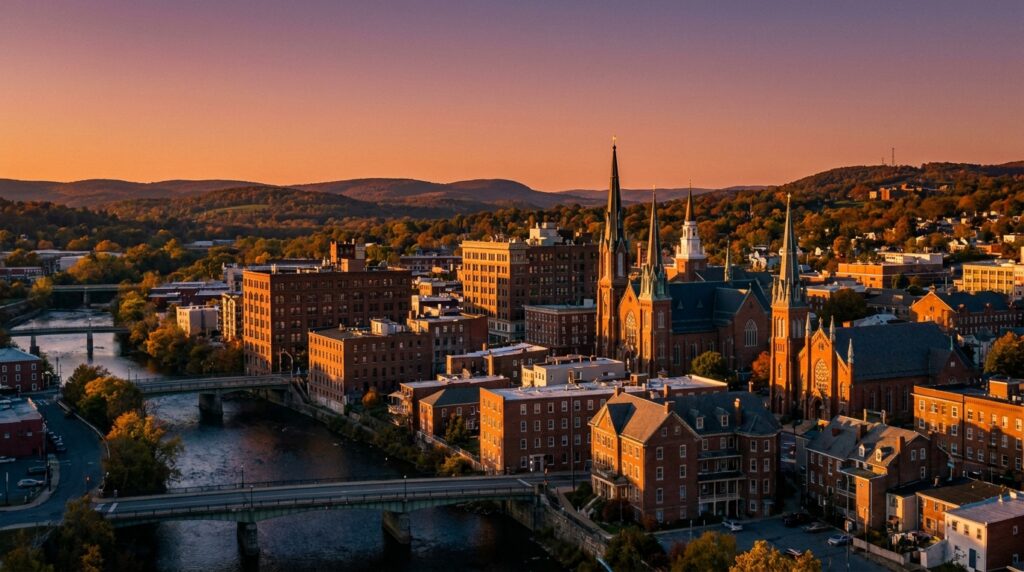
Reading sprawls across the Schuylkill River valley in southeastern Pennsylvania. The city ranks as the state’s fifth-largest municipality, according to 2024 U.S. Census estimates. Philadelphia sits 65 miles southeast. New York City is 120 miles northeast. You can reach Baltimore in 90 miles.
The city’s industrial past shaped everything. Railroads made Reading a manufacturing hub in the 1800s. Textile mills and iron foundries employed thousands. That era ended decades ago. The factories closed. The economy shifted.
Now Reading operates as a cultural and historical destination. The red Pagoda on Mount Penn dominates the skyline, a 1908 novelty structure that became the city’s symbol. You can drive up Skyline Drive or hike the trails to reach it. The views stretch across Berks County farmland.
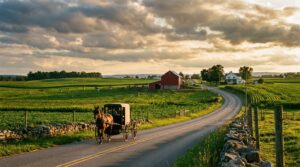
Reading sits at the edge of Pennsylvania Dutch Country. Lancaster County starts 30 miles west. The Greater Reading Convention & Visitors Bureau promotes the city as a base for exploring Amish communities, covered bridges, and rural markets. Day trips fan out in every direction, Hershey, Gettysburg, the Poconos.
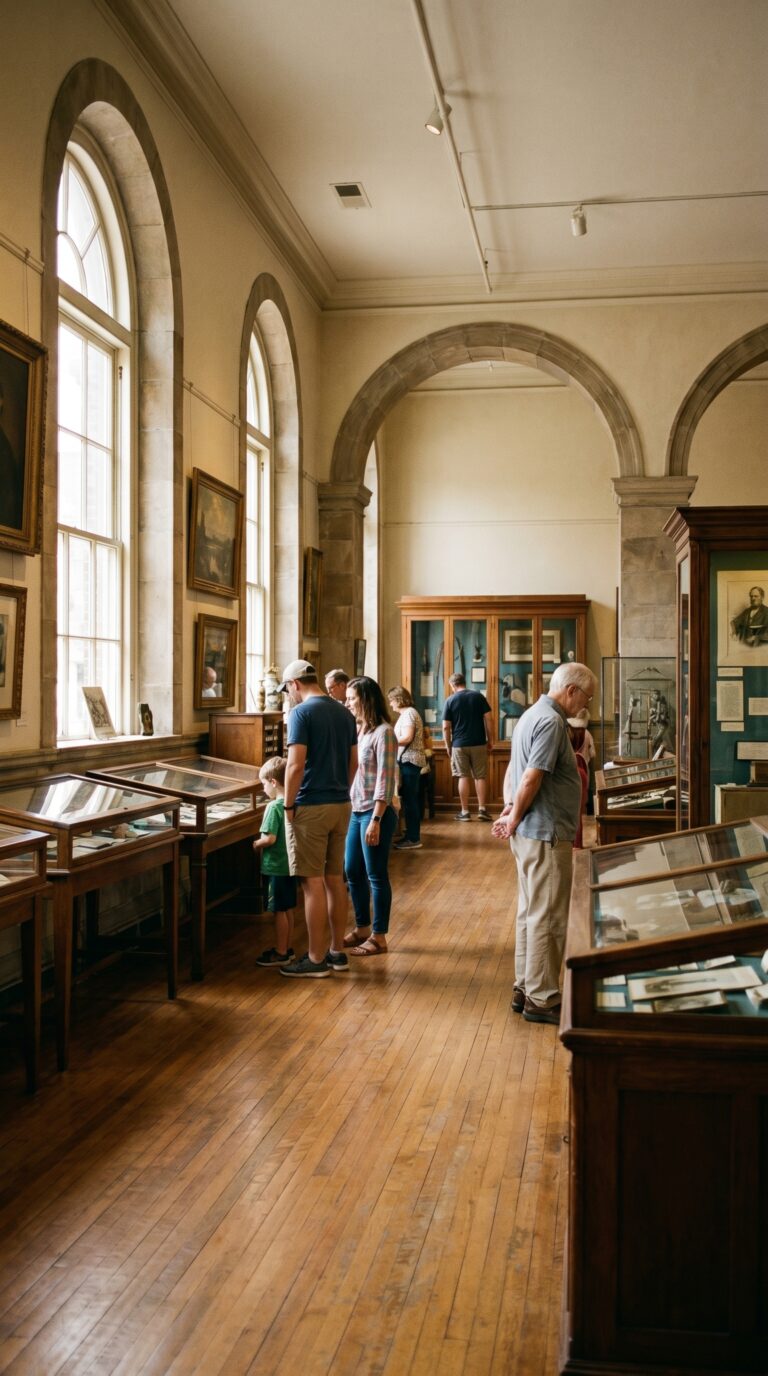
The City of Reading has worked to rebrand itself beyond the outlet mall reputation. Downtown holds a growing arts district. The Reading Public Museum houses regional art and science exhibits. GoggleWorks Center for the Arts converted a former goggle factory into studio space.
This guide breaks down what Reading offers. We cover the Pagoda and Mount Penn trails. We explain the museum scene. We map day trips to nearby attractions. We answer the logistical questions about parking, food, and timing. Reading functions best as a regional hub, not a multi-day destination on its own, but a practical starting point for exploring southeastern Pennsylvania.
How We Researched This Guide
Information here comes from Reading’s official tourism board, regional government records, and visitor reviews verified across multiple platforms. Everything was accurate when written, but we recommend confirming details with local attractions directly since hours and policies can shift.
Top Things to See and Do in Reading
Reading’s top attraction is the 1908 Pagoda on Mount Penn, offering 360-degree views from 1,000 feet above the city, while the downtown features railroad heritage, arts venues, and Schuylkill River Trail access.
The Reading Pagoda sits on Mount Penn like a red-and-gold bookmark someone left in the Appalachian foothills. Built in 1908 as a luxury hotel that never opened, it now serves as the city’s most recognizable landmark. Drive up Duryea Drive or hike the steep trail from Stony Creek. The views stretch 25 miles on clear days. Free to visit, with the hilltop grounds and overlook open daily during daylight hours. The Pagoda’s interior is currently closed for restoration, so check the Reading Pagoda official website before planning to go inside.
Rail fans can visit the Reading Railroad Heritage Museum, which occupies a former freight station with restored locomotives, signal equipment, and photos from when Reading was a coal-and-iron hub. It runs largely on volunteer hours, so check the schedule and call ahead before you go.
Reading is the birthplace of the American factory outlet, and the sprawling VF Outlet Village in nearby Wyomissing once drew tour buses at its 1990s peak. That complex closed in 2020, and its old mill buildings have since been redeveloped, so the outlet era now survives as local history rather than a shopping stop.
For outdoor time, the Schuylkill River Trail runs 120 miles from Philadelphia to Pottsville, with a well-maintained section through Reading. The 5-mile stretch with Brentwood Park and Neversink Mountain is flat, paved, and good for bikes or running shoes. Access the Schuylkill River Trail official route map for parking locations and trail conditions.
Neversink Mountain Preserve offers 6 miles of hiking trails with ridge-top views. The red trail to the fire tower is 2.5 miles round-trip. Moderate difficulty. No facilities.
The Santander Arena hosts minor-league hockey, concerts, and wrestling events. It’s a 7,000-seat venue that books acts too small for Philadelphia but too big for local bars. Check the schedule if you’re in town on a weekend.
Walk the Penn Street Historic District to see Victorian storefronts and the old courthouse. Most buildings date from the 1880s and 1920s. The architecture tells the story of a city that made money fast and spent it on stone and brick.
Day Trips and Nearby Destinations
Reading sits within 90 minutes of Philadelphia, Lancaster County’s Amish country, Hersheypark, and Gettysburg battlefield, making it an ideal base for exploring Pennsylvania’s most popular attractions across the southeastern and central regions.
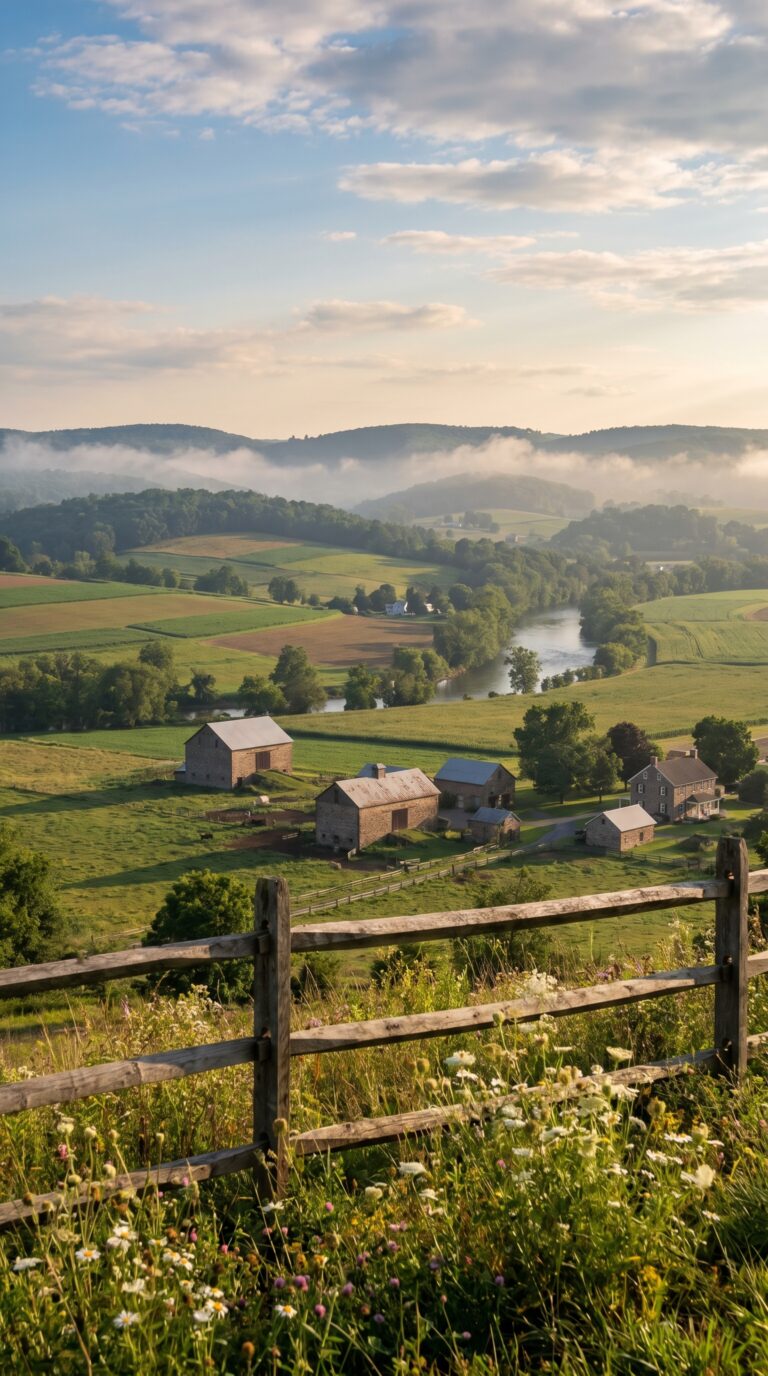
Reading’s location on US Route 222 and Interstate 76 puts you within impressive distance of Pennsylvania’s biggest draws. Philadelphia sits 65 miles southeast, a hour’s drive straight down I-76. You can hit the Liberty Bell, Reading Terminal Market, and the Art Museum before dinner. Lancaster County spreads out 40 miles southwest. That’s Amish buggy territory. Roadside farm stands sell fresh produce for cash only. Intercourse and Bird-in-Hand have quilt shops and pretzel bakeries. The Central Market in Lancaster city operates Tuesday, Friday, and Saturday mornings, locals line up for scrapple and shoofly pie.
Head northwest 35 miles and you’re in Hershey. Hersheypark draws over 3 million visitors annually, according to Hershey Entertainment reports. The amusement park runs roller coasters and water rides from May through September. Chocolate World offers free factory tours year-round. The town smells like cocoa when the wind shifts right. Hotel rates spike in summer, book early or stay in Reading and drive up for the day.
Gettysburg sits 70 miles west on US Route 30. Gettysburg National Military Park logged 1.2 million visitors in 2024, per National Park Service statistics. The battlefield sprawls across 6,000 acres. You can drive the auto tour route yourself or hire a licensed guide at the visitor center. Cemetery Ridge, Little Round Top, Devil’s Den, the names stick with you. The town itself runs heavy on ghost tours and Civil War memorabilia shops. Go midweek to avoid school groups.
Jim Thorpe clings to the Lehigh River gorge 50 miles north. Victorian mansions climb steep hillsides, the town earned its “Switzerland of America” nickname from the topography, not the chocolate. Whitewater rafting companies run trips down the Lehigh Gorge in spring and early summer. The Switchback Railroad Trail follows an old coal railway bed for 18 miles. Shops on Broadway sell antiques and fudge. Winter brings cross-country skiers.
Bethlehem lies 45 miles northeast. The Moravian settlement dates to 1741. Burnside Plantation and the 1810 Goundie House show colonial life without the polish. SteelStacks, the old Bethlehem Steel plant, now hosts concerts and festivals under rusted blast furnaces. The Christmas markets in December draw big crowds. Summer brings free outdoor movies on the lawn.
York sits 55 miles southwest. The Continental Congress met here in 1777 when the British occupied Philadelphia. Factory tours at Harley-Davidson and Utz Potato Chips run weekdays, reserve ahead. The Agricultural and Industrial Museum covers York County’s manufacturing history. Downtown has breweries and a central market similar to Lancaster’s.
Harrisburg sprawls along the Susquehanna River 60 miles northwest. The State Capitol building offers free tours, the dome rivals any in the country. The National Civil War Museum sits on Reservoir Park hill. City Island in the middle of the river has minor league baseball and a small amusement park. The riverfront trail runs for miles in both directions.
Pittsburgh requires a longer commitment, three hours west on the Pennsylvania Turnpike. The drive crosses the Alleghenies. Pittsburgh’s got the Andy Warhol Museum, Phipps Conservatory, and Primanti Brothers sandwiches with fries piled inside. Most people make it an overnight trip. The city’s reinvented itself since the steel mills closed.
The Pocono Mountains spread across northeastern Pennsylvania, 80 miles from Reading. Ski resorts operate December through March at Camelback and Blue Mountain. Summer brings lake swimming and state park hiking. The Delaware Water Gap National Recreation Area cuts through the mountains where the Delaware River crosses into New Jersey. Waterfalls and overlooks line the river road. Wissahickon Valley Park in northwest Philadelphia offers closer hiking, just 50 miles southeast with trails along Wissahickon Creek.
Ohiopyle sits in the Laurel Highlands, 180 miles west. The Youghiogheny River runs Class III and IV rapids through town. Outfitters rent rafts and kayaks from April through October. Fallingwater, Frank Lloyd Wright’s famous house, perches 8 miles north. Tours sell out weeks ahead in peak season.
Erie hugs Lake Erie’s southern shore, 280 miles northwest. Presque Isle State Park juts into the lake on a sandy peninsula. Beaches open Memorial Day through Labor Day. The Maritime Museum covers Great Lakes shipping history. It’s a long day trip, most people stay overnight.
Allegheny National Forest covers 513,000 acres in northwestern Pennsylvania. The forest sits 200 miles from Reading. Primitive camping, fishing, and hunting draw outdoors types. The Kinzua Bridge Skywalk, a former railroad trestle, offers views 300 feet above the valley floor. Cell service drops to nothing in the backcountry.
The Official Pennsylvania Tourism Office website maps out multi-day itineraries across regions. Reading’s central position lets you sample different parts of the state without constant hotel changes. Pack the car and pick a direction.
Frequently Asked Questions
What is Reading, Pennsylvania known for?
Reading is known for its railroad heritage — it is the “Reading Railroad” on the Monopoly board — and as a birthplace of the American factory-outlet store. Its hilltop Pagoda on Mount Penn is the city symbol, and pop star Taylor Swift was born here in 1989. Today Reading is a budget-friendly base in Berks County’s Pennsylvania Dutch region.
Is Reading, PA worth visiting?
Reading is worth a short visit or a budget base rather than a full holiday. Its Pagoda on Mount Penn, the Schuylkill River Trail, the Reading Public Museum, and a walkable historic district fill a day, and its central spot in Berks County puts Lancaster’s Amish Country, Hershey, and Philadelphia all within about an hour — with affordable hotels making it a handy regional hub.
How far is Reading, PA from Philadelphia?
Reading sits about 65 miles northwest of Philadelphia, roughly a 1 to 1.5-hour drive via US-422 and the Pennsylvania Turnpike. That short hop makes the city a budget base for day trips to Philadelphia, Lancaster’s Amish Country, and Hershey. New York City is about 120 miles northeast and Baltimore around 90 miles south.
What are the best day trips from Reading, PA?
The best day trips from Reading are Lancaster County’s Amish Country (about 45 minutes south), Hershey (35 miles northwest), and Philadelphia (1 to 1.5 hours east). Gettysburg, Bethlehem, and the Pocono Mountains are all within a 1 to 2-hour drive, making Reading a handy hub for southeastern Pennsylvania.
What is the best time to visit Reading, PA?
Late spring and early fall (May to June and September to October) bring the most comfortable weather for the Pagoda, the Schuylkill River Trail, and the historic district. Fall adds foliage on Mount Penn and the Christmas season lights up the city, while summers are warm and good for the museums and outdoor trails.