Estimated reading time: 14 minutes
Last updated: September 2026
What Is the Main Attraction in Philadelphia?
Philadelphia’s main attraction is Independence National Historical Park, home to Independence Hall — where the Declaration of Independence and the Constitution were signed — and the Liberty Bell, both free to visit. Close behind are the Philadelphia Museum of Art with its famous “Rocky steps,” Reading Terminal Market, and the historic Eastern State Penitentiary, all within the walkable historic core.
Want to experience the City of Brotherly Love firsthand? Watch our complete Philadelphia travel guide in 4K.
Philadelphia is the sixth-largest city in the United States. It sits in southeastern Pennsylvania, about 95 miles southwest of New York City. This is where American democracy was born. The Declaration of Independence got signed here in 1776. The Constitution too, in 1787.
But Philadelphia isn’t a history museum frozen in amber. The city has top-quality art museums, a food scene that goes way beyond cheesesteaks, and neighborhoods with their own personalities. You can tour Independence National Historical Park in the morning and eat Vietnamese banh mi in South Philly by lunch. According to the National Park Service, Independence Hall alone draws over 4.2 million visitors annually.
This guide covers the main things to do in Philadelphia, from the Liberty Bell to the Philadelphia Museum of Art steps. You’ll get neighborhood breakdowns, transport options, day trip ideas to nearby Pennsylvania towns, and the practical details you actually need. No fluff. Just what works.
Check Visit Philadelphia for current event listings and updated attraction hours before you go.
Research Sources
We compiled this Philadelphia guide from tourism board statistics, city government publications, and visitor reviews to make sure accuracy. Information was verified at time of writing, please confirm current hours and admission prices directly with attractions before planning your trip.
Top Things to Do in Philadelphia
Philadelphia’s Independence National Historical Park attracts over 5 million annual visitors to see the Liberty Bell and Independence Hall, while the Philadelphia Museum of Art houses over 240,000 artworks across 200 galleries.
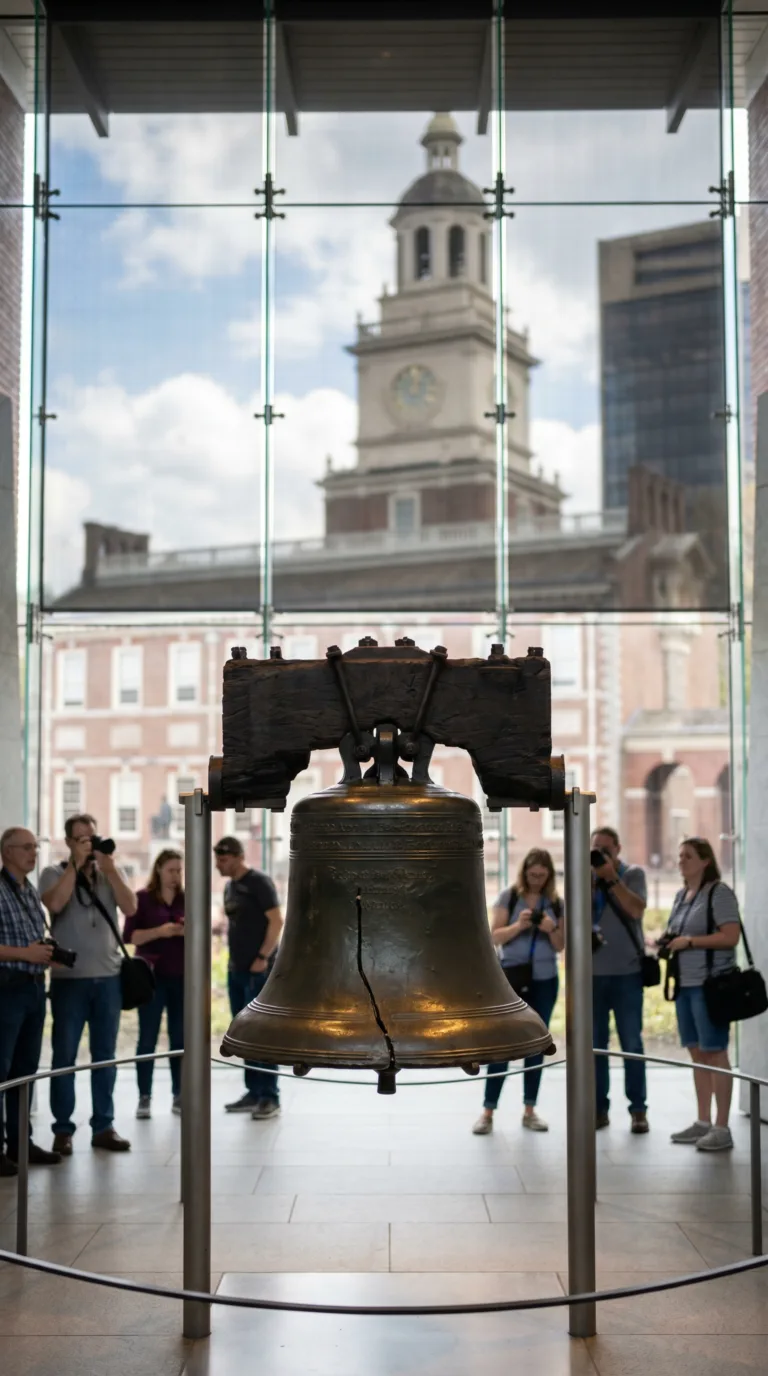
Independence National Historical Park sits at the center of things to do in Philadelphia. The Liberty Bell draws crowds year-round. Free. No tickets needed. Just walk in and see the crack that made it famous. Independence National Historical Park covers 55 acres of historic buildings. Independence Hall requires timed entry passes (free from March through December, first-come basis). This is where they signed the Declaration of Independence and the Constitution. Tours run every 15 minutes.
Reading Terminal Market has operated since 1893, with over 80 vendors selling everything from Amish baked goods to Vietnamese banh mi. It is open daily — get there before 10 AM on weekends to avoid the crush. DiNic’s roast pork sandwich (about $14) consistently wins local polls, and cash is preferred at many stalls.
The Philadelphia Museum of Art holds 240,000 artworks across 200 galleries, according to the museum’s official collection data. The Rocky Steps out front get more photos than the art inside. Run them if you want. Nobody cares. Inside, the European galleries span medieval to modern. Renoir, Van Gogh, Picasso. The Asian art wing rivals any museum in the country. Admission $30 for adults. Wednesday evenings offer pay-what-you-wish after 5 PM.
Eastern State Penitentiary operated as a prison from 1829 to 1971. Al Capone did time here. The cell blocks decay beautifully. Audio tour narrated by Steve Buscemi. $19 admission. Things to do in Philadelphia at night include their Halloween haunted house event (September through November). Not for kids under 12.
The Barnes Foundation displays 181 Renoirs, 69 Cézannes, and 59 Matisses in dense salon-style arrangements. Dr. Albert Barnes collected obsessively. He hung masterpieces next to metalwork and African sculptures. The layout follows his original vision. No photography allowed. $30 admission. Reserve tickets online.
Franklin Institute targets things to do in Philadelphia with teens. The Giant Heart lets you walk through chambers. The planetarium runs laser shows. Sports Challenge tests your athletic skills against pro athletes. $30 general admission. Add $8 for planetarium shows.
Museum of the American Revolution opened in 2017. George Washington’s actual headquarters tent sits in a climate-controlled gallery. Interactive exhibits cover the war from multiple perspectives. Loyalists, enslaved people, Native Americans. More nuanced than most Revolutionary War museums. $21 admission.
Things to do in Philadelphia for adults lean heavily on the craft beer scene. Yards Brewing, Evil Genius, Love City Brewing all offer tours and tastings. Old City bars stay open until 2 AM on weekends. Frankford Hall serves German beer and pretzels in a massive beer garden. $8 steins.
Things to do in Philadelphia this weekend depend on the season. Rittenhouse Square Farmers Market runs Saturdays year-round. Penn’s Landing hosts festivals May through September. South Street Art Mart happens first Friday of each month. Check local listings for current events.
Most sites cluster in Center City and Old City, so you can walk between Independence Hall, Reading Terminal Market, and the Liberty Bell in under 20 minutes. The Art Museum sits two miles northwest — take the bus or bike share.
Philadelphia Neighborhoods to Explore
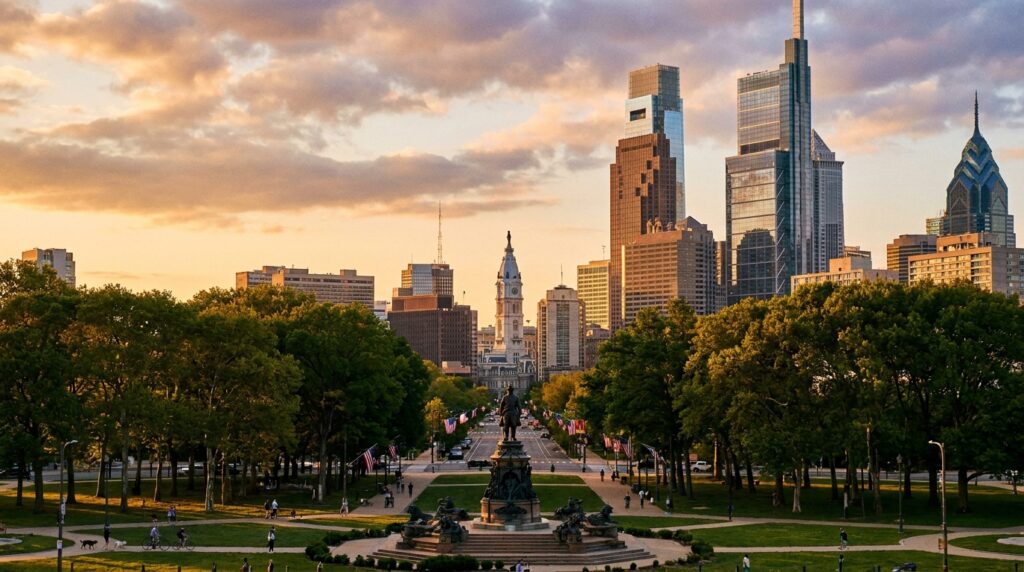
Philadelphia’s neighbourhoods range from historic Old City to trendy Fishtown, with Center City’s compact downtown core anchored by the 548-foot City Hall tower, completed in 1901.
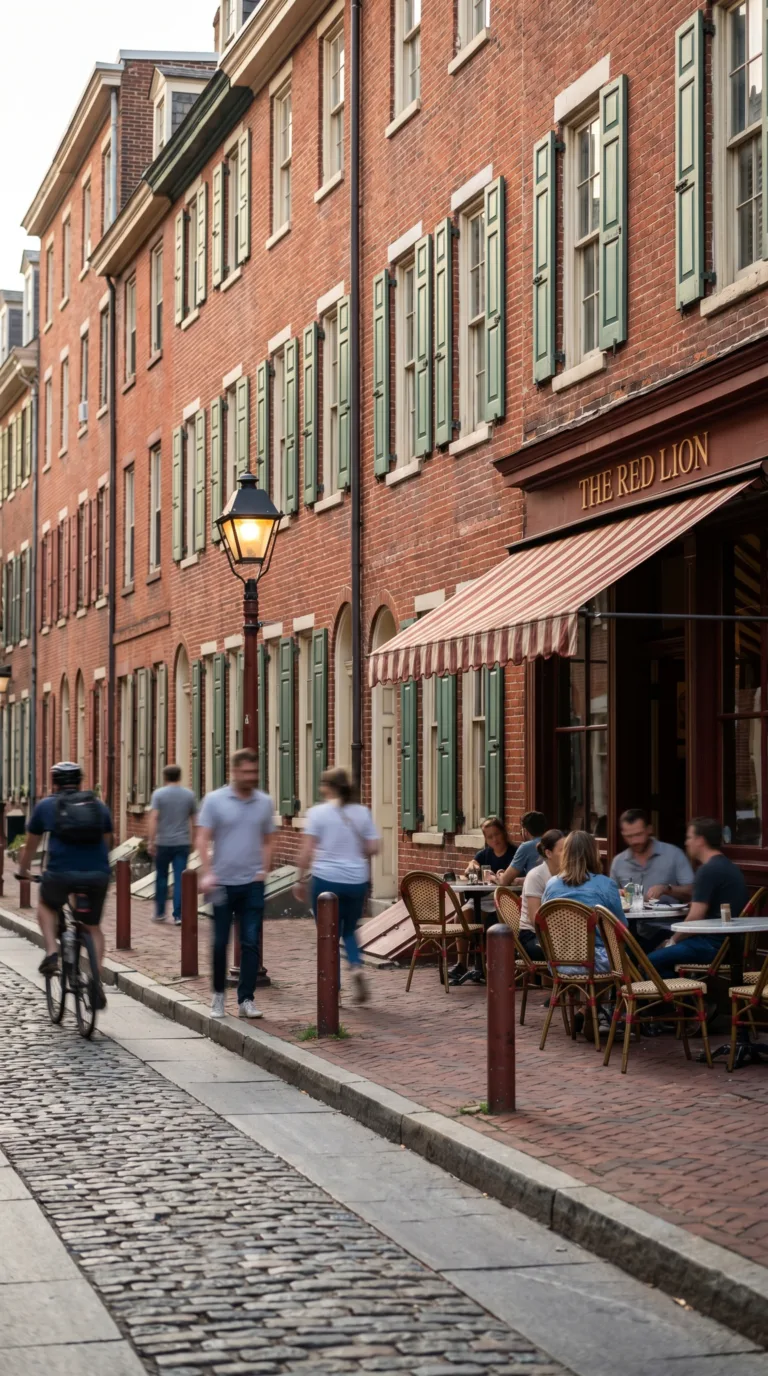
Philadelphia doesn’t sprawl like Los Angeles. It clusters. Each neighborhood has its own personality, and knowing where you are matters more than in most American cities. The Center City District official website maps out the 1.5-square-mile downtown core, but the real character lives in the surrounding pockets.
Old City sits east of 5th Street. Cobblestones. Independence Hall. Art galleries that stay open late on First Friday. At night, the bars fill with finance bros and tourists who wandered too far from their hotel. It’s historic, sure, but it’s also loud after 10 p.m.
Center City is the business district. City Hall, 548 feet tall, finished in 1901 according to city building records, marks the center. Rittenhouse Square has the money. Walnut Street has the shopping. You’ll walk these blocks but the weirdness survives in pockets.
Fishtown is where the hipsters went when Old City got expensive. Craft breweries on every corner. Music venues in converted warehouses. Street art that actually looks good. It’s north of Center City, across I-95.
University City sprawls west of the Schuylkill River. Penn and Drexel students. Ethiopian restaurants. The Penn Museum. It’s diverse, cheap, and safe enough if you stay near campus.
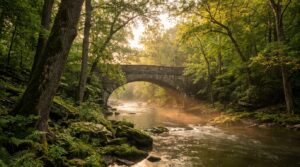
Wissahickon Valley hides in the northwest corner. 50 miles of hiking trails. Stone bridges from the 1800s. The Friends of the Wissahickon official trail information page lists trailheads. You can reach it by car in 20 minutes from Center City.
Most visitors stick to Old City, Center City, and Fishtown. The subway connects them. Walk between Old City and Center City. Uber to Fishtown after dark.
Getting Around Philadelphia
Philadelphia International Airport handles 32 million annual passengers with SEPTA’s Airport Line providing $5 direct rail service to Center City in 25 minutes, while the city’s grid system uses numbered streets running north-south from the Delaware River.
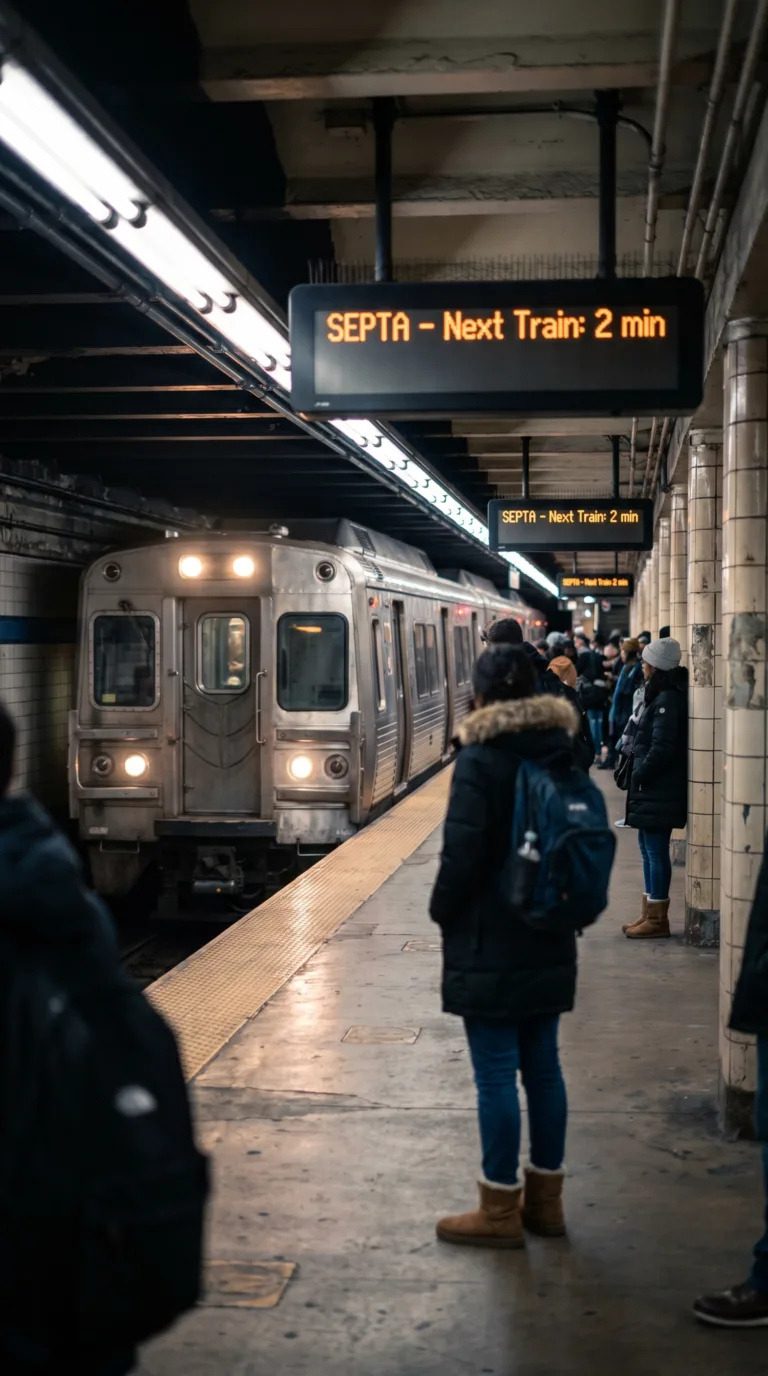
Philadelphia International Airport serves 130+ destinations. The SEPTA Airport Line costs $5 with a SEPTA Key or contactless card and drops you at Suburban Station in Center City within 25 minutes. Trains run every 30 minutes from 5 a.m. to midnight. Taxis to downtown run $28.50 flat rate. Rideshares cost $20–35 depending on surge pricing. Rental car counters sit in the baggage claim area.
Driving to Philadelphia means navigating I-95 along the Delaware River or I-76 (the Schuylkill Expressway) from the west. Center City parking garages charge $15–40 per day. Street parking uses the ParkMobile app. Meters cost $2–4 per hour. Park-and-ride lots at suburban SEPTA stations offer cheaper alternatives, $1 per day at many locations.
SEPTA runs the subway, buses, and trolleys. A One Day Neighborhood FleX Pass costs $10 for up to ten rides. The Broad Street Line cuts north-south through the city. The Market-Frankford Line runs east-west. Both hit major tourist zones. Check SEPTA route maps and schedules before you go.
Philadelphia’s grid makes navigation simple. Numbered streets run north-south starting at the Delaware River. Market Street divides north from south. Named streets run east-west. You can walk from the Liberty Bell to Reading Terminal Market in 10 minutes.
Indego bike share has 140 stations across the city. Thirty-minute trips cost $4. A day pass runs $15. Hop-on-hop-off buses circle major attractions for $40–50. Amtrak connects Philadelphia to New York in 1 hour 15 minutes and Washington D.C. in 2 hours from 30th Street Station.
Day Trips from Philadelphia
Philadelphia’s central Pennsylvania location provides access to 14 major day trip destinations within 2 hours, including Gettysburg’s 6,000-acre battlefield (165,000 MSV), Lancaster County’s Amish communities (22,200 MSV), and Hershey’s chocolate attractions (165,000 MSV).
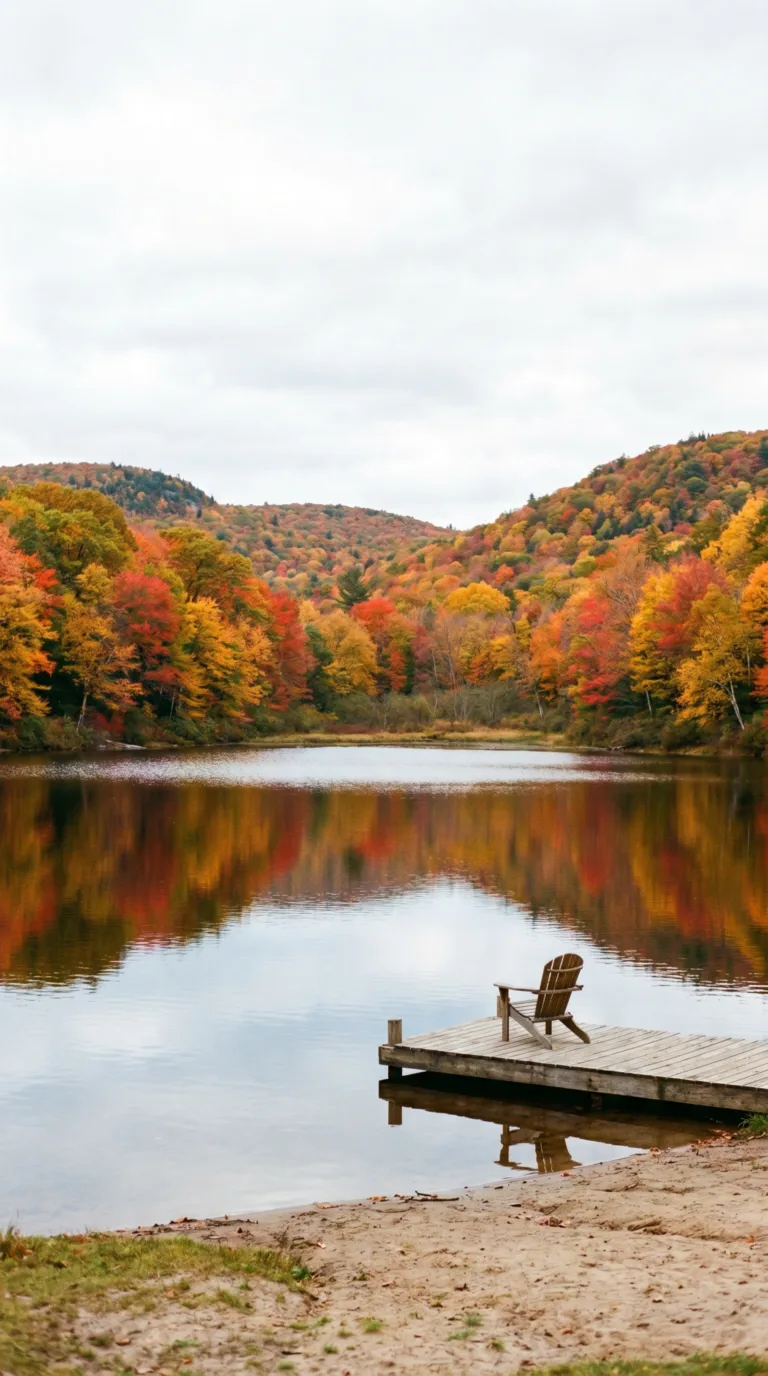
Philadelphia sits at the center of a 200-mile radius packed with American history, mountain wilderness, and industrial heritage. You can hit a Civil War battlefield, Amish farmland, or a ski resort without spending a night away from your hotel. A philadelphia map with cities shows the I-76, I-476, and I-78 corridors radiating outward like spokes.
Gettysburg lies 120 miles west, a two-hour drive on US-30. The Gettysburg National Military Park covers 6,000 acres of preserved battlefield where 51,000 soldiers fell in July 1863, according to National Park Service records. You can drive the auto tour route yourself or book a licensed battlefield guide at the visitor center for $75 per carload. The town square holds 19th-century storefronts and taverns that served as field hospitals.
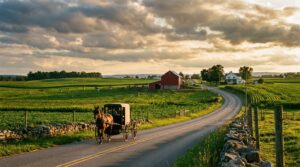
Lancaster County spreads across 90 minutes of farmland west of Philadelphia. Amish buggies share two-lane roads with pickup trucks. Discover Lancaster lists farm-to-table restaurants, roadside produce stands, and quilt shops in towns like Intercourse and Bird-in-Hand. The Central Market in downtown Lancaster operates Tuesday, Friday, and Saturday, vendors sell scrapple, shoofly pie, and smoked meats under a 1889 Romanesque Revival roof.
Hershey sits 90 minutes northwest via I-76 and US-322. Hershey’s Chocolate World offers free factory tour simulations and paid tasting experiences starting at $16.95 per person. Hersheypark charges $89.95 for single-day admission to 76 rides and roller coasters. The town smells like cocoa when the wind shifts from the factory complex.
Pittsburgh requires five hours on the Pennsylvania Turnpike, too far for a casual day trip unless you leave at 6 a.m. The city’s three rivers, Carnegie museums, and Primanti Brothers sandwiches justify an overnight stay instead.
Pocono Mountains cover 2,400 square miles of northeastern Pennsylvania forest 90 minutes north on I-476. Camelback Mountain Resort operates year-round with skiing December through March and an indoor waterpark the rest of the year. Lake Wallenpaupack stretches 13 miles long, you can rent kayaks at Wallenpaupack Boat Rentals for $25 per hour.
Jim Thorpe clings to steep hillsides in Carbon County, two hours north via I-476. Victorian mansions line narrow streets above the Lehigh River. Pocono Whitewater runs guided rafting trips through Lehigh Gorge for $54.95 per person on Class II-III rapids. The town was called Mauch Chunk until 1954 when residents renamed it to attract the Olympic athlete’s remains and tourism dollars.
Bethlehem lies 60 miles north, a hour on I-476. The SteelStacks arts campus occupies the former Bethlehem Steel plant site with concert venues inside repurposed blast furnaces. Christkindlmarkt runs late November through December with German food vendors and handmade ornaments. Moravian College preserves 18th-century stone buildings from the city’s religious settlement origins.
Delaware Water Gap marks the Pennsylvania-New Jersey border 90 minutes north on I-476 and I-80. The national recreation area protects 70,000 acres of Appalachian ridge forest. Mount Tammany Trail climbs 1,200 feet in 1.25 miles to overlook the water gap where the Delaware River cuts through Kittatinny Ridge.
Reading sits 60 miles northwest via I-76, about a hour in light traffic. VF Outlet Village and Reading Outlets attract bargain hunters to 300+ factory stores. The Pagoda sits on Mount Penn’s summit with views across Berks County, built in 1908 as a luxury resort that never opened.
York lies 90 minutes west on I-83. The Harley-Davidson factory offers assembly plant tours Monday through Friday for $18 per adult (book weeks ahead). Colonial-era sites include the 1741 Golden Plough Tavern and the spot where the Continental Congress adopted the Articles of Confederation in 1777.
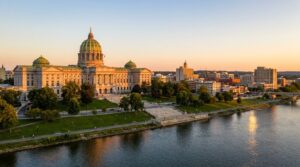
Harrisburg requires 90 minutes on I-76 and I-83. Free tours of the Pennsylvania State Capitol run weekdays, the 1906 building features a dome modeled after St. Peter’s Basilica. City Island in the Susquehanna River hosts minor league baseball and riverfront walking paths.
Erie sits on Lake Erie’s southern shore six hours northwest, too far for a day trip. Allegheny National Forest covers 513,000 acres in northwestern Pennsylvania, also beyond practical day-trip range. Ohiopyle State Park lies three hours southeast of Pittsburgh with Class III-IV whitewater on the Youghiogheny River and Frank Lloyd Wright’s Fallingwater house 15 minutes away.
Practical Information for Visiting Philadelphia
Philadelphia experiences four distinct seasons in the Eastern Time Zone, with optimal visiting conditions from April through May and September through October when temperatures range from 60-75°F and humidity drops below summer’s 70% average.
Spring and fall deliver the best weather. April through May sees temperatures climb from the 50s to mid-70s. September through October reverses that pattern. Summer hits hard, July averages 87°F with 70% humidity, per National Weather Service data. Winter drops to the 30s and 40s with occasional snow.
Things to do in Philadelphia in winter include holiday markets at Dilworth Park, indoor museum marathons, ice skating at Rothman Rink, and lower hotel rates that drop 30-40% from summer peaks according to Visit Philadelphia’s 2025 tourism report. Cozy restaurants fill the gap when outdoor walking tours shut down.
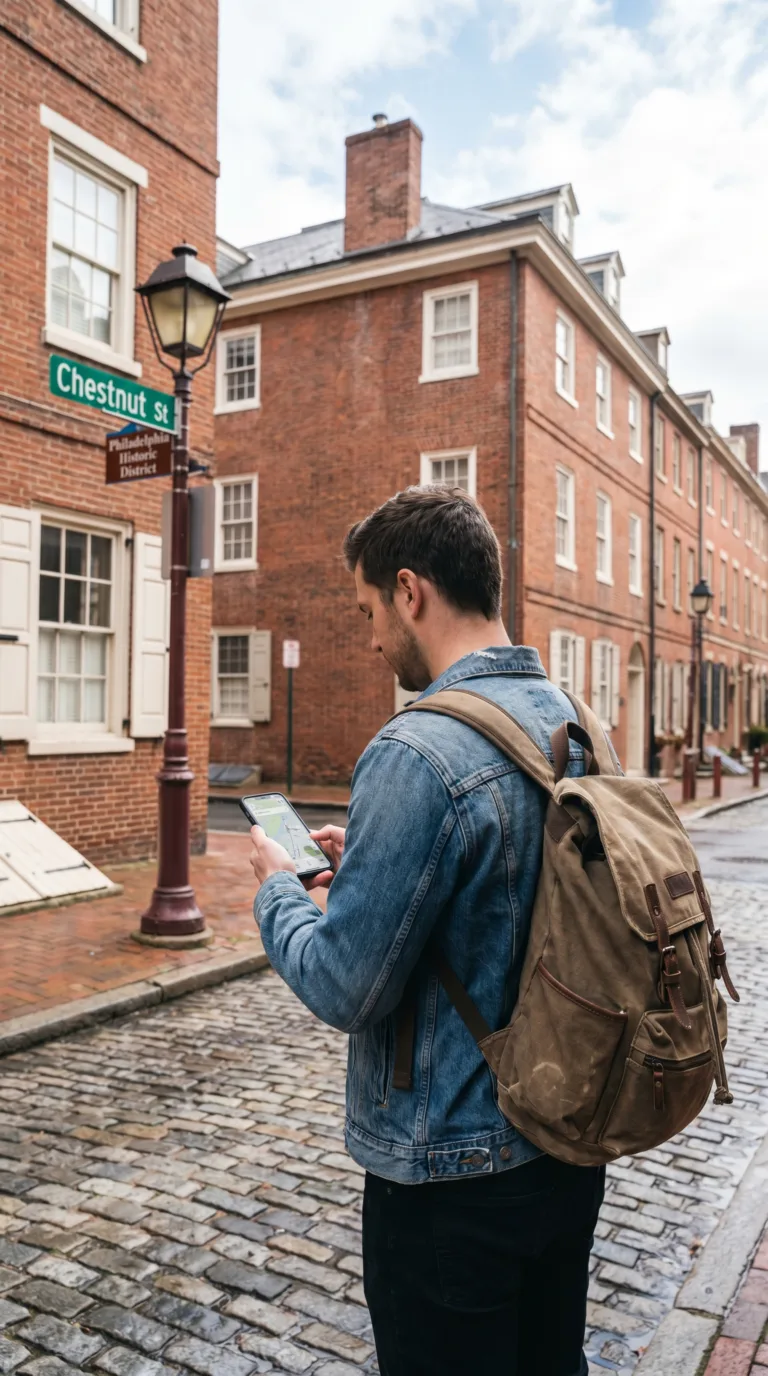
Pack layers. The weather shifts fast. Comfortable walking shoes matter, cobblestone streets punish sneakers with thin soles. Bring an umbrella year-round. Check the National Weather Service Philadelphia forecast office before you leave.
Downtown stays safe. Tourist zones around Independence Hall and Rittenhouse Square see regular foot traffic and police presence. Standard urban rules apply: keep bags zipped, don’t flash phones on empty streets after dark, stick to well-lit areas.
Frequently Asked Questions
Is Philadelphia worth visiting?
Yes. Philadelphia packs world-class history, art, and food into a walkable downtown. You can stand where the Declaration of Independence was signed at Independence Hall, see the Liberty Bell, run the “Rocky steps” at the Philadelphia Museum of Art, and eat your way through Reading Terminal Market — all within a few miles. It is one of the most affordable major East Coast city breaks.
What is Philadelphia known for?
Philadelphia is known for its founding-era history — Independence Hall and the Liberty Bell, where the Declaration of Independence and the Constitution were signed — along with cheesesteaks, the “Rocky steps” at the Philadelphia Museum of Art, Reading Terminal Market, and famously passionate sports fans. As America’s first capital, it blends Revolutionary landmarks with world-class art and food.
What is the best time to visit Philadelphia?
Spring (April to June) and fall (September to October) offer the best weather, with mild temperatures and lighter crowds. Fall brings comfortable days and fewer tourists, while spring delivers blooming parks and festivals. Summers are hot and humid but packed with outdoor events; winters are cold but quieter, with holiday markets and lower hotel rates.
How many days do you need in Philadelphia?
Three to four days lets you see the major attractions like Independence Hall and the museums, with time to explore different neighbourhoods. A long weekend covers the highlights with room for food tours and nightlife. Add extra days if you are planning trips to Gettysburg, Lancaster County, or other Pennsylvania destinations.
Where should you avoid staying in Philadelphia?
Most visitors should base themselves in Center City, Old City, or Rittenhouse Square — all walkable, safe, and close to the main sights. It is best to avoid cheap hotels far from these tourist zones or in isolated industrial areas, and to take normal big-city precautions at night. Staying central keeps you near transit, restaurants, and the historic district.