
Estimated reading time: 29 minutes
Last updated: September 2026
Table of Contents
- What Is the Number One Tourist Destination in Florida?
- When to Visit Florida: Best Time & What to Avoid
- Getting to Florida
- Getting Around Florida
- Florida Budget & Costs
- South Florida & the Southeast Coast
- Southwest Gulf Coast
- Tampa Bay & Central West Coast
- Central Florida: Orlando & Theme Parks
- Northeast Florida: History & Beaches
- East Coast Beaches
- North Florida & the Panhandle
- Florida Itineraries: 7-Day & 10-Day Routes
- Packing for Florida: What to Bring
- Frequently Asked Questions
What Is the Number One Tourist Destination in Florida?
Walt Disney World in Orlando is Florida’s number-one tourist destination, the most-visited theme-park resort on Earth. Beyond Orlando, the state draws over 130 million visitors a year to 1,350 miles of coastline: the tropical Florida Keys, white-sand Gulf beaches, the Art Deco and Cuban culture of Miami, and historic St. Augustine, the oldest city in the United States. The best time to visit is spring or fall.
Research Methodology
This guide was compiled using Florida’s official tourism board resources, state park documentation, and feedback from experienced travelers. All details about attractions, costs, and operations reflect information verified at the time of writing. Please consult official websites for current hours and pricing before planning your visit.
You can see Florida’s beautiful coastline and attractions for yourself. Watch our complete Florida travel guide in 4K Ultra HD.
The perfect Florida trip depends entirely on when you go. Visit in February, and you’ll find dry skies and packed beaches. Arrive in August, and afternoon thunderstorms clear the crowds but drench the theme parks. Timing matters here more than almost anywhere in the United States.
Florida packs more variety into one state than seems possible. You can walk cobblestone streets in the nation’s oldest city, St. Augustine, then drive two hours south to ride roller coasters in Orlando. The Official Visit Florida tourism website tracks 1,350 miles of coastline according to NOAA measurements, split between the Atlantic Ocean and the Gulf of Mexico. Each coast has its own personality. The Gulf side offers calm, warm water and white sand. The Atlantic side brings bigger waves and a faster pace.
Miami pulses with Art Deco architecture and Cuban coffee shops. The Florida Keys stretch 113 miles into tropical water where you can snorkel coral reefs in the morning and watch the sunset from Key West by evening. Orlando draws families to Disney World and Universal Studios, while natural springs in North Florida stay a constant 72 degrees year-round.
This guide covers the best places to visit in Florida, how to get around, what it costs, and ready-to-use itineraries for both week-long and 10-day trips. Florida attracts over 130 million visitors each year, per Visit Florida statistics, because it delivers warm weather, accessible flights, and activities for every type of traveler.
When to Visit Florida: Best Time & What to Avoid
Florida’s best weather occurs March through April and September through October, avoiding both the June-November hurricane season peak and December-April’s highest prices and crowds.
Planning Tip
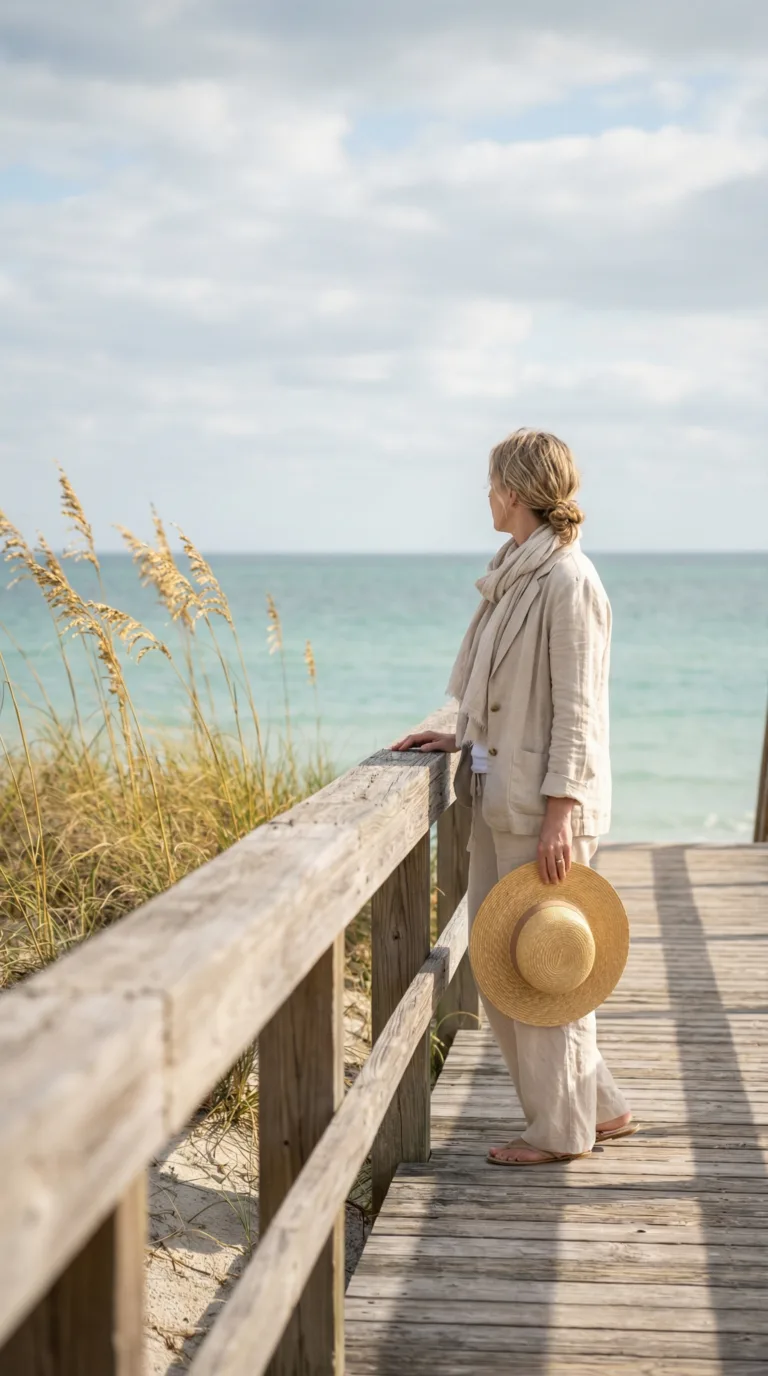
The sweet spot for visiting Florida falls in March and April, when temperatures hover between 70°F and 80°F and humidity stays manageable. You’ll find smaller crowds and lower hotel rates than winter, plus the ocean is warm enough for swimming. September and October offer similar conditions, though you’ll need to watch the National Hurricane Center for storm activity.
Peak season runs December through April, when snowbirds escape cold northern winters. The weather is reliably dry and comfortable, but expect packed beaches and premium prices. According to the National Weather Service, winter daytime temperatures average 75°F in Miami and 65°F in the Panhandle.
Summer brings afternoon thunderstorms, 90°F heat, and thick humidity. Hotel rates drop significantly, making it budget-friendly for families on school break. The official Atlantic hurricane season runs June 1 through November 30, with peak activity from August through October. Always purchase travel insurance and check U.S. Department of State Travel Advisories before booking summer or fall trips.
Getting to Florida
Florida has six major international airports, with Orlando (MCO) and Miami (MIA) handling over 50 million passengers annually, plus Amtrak service from the Northeast taking approximately 30 hours.

Flying is the fastest way to reach Florida. The state’s six major airports, Miami (MIA), Orlando (MCO), Fort Lauderdale (FLL), Tampa (TPA), Jacksonville (JAX), and Fort Myers (RSW), offer direct flights from most US cities and international hubs. Orlando and Miami each welcome more than 25 million passengers per year, making them among the busiest airports in the country.
Train travel with New York and Florida takes about 30 hours on Amtrak’s Silver Meteor / Palmetto Train. The Auto Train runs from Virginia to Sanford (near Orlando) and lets you bring your car along for the ride.
Driving to Florida means using I-95 along the East Coast, I-75 from the Midwest, or I-10 across the Panhandle. Many highways charge tolls, so get a SunPass transponder to save money and skip the cash lanes. Greyhound and FlixBus serve major cities for budget travelers who don’t mind longer travel times.
Getting Around Florida
Brightline high-speed rail connects Miami to Orlando in approximately 3.5 hours, while renting a car remains essential for exploring Florida’s beaches and attractions outside major cities.
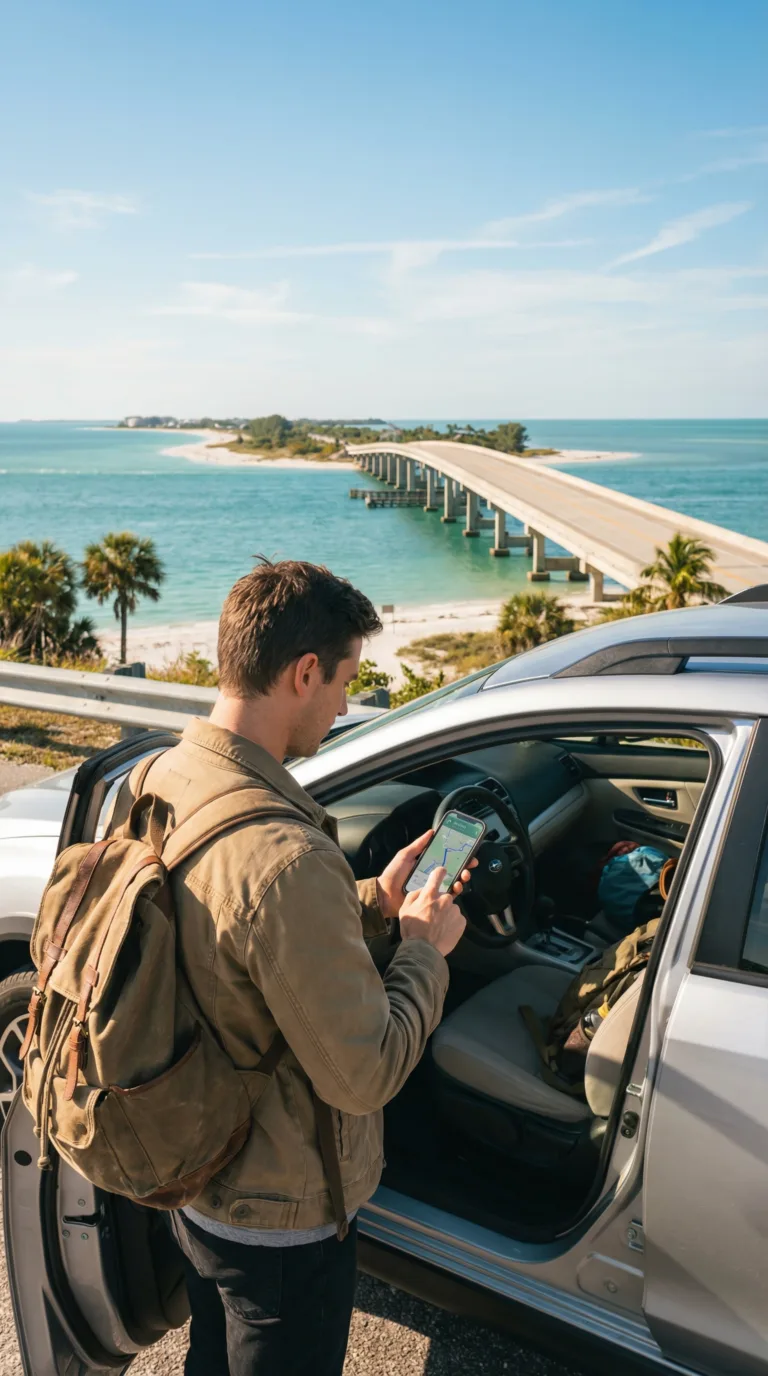
Renting a car is the most flexible way to travel through Florida. All major airports offer rental counters, and you’ll need a vehicle to reach most beaches, state parks, and smaller towns. Be prepared for toll roads, the Florida Turnpike and several highways charge fees. Get a SunPass or E-PASS transponder from your rental company to avoid stopping at toll booths. Check Florida’s Turnpike toll information for current rates.
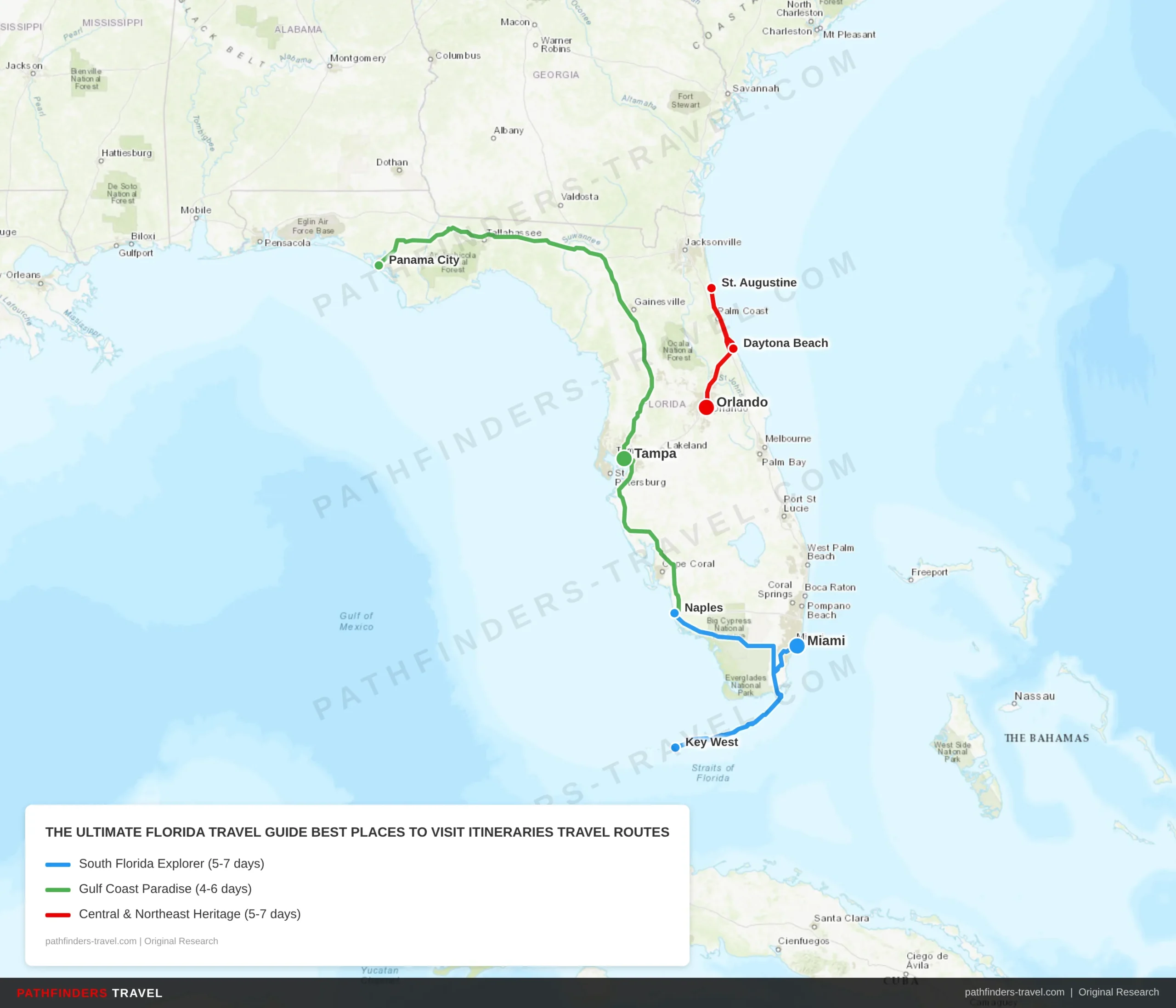
| # | Stop | Highlights | Drive Time |
|---|---|---|---|
| 1 | Miami | Art Deco District, South Beach, Cuban culture in Little Havana | Start |
| 2 | Key West | Mallory Square sunset, Hemingway House, coral reef snorkeling | 3h 30m |
| 3 | Naples | White sand beaches, upscale shopping, Everglades access | 4h 15m |
| # | Stop | Highlights | Drive Time |
|---|---|---|---|
| 1 | Naples | Fifth Avenue shopping, clean beaches, luxury resorts | Start |
| 2 | Tampa | Busch Gardens, Ybor City nightlife, Tampa Bay waterfront | 2h 15m |
| 3 | Panama City | Emerald Coast beaches, state parks, family attractions | 4h 45m |
| # | Stop | Highlights | Drive Time |
|---|---|---|---|
| 1 | Orlando | Disney World, Universal Studios, theme park capital | Start |
| 2 | St. Augustine | Historic downtown, Castillo de San Marcos, cobblestone streets | 1h 45m |
| 3 | Daytona Beach | NASCAR speedway, hard-packed sand beaches, motorsports | 1h 15m |
| 4 | Gainesville | Natural springs, University of Florida, state parks | 1h 30m |
Public transit works in Miami (Metrorail and Metromover), Orlando (Lynx buses), and Tampa (THART streetcar), but it’s limited beyond city centers. Uber and Lyft operate in all tourist areas. For intercity travel without a car, Greyhound, RedCoach, and Megabus connect major cities. Brightline booking offers the fastest option, the train links Miami, Fort Lauderdale, West Palm Beach, and Orlando in about 3.5 hours.
To explore the Florida Keys, drive the 113-mile Overseas Highway (US-1), which connects the islands by bridge and causeway. The route crosses 42 bridges, including the famous Seven Mile Bridge, with ocean views on both sides.
Florida Budget & Costs
A 3-day Florida trip for two travelers ranges from $234 for budget accommodations to $460 for luxury stays, with theme park tickets adding $100-150 per person daily.

Florida fits most budgets. Budget travelers spend $100-150 per person daily. Mid-range visitors pay $200-300. Luxury trips run $400 or more. These numbers include lodging, food, and activities.
Hostels and budget motels cost $40-70 per night. Mid-range hotels run $120-200. Beachfront resorts start at $250 and climb past $500. For food, cheap eats and food trucks charge $8-15 per meal. Casual dining costs $15-30. Upscale restaurants hit $50-100 or more per person.
Theme parks cost $100-150 per day according to official Disney World and Universal Studios pricing. Many beaches are free. State parks charge $2-8 entry. Save money by visiting in shoulder season (April-May, September-October). Book Visit Florida deals and packages that bundle hotels and activities. Orlando and Miami offer city passes that cut attraction costs. Cook some meals instead of eating out every time.
The cheapest places to travel in Florida include Daytona Beach, Cocoa Beach, and Panhandle beaches like Panama City Beach. Naples, Key West, and Miami Beach cost more but offer free beach access year-round.
South Florida & the Southeast Coast
South Florida spans from Miami’s urban energy to the tropical Florida Keys, attracting over 16 million visitors annually to its Art Deco architecture, coral reefs, and Caribbean-influenced culture.
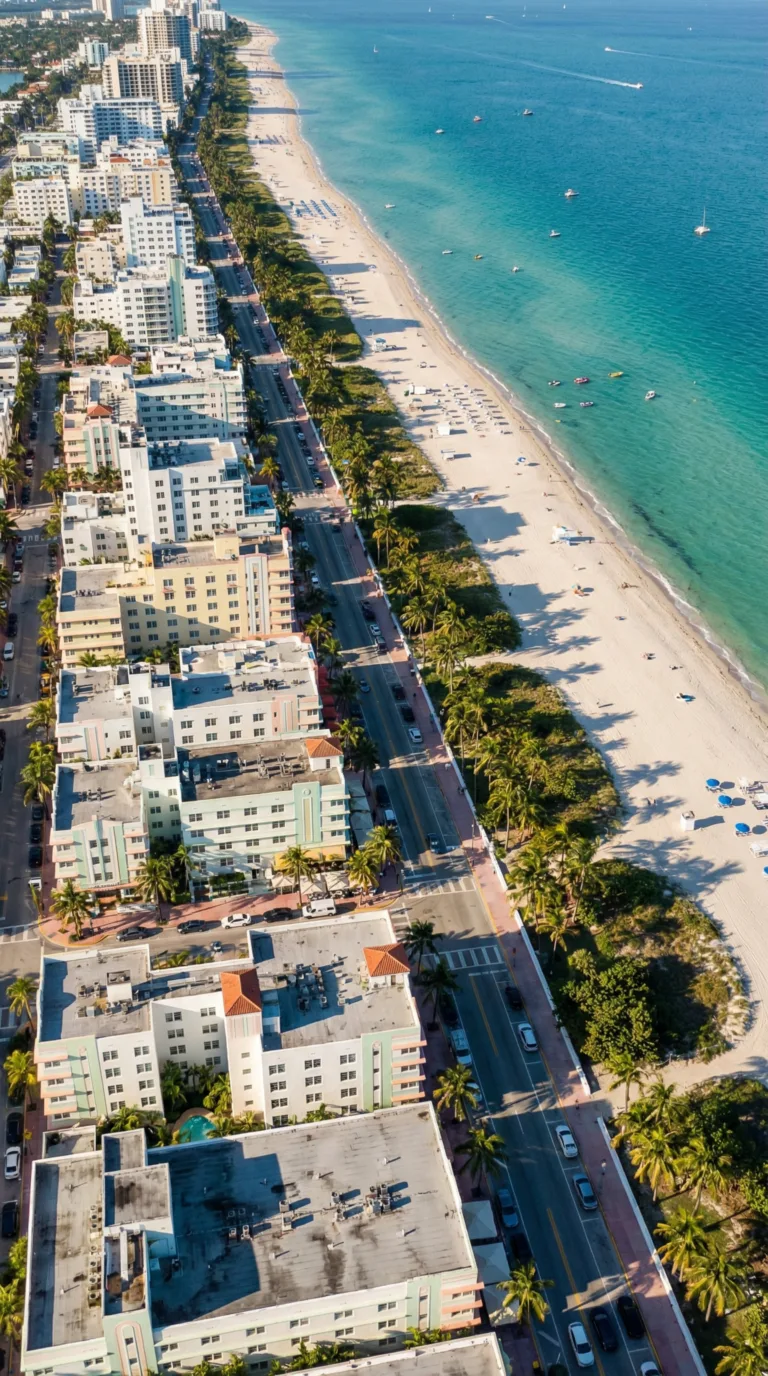
This region feels different from the rest of Florida. The air smells like salt and café cubano. Spanish mixes with English on every street corner. Pastel buildings line white-sand beaches, and the water glows turquoise under the subtropical sun. From Miami’s glass towers to the laid-back islands of the Keys, South Florida blends urban sophistication with Caribbean ease.
The Official Greater Miami Convention & Visitors Bureau website reports that Miami-Dade County welcomes over 16 million visitors each year. They come for the nightlife, the art, the Cuban sandwiches, and the beaches that feel more like the Bahamas than mainland America. The Official Florida Keys & Key West tourism website notes that the Keys archipelago includes over 1,700 islands, though only about 30 are inhabited. The Overseas Highway connects them like beads on a 113-mile string, making island-hopping as easy as a Sunday drive.
Miami
Miami is Florida’s most cosmopolitan city, where Latin American culture meets American ambition. The Art Deco Historic District in South Beach preserves over 800 pastel buildings from the 1930s and 1940s, the largest concentration of Art Deco architecture in the world. Walk Ocean Drive at sunset and you will see why photographers love this place.
Little Havana pulses with Cuban life. Domino players gather in Máximo Gómez Park. Cigar rollers work behind glass windows on Calle Ocho. You can eat ropa vieja and tostones for under $12 at family-run restaurants that have been here since the 1960s. Wynwood Walls transformed abandoned warehouses into an outdoor street art museum, with murals covering entire buildings. The Vizcaya Museum and Gardens sits on Biscayne Bay in a 1916 Italian Renaissance villa surrounded by formal gardens and peacocks. Bayside Marketplace offers waterfront shopping and live music near the cruise port. South Beach nightlife runs until sunrise, with clubs charging $20 to $40 covers on weekends. From the 50+ murals at Wynwood Walls to $1.50 cafecito at Little Havana’s ventanitas, our complete Miami travel guide maps out the city’s best neighborhoods, beaches, and Cuban eats.
Miami Beach
Miami Beach sits on a barrier island connected to Miami by causeways. South Beach (locals call it SoBe) draws the party crowd, with beach clubs, models, and bottle service. Lincoln Road is a pedestrian mall lined with shops and outdoor cafes where you can people-watch for hours. Mid-Beach and North Beach offer quieter stretches of sand, better for families who want to swim without the scene. The beach itself runs for seven miles, with fine white sand and water that stays warm year-round. Jet skis rent for about $90 per hour. Paddleboard rentals cost around $30. From the 800-plus Art Deco buildings along Ocean Drive to the candy-colored lifeguard towers of South Beach, our complete Miami Beach guide shows you where to stay, eat, and skip the rideshare costs between island and mainland.
Fort Lauderdale
Fort Lauderdale earned the nickname “Venice of America” for its 165 miles of canals. Water taxis run along the Intracoastal Waterway, connecting hotels, restaurants, and beaches for $28 per day pass. Las Olas Boulevard is the main drag, with boutiques, galleries, and sidewalk cafes. Fort Lauderdale Beach stretches for two miles, calmer and less crowded than Miami Beach. The Riverwalk Arts & Entertainment District hosts free concerts and festivals along the New River. Bonnet House Museum preserves a 1920s estate with tropical gardens and original artwork. The Everglades start just 30 minutes west. Glide past $10-million waterfront mansions on a 90-minute Venetian gondola ride and find the rest of the city’s 165 miles of canals in our Fort Lauderdale travel guide.
Key West
Key West sits 90 miles from Cuba, closer to Havana than to Miami. This is the southernmost point in the continental United States, marked by a concrete buoy that draws long lines for photos. Duval Street runs the length of the island, packed with bars, shops, and street performers. Ernest Hemingway lived here in the 1930s. His house is now a museum filled with six-toed cats descended from his original pets. Mallory Square hosts a nightly sunset celebration with fire jugglers, musicians, and vendors selling conch fritters. The water around Key West is clear enough to snorkel right off the beach. Day trips to Dry Tortugas National Park leave from the harbor, reaching a remote fort and coral reefs 70 miles offshore. The drive down the Overseas Highway to reach Key West crosses 42 bridges and takes about three and a half hours from Miami. From Hemingway’s 50 six-toed cats to the nightly fire-eaters at Mallory Square’s sunset celebration, our complete Key West handbook maps out where to stay, what to eat, and which day trips are worth your time.
Florida Keys
The Florida Keys stretch 120 miles with Key Largo and Key West, connected by the Overseas Highway (US Route 1). Each island has its own character. Key Largo is the diving capital, home to John Pennekamp Coral Reef State Park, the first underwater park in the United States. Glass-bottom boat tours cost around $30. Scuba trips run about $90 for a two-tank dive. Islamorada calls itself the sportfishing capital of the world, with charter boats leaving daily for tarpon, bonefish, and sailfish. Marathon sits in the middle of the chain, home to the Turtle Hospital (tours cost $28) and Bahia Honda State Park, which has the best natural beach in the Keys. The Seven Mile Bridge connects Marathon to the Lower Keys, offering views of nothing but water and sky. Island-hopping the Keys makes a perfect road trip, with snorkeling, kayaking, and fresh seafood at every stop. From snorkeling the submerged Christ of the Abyss statue in Key Largo to feeding stingrays at Marathon’s Aquarium Encounters, our Florida Keys travel guide maps the entire 120-mile drive with Key Largo and Key West.
Southwest Gulf Coast
Florida’s Southwest Gulf Coast features powder-white sand beaches and calm waters, with Naples ranking among the wealthiest cities in the US and quiet barrier islands like Anna Maria Island.
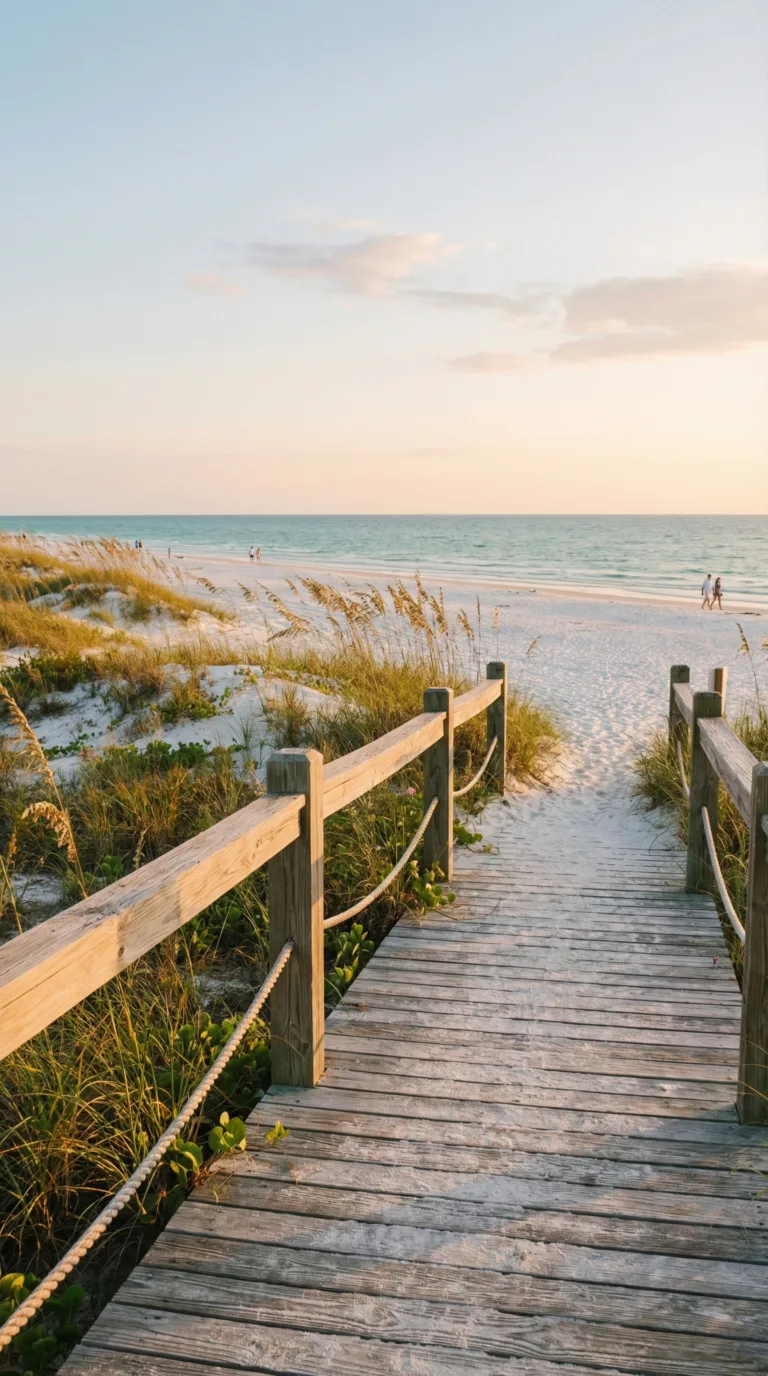
The Southwest Gulf Coast offers a different side of Florida. Where the Atlantic coast brings waves and energy, this stretch of shoreline delivers calm water and quiet luxury. White sand beaches run for miles, warm Gulf water stays between 72°F and 85°F year-round according to NOAA coastal data, and sunsets paint the sky pink and orange every evening. This region attracts retirees, families looking for gentle surf, and travelers willing to pay more for peace.
Naples
Naples sits at the southern end of the Gulf Coast, where luxury and nature blend. Fifth Avenue South fills with upscale boutiques and restaurants, while the Naples Pier stretches 1,000 feet into the Gulf, free to walk and perfect for watching dolphins at sunrise. The beaches here rank among Florida’s cleanest, with sand so fine it squeaks under your feet.
The Naples Botanical Garden covers 170 acres of tropical plants from around the world, with improved walkways through mangrove wetlands. Golfers find over 80 courses within 30 minutes of downtown. The city sits just 45 minutes from Everglades National Park’s western entrance, making it a base for both beach days and swamp exploration. You can check the Official Naples, Marco Island & Everglades tourism website for current events and deals. (Full travel guide to Naples coming soon)
Marco Island
Marco Island claims the title of largest in Florida’s Ten Thousand Islands chain. Tigertail Beach draws shellers at low tide, when a sandbar connects the main beach to a small island covered in shells and sand dollars. The water stays shallow for 100 yards out, safe for kids and perfect for spotting stingrays gliding past.
Kayak tours wind through mangrove tunnels where herons nest and manatees surface to breathe. Fishing charters leave daily for grouper, snapper, and tarpon. The island keeps a slower pace than Naples, with more families and fewer designer shops. From shelling the tidal sandbars at Tigertail Beach to gliding through mangrove tunnels where manatees cruise in winter, our Marco Island travel guide maps out the beaches, seafood, and resorts worth your time.
Sarasota
Sarasota balances culture and coastline. Siesta Key Beach consistently ranks as the top beach in the United States, with 99% pure quartz sand that stays cool even in July. The Ringling Museum of Art houses a top-quality collection in a Venetian-style mansion, with 21 galleries and a circus museum honoring John Ringling’s legacy.
Downtown Sarasota supports a year-round arts scene with theater, opera, and galleries. St. Armands Circle offers upscale shopping and waterfront dining. According to Sarasota County Parks and Recreation, the county maintains 35 public beach access points, ensuring you can always find a spot. The Visit Sarasota County official tourism page lists current exhibits and performances. From walking barefoot at noon on Siesta Key’s 99% pure quartz sand to touring John Ringling’s $1.5 million Ca’d’Zan mansion, our full Sarasota travel guide shows you where the beaches, culture, and Gulf Coast charm come together.
Anna Maria Island
Anna Maria Island preserves Old Florida charm with a strict ban on buildings over three stories. Bean Point Beach sits at the northern tip, where Tampa Bay meets the Gulf in swirling currents that attract tarpon and sharks (safely offshore). A free trolley runs the length of the island, stopping at beaches, shops, and restaurants.
Historic Bridge Street in Bradenton Beach lines up local cafes and surf shops in buildings from the 1920s. The island stays bike-friendly, with dedicated paths and rental shops on every block. Families come here to avoid the high-rise hotels and chain restaurants that dominate other beach towns. From paddling the mangrove tunnels at Robinson Preserve to fishing free off the 678-foot Anna Maria City Pier, our full Anna Maria Island guide covers the beaches, seafood spots, and where to stay.
Tampa Bay & Central West Coast
The Tampa Bay area combines urban attractions in Florida’s third-largest city with award-winning beaches in Clearwater, which has been named America’s best beach multiple times.
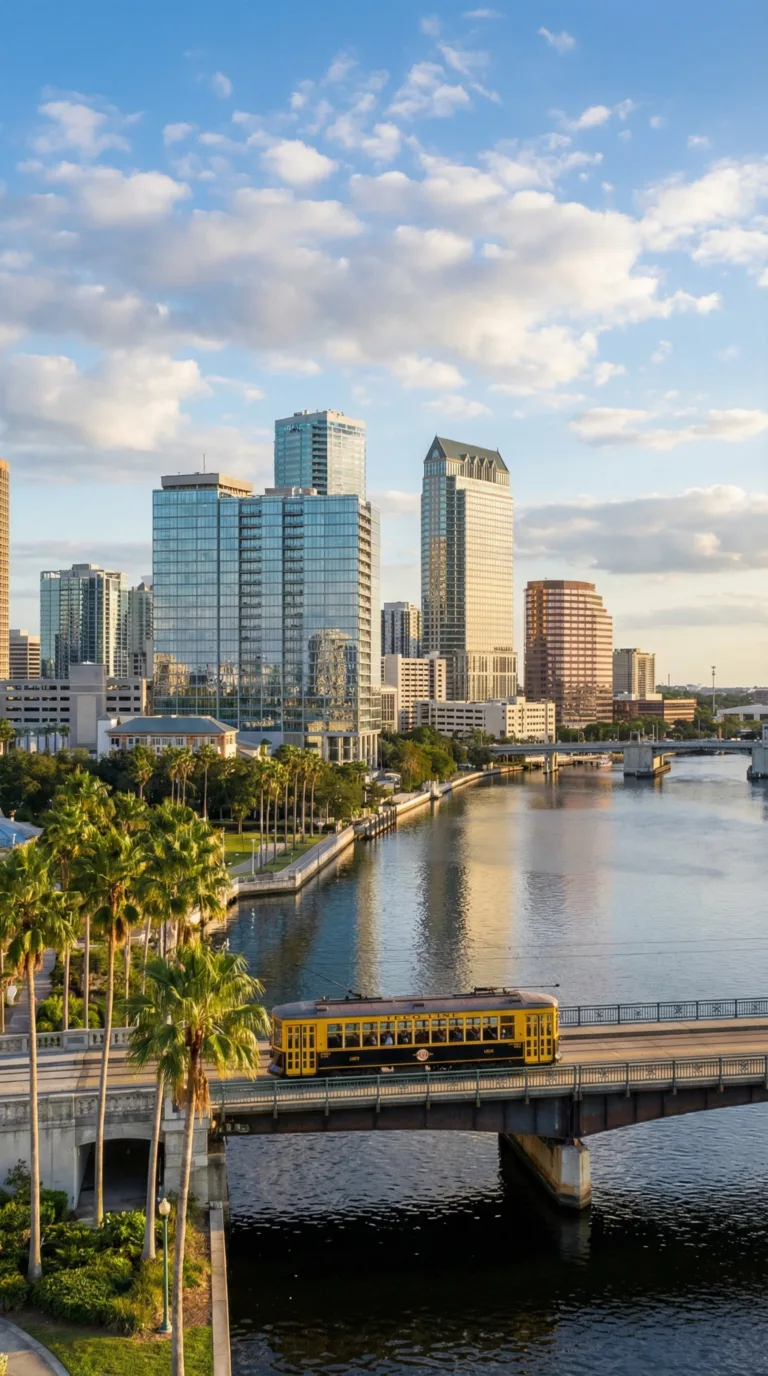
This region offers a rare combination: explore a major city in the morning, then sink your toes into Gulf Coast sand by afternoon. Tampa serves 387,000 residents (per the 2020 U.S. Census Bureau), making it Florida’s third-largest city after Jacksonville and Miami. The metro area stretches across Tampa Bay to include the artsy waterfront of St. Petersburg and the white sands of Clearwater Beach, which has won USA Today’s 10Best Readers’ Choice award for Best Beach three times since 2018, according to Visit St. Pete-Clearwater.
Tampa
Tampa draws families to Busch Gardens, a 335-acre theme park with roller coasters and live animals. The city’s Cuban roots run deepest in Ybor City, where brick streets lead past cigar shops and Latin restaurants. The Florida Aquarium houses 7,000 aquatic animals along the downtown Riverwalk, a 2.6-mile path connecting museums, parks, and waterfront dining. Sports fans catch NFL Buccaneers games at Raymond James Stadium or NHL Lightning matches at Amalie Arena. Tampa costs less than Miami or Orlando, with hotel rates averaging 20-30% lower during peak season. From the 76-mph Iron Gwazi coaster at Busch Gardens to the cigar-scented brick streets of Ybor City, our complete Tampa travel guide maps out the Riverwalk’s food halls, beaches, and neighborhoods.
St. Petersburg
St. Petersburg sits across the bay with a walkable downtown core. The Salvador Dalí Museum holds the largest collection of the artist’s work outside Spain. Murals cover building walls throughout the EDGE District, where craft breweries pour local IPAs. The new St. Pete Pier extends 3,000 feet into Tampa Bay, with restaurants, shops, and a rooftop observation deck. Sunken Gardens preserves four acres of botanical displays dating to 1903. The city serves as a base for beach access without the resort crowds. For the full rundown, see our complete St. Petersburg travel guide.
Clearwater
Clearwater centers on Clearwater Beach, where sugar-white quartz sand meets calm Gulf waters. Pier 60 hosts nightly sunset celebrations with street performers and craft vendors. The Clearwater Marine Aquarium cares for rescued sea turtles and dolphins, including Winter, the dolphin fitted with a prosthetic tail. Beach resorts line the shore with direct sand access. For quieter nature, drive 20 minutes north to Honeymoon Island State Park. This 385-acre preserve offers four miles of natural beaches, hiking trails through coastal hammocks, and osprey nesting sites visible from the shoreline. The park sees fewer visitors than the main beach, especially on weekday mornings. Plan your visit through Visit Tampa Bay for current events and attraction hours. From parasailing launches every 20 minutes to the nightly sunset festival at Pier 60, our Clearwater Beach travel guide maps out where to stay, what to do, and how to get around without a car.
Central Florida: Orlando & Theme Parks
Orlando attracts over 75 million visitors annually to Walt Disney World’s four theme parks, Universal Orlando Resort, and SeaWorld, making it the most visited destination in the United States.
Orlando
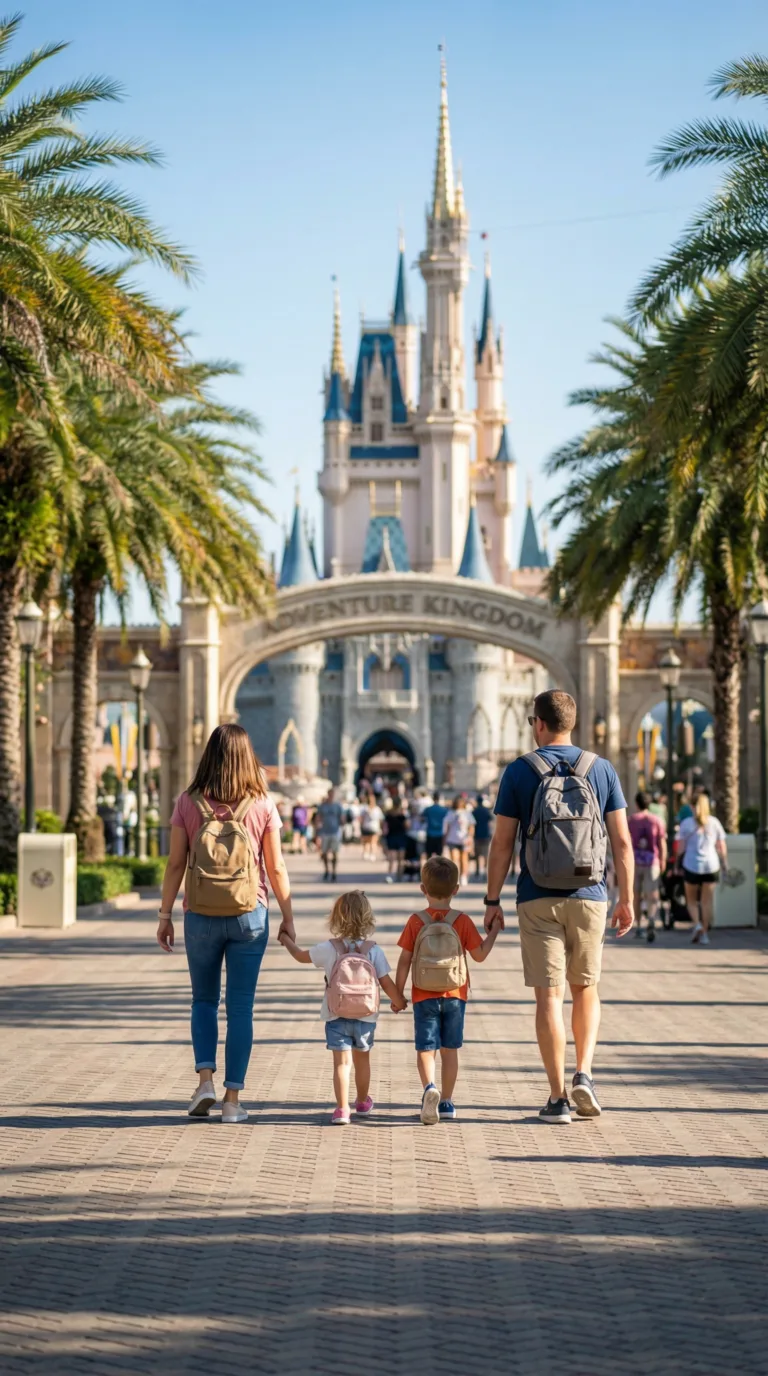
Orlando is the theme park capital of the world. Walt Disney World alone covers four separate parks: Magic Kingdom, EPCOT, Hollywood Studios, and Animal Kingdom. According to the Walt Disney World official website, each park offers a full day of attractions. Universal Orlando Resort includes two parks plus the Wizarding World of Harry Potter, while SeaWorld and LEGOLAND (45 minutes south) round out the major options.
Beyond the parks, International Drive offers dinner shows, outlet shopping, and the 400-foot Orlando Eye observation wheel. Kennedy Space Center sits one hour east on the coast, where you can tour launch pads and meet astronauts.
Orlando works for families, couples, and solo travelers who love rides and shows. Many hotels sell vacation packages that bundle park tickets with rooms, saving $200 or more per trip. Crowds peak during school holidays. Visit in January, February, September, or early November for shorter wait times. Check the Official Visit Orlando tourism website for current deals on hotel and theme-park packages.
From wrestling 12-foot gators at Gatorland to kayaking the 72-degree Wekiwa Springs, our complete Orlando travel guide shows you the city beyond the theme park gates.
Northeast Florida: History & Beaches
Northeast Florida features St. Augustine, the nation’s oldest city founded in 1565, and Jacksonville, Florida’s largest city by area covering 875 square miles.
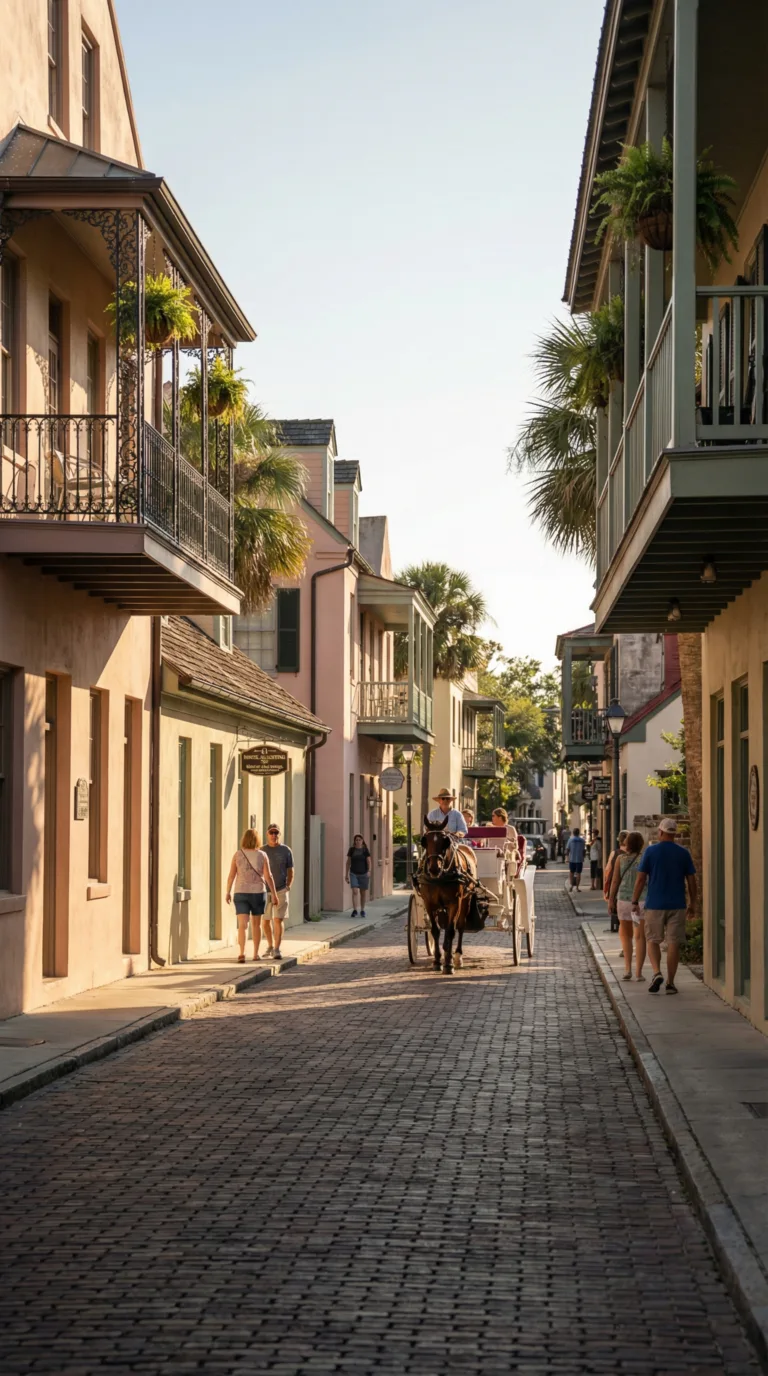
Northeast Florida offers a different side of the state. You won’t find mega-resorts or theme parks here. Instead, this region blends centuries-old history with uncrowded beaches and authentic local culture. It’s less touristy than South Florida, making it ideal for travelers who want to experience Florida beyond the usual attractions.
St. Augustine
St. Augustine was founded in 1565 by Spanish explorers, making it the oldest continuously occupied European settlement in the continental United States according to the National Park Service. The historic downtown feels like stepping into another era. Walk along St. George Street, a pedestrian-only thoroughfare lined with shops and restaurants in 18th-century buildings. Tour the Castillo de San Marcos, a stone fortress that has stood since 1695. Visit Flagler College, housed in a former luxury hotel with ornate Spanish Renaissance architecture. The Lightner Museum displays Gilded Age art and antiques in another Flagler-era building. After dark, join a ghost tour through narrow streets where guides share stories of the city’s 450-year past. St. Augustine Beach and Anastasia State Park sit just minutes from downtown, offering wide stretches of sand and calm surf. This is one of the most unique places to visit in Florida for history lovers and couples seeking a romantic weekend. St. Augustine, Ponte Vedra & The Beaches provides detailed visitor information.
From climbing the coquina-stone gun deck of the Castillo de San Marcos to slurping $2 Atlantic oysters along the bayfront, our St. Augustine travel guide maps out America’s oldest city in two unhurried days.
Jacksonville
Jacksonville covers 875 square miles, making it the largest city by land area in the contiguous United States per the US Census Bureau. Most travelers skip it, but that’s a mistake. Jacksonville Beach and Atlantic Beach offer 22 miles of coastline without the crowds you’ll find further south. The Riverside Arts Market runs every Saturday under the Fuller Warren Bridge, featuring local vendors and live music. The Cummer Museum of Art holds one of the finest collections in the Southeast, including works spanning 8,000 years. Jacksonville’s craft beer scene rivals any city its size, with breweries like Intuition Ale Works and Bold City Brewery. Catch a Jaguars game at TIAA Bank Field if you visit during football season. Hotel rates here run 30, 40% lower than Miami or Tampa, making Jacksonville appealing for budget-conscious travelers. Visit Jacksonville offers trip planning resources and event calendars.
Watch a 400-pound rescued tiger devour 15 pounds of raw chicken at Catty Shack Ranch’s night feeding, then plan the rest of your trip with our Jacksonville travel guide.
East Coast Beaches
Florida’s East Coast beaches offer Atlantic surf and proximity to Kennedy Space Center, with Daytona Beach’s 23 miles of hard-packed sand allowing vehicle access.
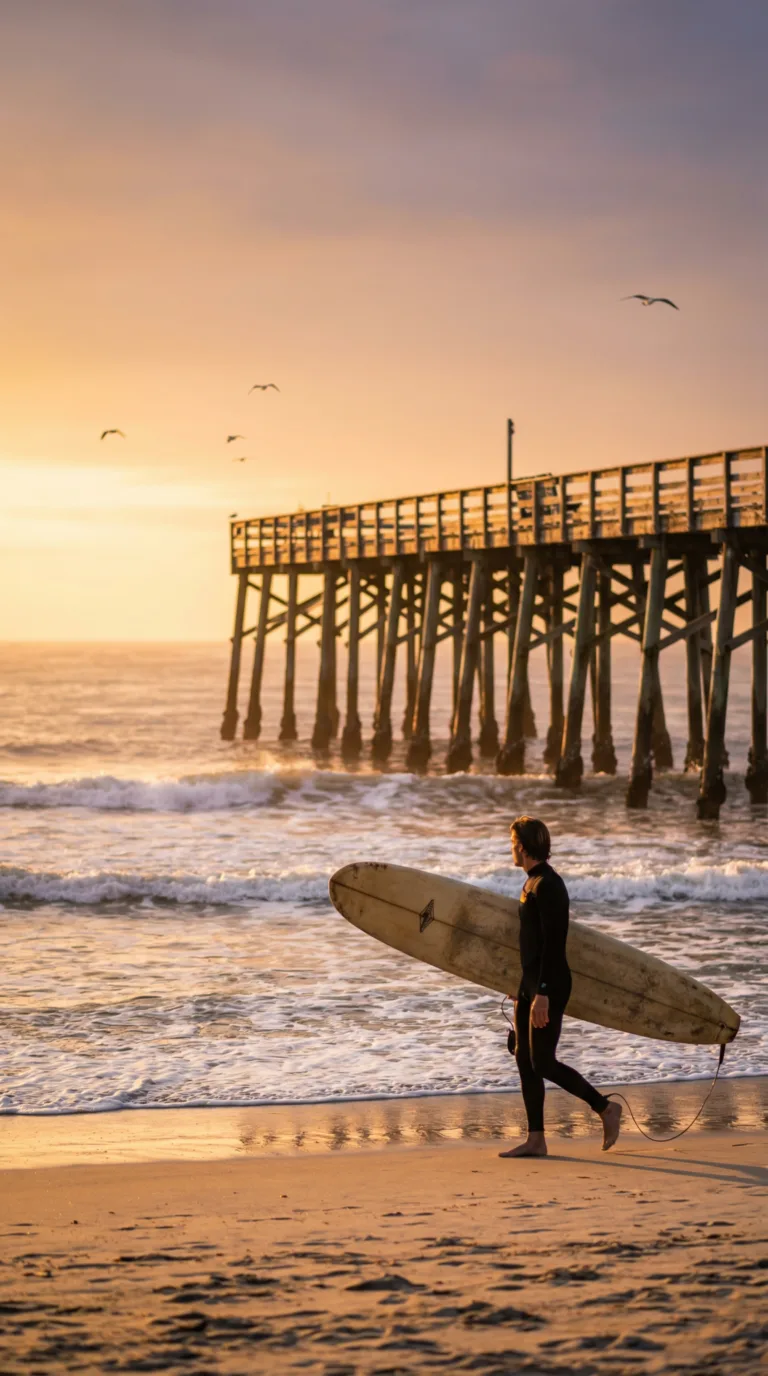
Florida’s Atlantic coast delivers a different beach experience than the Gulf side. Here, you’ll find rolling waves that attract surfers, hard-packed sand that supports cars, and rocket launches visible from shore. The region stretches from Jacksonville down to Miami, but two destinations stand out for their distinct character and easy access.
Daytona Beach
Daytona Beach is famous for one unique feature: you can drive your car directly onto 23 miles of hard-packed sand, according to the Official Daytona Beach tourism website. This tradition dates back to the early 1900s when the beach served as a racetrack. Today, the beach access costs around $20 per vehicle and operates during daylight hours. Beyond the sand, Daytona International Speedway hosts NASCAR races throughout the year. The Main Street Pier and boardwalk area feature amusement rides, arcades, and seafood restaurants. Spring break brings college crowds in March, but the rest of the year offers a calmer, family-friendly atmosphere. From driving your car onto 23 miles of hard-packed sand to touring the 31-degree banking at Daytona International Speedway, our complete Daytona Beach guide gives you the straight answers on parking fees, beach access ramps, and where locals actually eat.
Cocoa Beach
Cocoa Beach sits 30 minutes from Kennedy Space Center, making it Florida’s surf capital with a space-age twist. The Cocoa Beach Pier extends 800 feet into the Atlantic and hosts surf competitions year-round. Ron Jon Surf Shop, a 52,000-square-foot store open 24 hours, anchors the town’s surf culture. Port Canaveral cruise terminal sits just south, and you can watch rocket launches from the beach when SpaceX or NASA schedules a flight. The Visit Space Coast (Cocoa Beach area) official tourism page lists launch schedules and beach access points. The vibe here skews more laid-back than Daytona, with fewer crowds and consistent waves for beginners. From sunrise surf lessons at Kelly Slater’s home break to watching SpaceX rockets light up the sky, our complete Cocoa Beach travel guide covers the 800-foot pier, eco-tours, and where to eat fresh grouper.
North Florida & the Panhandle
Tallahassee, Florida’s capital since 1824, sits in the state’s only hilly region and offers Southern charm, historic sites, and access to natural springs.
Tallahassee
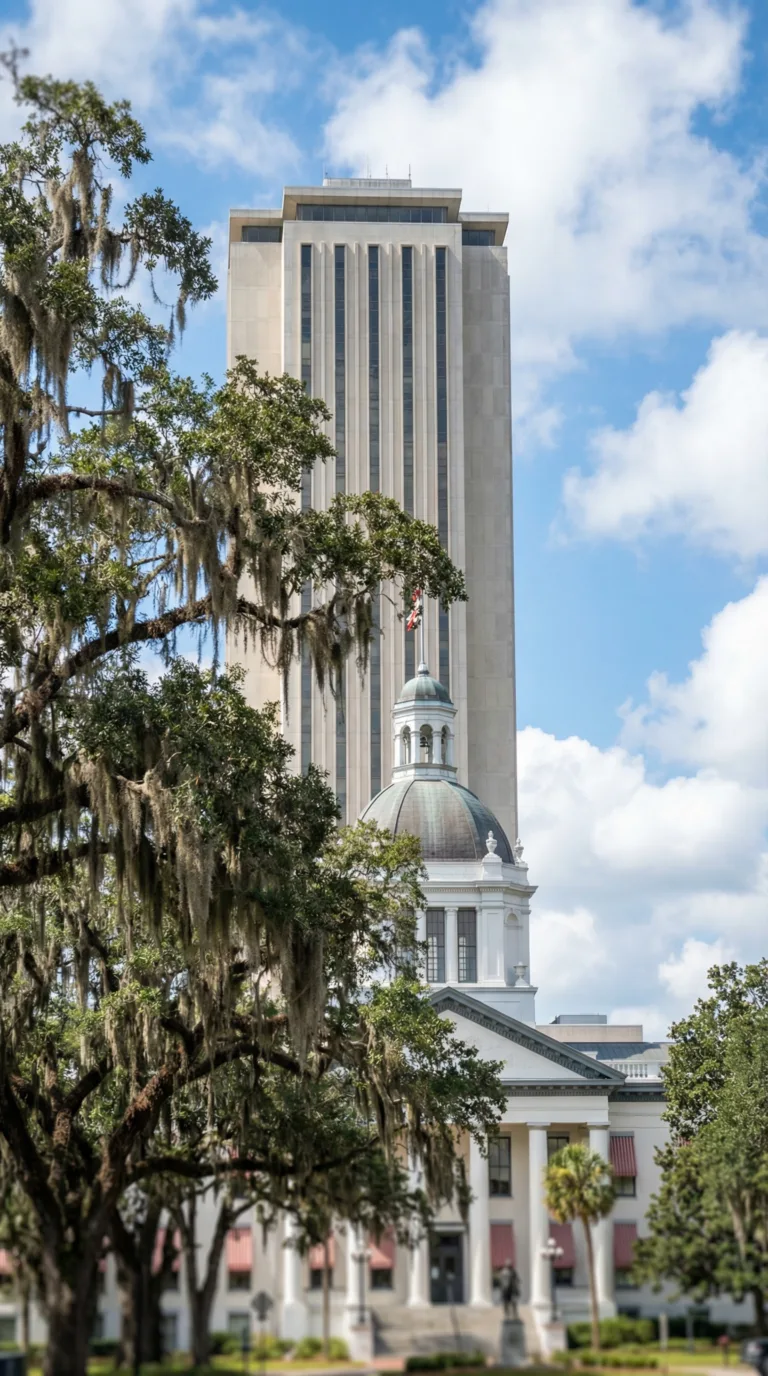
Most visitors skip Tallahassee entirely, chasing beaches and theme parks instead. That’s a mistake. Florida’s capital feels nothing like the rest of the state. Rolling hills replace flat coastal plains. Oak trees drape with Spanish moss. The culture leans Southern, not tropical.
The State Capitol complex anchors downtown. The modern tower rises 22 stories, offering views across the city. Next door, the Florida Historic Capitol Museum preserves the 1845 building where lawmakers met for over a century. Both buildings sit open for free tours.
Tallahassee functions as a college town. Florida State University and Florida A&M University bring 70,000 students to a city of 196,000 people. That energy shows in the restaurants, music venues, and weekend football crowds.
The Tallahassee Museum spreads across 52 acres of pine forest. Boardwalks wind past black bears, red wolves, and a restored 1880s farm. It’s part zoo, part history park, part nature preserve.
Over 20 natural springs sit within 50 miles of the city, according to Visit Tallahassee. Wakulla Springs pumps 250 million gallons of crystal-clear water daily. You can swim, kayak, or take a glass-bottom boat tour.
From the candy-striped Old Capitol’s free 22nd-floor observation deck to the Spanish-moss tunnels of Tallahassee’s canopy roads, explore Florida’s capital beyond the beaches.
Florida Itineraries: 7-Day & 10-Day Routes
A 7-day Florida itinerary typically covers 2-3 regions, while a 10-day route allows time for Miami, Orlando’s theme parks, and the Florida Keys with less rushing.
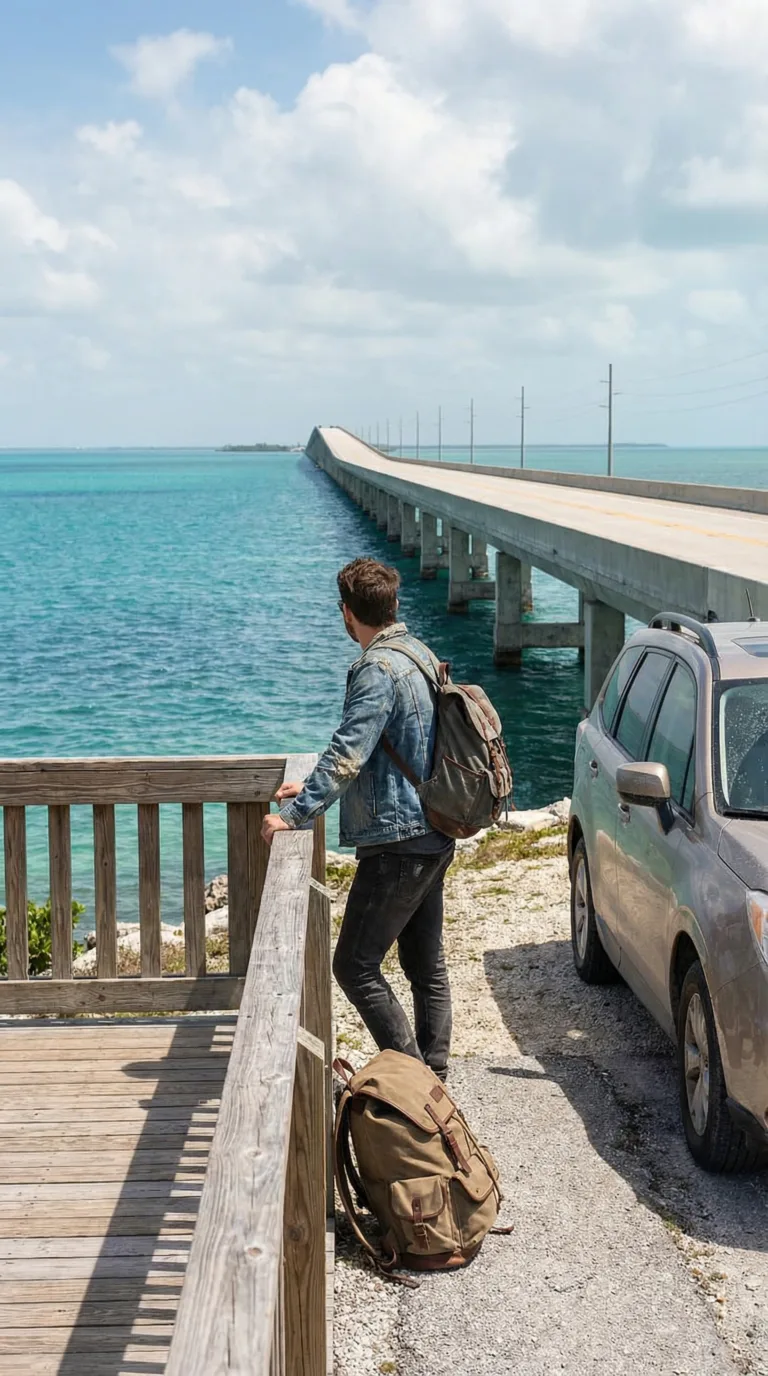
Florida stretches more than 400 miles from north to south. Seeing the state’s highlights requires a clear plan. A rental car is essential for both routes. Driving times between major destinations range from one to four hours.
These itineraries can be adjusted based on your interests. Swap beach days for extra theme park time, or skip Orlando entirely for more coastal exploration.
7-Day Florida Itinerary
Best for: First-time visitors wanting to see highlights of South Florida and Orlando
| Days | Destination | Highlights |
|---|---|---|
| 1-2 | Miami & Miami Beach | Art Deco District, South Beach, Little Havana, Wynwood Walls |
| 3 | Fort Lauderdale | Las Olas Boulevard, beach, water taxis |
| 4-6 | Orlando | Walt Disney World or Universal Studios (2-3 days) |
| 7 | Cocoa Beach | Beach time, Kennedy Space Center visit before departure |
Transport: Rent a car in Miami. The drive to Orlando takes 3.5 hours according to the Florida Department of Transportation. Cocoa Beach is one hour east of Orlando. Fly out of Orlando.
10-Day Florida Itinerary
Best for: Travelers wanting a complete Florida experience including beaches, theme parks, and the Keys
| Days | Destination | Highlights |
|---|---|---|
| 1-2 | Miami & Miami Beach | South Beach, Art Deco, nightlife, Cuban food |
| 3-4 | Florida Keys & Key West | Overseas Highway drive, snorkeling, Duval Street, Hemingway House |
| 5 | Naples or Marco Island | Gulf Coast beaches, shelling, relaxation |
| 6-8 | Orlando | Theme parks (3 days allows for 2 parks plus rest) |
| 9 | St. Augustine | Historic downtown, Castillo de San Marcos, beaches |
| 10 | Jacksonville | Beaches, departure |
Transport: Rent a car for the entire trip. This route covers roughly 800 miles total. The drive from Miami to Key West takes 3.5 hours each way per Google Maps data. Consider flying into Miami and out of Jacksonville, or reverse the route.
Packing for Florida: What to Bring
Florida’s subtropical climate requires high-SPF reef-safe sunscreen, lightweight breathable clothing, and rain gear for afternoon thunderstorms that occur 40% of summer days.
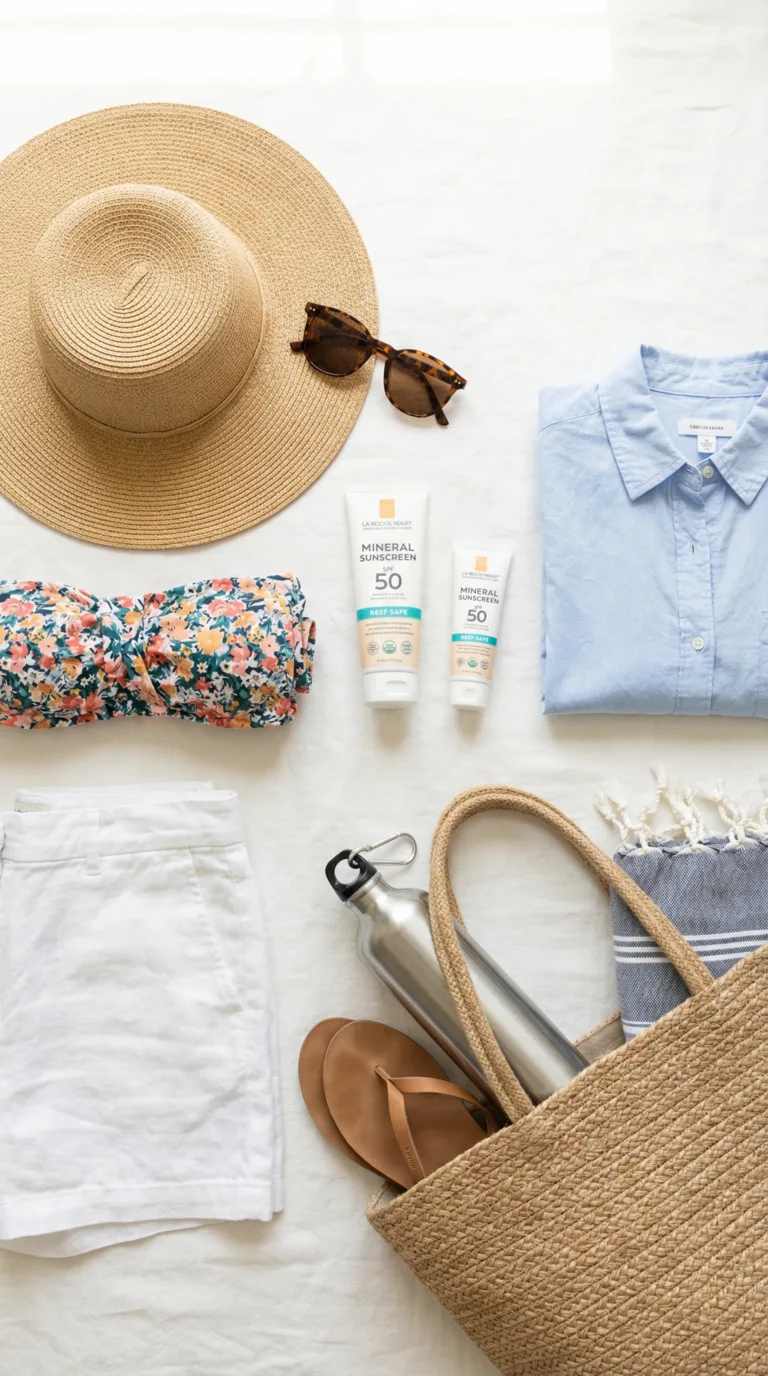
Pack lightweight, breathable fabrics like cotton or linen. Bring at least two swimsuits so one can dry while you wear the other. Throw in a light cover-up for walking between the beach and your hotel. Florida cranks the air conditioning indoors, so pack a thin cardigan or long-sleeve shirt for restaurants and shops. Because afternoon thunderstorms pop up quickly during summer and the state’s humidity makes layering essential year-round, consult our detailed Florida packing list for the complete gear breakdown including reef-safe sunscreen requirements and what to bring for both beach days and cool evening strolls.
Sun protection is non-negotiable. Use SPF 50 or higher sunscreen, and choose reef-safe formulas if you’re visiting the Keys. Bring polarized sunglasses and a wide-brimmed hat. For footwear, flip-flops work for most beach days, but pack water shoes if you’re exploring rocky shorelines. Theme park visitors need comfortable walking shoes, you’ll cover 10 to 15 miles on foot at Disney or Universal.
Carry a reusable water bottle to stay hydrated in the heat. Insect repellent helps during summer evenings, especially near wetlands. Pack a compact rain jacket or travel umbrella for afternoon storms, which hit 40% of summer days according to National Weather Service Florida climate data. Winter travelers should bring a light jacket for cooler evenings in North Florida.
Frequently Asked Questions
What are the best places to visit in Florida?
The best places to travel to in Florida depend on what you want from your trip. Families head to Orlando for theme parks. Beach lovers prefer the Gulf Coast for calm, white-sand shores. Culture seekers choose Miami for art and nightlife, or St. Augustine for colonial history. Key West offers a laid-back tropical island feel. Naples delivers luxury resorts and clean beaches. Each destination has a different personality, so pick based on your travel style. Check the destinations section earlier for detailed breakdowns of each place.
When is the best time to visit Florida?
March through April and September through October offer the best balance of weather, crowds, and prices. You get warm temperatures without the intense summer humidity or hurricane risk. Winter (December through February) brings perfect weather but also the highest prices and biggest crowds, especially in South Florida. Avoid August through October if possible, as hurricane season peaks and humidity makes outdoor activities uncomfortable. See the “When to Visit” section for a month-by-month breakdown of what to expect.
What are some unique places to visit in Florida?
St. Augustine, the oldest continuously occupied European settlement in the United States, offers cobblestone streets and Spanish colonial forts. Dry Tortugas National Park sits 70 miles offshore, accessible only by boat or seaplane, with a massive Civil War fort and incredible snorkeling. Natural springs in North Florida maintain a constant 72°F year-round, perfect for swimming and kayaking. The Salvador Dalí Museum in St. Petersburg houses the largest collection of his work outside Europe. Coral Castle in Homestead features massive coral rock structures carved by one man over 28 years. These spots provide alternatives to the typical beach and theme park experience.
What are the cheapest places to visit in Florida?
Daytona Beach, Cocoa Beach, Jacksonville, and Panhandle beaches like Panama City Beach offer the most affordable accommodations and dining. Tallahassee has low hotel rates and free state parks nearby. The most expensive destinations are Naples, Key West, and Miami Beach. To save money anywhere in Florida, visit during shoulder season (May or September), stay in vacation rentals where you can cook meals, and focus on free activities like beaches and state parks. The Budget section earlier breaks down costs by destination and trip style.
How much does a Florida vacation cost?
A three-day Florida trip for two people costs $234 on a tight budget, $299-341 for mid-range comfort, or $460+ for luxury accommodations and dining. Daily per-person budgets run $100-150 for budget travelers, $200-300 for mid-range, and $400 or more for luxury. Theme park tickets add $100-150 per person per day on top of these base costs. Your total depends heavily on which destination you choose, and your travel season. The Budget section provides detailed cost breakdowns and specific money-saving strategies for each spending level.