
Estimated reading time: 18 minutes
Last updated: September 2026
Table of Contents
- What Is Tampa, Florida Famous For?
- Top Things to Do in Tampa
- Tampa’s Best Neighborhoods
- Tampa’s Food Scene
- Where to Stay in Tampa
- Getting to and Around Tampa
- Tampa on a Budget
- Day Trips from Tampa
- Practical Tips for Visiting Tampa
- Tampa Travel FAQs
What Is Tampa, Florida Famous For?
Tampa is famous for its Cuban heritage in the historic Ybor City district, the 2.6-mile Tampa Riverwalk along the downtown waterfront, and Busch Gardens, one of Florida’s biggest theme parks. As Florida‘s third-largest city, with a metro population over 3.2 million, it is also a gateway to Gulf Coast beaches such as Clearwater and St. Pete Beach, all within about 30 minutes of downtown.
Sources Behind This Guide
We built this guide using Tampa’s tourism board, verified visitor reviews, and 4K documentary research, all details checked at writing time. Since travel logistics shift seasonally, please confirm current hours, rates, and accessibility directly with attractions and venues before heading out.
Want to experience Tampa’s waterfront and city vibe for yourself? Watch our complete Tampa travel guide in 4K.
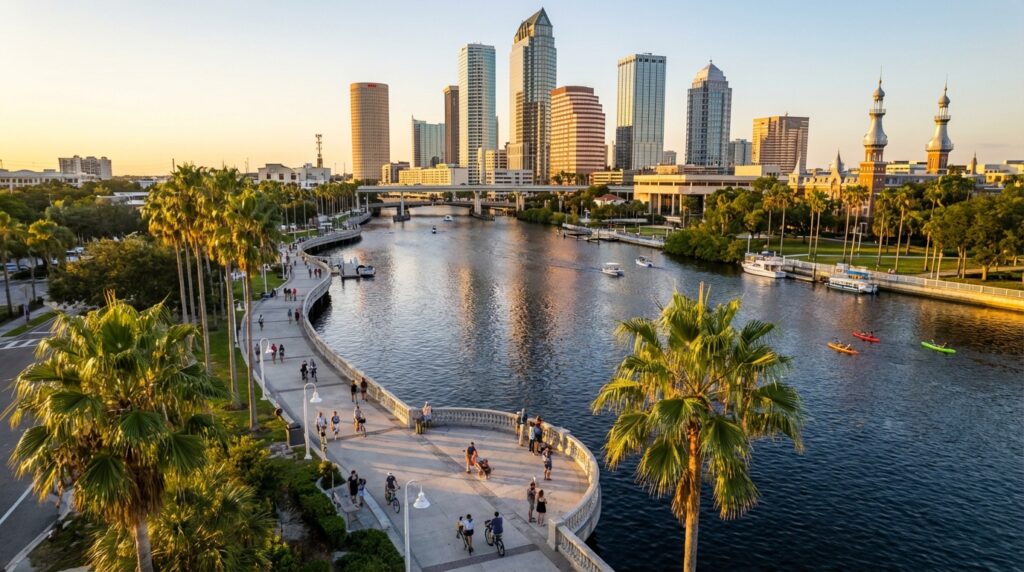
The Tampa Riverwalk runs 2.6 miles along the Hillsborough River. It’s the spine of the city. Walk it at sunset and you’ll pass joggers, families with strollers, and couples taking selfies against the skyline. The path connects museums, restaurants, parks, and hotels without crossing a single street.
Tampa sits on Florida’s Gulf Coast, roughly halfway down the peninsula. The metro area holds 3.2 million people, making it the state’s third-largest city after Miami and Jacksonville, according to 2024 U.S. Census estimates. You’re not in a beach town here, you’re in a working port city with cranes, shipping containers, and actual industry mixed in with the palm trees.
What is Tampa known for? Busch Gardens tops the list. Roller coasters and animal exhibits draw families year-round. Then there’s Ybor City, the old cigar-rolling district where Cuban, Spanish, and Italian immigrants built brick factories in the 1880s. Today those factories are bars and clubs. The cobblestone streets smell like cigars and Cuban sandwiches.
Gulf Coast beaches sit 20 to 30 minutes west. Clearwater Beach and St. Pete Beach get the crowds, but they’re not technically Tampa, they’re separate cities across the bay. Tampa itself is downtown high-rises, large suburbs, and a waterfront that’s been rebuilt over the past 15 years. The Visit Tampa Bay tourism website calls it “Florida’s Gulf Coast hub,” which is marketing speak for “big city with beach access.”
Expect heat. Expect afternoon thunderstorms from June through September. Expect cruise ships docked at the port and convention crowds downtown. Tampa isn’t trying to be small. It’s a metro area with traffic, chain restaurants, and real neighborhoods where people live and work. But the Riverwalk changed things. It gave the city a center.
Top Things to Do in Tampa
Tampa’s top attractions center on the 2.6-mile Tampa Riverwalk connecting Sparkman’s Wharf, the Florida Aquarium, and Armature Works, while Busch Gardens Tampa offers 335 acres of roller coasters and African wildlife exhibits 8 miles northeast of downtown.
The Tampa Riverwalk runs 2.6 miles along the Hillsborough River. It connects 11 parks and attractions. You can walk the entire length in under a hour. Or spend a full day hopping between food halls, museums, and waterfront bars.
Planning Tip
Start at Sparkman’s Wharf on the southern end. This shipping-container food hall opened in 2018. Twenty vendors serve everything with poke bowls and Cuban sandwiches. Outdoor seating faces the water. Prices run $12 to $18 per meal. The lawn hosts live music most weekends.
Armature Works sits on the northern stretch. Another food hall. Bigger than Sparkman’s. Thirty vendors. The building used to manufacture streetcar parts. Now it’s exposed brick and Edison bulbs. Grab a craft beer from the tap wall. $7 to $9 per pint. Outdoor deck overlooks the river.
The Florida Aquarium anchors the Riverwalk near the port. General admission costs $34.95 for adults. The wetlands gallery recreates Florida ecosystems. Touch tanks let you handle stingrays and horseshoe crabs. The 500,000-gallon coral reef tank holds sharks and sea turtles. Plan two hours minimum.
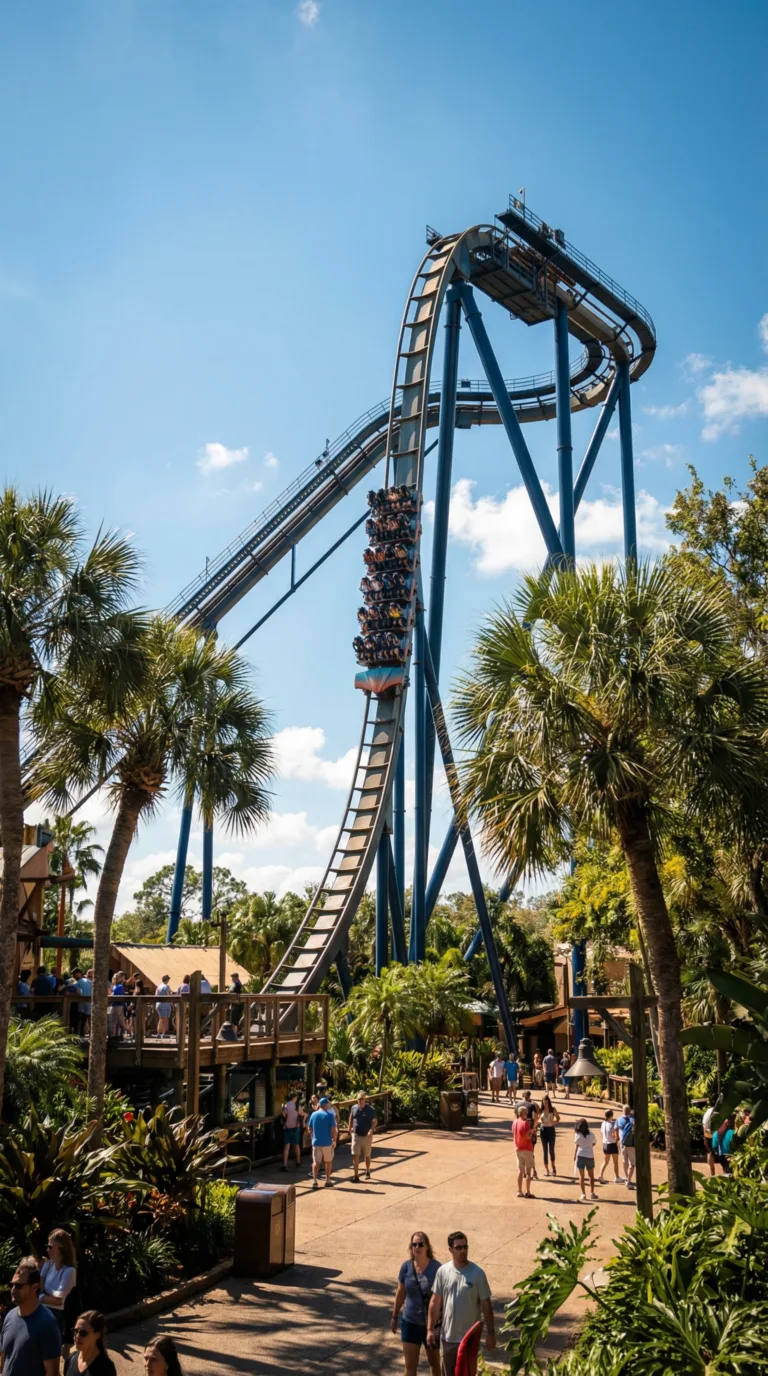
Busch Gardens Tampa Bay draws 3.8 million visitors annually, according to the Themed Entertainment Association’s 2025 report. The park spreads across 335 acres. Nine roller coasters. The Iron Gwazi hybrid coaster hits 76 mph and ranks as North America’s tallest hybrid coaster at 206 feet. Cheetah Hunt launches you through three separate accelerations.
The animal side features 12,000 creatures. Walk through the Serengeti Plain on improved pathways. Giraffes, zebras, and rhinos roam below. The Edge of Africa exhibit puts you face-to-face with lions and hyenas through glass barriers. Single-day tickets start at $109.99 online. Multi-day passes drop the per-day cost to around $75.
Things to do in Tampa for adults and couples cluster around the arts district. Tampa Theatre opened in 1926. Mediterranean Revival architecture. Original Wurlitzer organ still plays before classic film screenings. Tickets run $11 for new releases, $8 for classics. The Tampa Museum of Art focuses on contemporary and classical Greek and Roman antiquities. Free admission on Fridays after 4 PM. The Straz Center for the Performing Arts hosts Broadway tours, symphony performances, and comedy shows. Ticket prices vary wildly, $25 for local productions, $150+ for Hamilton.
Free options exist. Walk the entire Riverwalk without spending a dollar. Curtis Hixon Waterfront Park offers river views, a splash pad, and open lawns. Ybor City costs nothing to explore on foot. Brick streets. Historic cigar factories. Street art covers entire building facades. Pop into the Ybor City Museum State Park. $4 admission. Learn how Cuban and Italian immigrants built the neighborhood in the 1880s.
Tampa beaches sit 20 to 30 minutes west. Clearwater Beach and St. Pete Beach rank among Florida’s best. White sand. Calm Gulf waters. Both require a car or rideshare. Expect $15 to $25 each way via Uber from downtown Tampa.
Check local event calendars for things to do in Tampa today. The Riverwalk hosts food truck rallies, yoga sessions, and outdoor concerts year-round. Most events are free or under $10.
Tampa’s Best Neighborhoods
Tampa’s neighborhoods range from downtown’s Riverwalk district and convention center to historic Ybor City’s Cuban cigar heritage along 7th Avenue, plus upscale Hyde Park with its village shopping district and the trendy Seminole Heights brewery scene.
Downtown Tampa anchors the city’s business core. The Tampa Downtown Partnership oversees a district packed with museums, convention space, and waterfront restaurants. Walk the Riverwalk for bay views. Catch a Lightning game at Amalie Arena. Grab lunch at Armature Works food hall.
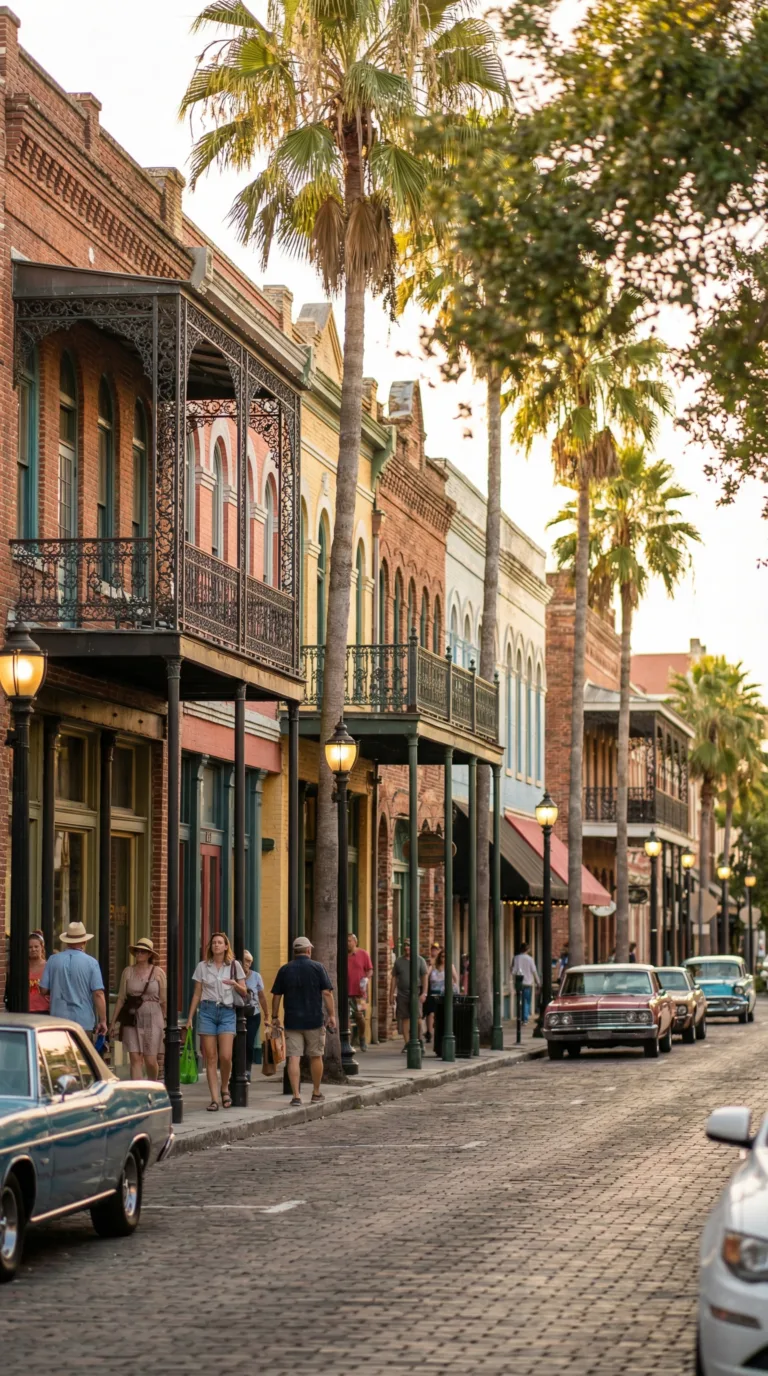
Ybor City tells Tampa’s immigrant story through brick and wrought iron. At its 1920s peak, the Ybor City Historic District housed over 200 cigar factories rolling millions of cigars weekly. Now 7th Avenue pulses with clubs, tapas bars, and live music venues. Spanish and Cuban architecture lines every block. Come for weekend nightlife or weekday lunch at Columbia Restaurant.
Hyde Park delivers tree canopy and shopping. Hyde Park Village clusters boutiques and cafes in a walkable square. The adjacent SoHo district (South Howard Avenue) runs three miles of independent restaurants and wine bars. Expect higher prices and valet parking.
Seminole Heights draws the craft beer crowd. Breweries like Angry Chair and Coppertail anchor a neighborhood of 1920s bungalows turned gastropubs. Independent coffee shops and vintage stores fill the gaps.
Ballast Point and Riverside Heights offer waterfront living without downtown density. Parks line the bay. Joggers circle the seawall. Families picnic under oaks.
Tampa’s Food Scene
Tampa’s food scene centers on Cuban heritage with the Tampa-style Cuban sandwich featuring salami, Riverwalk dining at Sparkman’s Wharf and Armature Works food halls, and Columbia Restaurant in Ybor City, Florida’s oldest restaurant founded in 1905.

Tampa’s Cuban sandwich is not Miami’s Cuban sandwich. The Tampa version adds salami. This matters. The extra layer honors the Italian immigrants who worked alongside Cubans in Ybor City’s cigar factories. You’ll find the real deal at bakeries along 7th Avenue, roasted pork, ham, Swiss cheese, pickles, mustard, and that crucial salami, all pressed on Cuban bread until the outside crunches.
Columbia Restaurant opened in 1905. It’s Florida’s oldest restaurant, according to the company’s historical records. The dining room sprawls across an entire city block. Order the 1905 Salad, they toss it tableside. The flamenco shows run Monday through Saturday nights. Reservations fill up days ahead.
Tampa Riverwalk restaurants line the waterfront for 2.6 miles. Sparkman’s Wharf operates as an outdoor food hall with shipping-container vendors. Grab oysters at Steelbach or tacos at Taco Dirty. Seating faces the bay. Armature Works converted a 1910 streetcar repair facility into a food hall with 20-plus vendors. Heights Public Market inside sells everything from ramen to wood-fired pizza. Both spots draw crowds on weekends.
Gulf seafood appears on most menus. Grouper sandwiches. Stone crab claws in season (October through May). Snapper grilled whole. SoHo in Hyde Park packs restaurants into a walkable grid, Italian, Thai, steakhouses, wine bars. Seminole Heights runs grittier. Independent spots dominate. No chains. Rooster & the Till does New American small plates. Ella’s serves wood-fired everything.
Where to Stay in Tampa
Tampa Riverwalk hotels provide the most convenient base for visitors, with downtown properties within walking distance of the Florida Aquarium, Sparkman’s Wharf, and Amalie Arena, while Westshore district hotels near Tampa International Airport offer business-friendly options 6 miles from downtown.
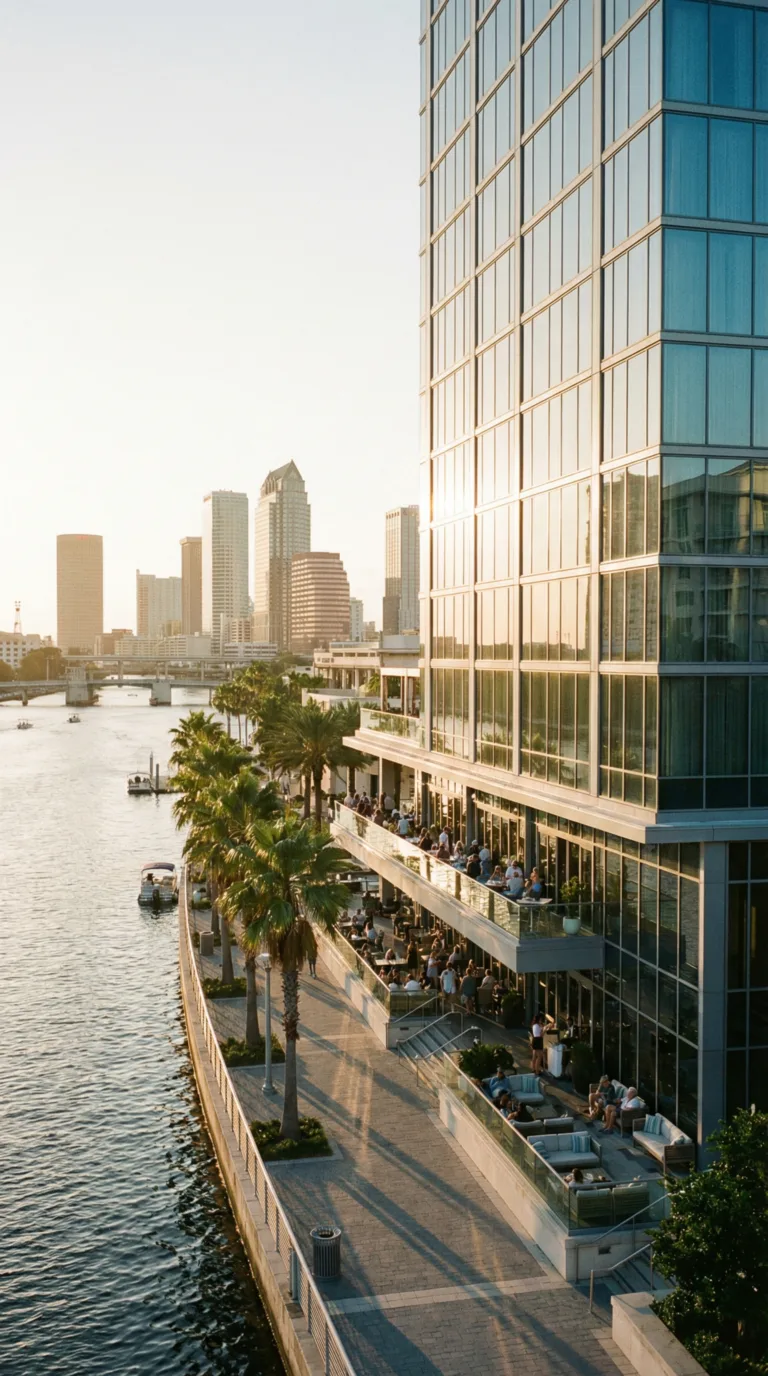
The Tampa Riverwalk corridor is the city’s best location for first-time visitors. You can walk to the Florida Aquarium in 8 minutes. Sparkman’s Wharf is right there. Amalie Arena is a 12-minute stroll. According to Visit Tampa Bay, more than 30 hotels line the downtown waterfront district between Channelside and the convention center. Rates start around $140 per night for mid-range properties.
Downtown Tampa hotels cluster near the convention center and Amalie Arena. Business travelers pick these. Convention attendees stay here. You’re close to cultural venues like the Tampa Museum of Art and the Straz Center for the Performing Arts. Street parking costs $2 per hour during the day.
Hyde Park and SoHo offer a different vibe. This upscale residential neighborhood sits 2 miles south of downtown. Boutique hotels here cost $180–250 per night. You’re walking distance to Hyde Park Village, outdoor shopping with 60 stores and restaurants. The neighborhood has tree-lined streets and historic bungalows. It’s quieter than downtown.
The Westshore district sits 6 miles northwest of downtown, right next to Tampa International Airport. Business hotels dominate. You’re 10 minutes from International Plaza, a mall with 200 stores. Rates run $110–160 per night. This area works if you have an early flight or a rental car.
Budget travelers should check extended-stay properties near Busch Gardens or airport hotels along North Dale Mabry Highway. Rates drop to $80–100 per night. You’ll need a car, but you save money. For neighborhood character, locals recommend Ballast Point and Seminole Heights, both have Airbnb rentals and walkable restaurant strips. Check the Visit Tampa Bay official accommodation guide for current availability.
Getting to and Around Tampa
Tampa International Airport, located 6 miles west of downtown, serves as the primary gateway with rental cars recommended for exploring the city, while the free TECO Line Streetcar connects downtown Tampa to Ybor City and the 2.6-mile Riverwalk provides pedestrian access to waterfront attractions.

Tampa International Airport handles over 22 million passengers annually. It sits 6 miles from downtown. Rental car counters fill the ground level. A taxi to downtown costs around $25. Rideshare runs $18–22. The trip takes 15 minutes without traffic.
Tampa sprawls. Most visitors rent cars. The Tampa metro system is minimal compared to cities like Chicago or Boston. The TECO Line Streetcar runs 2.7 miles from downtown to Ybor City with 11 stops. It’s free. Trains arrive every 15 minutes during peak hours.
Driving in Tampa means navigating I-275, which cuts through downtown and connects to St. Petersburg. I-4 runs east to Orlando, about 85 miles away. Downtown parking costs $10–20 per day in garages. Street parking meters charge $2 per hour.
The Riverwalk spans 2.6 miles along the Hillsborough River. You can walk between the Tampa Museum of Art, Armature Works, and Water Works Park without a car. Bike share stations dot downtown, charging $3 for 30 minutes.
Travel Routes
Below are recommended travel routes with key stops and estimated drive times.
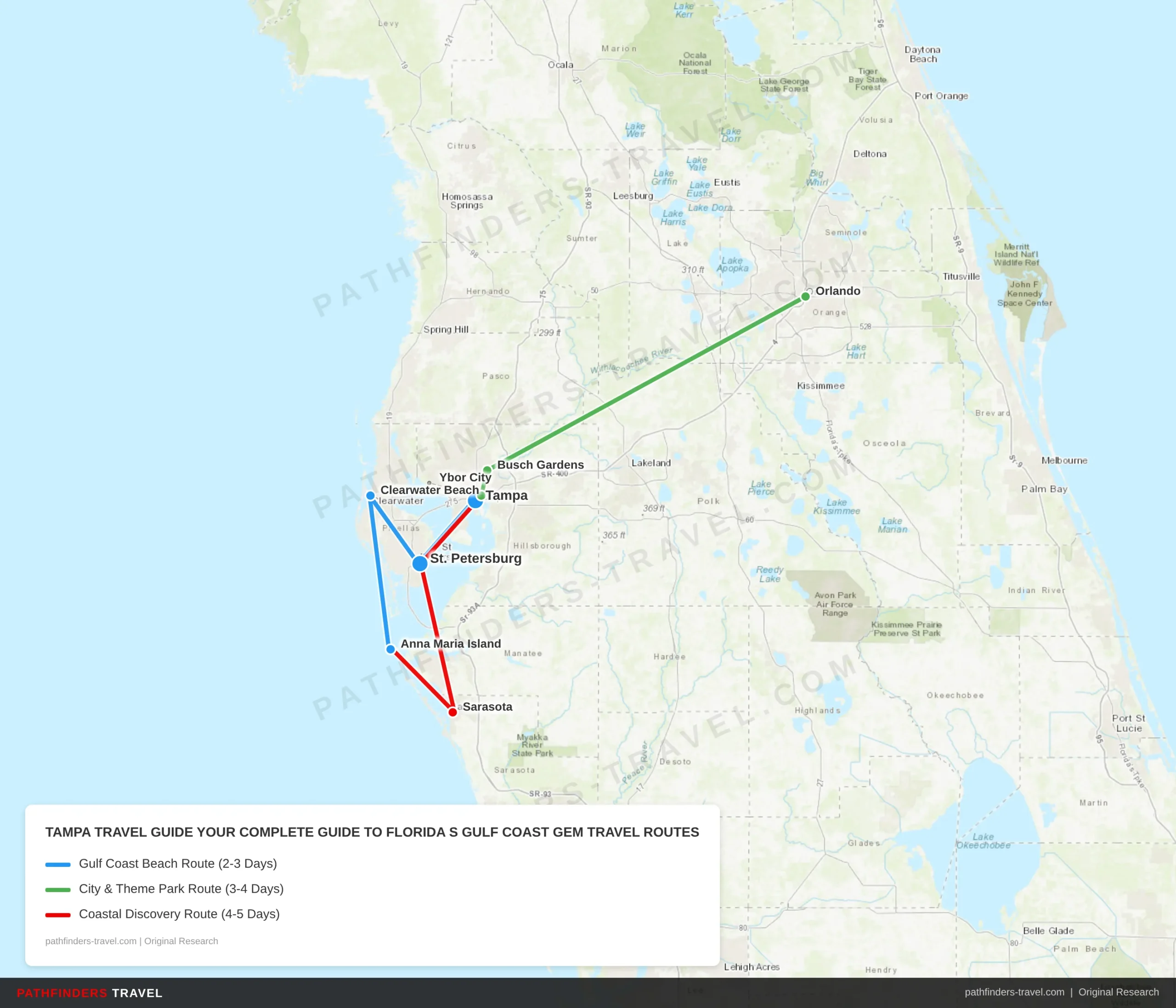
| # | Stop | Highlights | Drive Time |
|---|---|---|---|
| 1 | Tampa | Tampa Riverwalk, Florida Aquarium, Armature Works food hall | Start |
| 2 | St. Petersburg | Downtown waterfront, museums district, local dining scene | 30m |
| 3 | Clearwater Beach | Gulf Coast beaches, Pier 60, sunset celebrations | 45m |
| 4 | Anna Maria Island | untouched beaches, charming island town, local seafood | 1h 15m |
| # | Stop | Highlights | Drive Time |
|---|---|---|---|
| 1 | Tampa | Tampa Riverwalk, Sparkman’s Wharf, downtown attractions | Start |
| 2 | Ybor City | Historic Cuban district, cigar shops, nightlife scene | 15m |
| 3 | Busch Gardens | Roller coasters, African wildlife exhibits, 335-acre theme park | 20m |
| 4 | Orlando | World-class theme parks, entertainment districts | 1h 15m |
| # | Stop | Highlights | Drive Time |
|---|---|---|---|
| 1 | Tampa | Tampa Riverwalk, Florida Aquarium, Gulf Coast hub | Start |
| 2 | St. Petersburg | Art museums, waterfront parks, cultural attractions | 30m |
| 3 | Sarasota | Cultural arts scene, upscale beaches, Ringling Museum | 1h |
| 4 | Anna Maria Island | Quiet island atmosphere, local beaches, fishing charters | 45m |
Tampa on a Budget
Tampa offers budget travelers daily costs of $80-120 including accommodation, with free attractions like the 2.6-mile Riverwalk, Curtis Hixon Park, and Ybor City exploration, plus affordable dining at Sparkman’s Wharf and Armature Works food halls averaging $12-18 per meal.

Tampa costs less than Miami or the Orlando theme park corridor, and it remains accessible for travelers watching their wallets. According to Visit Tampa Bay, off-season hotel rates average $95-140 per night compared to $180-250 during peak winter months.
Start with things to do in Tampa for free. Walk the entire 2.6-mile Riverwalk. No charge. Curtis Hixon Waterfront Park sits right on the water with fountains and skyline views. Wander Ybor City’s brick streets and check out the cigar shops. The TECO Streetcar runs free on weekends between Ybor and downtown.
Budget travelers can hit $80-120 daily. Mid-range visitors spend $150-250. Luxury travelers drop $300 and up. These estimates cover a bed, three meals, and activities.
Eat at Sparkman’s Wharf or Armature Works food halls. Most vendors charge $12-18 per meal. Happy hour specials run 4-7pm at waterfront bars, half-price appetizers and $5 drafts. Several museums offer free admission one day per month.
Book hotels near the airport or Busch Gardens for lower rates. Extended stay properties include kitchenettes. Riverwalk hotels drop prices 40% in summer and early fall when humidity spikes but crowds thin out.
Day Trips from Tampa
Tampa’s prime day trip destinations include Clearwater Beach 25 miles west with white sand and Pier 60, St. Petersburg 20 miles away featuring the Salvador Dalí Museum, Anna Maria Island 45 miles south for laid-back beach towns, and Orlando’s theme parks 85 miles east via I-4.
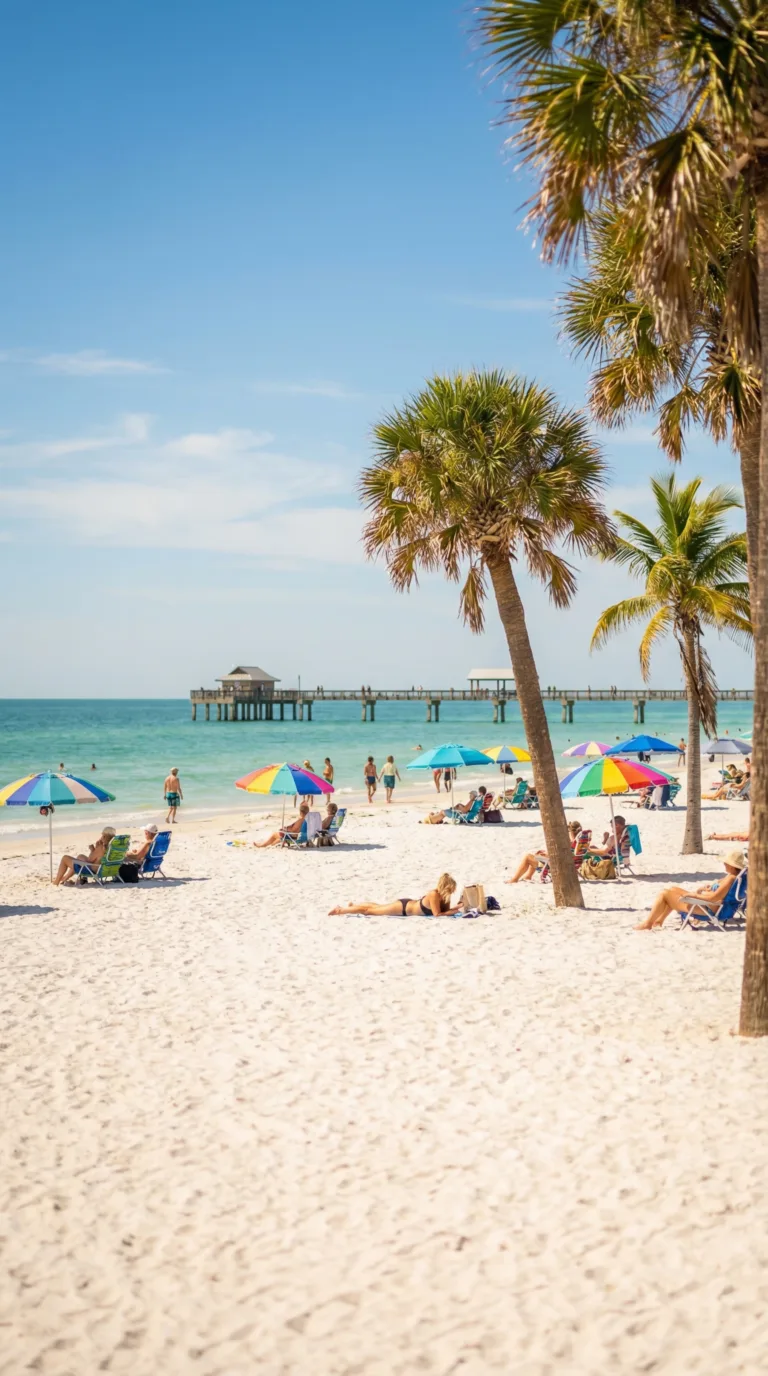
Tampa beaches sit close. Clearwater lies 25 miles west, a straight shot across the Courtney Campbell Causeway in under 40 minutes. The white sand here consistently ranks among America’s best. Pier 60 hosts nightly sunset celebrations with street performers and craft vendors. Families pack the shoreline year-round.
St. Petersburg sits 20 miles across Tampa Bay. The Salvador Dalí Museum holds the largest collection of Dalí’s work outside Spain. Downtown’s waterfront parks stretch along the bay. Beach access connects through the barrier islands. The Visit St. Pete-Clearwater official tourism website lists current events and beach conditions.
Anna Maria Island offers a slower pace 45 miles south. Bridge Street in Bradenton Beach serves fresh grouper sandwiches and local ice cream. No high-rises block the Gulf views. Parking fills early on weekends.
Sarasota sits 60 miles south with the Ringling Museum complex and Siesta Key Beach’s powdery quartz sand. Orlando runs 85 miles east on I-4, Disney and Universal pull different crowds than Tampa’s waterfront scene. St. Augustine requires three hours north but delivers Spanish colonial architecture and Castillo de San Marcos fort. Naples, Cocoa Beach, and Daytona Beach each offer distinct Florida experiences within two hours’ drive.
Practical Tips for Visiting Tampa
Tampa’s best visiting months are December through April with temperatures of 60-75°F and low humidity, while summer (June-September) brings 90°F heat, 70% humidity, and daily afternoon thunderstorms, making sun protection and rain gear essential year-round.

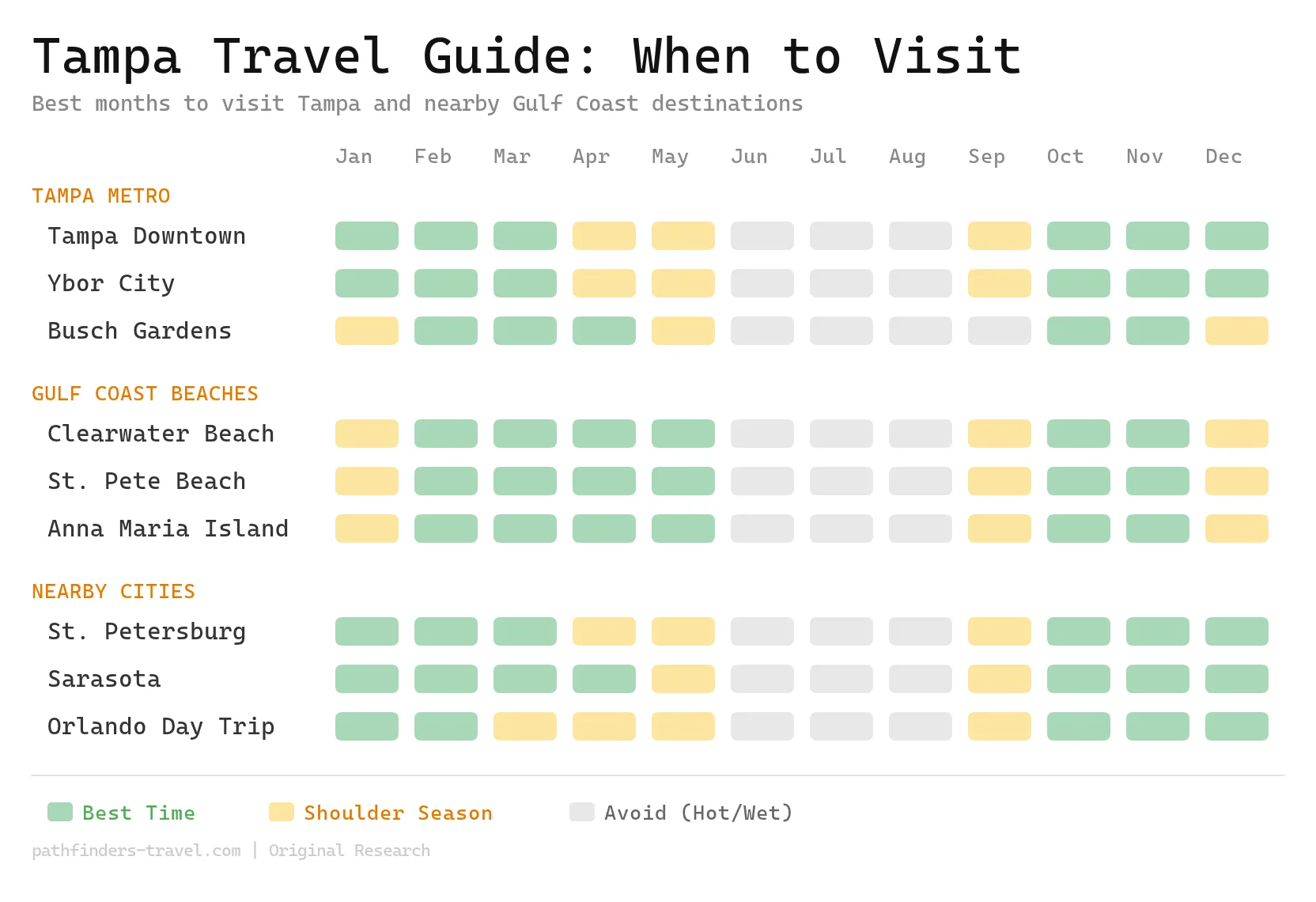
Plan your trip between December and April. You’ll get mild weather without the swamp-like humidity. Summer is brutal, 90°F days with 70% humidity, according to National Weather Service climate data. Hurricane season runs June through November. Book Riverwalk hotels months ahead if you’re visiting during peak winter months.
Pack sunscreen. Not optional. The Florida sun burns fast even in winter. Bring light, breathable clothing and a rain jacket for summer’s daily 4 PM thunderstorms. Comfortable walking shoes matter for the 2.6-mile Riverwalk.
Rent a car for beach access. Downtown parking apps save time hunting for spots. Reserve Busch Gardens tickets online to skip entrance lines. What is Tampa known for? Cuban heritage in Ybor City, the Riverwalk, Busch Gardens, hand-rolled cigars, Gulf Coast beaches within 30 minutes, and three professional sports teams.
Best Time to Visit
Tampa enjoys mild winters and hot, humid summers with afternoon thunderstorms from June through September. The best time to visit is October through April when temperatures range from 70-80°F with low humidity and minimal rainfall. Summer months bring oppressive heat, high humidity, and daily storms that make outdoor activities uncomfortable.
Tampa Travel FAQs
How many days do you need in Tampa?
Two to three days is enough to enjoy Tampa itself: one day for the Riverwalk, downtown museums and Ybor City, and a day at Busch Gardens or the Florida Aquarium. Add a day or two if you want to relax on the Gulf Coast beaches at Clearwater or St. Pete Beach, or take a day trip to nearby St. Petersburg or Sarasota.
What’s on the Riverwalk in Tampa?
The Tampa Riverwalk stretches 2.6 miles along the Hillsborough River through downtown. Major attractions include the Florida Aquarium, Sparkman’s Wharf food hall, Armature Works, and Amalie Arena. Cultural venues along the route include Straz Center for the Performing Arts, Tampa Museum of Art, and Tampa Convention Center. Parks and gathering spaces dot the path: Curtis Hixon Waterfront Park, Water Works Park, Kiley Garden. Dining options range with waterfront restaurants and casual food halls, with the Sail Plaza and numerous cafés.
What is the best area to stay in Tampa?
Tampa Riverwalk and downtown offer the most convenient location for visitors. You can walk to attractions, restaurants, museums, and entertainment. Hyde Park provides an upscale residential feel with boutique hotels, Hyde Park Village shopping, and SoHo dining district. Westshore district near Tampa International Airport suits business travelers and those wanting easy airport access. Ybor City appeals to visitors seeking nightlife and historic atmosphere in Tampa’s Cuban quarter. For families visiting Busch Gardens, hotels near the park (8 miles northeast) offer convenience and often lower rates.
What is the best time to visit Tampa?
The best time to visit Tampa is the dry season from late autumn to spring, roughly November to April, when the weather is warm, sunny and comfortable. This is peak season, so hotel rates are higher. Summer is hot, humid and stormy with afternoon thunderstorms, but it brings lower prices and thinner crowds outside the holidays.
How much does a trip to Tampa cost?
Budget travelers can visit Tampa for $80-120 per day including accommodation, food, and free attractions. Mid-range visitors should budget $150-250 daily for comfortable hotels, dining out, and paid attractions. Tampa Riverwalk hotels range from $120-300+ per night depending on season and property. Many attractions are free: the entire Riverwalk, Curtis Hixon Park, Ybor City exploration, TECO Streetcar. Tampa is generally more affordable than Miami or Orlando’s theme park corridor, with lower accommodation and dining costs.