
Estimated reading time: 17 minutes
Last updated: September 2026
Why Is Key West Famous?
Key West is famous as the southernmost point of the continental United States, just 90 miles from Cuba, with a laid-back, Caribbean island culture all its own. It is known for Ernest Hemingway’s home and six-toed cats, the nightly sunset celebration at Mallory Square, the bars and music of Duval Street, conch fritters and Key lime pie, and snorkeling or diving the only living coral reef in the continental U.S.
How We Researched Key West
We compiled this guide using official Florida Keys tourism data, verified accommodation and dining research, and real traveler insights. All details were accurate at writing time, we suggest checking local websites for current hours and pricing before you go.
Curious what Key West really looks like? Watch our complete Key West travel guide in 4K.
The Southernmost Point buoy draws tourists in droves. They queue for photos at the massive painted concrete marker. It’s the closest you can stand to Cuba without leaving U.S. soil. The buoy sits at the corner of South Street and Whitehead, a geographic quirk that makes Key West feel like a different country.
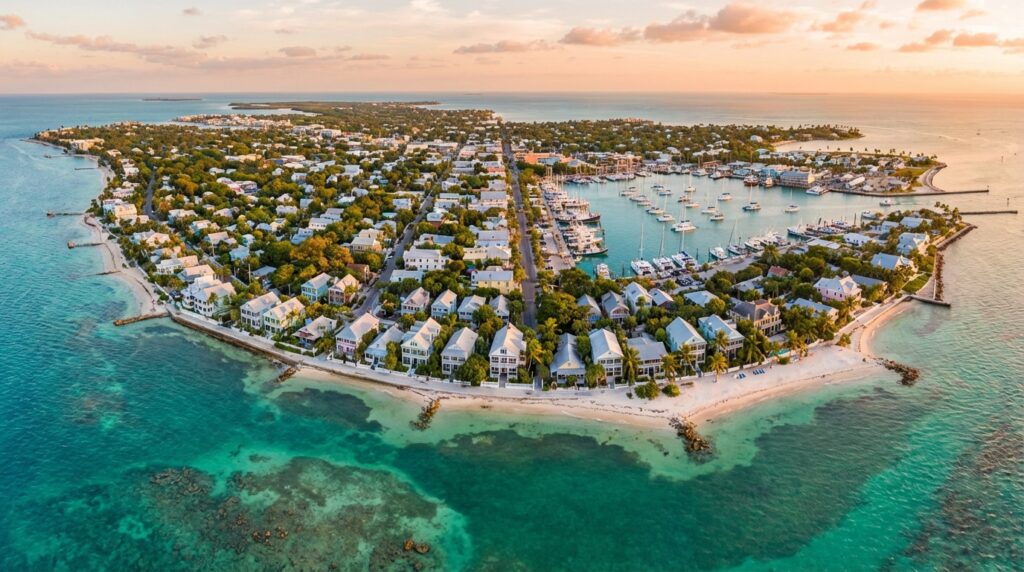
This island packs a lot into 4.2 square miles, according to the City of Key West official municipal website. You’ll find Hemingway’s six-toed cats, drag shows on Duval Street, and sunset celebrations at Mallory Square. The architecture looks more Caribbean than Floridian. Pastel shotgun houses line narrow streets. Chickens roam freely.
Key West anchors the Florida Keys, a 120-mile island chain connected by the Overseas Highway. The water is warm year-round. Snorkeling, diving, and fishing dominate the daytime economy. At night, bars stay open until 4 a.m. The Official Key West tourism website lists hundreds of restaurants, but the real finds are the conch shacks and Cuban cafés locals actually use.
This guide covers where to stay, what to eat, how much things cost, and which day trips are worth your time. No fluff. Just the details you need to plan a trip that works.
Top Attractions and Things to Do in Key West
Key West’s top attractions include the Southernmost Point buoy 90 miles from Cuba, Ernest Hemingway’s home with 50 six-toed cats, and Mallory Square’s nightly sunset celebration drawing thousands of visitors.
The Southernmost Point buoy sits at the corner of South and Whitehead Streets. You’ll wait in line for your photo. Everyone does. The concrete marker looks like a giant beach ball painted red, black, and yellow. It marks the spot 90 miles from Cuba, the closest you can get to the island without a boat. Early morning or late afternoon cuts down the wait. Midday in summer? Expect 20 minutes standing in the sun.
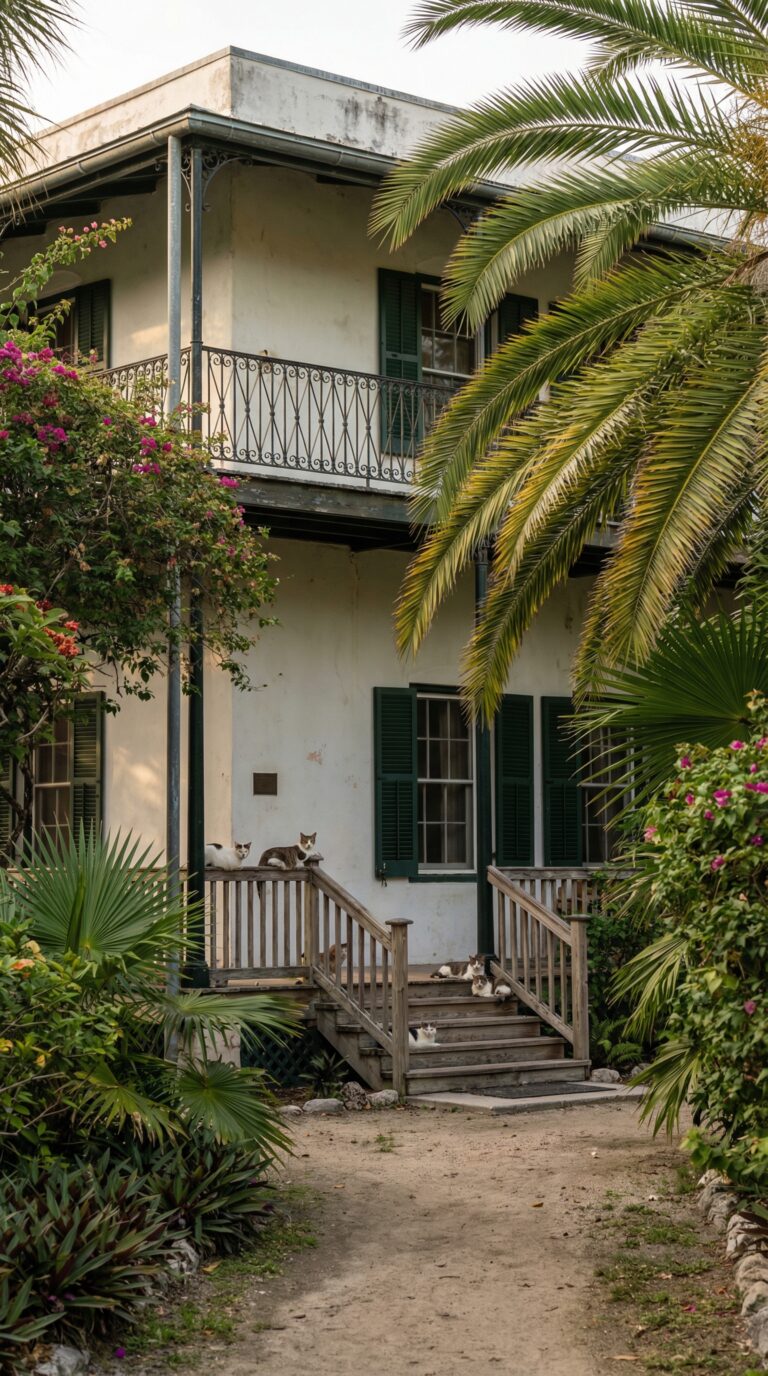
The Ernest Hemingway Home and Museum sits one block north at 907 Whitehead Street. Hemingway lived here from 1931 to 1939. He wrote For Whom the Bell Tolls and To Have and Have Not in the second-floor writing studio. The Spanish Colonial house has green shutters and wraparound porches. According to the museum’s official count, approximately 50 six-toed cats roam the property, all descendants of Hemingway’s original polydactyl cat, Snow White. Admission costs $17 for adults. The cats sleep wherever they want. You’ll find them on beds, in sinks, sprawled across typewriters.
Mallory Square hosts the nightly sunset celebration. Street performers set up two hours before sunset. Fire eaters, jugglers, tightrope walkers, and musicians compete for tips. Food vendors sell conch fritters and key lime pie on a stick. Thousands gather at the waterfront. The crowd erupts when the sun drops below the horizon. The Mallory Square Sunset Celebration happens every single night, weather permitting. It’s free. Get there early for a spot at the seawall.
Duval Street runs the entire width of the island, from the Gulf of Mexico to the Atlantic Ocean. One mile of bars, restaurants, shops, and galleries. Sloppy Joe’s Bar anchors the strip at 201 Duval Street. Hemingway drank here in the 1930s. Live music starts at noon and runs until 2 a.m. The bar serves 400 gallons of beer daily during peak season. The crowd spills onto the sidewalk most nights.
Planning Tip
The Key West Lighthouse & Keeper’s Quarters Museum stands 86 feet tall. You’ll climb 88 iron steps to the observation deck. The view covers the entire island. On clear days you can see 20 miles out to sea. The lighthouse operated from 1848 to 1969. Admission is $15 for adults. The keeper’s quarters museum downstairs displays maritime artifacts and shipwreck salvage.
Parasailing launches from multiple operators along the waterfront. Flights run $75–95 for 10–12 minutes in the air. You’ll rise 500, 800 feet above the water. Snorkeling trips head to the reef seven miles offshore. Glass-bottom boat tours let you see the coral without getting wet. Most half-day snorkel charters cost $60–80 per person.
Ghost tours run nightly through Old Town. Bar crawls hit 4, 5 stops in three hours. Sunset sails depart from the Historic Seaport. Art galleries cluster on Duval and Simonton Streets. Most beaches are free, Smathers Beach stretches for two miles on the south shore. Fort Zachary Taylor State Park charges $6 per vehicle but offers the best snorkeling from shore.
The island hosts festivals year-round. Fantasy Fest in October draws 75,000 visitors for 10 days of costume parties. Smaller events include the Key West Food & Wine Festival in January and Hemingway Days in July. Entertainment venues range from the Waterfront Playhouse to drag shows at Aqua Nightclub. The Key West Tropical Forest & Botanical Garden covers 15 acres of native hardwood hammock on Stock Island.
Key West Neighborhoods: Where to Explore
Key West’s compact 4.2-square-mile island centers on Old Town’s historic district, where Duval Street runs 1.25 miles from the Atlantic Ocean to the Gulf of Mexico through the heart of the action.
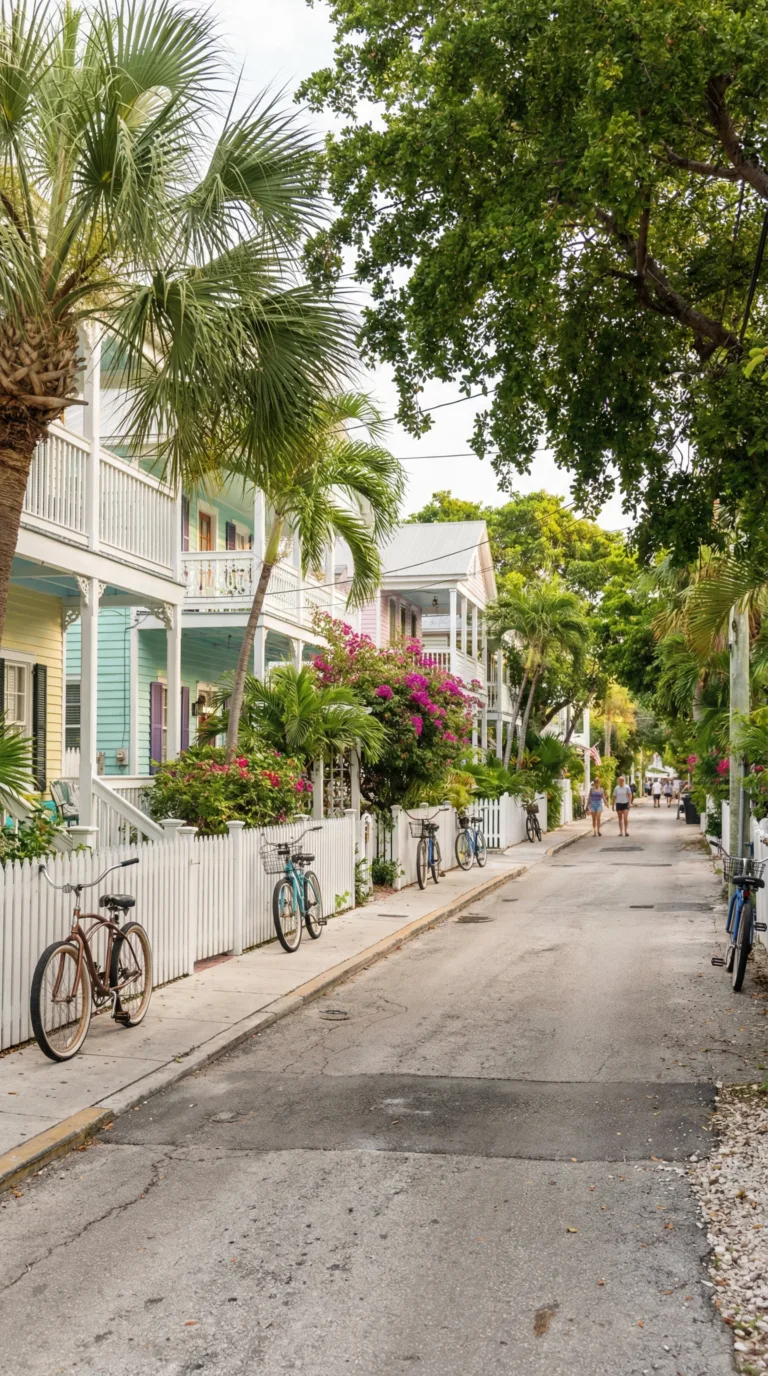
Old Town holds everything worth seeing. Conch-style houses line the streets, pastel wood, wraparound porches, tin roofs. Most hotels, restaurants, museums, and bars pack into these few dozen blocks.
Duval Street cuts straight through the island for 1.25 miles, according to City of Key West measurements. Upper Duval (north end) runs quieter. Art galleries. Cafes. Lower Duval (south end) gets loud after dark. Bars spill onto sidewalks. Live music every night.
The Seaport district sits on the northwest edge. Working waterfront. Charter boats leave from here. Key West Historic Seaport has seafood restaurants and a boardwalk where locals actually fish.
You don’t need a car. The island measures four miles end to end. Rent a bike or walk. A street map of key west fits on one page, that’s how small this place is.
People ask about areas to avoid in key west. The truth: tourist zones stay safe. Residential blocks farther from Old Town just offer less to see. Stick to the historic core and you’ll cover the good stuff.
Key West Food Scene: Conch, Cocktails & Caribbean Flavors
Key West’s cuisine centers on fresh Caribbean seafood like conch fritters and stone crab, blended with Cuban influences and capped by the island’s official dessert, tangy Key lime pie made with local citrus.
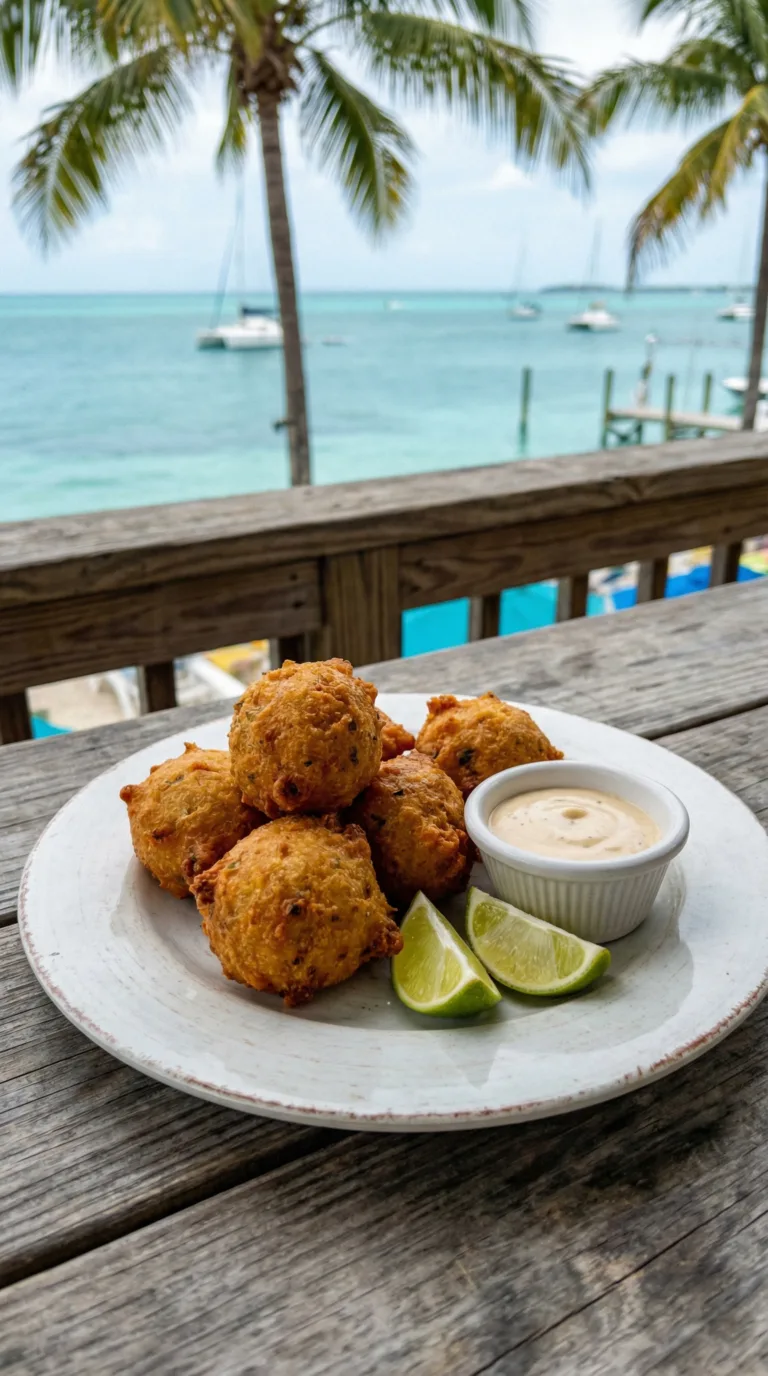
Conch is the island’s signature protein. You’ll find it fried as fritters, simmered in chowder, or pounded thin and breaded as cracked conch. The chewy meat tastes like a cross between clam and calamari. Caribbean immigrants brought these recipes north decades ago.
Fresh grouper, mahi-mahi, stone crab claws, and Key West pink shrimp dominate menus. Every restaurant claims the best Key lime pie, made with the tart yellow citrus that grows wild here. The real thing uses condensed milk and a graham cracker crust.
Sloppy Joe’s Bar official website shows the same wood bar where Hemingway drank in the 1930s. Established in 1933, the place still packs tourists ordering burgers and rum runners on Duval Street. It’s loud, sticky, and exactly what it was 90 years ago.
Cuban sandwich shops sit next to Caribbean fusion spots and upscale waterfront dining rooms. Seafood shacks sell peel-and-eat shrimp by the pound. Vegan restaurants have multiplied in the last five years. Plant-based conch fritters made from hearts of palm now appear on several menus.
Cocktail culture runs deep. Mojitos, margaritas, and rum runners flow during sunset happy hours. Every bar claims the strongest drink. Most deliver.
Where to Stay in Key West
Key West offers 90,500 monthly hotel searches with options ranging from historic Casa Marina resort to intimate Conch-style guesthouses, concentrated in walkable Old Town near Duval Street’s attractions and nightlife.
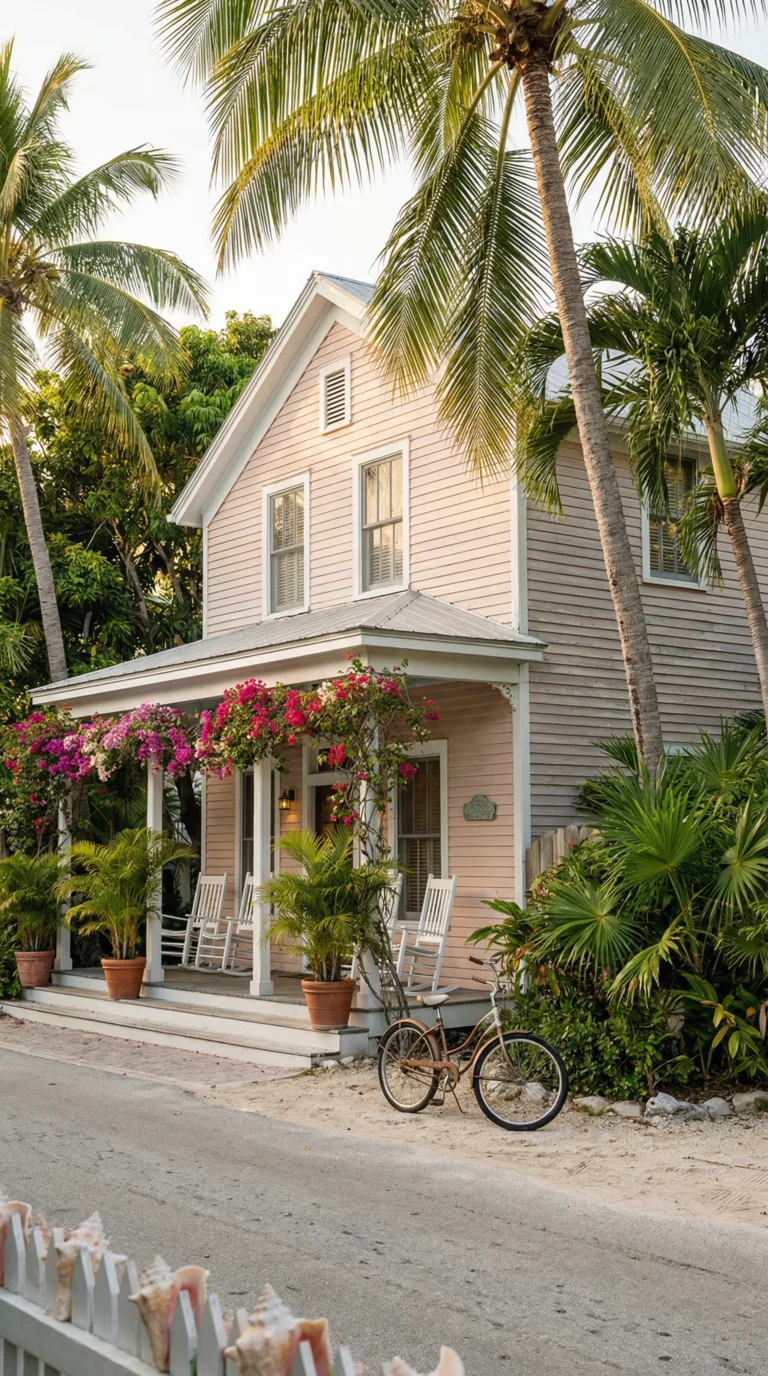
The island packs roughly 5,000 hotel rooms and vacation rentals into 4 square miles, according to the Monroe County Tourist Development Council. You’ll find everything from 250-room Key West resorts with beach access to 6-room guesthouses tucked behind bougainvillea hedges.
Old Town puts you within walking distance of everything. Duval Street runs through the center, loud, crowded, convenient. Side streets like Eaton and Southard offer quiet at night but keep you close to bars and restaurants. Casa Marina Key West sits on the Atlantic side with a private beach. Built in 1921, it’s the island’s largest historic property.
Restored Conch houses work as boutique hotels now. Expect ceiling fans, hardwood floors, shared pools in brick courtyards. Many operate as adults-only properties. Key West built its reputation as a LGBT-friendly destination in the 1970s, dozens of guesthouses still cater specifically to that market.
Winter rates (December through March) run double what you’ll pay in September. Festivals like Fantasy Fest impose 3-night minimums. Book 6 months ahead for high season. The Key West Inns directory lists member properties with real-time availability.
Key West cottages and bungalows scatter through residential blocks. Vacation rentals give you kitchens and laundry. Budget motels cluster on North Roosevelt Boulevard near the airport, farther from attractions but $80 cheaper per night.
Getting to and Around Key West
Key West International Airport receives 33,100 monthly flight searches with connections from Miami and Fort Lauderdale, while the scenic 160-mile Overseas Highway drive from Miami takes 3.5 hours across 42 bridges.
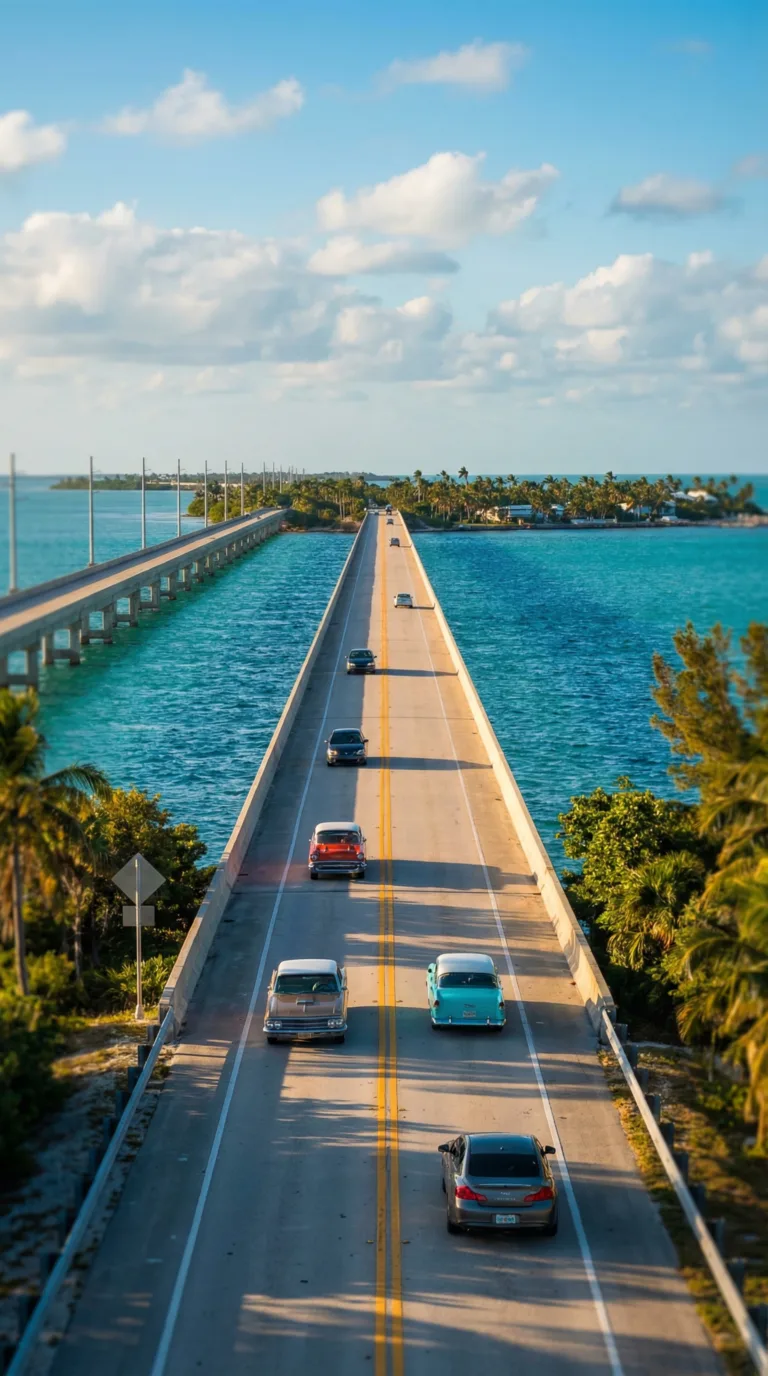
Flying into Key West International Airport puts you 10 minutes from Old Town. The airport handles direct flights from Miami, Fort Lauderdale, Tampa, and Atlanta. It’s small. You’ll walk across the tarmac to baggage claim.
Driving from Miami takes 3.5 hours on US-1. You’ll cross 42 bridges, including the famous Seven Mile Bridge. The Florida Keys Scenic Highway stretches 160 miles through turquoise water and mangrove islands. Fort Lauderdale works as an alternative starting point, adding about 30 minutes to the drive. According to the Florida Department of Transportation, the Overseas Highway connects all inhabited Keys via this 42-bridge route.
Once you’re on the island, ditch the car. Old Town is compact. Most attractions sit within a 20-block radius. You can walk it. Bicycle rentals cost $15 per day. Scooters and mopeds run about $40 daily. Parking in Old Town is terrible and expensive.
The Duval Loop trolley circles the main tourist zone. Conch train tours offer narrated rides. Pedicabs wait outside bars on Duval Street. Taxis and ride-sharing services operate island-wide, but you won’t need them much. Everything worth seeing is walkable or bikeable.
Travel Routes
Below are recommended travel routes with key stops and estimated drive times.
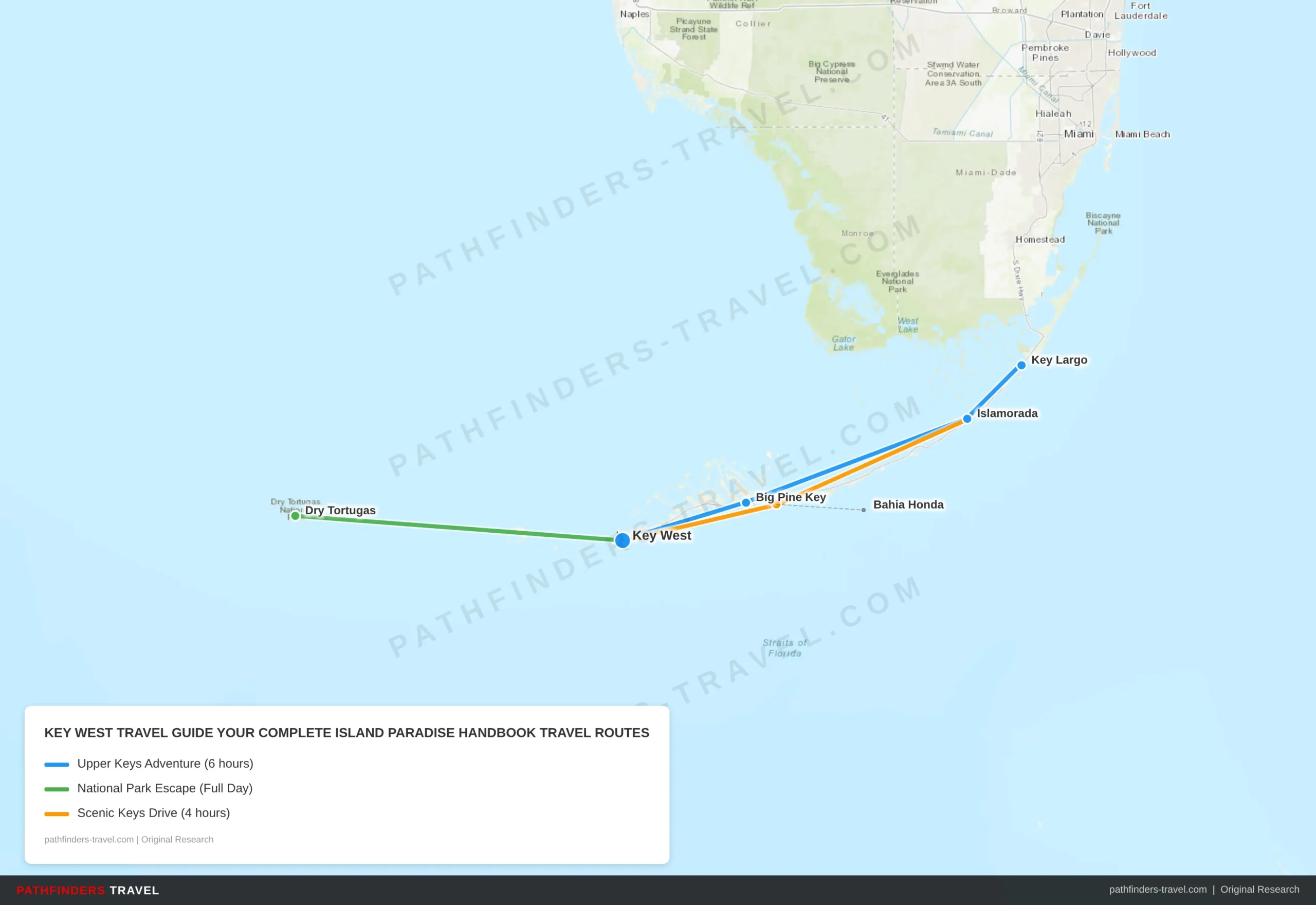
| # | Stop | Highlights | Drive Time |
|---|---|---|---|
| 1 | Key West | Southernmost Point, Hemingway House, Mallory Square sunset | Start |
| 2 | Big Pine Key | Key Deer National Wildlife Refuge, Blue Hole freshwater lake | 30 min |
| 3 | Marathon | Turtle Hospital, Sombrero Beach, historic bridges | 25 min |
| 4 | Islamorada | Sport fishing capital, Theater of the Sea marine park | 45 min |
| 5 | Key Largo | John Pennekamp State Park, glass-bottom boat tours | 30 min |
| # | Stop | Highlights | Drive Time |
|---|---|---|---|
| 1 | Key West | Ferry departure point, morning preparation | Start |
| 2 | Dry Tortugas | Fort Jefferson, clean snorkeling, bird watching sanctuary | 2h 15m ferry |
| # | Stop | Highlights | Drive Time |
|---|---|---|---|
| 1 | Key West | Historic Old Town, Duval Street entertainment district | Start |
| 2 | Bahia Honda | Best beach in the Keys, historic railroad bridge ruins | 45 min |
| 3 | Marathon | Seven Mile Bridge views, dolphin encounters | 20 min |
| 4 | Islamorada | Purple Isle village, top-quality fishing charters | 45 min |
Key West on a Budget: Costs and Money-Saving Tips
Key West daily budgets range from $100-150 for budget travelers to $400+ for luxury, with accommodation consuming 50-60% of costs during peak winter season when hotel rates triple.
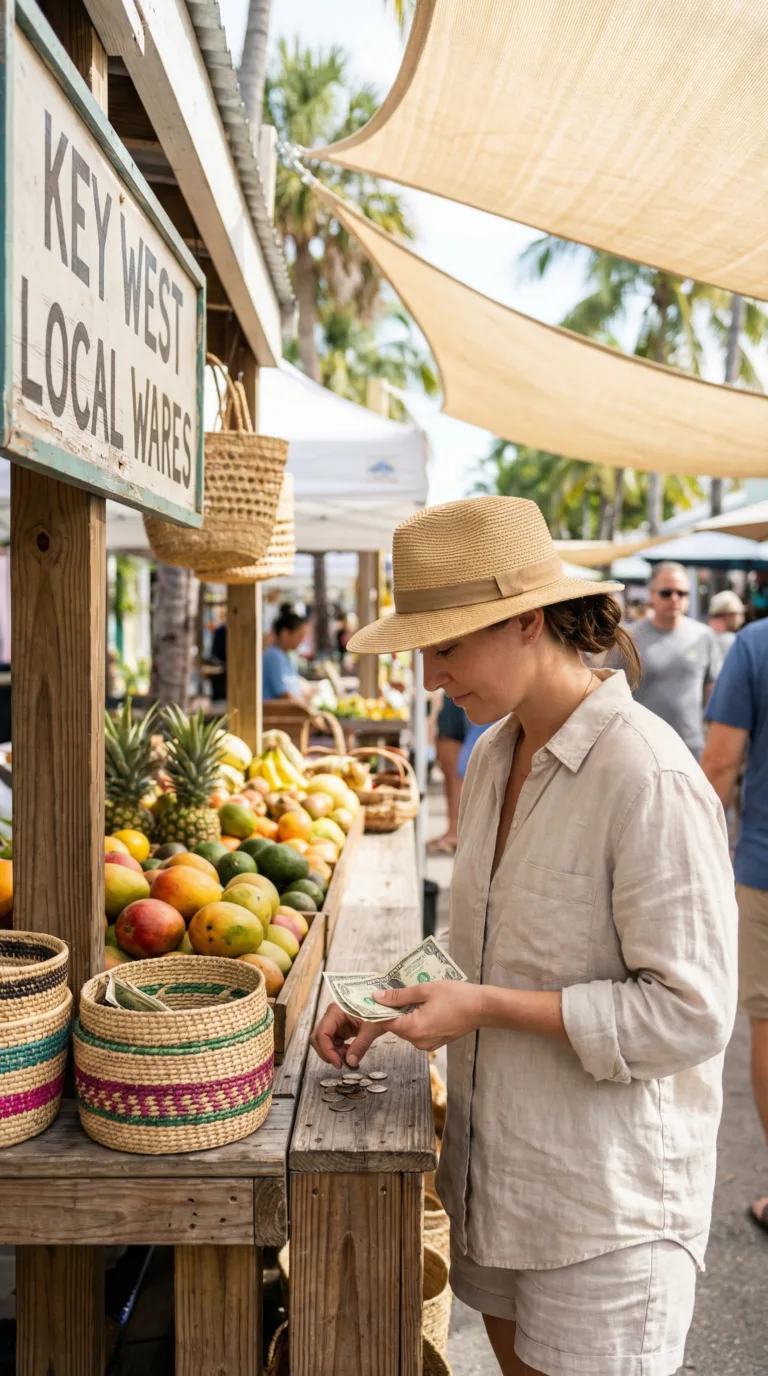
Is Key West expensive? Yes. It’s one of Florida‘s priciest destinations. Hotels and restaurants drain wallets fast, especially during winter high season.
Budget travelers spend $100-150 daily. Mid-range visitors hit $200-300. Luxury seekers burn through $400 or more. Accommodation eats 50-60% of your budget. Peak season rates triple compared to summer lows.
Visit during shoulder months, May, June, September, October. Hotel prices drop by 40-50%. Book rooms three months ahead for better rates. Eat at Cuban cafes and food trucks instead of Duval Street restaurants. A pressed Cuban sandwich costs $8 versus $18 for a tourist-trap burger.
Free activities stack up quickly. Beaches cost nothing. Sunset at Mallory Square is free entertainment. Walk the historic district yourself instead of paying for tours. Street performers work for tips only.
Happy hour specials run 4-6 PM at most bars, half-price appetizers and $5 drinks. Grocery stores sell picnic supplies for beach days. A rotisserie chicken and sides from Publix feeds two for $12.
For key west souvenirs, skip Duval Street shops. Local art galleries and the Saturday Green Market offer handmade items at fair prices. Mass-produced shell magnets cost $15 on Duval, $4 at the market.
Day Trips from Key West
Dry Tortugas National Park sits 70 miles west of Key West and requires a 2.5-hour ferry ride or 40-minute seaplane flight to reach the remote Fort Jefferson and its pristine coral reefs.
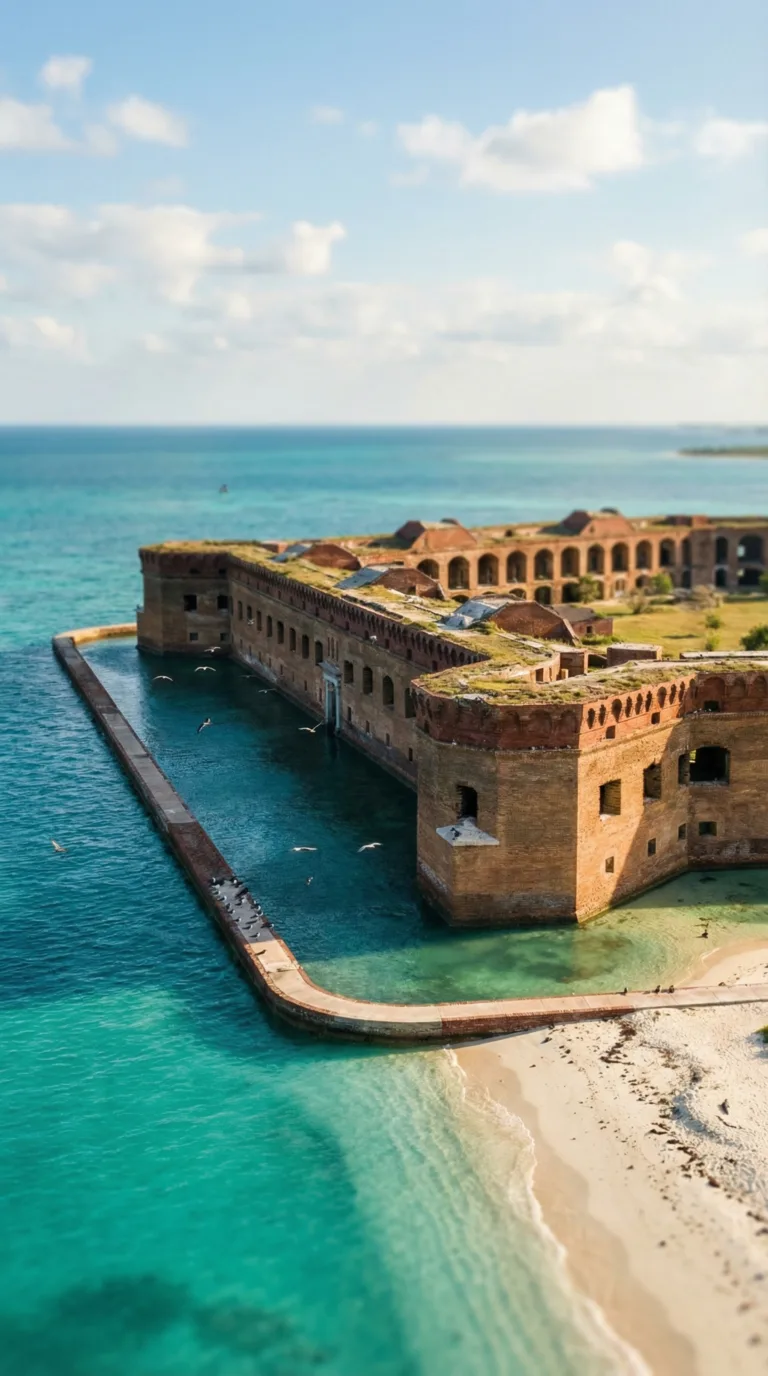
Dry Tortugas National Park is the standout day trip. The park sits 70 miles offshore in the Gulf of Mexico, per the National Park Service Dry Tortugas National Park official website. You’ll spend 2.5 hours each way on the ferry, according to the Dry Tortugas ferry service official booking site. The seaplane cuts travel time to 40 minutes but costs $300+ per person. Book weeks ahead, the park limits daily visitors to protect the ecosystem.
Fort Jefferson dominates Garden Key. This massive hexagonal fortress dates to the Civil War. Snorkeling around the moat walls reveals parrotfish and sea turtles. The beach is white sand and empty. Bring lunch, no food service exists on the island. Birdwatchers spot frigatebirds and sooty terns nesting March through September.
Closer options include half-day snorkeling trips to nearby reefs. Sunset cruises leave from the harbor at 6 PM. Offshore fishing charters target mahi-mahi and sailfish April through October. Heading northeast up the Florida Keys island chain, you can stop at Big Pine Key’s National Key Deer Refuge or swim at Bahia Honda State Park. Islamorada offers sport fishing and dive shops. These spots work as multi-day road trips if you’re driving back to Miami.
Practical Tips for Visiting Key West
Key West’s best weather runs December through April with temperatures averaging 75-85°F and minimal rainfall, though this peak season brings triple hotel rates compared to summer’s hurricane season months.
December through April delivers the island’s driest weather. Temperatures hover between 75-85°F. Rain stays minimal. You’ll pay for it, hotel rates triple compared to summer. Crowds pack Duval Street. Book restaurants and snorkeling trips weeks ahead.
May through June and September through October offer a smarter play. Weather stays warm, usually 80-90°F according to National Weather Service Key West Forecast data. Prices drop 40-50%. Fewer tourists clog the bars. Brief afternoon showers cool things down, then disappear.
Hurricane season runs June through November. September and October bring the highest risk. Most storms miss the island entirely, but travel insurance makes sense. Key West averages about 39 inches of rain annually per NOAA climate statistics, with summer months accounting for roughly 60% of that total.
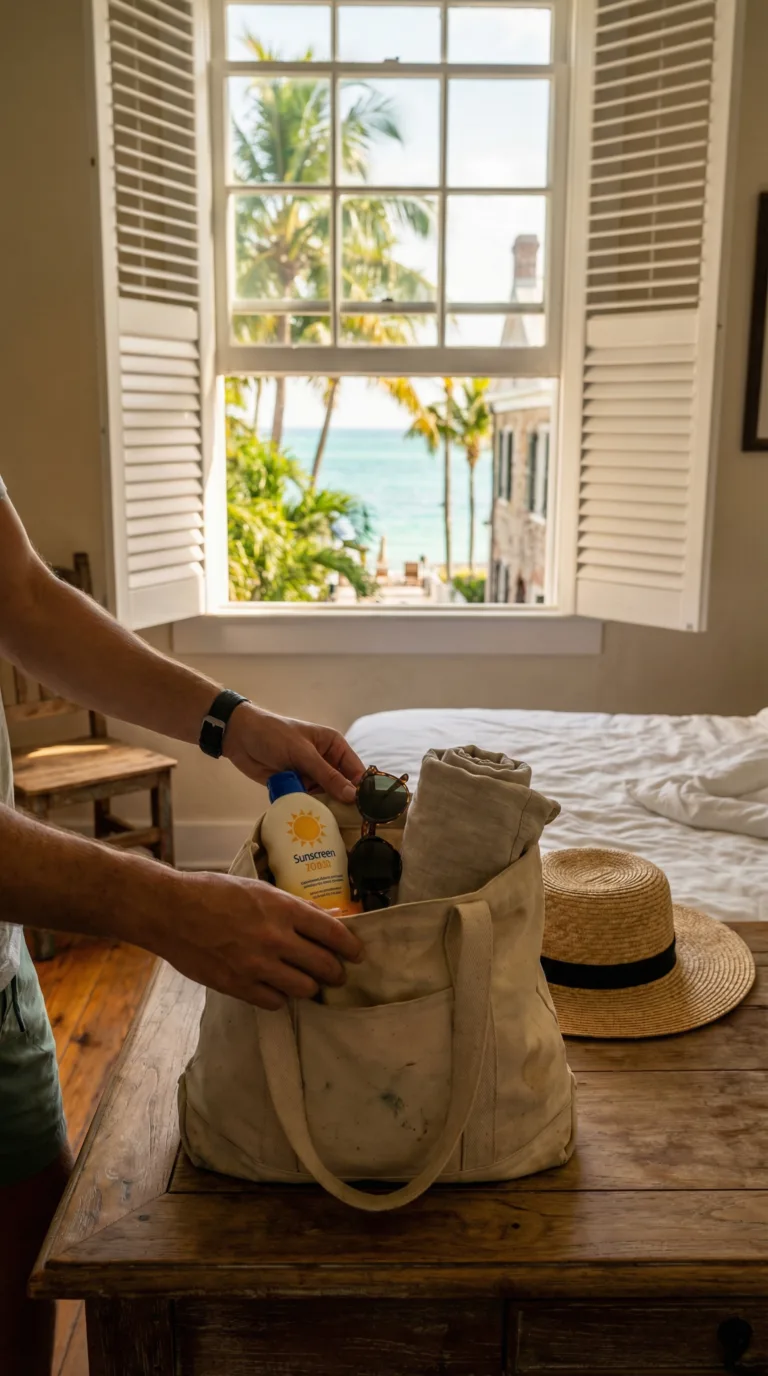
Pack light. Bring reef-safe sunscreen, regular stuff damages the coral and some dive operators won’t let you board with chemical sunscreens. Lightweight cotton or linen clothing works best in the humidity. Comfortable walking shoes matter more than you think. The island’s small, but you’ll log miles on foot. Toss in a light rain jacket for summer squalls. Swimwear, obviously.
The dress code stays casual everywhere. Flip-flops work at most restaurants. Keep cash handy, some food trucks and dive bars don’t take cards. The island runs on island time, but popular spots fill up fast during peak months.
Frequently Asked Questions
What is the best month to go to Key West?
December through April is the dry season, with the best weather, temperatures of 75 to 85F, and minimal rain, though it is also peak season with the highest hotel rates. March and April hit the sweet spot of great weather and slightly thinner crowds. For lower prices, visit in May-June or September-October, when it is hotter and more humid but far cheaper.
How do you get to Key West?
You can fly into Key West International Airport (EYW), often via Miami, or fly into Miami or Fort Lauderdale and drive the scenic Overseas Highway (US-1), about 3.5 to 4 hours over 42 bridges. Other options include the Key West Express ferry from Fort Myers or Marco Island, and seasonal cruise-ship calls at the downtown port.
Is Key West expensive?
Yes. Key West is one of Florida’s pricier destinations, especially for hotels: peak-season rates (December-April) can hit $300-500+ per night for mid-range properties. Daily budgets run about $100-150 for budget travelers, $200-300 mid-range, and $400+ for luxury. You can save by visiting in shoulder season, eating off Duval Street, booking early, and enjoying the free beaches and sunsets.
Is 3 days long enough in Key West?
Yes, three days is ideal for a Key West long weekend. Day one: the Southernmost Point, Hemingway House, and Duval Street. Day two: water activities, beaches, and the Mallory Square sunset. Day three: a Dry Tortugas day trip or exploring neighborhoods like Bahama Village. The compact, walkable island makes it easy, though 4 to 5 days suits a slower pace or extra day trips.
What are the best day trips from Key West?
The standout is Dry Tortugas National Park, 70 miles west by ferry or seaplane, with Fort Jefferson and superb snorkeling. Closer up the chain, Bahia Honda State Park has the Keys’ best beach, Big Pine Key has the tiny Key deer, and Marathon offers the Turtle Hospital and the Seven Mile Bridge. The Everglades are also within reach to the north.