
Estimated reading time: 15 minutes
Last updated: September 2026
What’s So Special About Marco Island?
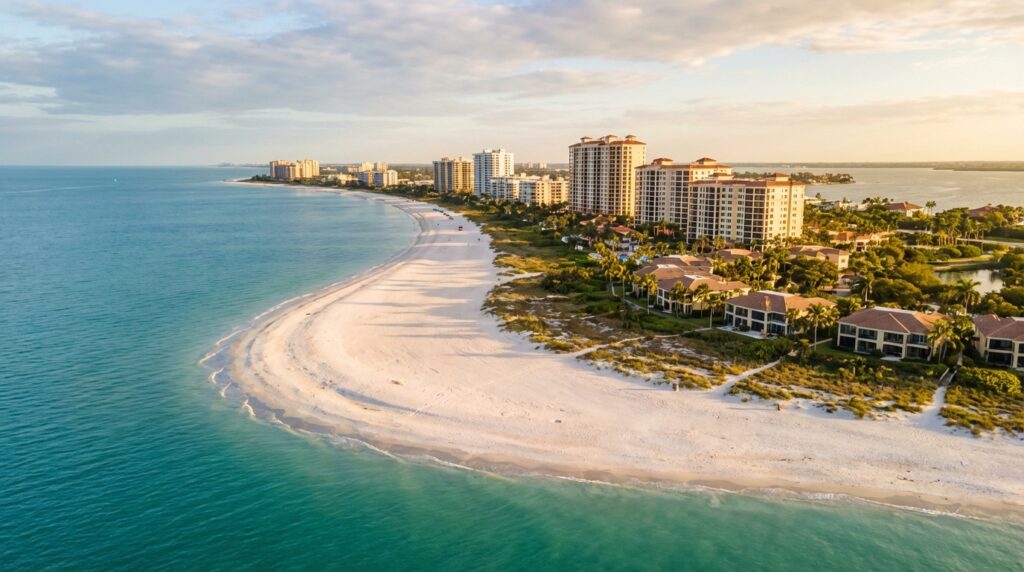
What makes Marco Island special is its quiet, upscale feel: 6 miles of white-sand, shell-strewn beaches, the natural Tigertail Beach lagoon, and easy access to the Ten Thousand Islands and Everglades for kayaking and dolphin tours. The largest of Florida’s Ten Thousand Islands, it sits about 20 miles south of Naples and trades nightlife for calm, resort-style relaxation.
Research Sources
This guide was built using Florida tourism data, verified traveler feedback, and documentary research, not personal visits. All details were accurate when written, but we suggest confirming current hours, prices, and access with local operators before heading out.
Want to experience Marco Island’s pristine beaches and turquoise waters for yourself? Watch our complete Marco Island travel guide in 4K Ultra HD.
Marco Island beaches draw fewer crowds than most Florida Gulf Coast destinations. The sand feels like powder between your toes. The water stays calm most days, protected by the island’s position in the Ten Thousand Islands chain.
The island sits just 20 miles south of Naples, close enough for a quick drive but far enough to feel removed from mainland Florida’s hustle. You can reach it by car across a single bridge. No ferry required.
What makes Marco Island different? The beaches stretch for 6 miles without high-rise condos blocking the view. Luxury resorts line the coast, but they keep a low profile. The vibe stays relaxed. People come here to slow down, not to party.
The Gulf waters glow turquoise on sunny days. Temperatures average 75°F year-round, according to the Marco Island Visitor Bureau. Winter months bring the most visitors, but summer offers better deals and fewer people.
This guide covers where to stay, what to eat, which beaches to visit, and how to get around without wasting money. Real details, no fluff.
Top Attractions and Things to Do
Tigertail Beach, Marco Island’s most popular attraction, features a unique tidal lagoon, exceptional shelling opportunities, and a 2,500-foot boardwalk through protected coastal habitat.
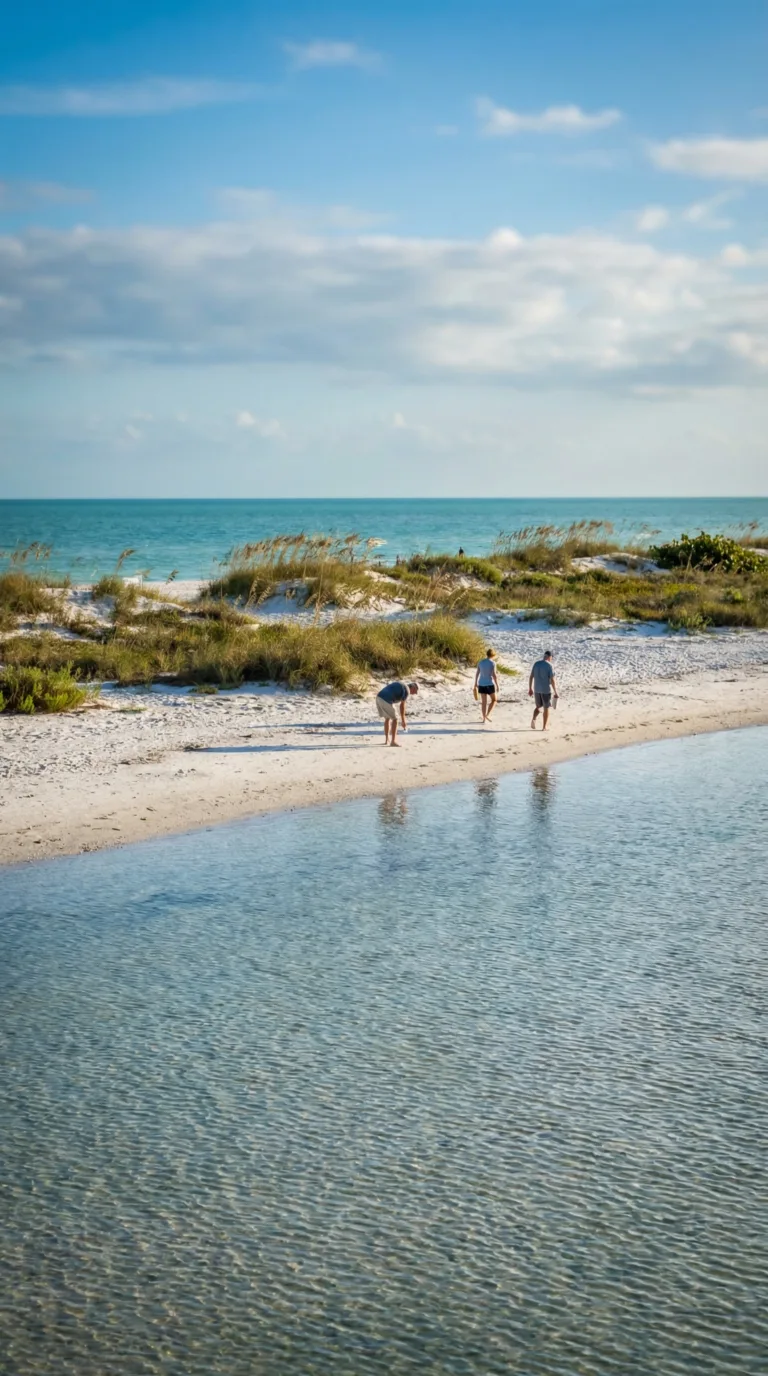
Tigertail Beach Park sits at the north end of the island. The tidal lagoon here creates a shallow wading pool that shifts daily with the tides. Low tide exposes sandbars perfect for shelling. The beaches are known for exceptional shelling. Olive shells, fighting conchs, and sand dollars wash up regularly.
The beach charges $8 parking. Get there early. The lot fills by 10 a.m. on weekends. A boardwalk cuts through the dunes and connects to nature trails where you might spot ospreys, herons, and roseate spoonbills. The lagoon stays calm enough for kids to wade safely while parents hunt shells.
Residents’ Beach and South Marco Beach offer quieter alternatives. Both have free parking but fewer spots. Residents’ Beach sits mid-island with calm Gulf waters. South Marco Beach anchors the southern tip near the Cape Marco area, where high-rise condos line the shore. Parking at Marco Island beaches runs tight during winter months. Arrive before 9 a.m. or after 3 p.m. to snag a spot.
Kayaking through the mangrove tunnels beats any scripted tour. Rent a kayak from shops near the Esplanade and paddle into the Ten Thousand Islands. The mangrove roots create natural tunnels. You’ll glide through green corridors where the only sound is your paddle dipping water. Manatees cruise these channels in winter. Dolphins hunt fish near the mangrove edges year-round.
Paddleboarding works better in the lagoon at Tigertail or along the calm bay side of the island. The Gulf can get choppy in the afternoon when the wind picks up. Dolphin watching tours depart from Rose Marina. Most last two hours. You’ll see bottlenose dolphins feeding in the passes between islands. Some tours include shelling stops on uninhabited barrier islands.
Sunset cruises leave around 6 p.m. The sky turns orange and pink over the Gulf. Fishing charters target snook, redfish, and tarpon in the backcountry. Half-day trips run $400-600 for up to four people. Captains know where the fish hold in the mangrove cuts and oyster bars.
The Marco Island Historical Museum sits on Heathwood Drive. Free admission. The Calusa Indians lived here for thousands of years before Spanish contact. The museum displays Calusa artifacts, including the famous Key Marco Cat, a carved wooden figure discovered in 1896. The original lives in the Smithsonian, but the museum has a replica. You’ll learn how the Calusa built shell mounds and survived on fish, shellfish, and sea turtles without agriculture.
The Esplanade anchors the island’s shopping scene. Boutiques, restaurants, and a small movie theater cluster here. It’s not Disney Springs, but it works for a rainy afternoon or post-beach dinner. Most visitors spend their time on the water, not in shops.
Where to Eat on Marco Island
Marco Island’s dining scene centers on waterfront views, anchored by the Snook Inn, with upscale Italian at DaVinci and fresh Gulf seafood at Pinchers crab shack.
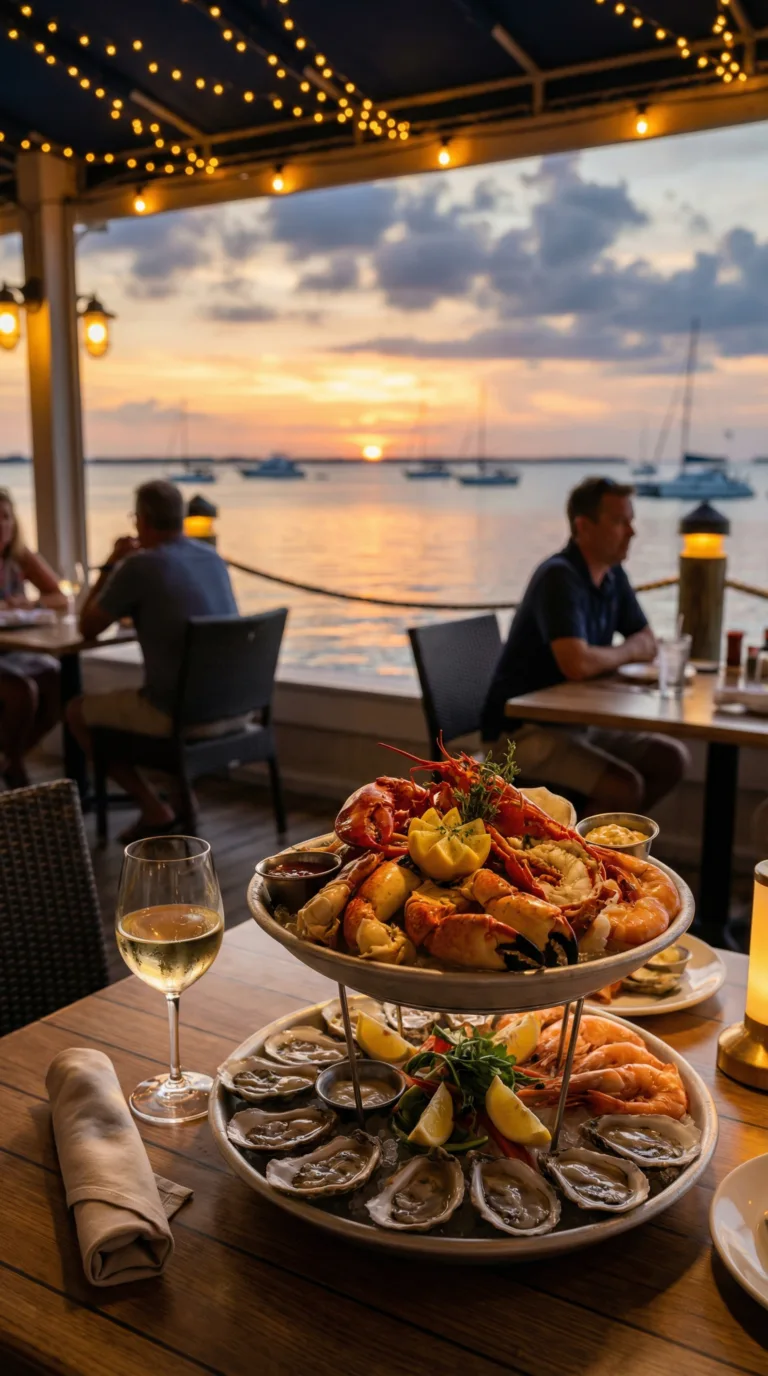
Marco Island restaurants focus hard on waterfront views and Gulf seafood. The island has over 60 dining spots according to the Marco Island Chamber of Commerce. Most cluster along Collier Boulevard or inside the Esplanade shopping center.
Snook Inn anchors the casual waterfront scene. You sit on the dock. Boats pull up. Live music plays nightly. The grouper sandwich costs $16. It’s one of the most popular restaurants on Marco Island for good reason, the view beats the food, but the food is fine.
For upscale dining, DaVinci serves northern Italian inside a strip mall that looks nothing like Italy. The veal marsala runs $38. Reservations required on weekends. Arturo’s does Spanish tapas and paella if you want something different from seafood.
Pinchers is the crab shack everyone mentions. Stone crab claws in season (October through May). Peel-and-eat shrimp year-round. Plastic bibs. Outdoor picnic tables. No pretense. CJ’s on the Bay and Stonewalls fill the same casual-waterfront niche with slightly different menus.
Breakfast on Marco Island means Doreen’s Cup of Joe or Sami’s Pizza & Grill. Doreen’s does proper diner breakfasts, eggs, bacon, hash browns for $12. Sami’s surprises people by serving breakfast pizza alongside standard omelets.
For bars, Quinn’s on the Beach has the best sunset view from a barstool. Smithhouse pours craft cocktails in a modern space that feels transplanted from downtown Naples. Check the Official Snook Inn restaurant website for live music schedules or browse the full Marco Island dining guide from official tourism website for current menus and hours.
Where to Stay: Hotels and Resorts
The JW Marriott Marco Island Beach Resort is the island’s largest hotel, with 726 rooms, a 30,000-square-foot spa, and direct Gulf beach access on 10 acres of beachfront property.
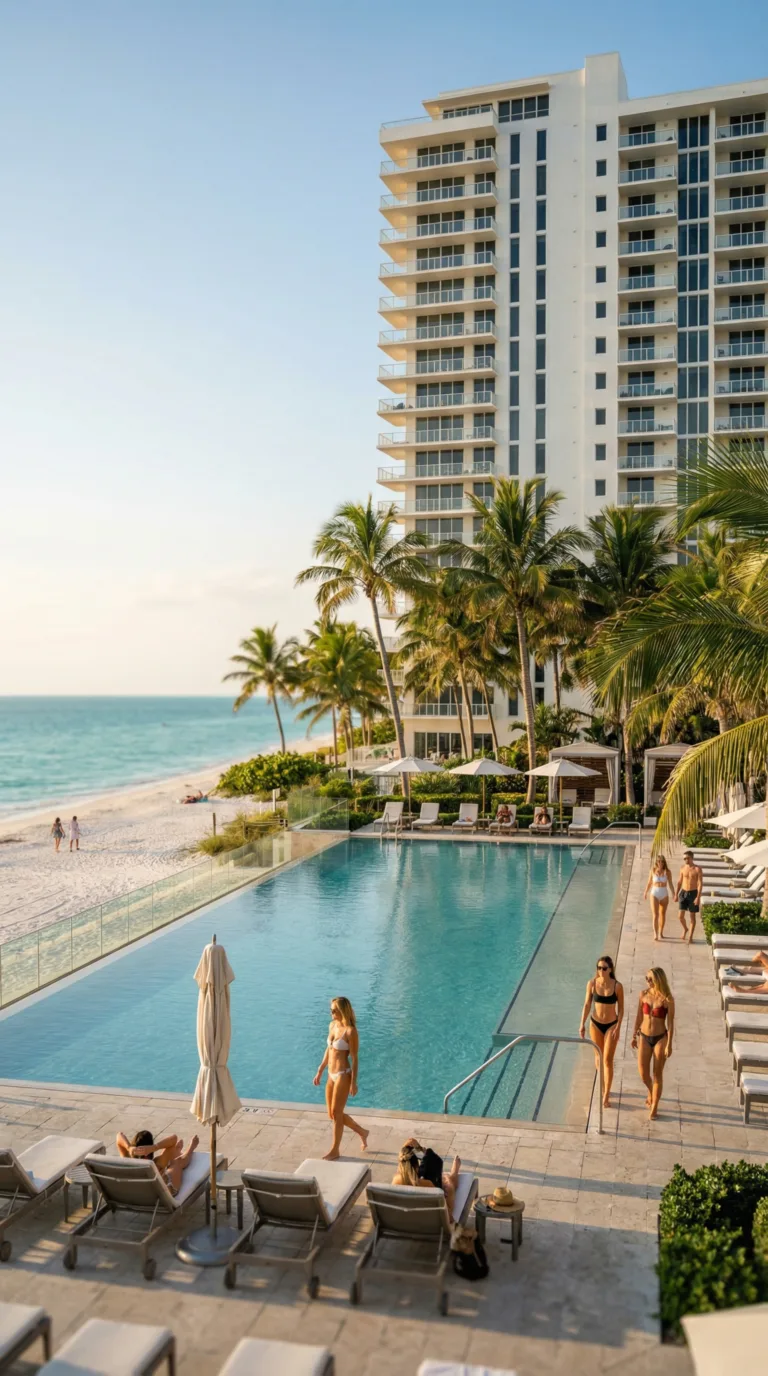
Marco Island runs on two accommodation models: beachfront resorts and vacation rentals. Hotels cluster along Crescent Beach. Condos spread through the residential neighborhoods.
The Official JW Marriott Marco Island Beach Resort website shows the island’s largest property, 726 rooms across 10 beachfront acres. Three pools. Five restaurants. A 30,000-square-foot spa. Nightly rates start around $400 in high season (January through March), dropping to $250 in summer. The resort charges a $35 daily resort fee.
The Official Hilton Marco Island Beach Resort website lists 297 rooms with a more family-focused setup. Paddleboard rentals on-site. Kids’ pool with water slides. Rates run $50 to $100 less than the JW Marriott most nights.
Vacation rentals dominate the longer-stay market. VRBO and Airbnb list over 1,200 properties, mostly condos in complexes like Cape Marco on the southern tip. Two-bedroom units start at $200 per night in shoulder season. Expect $400-plus in winter. Many allow weekly rentals only during peak months.
Marco Island doesn’t do all-inclusive resorts. Every property operates on the traditional model: pay for your room, buy your meals separately. A few hotels offer meal-plan packages, but nothing like the Caribbean all-inclusive system.
Pet-friendly options exist but require advance booking. The JW Marriott allows dogs under 40 pounds for a $150 non-refundable fee. Most vacation rentals ban pets entirely.
Getting to and Around Marco Island
Marco Island sits 35 miles south of Southwest Florida International Airport in Fort Myers (45-minute drive) and 20 miles south of Naples, connected to mainland Florida by a scenic causeway bridge.
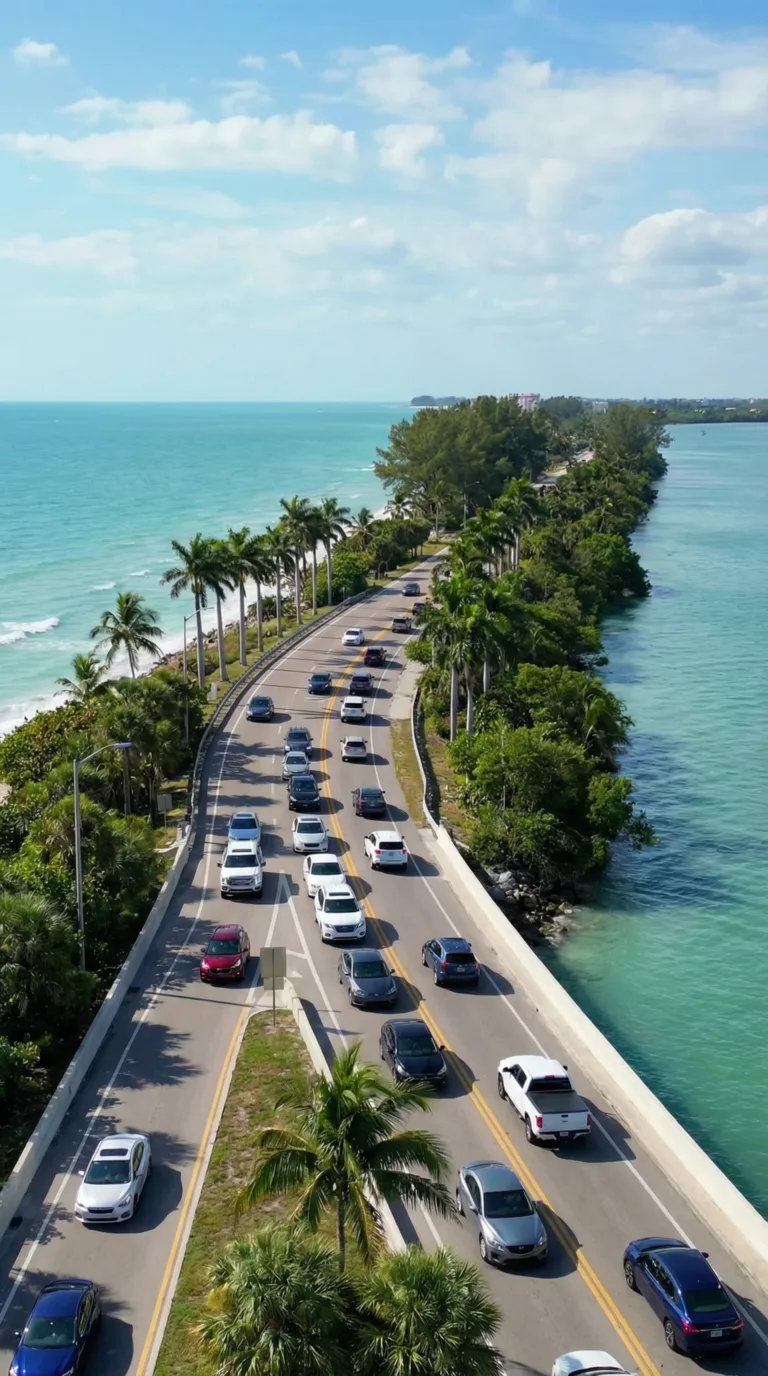
Marco Island Executive Airport handles private planes and charters. No commercial flights. Most visitors fly into Southwest Florida International Airport (RSW) in Fort Myers, 35 miles north, about 45 minutes by car. According to the Lee County Port Authority, RSW served 11.2 million passengers in 2024.
Naples sits just 20 miles north. Thirty-minute drive. Miami is 125 miles east, roughly two hours on I-75 and US-41. The drive from Fort Myers airport to Marco Island follows I-75 south to Exit 101, then Collier Boulevard straight to the island.
The Marco Island bridge spans Collier Bay on State Road 951. Built in 1969 and reconstructed in 2001, the causeway stretches 1.3 miles over turquoise water. Palm trees line both sides. You’ll see boats, dolphins, occasional manatees.
Rent a car. The island covers 24 square miles. No Uber pool. Taxis exist but cost $15–25 per trip. Bike rentals run $20–30 per day, flat terrain makes cycling easy. Public transport is nonexistent.
Beach parking fills up by 10 a.m. in winter. Tigertail Beach charges $8 per vehicle. Residents Park is free but tiny, 12 spaces total.
Travel Routes
Below are recommended travel routes with key stops and estimated drive times.
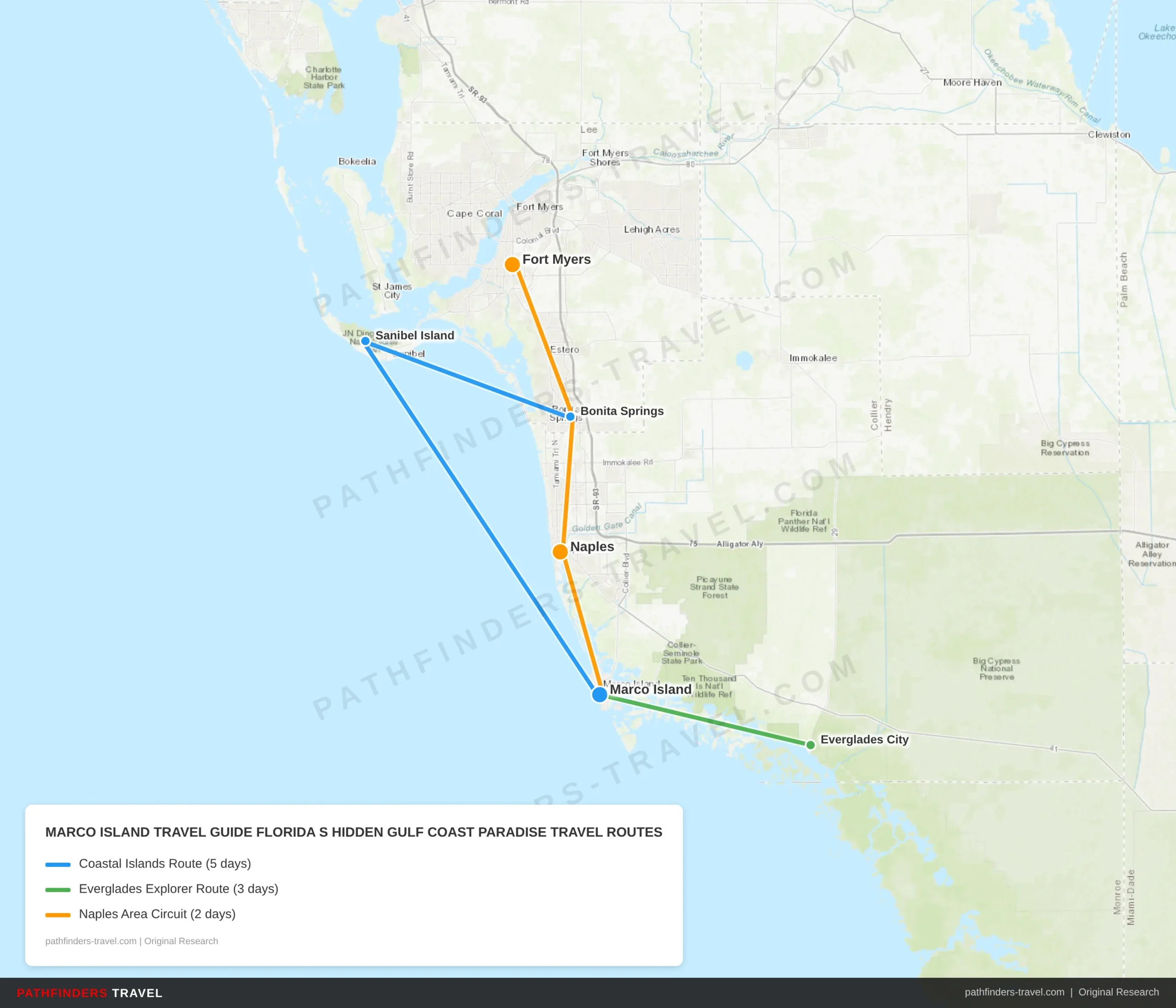
| # | Stop | Highlights | Drive Time |
|---|---|---|---|
| 1 | Marco Island | Tigertail Beach lagoon, shell collecting, mangrove kayaking, luxury beach resorts | Base |
| 2 | Sanibel Island | World-famous shelling beaches, lighthouse, wildlife refuge, boutique shopping | 1h 15m |
| 3 | Captiva Island | Sunset celebrations, upscale dining, clean beaches, art galleries | 30m |
| 4 | Bonita Springs | Barefoot Beach Preserve, fishing charters, outlet shopping, springs parks | 45m |
| # | Stop | Highlights | Drive Time |
|---|---|---|---|
| 1 | Marco Island | Ten Thousand Islands access, dolphin watching, paddleboarding in lagoons | Base |
| 2 | Everglades City | Airboat tours, stone crab capital, Everglades National Park gateway, historic sites | 30m |
| 3 | Collier-Seminole State Park | Hiking trails, fishing, camping, native wildlife viewing, canoe rentals | 25m |
| # | Stop | Highlights | Drive Time |
|---|---|---|---|
| 1 | Marco Island | Quiet beaches, luxury resorts, mangrove tours, golf courses | Base |
| 2 | Naples | Historic pier, upscale shopping, fine dining, Naples Botanical Garden | 25m |
| 3 | Bonita Springs | Beach parks, dog beach access, springs recreation, outlet shopping | 20m |
| 4 | Fort Myers | Edison and Ford estates, downtown River District, spring training baseball | 35m |
Marco Island on a Budget
Marco Island daily expenses run 15-20% higher than mainland Florida due to island delivery costs, with mid-range travelers budgeting $150-200 per person daily including accommodation, meals, and activities.
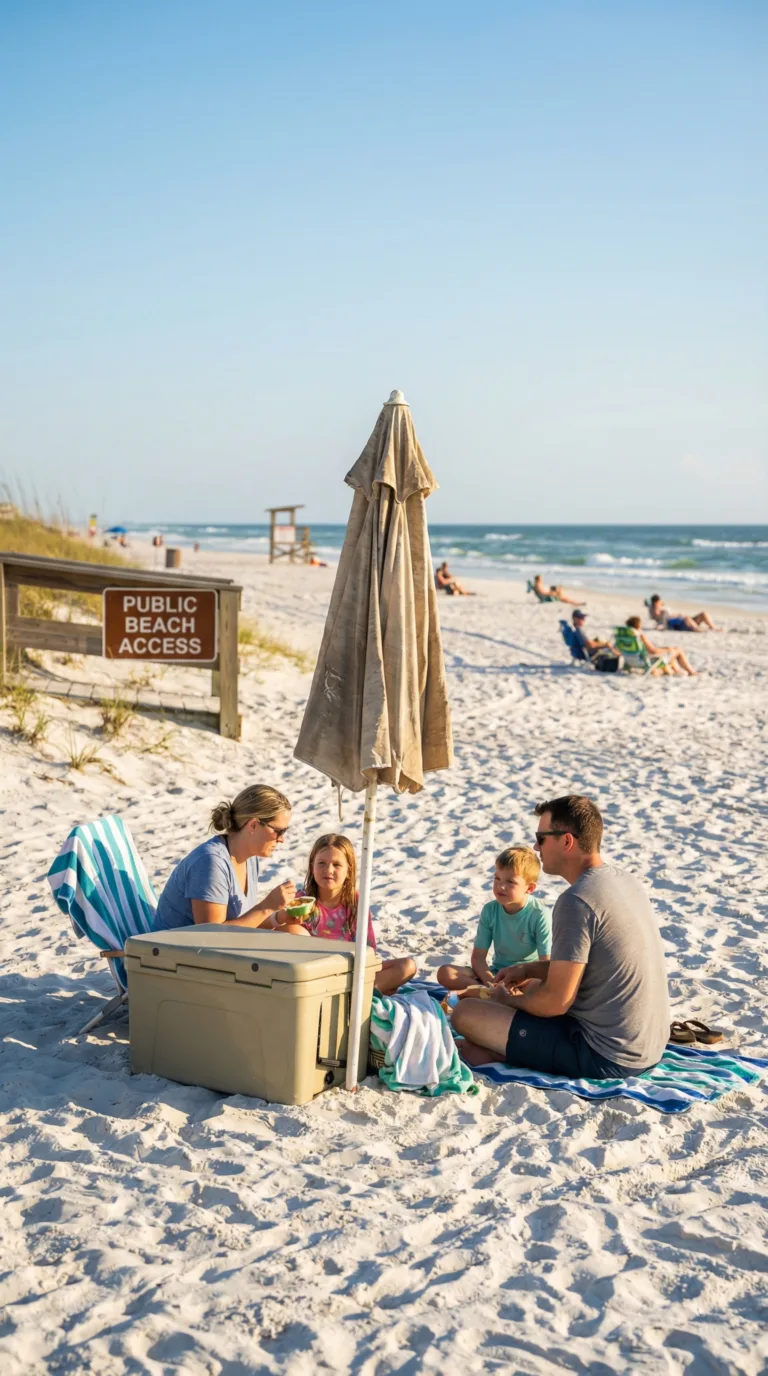
Is Marco Island expensive? Yes. But it’s manageable. Prices match Naples levels, groceries, gas, and restaurant meals cost about 15-20% more than mainland Florida. Everything gets trucked across the causeway. That delivery premium shows up in your receipts.
Vacation rentals slash costs fast. A condo with a kitchen lets you skip $25 breakfast tabs at resort restaurants. Hit Publix for groceries. Cook dinner. A family of four saves $100+ daily this way.
Every beach is public. Free. Tigertail Beach charges $8 parking, but the sand and shells cost nothing. Sunset watching is free. Walking the shoreline is free. You don’t need a resort wristband to access Marco’s best feature.
Eat where locals eat. Doreen’s Cup of Joe serves Cuban breakfast for $12. Sami’s Pizza does lunch slices under $5. Pinchers Crab Shack offers casual seafood without white tablecloths or $40 entrées. Skip the resort dining rooms entirely.
Shoulder season drops accommodation rates 30-40%. Book May or September. Weather stays warm, you’ll still swim. Hotels desperate to fill rooms cut prices hard.
Daily budget reality check: $150-200 per person gets you a clean hotel, three meals, beach parking, and a sunset cocktail. Luxury travelers spending $250+ get resort pools and valet parking. Budget under $100? Possible with a rental condo and packed lunches, but tight.
Day Trips from Marco Island
Naples sits just 20 miles north of Marco Island (30-minute drive) offering upscale shopping on Fifth Avenue, the historic Naples Pier, and top-quality dining, while Miami lies 125 miles east for a 2-hour day trip.
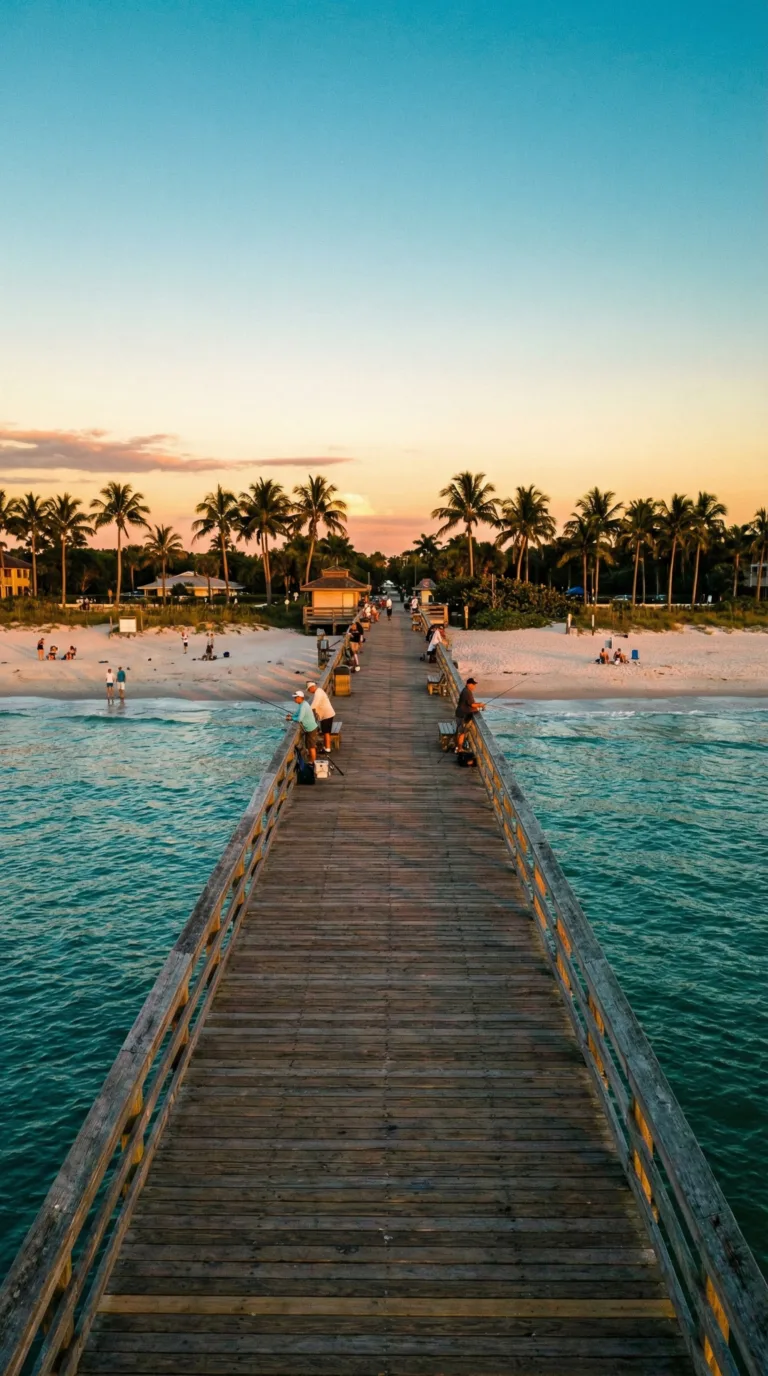
Naples makes the easiest escape. Twenty miles north, thirty minutes on US-41, and you’re walking Fifth Avenue South. Over 60 shops and 40 restaurants line six blocks of brick streets. The Official Naples tourism website lists galleries, wine bars, and boutiques that close at 9 PM most nights. The Naples Pier stretches 1,000 feet into the Gulf. Free parking. Fishermen work the rails. Dolphins surface near the pilings at dawn.
Sarasota sits two hours north. Ringling Museum holds circus history and Baroque art. Siesta Key Beach ranks high for powder-white sand. The city pulls a cultural crowd, theater, opera, farmers markets on Saturdays.
Miami and Fort Lauderdale require commitment. Miami is 125 miles east, two hours on I-75 and the Tamiami Trail. Art Deco architecture in South Beach. Cuban coffee in Little Havana. Fort Lauderdale offers Las Olas Boulevard shopping and water taxis through the canals. Both work better as overnights.
Nature lovers drive south to Everglades National Park official website for airboat tours. Gators. Wading birds. Sawgrass prairies that stretch to the horizon.
Key West and the Florida Keys make extended trips, four hours minimum each way. Tampa and St. Petersburg sit three hours north for museum districts and craft breweries.
Practical Tips for Visiting
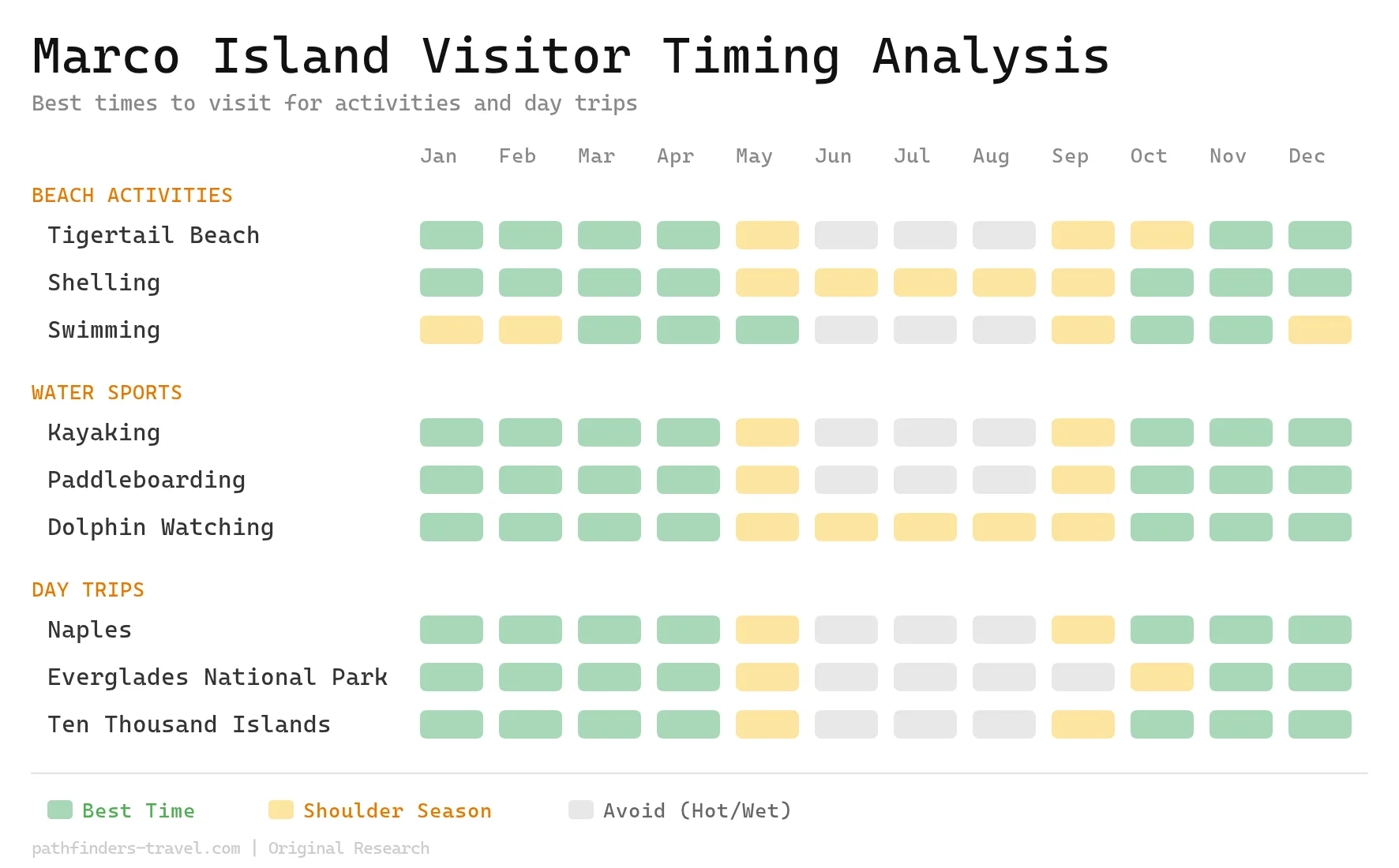
Marco Island’s best weather occurs November through April with average temperatures of 75°F and minimal rainfall, while December attracts peak visitor numbers with comfortable 70-80°F days perfect for beach activities.
Plan your trip for November through April. That’s when Southwest Florida delivers dry skies and comfortable temperatures. December weather sits around 75°F. Perfect for snowbirds escaping northern winters.
Summer brings a different story. June through September means heat, humidity, and daily afternoon thunderstorms. Hurricane season runs June through November, peaking August through October. Check the National Weather Service forecast before you book.
Pack reef-safe sunscreen. The Gulf waters here need protection from chemical runoff. Bring light layers for air-conditioned restaurants and a wide-brimmed hat. Insect repellent is essential if you’re kayaking through mangroves.
Book your resort early for peak season (January through March). Rates drop significantly during shoulder months like April, May, October, and November. You’ll find better deals and thinner crowds. Check the Marco Island events calendar to time your visit around local festivals or avoid them entirely.
Sun protection matters year-round in this climate. Even winter days deliver strong UV rays.
Best Time to Visit
Marco Island enjoys year-round warmth with average temperatures of 75°F, but the best visiting window is November through April when humidity drops and rainfall decreases. Summer months (June-August) bring intense heat, afternoon thunderstorms, and higher humidity that can make outdoor activities uncomfortable.
Frequently Asked Questions
What is Marco Island known for?
Marco Island is known for its clean white-sand beaches, especially Tigertail Beach with exceptional shelling opportunities. The island features luxury beachfront resorts including the JW Marriott and Hilton properties. Calm, turquoise Gulf waters make it ideal for families and water sports. You get direct access to the Ten Thousand Islands ecosystem and Everglades. The atmosphere is laid-back and upscale compared to busier Florida beach destinations.
Is Marco Island expensive?
Daily expenses on Marco Island are higher than state and national averages, but only slightly higher than Naples. Groceries run 15-20% higher than mainland due to island delivery costs. Accommodation ranges from $200-500+ per night depending on season and property. Budget-conscious travelers can save with vacation rentals, casual dining, and free beach activities. Expect to spend $150-200 per person daily for a mid-range experience.
How far is Marco Island from Naples?
Marco Island sits approximately 20 miles south of Naples. Drive time is about 30 minutes via US-41 (Tamiami Trail). Naples offers additional shopping, dining, and cultural attractions for day trips. Both destinations share Southwest Florida International Airport in Fort Myers as the nearest commercial airport.
Is Marco Island or Sanibel better?
Marco Island offers more luxury resort options and a more developed beachfront. Sanibel is famous for top-quality shelling and a quieter, more nature-focused experience. Marco Island has calmer Gulf waters, better for families with young children. Sanibel requires a toll bridge and has more restrictions on development. Your choice depends on preference: upscale resort amenities (Marco) versus a natural island experience (Sanibel).
How far is Marco Island from Miami?
Marco Island is approximately 125 miles west of Miami. Drive time is about 2 hours via I-75 and US-41. Miami International Airport is an alternative to Fort Myers for international travelers. The drive crosses the Everglades, offering scenic views of South Florida’s unique ecosystem.