This guide contains affiliate links. As an Amazon Associate we earn from qualifying purchases — at no extra cost to you.
Estimated reading time: 11 minutes
Last updated: July 2026
What Should I Pack for Kenai Fjords National Park?
Pack waterproof rain layers, an insulated jacket, moisture-wicking base layers, sturdy waterproof boots, a warm hat and gloves even in summer, and trekking poles for glacier hikes and wildlife boat tours. Kenai Fjords temperatures range 45–65°F in summer with frequent rain and wind, so layering is essential for staying comfortable on trails and boats.
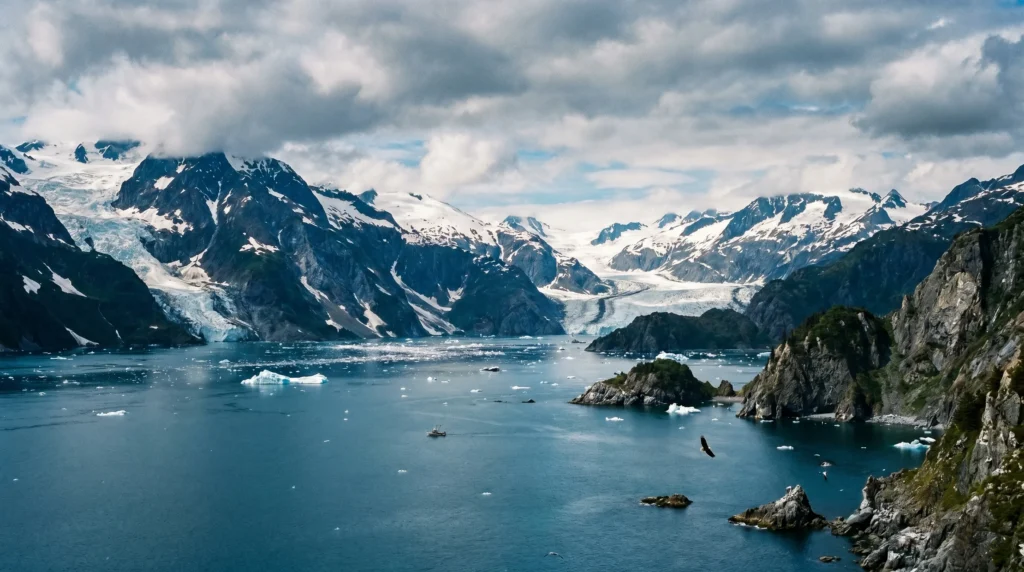
The maritime climate of Kenai Fjords is beautiful but unpredictable. The park receives more than 60 inches of rain annually, and weather can shift dramatically in minutes. You might start your morning hike under blue skies and finish it wrapped in thick fog with a steady drizzle.
This park demands versatility from your gear because you’ll experience two very different environments. On land, you’ll trek rocky alpine trails that climb past waterfalls and through wildflower meadows. On the water, you’ll spend hours on open-water boat tours watching humpback whales breach and massive glaciers calve into the sea, where wind chill drops the temperature fast.
Layering is everything here. I have seen visitors board tour boats in t-shirts only to huddle inside the cabin an hour later when icy winds blow off Exit Glacier. The same goes for hiking: you might start warm from the exertion but need that puffy jacket the moment you stop for lunch.
This guide breaks down exactly what to bring. We will cover clothing layers that work together, footwear for wet rocky terrain, cold-weather accessories for your hands and head, and practical tips for packing light while staying prepared for anything Kenai Fjords throws at you.
Layering System and Outerwear
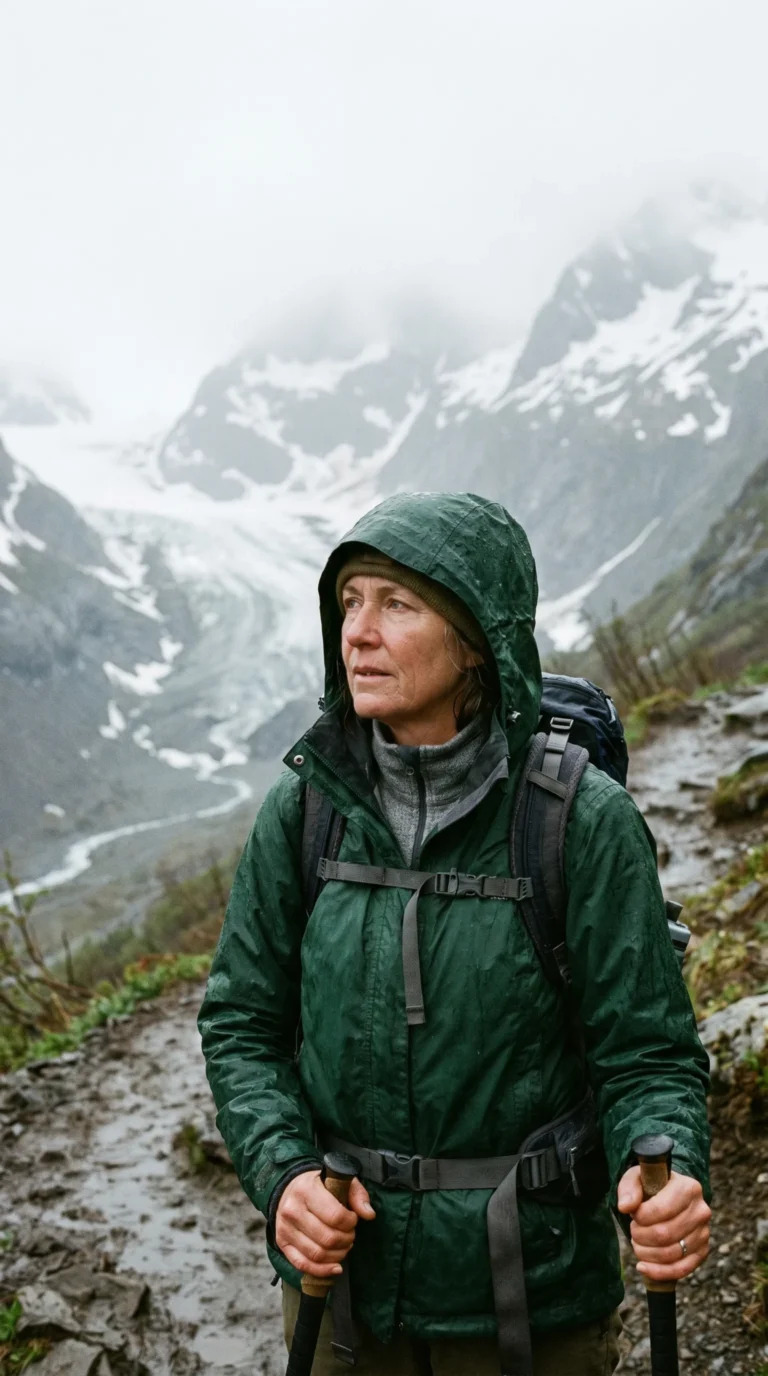
In Kenai Fjords, proper layering protects you from cold rain, wind chill on boat tours, and rapid weather shifts. Start with moisture-wicking base layers, add insulating mid-layers, and finish with waterproof outerwear. Alaska rain is cold rain, and wind chill on exposed coastlines or glaciers can drop the feel temperature 10 to 15 degrees below the forecast.
Start with base layers that wick moisture away from skin. Even cool hikes make you sweat, and wet cotton against your body turns dangerous when wind hits on the return leg. I always pack thermal underwear for morning departures and boat cruises.
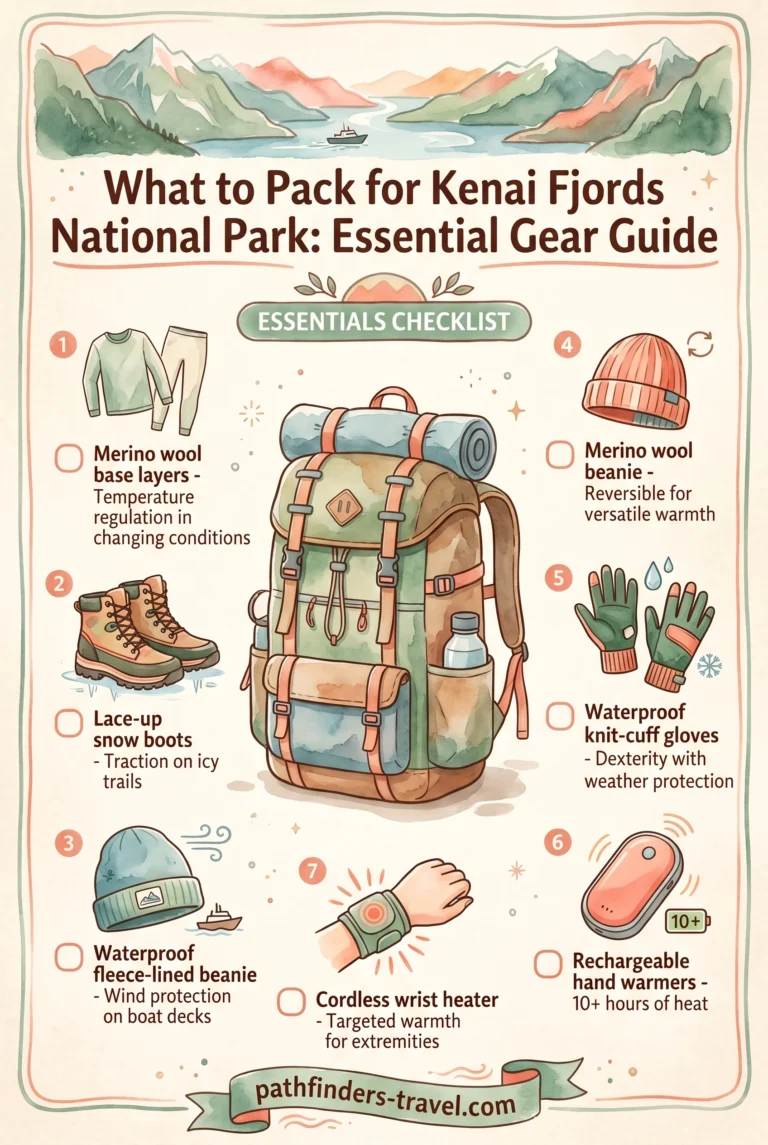
If you’re planning multi-day trips or shoulder-season visits, this merino wool base layer set offers natural odor resistance and temperature regulation that synthetic fabrics can’t match. The heavyweight option works beautifully for early mornings at Exit Glacier or overnight camping. For active families who need fast-drying warmth at a friendlier price, this fleece-lined thermal set gives excellent warmth retention and dries faster if kids get caught in rain on the trail.
Your outer layer needs to handle both insulation and waterproofing. Alaska rain isn’t a light drizzle, it’s cold and persistent, and you’ll face it on boat tours and exposed ridgelines. If you want coverage on wildlife cruises without bulk in your daypack, this packable long rain coat offers the length to keep your legs dry when spray comes over the bow. For hikers tackling steep climbs like the Harding Icefield Trail where you generate serious heat, this lightweight waterproof softshell jacket balances warmth and breathability without leaving you soaked in your own sweat.
Between your base and shell, pack a mid-layer fleece or down vest. This adjustable piece matters when weather shifts three times in one afternoon, which happens often in coastal Alaska. I pull mine on for boat tours, shed it during uphill sections, then layer it back on at viewpoints where you stop moving and the wind picks up.
The key is flexibility. You’ll start a morning hike in two layers, strip to your base layer by mile two, then bundle everything back on when clouds roll in at the glacier overlook. Pack each piece in a stuff sack or compression cube so you can access them quickly without unpacking your entire bag on a windy ridge.
Footwear for Trails and Boat Decks
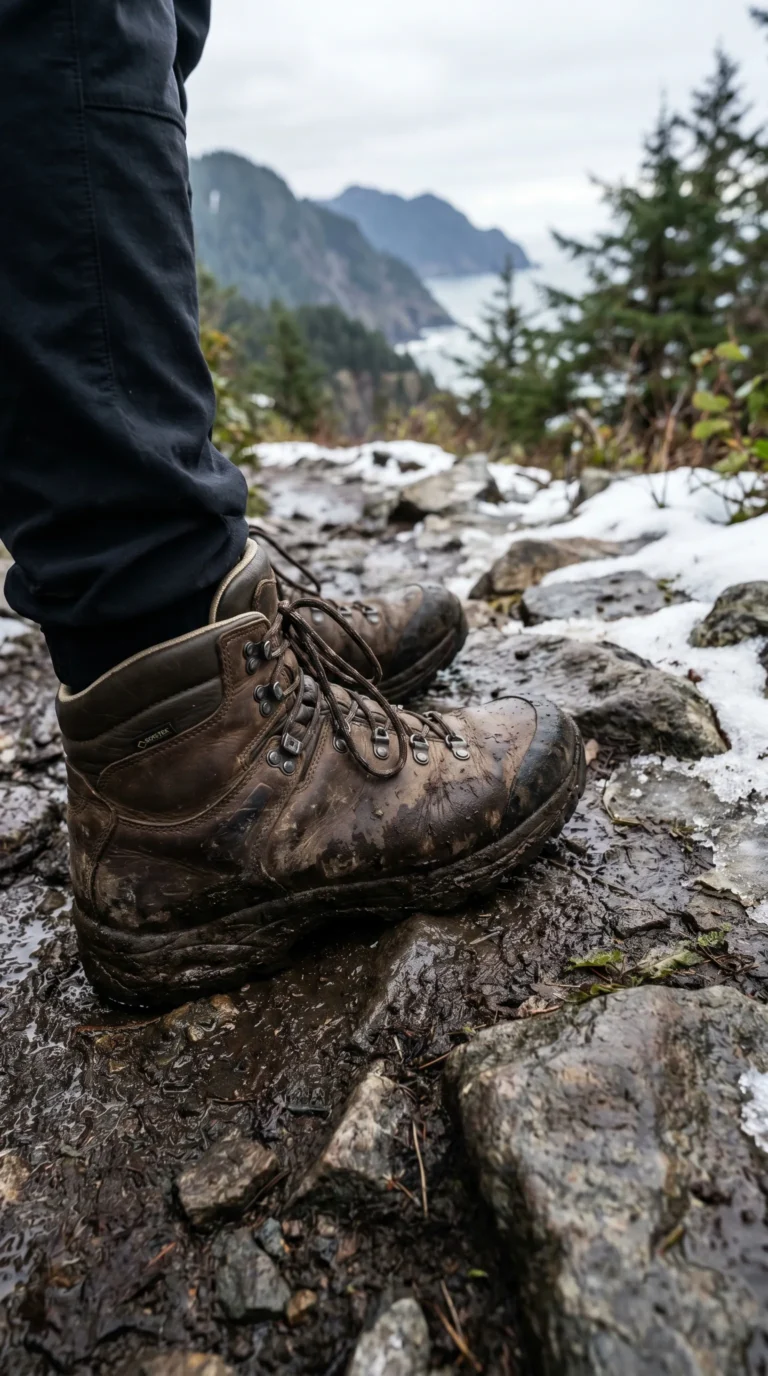
Waterproof insulated boots are the only sensible choice for Kenai Fjords because trails stay muddy well into summer and boat decks get drenched with spray. I’ve seen visitors in running shoes regret it by the second mile when their socks are soaked and their feet are numb from the cold.
The terrain here mixes challenges you don’t face in most parks. You’ll walk through mud that never fully dries, loose gravel that shifts underfoot, snow patches that linger even in July at higher elevations, and slippery algae-covered rocks near tide pools. The Exit Glacier trails throw everything at you, from wet boardwalks at the base to steep, unstable rock sections on the climb toward Harding Icefield.
Ankle support matters more here than on groomed trails. One wrong step on loose rock can twist an ankle and end your trip before you see the icefield. I always recommend boots that rise above the ankle to give you stability when the ground gets unpredictable.
For serious day hikers planning longer routes or glacier walks, the Men’s Chilkat V lace-up snow boot handles rocky trails, snowfield crossings, and keeps your feet warm during three-hour boat tours in 50-degree temps. The 200g insulation strikes a good balance, it’s warm enough for early morning starts but won’t overheat you on uphill climbs.
If you’re traveling with active families or prefer a lighter option for shorter trails, these women’s mid-calf waterproof winter boots offer extra warmth for shoulder-season visits and better ankle support on those loose rock sections. The fur cuff adds a bit of style without sacrificing function.
Grip pattern makes a real difference here. Deep lugs handle mud better than flat soles, and Vibram-style treads give you confidence on wet boardwalks and spray-soaked boat decks. I’ve watched people slip on the viewing platforms because their shoes couldn’t grip the wet metal.
Break in your boots before you arrive. Blisters two miles into a six-mile hike turn a dream day into a painful slog, and there’s no shortcut back once you’re on the trail.
Cold Weather Accessories
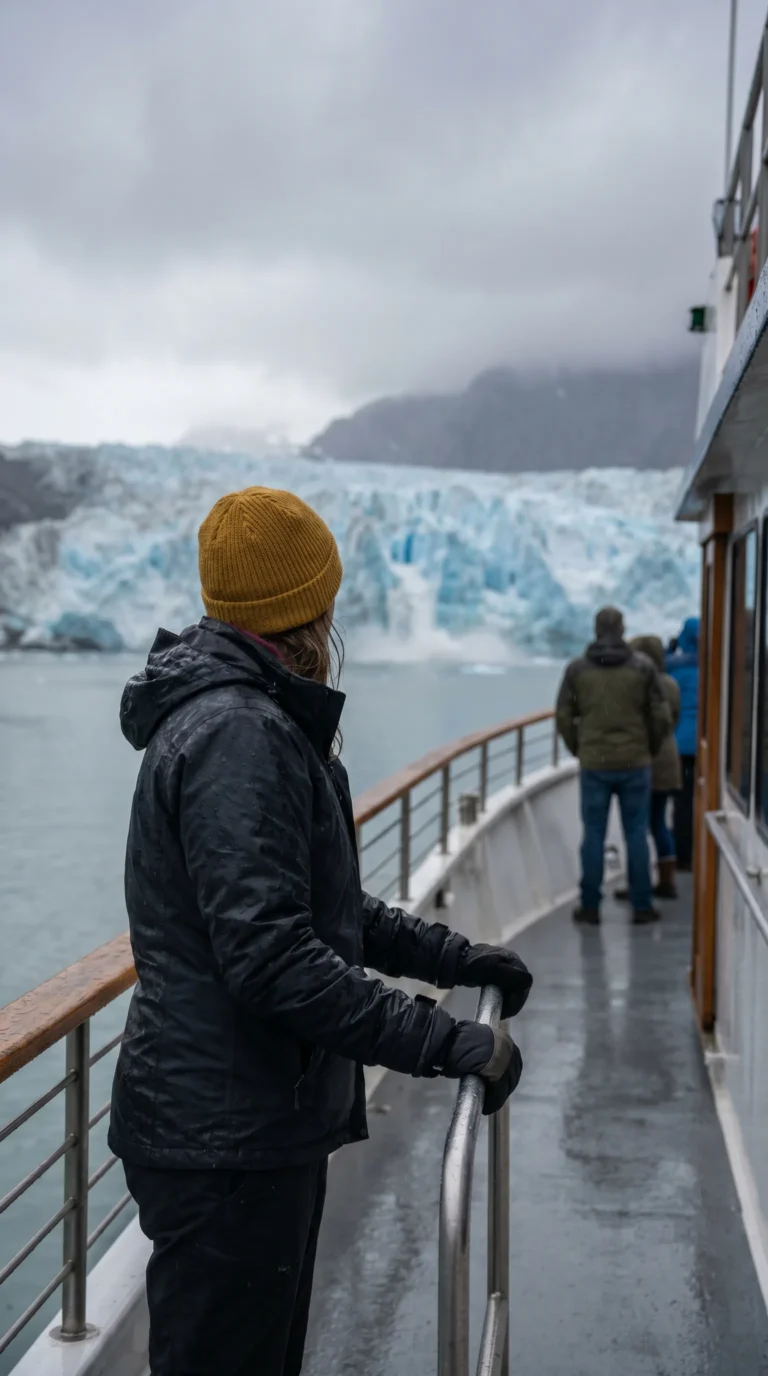
Your head and hands lose heat faster than any other body parts, and on a windy boat tour or fog-shrouded trail you’ll feel it within minutes. A good beanie and gloves aren’t optional gear in Kenai Fjords, they’re survival tools that let you actually enjoy the glaciers and wildlife instead of shivering through them.
For your head, you have two solid choices. If you’re planning serious day hikes or long boat tours where icy wind whips off tidewater glaciers, the waterproof windproof beanie with fleece lining protects your ears and forehead even during sudden rain squalls. The waterproof shell keeps you dry when fog rolls in thick.
If you want something lighter for active hiking where you’ll be moving fast and generating heat, the merino wool reversible beanie offers breathability without sacrificing warmth. The reversible design gives you two looks in one packable piece, and families appreciate the versatility.
Insulated waterproof gloves let you grip trekking poles, adjust camera settings, and hold binoculars without exposing bare skin to 40-degree wind chill. The Carhartt knit-cuff waterproof glove for men and its unisex counterpart are workhorse choices trusted by Alaskans. The knit cuff seals out wind while the waterproof shell keeps hands dry handling wet ropes on boat tours or gripping cold metal railings.
I always bring backup warmth. Rechargeable hand warmers with 10,000mAh battery capacity give you portable heat that lasts all day across three heat levels, and they double as phone chargers when your battery drains in the cold. Toss them in your jacket pockets before a morning wildlife cruise.
If you have arthritis or carpal tunnel, the cordless wrist heating pad combines warmth with massage and red light therapy for pain relief during long photo sessions or while gripping binoculars for hours watching humpback whales.
Pack glove liners made from silk or thin merino as a backup. They take almost no space and work as a warm layer under heavier gloves or alone in your tent at night when you need just a bit of warmth without bulk.
Practical Packing Tips for Kenai Fjords
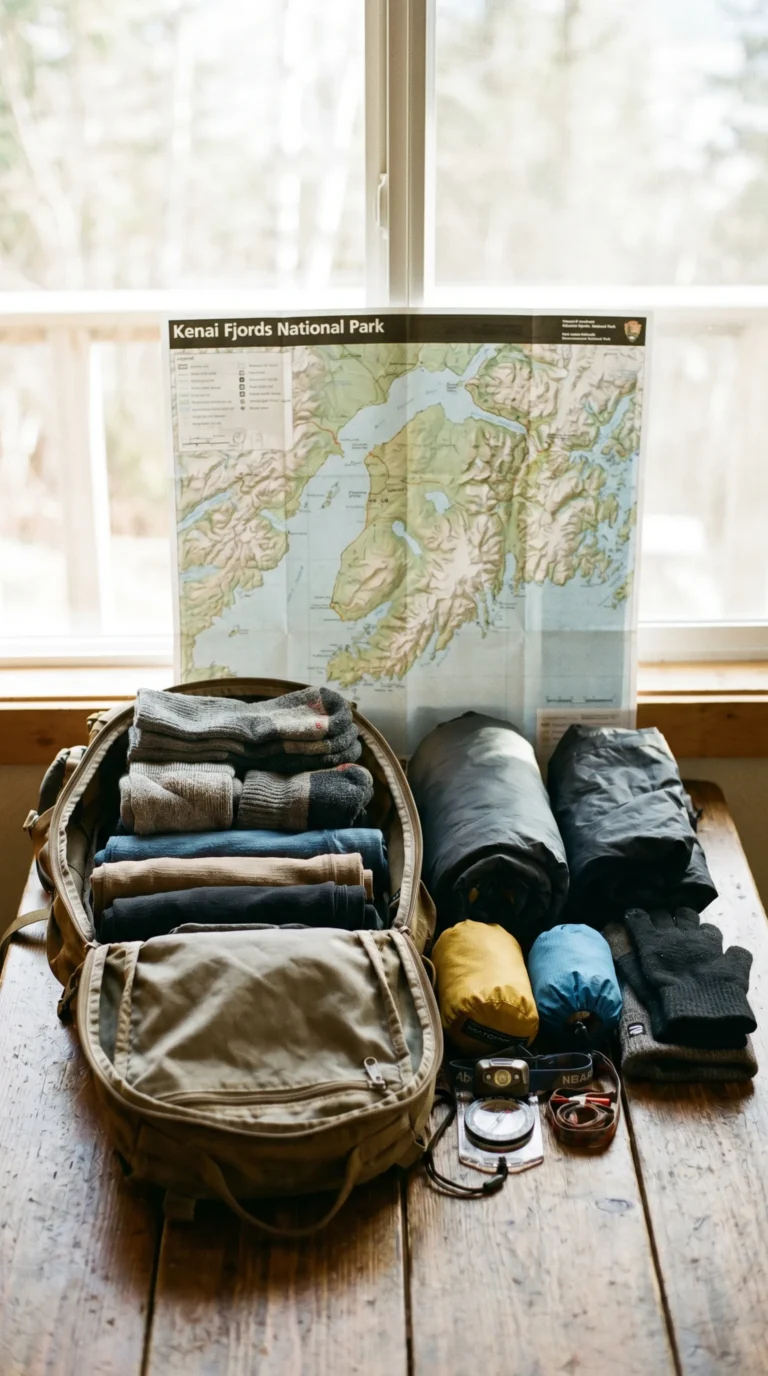
Kenai Fjords National Park demands smart packing because coastal weather shifts without warning. Use compression bags or packing cubes to keep your base layers and mid-layers organized in your bag. You’ll change clothes more often than you expect when the weather turns or you layer up for a boat tour, and digging through a chaotic suitcase is no fun when you’re cold and wet.
Bring at least two pairs of gloves. Wet gloves on day two make you miserable, and rotating them each evening gives the damp pair time to dry. The same goes for socks: pack more than you think you’ll need.
A small dry bag protects electronics, extra socks, and snacks on boat tours where spray soaks everything not properly sealed. I learned this the hard way when my phone got drenched on a glacier cruise.
Sunglasses with UV protection are essential even on cloudy days. Glacier reflection amplifies UV exposure and can cause snow blindness. Pair them with lip balm that includes SPF and sunscreen rated SPF 30 or higher. The combination of wind, cold, and reflected light chaps skin fast.
Trekking poles help on steep descents and when crossing streams swollen with glacial melt. Collapsible models fit easily in checked luggage and save your knees on trails like Harding Icefield.
A small backpack in the 20 to 30 liter range carries layers you shed, water, snacks, and rain gear without weighing you down on all-day hikes. Look for one with good padding and external straps for securing extra gear.
Frequently Asked Questions
What kind of clothing should I wear on Kenai Fjords boat tours?
You should wear multiple layers including a moisture-wicking base, insulating fleece or down, and a waterproof outer shell with hood. Boat tours expose you to cold ocean winds and spray, even in summer, so temperatures on the water feel 10 to 20 degrees cooler than on land. I always bring a warm hat and gloves, plus waterproof pants if the tour operator doesn’t provide them. Skip cotton completely because it holds moisture and leaves you chilled. Synthetic or merino wool fabrics work best for staying warm when conditions get damp.
Do I need waterproof boots for hiking in Kenai Fjords in summer?
Yes, waterproof hiking boots with good ankle support are essential for summer trails in Kenai Fjords. Trails often cross snowmelt streams, muddy sections, and wet vegetation that will soak through regular shoes within minutes. I learned this the hard way on the Harding Icefield Trail when my feet were soaked by mile two. Even on sunny days, morning dew and afternoon rain showers are common. Boots with a high ankle cut also protect against rocks and roots on uneven terrain.
What is the best time to visit Kenai Fjords for hiking and wildlife?
Late May through early September offers the best conditions for hiking and wildlife viewing in Kenai Fjords. Peak season runs from mid-June through August when trails are mostly snow-free and whales, puffins, and sea otters are most active. July brings the warmest weather and longest daylight hours, though it also draws the biggest crowds. If you want fewer visitors and don’t mind cooler temperatures, late May or September can be excellent. Bear activity peaks in July and August along salmon streams.
Should I pack hand warmers for a summer trip to Kenai Fjords?
Yes, disposable hand warmers are worth packing for boat tours and early morning hikes, even in summer. Temperatures on the water rarely climb above 50°F, and wind chill makes it feel much colder during multi-hour cruises. I keep a pair in my jacket pockets on every boat tour and have never regretted having them. They weigh almost nothing and take up minimal space in your daypack. You might not use them every day, but when your fingers go numb watching a glacier calve, you’ll be grateful they’re there.
Can I get by with regular rain gear or do I need specialized layers?
Regular quality rain gear works fine if it’s really waterproof with sealed seams and a protective hood. You don’t need expensive expedition-grade shells, but flimsy disposable ponchos won’t hold up to the persistent mist and wind common in the park. Look for breathable waterproof jackets that let sweat escape during active hikes. Rain pants are just as important as a jacket since wet legs drain body heat quickly. I prefer gear with pit zips and leg vents for temperature control when conditions change throughout the day.