Estimated reading time: 18 minutes
Last updated: September 2026
Table of Contents
- Does Santa Maria Have Sandy Beaches?
- Top Attractions and Things to Do on Santa Maria Island
- Where to Stay on Santa Maria Island
- How to Get to Santa Maria Island
- Day Trips from Santa Maria Island
- Best Time to Visit Santa Maria Island
- Santa Maria Island FAQ
Does Santa Maria Have Sandy Beaches?
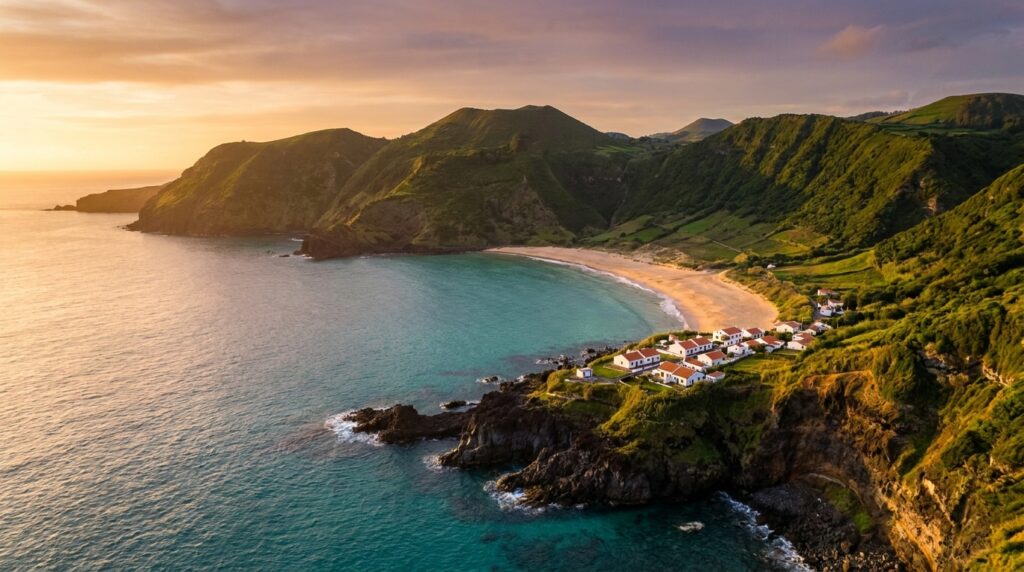
Yes — Santa Maria is the only island in the Azores with golden-sand beaches. Praia Formosa, a broad sweep of pale sand, is the best known, and the sea here is the warmest in the archipelago at around 23 °C in summer. As the oldest and sunniest Azorean island — 25% more sunshine than São Miguel — it comes closest to a classic beach escape, paired with vineyards, fossil-rich cliffs and quiet white villages.
Research Behind This Guide
This guide draws from official Azores tourism resources, regional government data, and authentic traveler reviews current as of writing. Since conditions and services can change, we recommend checking local tourism websites before planning your trip to Santa Maria.
Want to see Santa Maria’s golden beaches for yourself? Watch our Santa Maria Island travel documentary in 4K Ultra HD.
Is Santa Maria Island worth visiting? Yes, if you want the Azores without the crowds and rain. Santa Maria Island Azores sits 81 kilometers southeast of São Miguel. It’s the archipelago’s oldest island, formed 8.12 million years ago according to the Azores Geopark. That age shows in the landscape. The volcanic peaks have eroded into rolling hills. The soil is red clay, not black basalt.
What is Santa Maria Island known for? Beaches. Real ones. Golden sand beaches line the southern coast, Praia Formosa, Baía de São Lourenço. Every other island in the Azores has black volcanic sand or pebbles. Santa Maria’s sand came from marine fossils and shell fragments, crushed over millions of years. The water is turquoise, not the steel-gray Atlantic you see elsewhere.
The climate is different too. Santa Maria receives about 2,200 hours of sunshine per year, compared to roughly 1,760 hours on São Miguel, per Portuguese meteorological institute data. Less rain. Warmer air. Locals grow grapes in terraced vineyards near Maia. You’ll see cacti on the hillsides.
The island measures 16.6 kilometers long and 9.1 kilometers wide. Population: 5,400 people. Most live in Vila do Porto, the capital. Tourism is minimal. You won’t find resort hotels or tour buses. What you will find: fossil cliffs from the Miocene epoch, dive sites with 30-meter visibility, and villages where fishermen still mend nets by hand. Visit Azores – Santa Maria Island has official details on sites and logistics.
This guide covers where to stay, how to get there, what to see, and whether day trips to São Miguel make sense. No fluff. Just the details you need to decide if Santa Maria fits your trip.
Top Attractions and Things to Do on Santa Maria Island
Planning Tip
Praia Formosa, Santa Maria’s signature golden sand beach, stretches 200 meters along a sheltered bay and offers the Azores’ warmest swimming waters from June through September with average temperatures of 23°C.
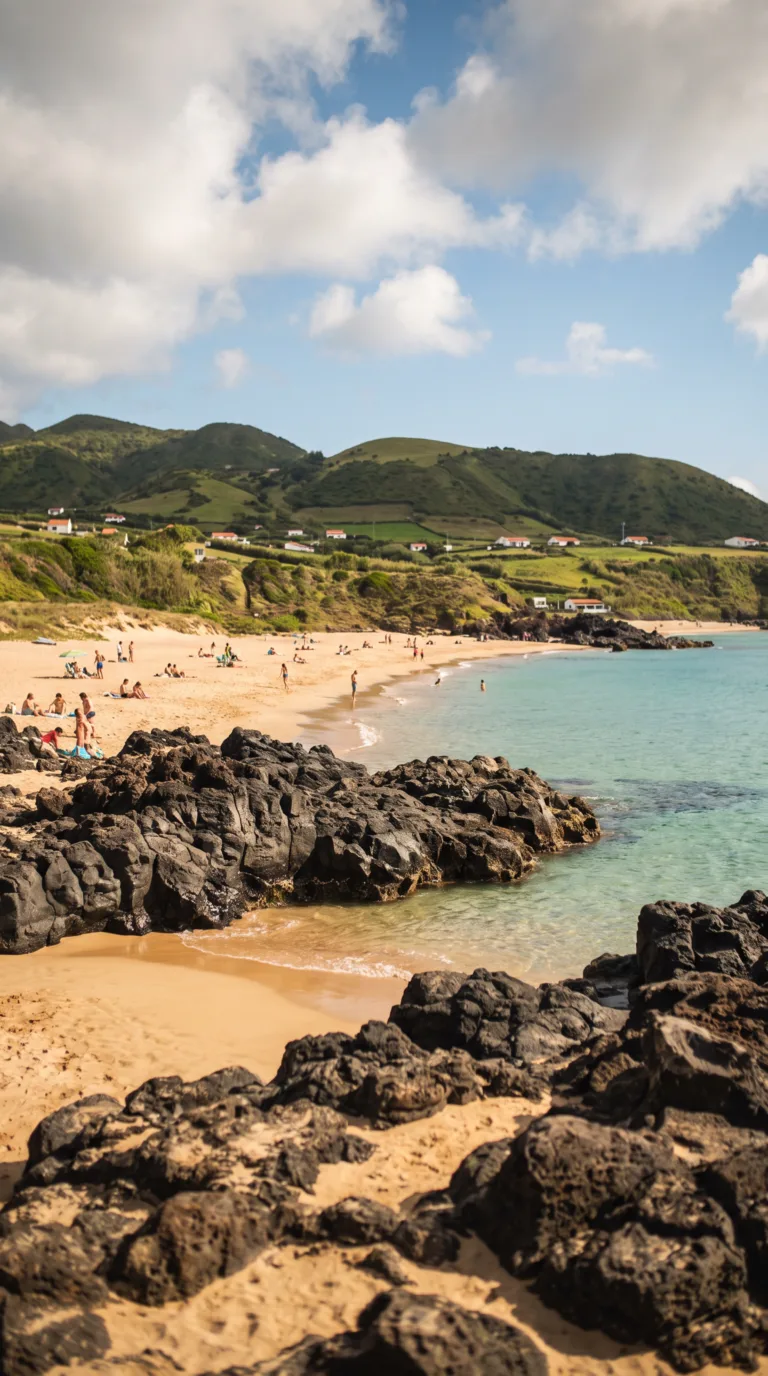
Praia Formosa is the island’s postcard beach. Golden sand fills a crescent bay. Calm water laps at the shore. You can swim here without gasping at the cold, rare in the Azores. Most islands have black volcanic sand that bakes your feet. Santa Maria breaks the mold.
The beach sits in a natural amphitheater. Green hills frame the bay. Volcanic rock formations jut from the sand on both ends. Locals pack the beach in August. Arrive before 11 a.m. to claim a spot. The water stays shallow for 30 meters out, ideal for kids.
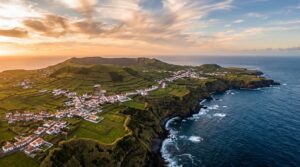
Beyond Praia Formosa, Praia de São Lourenço offers natural tidal pools carved into basalt. The pools trap warm seawater at low tide. Maia beach on the north coast is rockier, less crowded. Anjos bay has a small harbor and a pebble beach where locals fish from the pier.
Santa Maria ranks among the Azores’ top dive destinations. Mantamaria Dive Center operates year-round dives to 18 sites around the island. Underwater visibility averages 20 to 30 meters, according to the Azores dive operators association. Manta rays glide past between June and October. You might spot devil rays, grouper, and barracuda. Water temperature hovers around 18°C in summer, bring a 5mm wetsuit.
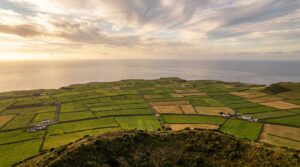
Barreiro da Faneca is a red desert in miniature. Ochre clay slopes stretch across a hillside near the airport. The iron-rich soil glows rust-orange under the sun. It looks like Mars. The site formed from ancient volcanic activity and erosion. Walk the short trail loop in 20 minutes.
Marine fossils poke from cliff faces along the coast. Santa Maria is the oldest island in the Azores, over 8 million years old. Seashells and coral fragments sit embedded in rock 100 meters above sea level. You can spot them near Pedreira do Campo quarry without a guide.
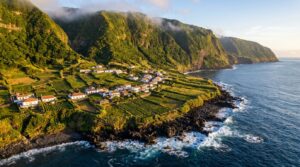
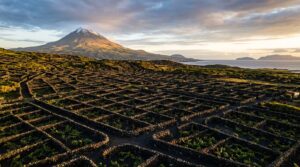
Terraced vineyards climb the hillsides around Santo Espírito parish. Stone walls divide tiny plots. Locals produce Vinho de Cheiro, a light white wine unique to Santa Maria. You won’t find it exported, drink it at a local tasca. The August festivals celebrate the harvest with music, grilled fish, and free-flowing wine.
Hiking trails crisscross the island. The Pico Alto trail climbs to the island’s highest point at 587 meters. The summit offers 360-degree views, ocean in every direction. On clear days you can see São Miguel Island 80 kilometers away. The hike takes 90 minutes up, 60 minutes down.
Santa Maria measures 16 kilometers end to end. You can drive the coastal loop in two hours. Most visitors explore the island in two or three days. Visit Portugal – Azores provides trail maps and event calendars for trip planning.
Where to Stay on Santa Maria Island
Santa Maria Island has approximately 15 registered tourist accommodations concentrated in Vila do Porto, ranging from €50-120 per night, with advance booking essential during July-August peak season.
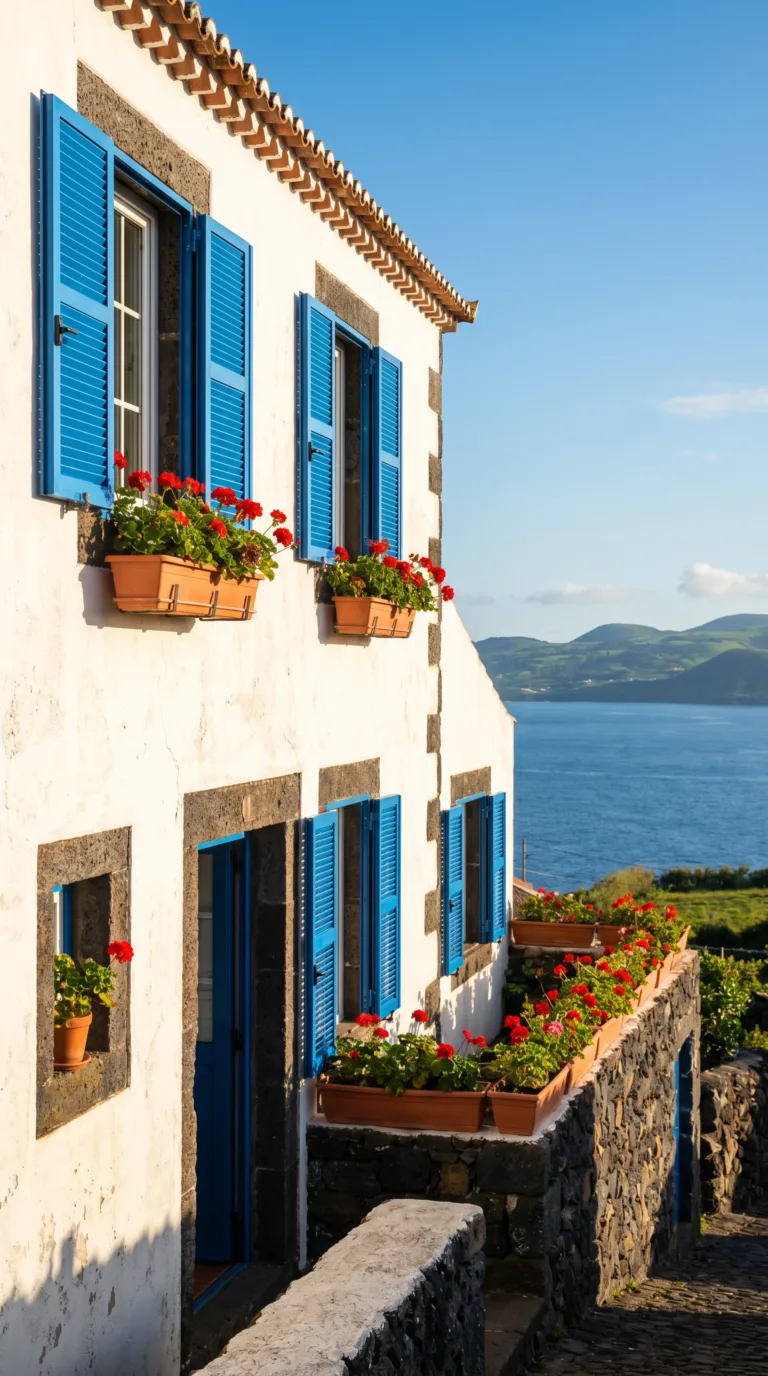
Santa Maria is tiny. The lodging landscape reflects that reality. You won’t find big chain hotels or large resorts. What you get instead: small family-run guesthouses, rural tourism houses, and a handful of modest hotels. Most cluster in Vila do Porto, the island’s only real town.
Vila do Porto makes the best base. It’s central. The airport sits just outside town. You’ll find restaurants, a supermarket, the ferry terminal, and the island’s limited services all within walking distance. Book here unless you have a specific reason to stay elsewhere.
Accommodation types break down like this: pensões (simple guesthouses), turismo rural properties (converted farmhouses or traditional homes), and vacation rentals. According to the Turismo de Portugal Accommodation Registry, the island has around 15 registered tourist lodgings total. That’s it. The Visit Azores – Accommodations portal lists current availability.
Book early. July and August fill up fast when Portuguese mainlanders arrive for summer festivals. Rates run €50-120 per night depending on season and property type, cheaper than São Miguel. Most places include breakfast. Good thing, too. Dining options thin out quickly outside Vila do Porto.
Want beach access? Look for places near Praia Formosa on the south coast. Just know you’ll need a car to reach town for groceries and meals.
How to Get to Santa Maria Island
Santa Maria Airport (SMA) receives 4-6 daily SATA Air Açores flights from Ponta Delgada with a flight time of 25 minutes, plus seasonal summer ferry service operating twice weekly.
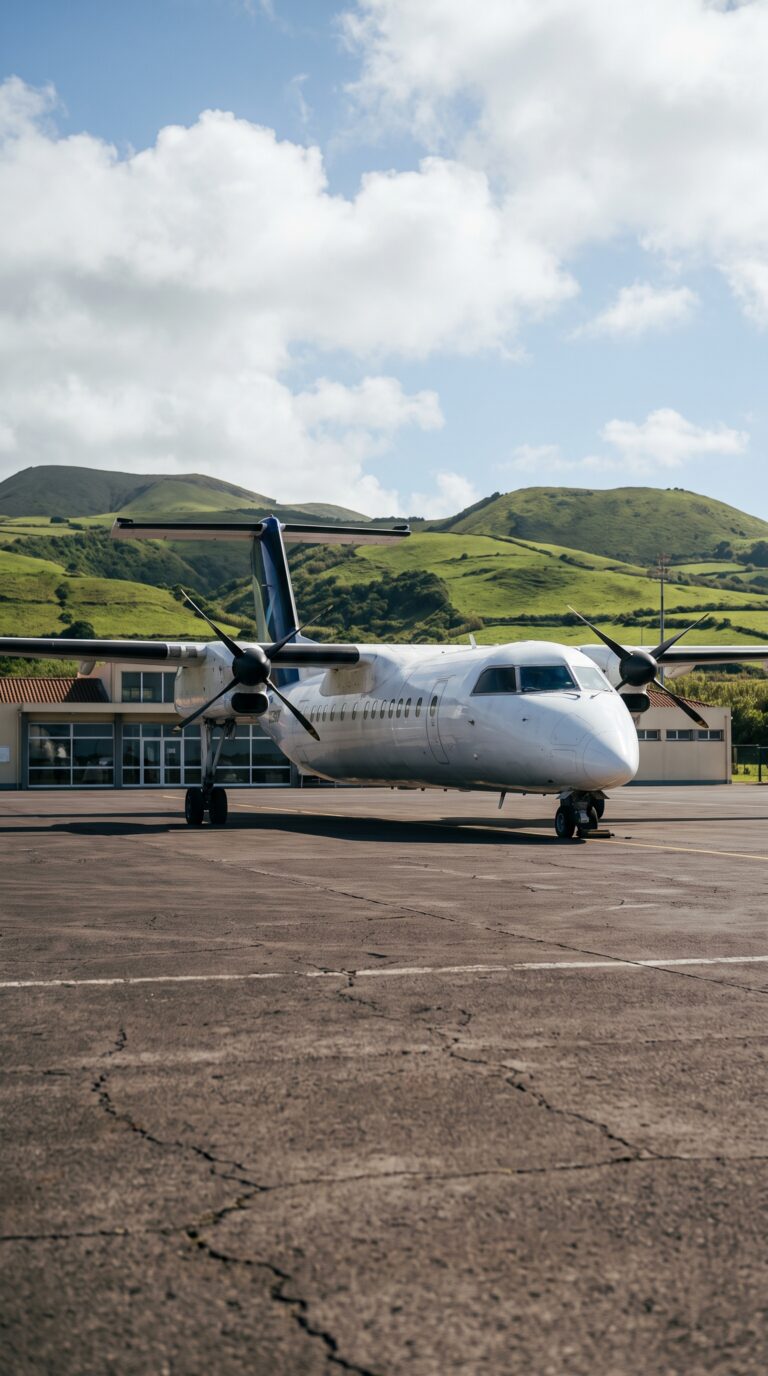
Santa Maria Airport is the island’s only airport. It’s one of the oldest in the Azores. The airport code is SMA. You’ll find it just outside Vila do Porto.
SATA Air Açores operates regular flights from Ponta Delgada on São Miguel. The flight takes 25 minutes. During peak season, expect 4-6 flights daily according to SATA’s published schedule. Small propeller planes handle most routes. Book early, capacity is limited.
Most international visitors fly into Ponta Delgada (PDL) first. Then they take the short hop to Santa Maria. Seasonal direct flights from Lisbon run during summer months. You might catch occasional connections from Terceira, but they’re unreliable.
The summer ferry is an option. Atlanticoline runs service from São Miguel. The crossing takes 2.5 hours. Per Atlanticoline’s 2026 schedule, ferries operate twice weekly from June through September. Not a daily service. Plan accordingly.
Car rental is essential on Santa Maria. The island spans just 97 km². You can see everything in a day or two by car. Rental desks operate at Santa Maria Airport (ANA Aeroportos) and in Vila do Porto. Book ahead, inventory is tight during summer.
Public transport barely exists here. Taxis are scarce. Don’t count on either. Rent a car or you’ll be stuck in Vila do Porto watching other tourists drive past.
Day Trips from Santa Maria Island
São Miguel Island lies just 25 minutes by air from Santa Maria with 4-6 daily flights, making day trips to Sete Cidades, Furnas hot springs, and Ponta Delgada easily achievable with 8-10 hours of exploration time.
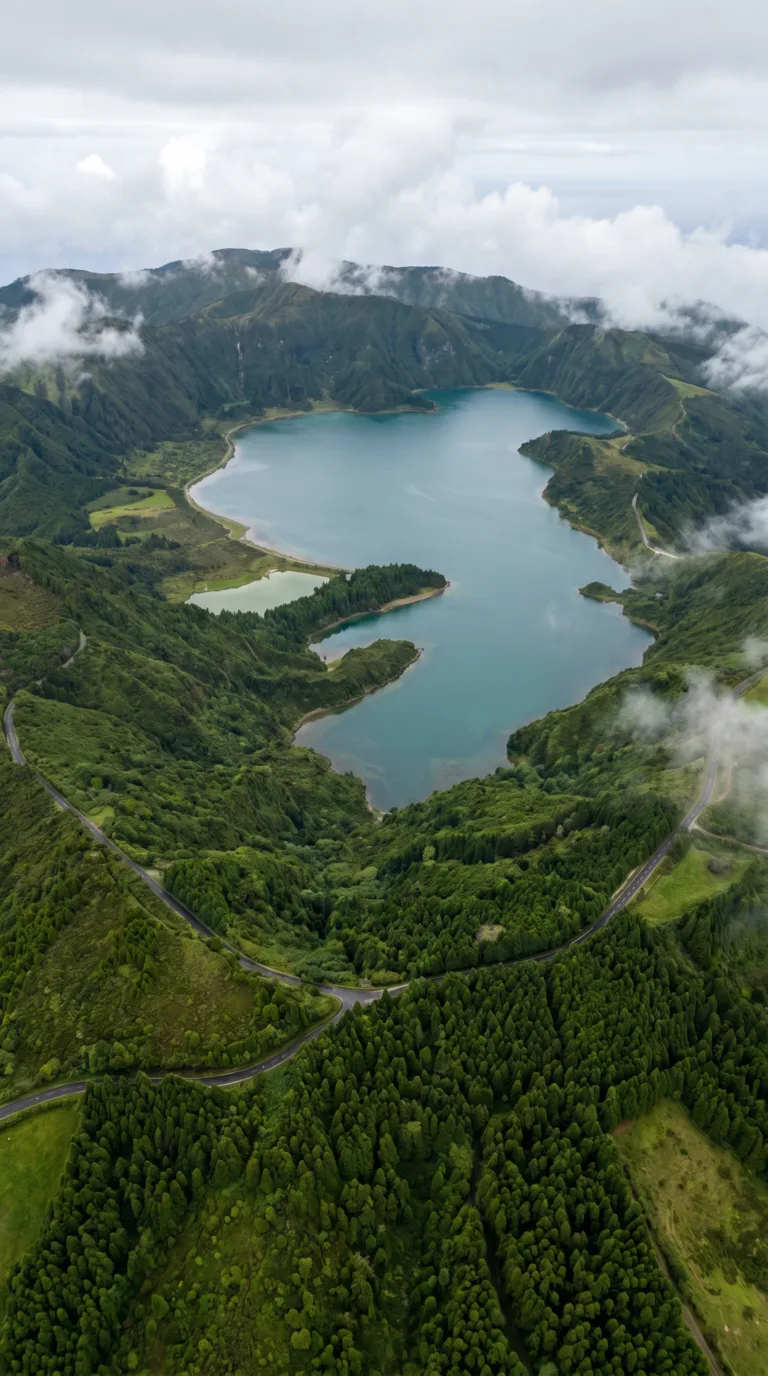
Santa Maria is quiet. Small. But it’s your gateway to the rest of the Azores.
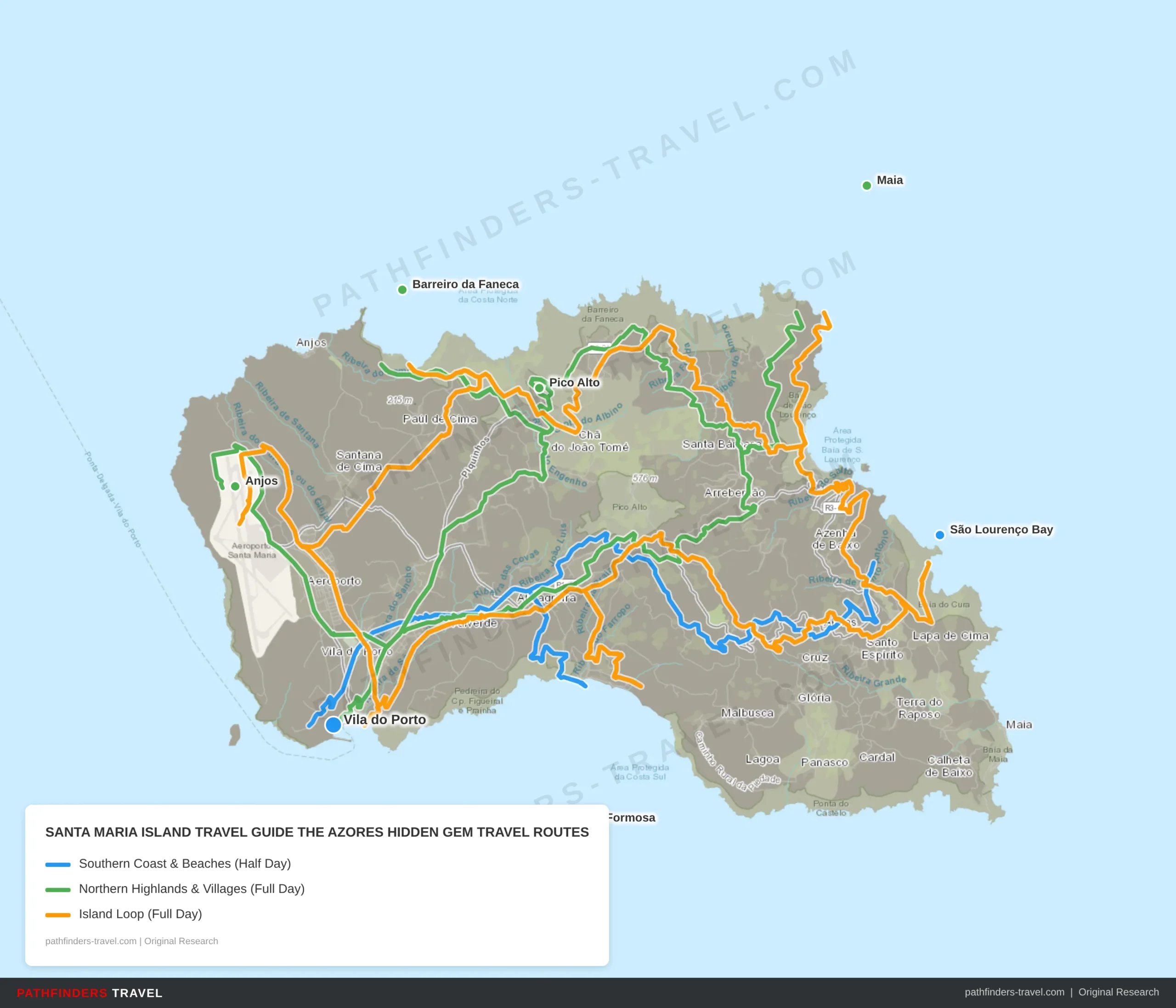
| # | Stop | Highlights | Drive Time |
|---|---|---|---|
| 1 | Vila do Porto | Island capital; stock up on supplies, explore the historic fortress (Forte de São Brás), and grab pastéis at a local café before heading out. | Start |
| 2 | Praia Formosa | Santa Maria’s signature golden sand beach in a sheltered crescent bay. Warmest swimming in the Azores (23°C in summer), shallow entry perfect for families. Arrive before 11am in August. | 10 min |
| 3 | São Lourenço Bay | Natural basalt tidal pools that trap warm seawater at low tide. Excellent snorkelling and dramatic coastal scenery. Check tide times before visiting. | 20 min |
| # | Stop | Highlights | Drive Time |
|---|---|---|---|
| 1 | Vila do Porto | Start early from the capital. Pick up a picnic lunch at the market, local cheese, chouriço, and fresh bread are ideal trail food. | Start |
| 2 | Pico Alto | Santa Maria’s highest point at 590m. Wide views across the whole island and on clear days out to São Miguel. Short walking trails from the summit road. | 20 min |
| 3 | Barreiro da Faneca | Surreal ochre-red clay desert, one of the Azores’ most unexpected landscapes. Eroded volcanic clay forms a Martian plateau. Best photographed in late afternoon light. | 15 min |
| 4 | Maia | Traditional north-coast village surrounded by terraced vineyards. Rockier beach below the village. Locals grow grapes here, one of very few wine-producing spots in the Azores. | 15 min |
| 5 | Anjos | Quiet fishing hamlet with a small harbour, pebble beach, and a chapel marking where Columbus reportedly stopped on his return from the Americas in 1493. Fishermen still mend nets by hand. | 20 min |
| # | Stop | Highlights | Drive Time |
|---|---|---|---|
| 1 | Vila do Porto | Begin and end here. Fuel up, grab breakfast, and collect a printed island map from the tourist office on the main square. | Start |
| 2 | Praia Formosa | Morning swim before the beach fills up. 200m of golden sand, calm turquoise water, beach bar open from late June. | 10 min |
| 3 | São Lourenço Bay | Tidal pools and coastal walking trail along dramatic sea cliffs. Mantamaria Dive Center runs boats from here, book ahead for manta ray dives (June, October). | 20 min |
| 4 | Maia | Lunch stop in the north. Try the local wine and grilled limpets (lapas) at a village café. Vineyard terraces make for scenic photos. | 30 min |
| 5 | Barreiro da Faneca | The island’s strangest sight, a sweeping red clay plateau unlike anything else in the Azores. Short walk around the perimeter takes 30 minutes. | 15 min |
| 6 | Anjos | Late afternoon at the Columbus chapel and harbour. Watch fishing boats return. Quiet pebble beach for a final swim before the drive back. | 10 min |
| 7 | Vila do Porto | Return to the capital for dinner. Try Restaurante Atlântida for grilled local fish and Santa Maria wine. | 25 min |
São Miguel Island is the obvious first choice. According to SATA Air Açores, flights run 4-6 times daily between Santa Maria and Ponta Delgada, 25 minutes in the air, €60-€90 round-trip. You land by 9 AM, rent a car at the airport, and you’ve got the whole day.
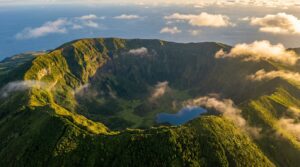
Sete Cidades is the postcard shot. Twin crater lakes, one blue, one green, sitting in a volcanic caldera. Drive the rim road for overlook views. It’s 30 minutes west of Ponta Delgada. Pack a lunch. There’s not much else up there.
Furnas sits on the opposite side of the island. Hot springs bubble through the ground. The Terra Nostra Botanical Garden has a thermal pool the color of rust, €17 entry, bring an old swimsuit because the iron stains. Walk through the fumaroles where locals cook cozido das Furnas, meat and vegetables buried in volcanic steam pits for six hours. Restaurants serve it for lunch around €15-€18.
Lagoa do Fogo is the third major crater lake. Higher elevation. Fewer tourists. The access road is steep and narrow. If you’re doing a full-day São Miguel loop, hit Lagoa do Fogo on the drive between Ponta Delgada and Furnas.
Ponta Delgada itself is worth two hours. The historic center has black-and-white cobblestone plazas, a covered market selling local cheese and passion fruit, and enough cafes to kill time before your evening flight. The Portas da Cidade gates mark the old harbor entrance.
Other São Miguel stops if you have time: Nordeste on the eastern tip has cliff viewpoints over green valleys. Ponta da Ferraria on the west coast has thermal pools where ocean waves mix with hot spring water, free, but only swimmable at low tide. Caldeira Velha is a roadside hot spring with a small waterfall and changing rooms, €10 entry. Gorreana Tea Plantation grows Europe’s only commercial tea, free tours, free samples. Mosteiros is a black sand beach with sea stacks offshore. Ilhéu de Vila Franca do Campo is a volcanic crater islet turned nature reserve, summer boat trips only, €15-€20.
Terceira Island is the second-best day trip option. Flights from Santa Maria take 35 minutes. Angra do Heroísmo is a UNESCO World Heritage city, Portuguese colonial architecture, cobblestone streets, fortifications overlooking the harbor. Algar do Carvão is a volcanic cave you can walk into, stalactites, an underground lake, €10 entry. Serra do Cume viewpoint looks over a patchwork of stone-walled fields that date back centuries.
Faial Island requires more planning. Horta is a mid-Atlantic sailing hub, yachts from everywhere, a marina wall covered in painted boat names, Peter Café Sport serving gin and tonics since 1918. Capelinhos Volcano erupted in 1957 and left a moonscape of ash and lava. The interpretation center is built half-buried in the debris. Caldeira do Faial is a massive crater filled with hydrangeas.
Pico Island sits across the channel from Faial. Mount Pico is Portugal’s highest peak at 2,351 meters, summit hikes take 6-8 hours round-trip. Pico Island Vineyards are another UNESCO site, stone-walled plots growing grapes in black volcanic soil. The wine tastes like minerals and salt air.
The western islands, Flores Island, Corvo Island, Graciosa Island, are too far for day trips. Flores has waterfalls and vertical cliffs. Corvo is the smallest and most remote, 430 residents, one village, one volcanic crater. Graciosa has lava caves and thermal springs. All three need overnight stays.
Logistics matter. Day trips work best to São Miguel and Terceira. Book the first morning flight out, the last evening flight back. Rent a car at the destination airport, €30-€50 per day. Pack snacks. Gas stations are sparse outside main towns.
For islands beyond São Miguel and Terceira, plan multi-day trips. Visit Azores lists tour operators offering island-hopping packages. SATA Air Açores sells multi-island passes if you’re visiting three or more islands, saves about 15% versus buying individual tickets.
Santa Maria is the quiet base. The other islands are the main event.
Best Time to Visit Santa Maria Island
Santa Maria Island receives 2,200 annual sunshine hours (25% more than São Miguel) with peak beach season from June to September when daytime temperatures average 24°C and water reaches 23°C.
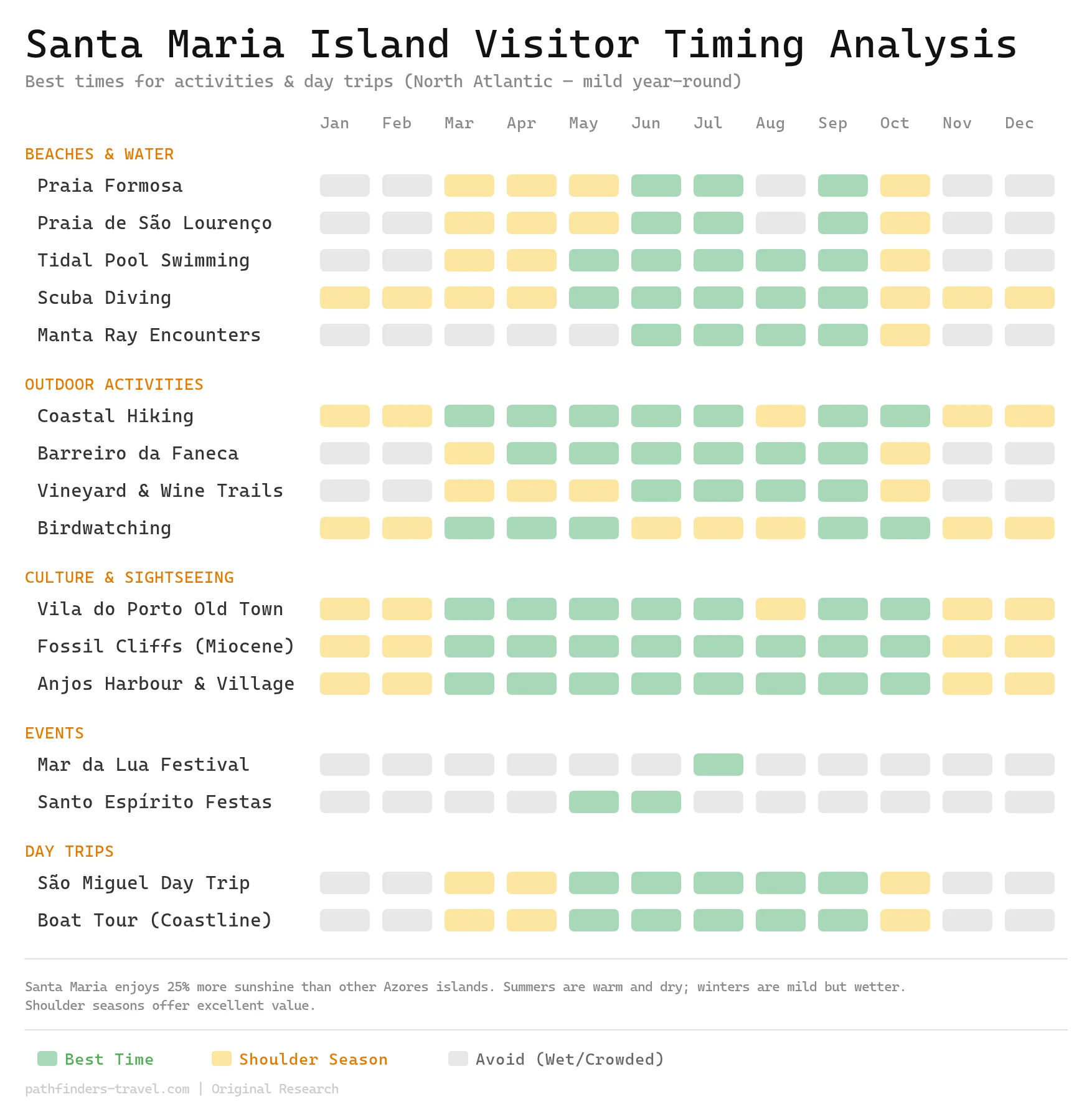
Santa Maria has a microclimate. It’s the driest, sunniest island in the Azores. Less rain. More blue sky. According to the Portuguese Institute for Sea and Atmosphere (IPMA), Santa Maria logs roughly 2,200 hours of sunshine per year, about 25% more than São Miguel. That matters when you’re planning beach days.
May through October is your window. Water temperatures climb to 23°C by August. Air temps hover between 23°C and 26°C. You can swim. You can hike without getting drenched. July and August are peak season. Locals flood the island for festivals. Accommodation prices spike. Book early or you’ll scramble.
The shoulder months, May, June, September, October, give you breathing room. Fewer tourists. Lower prices. Weather’s still good. You’ll get sun without the crowds at Praia Formosa.
Winter (November to April) cools down. Wetter, yes. But milder than mainland Europe. Good for hiking if you don’t mind clouds. Some restaurants and guesthouses close. Check ahead.
August brings the Festas do Espírito Santo and Mare de Agosto festivals. Cultural gold. Also: very crowded. The island swells with visitors. If you want authentic local energy, go then. If you want quiet beaches, avoid it.
Weather shifts fast even in summer. Pack a light jacket. Bring hiking shoes, swimwear, and sun protection. The island’s small, 2 to 3 days covers most sights. Ideal as part of a multi-island Azores trip. Check the IPMA Weather Forecast before you fly. Browse the Azores Events Calendar to time your visit around festivals.
Frequently Asked Questions
How do I get to Santa Maria Island?
Fly into Ponta Delgada (PDL) on São Miguel Island first. SATA Air Açores runs 4-6 daily flights with Ponta Delgada and Santa Maria Airport (SMA), the flight takes 25 minutes. Book early. The small propeller planes fill up fast during summer. A summer ferry service operates twice weekly from São Miguel. The crossing takes 2.5 hours. Flights cost around €80-120 round-trip depending on season. The ferry runs €40-60 per person but only operates June through September.
Is Santa Maria Island, Azores worth visiting?
Yes, if you want golden sand beaches (the only ones in the Azores), clear diving waters, and fewer tourists than São Miguel. Allocate 2-3 days as part of a multi-island trip. Beach lovers and divers get the most value here. The island has the sunniest weather in the archipelago, around 300 sunny days per year according to Portuguese meteorological data. Skip it if you only have 3-4 days total in the Azores. Spend that time on São Miguel instead. Santa Maria works best for travelers doing a week or more across multiple islands.
What is Santa Maria Island known for?
Santa Maria is the oldest island in the Azores at 8.12 million years old. Praia Formosa has the archipelago’s only golden sand beaches, everywhere else is black volcanic sand. The island gets the driest, sunniest climate in the Azores. Divers come for manta ray sightings and 30-meter visibility. Barreiro da Faneca looks like Mars, red clay desert with zero vegetation. Marine fossils stick out of coastal cliffs. Traditional vineyards cover the southern slopes. Wine production here predates most other Azorean islands.
Where is Santa Maria Island?
Santa Maria sits 81 km south of São Miguel in the eastern Azores group. It’s the southernmost island in the archipelago, roughly 1,400 km west of mainland Portugal in the Atlantic Ocean. Coordinates: 36.97°N, 25.17°W. The island is closer to the Mid-Atlantic Ridge than any other inhabited Azorean island.
How many days do you need on Santa Maria Island?
Two to three days covers the main sights without rushing. The island measures 97 km², you can drive the perimeter in under three hours. Day one: hit Praia Formosa and São Lourenço Bay for beaches and coastal views. Day two: explore Barreiro da Faneca, vineyards, viewpoints, and Vila do Porto. Day three: book a diving excursion or take the ferry back to São Miguel. A long day trip from São Miguel is possible but you’ll miss the relaxed pace. Stay overnight to actually enjoy the island.