Estimated reading time: 16 minutes
Last updated: 16 September 2026
Table of Contents
- Is Gorreana Tea Plantation Free to Visit?
- What to See and Do at Gorreana Tea Plantation
- Dining at Gorreana Tea Plantation
- Getting to Gorreana Tea Plantation
- Day Trips from Gorreana Tea Plantation
- Practical Tips for Visiting Gorreana
- Frequently Asked Questions
Is Gorreana Tea Plantation Free to Visit?
Yes — Gorreana is completely free to visit, with no ticket and no booking required. Founded in 1883 on São Miguel, Europe’s oldest and only commercial tea estate opens its working factory for free self-guided or guided tours, pours unlimited complimentary tastings of its pesticide-free black and green teas, and lets you wander 32 hectares of volcanic tea fields. It runs Monday to Friday 8am–6pm and weekends 9am–6pm.
How We Researched This
This guide draws from official Azores tourism data, Gorreana’s published records, and footage documentation verified as of writing. Since Gunnar hasn’t visited in person, we recommend checking the plantation’s website directly for current visiting hours and seasonal details.
Curious what Europe’s only tea plantation looks like? Watch our Azores travel documentary in 4K Ultra HD.
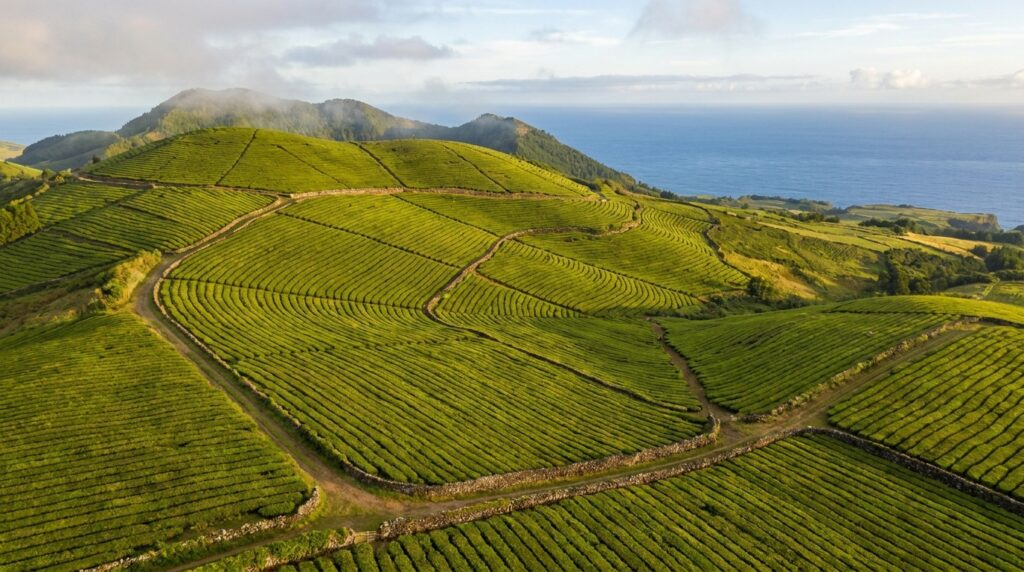
Tea plantations don’t exist in Europe. Except this one. Gorreana Tea Plantation sits on the northern coast of São Miguel, the largest island in the Azores archipelago. Rows of tea bushes blanket 32 hectares of volcanic hillside, a landscape that looks lifted from Asia and dropped into the Atlantic.
Ermelinda Gago da Câmara established the estate in 1883 when orange blight devastated the island’s citrus economy. Her family still runs the operation today, five generations later. The plantation produces both black and green tea using methods that haven’t changed much in 143 years. No pesticides. No herbicides. The island’s isolation and year-round humidity make chemicals unnecessary.
You can tour the factory floor for free. Watch workers sort leaves by hand. Sample teas in the tasting room. Walk the trails between tea rows with views down to the ocean. The on-site café serves tea-infused cakes and light meals. No booking required. No admission fee. Just show up during business hours and wander through a working plantation that happens to welcome visitors. Check the Official Gorreana Tea Plantation website for current opening times and tour schedules.
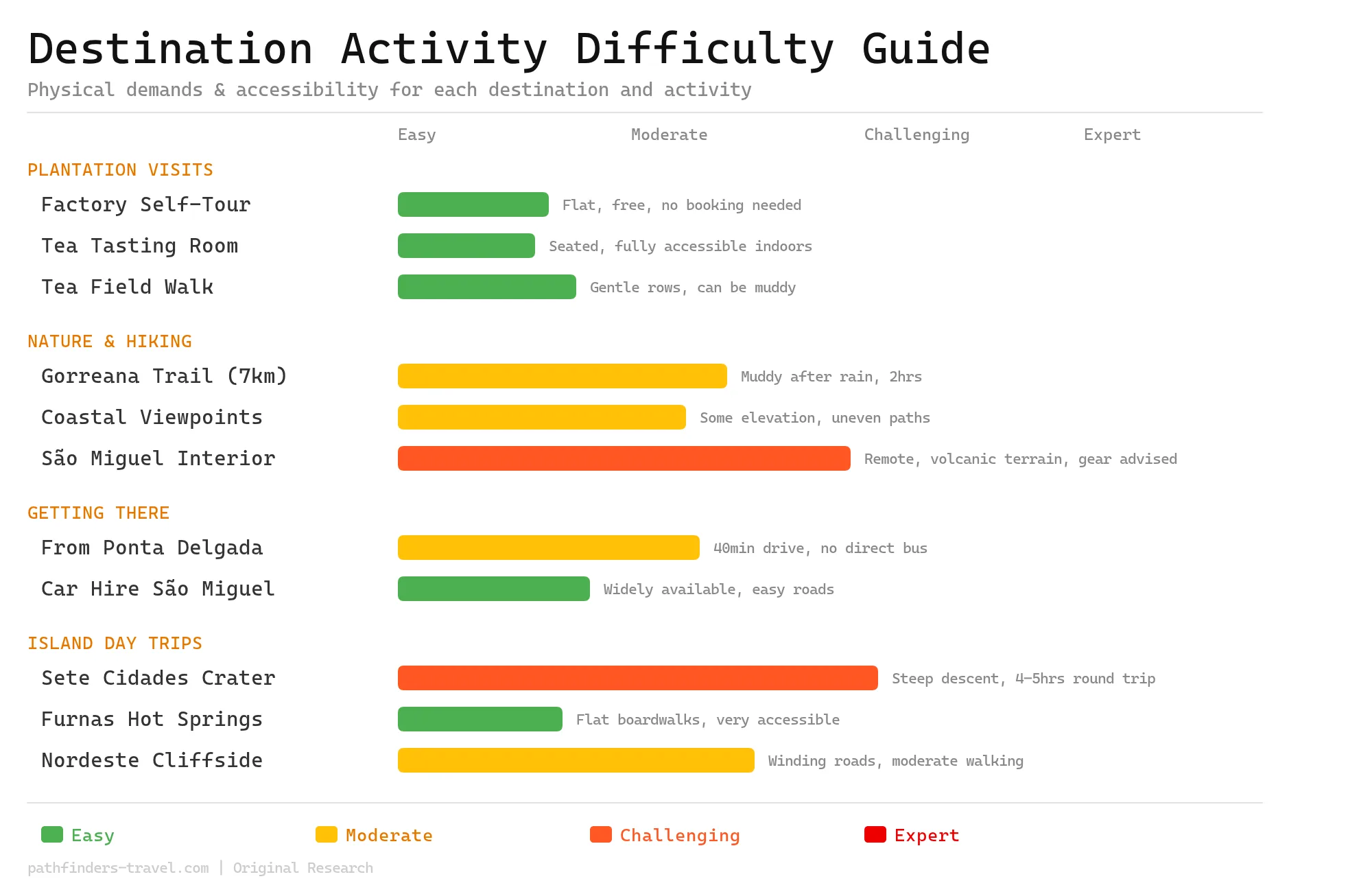
Activity Difficulty Guide
Gorreana Tea Plantation on São Miguel island offers one of the Azores’ most accessible attractions, a free, flat factory tour requiring zero fitness, but the surrounding volcanic landscape spans a wide difficulty range. From gentle boardwalks at Furnas to multi-hour crater descents at Sete Cidades, visitors of all fitness levels will find something suited to them, though muddy trails and limited public transport mean some preparation goes a long way.
What to See and Do at Gorreana Tea Plantation
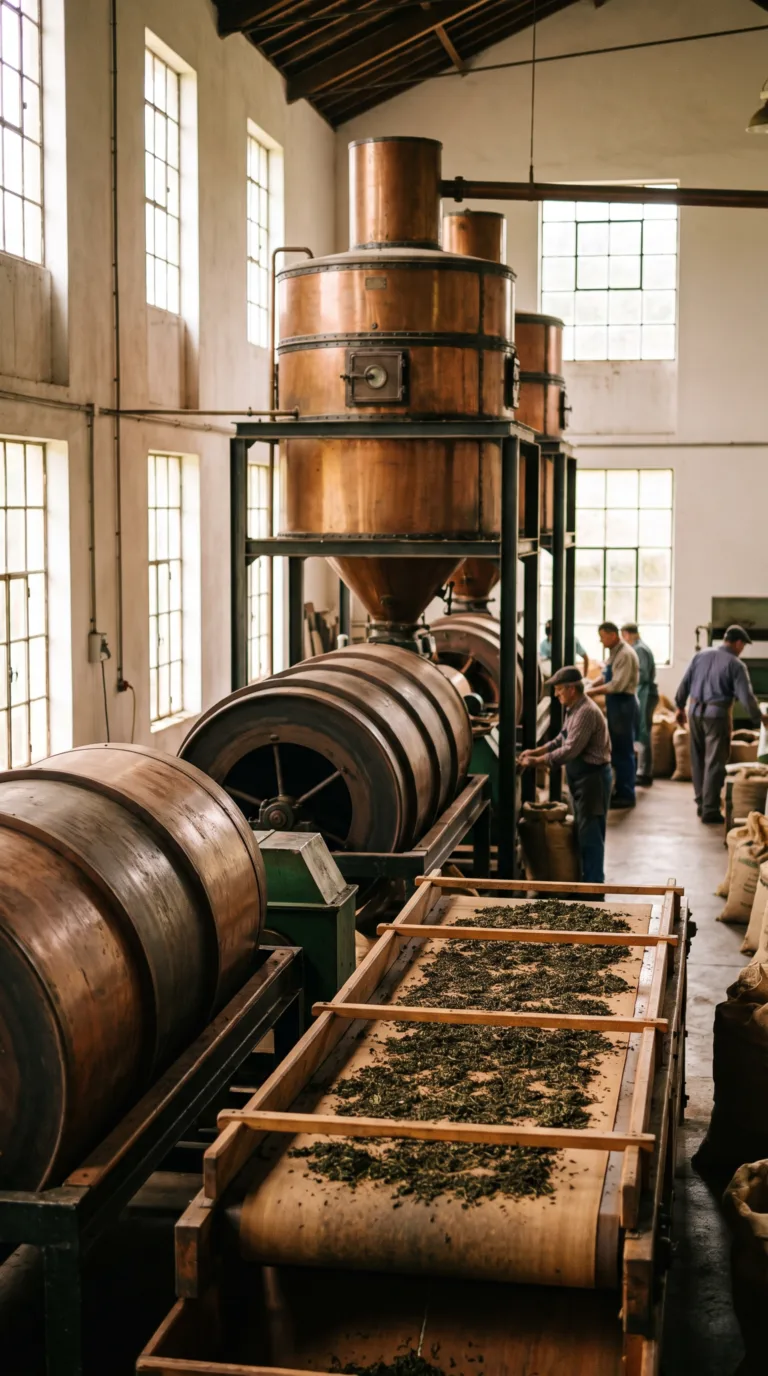
The Gorreana Tea Plantation tour is completely free. No booking required. You walk through the factory while production runs. Workers sort leaves on conveyor belts. Copper drums tumble. The smell hits you first, earthy, grassy, slightly sweet.
The process starts with withering. Fresh leaves dry on racks for 16 to 24 hours. They lose about 70% of their moisture. Next comes rolling, machines twist the leaves to break cell walls and release enzymes. For black tea, oxidation happens in climate-controlled rooms. The leaves turn copper-brown. Green tea skips this step entirely. Finally, drying locks in flavor at precise temperatures. Sorting machines separate leaves by size.
Gorreana produces nine tea varieties according to the plantation’s product catalog. Black teas include Moinha, Broken Leaf, Pekoe, Orange Pekoe, Ponta Branca, and Oolong. Green teas are Hysson, Encosta de Bruma, and Pérola. The differences come down to leaf grade and processing time. Orange Pekoe uses whole leaves. Broken Leaf is exactly what it sounds like. Hysson is the most popular green tea, light, slightly vegetal.
The tasting room sits at the end of the factory tour. Six porcelain cups wait on wooden trays. You sample three black teas and three green teas. No time limit. No pressure to buy. Staff explain the flavor profiles if you ask. Pekoe tastes malty with a hint of cocoa. Hysson is clean and grassy. The water comes from the plantation’s own spring.
The tea fields stretch across 32 hectares of volcanic soil. No pesticides. Ever. The island’s isolation keeps pests away naturally. Atlantic winds and constant mist provide ideal growing conditions. You can walk between the rows. The bushes reach waist height. Geometric patterns cover the hillsides, green lines against red earth.
The Gorreana Tea Plantation trail runs 7 kilometers through the estate according to the official trails list. The path loops through tea fields, past the factory, and up to viewpoints overlooking the Atlantic. Expect mud after rain. The trail takes about two hours at a moderate pace. You’ll see hydrangeas blooming between May and September. The ocean appears in gaps between hills.
The gift shop stocks all nine tea varieties. Prices start at €5 for a 100-gram box. Larger tins cost €12 to €18. They also sell teapots, infusers, and tea-scented soaps. Everything ships internationally if you don’t want to carry it. Credit cards accepted.
Most visitors spend 90 minutes total. Factory tour takes 20 minutes. Tasting another 15. Walking the fields or hiking the trail fills the rest. The Visit The Tea Plantation In São Miguel, Azores page lists current opening hours: Monday to Friday 8 AM to 6 PM and weekends from 9 AM to 6 PM. Production runs Monday through Friday. Weekends mean quieter machinery but the tasting room stays open.
Dining at Gorreana Tea Plantation
Gorreana Tea Plantation’s on-site café serves complimentary tea tastings and sells light refreshments including traditional Portuguese pastries, with indoor and outdoor seating overlooking the tea fields.
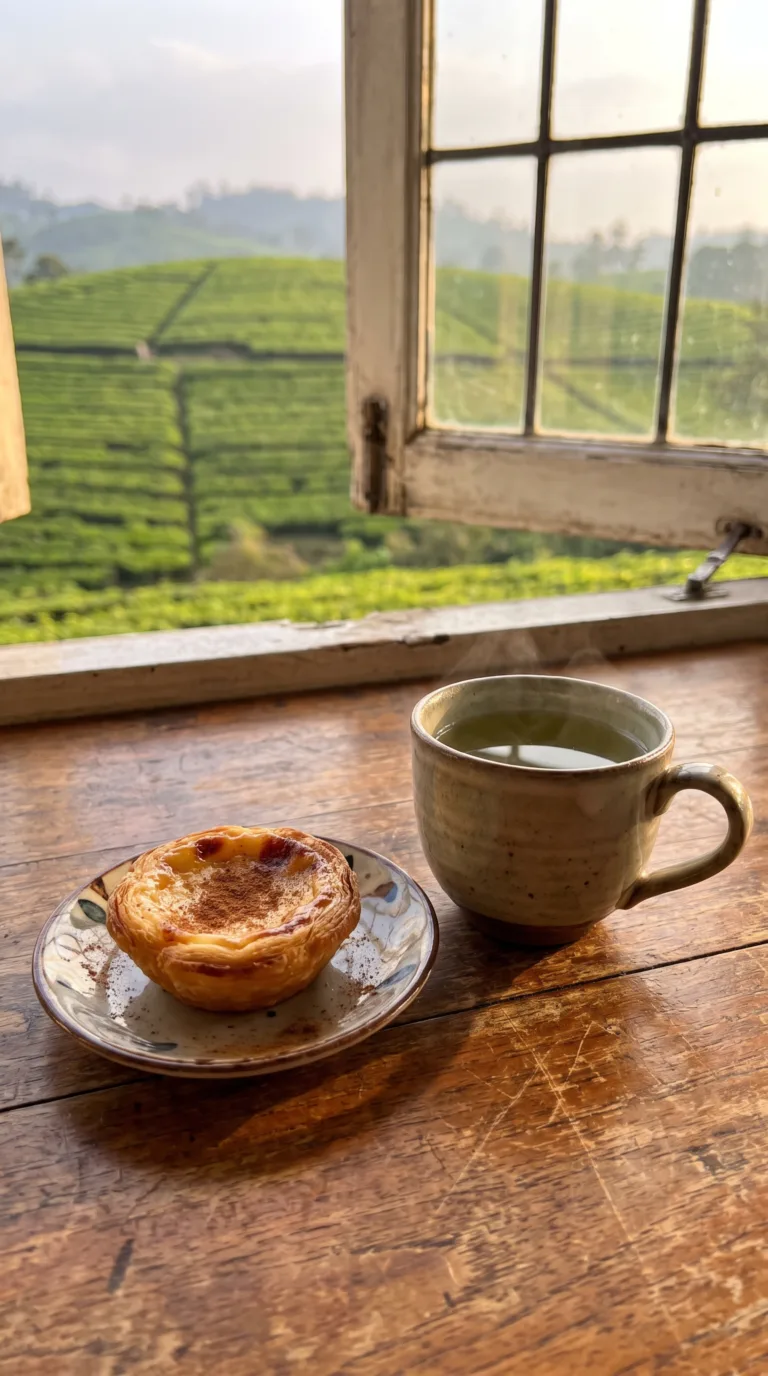
The Gorreana Tea Plantation café sits at the end of the self-guided factory tour. You walk in. Staff pour samples. Free tastings include six varieties, green, black, and blends. No purchase required.
This isn’t a full restaurant. The café sells packaged tea, bottled water, and a small selection of Portuguese pastries. Expect queijadas (cheese tarts) and bolos lêvados (sweet bread rolls). Prices run €1, €3 per pastry. The focus stays on tea, not meals.
Seating splits between an indoor counter area and an outdoor terrace. The terrace overlooks rows of tea bushes stretching toward the Atlantic. On clear days, you see the coastline. Mornings bring fewer crowds, arrive before 11 AM for empty tables.
Visitors typically sample four to six teas during a 15-minute tasting. Staff explain each variety’s oxidation level and flavor profile. The gorreana tea plantation restaurant search term misleads, this is a tasting room with light snacks, not a dining venue. Plan lunch elsewhere. The estate’s gift shop sells loose-leaf tea in 100g and 250g tins if you want to take samples home.
Getting to Gorreana Tea Plantation
Gorreana Tea Plantation is located 30 kilometers north of Ponta Delgada on São Miguel’s EN1-1A coastal road, accessible by rental car in 35 minutes or via organized tours from the capital.
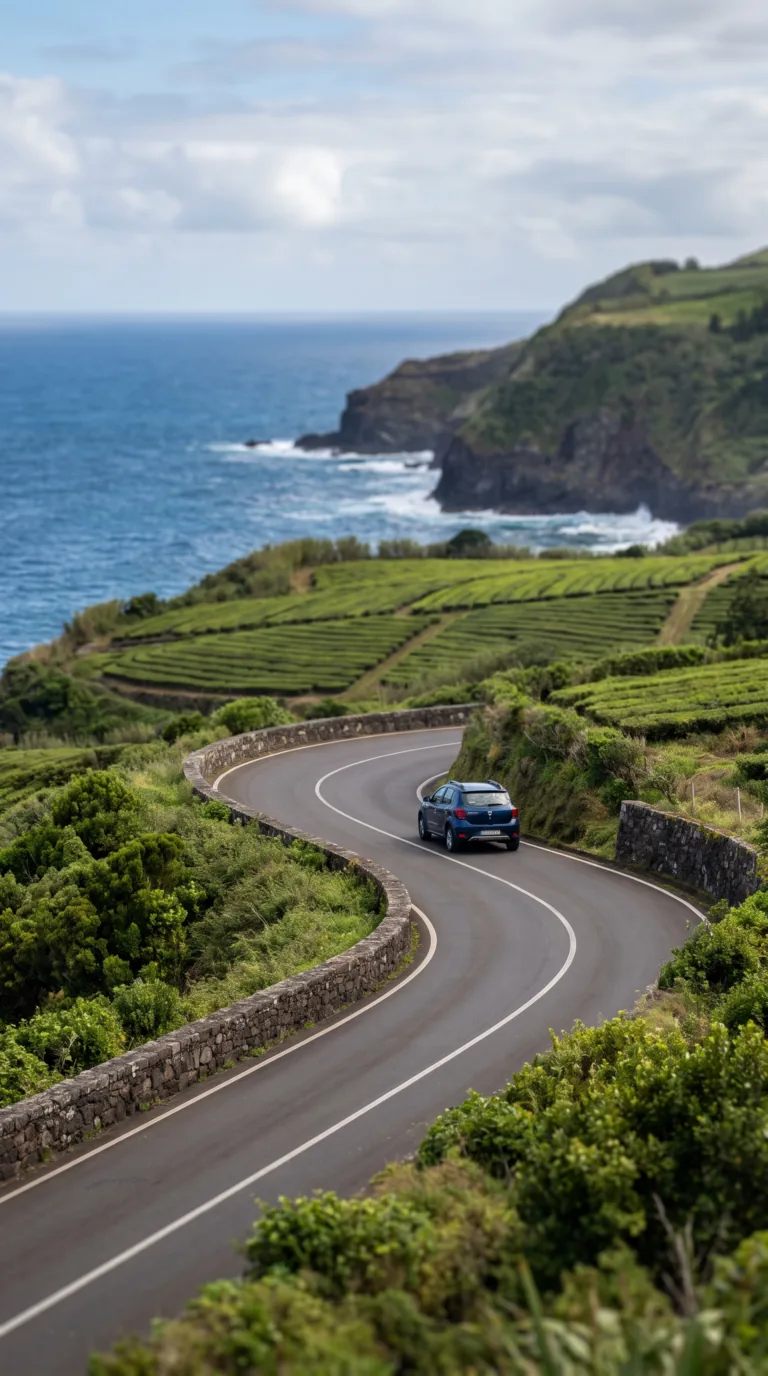
The plantation sits on the north coast of São Miguel island. Ponta Delgada is your starting point. Drive 30 kilometers via the EN1-1A coastal highway. Google Maps clocks the journey at 35 minutes according to 2025 Azores road distance data. The route follows the coastline. You pass through small villages and green hillsides.
Rental cars make the most sense. The plantation offers free parking. Ponta Delgada Airport Car Rental companies operate counters in the arrivals hall. Book ahead during summer months.
Organized tours from Ponta Delgada include Gorreana as a stop. Most combine the tea estate with other north coast sites. You skip the driving. You lose flexibility.
Public buses run infrequently. São Miguel Bus Schedules show limited service to the plantation area. Plan carefully if you rely on buses. Most visitors rent cars.
Large brown signs mark the turnoff from EN1-1A. You cannot miss them. The access road climbs gently through tea fields. Combine your visit with nearby attractions like Ribeira Grande or Porto Formoso beach. Make it a full north coast day trip.
Day Trips from Gorreana Tea Plantation
Gorreana Tea Plantation is centrally located on São Miguel for day trips to Sete Cidades (45 minutes west), Furnas hot springs (40 minutes east), and Lagoa do Fogo crater lake (25 minutes south).
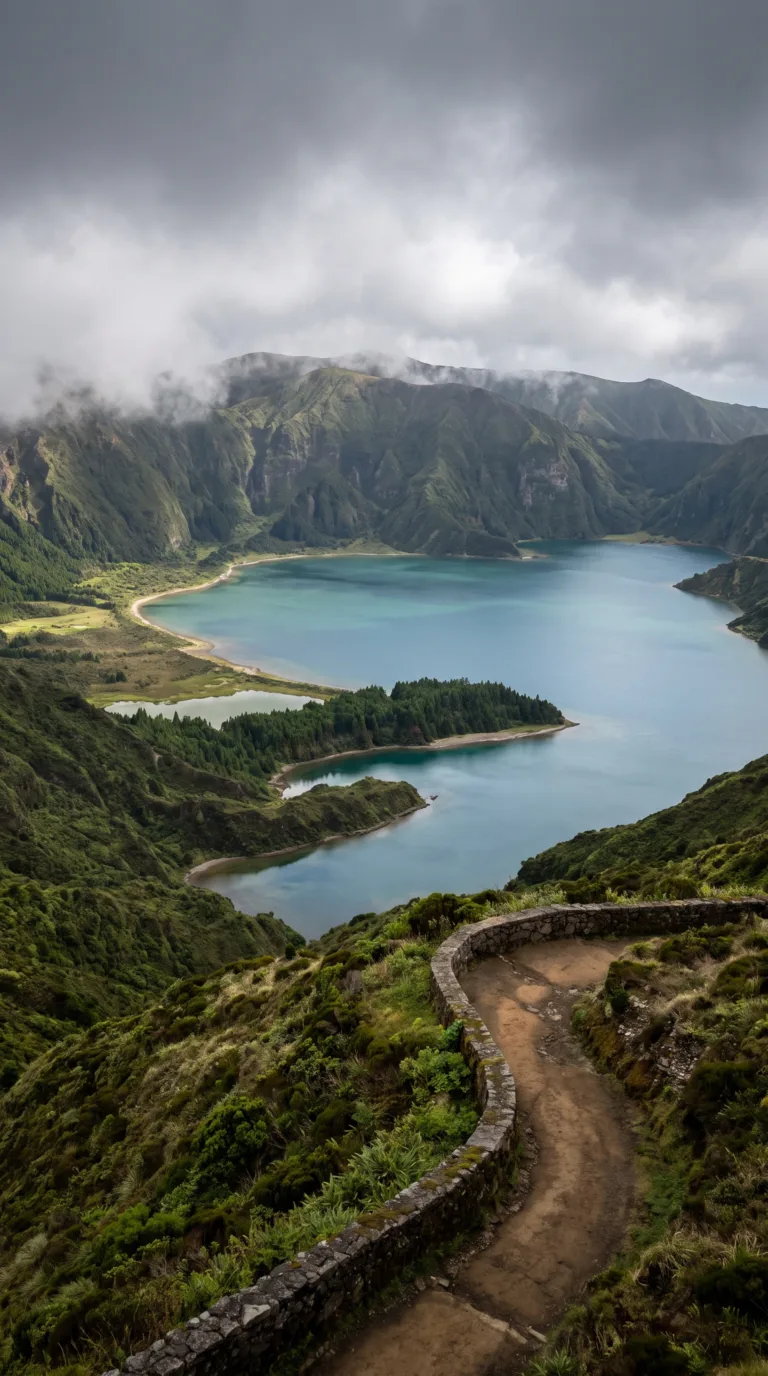
The Azores tea plantation sits in the middle of São Miguel. You can reach every major attraction on the island in under an hour. Most visitors rent a car and base themselves in Ponta Delgada, the island’s capital, then drive out to Gorreana and beyond.
Sete Cidades is 45 minutes west. Two crater lakes, one blue, one green, fill a volcanic caldera. The Vista do Rei viewpoint gives you the full panorama. The drive takes you through farmland and hydrangea-lined roads. Park at the viewpoint, walk down to the lakes if you want. The water is cold. Locals swim anyway.
Planning Tip
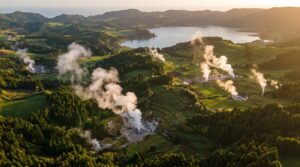
Head east instead and you hit Furnas in 40 minutes. This geothermal valley smells like sulfur. Fumaroles vent steam from cracks in the ground. Terra Nostra Park has a massive thermal pool, orange from iron oxide. The water sits at 38°C year-round. Restaurants here cook cozido das Furnas, a stew buried in volcanic soil for six hours. You can watch them dig up the pots at lunchtime.
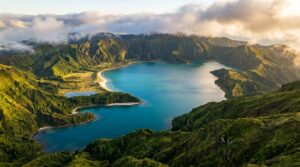
Lagoa do Fogo is 25 minutes south, straight up into São Miguel’s central highlands. The crater lake sits at 575 meters elevation. No development around the shoreline, it’s a protected nature reserve. The hike down to the beach takes 30 minutes. The water is freezing. The sand is white, not black like most Azores beaches.
Stop at Caldeira Velha on the way. Natural hot springs cascade down a hillside into pools. Entry costs €10 (€3 to visit without bathing). The waterfall is warm. Ferns grow everywhere. It’s packed on cruise ship days.
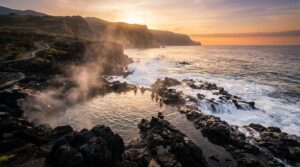
Ponta da Ferraria is on the west coast, an hour from Gorreana. Ocean thermal springs mix with Atlantic waves in a natural rock pool. The water temperature shifts with the tide, scalding at low tide, cold at high tide. Check the tide chart before you go. Locals say the sulfur water is good for your skin. It definitely stains your swimsuit.
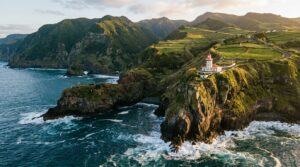
Drive to Nordeste in the far east for viewpoints and waterfalls. The road winds along cliffs. Miradouro da Ponta do Sossego has gardens built into the clifftop. Salto do Farinha waterfall drops 40 meters into a gorge. The drive from Gorreana takes 50 minutes. Bring a jacket, the east coast is wetter and windier than the rest of the island.
Mosteiros sits on the northwest coast. Black sand beach. Rock formations jut from the ocean, remnants of old lava flows. Natural pools form between the rocks at low tide. The village has two restaurants. Both serve lapas, grilled limpets with garlic butter. Drive time from Gorreana: 55 minutes.
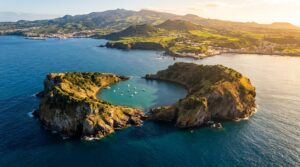
Ilhéu de Vila Franca do Campo is a protected islet off the south coast. The crater forms a natural swimming pool. You need a permit to visit, only 400 people allowed per day during summer. Boats leave from Vila Franca do Campo. Book ahead through São Miguel Tours.
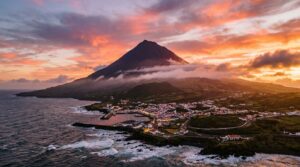
São Miguel is the Azores’ largest island, but eight others make up the archipelago. Flores Island and Santa Maria Island have direct flights from São Miguel. Corvo Island is the smallest, you can walk across it in two hours. Mount Pico on Pico Island is Portugal’s highest peak at 2,351 meters. Serious hikers climb it at sunrise.
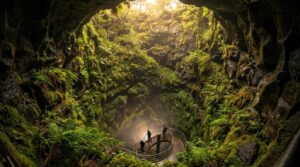
Angra do Heroísmo on Terceira is a UNESCO World Heritage town. Algar do Carvão, also on Terceira, is a volcanic cave you can walk into, one of the few in the world where you can reach the magma chamber. Serra do Cume viewpoint overlooks Terceira’s patchwork farmland.
Horta on Faial is the mid-Atlantic sailing hub. Yacht crews paint murals on the harbor wall. Capelinhos Volcano erupted in 1957, the landscape still looks lunar. Caldeira do Faial is a massive crater filled with vegetation. Pico Island Vineyards grow grapes in black lava rock, another UNESCO site. Graciosa Island has a sulfur cave with an underground lake.
Inter-island flights run daily. Check Visit Azores for schedules. Most people stick to São Miguel. The island has enough for a week.
Practical Tips for Visiting Gorreana
Gorreana Tea Plantation is open Monday to Friday 8:00 AM–6:00 PM and weekends 9:00 AM–6:00 PM with free admission, and the best visiting months are April through October when weather is mild and tea harvesting is most active.

Admission is completely free. No tickets required. Just show up during operating hours and walk in. The Gorreana Tea Plantation visiting information confirms the plantation operates Monday to Friday from 8:00 AM to 6:00 PM and weekends from 9:00 AM to 6:00 PM.
April through October delivers the best weather. These months also coincide with peak tea harvesting season when workers are actively picking leaves in the fields. You’ll see the production process in real time. The Visit Azores official tourism site provides detailed weather forecasts.
Azorean weather changes fast. Bring a rain jacket and layers even if the morning looks clear. Comfortable walking shoes are essential for exploring the tea fields and hiking trails.
The factory tour is self-guided. Budget 45 to 60 minutes to walk through the processing rooms, read the informational panels, and explore the grounds. Morning visits (8:00 to 10:00 AM) or late afternoon (after 4:00 PM) help you dodge tour bus crowds.
Photography is allowed everywhere. The gift shop accepts credit cards for tea purchases. You can also find gorreana tea at specialty stores in Ponta Delgada or order directly from the plantation’s website if you want to stock up after returning home.
Travel Routes
Gorreana Tea Plantation: Europe’s Oldest Tea Estate in the Azores offers diverse travel experiences across multiple regions. Below are our recommended travel routes with key stops and estimated drive times.
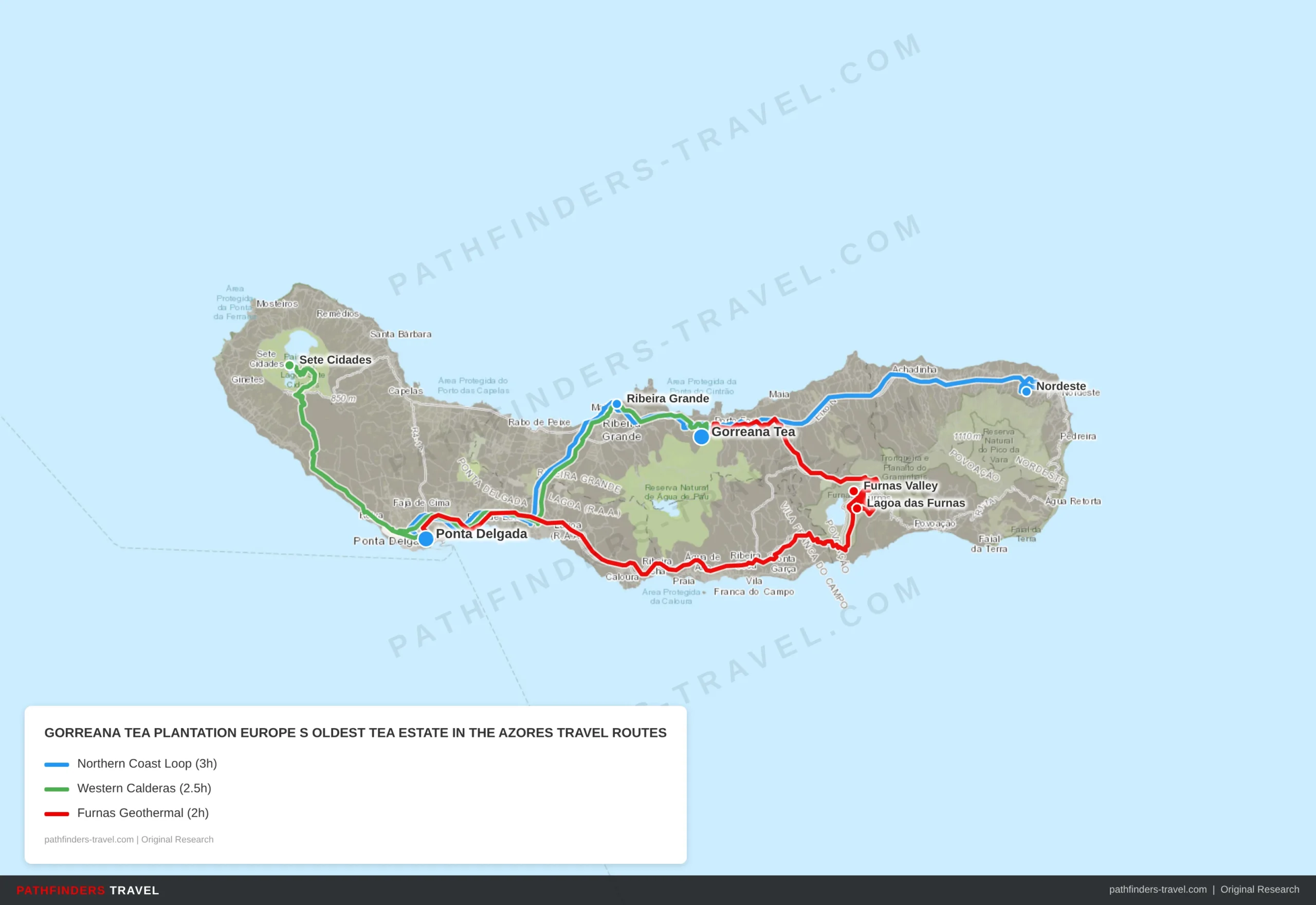
| # | Stop | Highlights | Drive Time |
|---|---|---|---|
| 1 | Ponta Delgada | Start at São Miguel’s capital. Pick up supplies, visit the iconic triple arch gates (Portas da Cidade), and fuel up before heading north. | Start |
| 2 | Ribeira Grande | Charming northern coast town with 18th-century architecture, thermal baths, and the Igreja do Espírito Santo. Good stop for a coffee. | 30m from Ponta Delgada |
| 3 | Gorreana Tea | Europe’s only tea estate. Free factory tour, six-variety tasting, 7km trail through tea fields with Atlantic views. Allow 90 minutes minimum. | 15m from Ribeira Grande |
| 4 | Nordeste | The wild eastern tip of São Miguel. Dramatic sea cliffs, viewpoints over rugged coastline, and the most unspoiled natural scenery on the island. | 45m from Gorreana Tea |
| # | Stop | Highlights | Drive Time |
|---|---|---|---|
| 1 | Ponta Delgada | Depart early to beat crowds. Head west along the ER1-1A toward Sete Cidades. Scenic coastal drive with hydrangea-lined roads in summer. | Start |
| 2 | Sete Cidades | Twin crater lakes, one green, one blue, inside a 12km-wide volcanic caldera. Hike the rim trail or rent a kayak on the lake. Allow 2 hours. | 40m from Ponta Delgada |
| 3 | Ribeira Grande | Loop north through the island’s agricultural heartland. Stop for a local lunch, try caldo de peixe or alcatra at a family restaurant. | 50m from Sete Cidades |
| 4 | Gorreana Tea | End the day with a relaxed plantation visit. Late afternoon light on the tea fields is exceptional. Tasting room open until 6 PM daily. | 15m from Ribeira Grande |
| # | Stop | Highlights | Drive Time |
|---|---|---|---|
| 1 | Ponta Delgada | Head east on the EN1-1A. The route climbs through green hillsides before descending into the Furnas caldera. Journey takes about 45 minutes. | Start |
| 2 | Furnas Valley | Steaming fumaroles, bubbling mud pools, and the famous cozido das Furnas, a meat stew slow-cooked underground by volcanic heat. Allow 2 hours. | 45m from Ponta Delgada |
| 3 | Lagoa das Furnas | Crater lake ringed by thermal vents. Terra Nostra Botanical Garden sits on the shore with a warm iron-rich thermal pool open to visitors. | 10m from Furnas Valley |
| 4 | Gorreana Tea | Return west via the northern coast road. Stop at Gorreana for afternoon tea after the sulfuric Furnas air, a pleasant contrast. Easy 45-minute drive. | 45m from Lagoa das Furnas |
Frequently Asked Questions
What is the history of Gorreana tea plantation?
Gorreana was founded in 1883 by Ermelinda Gago da Câmara and her family. The family established the plantation after orange crops on São Miguel were devastated by disease. They turned to tea cultivation, taking advantage of the island’s volcanic soils and favorable climate. The plantation became successful and has remained in the same family for over 140 years. It is now Europe’s oldest and only commercial tea plantation.
Is Gorreana tea good?
Gorreana tea is highly regarded for its quality and unique characteristics. The green tea has a delicate, slightly herbaceous flavor profile that is refreshing. The tea is rich in natural antioxidants with health benefits including metabolism support. The volcanic soil and Atlantic climate give the tea recognizable flavor notes. Many tea enthusiasts appreciate that it’s pesticide-free due to the island’s isolation from mainland pests.
What is Gorreana tea?
Gorreana produces both black and green tea varieties. Black tea varieties include Moinha, Broken Leaf, Pekoe, Orange Pekoe, Ponta Branca, and Oolong. Green tea varieties include Hysson, Encosta de Bruma, and Pérola. All tea is grown pesticide-free thanks to the Azores’ relatively dry climate and isolation from parasites. The tea is processed using traditional methods in the historic factory.
How long should you spend at Gorreana Tea Plantation?
Most visitors spend about 90 minutes at Gorreana. The self-guided factory tour takes around 20 minutes, a tasting adds another 15, and the rest of the time goes to walking the tea fields or the 7-kilometre estate trail. Allow longer if you want to hike the full trail or linger over tea and cake at the café.
Where is Gorreana Tea Plantation?
Gorreana sits on the north coast of São Miguel near Maia, about 30 kilometres (a 35-minute drive) east of Ponta Delgada along the EN1-1A coastal road. There is no direct public transport, so most visitors come by rental car or on an organised north-coast tour; parking at the plantation is free and large brown signs mark the turnoff.