Estimated reading time: 8 minutes
Last updated: 26 October 2026
Table of Contents
- How Many Days Do You Need in The Hague?
- Top Things to Do in The Hague
- Neighborhoods to Know
- Where to Eat in The Hague
- Where to Stay
- Getting There and Getting Around
- Easy Day Trips from The Hague
- Best Time to Visit and Practical Tips
- Frequently Asked Questions
How Many Days Do You Need in The Hague?
One to two days is enough for The Hague. Day one covers the Mauritshuis, home of Vermeer’s Girl with a Pearl Earring, the Binnenhof parliament on the Hofvijver, and the Peace Palace visitor centre. Day two belongs to Scheveningen beach and its pier, or a 12-minute train to Delft.
How This Guide Was Researched
This guide was compiled from travel documentaries, verified tourism sources, and community traveler feedback. Prices and operational details were confirmed at the time of writing. We recommend checking official sources for the latest information before your trip.
Want to see this for yourself? Watch the full video in 4K.
The Hague wears two hats. It’s a serious place, where the Dutch government meets and the world’s courts sit. It’s also a beach town. Few cities pull off both.
Where is it? South Holland, right on the North Sea coast. Amsterdam is only about 25 to 30 minutes away by train, so plenty of people day-trip in. Do more than that. The Hague rewards a real stay.
What is The Hague famous for beyond the courts? Top art, for one. Grand old squares. And a wide sandy beach at Scheveningen that fills up every summer. You get museums in the morning and sea air by afternoon. Plan ahead with the official The Hague tourism site and you’ll fit a lot into a short trip.
Top Things to Do in The Hague
The top things to do in The Hague are the Mauritshuis museum, the Binnenhof parliament, the Peace Palace, and the Scheveningen beach and pier.
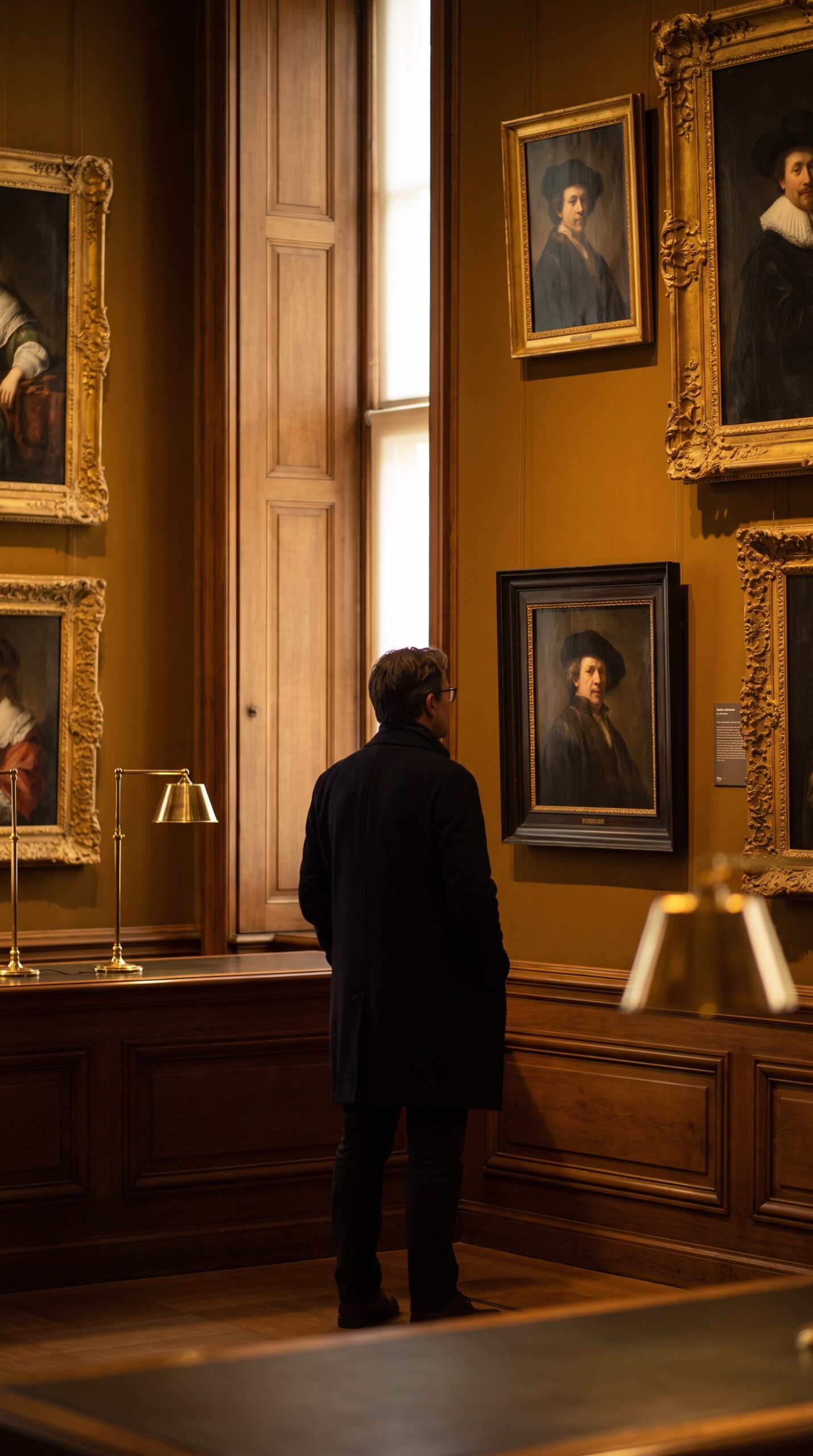
Start with the Mauritshuis. It’s small, and that’s the point. You can see the whole thing in a couple of hours, and it holds Vermeer’s Girl with a Pearl Earring, painted around 1665, plus Rembrandts. It is the top art stop in the city. One catch: the museum gets busy. Book a timed ticket through the Mauritshuis to skip the line.
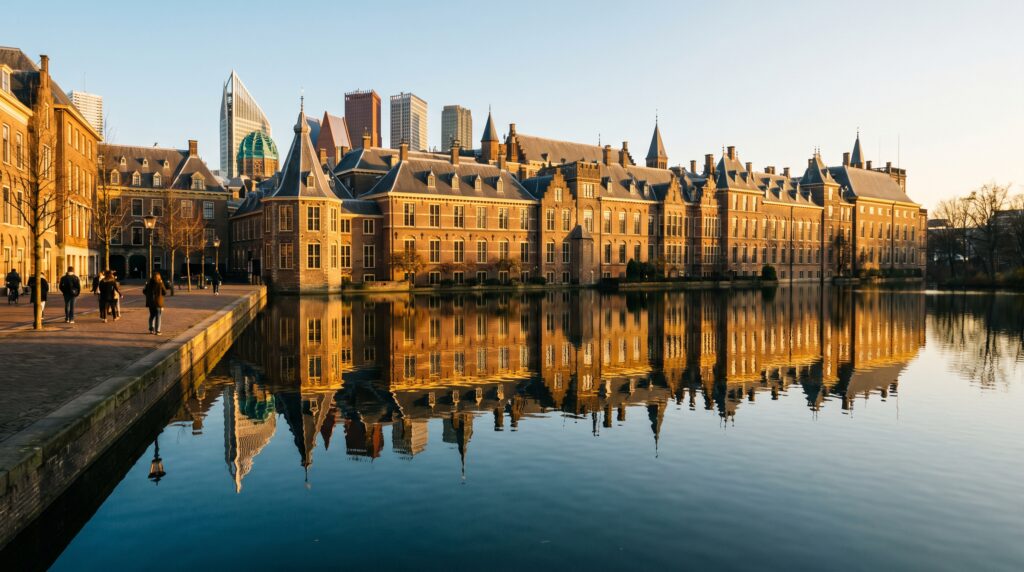
Walk next door to the Binnenhof. This old parliament complex sits on the Hofvijver lake, and it’s been the political heart of the country for centuries. The reflection of the towers in the water is the classic photo. It’s free to stand in the courtyard and take it in.
Head out to the Peace Palace after. This grand brick building opened in 1913 and houses the International Court of Justice. You can’t wander the courtrooms, but the Peace Palace visitor center is free, and guided garden tours run on set days. Book ahead; they fill up.
Time for the sea. Scheveningen is the beach resort on the North Sea, a short tram ride from the center. There’s a long pier, a wide sandy beach, and seafood stands. It’s a real beach town stuck onto a capital.
Art fans have more. Escher in Het Paleis fills a former royal palace with M.C. Escher’s mind-bending prints, all endless staircases and impossible shapes. Panorama Mesdag is a giant 360-degree painting of old Scheveningen that wraps around you in one round room.
Traveling with kids? Madurodam shrinks the whole country into a miniature park, with tiny canals, tiny windmills, and tiny planes. Little ones love it, and adults get a quick map of the Netherlands in one walk.
You won’t run out of things to do here. Pace it. Two museums and the beach make a full, good day.
Neighborhoods to Know
The Hague splits into the museum-and-government city center, the Scheveningen beach resort by the sea, and the leafy Zeeheldenkwartier cafe quarter.
The Centrum, or city center, holds most of the city’s attractions. The Binnenhof, the museums, and the shopping streets all sit here within an easy walk. Base here for sightseeing.
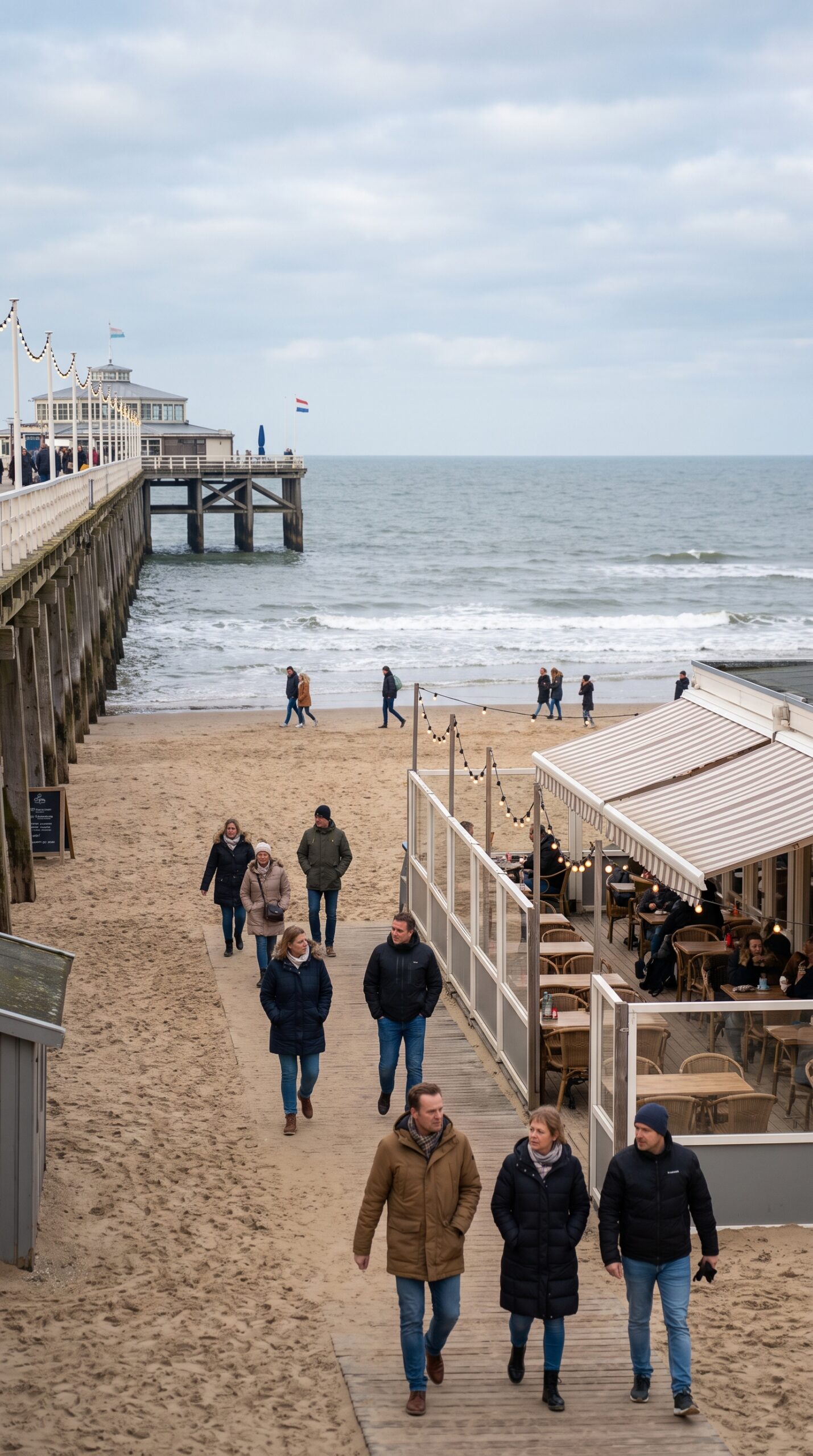
Scheveningen is the beach side. A wide sandy shore, a long pier, seafood spots, and a boardwalk make it feel like its own town. It’s a short tram ride from the center, but a totally different mood.
Between the two sits the Zeeheldenkwartier, a green quarter of small cafes and independent shops. Quieter, local, good for a slow morning.
Keep it simple. Sleep in the center if museums are your thing, or in Scheveningen if you want to wake up near the sea.
Where to Eat in The Hague
The Hague mixes fresh seafood at Scheveningen beach with the Indonesian, Surinamese, and Turkish restaurants of a diplomatic capital.
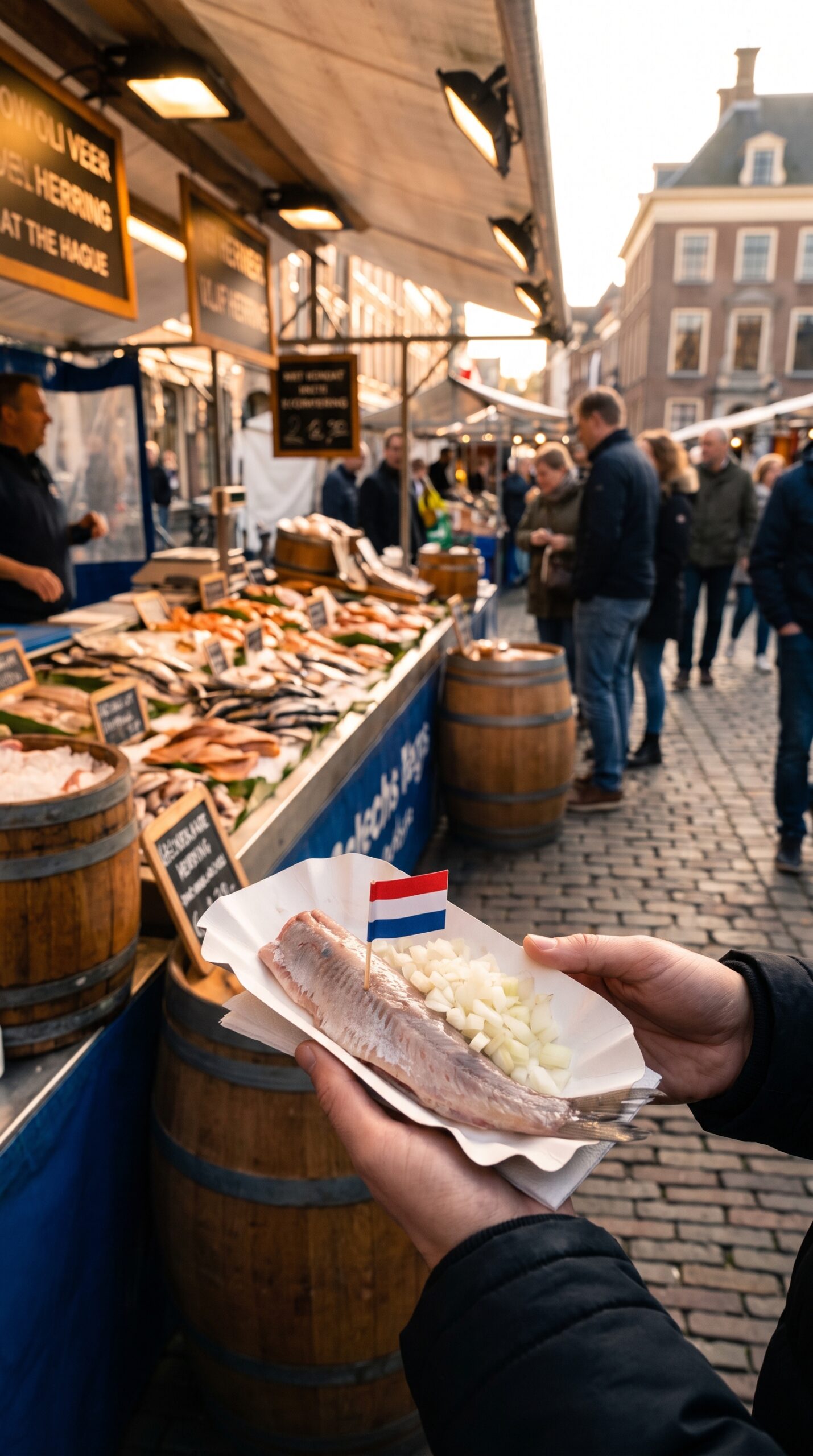
Eat by the water first. Scheveningen serves fresh herring, fish and chips, and beach-front restaurants right on the sand. Order raw herring with onions from a stall and eat it like a local. It’s one of the simplest things to do here.
The city eats international, too. Embassies and workers from around the world mean strong Indonesian, Surinamese, and Turkish spots all over town. The Indonesian rijsttafel, a spread of many small dishes, is the local specialty. Book a table for that one.
Want cheap and lively? Hit the Haagse Markt, one of the biggest open-air markets in Europe. Rows of stalls sell fresh produce, spices, and hot street food for pocket change. Come hungry.
Where to Stay
The two main areas to stay in The Hague are the city center, near the museums and Binnenhof, and Scheveningen, right on the beach.
Pick your side. Stay in the city center and the museums, the Binnenhof, and the train stations sit within a short walk. Central hotels like The Hague Marriott put you close to the sights.
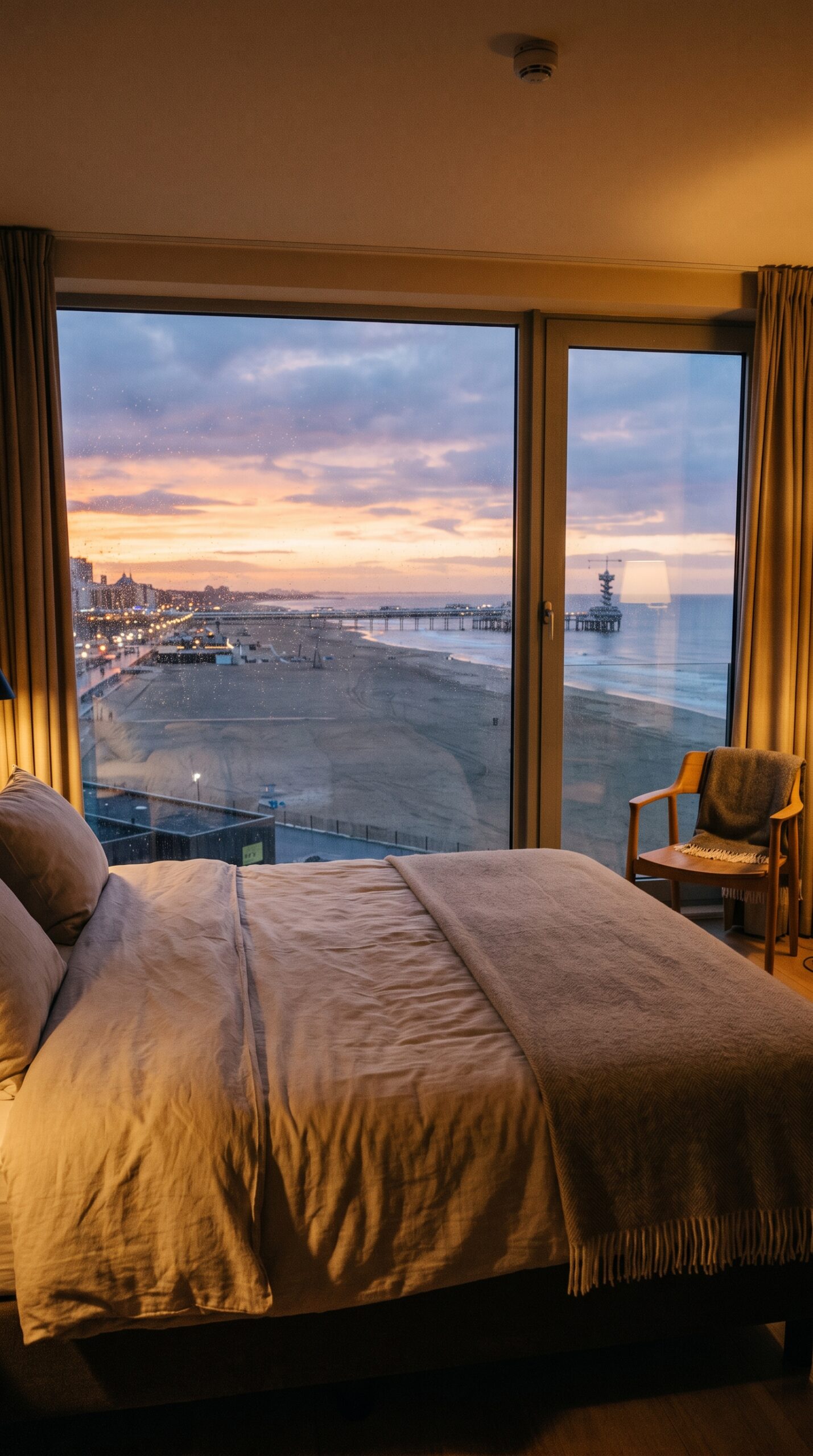
Want the sea? Sleep in Scheveningen. Beach stays like the Carlton Beach face the water, so you wake up to the North Sea and roll onto the sand.
A budget note. Prices climb in summer once the beach crowds arrive.
One honest caveat. Summer weekends at Scheveningen book out early, so reserve well ahead if you want a sea view in July or August.
Getting There and Getting Around
The Hague has two main stations, Centraal and Hollands Spoor, and direct intercity trains reach Amsterdam in about 30 to 50 minutes.
Take the train in. The run from Amsterdam to The Hague takes about 30 to 50 minutes depending on the service, and the direct intercity is quickest. The reverse trip is just as easy. Buy tickets through NS (Dutch Railways). The city has two main stations, Centraal and Hollands Spoor, so check which one your hotel sits near.
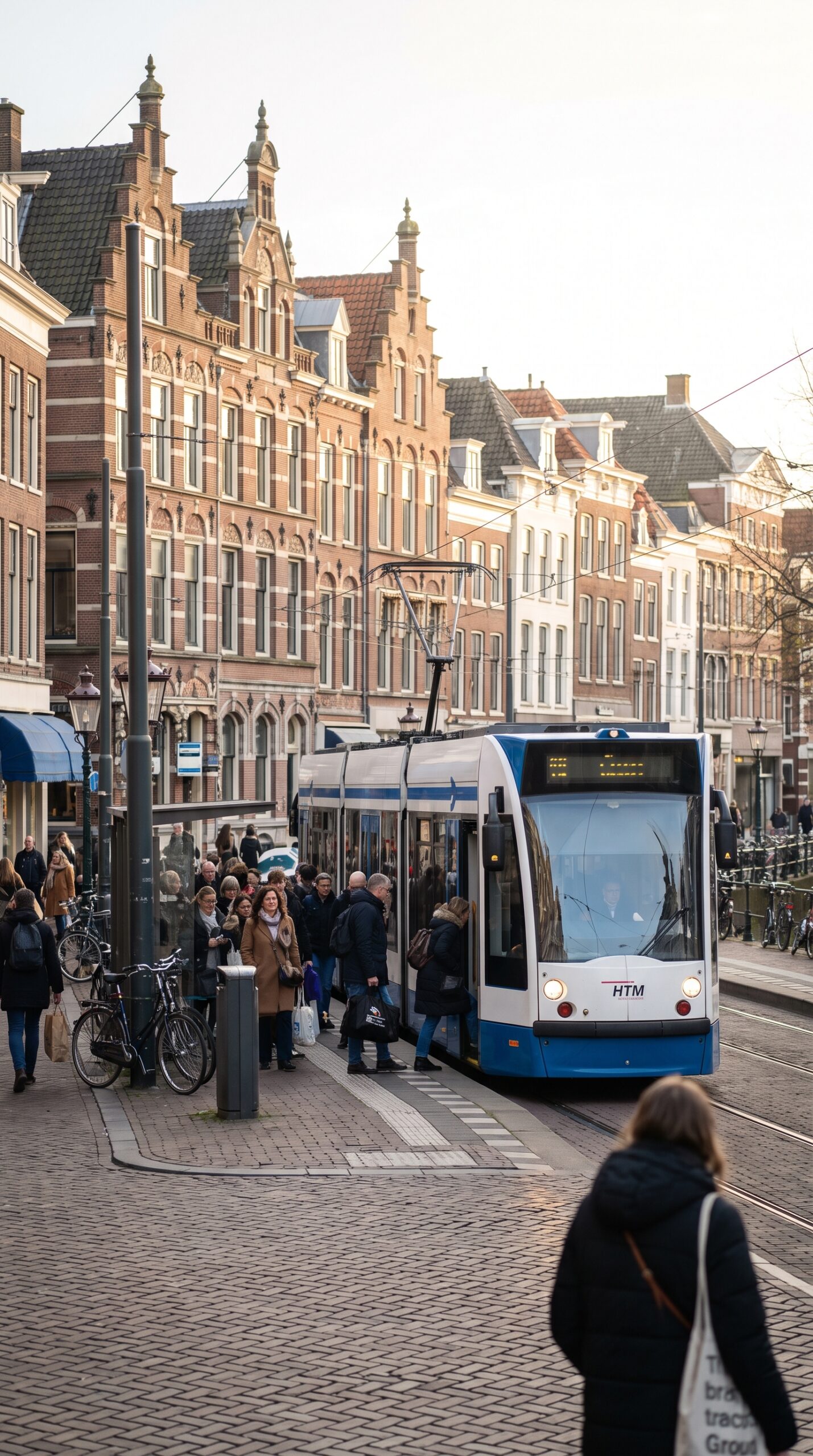
Get around by tram. Lines 1 and 9 run from the center out to Scheveningen beach, so you can swap museums for sea in about 20 minutes.
Flying? Rotterdam The Hague Airport is close, but Schiphol has far more flights and a direct train link.
Easy Day Trips from The Hague
From The Hague you can reach Delft in about 12 minutes, Leiden in about 20, Rotterdam in about 25, and Amsterdam in 30 to 50 minutes by train.
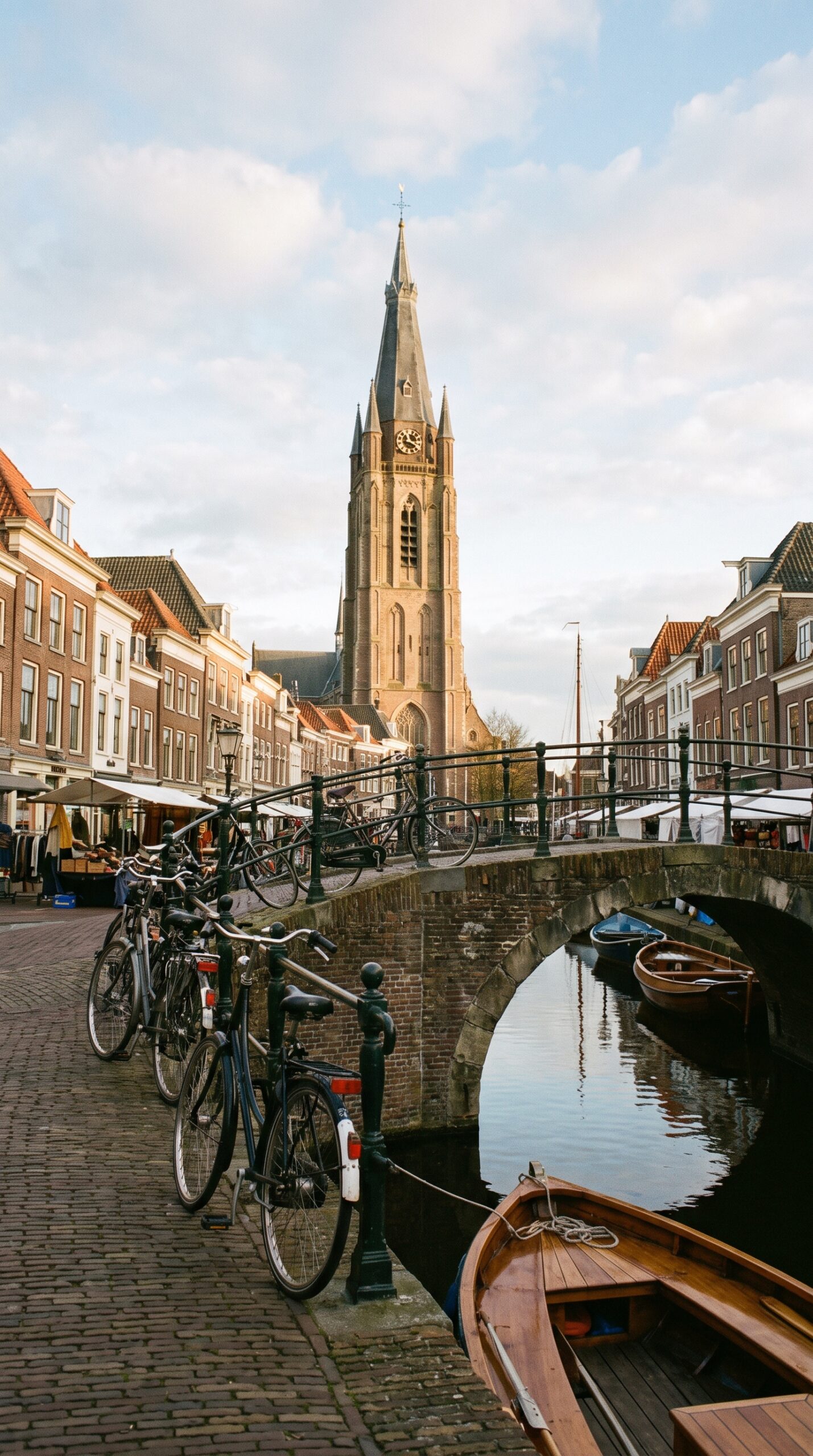
Start with Delft. It’s about 12 minutes away and the easiest trip of all. Think small canals, blue-and-white pottery, and the town where Vermeer painted. Half a day covers it.
Rotterdam comes next, about 25 minutes out. The short hop drops you into a city of bold modern towers and a giant working harbor. It’s the opposite of Delft, and that’s the fun of it.
Leiden sits about 20 minutes away. This old university town has quiet canals, good museums, and a student buzz. Rembrandt was born here.
Amsterdam is the big day out, roughly 30 to 50 minutes by train. The short distance means you can spend a full day on the canals and museums and still get back for dinner.
One honest tip. Delft is so close and so pretty that it’s the one to prioritize if you only have time for a single trip.
Best Time to Visit and Practical Tips
Planning Tip
The best time to visit The Hague is May to September, when the weather is mildest and the Scheveningen beach is open and busy.
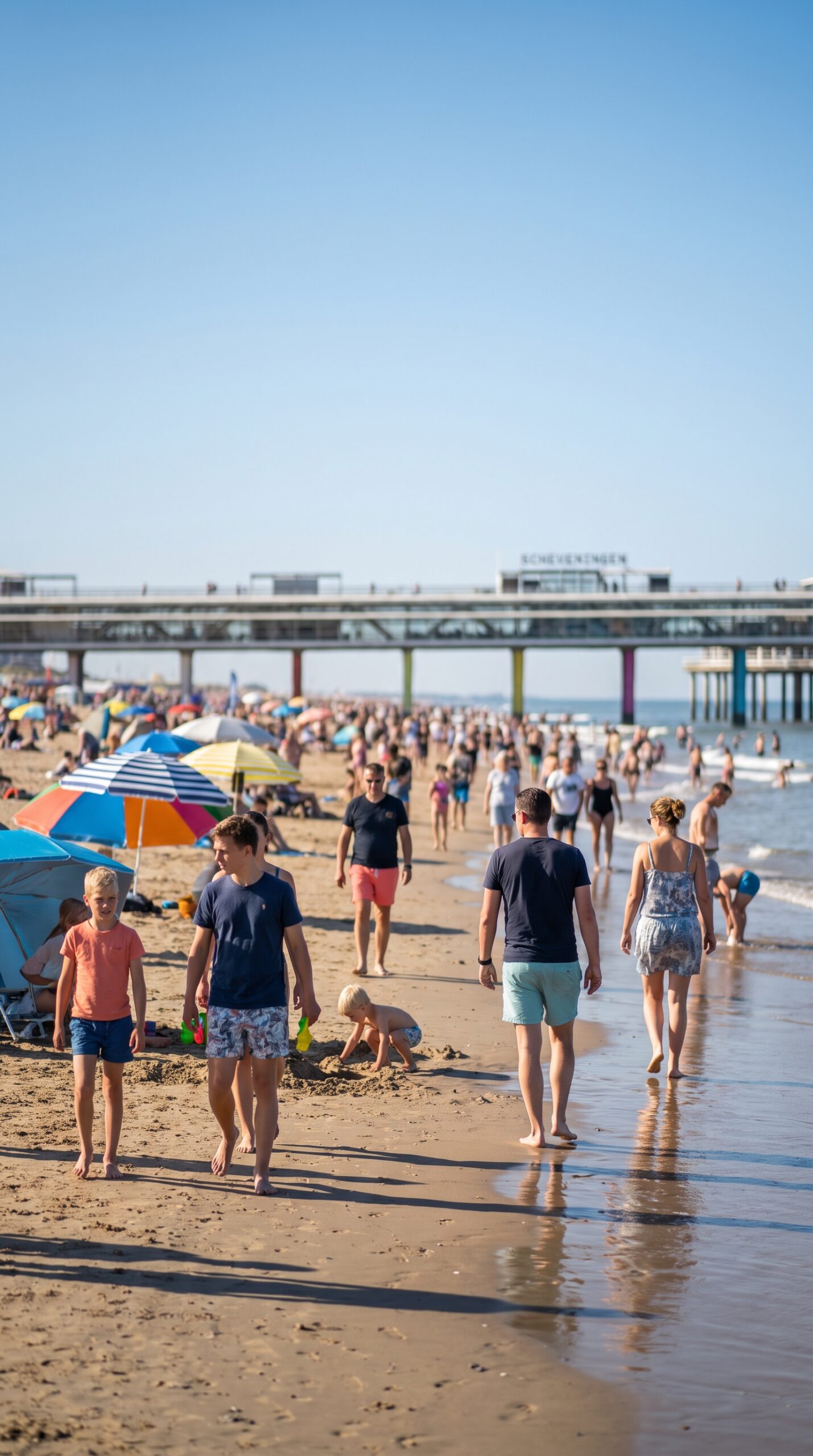
Come between May and September. That’s when the weather brings warm enough days for the beach and long evenings for the terraces. Check the forecast before you pack, because the coast can flip fast.
How long? One to two days does it. A day for the museums and the Binnenhof, another for Scheveningen and a day trip.
Bring a windproof layer. The North Sea keeps the coast breezy even in July, so a light jacket beats a sunburn’s opposite.
One Sunday note. Some shops keep short hours, but the museums and the beach stay open all day.
Frequently Asked Questions
Why is it called The Hague?
The name comes from the Dutch des Graven hage, meaning the count’s hedge or private hunting grounds. The full Dutch name is ‘s-Gravenhage, though locals mostly just say Den Haag.
Is The Hague or Amsterdam better?
They suit different trips. Amsterdam wins on canals, nightlife, and big-name museums; The Hague is calmer, cheaper, and the only one of the two with a real North Sea beach. Many visitors base in Amsterdam and day-trip here in 30 to 50 minutes by train.
What is The Hague known for?
The Hague is known as the seat of the Dutch government and the home of international law, including the International Court of Justice at the Peace Palace. For visitors it means the Mauritshuis, the Binnenhof parliament, and the Scheveningen beach resort.
How far is The Hague from Amsterdam?
The Hague is about 57 km from Amsterdam. Direct trains take roughly 30 to 50 minutes depending on the service you catch.
Do you need to book tickets for the Mauritshuis?
Yes, booking a timed ticket online is strongly recommended. The Mauritshuis is small and its star painting, Vermeer’s Girl with a Pearl Earring, draws crowds, so afternoon and weekend slots sell out. Buying ahead on the museum’s official site guarantees entry and usually costs the same as the door price.