Estimated reading time: 10 minutes
Last updated: 14 October 2026
Table of Contents
- What Is Flevoland Known For?
- Top Things to Do in Flevoland
- Cities and Towns to Know
- Food in Flevoland
- Where to Stay
- Getting There and Around
- Best Time to Visit and the Tulip Fields
- Easy Day Trips from Flevoland
- Flevoland FAQ
What Is Flevoland Known For?
Flevoland is a Dutch province built on land reclaimed from the sea during the 20th century, sitting about six meters below sea level. It’s known for the planned cities of Almere and Lelystad, the Oostvaardersplassen nature reserve, wide spring tulip fields, and museums like Batavialand and the Aviodrome aviation museum. Created in 1986, it’s the newest and 12th province of the Netherlands.
How This Guide Was Researched
This guide was compiled from travel documentaries, verified tourism sources, and community traveler feedback. Prices and operational details were confirmed at the time of writing. We recommend checking official sources for the latest information before your trip.
Want to see this for yourself? Watch the full video in 4K.
Most of Flevoland was once water. The old Zuiderzee lake got closed off and pumped dry across the middle of the last century, and the flat farmland you see today rose up from the lakebed. Wild, right? Much of the province still sits around six meters below sea level, held safe by dikes and a constant pumping system.
You get a bit of everything here. Almere and Lelystad are planned cities, laid out from scratch with bold modern buildings and green space between the districts. The Oostvaardersplassen reserve brings wild horses and birds to land that was under water 60 years ago. In spring, the tulip fields turn whole polders red and yellow. Families head to the theme parks and the museums near the coast.
Flevoland became an official province in 1986, which makes it the youngest of the twelve, and it’s still one of the largest land reclamation works ever built. For opening times and trip planning, the Visit Flevoland site is a solid place to start.
Top Things to Do in Flevoland
Top things to do in Flevoland include the Oostvaardersplassen nature reserve, the Batavialand ship museum in Lelystad, the Aviodrome aviation museum, Walibi Holland theme park, and the spring tulip fields.
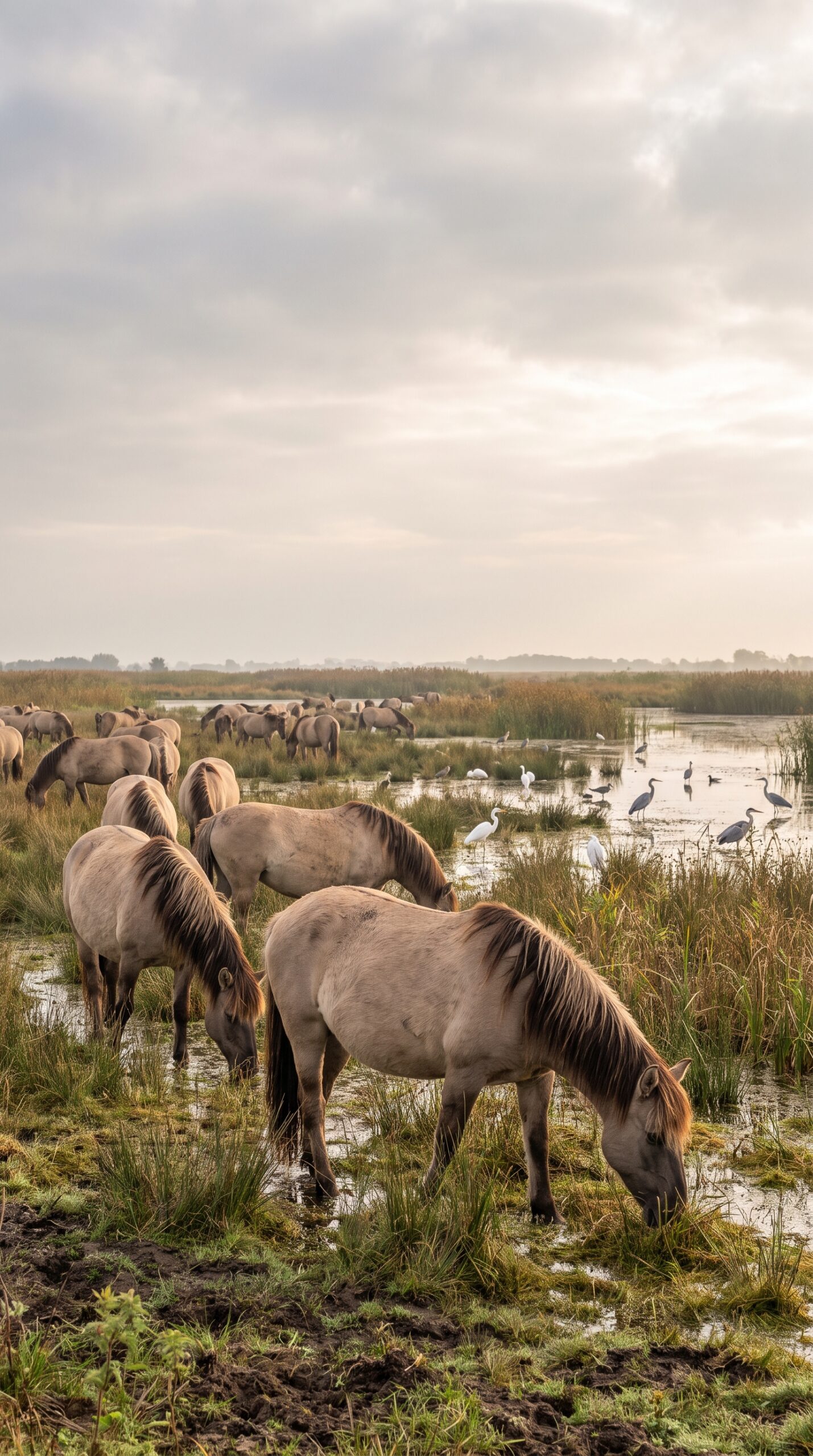
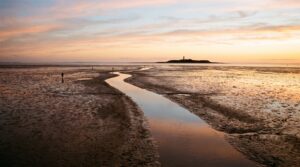
Start with the Oostvaardersplassen. This wide wetland reserve sits on land that was lakebed 60 years ago, and now it holds wild Konik horses, red deer, and big flocks of birds. You can walk or cycle the marked trails, and the bird hides near the water are free to use. Go early. Mornings are when the animals move most, and the light over the reeds is soft.
Lelystad is the base for two of the best rainy-day picks. Batavialand is the big one. The museum is built around a full-size replica of the Batavia, a Dutch East India Company ship first launched in 1628, and you can climb aboard and walk the decks. The rest of the museum tells the story of how the Dutch pulled this land out of the water. Check hours and ticket prices on the Museum Batavialand site before you drive out.
Plane fans should point the car at the Aviodrome, the aviation museum next to Lelystad Airport. Old aircraft fill the halls and the apron, and the headline piece is a real Boeing 747 you can board and walk through. Kids tend to love it. So do the adults who pretend they’re only there for the kids.
Traveling with a family and want rides instead? Walibi Holland in Biddinghuizen is the region’s theme park, a pretpark with rollercoasters, water rides, and a summer festival season. It gets busy on warm weekends, so buy tickets online and turn up at opening.
For something odd and quiet, drive to Waterloopbos. This forest hides dozens of old concrete models that engineers once used to test harbors and rivers by hand, back before computers did the math. Water still runs through some of them. It makes for a strange, calm walk, and it’s one of the more unusual bits of natuur Flevoland has to offer.
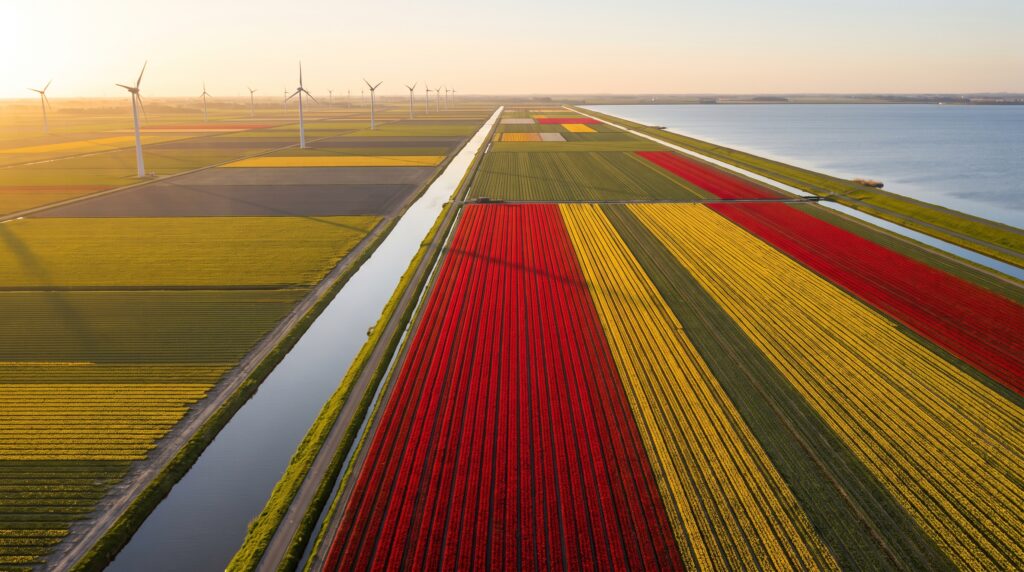
Spring changes everything. From mid-April the tulip fields across the Noordoostpolder turn into long stripes of red, pink, and yellow, and a signed tulip route loops past the biggest blocks of colour. Rent a bike or drive it slowly with the windows down.
One honest warning about things to do in Flevoland. The sights sit far apart across flat farmland, and public transport between them is thin. You really want a car, or a full day and strong legs for cycling, to link more than one or two flevoland attracties in a single day.
Cities and Towns to Know
Flevoland’s main cities are Almere, its largest, and Lelystad, the provincial capital; the former island village of Urk keeps the most historic character.
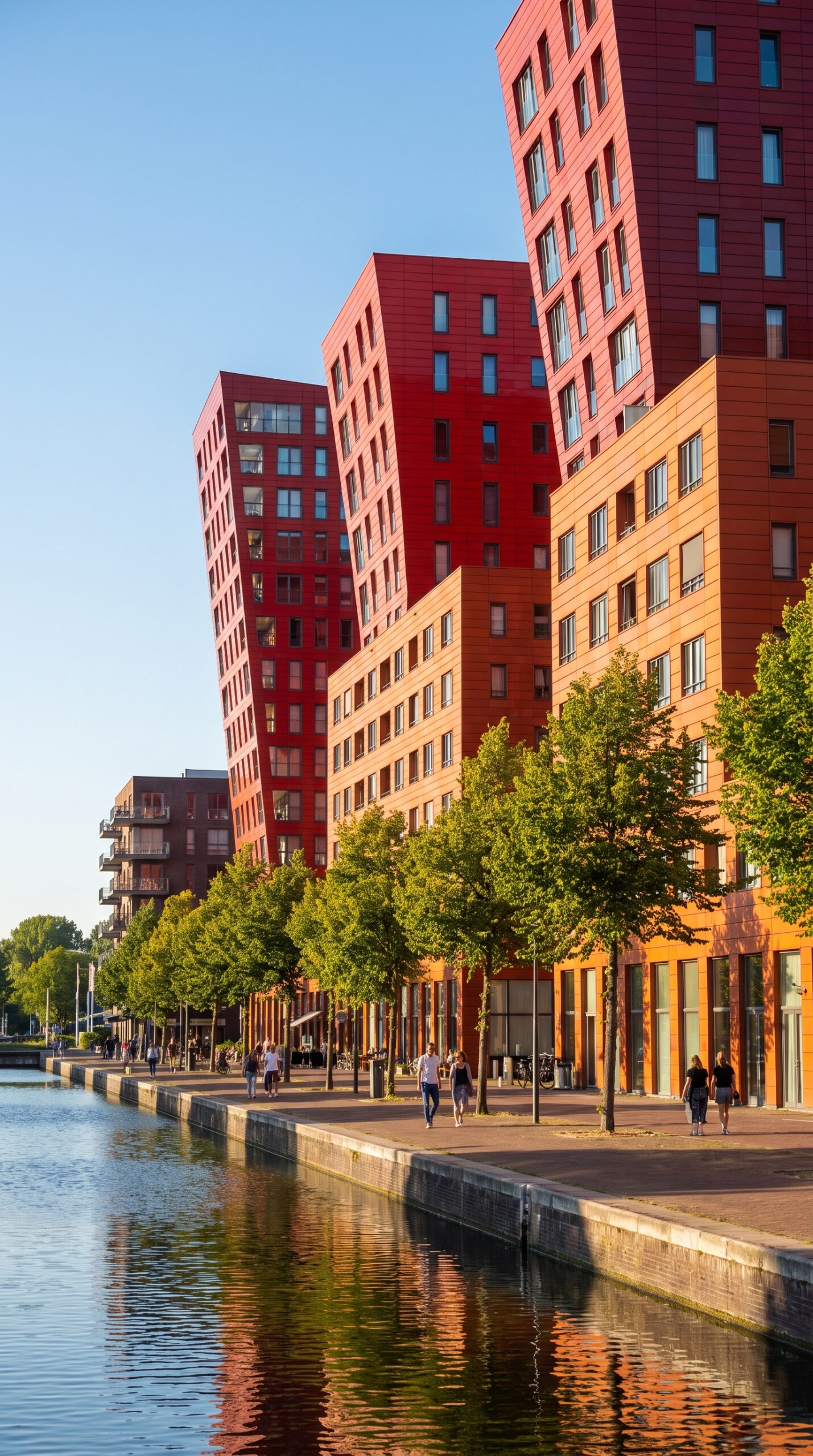
Almere is the biggest city and the one that surprises people. Planned from the 1970s, it grew past 200,000 residents in about 40 years, per the city of Almere. The center is full of bold modern buildings, wide canals, and green belts between the districts. It feels new because it is.
Lelystad is the provincial capital and the practical hub. This is where you find Batavialand and the Aviodrome, plus the main train links and the regional airport. Lelystad Flevoland Netherlands sits right on the water, so pack a jacket for the wind off the lake.
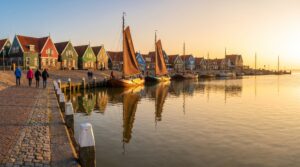
Urk is the odd one out, in the best way. Once an island in the old sea, it kept its tight streets and working harbor even after the water around it was drained. Urk Flevoland Netherlands has the most historic feel of any spot in the province, and the fish alone is worth the drive.
Two quieter towns round out the map. Emmeloord sits in the middle of the Noordoostpolder and makes a handy base for the tulip route. Zeewolde hugs the lakes and suits an outdoorsy stay. Neither is big on sights, but both stay calm and cheap, and they rank among the easier Flevoland cities to park in.
Food in Flevoland
Flevoland’s food scene centers on fresh fish in the harbor village of Urk, plus casual restaurants and farm shops across Almere, Lelystad and the polders.
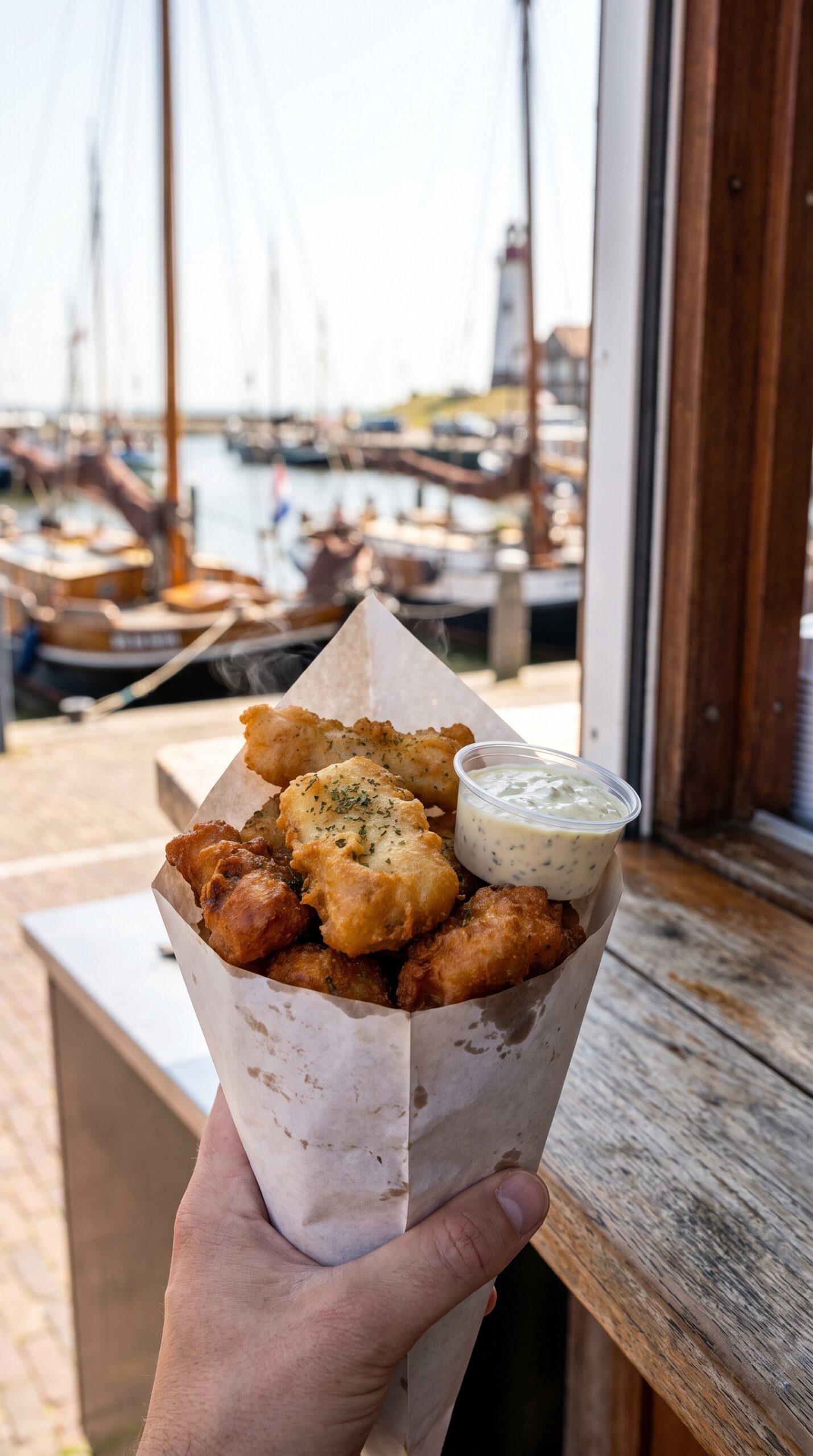
Urk is the food highlight. The old harbor stalls sell fresh fish, hot kibbeling, and smoked eel, often caught by the same families who have fished here for generations. Grab a cone, find a bench by the water, and eat it there. Urk Flevoland Netherlands earns the trip on the fish alone.
Almere and Lelystad give you the widest choice. You’ll find regular restaurants, cafes, and the usual chains, which is handy on a rainy day or with picky kids. For a proper sit-down meal, a Lelystad or Almere flevoland restaurant beats the small towns.
Farm shops dot the polders too, selling local cheese, produce, and seasonal fruit straight from the growers. Fair warning: this isn’t a fine-dining region. Keep meals simple and casual, and you’ll eat well and cheap.
Where to Stay
Most visitors to Flevoland stay in lakeside holiday parks near Zeewolde and the Eemhof, while Almere and Lelystad offer standard hotels beside the train stations.
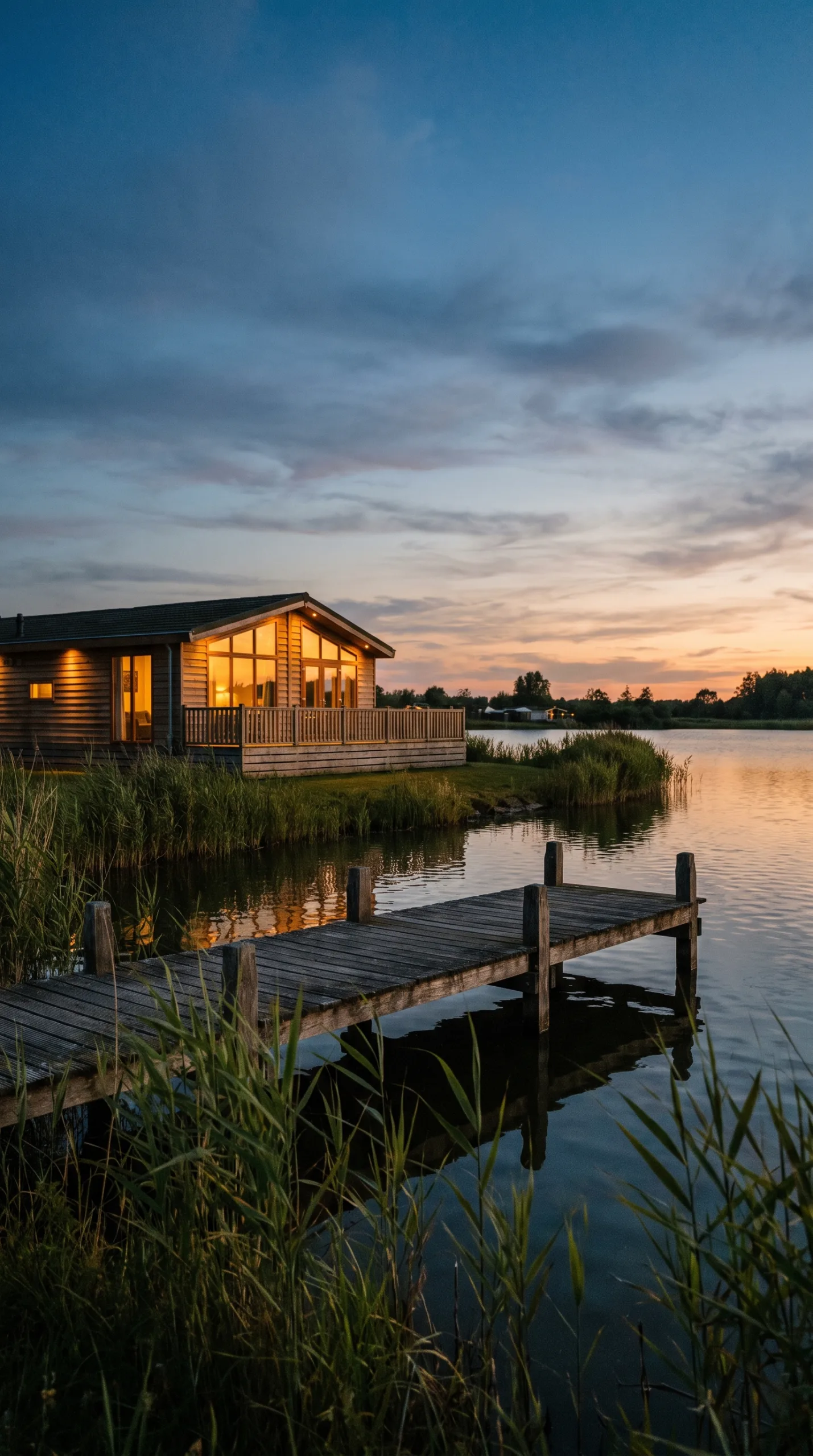
Holiday parks are the classic pick here. The vakantieparken Flevoland is known for sit right by the lakes, with wooden lodges and cabins that suit families and groups. A center parcs Flevoland stay comes with pools and bikes for the kids, while the Eemhof Flevoland resort near the water leans toward boats and beach days.
You can skip the car. Almere and Lelystad have plain city hotels a short walk from the train stations, which keeps day trips easy. Zeewolde works well for a quieter, outdoorsy base close to the shore.
One tip that saves stress. Book early for tulip season in late April and for summer weekends, because the parks fill up fast and prices jump. Midweek stays outside those windows are far cheaper and calmer.
Getting There and Around
Trains reach Almere from Amsterdam in about 25 minutes and Lelystad in under a hour, but a car or bike is best for the spread-out nature spots and towns.
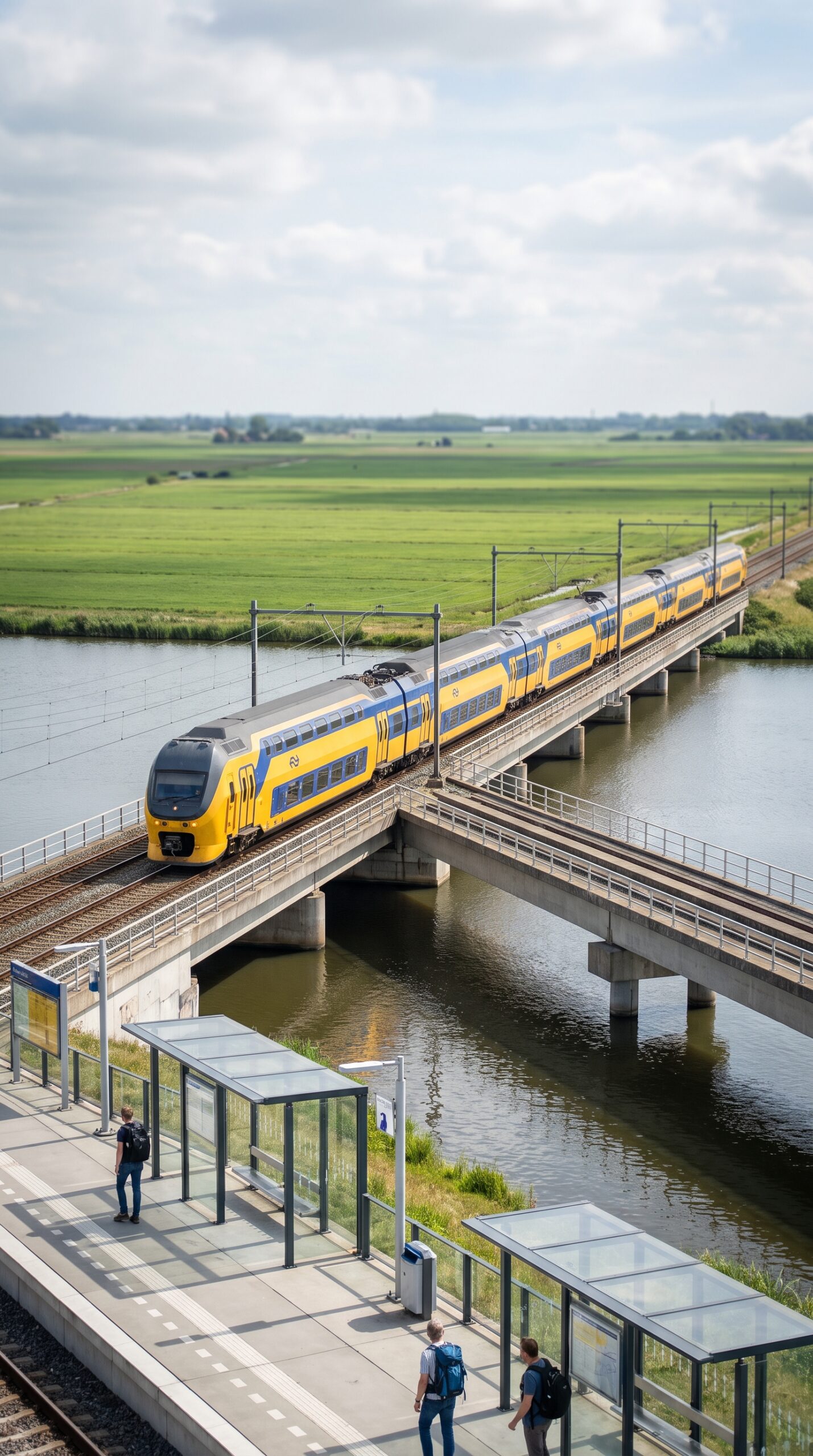
Getting here is easy by rail. Trains from Amsterdam reach Almere Flevoland Netherlands in about 25 minutes, and Lelystad Flevoland in under a hour, per the NS (Dutch Railways) timetable. Both cities sit right on the main line.
Once you arrive, the picture changes. A car is the easiest way to link the nature reserves, museums, and small towns that sit far apart across flat farmland. Renting one for a day pays off.
No car? Get a bike. Cycling here is some of the best in the country, with long flat routes and separate paths that run for miles across the polders. Local buses fill the gaps, but they run less often in rural areas, so check times before you set out.
Best Time to Visit and the Tulip Fields
Planning Tip
The best time to visit Flevoland is late April to early May, when the Noordoostpolder tulip route and the province’s large bulb fields are in full bloom.
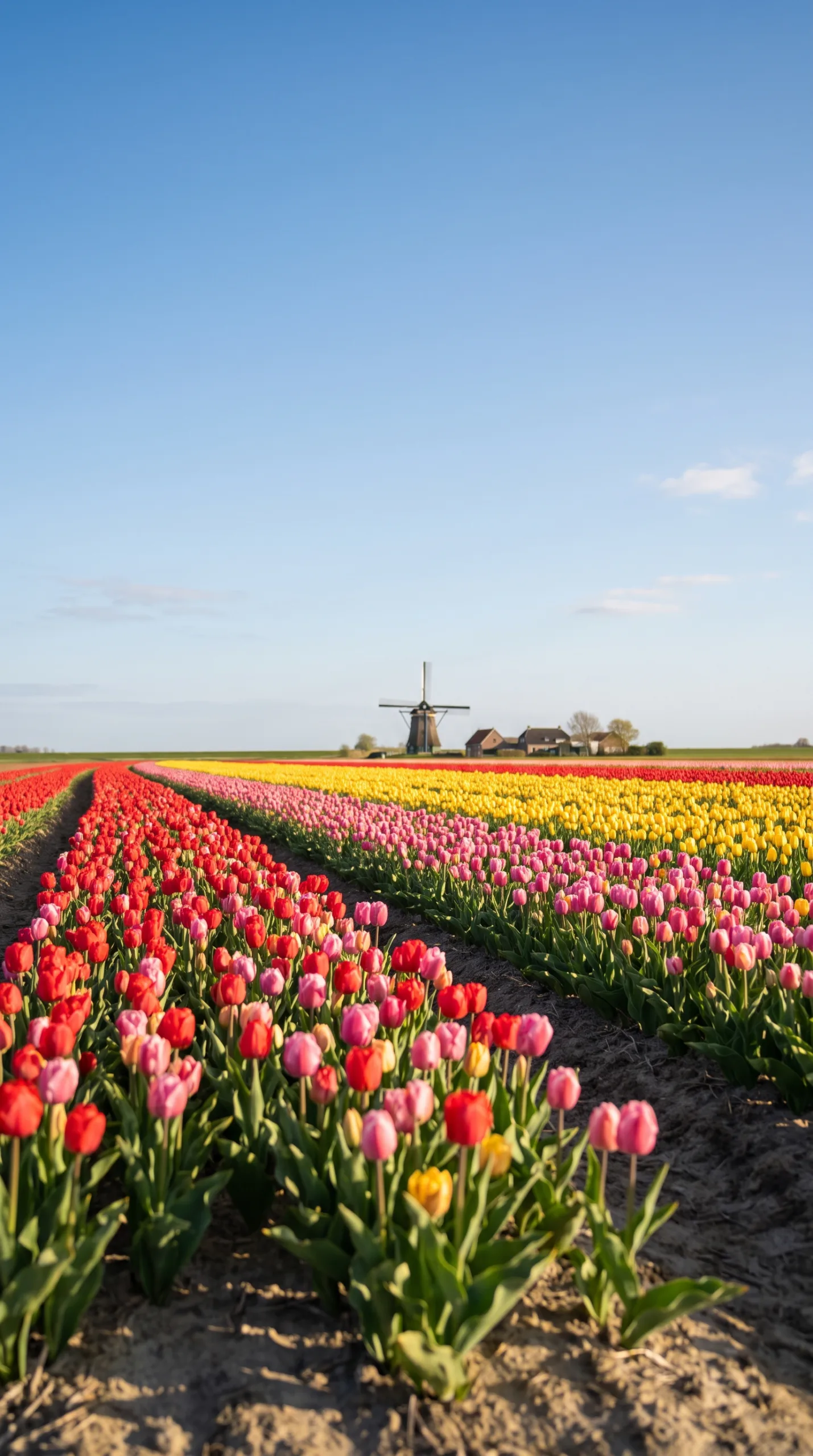
Spring is the headline. From late April into early May the Flevoland tulips open, and long fields turn into stripes of red, pink, and yellow. This is the top reason many people come. The Tulip Festival Noordoostpolder maps a tulip route past some of the biggest bulb fields in the country, and you can drive or cycle the tulpenroute Flevoland is known for. Bloom dates shift with the weather, so check before you book.
Summer is the next best pick. It’s warm, the lakes fill with boats, and the theme parks and cycling routes are at their best. Winter is quiet and windy. The weer Flevoland gets in the cold months means bare fields and fewer open sights, so pack layers and set your hopes low.
Easy Day Trips from Flevoland
Easy day trips from Flevoland include Amsterdam, about 25 minutes by train from Almere, plus Utrecht under a hour away and the old fishing village of Volendam by car.
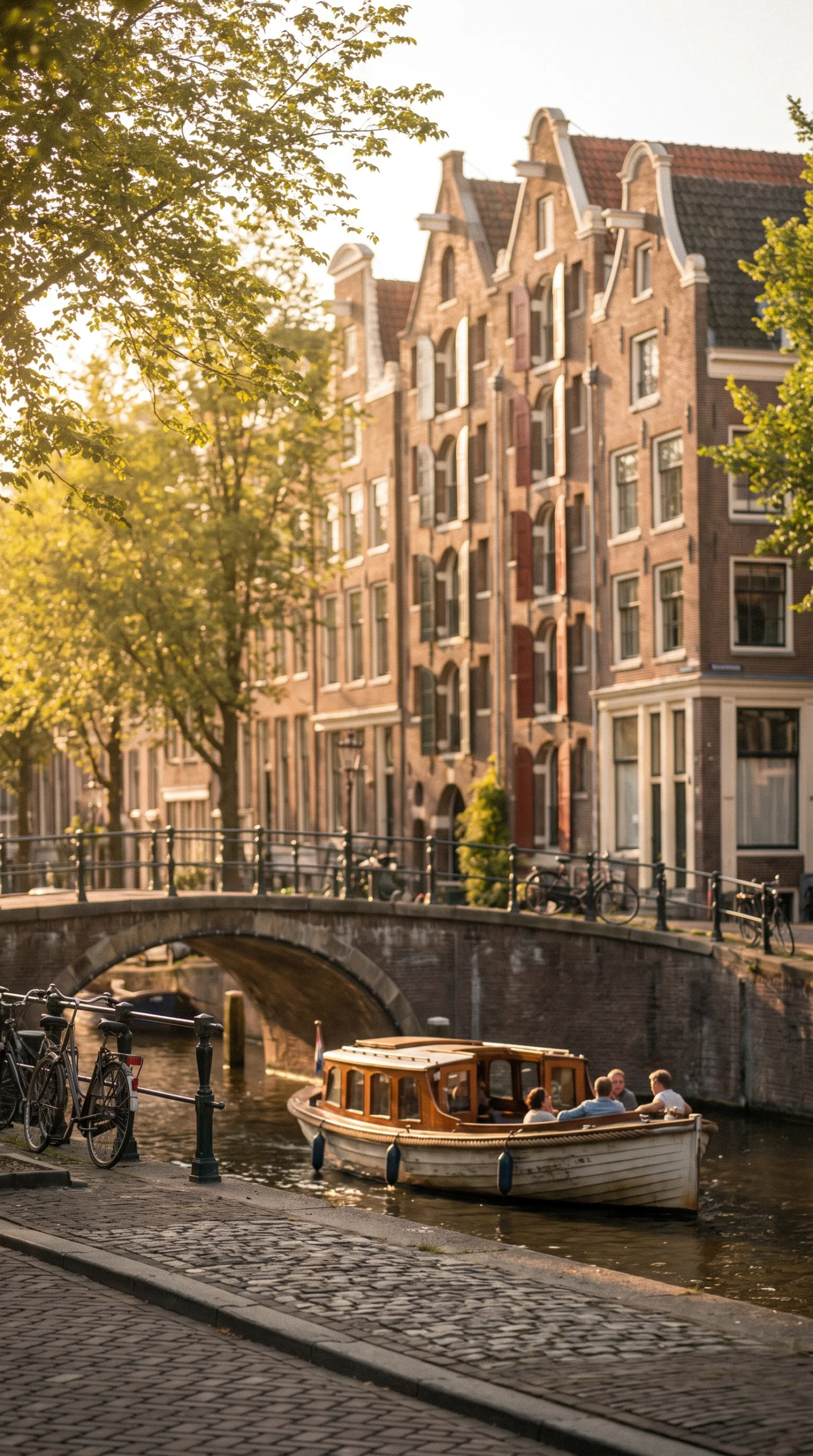
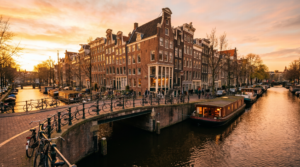
Amsterdam is the obvious one. Trains from Almere reach the capital in about 25 minutes, which makes a half-day or full-day trip simple. Go early, beat the crowds at the canals, and be back in Flevoland Netherlands for dinner. It really is that close.
Utrecht is the quieter pick. Under a hour away, it pairs a compact old center with canal-side cafes and far fewer tourists than Amsterdam. If big-city crowds wear you out, this is the better day out.
Volendam rounds out the list. This former fishing village sits on the old sea, a short drive from the polders, and its harbor and painted houses match the Urk story you already know. Grab smoked fish on the waterfront and watch the boats.
One planning tip. Distances here are short and trains run often, so you can pair two stops in a single day. Amsterdam in the morning, Utrecht in the afternoon works fine. Mixing day trips like these is one of the smarter things to do in Flevoland when the weather turns grey.
Flevoland FAQ
Is Flevoland man-made?
Yes. Most of Flevoland was drained from the old Zuiderzee lake in the 20th century using dikes and pumps. The land sits about six meters below sea level and stays dry thanks to constant pumping.
Why is it called Flevoland?
Flevoland takes its name from Lacus Flevo, the Roman name for the large inland lake that once covered the area. That lake later became the Zuiderzee, which was drained to build the province.
Is Flevoland worth visiting?
Yes, if you like open landscapes, nature and the story of reclaimed land. Flevoland has the Oostvaardersplassen nature reserve, spring tulip fields, the Batavialand and Aviodrome museums, and the planned cities of Almere and Lelystad. It works best as a day trip from Amsterdam, which sits about 30 minutes away by train.
When was Flevoland created?
Flevoland became an official province in 1986, making it the newest of the twelve. The polders under it were drained across the 1950s and 1960s, well before the province was formed.
Do you need a car in Flevoland?
A car helps a lot in Flevoland. The nature reserves, museums, and small towns sit far apart across flat farmland, and rural buses run only occasionally. Trains reach Almere and Lelystad from Amsterdam with ease, but a car or a full day of cycling is the best way to link the spread-out sights.