“`html
Estimated reading time: 17 minutes
Last updated: 23 September 2026
Table of Contents
- Why Is Graciosa Called the White Island?
- Top Attractions and Things to Do on Graciosa Island
- Getting to and Around Graciosa Island
- Where to Stay on Graciosa Island
- Day Trips from Graciosa Island
- Practical Tips for Visiting Graciosa Island
- Frequently Asked Questions
Why Is Graciosa Called the White Island?
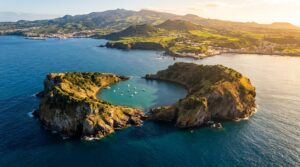
Graciosa earned the nickname “the White Island” (Ilha Branca) from the pale trachyte and pumice stone of its gentle volcanic landscape and the whitewashed houses of its villages. The Azores‘ second-smallest inhabited island at just 61 km², it has been a UNESCO Biosphere Reserve since 2007. Its signature sight is the Furna do Enxofre, a vast volcanic cavern with an underground lake, alongside old windmills, coastal thermal pools, and quiet Santa Cruz da Graciosa.
About This Guide
This guide draws from official Azores tourism resources, government data, and documented traveler experiences rather than firsthand visits. All details were current at publication, though we recommend checking local tourism websites before planning your trip, as information can change seasonally.
Want to see Graciosa’s windmills and volcanic landscapes for yourself? Watch our complete Azores travel documentary in 4K Ultra HD.
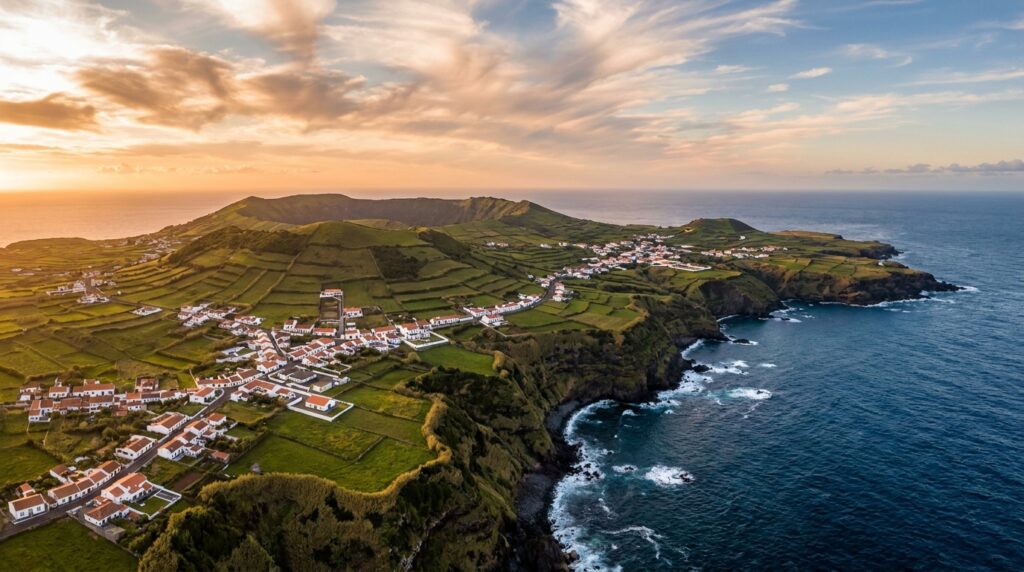
Graciosa Island sits 37 miles northeast of Terceira in the central Azores. Locals call it Ilha Branca, the White Island. The name comes from two things: white-washed houses that cover the hillsides and pale volcanic rock that dots the terrain. You won’t find crowds here. You’ll find windmills.
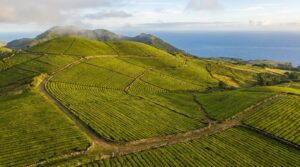
This is the Azores’ second-smallest inhabited island. Just 4,380 residents live here, according to the 2021 Portuguese census. Most settle in Santa Cruz da Graciosa, the main town on the southeast coast. The island spans 61 square kilometers, small enough to drive across in 20 minutes. The Graciosa Island UNESCO Biosphere Reserve designation recognizes the island’s volcanic caves, sulfur springs, and centuries-old farming practices. Vineyards grow inside volcanic craters. Stone windmills still grind corn.
Graciosa receives roughly 15,000 overnight visitors per year, per 2024 data from the Azores Regional Tourism Board, a fraction of São Miguel’s 300,000-plus annual arrivals. That means empty hiking trails. Thermal pools without queues. Restaurants where fishermen eat lunch next to you, not Instagram influencers.
Come here for nature. The island offers lava tube caves, coastal cliffs, and geothermal calderas. Come here for quiet. No resorts exist. No nightclubs operate. The Visit Azores portal lists Graciosa under “off-the-beaten-path destinations” for good reason. If you want authenticity over amenities, this is your island.
“`
Top Attractions and Things to Do on Graciosa Island
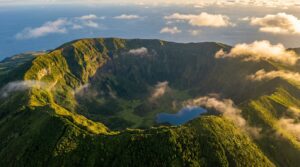
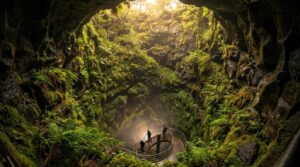
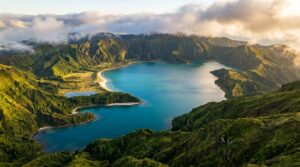
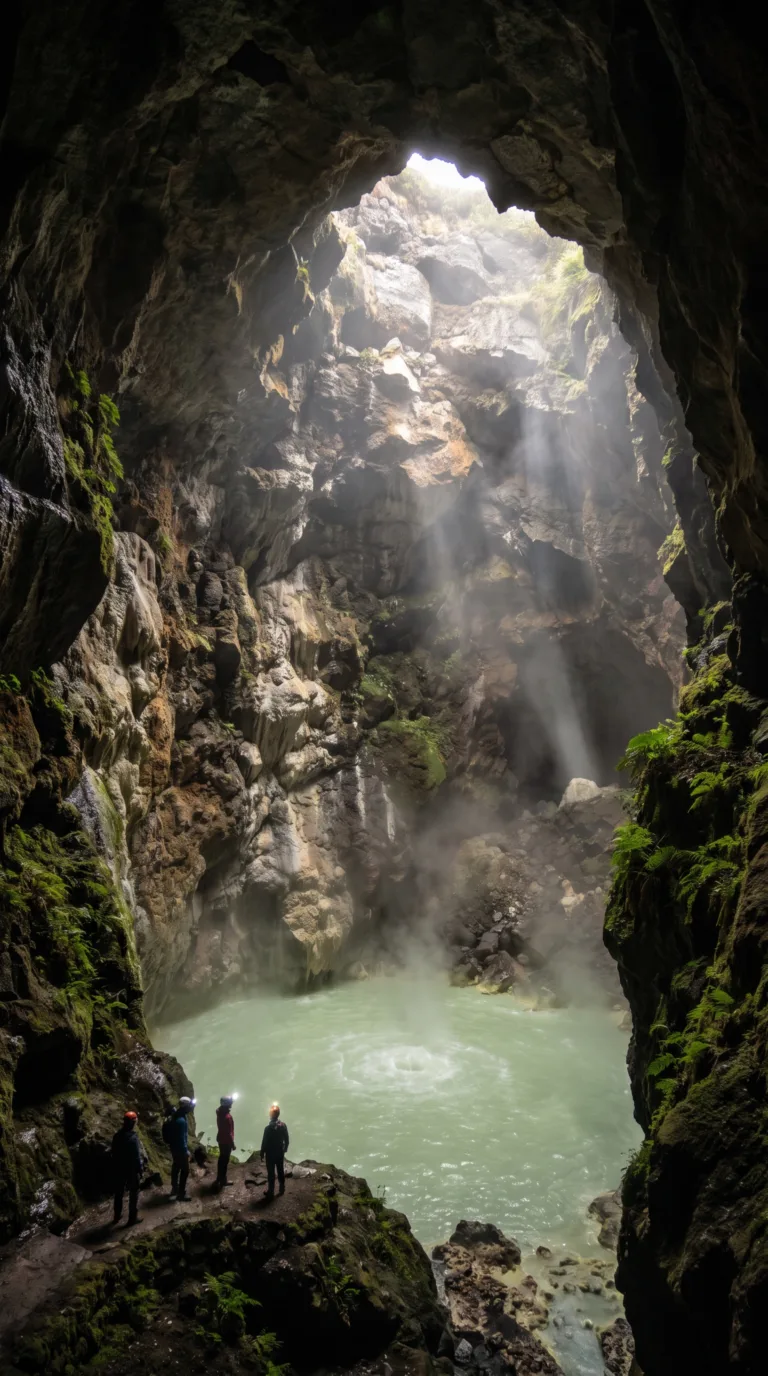
Furna do Enxofre, Graciosa’s signature attraction, is a 40-meter-deep volcanic cave containing a cold sulfur lake accessed via 183 stone steps carved into the crater of Caldeira da Graciosa.
Planning Tip
The descent into Furna do Enxofre takes about 10 minutes. Stone steps spiral down through the volcanic rock. At the bottom sits a sulfur lake that never warms above 15°C. The cavern ceiling arches 40 meters overhead. Natural light filters through a single opening at the top. The air smells faintly of rotten eggs. Bring a jacket, the temperature drops fast once you’re inside.
The cave sits inside Caldeira da Graciosa, a collapsed volcanic crater measuring 1.6 kilometers across and 270 meters deep according to the Azores Geological Institute. A walking trail circles the crater rim. The full loop takes 90 minutes. Views stretch across the entire island and out to the ocean. On clear days you can see neighboring Terceira Island 37 kilometers away.
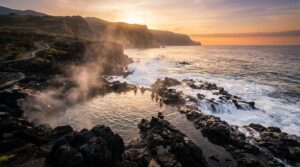
Termas do Carapacho on the southeast coast offers warm seawater pools heated by volcanic activity. The water stays around 35°C year-round. Entry costs €8 for adults. The facility includes changing rooms and a small café. The pools face the Atlantic. Locals swim here in winter when the air temperature drops to 14°C.
Red-topped windmills dot the landscape across Graciosa. The island has 23 traditional windmills still standing. Most date from the 18th and 19th centuries. Farmers used them to grind wheat and corn. Four have been restored and open to visitors. The windmill near Praia village is the most photographed.
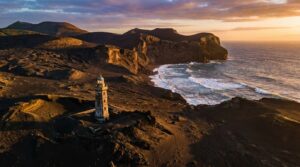
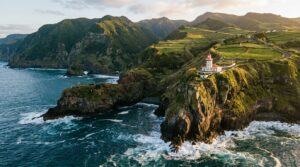
Hiking trails crisscross the island. Coastal paths run along black rock cliffs. Inland routes cut through vineyards and pastures. The trail with Luz village and Ponta da Barca lighthouse covers 6 kilometers. The lighthouse sits on the island’s northern tip. Sunset views from here face west over open ocean.
Whale watching runs from April through October. Sperm whales and common dolphins appear most frequently. Tours depart from Praia harbor. Expect to pay €55 per person for a three-hour trip. Book through WCA Approved operators for ethical wildlife encounters.
Wine production happens on small family farms. Verdelho grapes grow in volcanic soil protected by stone walls. The wine tastes dry with mineral notes. Some farms sell bottles directly. Ask at your accommodation for recommendations. Most producers don’t advertise, you need local knowledge to find them.
For detailed information on all island attractions, visit Explore Graciosa Island.
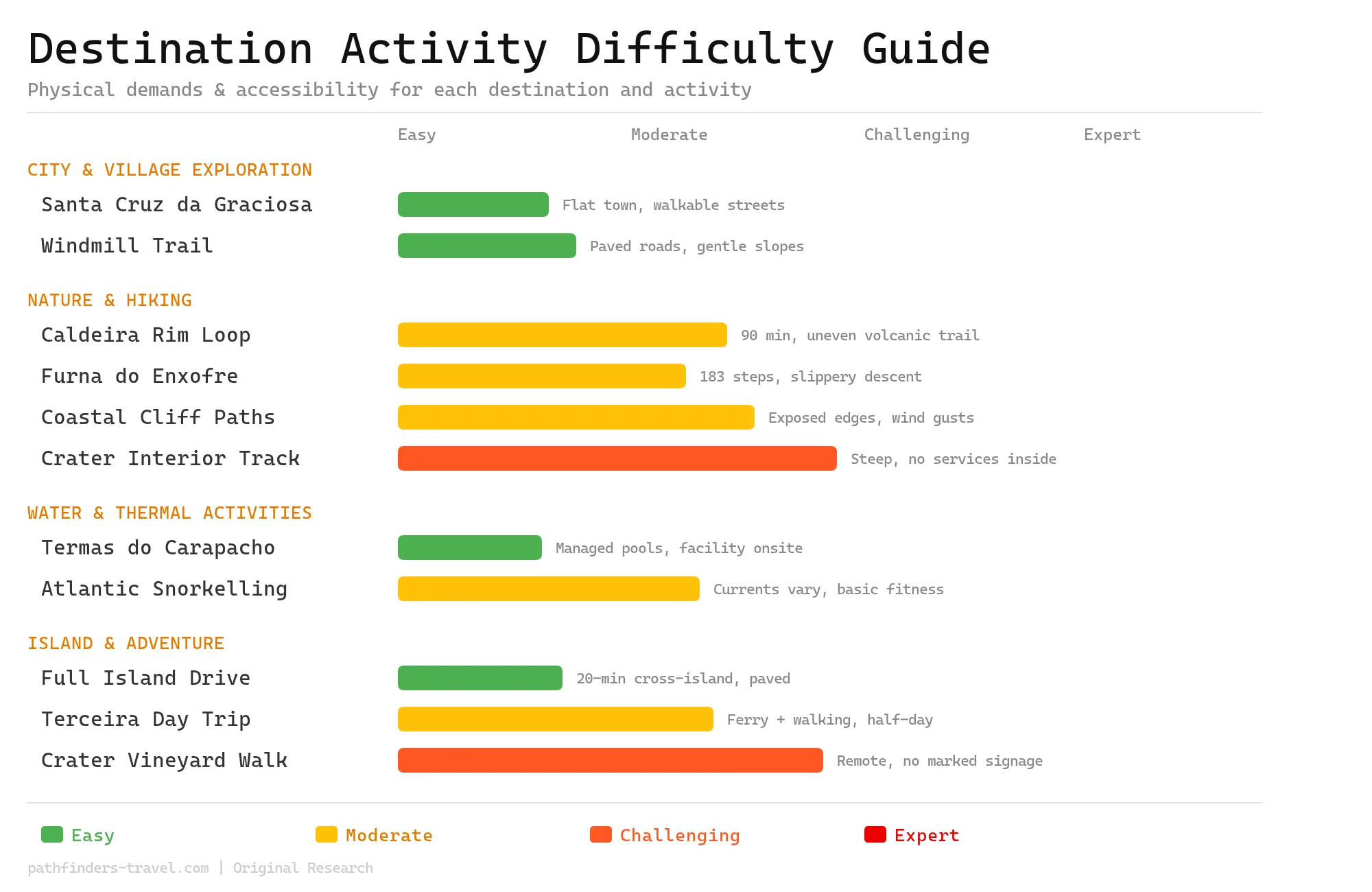
Activity Difficulty Guide
Graciosa Island is compact but surprisingly varied in physical demand, from easy strolls through white-washed villages to challenging descents into volcanic calderas. Most activities suit casual travellers with moderate fitness, though coastal paths and crater trails require sure footing and weather awareness. The island’s small size means no destination is really remote, but limited services and rugged volcanic terrain keep some routes firmly in the challenging category.
Getting to and Around Graciosa Island
Graciosa Island Airport receives daily SATA Air Açores flights from Terceira (15 minutes) and São Miguel (30 minutes), while Atlânticoline ferries connect to Terceira and São Jorge from April to September.
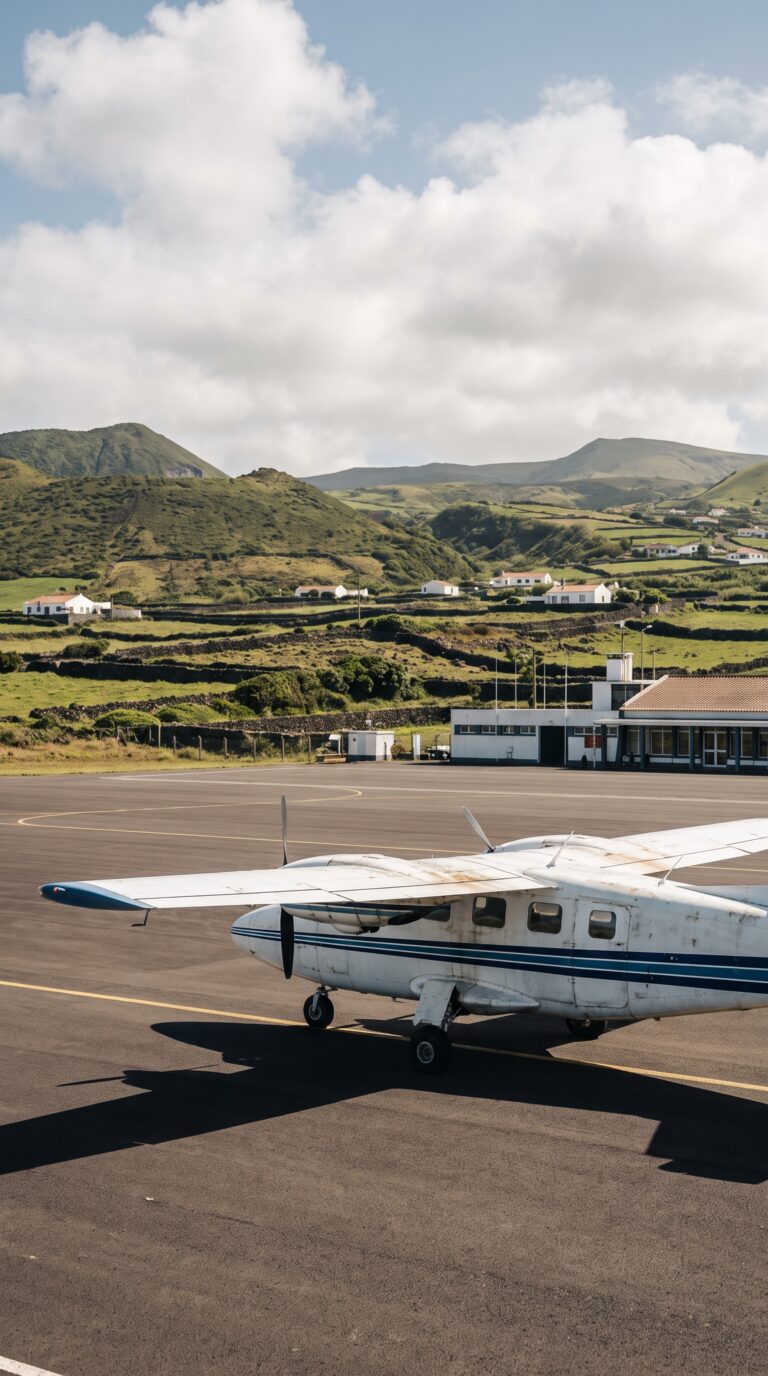
Two routes get you to Graciosa. Fly or float.
Graciosa Island Airport sits on the island’s northeast coast. SATA Air Açores runs daily flights from Terceira in 15 minutes. Most travelers connect through Terceira since it hosts the Azores’ main international hub. Flights from São Miguel take 30 minutes. According to SATA Air Açores’ 2026 schedule, service runs year-round with increased frequency June through September.
The Graciosa Island ferry operates seasonally. Atlânticoline connects Graciosa to Terceira and São Jorge from April through September. Crossing time from Terceira runs about 2.5 hours. Book online weeks ahead during summer. Per Atlânticoline’s 2026 timetable, service runs three to four times weekly depending on weather.
Rent a car. No debate here. Public buses barely exist. Rental agencies operate at the airport and in Santa Cruz da Graciosa, the main town. Reserve ahead in July and August when the handful of vehicles disappear fast.
The island stretches 12 kilometers end to end. You can drive the perimeter in 45 minutes. Every sight sits within a 20-minute drive from anywhere else.
Cyclists tackle Graciosa too. The island rolls with moderate hills. Fit riders handle it fine. Just know the roads narrow and wind.
Travel Routes
Below are recommended travel routes with key stops and estimated drive times.
| # | Stop | Highlights | Drive Time |
|---|---|---|---|
| 1 | Santa Cruz | Main town on the southeast coast. Pick up supplies, rent a car or scooter. White-washed architecture and the Municipal Museum are worth a quick look before heading inland. | Start |
| 2 | Caldeira da Graciosa | Collapsed volcanic crater 1.6 km across and 270 m deep. Walk the 90-minute rim trail for wide views across the whole island and out to Terceira on clear days. | 15 min |
| 3 | Furna do Enxofre | Graciosa’s signature attraction. Descend 183 stone steps into a 40 m-deep volcanic cave housing a cold sulfur lake at 15°C. Bring a jacket, it drops quickly. Natural light filters through one crater opening above. | 5 min |
| 4 | Santa Cruz | Return to town for lunch at a local café where fishermen eat alongside visitors. Try the local wine grown in volcanic crater vineyards. | 15 min |
| # | Stop | Highlights | Drive Time |
|---|---|---|---|
| 1 | Santa Cruz | Base and gateway. The harbor area offers a glimpse into Graciosa’s working fishing community. Start early to make the most of the coastal loop. | Start |
| 2 | Barro Beach | Quiet black-rock coastal cliffs and cove on the north of the island. One of Graciosa’s most scenic and least-visited shorelines, expect empty trails along the clifftops. | 10 min |
| 3 | Praia Windmills | Praia village is home to Graciosa’s most photographed traditional windmill. The island has 23 standing windmills dating from the 18th and 19th centuries; four are restored and open to visitors. | 10 min |
| 4 | Termas do Carapacho | Volcanic thermal pools on the southeast coast heated to ~35°C year-round. Entry €8. Pools face the Atlantic, locals swim here even in winter. Small café on site for a relaxed late-afternoon break. | 15 min |
| 5 | Santa Cruz | Return for dinner. The entire island is under 20 minutes across, so evenings are relaxed. No crowds, no queues, just local restaurants and quiet harbor views. | 10 min |
Where to Stay on Graciosa Island
Graciosa Island offers approximately 15 small guesthouses and rural tourism properties concentrated in Santa Cruz da Graciosa and Praia, with no large hotels or resorts on the island.
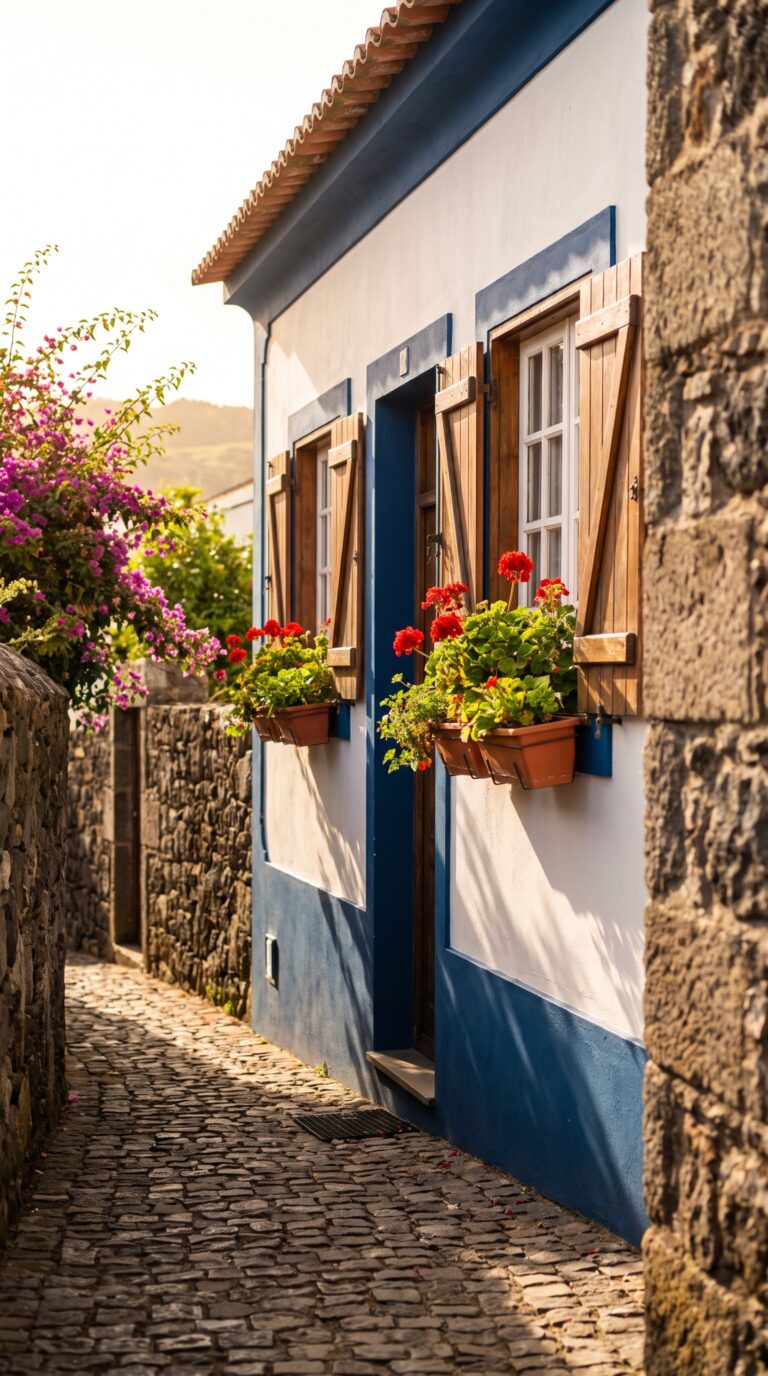
Forget scrolling through pages of chain hotels. Graciosa has none. The island’s accommodation consists entirely of small guesthouses (pensões), rural tourism properties (turismo rural), and a handful of vacation rentals. According to the Azores Regional Tourism Board accommodation directory, the island maintains just 15 registered properties. Most are family-run. All are small.
Santa Cruz da Graciosa is your main base. The island’s largest town holds most accommodation options. You’ll find restaurants within walking distance. A supermarket. ATMs. The harbor. Book here if you want convenience.
Praia offers an alternative. This smaller coastal village on the north coast has a few guesthouses and a quieter setting. You’ll hear waves at night. Fewer dining options, though.
Typical properties feature traditional Azorean architecture, white walls, colorful trim, tile work. Rooms are simple but comfortable. Breakfast often comes included. Don’t expect luxury amenities. These are homes converted to accommodate guests, not boutique hotels.
The island’s limited capacity means advance booking is non-negotiable from June through September. Properties fill up weeks ahead. Rates run €60–90 per night during peak season, mid-range by Azores standards, cheaper than São Miguel or Terceira.
Book directly with properties when possible. Call or email. You’ll support local businesses and sometimes negotiate better rates. The Turismo de Portugal National Tourism Register lists official rural tourism properties with contact details.
Some rural tourism properties include cooking facilities. Good for longer stays. You can shop at local markets and prepare meals.
Day Trips from Graciosa Island
Terceira Island lies just 15 minutes by air or 90 minutes by ferry from Graciosa, offering day-trip access to UNESCO-listed Angra do Heroísmo, Algar do Carvão volcanic cave, and the island’s famous bullfighting festivals.
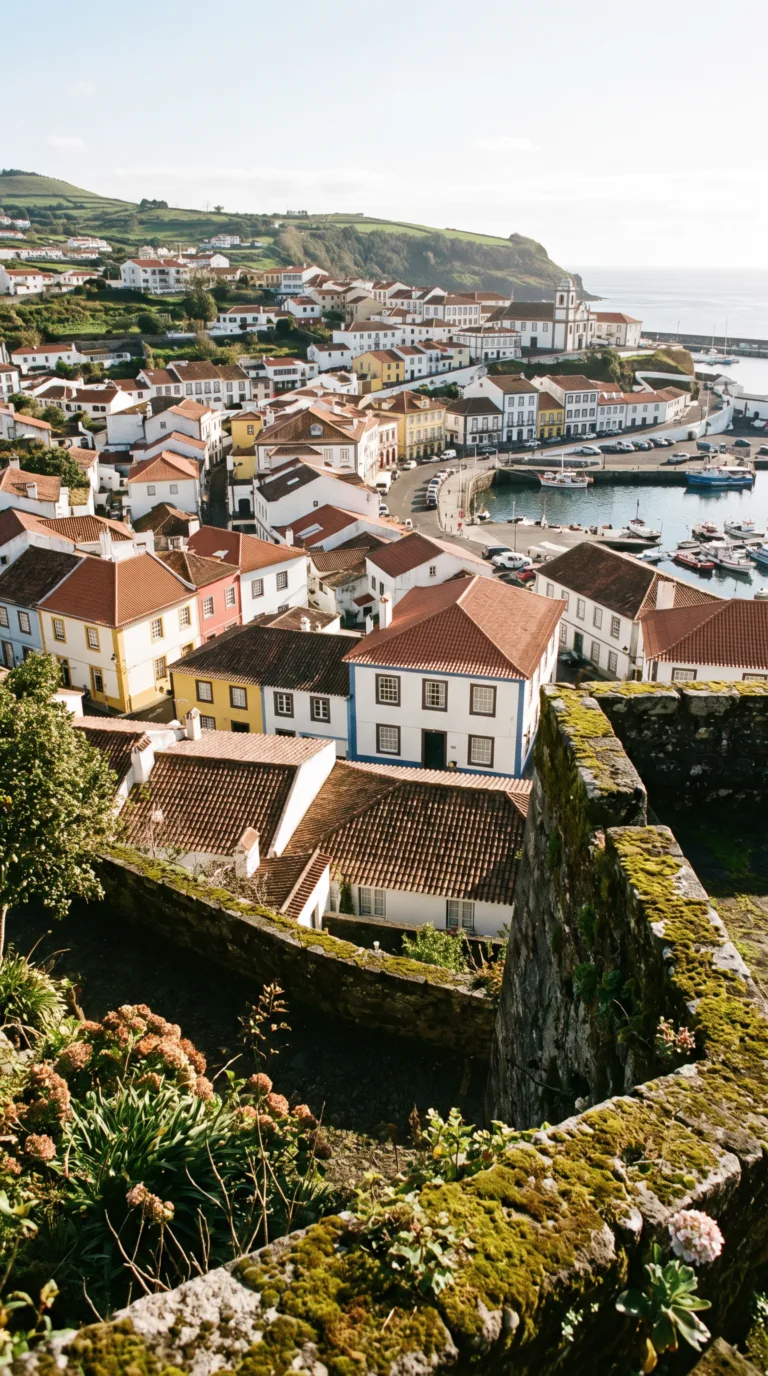
Graciosa sits at the center of the Azores archipelago. You can reach four other islands in under two hours. This makes it a smart base for island-hopping without constant hotel changes.
Terceira dominates the day-trip scene. SATA Air Açores runs multiple daily flights from Graciosa to Terceira in 15 minutes. Atlânticoline ferries take 90 minutes when seas cooperate. According to SATA Air Açores and Atlânticoline official schedules, you can catch a 7 AM flight, spend eight hours exploring, and return by dinner.
Angra do Heroísmo is the main draw. This UNESCO World Heritage Site (one of two in the Azores accessible from Graciosa) sprawls across a volcanic bay with pastel buildings and cobblestone streets. The 16th-century fortifications still stand. Walk the grid layout the Portuguese imposed in 1534. Most visitors skip the museums and head straight to Algar do Carvão, a volcanic cave you can descend 90 meters into via stone steps. The underground lake reflects stalactites. Open April through September only.
Terceira invented a bloodless form of bullfighting called tourada à corda. A bull runs through village streets on a 30-meter rope held by eight men. Locals dodge and taunt. No matadors, no swords. Summer festivals run May through October.
São Jorge requires more planning. Ferries run summer only, taking 90 minutes from Graciosa. The island built its reputation on fajãs, flat coastal platforms formed by ancient lava flows and landslides. São Jorge Fajãs like Fajã dos Cubres and Fajã da Caldeira de Santo Cristo sit at sea level beneath 500-meter cliffs. Hiking trails connect them. The island also produces queijo São Jorge, a hard cow’s milk cheese aged in caves. You can tour production facilities in Beira.
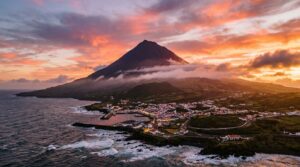
Pico Island looms across the channel from São Jorge. Mount Pico rises 2,351 meters, Portugal’s highest point. Climbers start at 2 AM to reach the summit by sunrise. The trek takes seven hours round trip. At sea level, Pico Island Vineyards grow grapes in tiny stone corrals built to block Atlantic winds. UNESCO listed these vineyards in 2004. Whale-watching boats leave from Lajes do Pico. Sperm whales feed here year-round. You’ll need to ferry via Terceira or São Jorge to reach Pico from Graciosa.
Faial connects to Pico by a 30-minute ferry. Sailors call it the Blue Island after the hydrangeas that line every road. Horta marina hosts transatlantic yachts, tradition demands every crew paint a mural on the harbor wall. Capelinhos Volcano erupted in 1957, adding new land to Faial’s western tip. The lighthouse still stands half-buried in ash. Caldeira do Faial, a two-kilometer-wide crater, dominates the island’s center. A hiking trail circles the rim.
São Miguel works as a long day trip if you catch the 6 AM flight. The largest Azores island packs in Sete Cidades twin lakes, Lagoa do Fogo crater lake, and Furnas hot springs. Ponta Delgada serves as the regional capital. You’ll also find Caldeira Velha thermal pools, Ponta da Ferraria ocean hot springs, Nordeste viewpoints, Gorreana Tea Plantation, Mosteiros black sand beach, and Ilhéu de Vila Franca do Campo nature reserve. Trying to see everything in one day guarantees you’ll see nothing well. Pick two or three stops. Serra do Cume viewpoint on Terceira offers better bang for your time.
Flores Island, Corvo Island, and Santa Maria Island sit too far for day trips. Flores lies 250 kilometers west, the flight takes 90 minutes. Corvo is even smaller than Graciosa, with 400 residents and one village. Santa Maria anchors the eastern Azores, 90 minutes by air from Graciosa. Save these for multi-day itineraries.
Book inter-island flights two weeks ahead in summer. Ferries sell out during festivals. Atlânticoline suspends routes October through April when swells hit. Morning flights give you maximum island time. Return flights often delay for weather, build buffer days into your schedule.
Practical Tips for Visiting Graciosa Island
Graciosa Island experiences mild year-round temperatures between 14-25°C, with the driest months from June to September averaging 6-8 hours of daily sunshine and minimal rainfall.
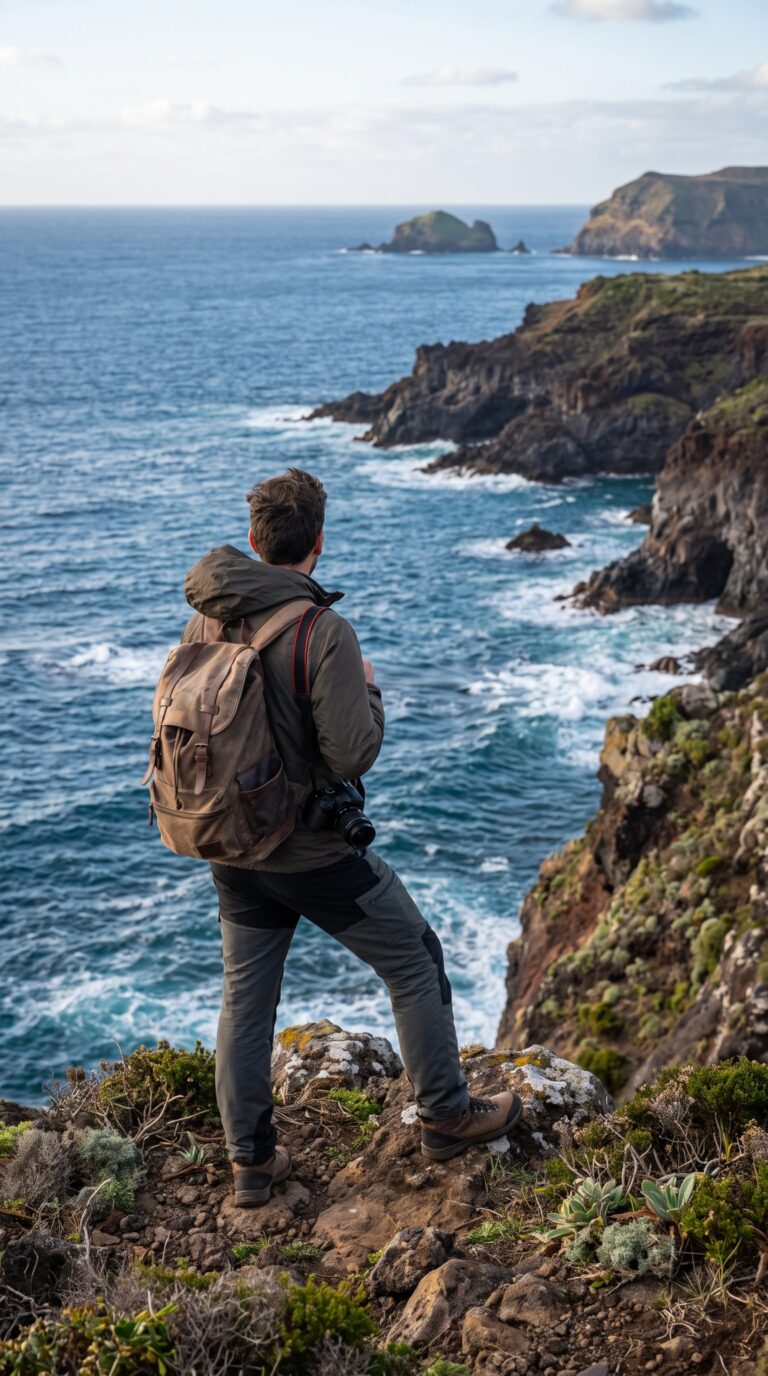
The best time to visit runs from June through September. You get the warmest weather, the driest days, and full ferry schedules. According to the Portuguese meteorological institute (IPMA), these months see average highs of 23-25°C and lows around 18°C, with rainfall dropping to just 20-30mm per month. Peak season brings more visitors, around 15,000 tourists compared to 4,000 in winter months, per Azores Regional Tourism statistics, but Graciosa never feels crowded.
Shoulder months work well too. April, May, September, and October offer lower accommodation prices and fewer tourists. Temperatures hover around 17-21°C. You might catch more rain, but the island stays green and dramatic.
Pack layers no matter when you come. The weather shifts fast. A waterproof jacket is non-negotiable. Comfortable walking shoes matter more than hiking boots unless you plan serious trails. Even summer evenings cool down to 16-18°C.
Graciosa is quieter than São Miguel or Terceira. Restaurants close early. No nightlife exists. Shops shut by 7 PM. You’ll find ATMs in Santa Cruz da Graciosa and credit cards work in most hotels, but carry cash for small purchases at cafés or bakeries.
Portuguese is the main language. English works in tourism businesses but less so than on bigger islands. Mobile coverage is solid in towns, patchy in rural areas. Check the IPMA Weather Forecast before heading out each day.
Plan at least 2-3 nights to explore properly. The island is safe. Crime rates are nearly zero. Locals are friendly and patient with visitors.
Frequently Asked Questions
Is Graciosa Island worth visiting?
Yes, Graciosa rewards travelers seeking quiet and volcanic landscapes without crowds. The island’s standout attraction is Furna do Enxofre cave, where you descend into a volcanic crater to see an underground sulfur lake. Nature lovers and hikers will appreciate the rural terrain and coastal trails. This isn’t a beach destination. No nightlife scene exists here. Tourist infrastructure is minimal, a few guesthouses, basic restaurants, one thermal pool facility. Graciosa works best as part of a multi-island trip. Pair it with Terceira for UNESCO sites or São Jorge for dramatic cliffs. If you want resorts and organized tours, skip Graciosa. If you want authentic Azorean village life and empty hiking trails, book your ticket.
What is there to do in Graciosa?
Explore Furna do Enxofre volcanic cave by descending 183 steps into Caldeira da Graciosa crater. The cave holds a cold sulfur lake 15 meters below ground. Hike the crater rim trail for 360-degree views across the island. Soak in the natural thermal pools at Termas do Carapacho on the southeast coast, water temperature hovers around 39°C. Photograph the traditional red-capped windmills scattered across the countryside. Walk coastal trails near Ponta da Barca and watch for sperm whales offshore. Wander the cobblestone streets of Santa Cruz da Graciosa and Praia to see whitewashed churches and chat with locals in village cafés. The island has no major museums or shopping districts. Activities center on geology, hiking, and rural culture.
How do you get to Graciosa Island?
Fly SATA Air Açores from Terceira in 15 minutes or from São Miguel in 30 minutes. Flights run daily year-round. Take the Atlânticoline ferry from Terceira or São Jorge between April and September, service is seasonal and weather-dependent. Most international travelers fly into Terceira first via Lisbon or direct summer flights from Boston and Toronto. From Terceira, the connecting flight to Graciosa costs around €50-70 one-way. Book inter-island transport at least two weeks ahead during July and August. Ferry tickets sell out fast in peak season. No direct international flights serve Graciosa Airport.
How long should I spend on Graciosa Island?
Stay at least 2 nights to visit Furna do Enxofre cave and the thermal pools without rushing. Three to four nights allows time for coastal walks, village exploration, and a day trip back to Terceira by ferry. The island measures 12 kilometers across. You can drive the entire perimeter in under two hours. Main sights require only 1-2 full days of active exploration. Stay longer if you want to disconnect completely and adopt a slow travel pace. Graciosa fits naturally into a 10-14 day Azores itinerary that includes Terceira, São Jorge, and Pico. Solo travelers and couples seeking quiet often extend their stay to a full week.
When is the best time to visit Graciosa?
May to September brings the warmest, driest weather and the calmest seas for boat trips and the thermal pools, with July and August the busiest. Spring and autumn are quieter and still mild, though the Atlantic can be unpredictable. Winter is green but wetter and windier, and some ferry sailings are cancelled. For hiking and swimming, aim for June to September.