Estimated reading time: 15 minutes
Last updated: 31 August 2026
How Many Days Do You Need in Nordeste?
Most travellers give Nordeste a full day, and one unhurried day is enough to string together its highlights: the clifftop gardens at Miradouro da Ponta do Sossego and Ponta da Madrugada, the Ribeira dos Caldeirões waterfalls, and the Farol do Arnel lighthouse. Stay two days if you want to hike the quiet trails or slow down over local cooking, since this is São Miguel’s wildest, rainiest and least crowded corner.
Sources for This Guide
This guide draws from Portuguese tourism boards, regional travel data, and documented visitor experiences, all verified as of writing. Since conditions change seasonally, we recommend confirming details with local authorities before your trip.
Want to see Nordeste’s dramatic cliffs and waterfalls for yourself? Watch our São Miguel travel documentary in 4K Ultra HD.
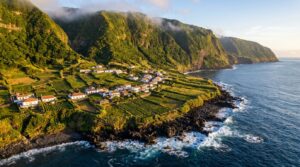
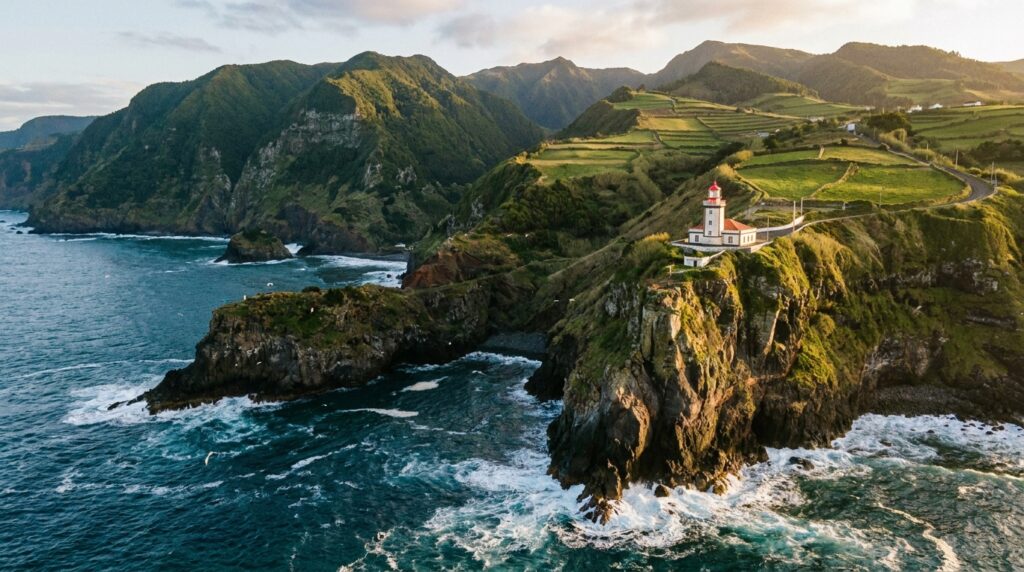
Travelers ask “is Nordeste worth visiting?” all the time. The answer is yes. Emphatically yes. But only if you want untouched nature instead of tour bus crowds. Nordeste sits on the northeastern part of São Miguel Island in the Azores, Portugal. Pure air. Dramatic peaks. Jagged mountain slopes dropping straight into the Atlantic. The sea horizon stretches so far you forget where water ends and sky begins.
Most tourists rush to Sete Cidades or Furnas. They skip Nordeste entirely. That’s your advantage. The Official Visit Azores tourism website lists it as a destination, but few actually go. You’ll find waterfalls without selfie sticks. Viewpoints without crowds. The Farol do Arnel, the oldest lighthouse in the Azores, requires a steep hike down 600 stone steps. That alone filters out half the island’s visitors.
This guide covers everything, including dramatic coastlines, hidden waterfalls, the best viewpoints, local food spots, where to stay, and how to get around. The São Miguel Island official tourism portal provides regional context, but we’re drilling into the specifics you actually need. No fluff. Just the real details for planning a trip to Nordeste Azores.
Top Attractions and Things to Do in Nordeste
Nordeste’s top attraction is Farol do Arnel, the Azores’ oldest lighthouse, accessible via a steep cliff path that rewards visitors with dramatic Atlantic views and rugged coastal scenery.
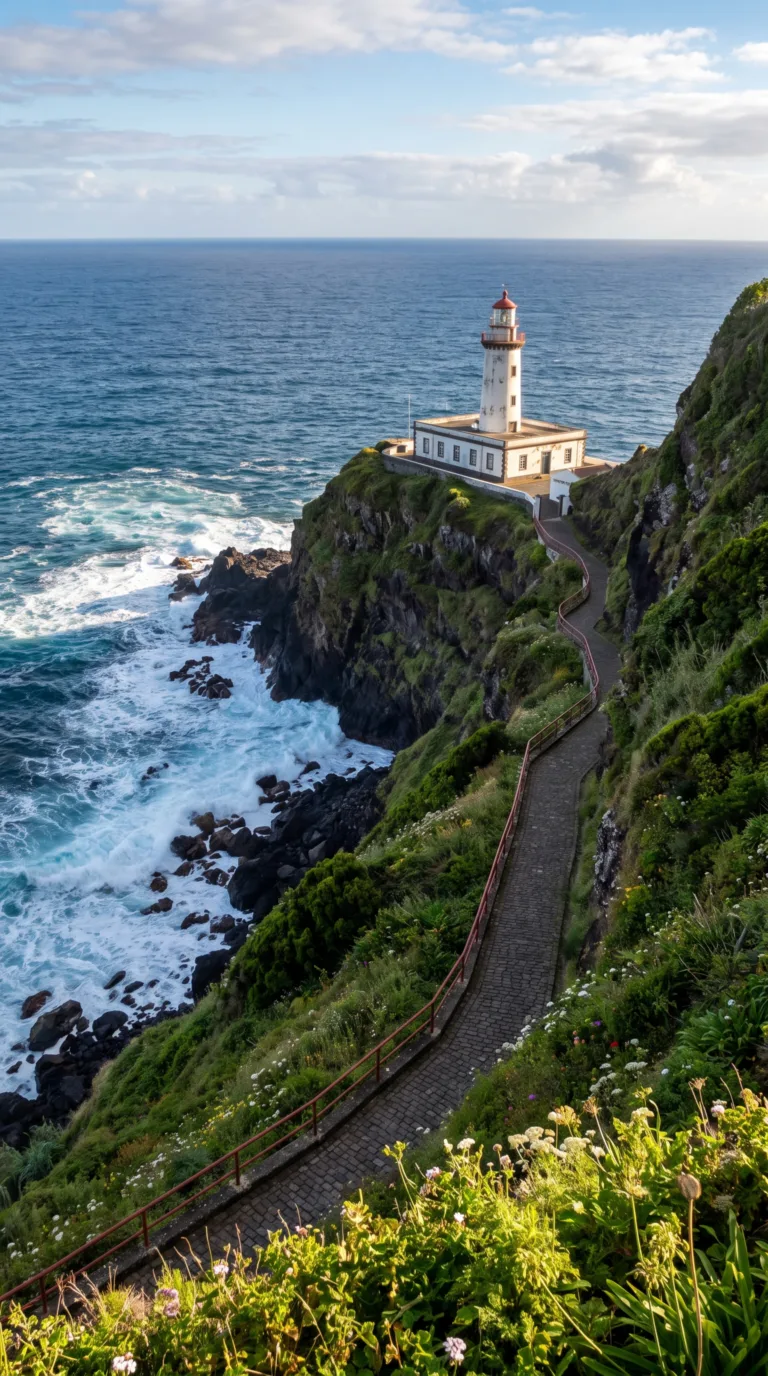
The Official Nordeste Tourism Website lists dozens of reasons to visit, but Farol do Arnel tops every list. Built in 1876, this lighthouse clings to a cliff edge 150 meters above the Atlantic. Getting there is half the experience. You can drive down a narrow paved road or walk a steep trail that drops through switchbacks. The descent takes 20 minutes. Your thighs will remember the climb back up.
Once you reach the lighthouse, the view opens up. Waves hammer the rocks below. On clear days, you can see the curvature of the ocean. The isolation feels absolute. No crowds. No gift shops. Just wind and salt spray.
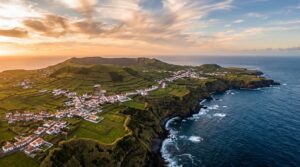
Nordeste owns the most dramatic coastline on São Miguel. Black cliffs plunge into churning water. The landscape is raw. Volcanic rock meets green pasture at sharp angles. This isn’t postcard scenery, it’s geology in motion.
The municipality maintains 18 official miradouros according to the Nordeste Tourism Office. Each viewpoint offers a different angle on the same brutal beauty. Miradouro da Ponta do Sossego hangs over the ocean with stone benches and manicured gardens. Miradouro da Ponta da Madrugada faces east, perfect for sunrise. You won’t find tour buses at these spots. Most visitors stick to the southern coast.
Hikers have options. The Great Waterfalls tour connects several cascades through dense forest. Trails wind through cryptomeria trees and ferns taller than your head. The air smells like wet earth and moss. Ribeira dos Caldeirões Natural Park offers easier walks around a waterfall and old water mills. The park also hosts canyoning trips for anyone comfortable with ropes and cold water.
Day trips from Nordeste reach Ilhéu de Vila Franca do Campo, a volcanic crater island 40 minutes west. Boat tours leave from Vila Franca do Campo harbor. The islet’s protected lagoon is shallow and clear, ideal for snorkeling. You’ll see parrotfish and octopus in the rocks. Tours run June through September only. Book ahead. The park service limits daily visitors to 400.
Nordeste rewards slow travel. The trails here see fewer boots than anywhere else on São Miguel. You can hike for an hour without passing another person. The silence is real. No engine noise. No chatter. Just your breath and the distant crash of waves. If you need solitude, this corner delivers.
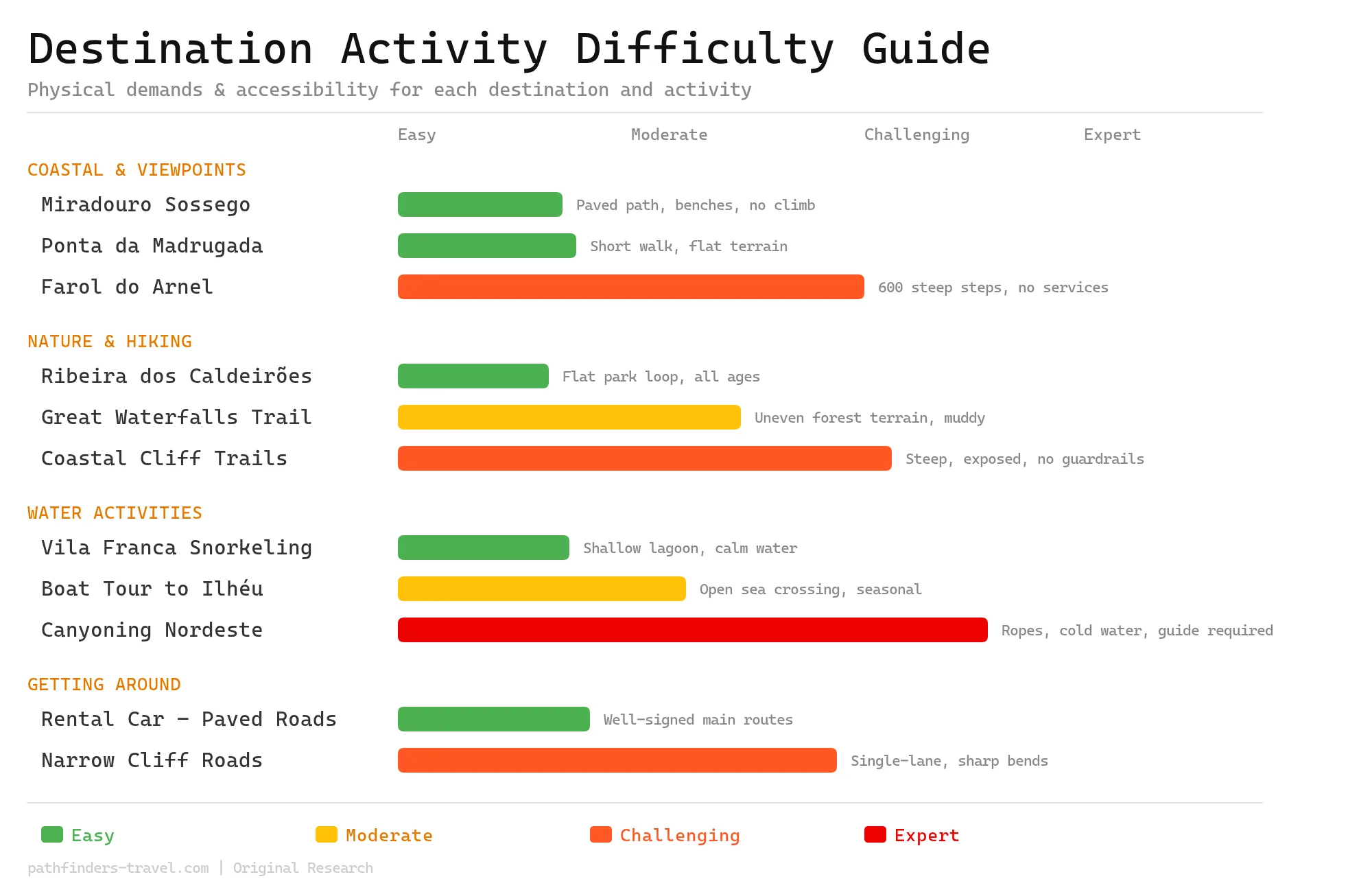
Activity Difficulty Guide
Nordeste, São Miguel spans a wide difficulty spectrum, from flat garden viewpoints accessible to all ages to expert-level canyoning and cliff hikes with no safety infrastructure. Most visitors will find the coastal miradouros and park walks straightforward, but the region’s signature experiences (Farol do Arnel, cliff trails, canyoning) demand solid fitness and confidence on uneven terrain. Plan your activities by fitness level and always check seasonal access before heading out.
Where to Eat in Nordeste
Nordeste offers authentic Azorean dining focused on fresh Atlantic seafood, traditional Portuguese stews, and local specialties like lapas and regional cheese in family-run restaurants.
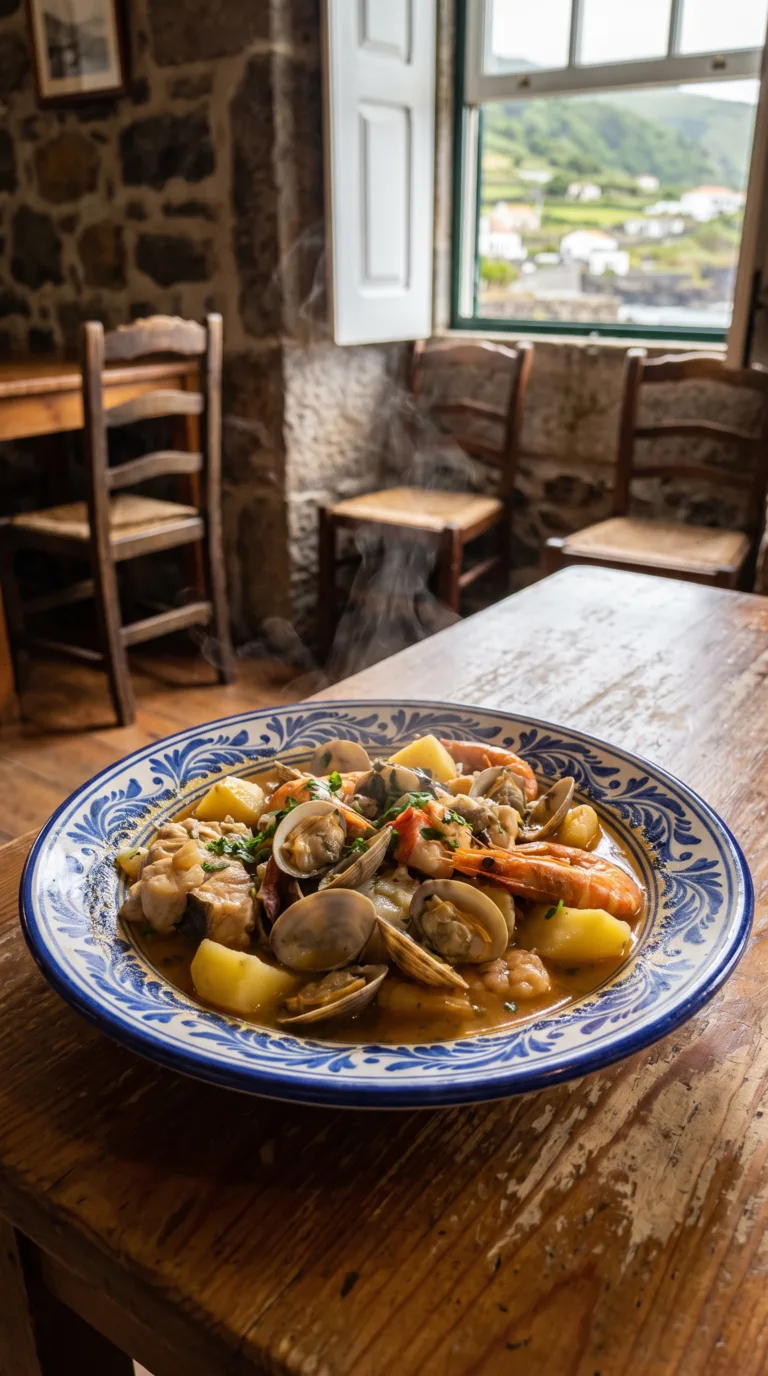
The dining scene here skews local. You won’t find rows of tourist-trap restaurants with laminated menus. What you get instead: family-run spots serving comida do nordeste that hasn’t changed much in decades. Fresh fish comes straight from the Atlantic. Lapas, grilled limpets, arrive still sizzling in garlic butter. Traditional stews simmer for hours in clay pots.
Options are limited compared to Ponta Delgada or Furnas. That’s the trade-off for authenticity. Most restaurants close by 9 PM. Sunday lunch is the main event. Locals pack the tables for plates of octopus stew and fried mackerel.
Don’t skip the regional cheese, sharp, crumbly, made from cows that graze on coastal pastures. Sweet bread (massa sovada) appears at breakfast tables and bakery counters. It’s dense, slightly sweet, perfect with butter and local jam. Regional wines from Pico Island pair well with seafood dishes.
If you want more variety, drive to Povoação (15 minutes) or Furnas (40 minutes). Both towns offer additional restaurants and cafés. But the point of eating in Nordeste is simplicity. Grilled fish. Boiled potatoes. A cold beer. No fuss.
Where to Stay in Nordeste
Nordeste offers small-scale accommodation including traditional pousadas, rural guesthouses, and family-run B&Bs that provide peaceful, nature-focused stays with authentic Azorean hospitality.
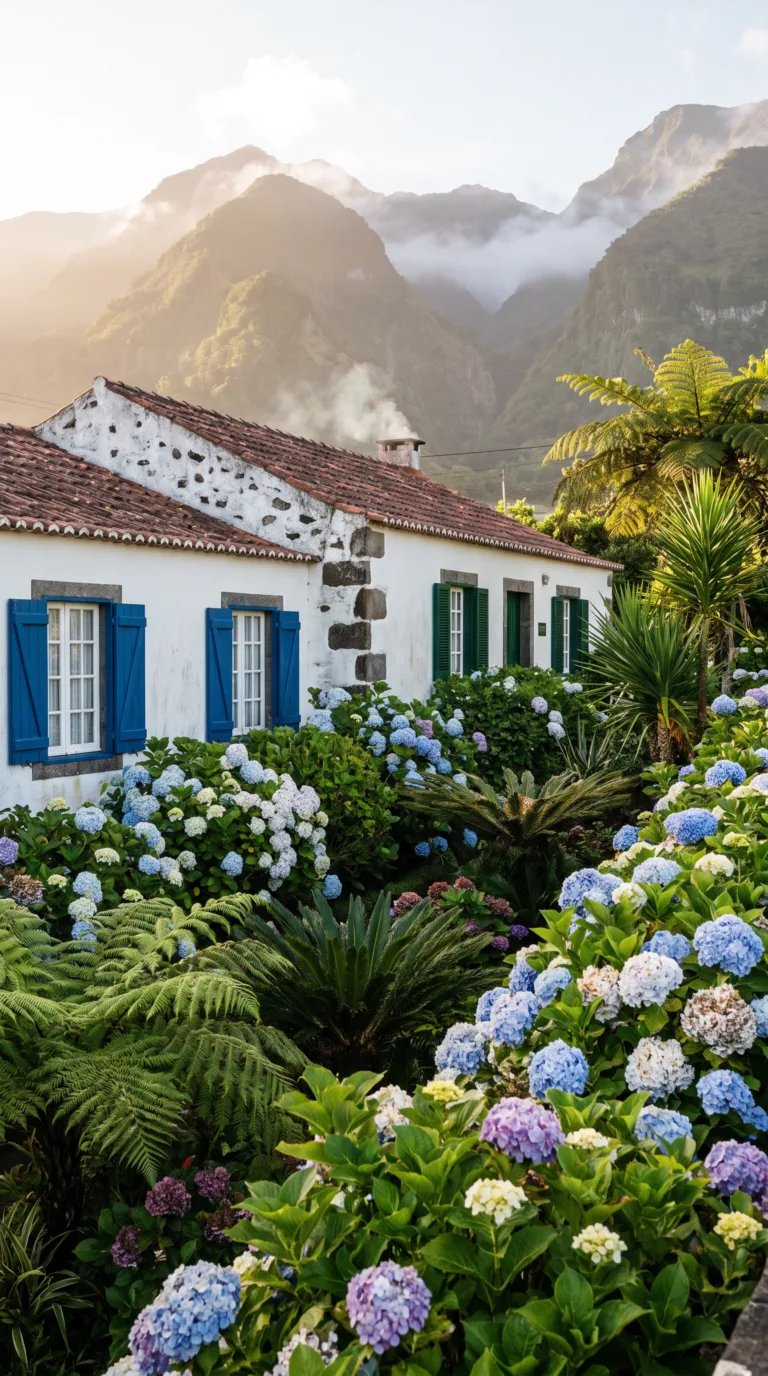
Accommodation in Nordeste runs small. You won’t find chain hotels here. Instead, expect pousadas (traditional guesthouses), rural tourism houses, and family-run B&Bs. Most properties have fewer than ten rooms. The vibe is quiet. Very quiet.
Staying here puts you directly in nature. Wake up to birdsong. Walk to viewpoints before breakfast. No traffic noise. No crowds at dinner. This isn’t Ponta Delgada, it’s the opposite.
Options are limited. Book ahead. Most travelers stay one or two nights as part of a São Miguel loop. That’s enough time to hike the trails, see the viewpoints, and decompress. The Casas Açorianas registry lists verified rural properties across the Azores if you want to compare options.
Your hosts will likely be locals who’ve lived here their entire lives. They’ll tell you which trails are muddy, which restaurants are open, and where to watch the sunrise. That kind of intel doesn’t come from a hotel concierge.
Getting to and Around Nordeste
Planning Tip
Nordeste is located 50-60 kilometers from Ponta Delgada airport on São Miguel’s northeastern tip, best reached by rental car via a scenic 1-1.5 hour drive along coastal or inland routes.
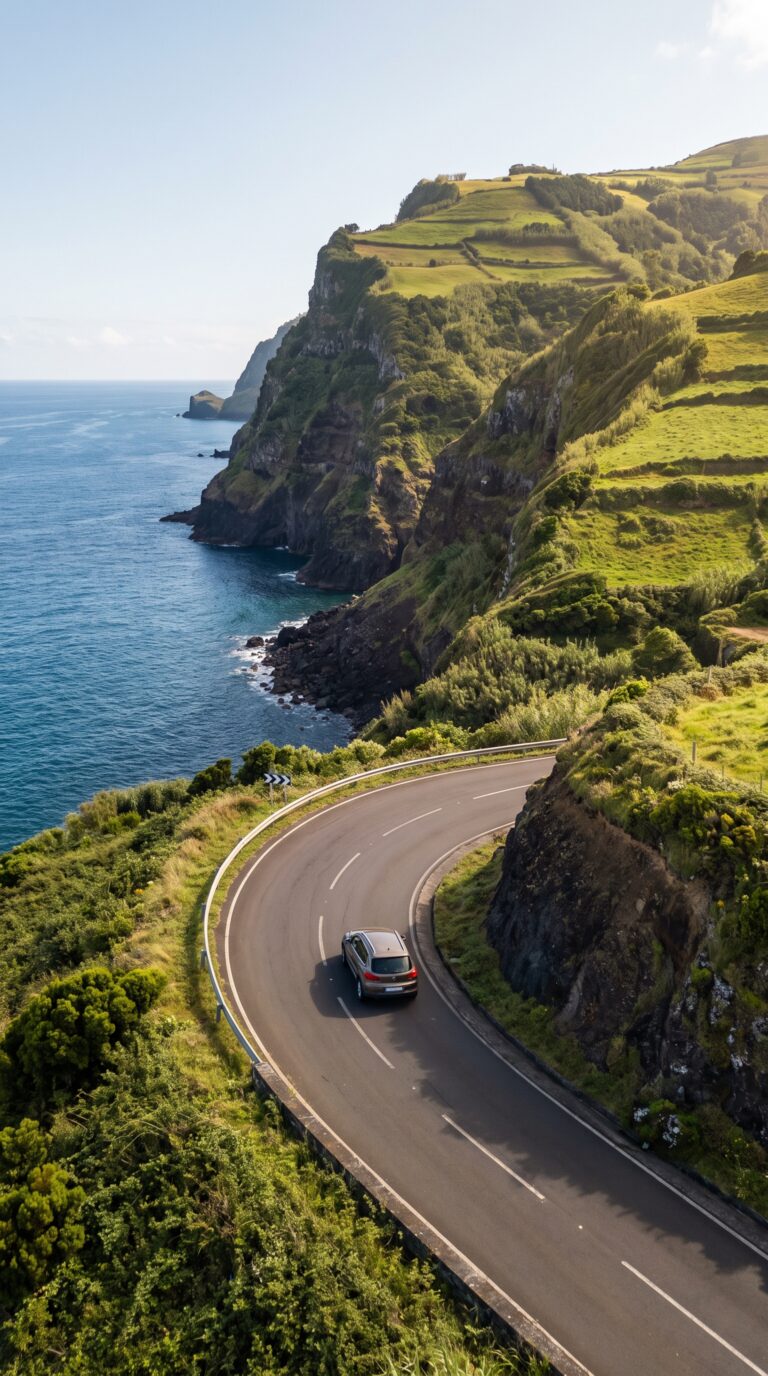
Ponta Delgada sits at the opposite end of the island. The drive takes 60-90 minutes depending on your route and how many viewpoints you stop at. You can take the faster inland highway or hug the northern coast, both offer dramatic scenery.
Rent a car. This is not optional. Nordeste spreads across a remote peninsula with attractions scattered along winding roads. Public buses exist, the nordeste bus runs on the Official São Miguel public transport schedule, but service is infrequent and impractical for tourists. You cannot reach Farol do Arnel or most trailheads without your own wheels.
Roads narrow as you approach the coast. The descent to Farol do Arnel drops 400 meters on a single-lane track with hairpin turns. Drive slowly. Pull into passing bays when you meet another car. Locals know these roads; tourists do not.
Pick up your rental at Ponta Delgada airport official website when you land. Book ahead in summer, inventory runs thin.
Travel Routes
Below are recommended travel routes with key stops and estimated drive times.
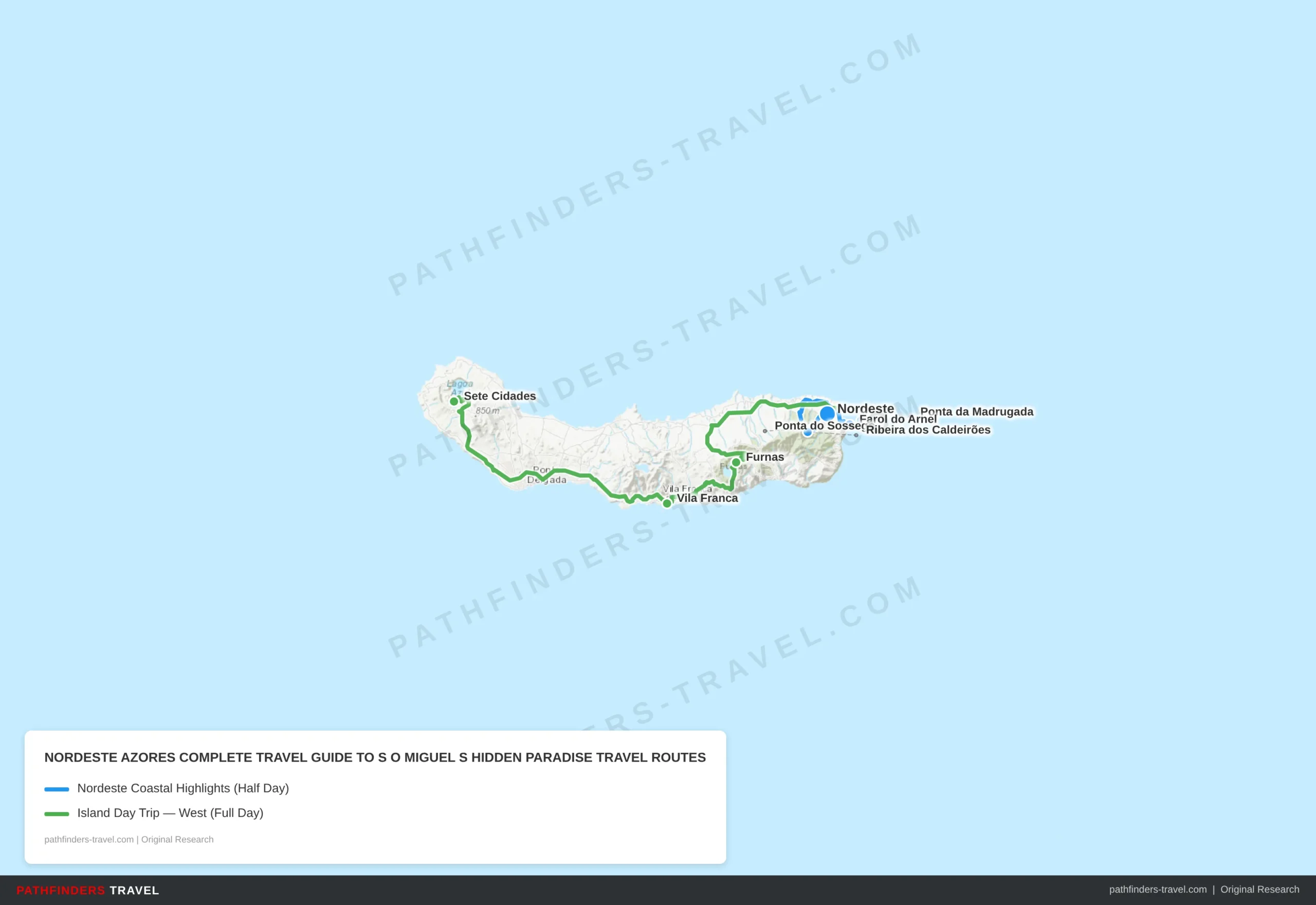
| # | Stop | Highlights | Drive Time |
|---|---|---|---|
| 1 | Nordeste | Start in the village centre; pick up supplies at the local market and get your bearings before heading out along the clifftop roads. | Start |
| 2 | Ponta da Madrugada | São Miguel’s easternmost viewpoint, arrive at sunrise for golden light over the open Atlantic. Stone benches, no crowds. | 10 min |
| 3 | Farol do Arnel | Azores’ oldest lighthouse (1876), perched 150 m above sea level. Steep 600-step descent or narrow paved road. Dramatic wave-battered cliffs below. | 15 min |
| 4 | Ponta do Sossego | Manicured clifftop gardens hanging over the ocean. One of Nordeste’s 18 official miradouros, quieter than any southern-coast viewpoint. | 10 min |
| 5 | Ribeira dos Caldeirões | Natural park with waterfall, restored water mills, and shaded forest walks. Canyoning trips available. Great picnic spot to end the morning loop. | 10 min |
| # | Stop | Highlights | Drive Time |
|---|---|---|---|
| 1 | Nordeste | Early departure recommended. Pack lunch or grab coffee before heading southwest across the island’s volcanic interior. | Start |
| 2 | Furnas | Geothermal valley with steaming fumaroles, hot springs, and the famous cozido stew slow-cooked underground. Terra Nostra park worth a quick walk. | 45 min |
| 3 | Vila Franca | Jump-off point for boat tours to Ilhéu de Vila Franca do Campo, a volcanic crater islet with a protected snorkelling lagoon. Limited to 400 visitors/day; book ahead. Runs June, September only. | 35 min |
| 4 | Sete Cidades | São Miguel’s iconic twin-lake caldera, one lake green, one blue. Vista do Rei viewpoint for the classic postcard shot. Return east via the northern coast road. | 50 min |
Day Trips from Nordeste
From Nordeste, visitors can day-trip to São Miguel’s iconic attractions including Sete Cidades twin lakes, Furnas volcanic hot springs, Lagoa do Fogo crater lake, and Gorreana Tea Plantation, all within 1-2 hours’ drive.
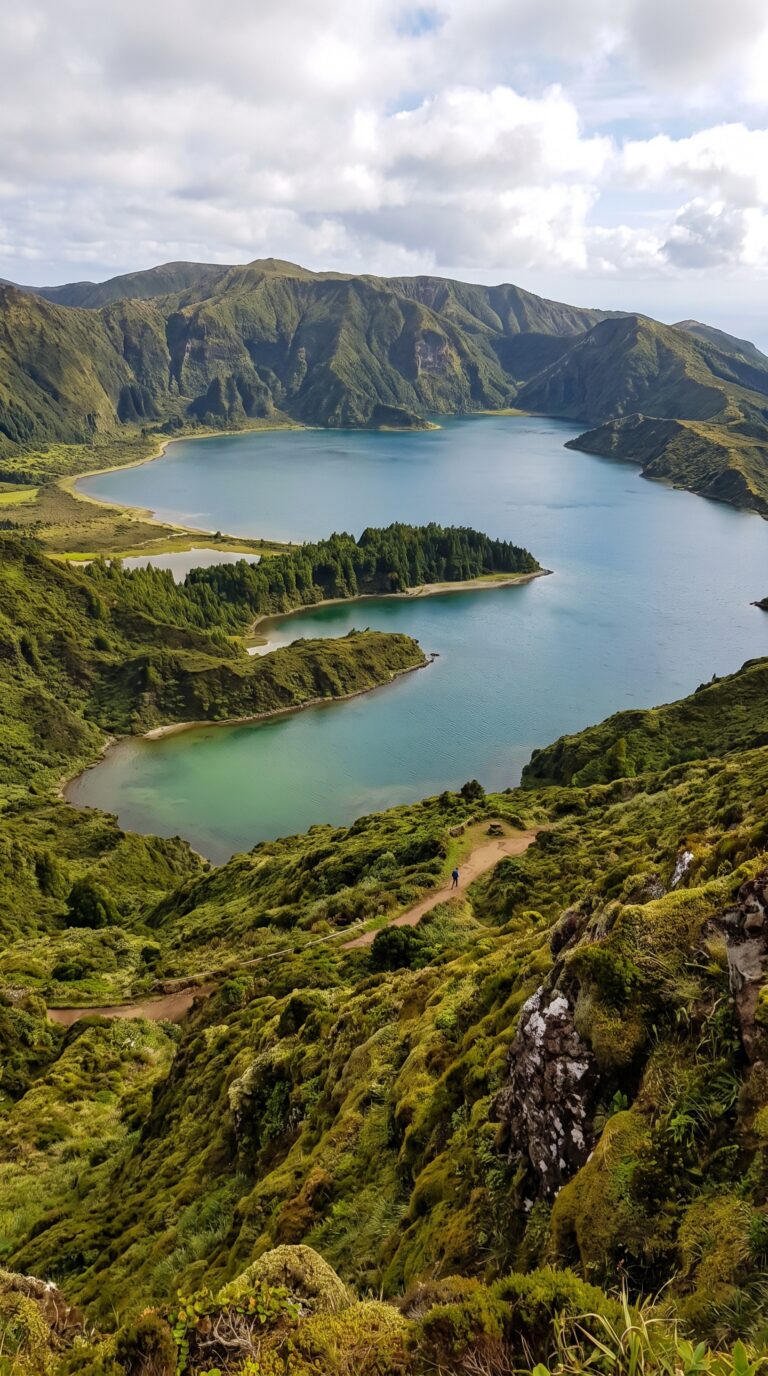
Nordeste sits on the island’s eastern edge, which makes it a solid base for exploring São Miguel without the tourist crowds. You’re about 90 minutes from the western highlights and closer to the central volcanic zones.
Sete Cidades is the big draw. Two crater lakes sit side by side in a collapsed volcano. One looks blue. The other looks green. The color difference depends on light and algae, not magic. The drive from Nordeste takes roughly 1 hour 45 minutes across the island. You can hike the crater rim or just pull over at Vista do Rei lookout and take photos. Weekday mornings are quieter.
Furnas is closer, about 45 minutes south. The valley smells like sulfur. Hot springs bubble up everywhere. You can soak in thermal baths at Poça da Dona Beija or Terra Nostra Garden. The botanical garden costs around €17 (thermal pool included) and has a massive iron-orange thermal pool. The real attraction is cozido das Furnas. Restaurants bury pots of meat and vegetables in volcanic soil for six hours. You eat lunch cooked by the earth. Visit Azores lists the best cozido spots.
Lagoa do Fogo sits in the island’s central highlands, about 1 hour 15 minutes from Nordeste. This crater lake is colder and less developed than Sete Cidades. The hiking trail to the shore takes 30 minutes down a steep dirt path. No facilities. No lifeguards. Just a clean lake and black sand beach. Clouds roll in fast, so go early.
Ponta da Ferraria is on the western coast, 1 hour 50 minutes away. Hot springs mix with Atlantic waves in natural rock pools. The water temperature shifts with the tide. High tide brings cold ocean water. Low tide means hotter pools. Check tide charts before you go. Entry is free but parking costs €2.
Caldeira Velha is a quick detour on the way to Lagoa do Fogo. Thermal waterfalls cascade through a jungle setting. The main pool is warm year-round. Entry costs €10 (€3 to visit without bathing). The facility is small, so it fills up by 11 a.m. in summer.
Gorreana Tea Plantation is 20 minutes west of Nordeste. Europe’s oldest tea plantation, established in 1883 according to Gorreana Tea Plantation records. Free tours walk you through the factory. Free tastings afterward. The green tea is decent. The black tea is better. You can buy boxes for €3-€5.
Mosteiros sits on the northwestern coast, about 1 hour 40 minutes from Nordeste. Black sand beach. Dramatic rock formations jutting from the ocean. Natural pools form at low tide. The village has two cafes and a small church. That’s it.
Ambitious hikers can tackle Mount Pico on Pico Island, but this requires a full day and advance planning. Portugal’s highest peak at 2,351 meters. The climb takes 3-4 hours up and 2-3 hours down. You need a ferry from São Miguel to Pico, which takes 2.5 hours. Check the Atlanticoline Ferry Schedule for current routes. Guides cost €25-€40 per person.
Other islands make better multi-day trips. Flores Island has waterfalls and hiking. Santa Maria Island has warmer water and vineyards. Corvo Island is tiny and remote. Horta on Faial Island is a sailing hub with a marina full of painted murals. Angra do Heroísmo on Terceira is a UNESCO town with colonial architecture.
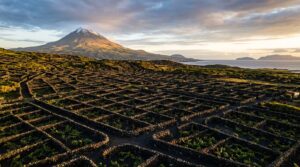
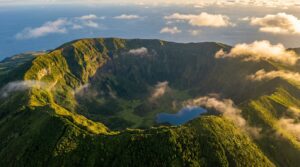
Lesser-known spots include Algar do Carvão, a volcanic cave on Terceira you can walk inside. Capelinhos Volcano on Faial erupted in 1957 and left a lunar landscape. Caldeira do Faial is a massive crater with hiking trails. Serra do Cume on Terceira offers views of geometric farmland. Graciosa Island has a volcanic cave with an underground lake. Pico Island Vineyards are a UNESCO World Heritage site. Vines grow in black lava rock. Wine tastes mineral and salty.
Most day trips from Nordeste require a rental car. Public buses exist but run infrequently. Plan for long drives and pack snacks. Gas stations are sparse in the interior.
Practical Tips for Visiting Nordeste
The best time to visit Nordeste is May to September for optimal weather, though visitors should pack waterproof layers year-round due to the Azores’ changeable Atlantic climate and frequent microclimates.
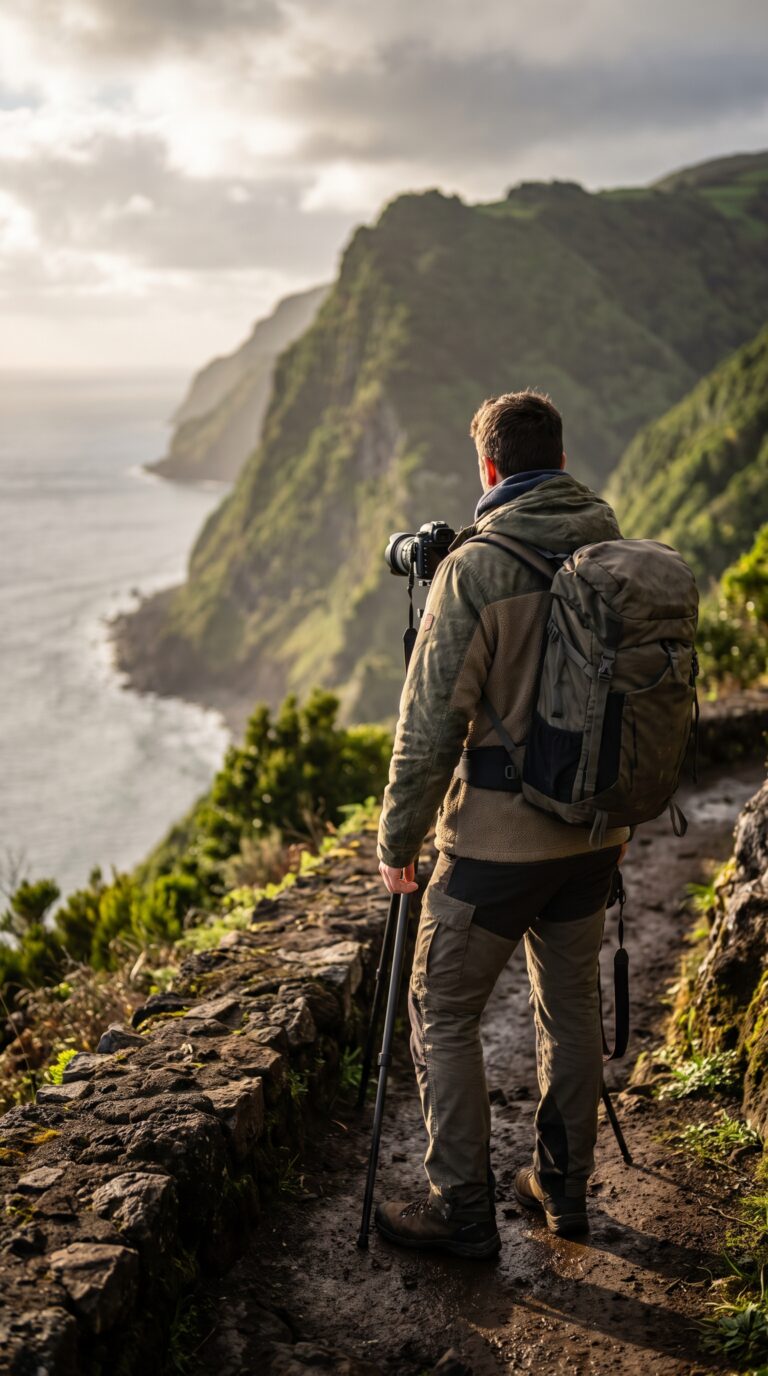
Nordeste gets more rain than Ponta Delgada. According to the Azores meteorological service, the region receives approximately 1,200mm of annual rainfall compared to 900mm on the island’s south coast. Pack a waterproof jacket even in July.
The air here is noticeably cleaner. Nordeste sits far from industrial zones and benefits from constant Atlantic winds. Temperatures run 2–3°C cooler than the south coast. Bring a fleece or light down jacket for early morning hikes.
Sturdy hiking boots matter. The trail to Farol do Arnel drops 400 meters on uneven stone steps. Sneakers won’t cut it. The path gets slick after rain.
English works in restaurants and hotels. Locals appreciate basic Portuguese. Learn “obrigado” (thank you) and “bom dia” (good morning). It opens doors.
Budget two full days minimum. One day for coastal drives and viewpoints. Another for hiking and the lighthouse descent. Rushing Nordeste defeats the purpose. Check official Azores weather and climate information before you go.
Frequently Asked Questions
What is Nordeste?
Nordeste is a municipality on the northeastern part of São Miguel Island in the Azores, Portugal. The name means “northeast” in Portuguese, referring to its location on the island. It’s known for dramatic coastlines, pure air, and untouched natural landscapes.
Is Nordeste worth visiting?
Yes, Nordeste is absolutely worth visiting for travelers seeking untouched nature and peaceful experiences. It offers amazing coastlines, historic lighthouses like Farol do Arnel, and dramatic viewpoints. It’s less crowded than popular spots like Sete Cidades or Furnas, making it ideal If you like to escape tourist crowds. The views and natural beauty are more than worth the journey to this remote corner of São Miguel.
What to do in Nordeste, Azores?
Visit Farol do Arnel, the oldest lighthouse in the Azores, via a challenging cliff descent. Explore the Great Waterfalls hiking tour and Ribeira dos Caldeirões for canyoning. Take in numerous scenic viewpoints (miradouros) offering wide ocean and mountain views. Take a boat tour and snorkeling trip around Ilhéu de Vila Franca do Campo. Enjoy peaceful hiking trails through thick, untouched nature.
What is Nordeste, Azores known for?
Nordeste is known for its pure air, dramatic peaks, and jagged mountain slopes. The region is famous for its amazing coastlines and historic lighthouses, particularly Farol do Arnel. It’s recognized for having an almost endless sea horizon and untouched natural landscapes. Nordeste is celebrated as a peaceful alternative to busier Azorean tourist destinations.
How do I get to Nordeste from Ponta Delgada?
Nordeste is approximately 50-60 km from Ponta Delgada, about 1-1.5 hours by car. Renting a car is the best option, as bus service is limited and infrequent. The drive offers scenic coastal or inland routes through São Miguel’s beautiful landscapes. Roads can be narrow and winding, especially near coastal viewpoints, so drive carefully.