This guide contains affiliate links. As an Amazon Associate we earn from qualifying purchases — at no extra cost to you.
Estimated reading time: 10 minutes
Last updated: September 2026
What Should I Pack for Gothenburg?
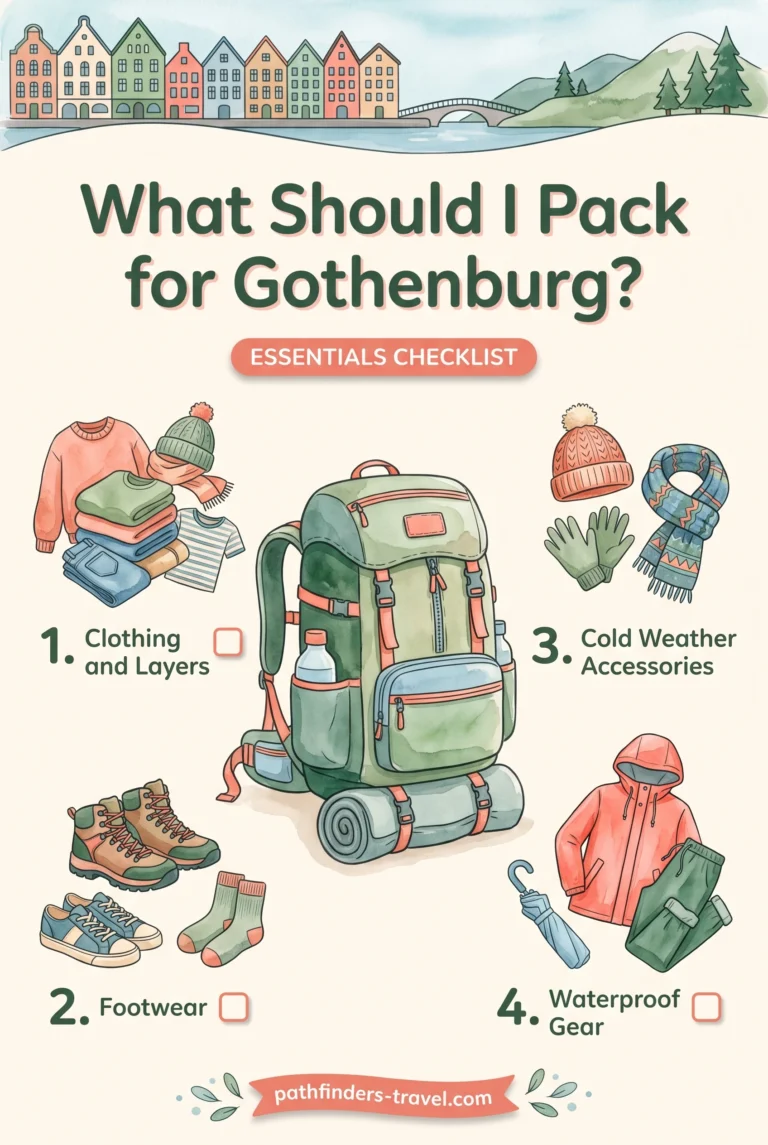
Pack waterproof layers, comfortable walking shoes with grip, and adaptable clothing for Gothenburg’s unpredictable coastal weather. A rain jacket and base layers are essential year-round since temperatures range from 28°F in winter to 70°F in summer, with frequent drizzle and wind off the North Sea. Bring versatile pieces that layer easily, sturdy footwear for cobblestones, and a compact umbrella for sudden showers.
Gothenburg surprised me the first time I visited because I thought summer meant warm. Even in July, I needed a light fleece most evenings, and my rain jacket got used almost daily.
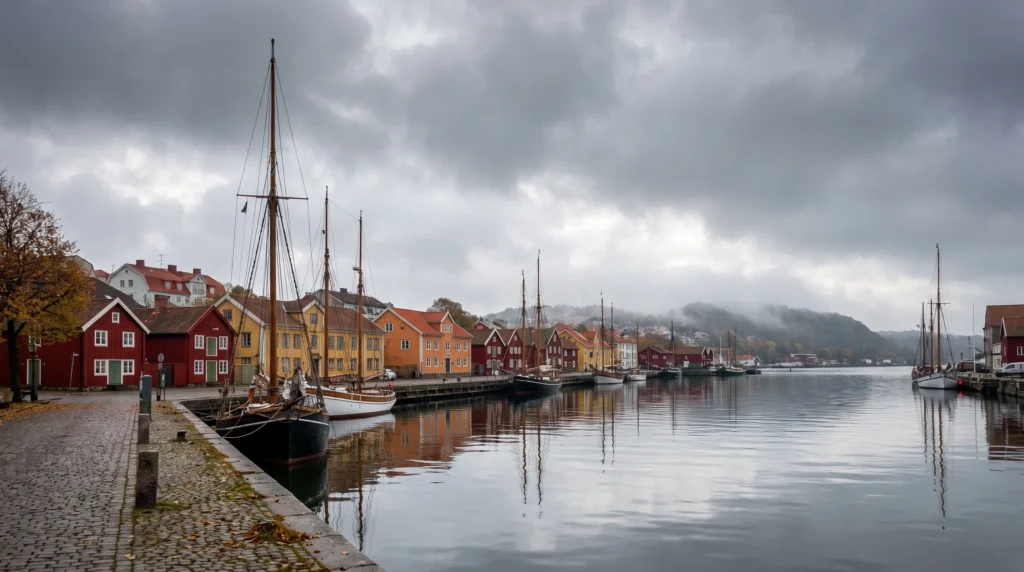
The city sits on Sweden‘s west coast where weather shifts fast. You’ll walk cobblestone streets in Haga, hop ferries to the archipelago, and likely bike along the canal paths. Comfortable shoes with good traction make a real difference when those stones get slick from rain.
This guide breaks down what works for real travel here, from the right footwear for those slippery surfaces to layering systems that handle both indoor heating and outdoor gusts. I have tested gear through soggy spring mornings and crisp winter afternoons, and these recommendations focus on versatile pieces that earn their luggage space.
Clothing and Layers
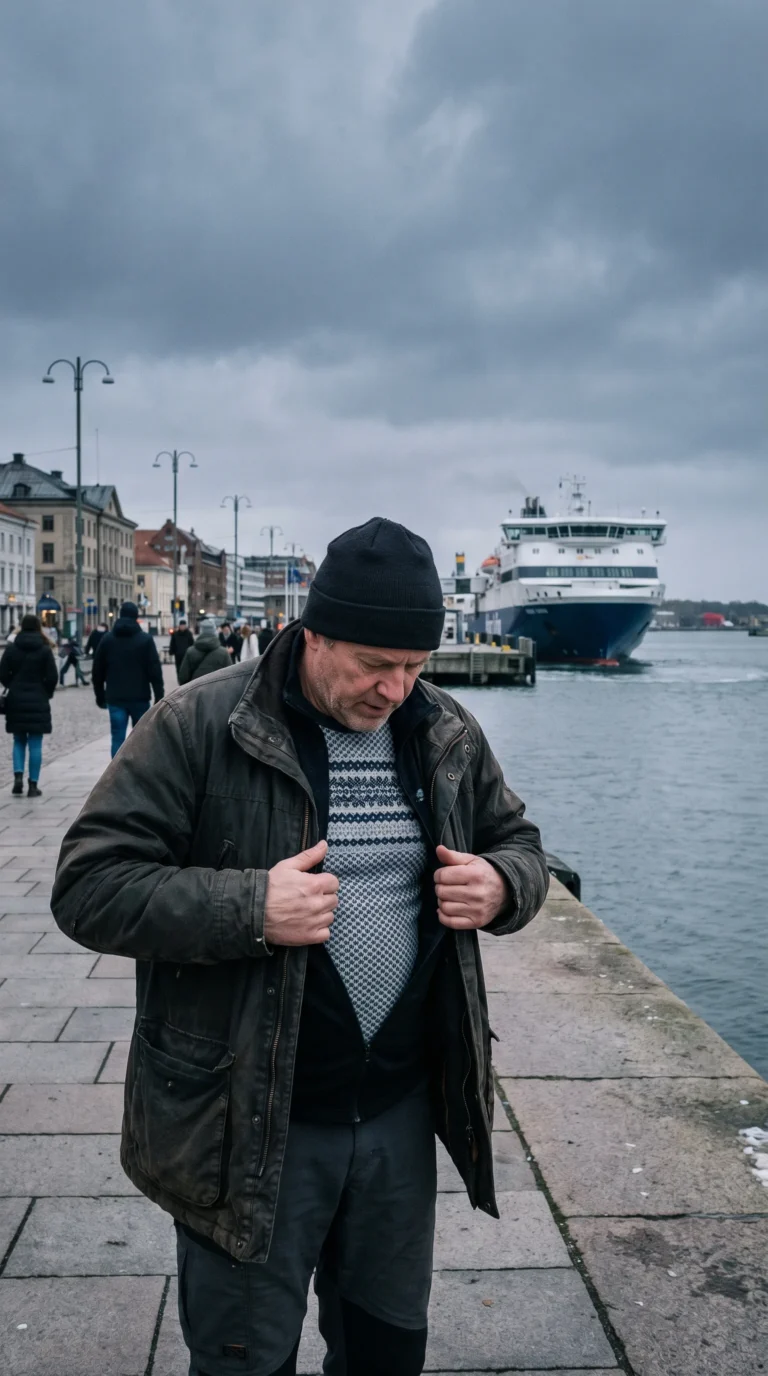
Pack layers for Gothenburg, not single heavy pieces. The city’s weather shifts fast between drizzle, wind, and unexpected sun, and you’ll move constantly between heated trams, breezy harbor walks, and overheated cafés. A base layer system keeps you warm without bulk and adapts as you go, which matters when you’re hopping on and off public transport or exploring the archipelago.
Merino wool base layers are my go-to because they regulate temperature, resist odor even after multiple wears, and dry faster than cotton. If you’re doing day hikes or prefer natural fibers, the 100% Merino Wool Base Layer Sets for women offer lightweight warmth that works under jeans or hiking pants without adding bulk. I wore mine through a week in March and only needed to wash them once. They breathe well indoors but trap enough heat when you step outside.
For men or anyone who wants faster moisture management, the Helly Hansen LIFA Lightweight Baselayer Pant wicks sweat quickly and sits flat under trousers. The fabric is thin enough for indoor comfort but adds noticeable warmth when you step outside. It dries almost instantly if you get caught in rain, which happens more often than the forecast suggests.
Your outer layer needs to block wind and rain. The iCreek Women’s Rain Jacket Packable Long Raincoat combines waterproofing with a plaid lining that looks good enough for restaurants. The longer cut shields your legs on rainy bike rides or walks along Haga’s cobblestones, and it stuffs into its own pocket for day trips to the archipelago. I kept mine in my daypack and pulled it out at least three times a day in November.
If you’re visiting November through March, you need insulation between your base and shell. The Women’s Lightweight Packable Puffer Jacket Hooded Down Coat compresses small but delivers real warmth. I clipped it to my daypack in December and pulled it on every time I stopped moving. It layers over a sweater without restricting your arms, which matters when you’re reaching for tram handles or carrying groceries from Saluhallen market.
These pieces work together. Base layer, mid-layer fleece or sweater, insulated jacket, and waterproof shell gives you options for any condition Gothenburg throws at you. Skip heavy single-layer coats. They trap sweat indoors and don’t adapt when the weather changes halfway through your walk.
Footwear
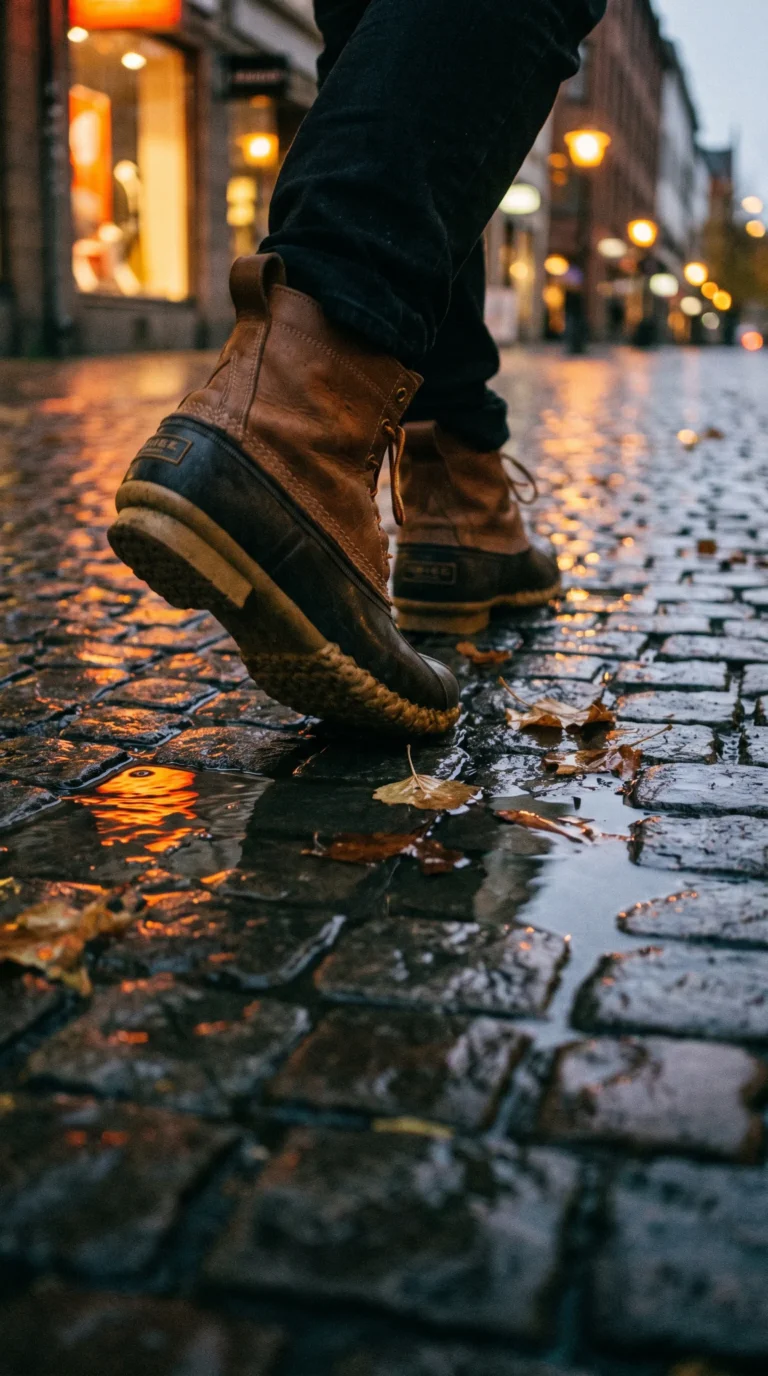
Gothenburg’s cobblestones get slippery when wet, and they’re wet often. Your shoes need grip and water resistance, plus enough comfort for 15,000 daily steps around Haga, the harbor, and the canal-side paths that snake through the city.
If you’re visiting between October and April, waterproof ankle boots with a solid tread pattern make the most sense. The Women Winter Snow Boots in black are fur-lined and cut just high enough to keep out splashes from puddles without feeling bulky under jeans. I wore a pair through February slush and never slid once on the polished stone near Stora Saluhallen. The tread grips wet surfaces without turning your feet into furnaces indoors, and they look normal enough for cafes and museums.
If you prefer minimalist footwear or have wider feet, these zero-drop barefoot boots offer a wide toe box and surprising warmth despite how light they feel. The style works for both men and women, and the water-resistant upper handles rain without soaking through. I met a traveler in Slottsskogen Park who swore by them for long walks because they didn’t cause the foot fatigue regular boots gave him on steep sections near Masthuggskyrkan.
Either option works from autumn through spring. In summer you can get away with waterproof sneakers or trail shoes, but if rain is forecast, ankle coverage helps keep your socks dry when you’re hopping on and off trams or walking the harbor boardwalk.
Bring only one pair of primary walking shoes. Add sandals or lightweight slip-ons for hostel showers or casual evenings, but don’t pack extra boots. Your main pair will handle everything from ferry docks to forest trails on Vinga island, and Gothenburg is compact enough that one solid pair covers all your ground.
Cold Weather Accessories
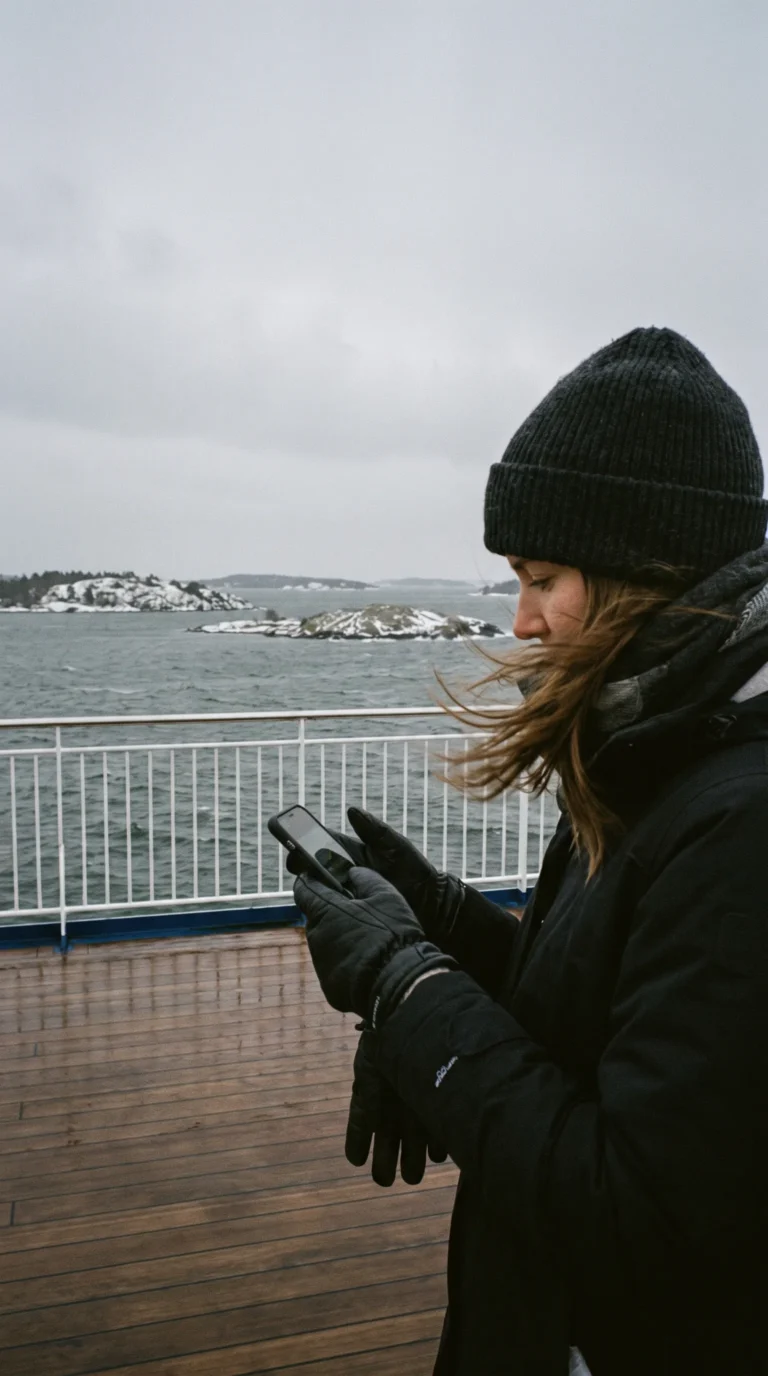
Hands and head lose heat fast in Gothenburg’s damp cold. Wind off the water cuts through regular gloves and makes even mild temperatures feel bitter. You need accessories that handle moisture as much as they block cold, because drizzle and sea spray turn clammy fingers into a miserable day.
If you’re planning multi-day trips or extended time outdoors, the Waterproof Merino Wool Touchscreen Gloves are windproof, thermal, and let you use your phone without exposing your fingers. The three-layer construction blocks moisture, which matters more than insulation alone when drizzle turns your hands clammy. I used these on a January archipelago tour and stayed warm even holding metal ferry railings.
For lighter activities or when you need dexterity for photography, the HyFlex 11-618 Nylon Multi-Purpose Gloves work well. They’re thinner, less bulky, and better for tasks like adjusting camera settings or handling tickets. I wouldn’t choose these for extended outdoor time in winter, but they’re perfect for autumn or spring when you just need a barrier against wind.
The Wmcaps Winter Beanie is a simple, affordable add-on that covers your ears and fits under jacket hoods. I always pack one because it weighs nothing and makes early mornings at the fish market tolerable. You don’t need a fancy winter hat here unless you plan serious hiking. Just something warm that doesn’t mess up your hair too badly.
For really cold days, these rechargeable hand warmers with charging case offer 14,000mAh of dual-sided heat. The case charges both packs, and each lasts hours. I lend mine to friends who underestimate how cold ferry rides get. They slip into jacket pockets and double as backup phone chargers, which saved me once when my battery died during navigation.
Waterproof Gear
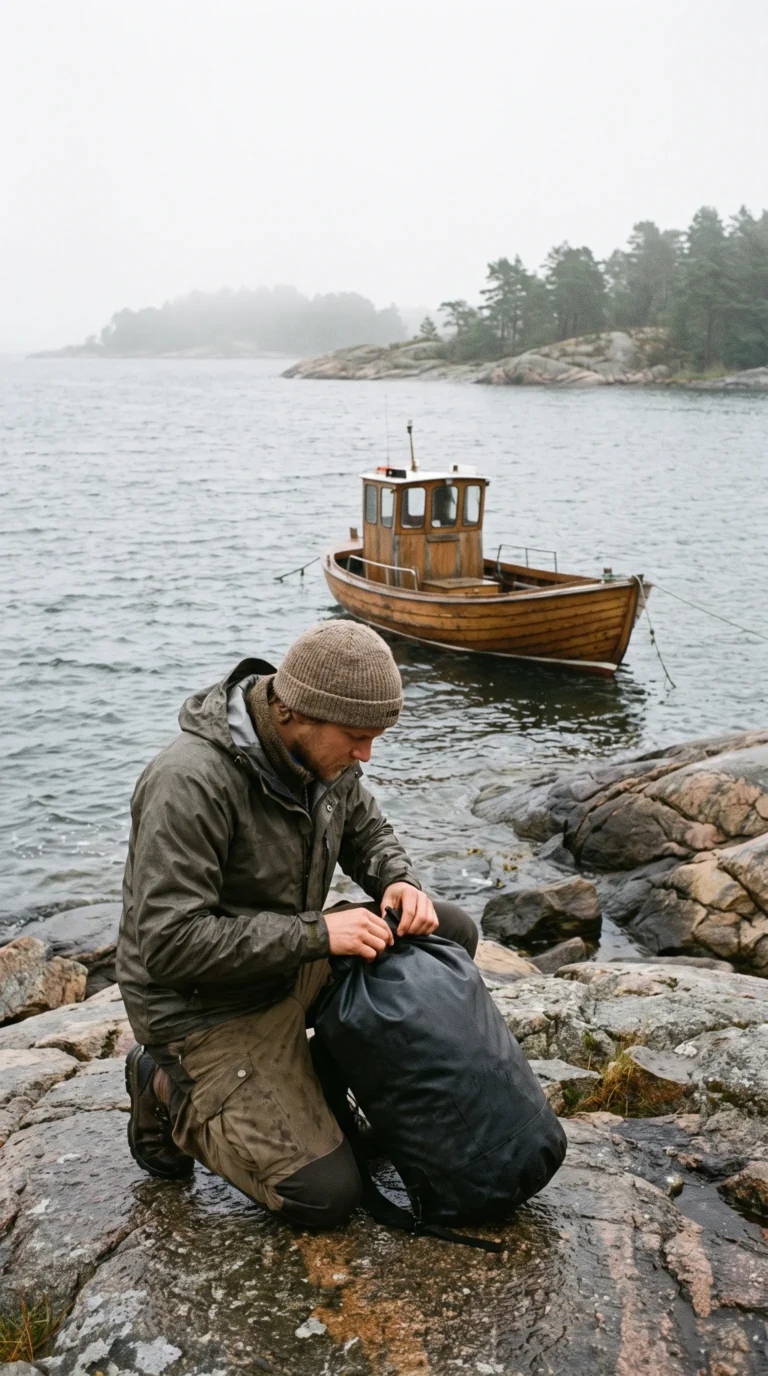
Rain happens without warning in Gothenburg, and when it comes it often arrives sideways on a stiff wind off the Kattegat. A good dry bag protects electronics, spare layers, and anything you can’t afford to get soaked while you’re hopping between archipelago islands or walking the harborfront.
If you’re planning ferry trips to places like Vrångö or need something that doubles as a carry-all, the IRON JIA’S Motorcycle Dry Bag rolls down tight and has shoulder straps so you can wear it like a pack. The 30-liter size holds plenty, and the pink color makes it easy to spot in your luggage. I used one on a kayaking trip and everything stayed bone dry despite waves splashing over the bow. The mesh exterior pocket holds a water bottle or snacks you need quick access to, and the inner pocket keeps small items organized.
If you want something lighter for day hikes or minimal packing, the Sea to Summit Ultra-Sil Dry Bag compresses to almost nothing. It’s ultralight, rolls to seal completely, and fits inside a backpack without adding bulk. I keep one packed with my electronics and another with an extra sweater. They come in multiple sizes, so you can organize by category.
You don’t need both unless you’re doing serious outdoor activities and city exploring. The larger motorcycle bag works as a duffel for market hauls and longer excursions. The Sea to Summit is better as a secondary organizer inside your main luggage.
Either way, don’t trust regular backpack rain covers here. The wind drives rain horizontally, and zippers on standard bags let moisture creep in. A proper dry bag seals completely and gives you confidence to leave gear on a boat deck or bike basket.
Frequently Asked Questions
What is the 5 4 3 2 1 packing rule and does it work for Gothenburg?
The 5 4 3 2 1 rule means packing five tops, four bottoms, three shoes, two accessories, and one hat, and it works well for a week in Gothenburg. I’d adjust it slightly depending on the season. In summer you can stick pretty close to the formula, but in winter you might swap one pair of shoes for an extra warm layer since you’ll be wearing boots most of the time anyway. The rule keeps you from overpacking while giving you enough variety to mix and match outfits. Just remember that Gothenburg weather can be unpredictable, so make those five tops include at least one long-sleeve option even in July.
Do I need a power adapter for Gothenburg?
Yes, Sweden uses Type C and F plugs with 230V electricity, so you’ll need an adapter if you’re coming from the US, UK, or anywhere outside continental Europe. Most hotels have a few adapters at reception, but I always bring my own to avoid the hassle. A universal adapter with USB ports works great since you can charge multiple devices at once. Your electronics like phone chargers and laptops will handle the voltage difference automatically.
What is the best time to visit Gothenburg for good weather?
Late May through August offers the warmest and driest weather, with temperatures between 60 and 70 degrees Fahrenheit. July is peak summer with long daylight hours and the most festivals, but it’s also the busiest time for tourists. I really like early September when the weather is still pleasant, the summer crowds have thinned out, and you get beautiful fall colors. If you’re planning your trip and want to balance weather with activities, our complete Gothenburg travel guide covers the city’s seasonal events and best neighborhoods to explore. Just keep in mind that even summer evenings can be cool, so you’ll want a light jacket regardless of when you visit.
Can I get by with just a rain jacket or do I need a winter coat?
It depends entirely on when you’re visiting. From May through September, a good rain jacket over layers works perfectly fine for Gothenburg’s mild, damp weather. From October through April, you absolutely need a proper winter coat because temperatures drop below freezing and the wind off the water makes it feel even colder. I’ve made the mistake of under-packing for a November trip and regretted it. If you’re visiting in shoulder season like April or October, bring both a rain jacket and a warm mid-layer you can wear underneath.
Should I bring cash or can I use cards everywhere in Gothenburg?
Sweden is almost entirely cashless, and you can use cards virtually everywhere in Gothenburg, including small cafes and public restrooms. I rarely use cash when I’m there, and many places actually prefer cards or mobile payments. Still, I keep about 200 SEK in cash just in case, though I’ve never really needed it. Make sure your credit card doesn’t charge foreign transaction fees, and let your bank know you’re traveling so your card doesn’t get blocked.