
This guide contains affiliate links. As an Amazon Associate we earn from qualifying purchases — at no extra cost to you.
Estimated reading time: 17 minutes
Last updated: September 2026
Table of Contents
- What Is Gothenburg Known For?
- Overview of Gothenburg
- Exploring Haga
- Liseberg Amusement Park
- Gothenburg Archipelago Guide
- Culture and Art in Gothenburg
- Practical Travel Tips
- Frequently Asked Questions about Gothenburg
What Is Gothenburg Known For?
Gothenburg is Sweden’s second-largest city, a relaxed maritime hub on the west coast. It is best known for the cobblestone Haga district and its giant cinnamon buns, the coasters at Liseberg (Scandinavia’s largest amusement park), the car-free southern archipelago, and the Gothenburg Museum of Art. Easy to explore by tram in two to three days, it feels friendlier and more affordable than Stockholm.
The city’s unique blend of old-world architecture and contemporary design creates an inviting atmosphere for visitors of all interests. From the charming cobblestone streets of its historic districts to its cutting-edge museums and lively cultural scene, Gothenburg offers an authentic Swedish experience that differs from its more formal eastern counterpart, Stockholm.
You can see this for yourself. Click here to jump to the video in UHD 4K Resolution.
Overview of Gothenburg
Gothenburg has a long history dating back to its founding by King Gustavus Adolphus II in 1621. Initially established as a trading colony, the city quickly grew into a vital shipbuilding hub that shaped both its physical landscape and cultural identity. This maritime legacy remains visible throughout the city today, from the historic harbor to the various nautical museums that tell the story of Gothenburg’s seafaring past.
The city’s iconic waterfront is defined by the towering Göta River, Stora Hamnkanalen, and the Vallgraven canal system, creating a recognizable city layout that invites exploration. Along these waterways, visitors can find historic ships, scenic promenades, and lively marketplaces that showcase the city’s connection to the sea.
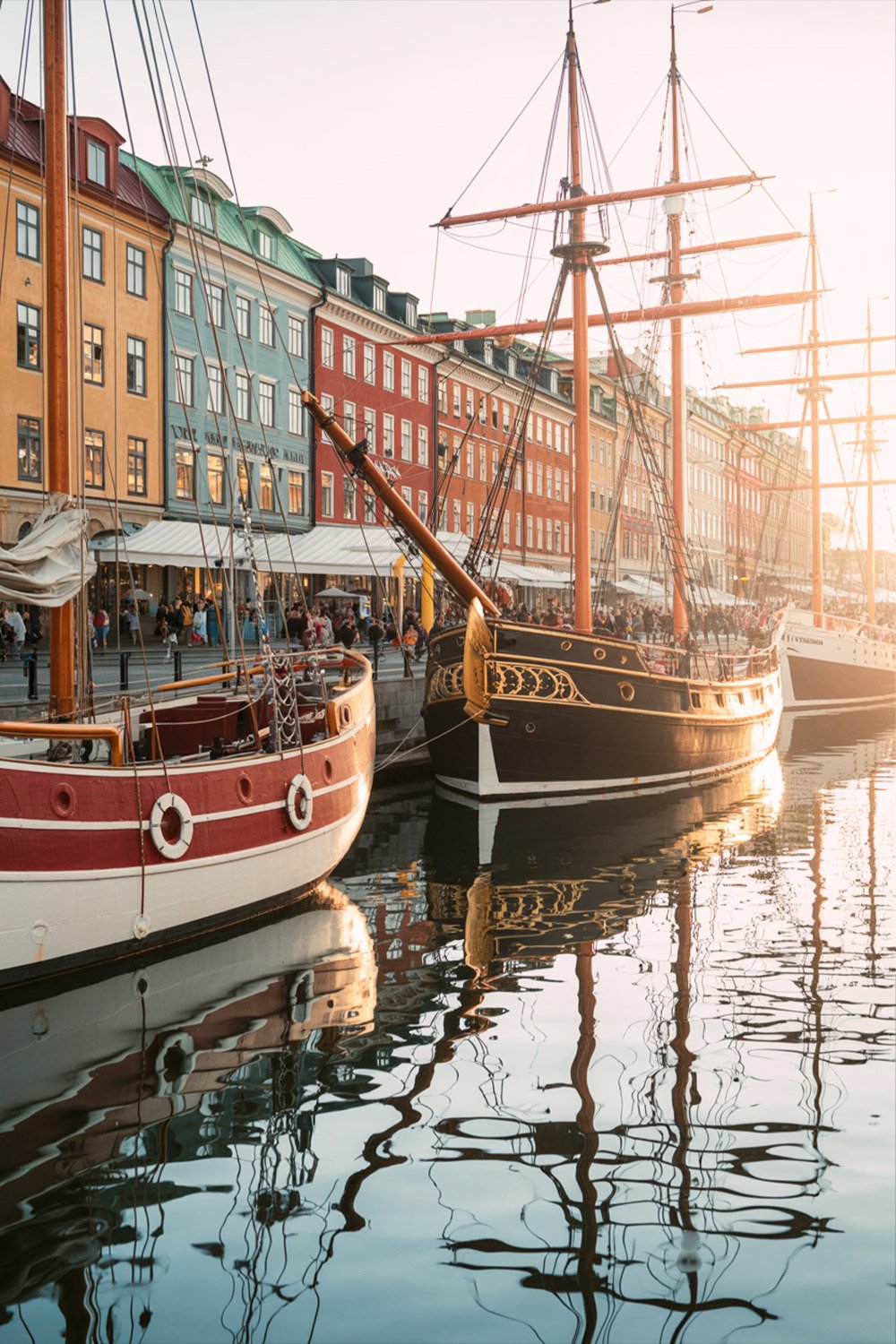
What really sets Gothenburg apart is its thriving arts scene and relaxed atmosphere. Home to a large student population and known for its welcoming locals, the city offers a less formal and more affordable experience than Stockholm. This laid-back vibe combines with a genuine commitment to sustainability and innovation, creating a uniquely Gothenburg character that visitors find instantly appealing. A visit to Stockholm and Gothenburg provides an interesting contrast of Sweden’s diverse city cultures.
What should I pack for Gothenburg?
Pack comfortable walking shoes, a packable daypack, a rain jacket, and a universal travel adapter. Gothenburg is a flat, walkable city on a wet west coast: you cross Haga’s cobbles, hop trams and ferries, and see more showers than sun, so waterproof layers and cushioned feet matter most. The walking shoe and jacket come in men’s and women’s versions.
The Gothenburg kit
A wet, walkable west-coast day really comes down to these four.
- Skechers Go Walk (men’s) — Gothenburg is flat and walkable and you will be on cobbles all day; these slip on and cushion every step. Women: the Go Walk Joy has over ninety thousand reviews for the same reason.
- Osprey Ultralight Stuff Pack daypack — Packs down to a fist for the flight, then carries lunch and a layer on the archipelago ferries. One bag, either traveller.
- 33,000ft packable rain jacket (men’s) — The west coast gets showers year round and this folds into its own pocket. Women: the women’s 33,000ft rain jacket in the matching cut.
- EPICKA universal travel adapter — Sweden runs Type C and F sockets at two hundred thirty volts, so a UK or US plug will not fit the wall.
As an Amazon Associate we earn from qualifying purchases.
Exploring Haga District: Things to Do in Gothenburg’s Old Town
For things to do in Haga Gothenburg, this charming district offers a delightful step back in time. As Gothenburg’s oldest neighborhood, Haga was originally established in the 17th century to house shipyard workers before gradually evolving into a bohemian enclave with recognizable character. Today, it is one of the city’s most beloved attractions, drawing visitors with its preserved historical charm.
The district is characterized by its scenic cobblestone streets and recognizable two-story wooden houses that date back to the 19th century. The cobbles are uneven underfoot, so comfortable walking shoes make a long afternoon in Haga easier. These well-preserved structures, with their inviting facades and cozy courtyards, create a uniquely atmospheric setting that feels worlds away from the modern city center.
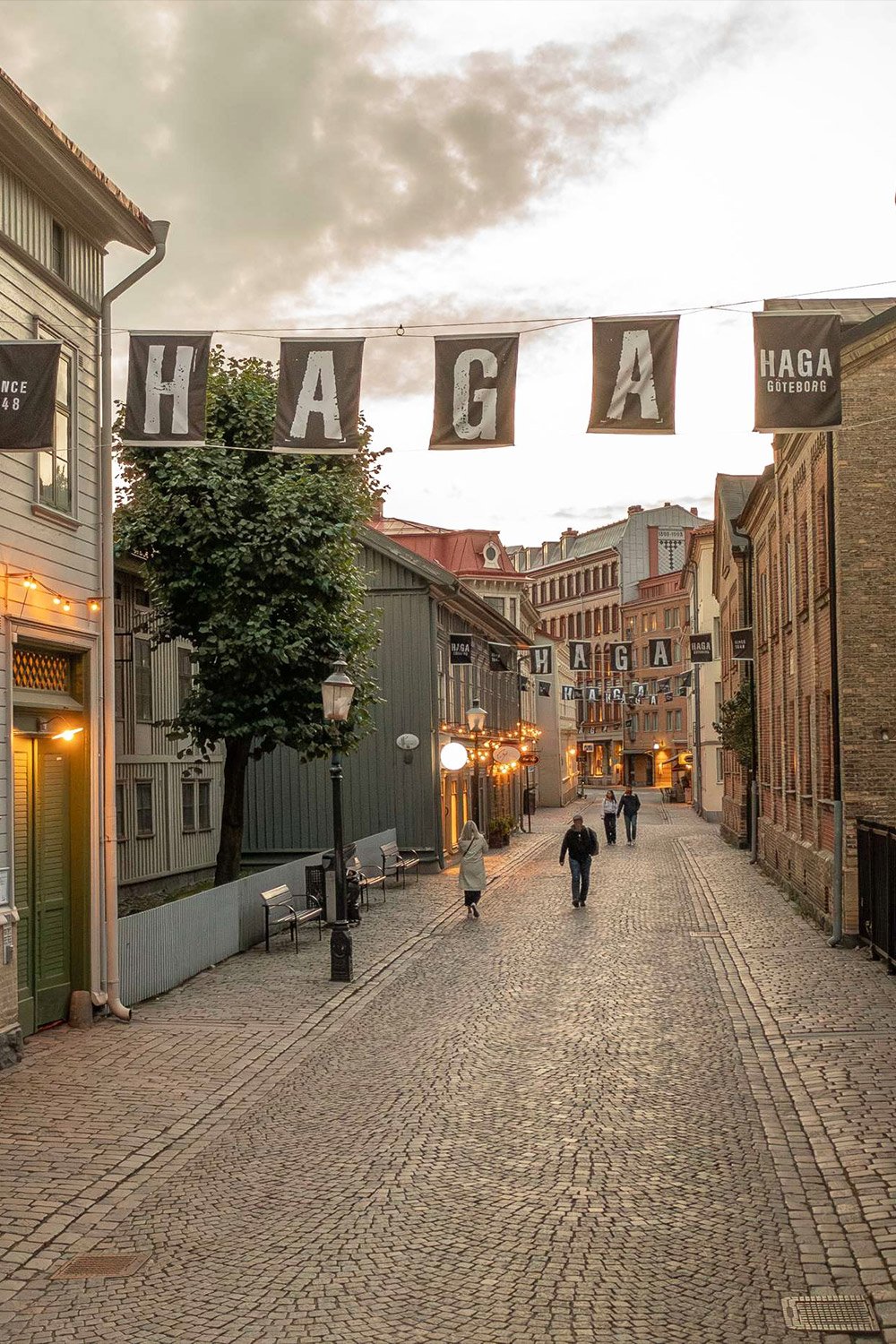
The main pedestrian thoroughfare, Haga Nygata, serves as the neighborhood’s lively heart. This charming street is lined with an eclectic mix of boutique shops selling handcrafted items, vintage stores filled with unique treasures, and inviting local cafés that beckon with the aroma of freshly brewed coffee and baked goods. The most famous of these establishments is Café Husaren, renowned for its giant cinnamon buns called Hagabullen, a must-try local specialty that has become synonymous with the Haga experience.
Insider Tips for Enjoying Haga
- Take a leisurely stroll through the neighborhood in the morning hours to admire the restored architecture and soak in the friendly ambiance before the crowds arrive.
- Make time for fika, the traditional Swedish coffee break, at one of the iconic cafés. This beloved cultural practice is perfectly experienced in Haga’s cozy establishments.
- Climb up to Skansen Kronan, the 17th-century fortress that sits atop a hill overlooking Haga. The climb rewards visitors with wide views of the city and provides a fascinating glimpse into Gothenburg’s defensive history.
- Visit on weekdays if possible to experience a more authentic, less crowded atmosphere when exploring the local shops and cafés.
Haga’s charm extends beyond its physical beauty to include the warm community feeling that pervades its streets. The neighborhood manages to maintain its authentic character while welcoming visitors, making it a highlight of any trip to Gothenburg and a perfect introduction to Swedish culture. Similar historical districts can be found in Bergen, Norway, though each has its own unique character.
Liseberg Amusement Park Tips: Rides, Events, and Family Guide
When planning your Gothenburg adventure, essential Liseberg amusement park tips will help you make the most of Scandinavia’s largest amusement park. Established in 1923, Liseberg has evolved into one of Gothenburg’s most iconic attractions, drawing over three million visitors annually with its blend of thrilling rides, beautiful gardens, and festive events.
Best Rides and Attractions in Gothenburg Liseberg Amusement Park
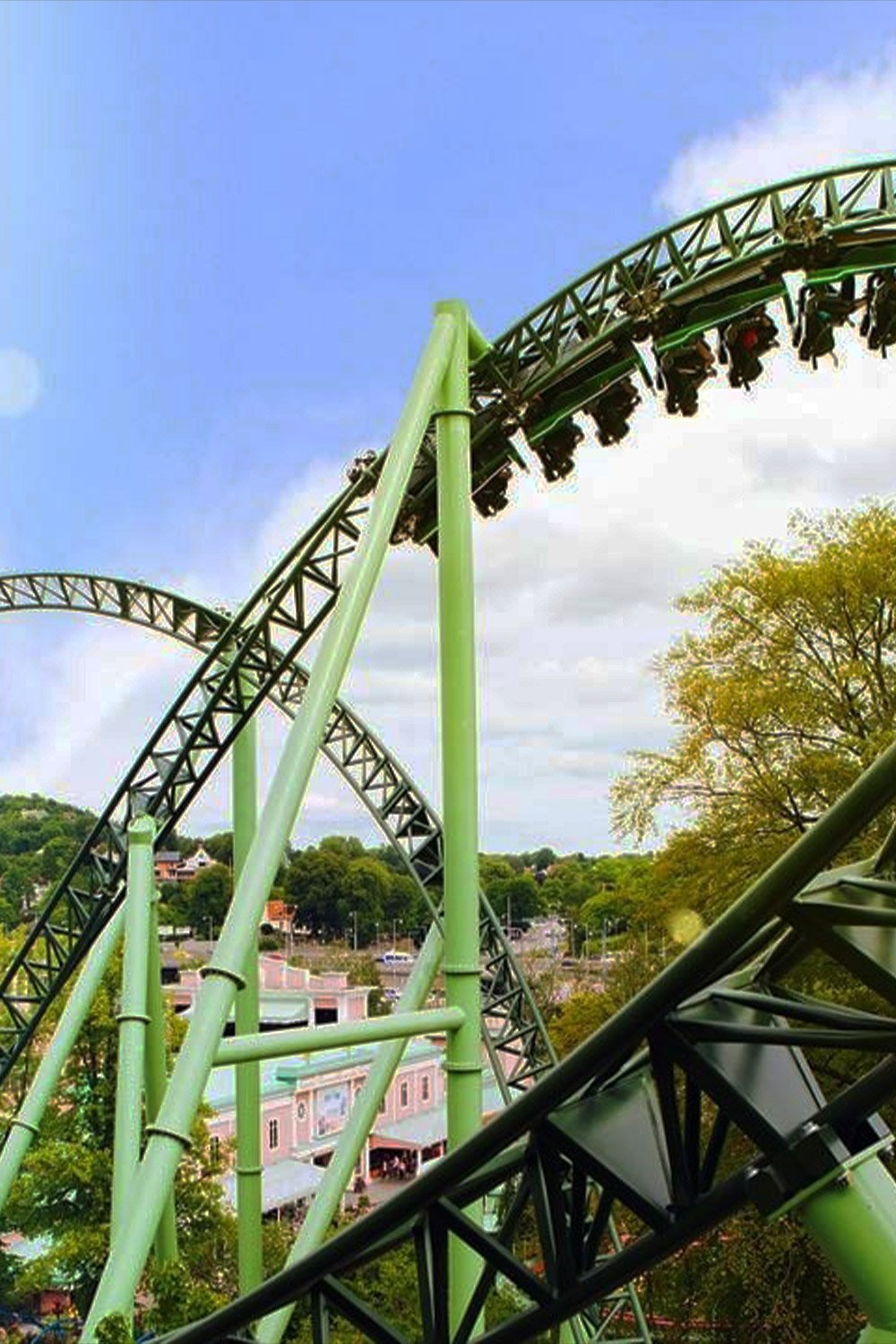
- Helix: A top-quality roller coaster with multiple inversions and high-speed twists that provide an adrenaline rush for thrill-seekers.
- Balder: An award-winning wooden roller coaster known for its smooth ride and impressive drops.
- AtmosFear: A free-fall tower that drops riders from a height of 116 meters, offering both thrills and spectacular views of the city.
- Liseberg Wheel: A giant Ferris wheel providing wide views of Gothenburg, perfect if you want a more relaxed experience.
- Rabbit Land: A dedicated area with gentle rides and playful attractions designed specifically for younger children.
The park really comes alive during its seasonal events, each offering a unique atmosphere and special activities. The Halloween festival transforms Liseberg into a spooky wonderland with haunted houses and themed decorations. The Christmas market is equally impressive, featuring millions of twinkling lights, traditional crafts, seasonal foods, and a magical winter atmosphere that captures the spirit of Swedish holiday traditions. Throughout the year, the park also hosts concerts and performances by both local and international artists.
Practical Advice for Families
- Admission options: Liseberg sells park entrance and unlimited-ride passes separately, and prices vary by season, so check the official website for current rates before you go.
- Timing your visit: Arrive early in the day or plan a weekday visit to avoid the largest crowds, especially during summer months and holiday periods.
- Dining options: The park features numerous restaurants and food stalls offering everything from traditional Swedish dishes to international cuisine, making it easy to plan family meals without leaving the park.
- Height restrictions: Check ride requirements in advance if traveling with children to avoid disappointment. The park website provides detailed information about height restrictions for each attraction.
- Park layout: Upon arrival, take a few minutes to familiarize yourself with the park map and plan a route that minimizes walking time between your chosen attractions.
Known for its unique combination of thrilling rides, beautiful landscaping, and authentic Swedish charm, Liseberg offers an experience that goes beyond the typical amusement park visit. The well-maintained grounds and attention to detail create an atmosphere that appeals to visitors of all ages, making it a destination worth visiting in Gothenburg. Norway also offers excellent theme parks which you can explore in our Norway travel destinations guide.
Gothenburg Archipelago Guide: Islands, Ferries, and Day Trips
The Gothenburg archipelago guide introduces you to one of Sweden’s most engaging natural treasures. Just a short journey from the city center lies a beautiful collection of islands that showcase the raw beauty of Sweden’s west coast. This archipelago consists of both northern and southern island groups, each with its own distinct character and charm.
Transport Options
Accessing the archipelago is straightforward with several convenient options:
- Public ferries: The most economical choice, these depart regularly from Saltholmen or Stenpiren terminals. What makes this option particularly attractive is that ferry tickets are included with Gothenburg’s public transport passes, making island-hopping both easy and affordable.
- Guided boat tours: Companies like Strömma Turism offer structured tours with informative commentary, ideal for first-time visitors who want to learn about the history and ecology of the islands.
- Water taxis: If you want more flexibility in their island exploration, private water taxis provide custom schedules and routes, though at a premium price.
Activities in the Archipelago
The islands offer diverse experiences for all interests:
- Scenic walks through charming fishing villages, along rocky coastlines, and across heather-covered landscapes provide opportunities to connect with nature and capture beautiful photographs.
- Seaside cafés dot the islands, serving traditional Swedish lunches, coffee, and pastries with outstanding ocean views. Many feature fresh seafood caught in the surrounding waters.
- Nature exploration opportunities abound, from birdwatching to swimming in secluded coves. The clean, clear waters and diverse ecosystems make the archipelago a haven for nature enthusiasts.
- Kayaking between islands offers an intimate way to experience the archipelago’s beauty from a unique perspective, with rental services available on several islands.
Notable Islands for Day Trips
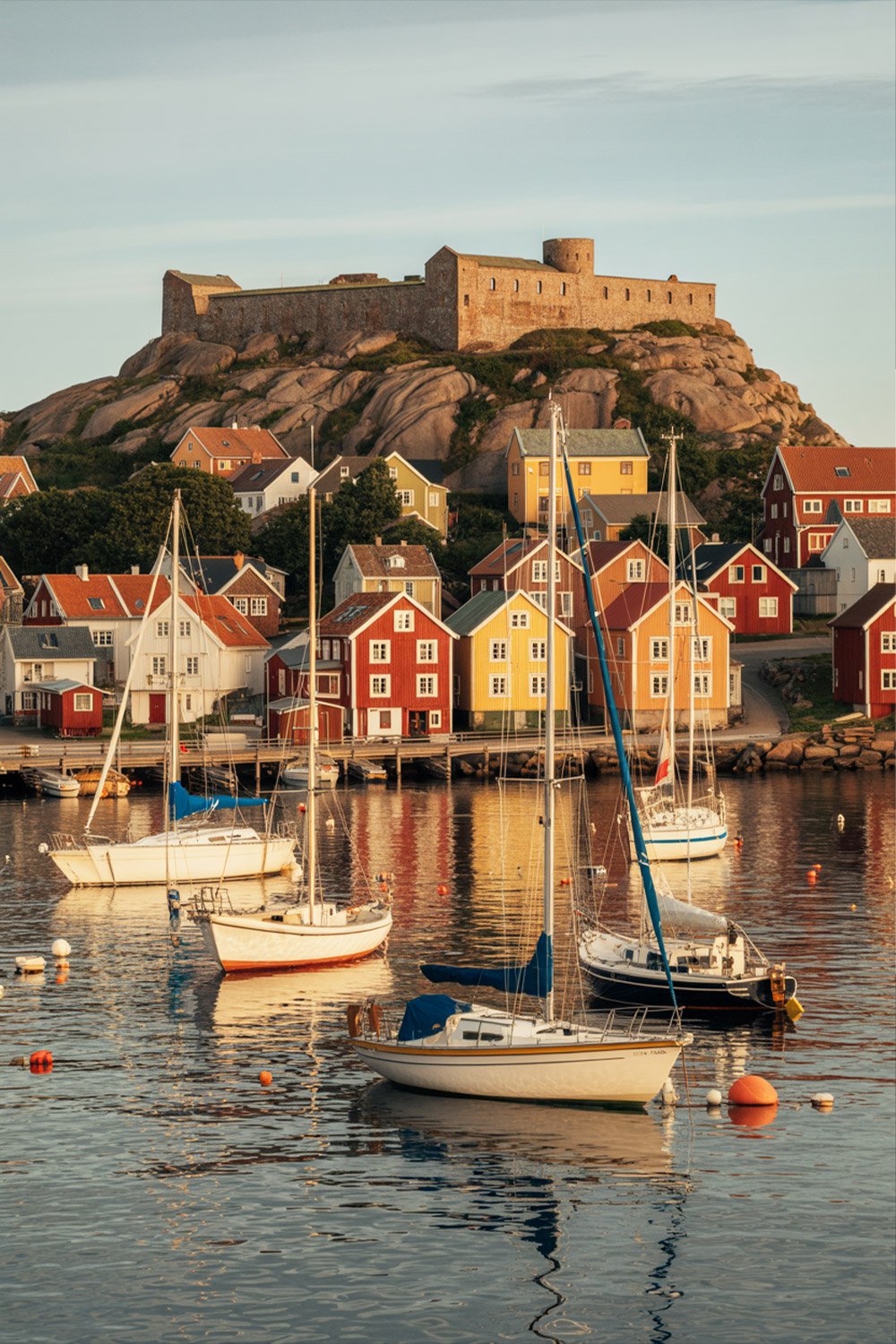
- Marstrand: Perhaps the most famous island, Marstrand boasts the impressive Carlsten Fortress, charming streets lined with colorful wooden houses, and a lively sailing culture that attracts enthusiasts from around the world.
- Dyrön: A car-free island offering quiet hiking trails and spectacular viewpoints, perfect if you want a peaceful retreat from urban life.
- Åstol: This tiny, scenic island is known for its tightly clustered red houses and excellent seafood restaurant that serves the day’s fresh catch with beautiful sunset views.
- Brännö: Famous for inspiring the classic Swedish summer song “Dansen på Brännö,” this island offers lovely walking paths and a glimpse into traditional archipelago life.
The Gothenburg archipelago provides a refreshing contrast to city life, allowing visitors to experience the natural beauty and maritime traditions that have shaped this region for centuries. The archipelago offers some of Sweden’s most memorable landscapes and authentic coastal experiences. The experience shares similarities with the beautiful coastal areas featured in our Scandinavia fjords documentary.
Culture and Art in Gothenburg: Museums, Galleries, and Exhibitions
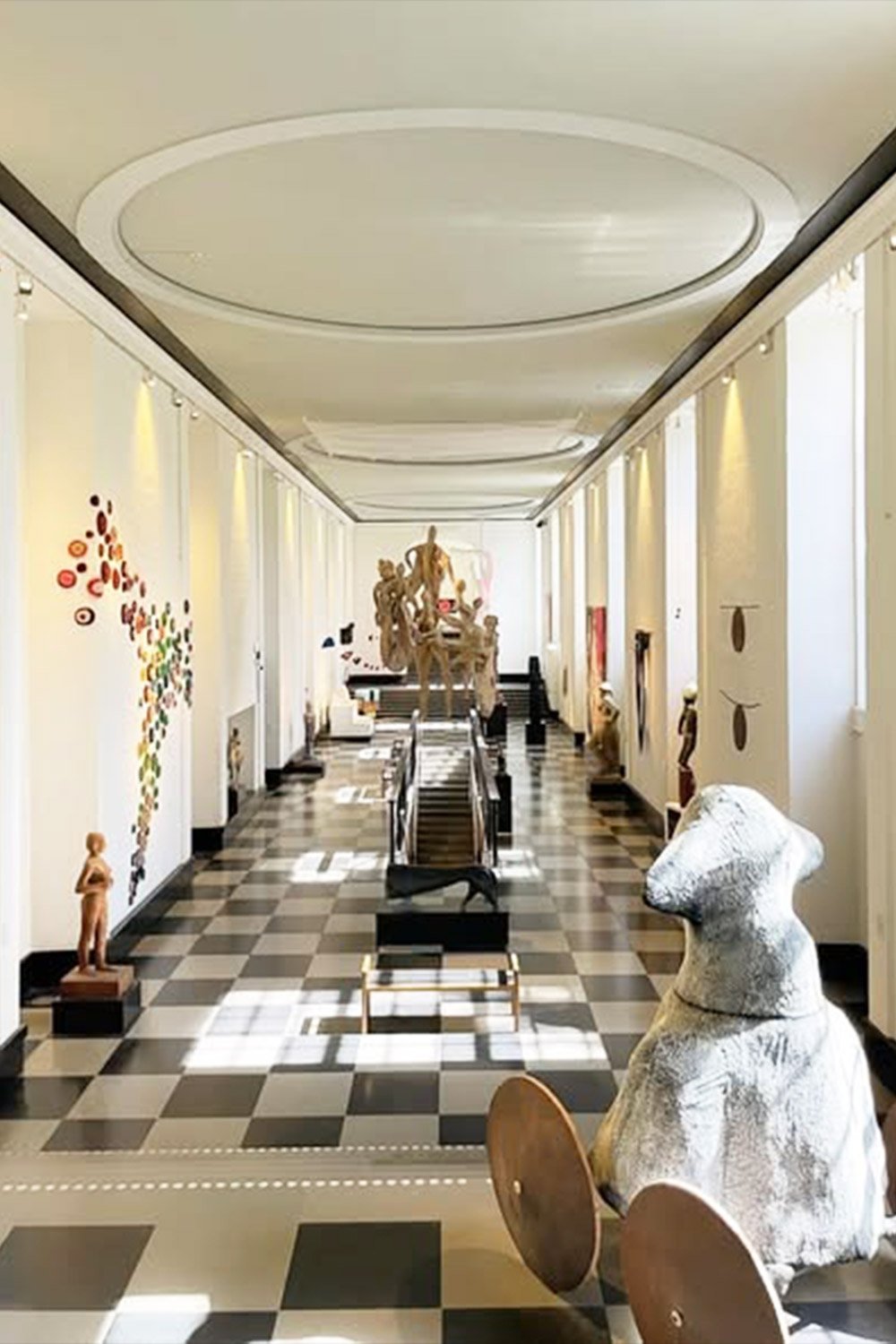
The Gothenburg Museum of Art collection is a reflection of the city’s lively cultural scene. Housed in a distinguished building at Götaplatsen, the city’s cultural hub, this top-quality institution has been gathering and displaying exceptional artwork since its establishment in 1861.
Notable Exhibitions and Collections
The museum’s diverse holdings span multiple periods and artistic movements:
- The Nordic Collection features masterpieces by Scandinavian artists including Carl Larsson, Bruno Liljefors, and Edvard Munch, providing insight into the region’s recognizable artistic heritage and natural landscapes.
- The Fürstenberg Gallery houses an impressive collection of late 19th-century art donated by prominent Gothenburg merchant Pontus Fürstenberg and his wife, showcasing works by Swedish and French artists from this pivotal period.
- International Masters are well-represented with works by Rembrandt, Monet, Picasso, and van Gogh, placing Gothenburg’s collection among the most significant in Northern Europe.
- Contemporary Art exhibitions rotate regularly, featuring both established and emerging artists who push boundaries and engage with current social and cultural themes.
Why Visit the Museum
The Gothenburg Museum of Art is more than an impressive collection; it provides a complete cultural experience:
- The museum’s architectural design itself is noteworthy, with spacious galleries that allow artworks to be displayed in optimal settings with natural light enhancing the viewing experience.
- Its strategic location at Götaplatsen places it at the heart of Gothenburg’s cultural district, alongside the Concert Hall, City Theatre, and City Library, making it easy to incorporate into a broader cultural itinerary.
- The museum’s commitment to education is evident through its detailed informational displays, which provide context and background that enhance appreciation of the works on display, even for visitors with limited art knowledge.
- The rotating exhibitions ensure that even repeat visitors will find something new, with curators skillfully balancing traditional favorites with fresh perspectives and contemporary voices.
Gothenburg Guided Tours and Visitor Experience
To maximize your experience at the museum:
- Expert-led tours are available in multiple languages, offering insights into both prominent masterpieces and lesser-known gems within the collection. These tours provide valuable historical context and artistic analysis.
- The museum’s digital guides allow visitors to explore at their own pace while still benefiting from curatorial expertise and background information.
- The museum café offers a pleasant setting to reflect on the artwork while enjoying Swedish pastries and coffee, extending the cultural experience.
- Special events including artist talks and evening viewings regularly complement the permanent collection, providing opportunities for deeper engagement with the art.
Beyond the Museum of Art, Gothenburg’s cultural landscape includes numerous galleries, performance venues, and creative spaces that reflect the city’s commitment to artistic expression and innovation. The Röda Sten Konsthall, housed in an old boiler house beneath the Älvsborg Bridge, has become a center for contemporary art and experimental exhibitions, while the city’s street art scene adds lively color to urban spaces throughout Gothenburg.
Practical Travel Tips
Best Times to Visit Gothenburg
Timing your visit to Gothenburg can significantly impact your experience:
- Summer (June-August) offers the most pleasant weather with average temperatures between 15-22°C (59-72°F). This is the ideal season for outdoor activities, archipelago trips, and enjoying the city’s numerous parks and gardens. The extended daylight hours, with sunset sometimes as late as 10:30 PM, provide ample time for exploration.
- Spring (April-May) and Fall (September-October) bring fewer tourists and moderate temperatures, perfect for city sightseeing without the summer crowds. Spring features blooming gardens while fall showcases beautiful autumn colors in the city’s parks.
- Winter (November-March) has shorter days and cooler temperatures, but compensates with festive Christmas markets, particularly at Liseberg, where millions of lights create a magical atmosphere. Indoor attractions like museums and galleries provide warm refuges during the colder months.
Transportation Options
Getting around Gothenburg is straightforward thanks to its efficient public transportation system:
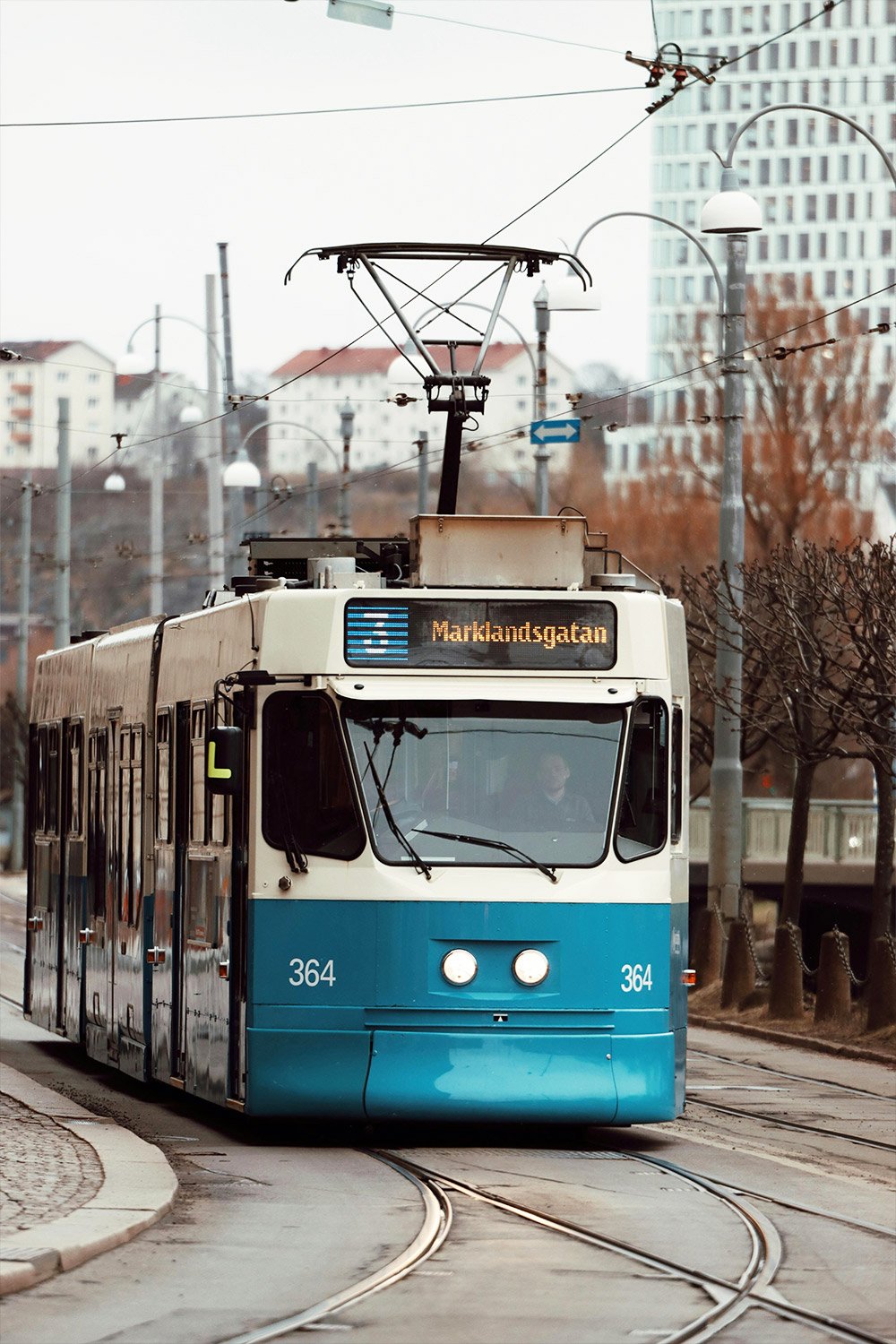
- Trams form the backbone of Gothenburg’s public transport, with a complete network covering most attractions. The historic blue trams have become symbols of the city and offer an authentic local experience.
- Buses complement the tram network, reaching areas not served by rail lines. Both trams and buses are covered by the same ticketing system, making transfers smooth.
- Ferries connect the mainland with the archipelago islands, with most routes departing from Saltholmen terminal. These are included in the city’s public transport passes, offering excellent value for island exploration.
- Bike rentals are widely available through services like Styr & Ställ, Gothenburg’s bike-sharing program. The city’s flat terrain and extensive cycling infrastructure make biking a practical and enjoyable option for visitors.
Recommended Accommodations
Gothenburg offers lodging options for all budgets and preferences:
- Luxury: The Clarion Hotel Post, housed in the former central post office building, combines historic architecture with modern amenities and a central location.
- Mid-range: Clarion The Pier offers comfortable rooms in a waterfront setting with easy access to the city center and main attractions.
- Budget: Linnéplatsens Hotel & Hostel provides affordable accommodations in the trendy Linnéstaden district, with both private rooms and dormitory options.
- Unique: For a recognizable experience, consider Hotel Barken Viking, a converted sailing ship moored in the harbor that offers nautical-themed rooms reflecting Gothenburg’s maritime heritage.
Dining Highlights
Gothenburg’s food scene reflects both its coastal location and modern spirit:
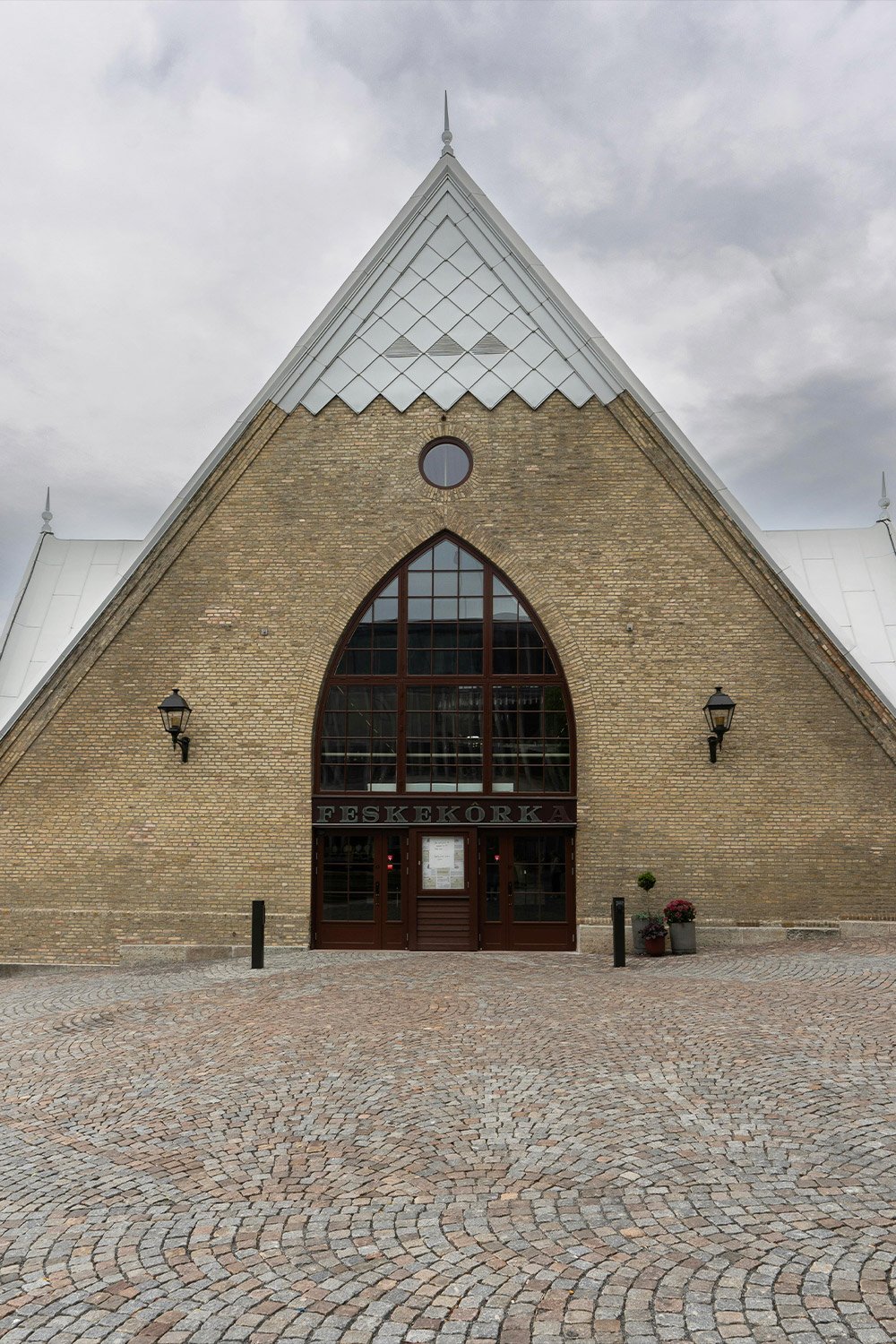
- Seafood: As a coastal city, Gothenburg excels in fresh seafood. Fiskekyrkan (The Fish Church) houses several excellent seafood restaurants in a recognizable church-like building from the 1870s.
- Coffee culture: Alkemisten Kaffe Bar represents Gothenburg’s thriving coffee scene, serving expertly crafted beverages in a cozy setting that’s perfect for experiencing Swedish fika.
- Casual dining: Hasselsson’s Macklucka has gained popularity for its creative sandwiches and relaxed atmosphere, offering quality food at reasonable prices.
- Market halls: Saluhallen food market provides a taste of local cuisine with numerous vendors selling everything from traditional Swedish dishes to international specialties, perfect for sampling diverse flavors.
While in Scandinavia, many travelers combine their Gothenburg visit with trips to nearby destinations like Stavanger or take fjord tours in Norway to experience the region’s diverse landscapes.
Frequently Asked Questions about Gothenburg Sweden
Is Gothenburg worth visiting?
Yes. Gothenburg is Sweden’s relaxed second city, often considered friendlier and more affordable than Stockholm. It packs a lot into a compact, tram-friendly center: the cobblestone Haga district for fika and cinnamon buns, Liseberg (Scandinavia’s largest amusement park), a car-free southern archipelago, fresh seafood at Feskekôrka, and the Gothenburg Museum of Art. Two to three days is ideal.
What are the top things to do in Gothenburg?
Highlights include wandering the historic Haga district with its cobblestone streets and Hagabullen cinnamon buns, riding the coasters at Liseberg, island-hopping the Gothenburg archipelago by public ferry, and visiting the Gothenburg Museum of Art at Götaplatsen. The waterfront, canals, Feskekôrka fish market, and Slottsskogen park round out a great city break.
What is the best time to visit Gothenburg?
Summer (June to August) is the best time, with mild weather, long daylight, and ideal conditions for the archipelago, parks, and waterfront. Spring and autumn bring fewer crowds with blooming gardens or fall color. Winter is colder but magical for the Liseberg Christmas market and the city’s museums and cafés.
How do you get around Gothenburg and the archipelago?
Gothenburg has a reliable network of trams, buses, and ferries, all covered by one ticket. The iconic blue trams reach most neighborhoods, and ferries from Saltholmen and Stenpiren — included in transport passes — make archipelago day trips easy. A packable daypack folds into nothing and holds a picnic and a layer for the boat. The flat city center is also great for cycling with the Styr & Ställ bike-share.
Is Gothenburg cheaper than Stockholm?
Generally, yes — Gothenburg is more budget-friendly than Stockholm. Public transport passes cover trams, buses, and ferries at reasonable rates, and you can save by eating at market halls like Saluhallen or Feskekôrka and staying in guesthouses or hostels. Many highlights — walking Haga, the canals, the waterfront, and the archipelago ferries — are cheap or free.