This guide contains affiliate links. As an Amazon Associate we earn from qualifying purchases — at no extra cost to you.
Estimated reading time: 12 minutes
Last updated: September 2026
Table of Contents
- Why Visit Bergen, Norway?
- Bergen’s Rich History and Culture
- Iconic Attractions in Bergen
- What should I pack for Bergen, Norway?
- Exploring Bergen Fjord Tours
- Fjord Comparison: Hardangerfjord vs Sognefjord
- Practical Travel Tips and Itinerary Suggestions
- Frequently Asked Questions
Why Visit Bergen, Norway?
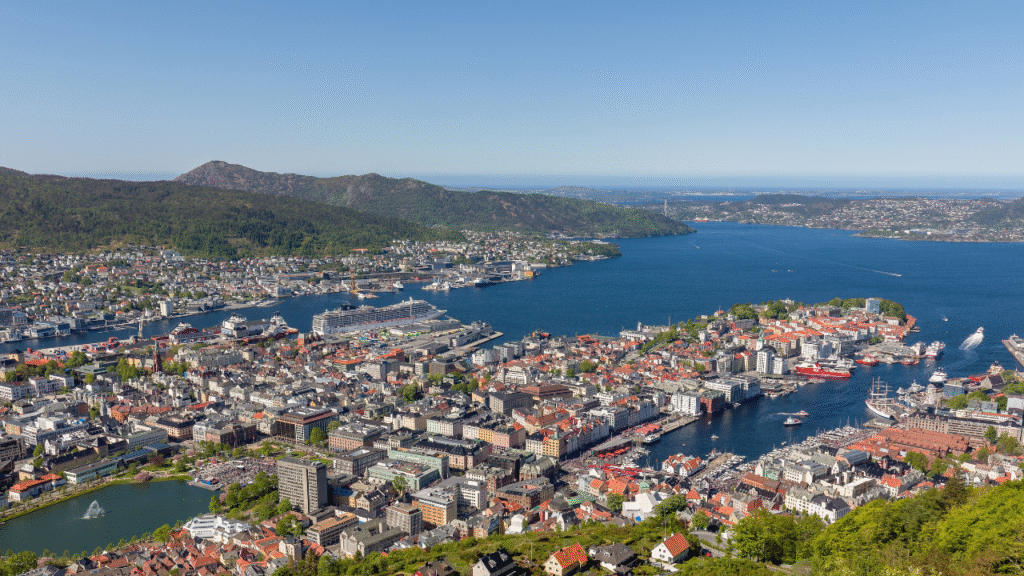
Bergen, Norway’s second-largest city, sits between seven mountains on the North Sea coast and is the main gateway to the western fjords. The top things to do are exploring the UNESCO-listed Bryggen wharf, riding the Fløibanen funicular up Mount Fløyen for panoramic views, visiting historic St John’s Church, and cruising the Hardangerfjord or Sognefjord. Most visitors spend two to three days here.
Throughout this guide, you’ll find everything you need to know about exploring Bergen’s treasures, from the iconic UNESCO World Heritage site of Bryggen with its colorful wooden houses to the great views from the Fløibanen funicular. We’ll also cover the various fjord tour options and provide a helpful comparison between the magnificent Hardangerfjord and Sognefjord to help you plan your perfect Norwegian journey.
You can see this for yourself. Click here to watch the video from this point.
Bergen’s Rich History and Culture
Bryggen UNESCO World Heritage Site
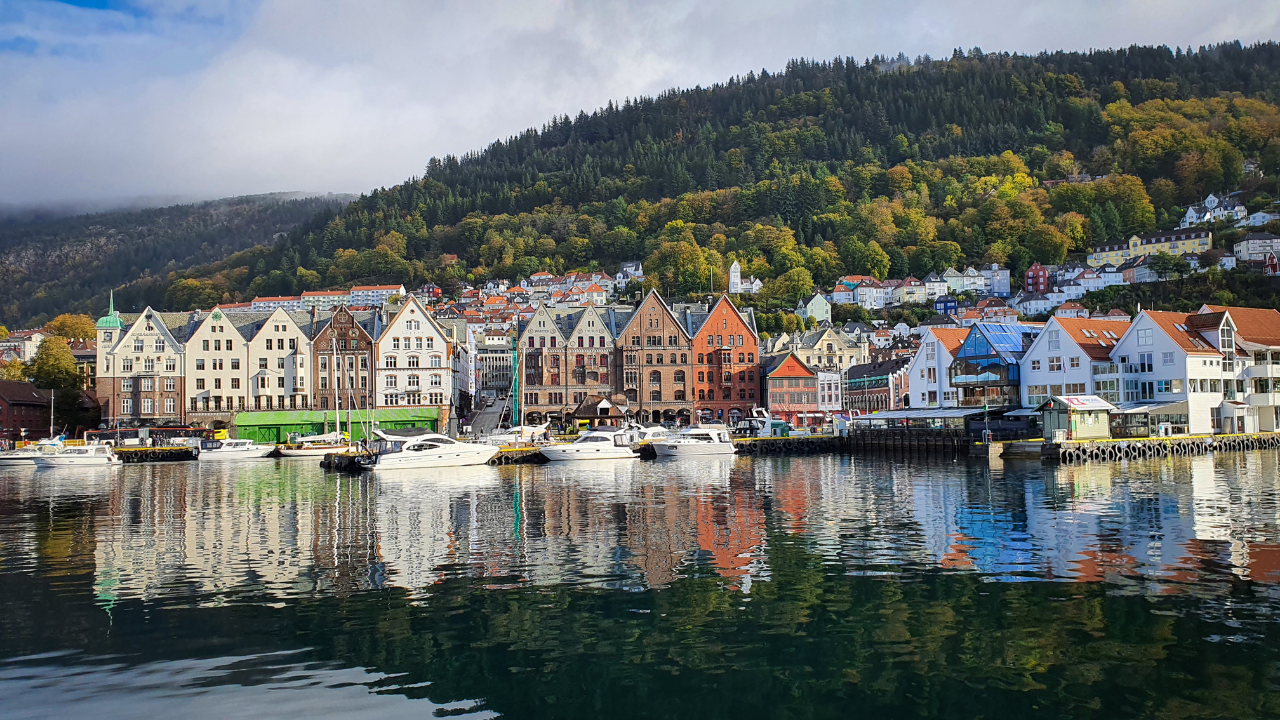
The Bryggen UNESCO World Heritage site is Bergen’s most recognized landmark, featuring a row of colorful wooden merchant houses along the eastern side of Bergen harbor. These structures date back to the 14th century when Bergen thrived as a crucial trading hub within the Hanseatic League, connecting Norway to the rest of Europe.
Walking through Bryggen’s narrow alleyways feels like stepping back in time. The wooden buildings with their sharp-pointed gables display traditional Norwegian timber architecture at its finest. What makes this area particularly remarkable is its resilience: despite surviving numerous fires throughout history, the rebuilt structures maintained the original medieval building patterns and techniques.
Today, Bryggen houses museums, artisan workshops, boutiques, and cozy cafés. The Hanseatic Museum offers fascinating insights into the lives of German merchants who once dominated Bergen’s trade. The area remains a living testament to Bergen’s historical importance as a trading center, with preservation efforts ensuring this iconic Norwegian site will continue to tell its story for generations to come.
Iconic Attractions in Bergen
Fløibanen Funicular Bergen View
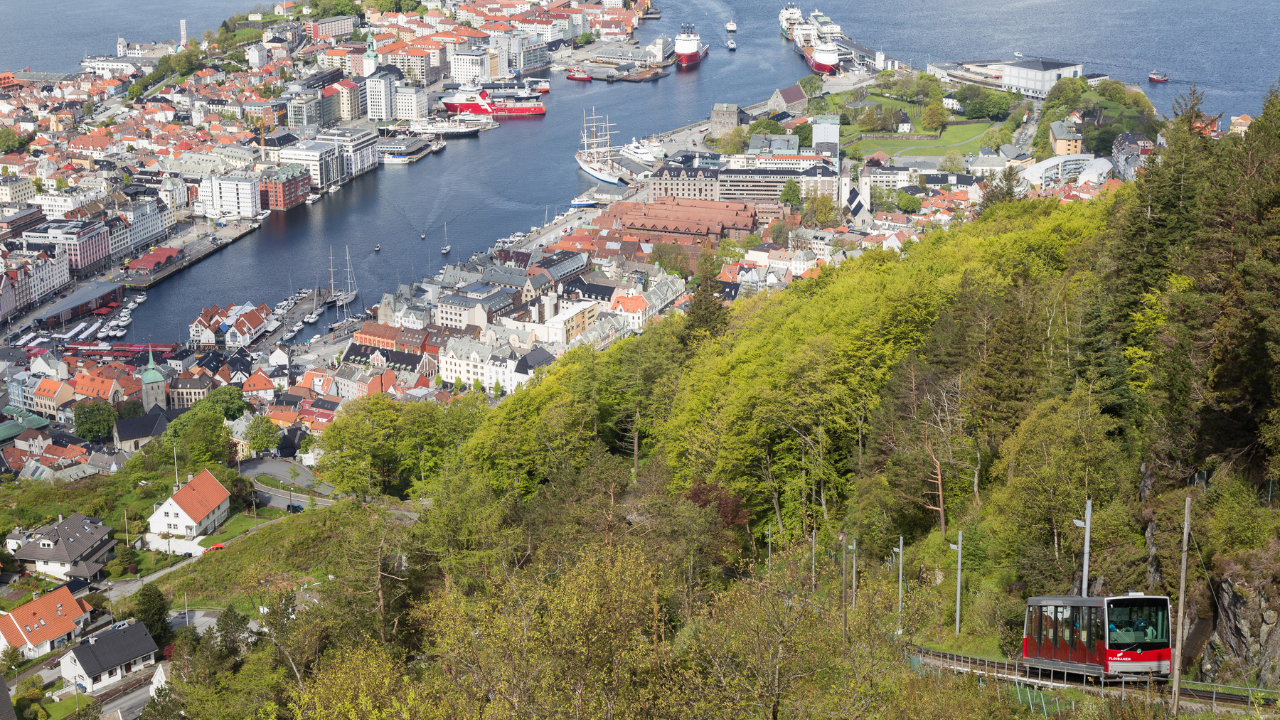
By JoachimKohlerBremen, Eigenes Werk, CC BY-SA 4.0, Link
The Fløibanen funicular offers one of Bergen’s most beloved experiences, whisking visitors from the city center to the summit of Mount Fløyen in just 6 minutes. This rapid ascent takes you 320 meters above sea level, where you’ll be rewarded with sweeping views of Bergen, its surrounding islands, and the towering fjords beyond.
At the summit, visitors find spectacular views. The area features well-maintained walking trails of varying lengths, a children’s playground, and a restaurant where you can enjoy Norwegian specialties while taking in the scenery. The trails at Fløyen are mostly gentle and well-marked, though if you’re planning to continue on to more ambitious routes or tackle Norway’s iconic multi-hour hikes like Pulpit Rock, you’ll want proper hiking boots and weather-resistant layers. For photography enthusiasts, the early morning light casts a golden glow over Bergen’s harbor and colorful buildings, creating perfect photo opportunities.
For those wanting to avoid crowds, consider visiting early in the morning or during weekday evenings. The funicular operates year-round, with each season offering a different perspective on the city. Winter visits reveal Bergen under a blanket of snow, while summer provides extended daylight hours for hiking the surrounding trails and meeting the famous mountain goats that roam freely on Mount Fløyen.
St John’s Church Bergen
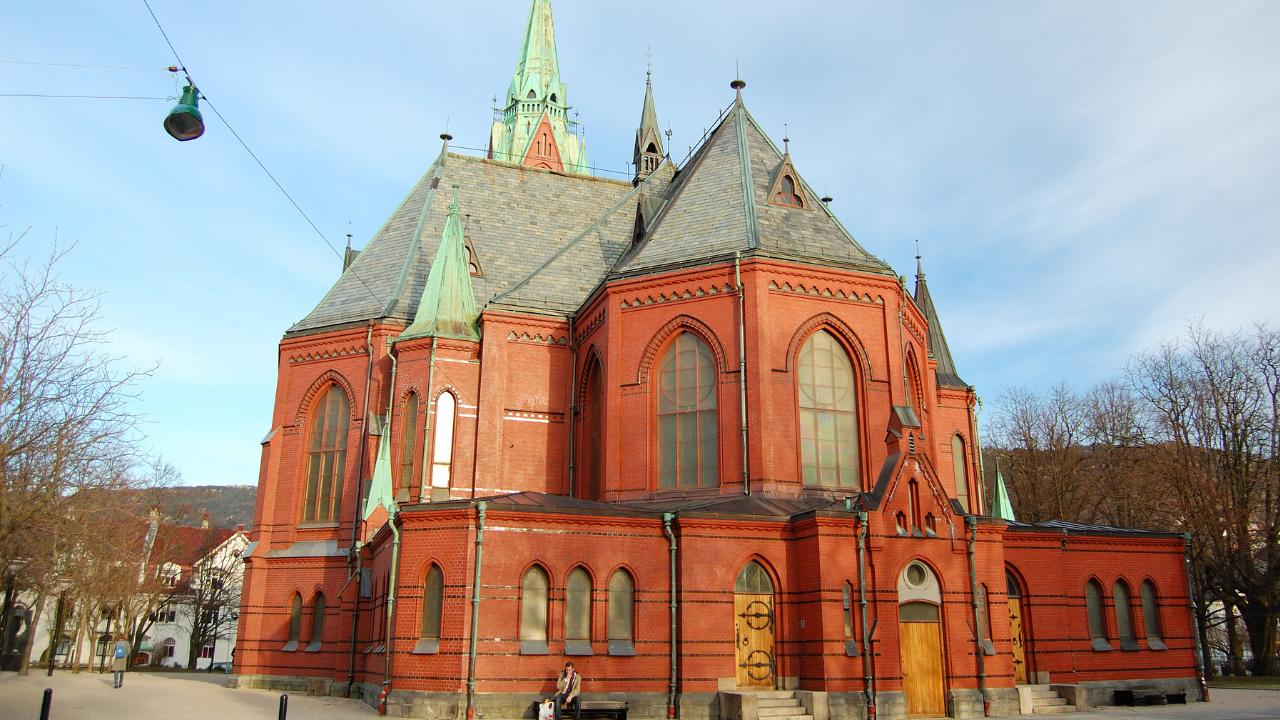
By Sveter, Own work, CC BY-SA 3.0, Link
St John’s Church (Johanneskirken) is Bergen’s largest and most prominent neo-Gothic church, with its recognizable red brick exterior and soaring spire dominating part of the city skyline. Completed in 1894, this architectural masterpiece represents one of Norway’s finest examples of Gothic revival design.
The church’s interior is known for its high vaulted ceilings, intricately designed stained glass windows, and an impressive pipe organ that dates back to 1967. The acoustics inside the church are exceptional, making it a popular venue for organ concerts and choral performances throughout the year.
Visitors can explore St John’s Church during regular opening hours, though times vary seasonally. The peaceful atmosphere provides a welcome respite from the bustle of sightseeing, and the church’s elevated position offers pleasant views of the surrounding area. For those interested in religious architecture, this church represents an important piece of Bergen’s cultural heritage worth experiencing firsthand.
What should I pack for Bergen, Norway?
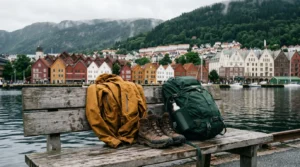
Pack a windproof travel umbrella, an anti-theft crossbody sling, a dry bag, a packable down puffer, and a lightweight daypack. Bergen is one of Europe’s rainiest cities, a walkable fjord gateway where showers roll in without warning, so staying dry, keeping your valuables secure in the crowds, and a warm layer matter most.
The Bergen kit
One of Europe’s rainiest cities, and a walkable fjord gateway.
- Windproof travel umbrella — Bergen is one of Europe’s rainiest cities — 240 wet days a year; a sturdy compact umbrella earns its place
- Anti-theft crossbody sling bag — hands-free and secure for the Fish Market, Bryggen alleys and the Fløibanen queue
- Waterproof dry bag — keeps your camera and phone dry on a Hardanger or Sognefjord day cruise
- Packable down puffer — Bergen evenings and open fjord decks stay cool even in July; this packs to nothing
- Lightweight daypack — for the easy walking trails at the top of the Fløyen funicular
As an Amazon Associate we earn from qualifying purchases.
Exploring Bergen Fjord Tours
Bergen serves as the ideal starting point for exploring Norway’s world-famous fjords, with numerous Bergen fjord tours departing daily from the harbor. These excursions range from half-day trips to full-day adventures, allowing visitors to witness Norway’s most spectacular natural landscapes regardless of their schedule constraints.
The variety of tour options caters to all preferences and budgets. Choose from modern high-speed vessels that maximize sightseeing time, traditional sailing ships that offer a more authentic experience, or combination tours that include both bus and boat transportation to access remote fjord areas. Some of the most popular fjord tours from Bergen include the Sognefjord, Hardangerfjord, and the UNESCO-listed Nærøyfjord.
What makes these tours particularly special is their ability to showcase Norway’s dramatic natural beauty up close. Gliding between towering cliff faces that rise hundreds of meters from the water’s surface creates a profound sense of scale and beauty. Many tours include stops at charming fjordside villages where you can experience local culture, sample traditional Norwegian food, or visit historic sites.
Depending on the tour you select, you might witness spectacular waterfalls cascading directly into the fjord, catch glimpses of local wildlife, or have opportunities to hike to wide viewpoints. For the most complete experience, consider the popular “Norway in a Nutshell” tour, which combines fjord cruising with scenic railway journeys, including the famous Flåm Railway.
Fjord Comparison: Hardangerfjord vs Sognefjord
When planning your Bergen adventure, choosing which fjords to explore can be challenging. The two most accessible major fjords from Bergen, Hardangerfjord and Sognefjord, each offer distinct experiences worth considering.
Hardangerfjord: Norway’s Orchard
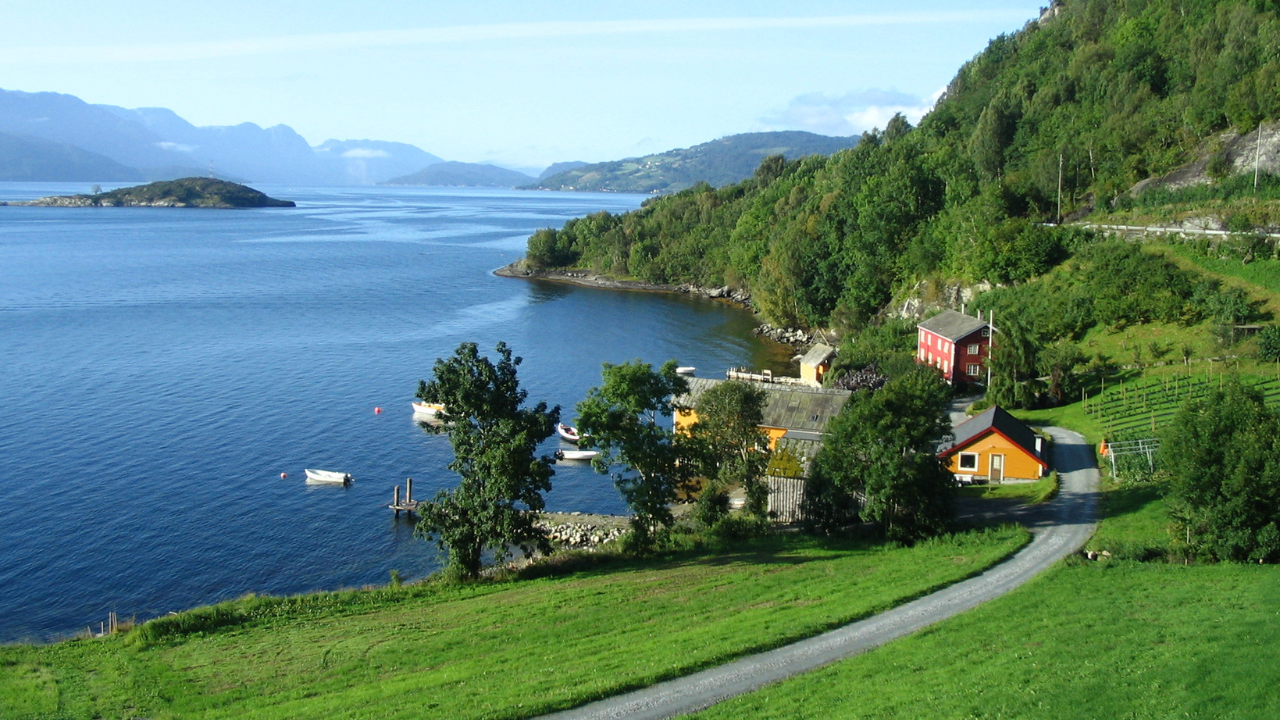
By Markus Braun, Eigenes Werk, Gemeinfrei, Link
Stretching 179 kilometers, Hardangerfjord ranks as Norway’s second-longest fjord and lies approximately 1.5-2 hours from Bergen by car or bus. Known as “the orchard of Norway,” this fjord is famous for its lush fruit farms that burst into spectacular pink and white blossoms during May and early June.
The landscape around Hardangerfjord features gentler, more pastoral scenery compared to some other Norwegian fjords. Its shorelines are dotted with charming villages, apple orchards, and berry farms. The region is also home to Vøringsfossen, one of Norway’s most famous waterfalls, with a dramatic 182-meter drop.
Hardangerfjord excels in cultural experiences, offering visitors opportunities to visit traditional cider farms, sample local produce, and experience authentic Norwegian rural life. The fjord’s more accessible terrain makes it suitable for families and those seeking a balance of natural beauty and cultural immersion.
Sognefjord: King of the Fjords
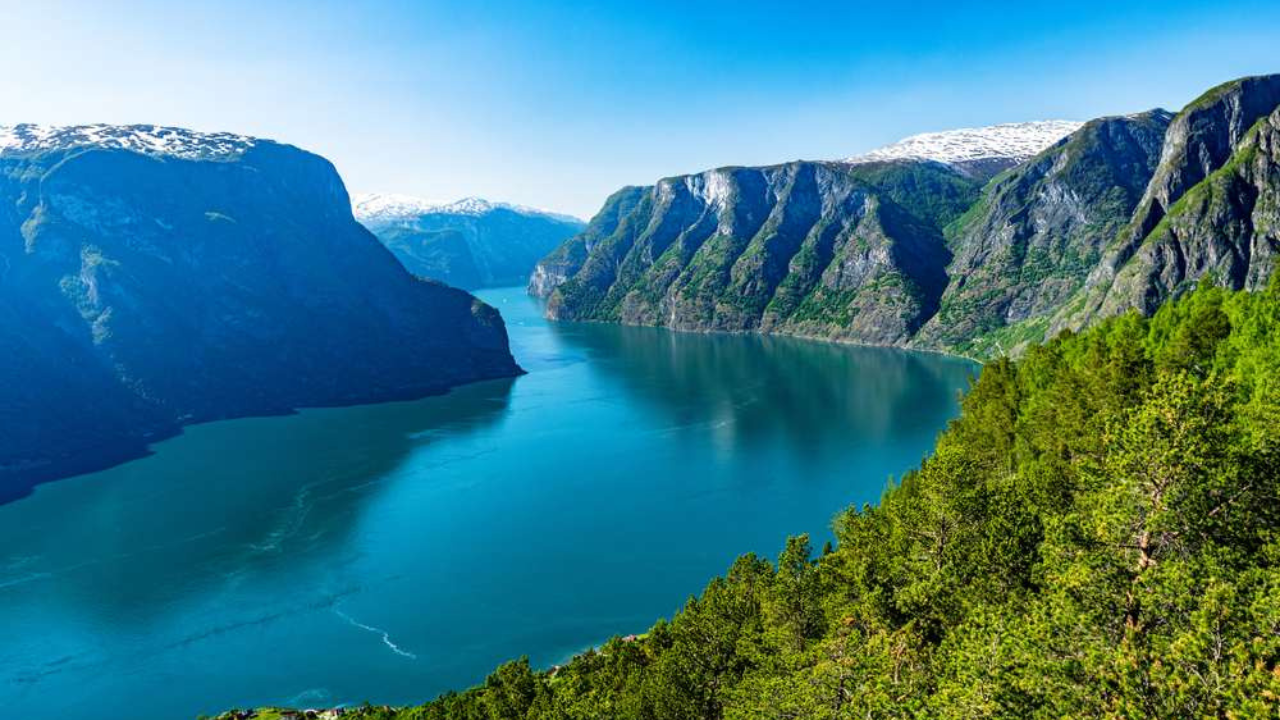
At 205 kilometers long and with depths reaching over 1,300 meters, Sognefjord holds the title of Norway’s longest and deepest fjord. Located about 2-3 hours from Bergen by boat or bus, this towering waterway is often called the “King of the Fjords” for its impressive scale and dramatic landscapes.
Sognefjord is characterized by steep, imposing cliffs that rise dramatically from deep blue waters. Its most famous branch, the Nærøyfjord, has been designated a UNESCO World Heritage site for its outstanding natural beauty. With its narrow passage (at points only 250 meters wide) and mountains soaring to heights of 1,800 meters, Nærøyfjord offers some of Norway’s most photographed landscapes.
The Sognefjord region provides exceptional opportunities for outdoor enthusiasts, with extensive hiking trails, kayaking routes, and villages like Flåm where you can experience the famous Flåm Railway. This area appeals to adventure seekers and those wanting to experience Norway’s most dramatic natural scenery.
Which Fjord Should You Choose?
If you’re visiting during late spring (May-June), Hardangerfjord offers the unique bonus of fruit blossoms, creating a spectacular landscape of pink and white against the blue fjord. It’s ideal for those interested in rural Norwegian culture, food experiences, and gentler landscapes.
Sognefjord delivers the quintessential Norwegian fjord experience with its dramatic scale and wild beauty. Choose this option to find that classic postcard view of towering cliffs and narrow waterways, especially if you have time to explore the UNESCO-listed Nærøyfjord section.
Ideally, with enough time in your Norway travel itinerary, experiencing both fjords provides the most complete understanding of western Norway’s diverse landscapes.
Practical Travel Tips and Itinerary Suggestions
Best Time to Visit Bergen
The ideal time to visit Bergen falls between late May and September when temperatures are most pleasant and daylight hours are longest. July and August bring the warmest weather, with average temperatures around 15-20°C (59-68°F), though these are also the busiest months for tourism, so it helps to know the best time to visit Norway.
It’s worth noting that Bergen is known as one of Europe’s rainiest cities, receiving about 240 days of precipitation annually. Pack waterproof clothing regardless of when you visit, as weather can change quickly. The locals have a saying: “There’s no bad weather, only bad clothing.”
For those wanting to avoid peak crowds while still enjoying decent weather, consider the shoulder seasons of late May to early June or September. These periods offer a good balance of comfortable conditions and less crowded attractions.
Getting Around Bergen
Bergen’s compact city center makes it ideal for exploration on foot. Most major attractions, including Bryggen, the Fish Market, and many museums, are within easy walking distance of each other.
For reaching outlying areas or when the famous Bergen rain makes walking less appealing, the city offers an efficient public transportation system. Light rail (Bybanen) connects the city center with the airport and southern suburbs, while buses cover routes throughout the greater Bergen area. Consider purchasing a Bergen Card, which includes unlimited public transport plus free or discounted admission to many museums and attractions.
For day trips to the fjords, you have several transportation options. Organized tours depart regularly from the harbor area, offering convenience and expert commentary. Alternatively, you can use public buses and ferries to create your own itinerary, though advance planning is essential, especially during high season.
Insider Tips for Visiting Bergen
- Skip the lines at Fløibanen funicular by purchasing tickets online in advance or visiting early in the morning.
- While Bryggen’s main façade is impressive, don’t miss exploring the narrow alleyways behind the front buildings, where you’ll find artisan workshops and less crowded cafés.
- Bergen’s Fish Market (Fisketorget) offers excellent seafood, but prices are often better at nearby restaurants just a block or two away from this tourist hub.
- Consider a Norway in a Nutshell tour for a complete experience that includes Bergen, the Flåm Railway, and fjord cruising.
- The Bergen Card provides good value if you plan to visit multiple museums and use public transportation frequently.
- For photography enthusiasts, the view from Fløyen is spectacular at sunset, while morning light creates beautiful reflections on the harbor.
- Bring a waterproof jacket and proper footwear regardless of the season, Bergen’s weather can change rapidly.
- Local seafood specialties worth trying include fiskesuppe (fish soup), raspeballer (potato dumplings), and fresh salmon dishes.
Top Picked Activities in Bergen
3-Day Bergen Itinerary
Day 1: Bergen City Exploration
- Morning: Visit Bryggen UNESCO site and the Hanseatic Museum
- Lunch: Sample fresh seafood at the Fish Market
- Afternoon: Take the Fløibanen funicular for wide views and light hiking
- Evening: Explore the KODE art museums and dine in the historic Bryggen area
Day 2: Fjord Experience
- Full-day fjord tour to either Sognefjord or Hardangerfjord (depending on your preference based on our comparison)
- Evening: Visit St John’s Church and enjoy dinner at a local restaurant
Day 3: Local Culture
- Morning: Visit the Bergen Maritime Museum and Bergenhus Fortress
- Lunch: Try traditional Norwegian food at a café away from the tourist center
- Afternoon: Shop for souvenirs in the boutiques around Bryggen and visit the Leprosy Museum for an unusual but fascinating historical perspective
- Evening: Enjoy a final dinner with views of the harbor
This itinerary balances Bergen’s cultural attractions with natural experiences, giving you a well-rounded introduction to this charming Norwegian city and its surrounding landscapes. With a proper travel budget for Norway, you can enjoy all these experiences without financial stress.
Frequently Asked Questions About Visiting Bergen
Is Bergen worth visiting?
Yes. Bergen is one of Norway’s most scenic cities and the main gateway to the western fjords. Its UNESCO-listed Bryggen wharf, the Fløibanen funicular up Mount Fløyen, and easy day cruises to the Hardangerfjord and Sognefjord make it a highlight of any Norway trip. Two to three days is ideal.
How many days do you need in Bergen?
Two to three days is enough to see Bergen’s main sights and take a fjord cruise. Spend day one exploring Bryggen, the Fløibanen funicular, and the city center; day two on a Hardangerfjord or Sognefjord tour; and a third day for hikes, museums, or a slower pace.
What is the best time to visit Bergen?
Late May to September offers the mildest weather, long daylight, and the best conditions for fjord tours and hiking. July and August are warmest but busiest. Bergen is one of Europe’s rainiest cities year-round, so pack waterproofs whenever you visit.
What are the must-see attractions in Bergen?
The UNESCO-listed Bryggen wharf with its colorful Hanseatic houses, the Fløibanen funicular to the top of Mount Fløyen, historic St John’s Church, and the Fish Market are Bergen’s essential sights, easily combined with a day cruise into the Hardangerfjord or Sognefjord.
Why is Bergen, Norway famous?
Bergen is famous as the gateway to Norway’s western fjords and for its UNESCO-listed Bryggen wharf, a row of colorful wooden buildings from the Hanseatic League era. Set between seven mountains, it’s also known for the Fløibanen funicular, its historic Fish Market, and being one of the rainiest cities in Europe.