This guide contains affiliate links. As an Amazon Associate we earn from qualifying purchases — at no extra cost to you.
Last updated: July 24, 2026
Estimated reading time: 13 minutes
Table of Contents
- When Is the Best Time to Visit Norway?
- Understanding Norway’s Climate and Weather Patterns
- Norway’s Seasons Travel Guide
- When to Experience the Northern Lights
- Planning Your Trip According to the Season
- Frequently Asked Questions about Best Time to Visit Norway
When Is the Best Time to Visit Norway?
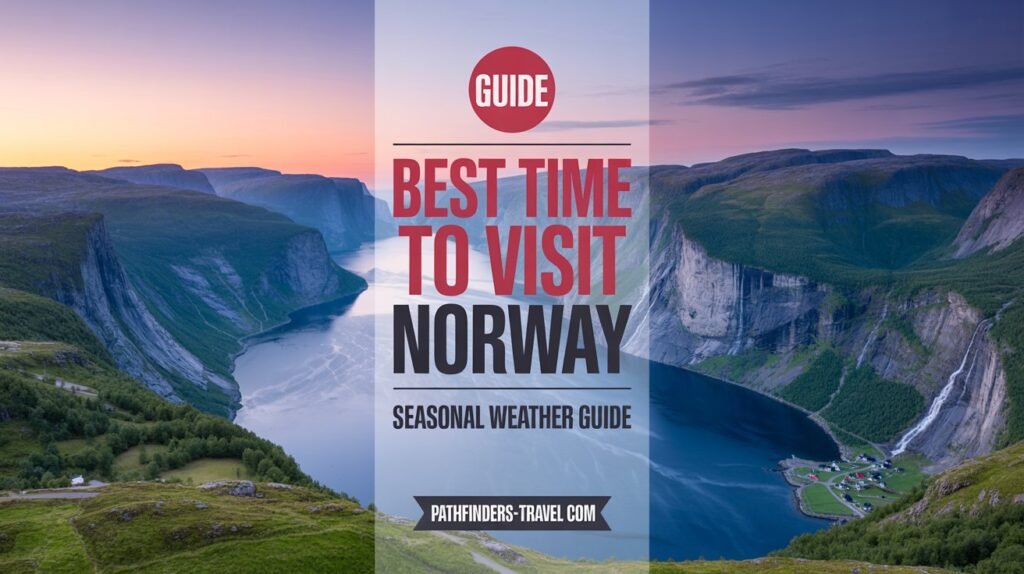
The best time to visit Norway is May to September for long daylight, mild weather, green landscapes, and fjord cruises — June to August is warmest and busiest, with the midnight sun in the far north from late May to mid-July. For the northern lights, visit between late September and March, when nights are dark; this is also the cheaper, quieter season for the cities and fjords.
You can see this for yourself. Click here to watch the video from this point.
Norway Climate Guide: Coastal vs Inland Weather by Month
To choose the perfect timing for your Norwegian adventure, it’s essential to understand Norway weather by month and how it varies across this geographically diverse country. Norway’s climate is surprisingly varied, with notable differences between coastal and inland areas.
Coastal vs. Inland Climate
The coastal areas of Norway, including cities like Bergen and Stavanger, benefit from the warming influence of the North Atlantic Current. This creates a relatively mild, maritime climate characterized by:
- Warmer winters (temperatures rarely drop far below freezing)
- Cooler summers compared to inland areas
- Higher rainfall throughout the year
- Less extreme temperature variations
In contrast, inland and Arctic regions such as Oslo, Trondheim, and Tromsø experience a more continental climate with:
- Colder, snowier winters with temperatures frequently below freezing
- Warmer, drier summers
- Greater temperature differences between seasons
- More pronounced seasonal effects like polar night and midnight sun
Monthly Temperature Averages
Temperature variations across Norway can be significant. Here’s a general guide to what you might expect:
- January (winter): Average 1°C (34°F) during the day, dropping to -7°C (19°F) at night
- April (spring): Average 9°C (48°F) during the day, around 2°C (36°F) at night
- July (summer): Average 22°C (72°F) during the day, around 13°C (55°F) at night
- October (autumn): Average 10°C (50°F) during the day, around 5°C (41°F) at night
Remember that these are just averages, actual temperatures can vary considerably. The coastal city of Bergen might experience a mild 5°C (41°F) in January, while inland areas and northern regions like Tromsø might plunge to -15°C (5°F) or colder.
These climate differences directly impact your travel experience and the activities available in different regions. For instance, skiing conditions in central Norway might be perfect in March, while coastal hiking trails in the west could already be accessible and blooming. Understanding these weather patterns helps you align your visit with your preferred activities and comfort level.
What should I pack for Norway in winter?
Pack insulated waterproof winter boots, a merino base layer, a fleece mid-layer, a waterproof windproof shell, ice grips, and hand warmers. Norway in winter is cold, wet, and icy, and aurora nights mean standing still for hours, so the three-layer system and traction underfoot matter most. The boots come in men’s and women’s versions.
The winter-Norway kit
The layers and traction that keep a cold, icy aurora trip comfortable.
- Insulated, waterproof winter boots — keep your feet warm and dry on snow and ice (women’s sizing)
- A merino wool base layer set — the wicking first layer the 3-layer rule starts with
- A fleece insulating mid-layer — traps your body heat between base and shell
- A waterproof, windproof shell — blocks Norway’s wet, biting coastal wind
- Ice grips for your shoes — grip for icy pavements and trails in town and out
- Hand & foot warmers — essential for standing still on long aurora nights
As an Amazon Associate we earn from qualifying purchases.
Norway Seasons Travel Guide: Summer, Winter, Spring, and Autumn
Each of Norway’s four distinct seasons offers its own unique charm and set of experiences. Let’s explore what makes each season special and what you can expect during your Norway seasons travel adventure.
Summer in Norway (June-August)
Summer is arguably the most popular time for experiencing Norway in summer, and for good reason. This season brings:
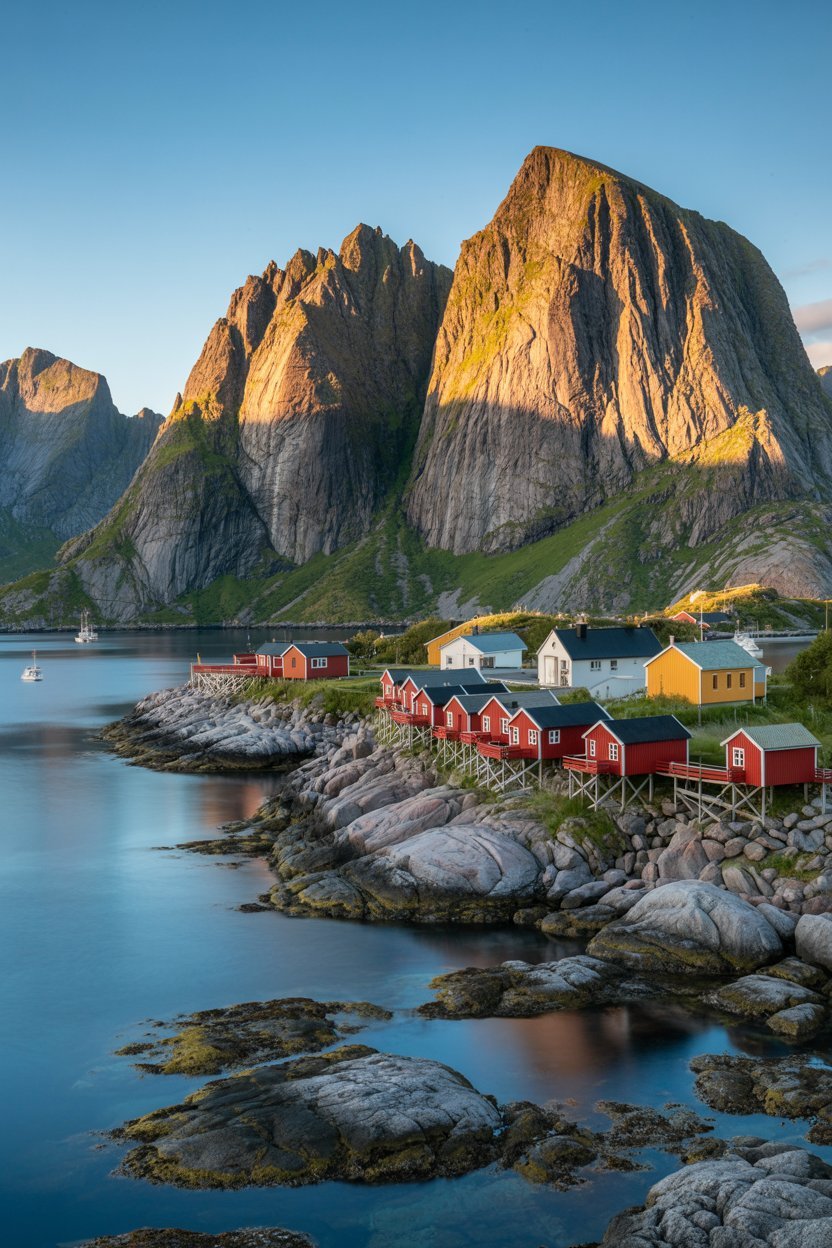
- Long daylight hours: Above the Arctic Circle, the sun doesn’t set at all between late May and late July (the Midnight Sun phenomenon)
- Mild temperatures: Averaging 15-22°C (59-72°F), though inland areas can be warmer
- lively natural landscapes: thick green mountains, flowing waterfalls, and blooming wildflowers
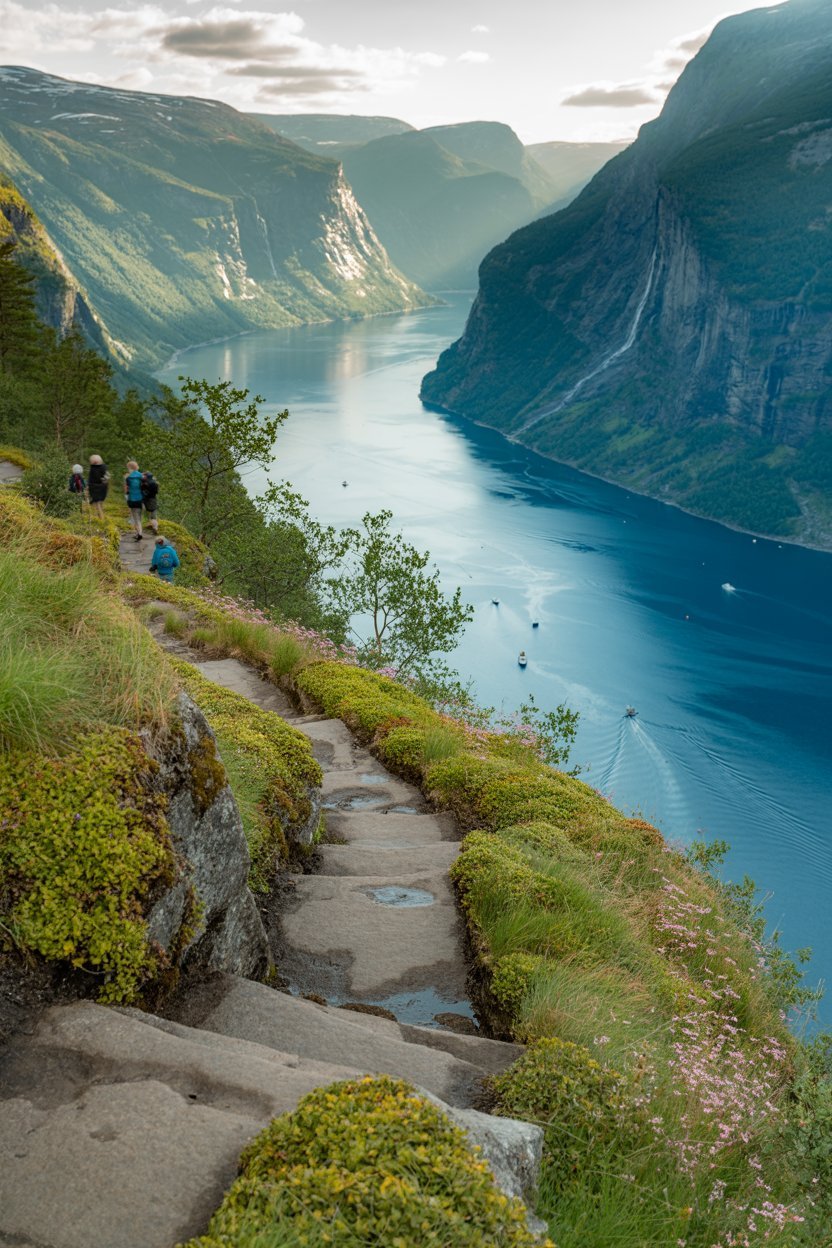
Summer is ideal for outdoor activities like hiking in Lofoten, kayaking through the fjords, and exploring the coastal villages. It’s the perfect time to experience iconic adventures such as the Norway fjord cruises or hiking to Pulpit Rock (Preikestolen) near Stavanger. For the 8 km round-trip trail to Pulpit Rock specifically, the steep and sometimes rocky terrain calls for sturdy hiking boots, moisture-wicking layers, and plenty of water to tackle the 500 m elevation gain safely.
Cities like Oslo and Bergen come alive with outdoor cafés, festivals, and cultural events. The summer months also allow better access to remote regions that might be difficult to reach in winter. Just be prepared for more tourists and higher prices during this peak season.
Winter in Norway (November-March)
Winter transforms Norway into a snow-covered wonderland, offering experiences that are impossible at other times of the year. Here are some essential Norway in winter travel tips to help you make the most of this magical season:
- enjoy the snowy landscapes: Winter sports opportunities abound, from top-quality skiing in Trysil and Hemsedal to dog sledding and snowmobiling in the north
- Northern Lights viewing: The dark winter skies create perfect conditions for aurora spotting, especially in northern regions
- Winter festivals: Events like Tromsø’s Northern Lights Festival celebrate the season with music and arts
When preparing for winter travel in Norway:
- Pack proper thermal layers, waterproof boots, and quality winter gear
- Be prepared for limited daylight hours (in Tromsø, the sun doesn’t rise at all for about two months in winter)
- Allow extra time for transportation, as snow and ice can cause delays
- Book accommodation with good heating systems and consider places with saunas or hot tubs
Winter driving requires special skills and equipment, so consider public transportation or guided tours for the safest experience. Many visitors prefer to explore Norway’s winter destinations with professional guides who can enhance safety while maximizing your chances of seeing the Northern Lights.
Spring in Norway (April-May)
Spring is a season of transition and renewal in Norway, offering several advantages for travelers:
- Melting snow creates spectacular waterfalls and rushing rivers
- Blooming wildflowers and fresh greenery transform the landscapes
- Gradually increasing daylight hours provide more time for exploration
- Fewer tourists compared to the summer high season
Spring weather can be unpredictable, with temperatures ranging from 5-15°C (41-59°F) and a mix of sunny days and rain showers. Mountain areas may still have snow well into May, creating a beautiful contrast with the greening valleys below.
This season is perfect for photographers capturing the dramatic contrast between snow-capped mountains and the fresh colors of spring in the lowlands. It’s also an excellent time for bird watching along the coast as migratory species return.
Autumn in Norway (September-October)
Autumn brings a special charm to Norway with fewer crowds and beautiful natural displays:
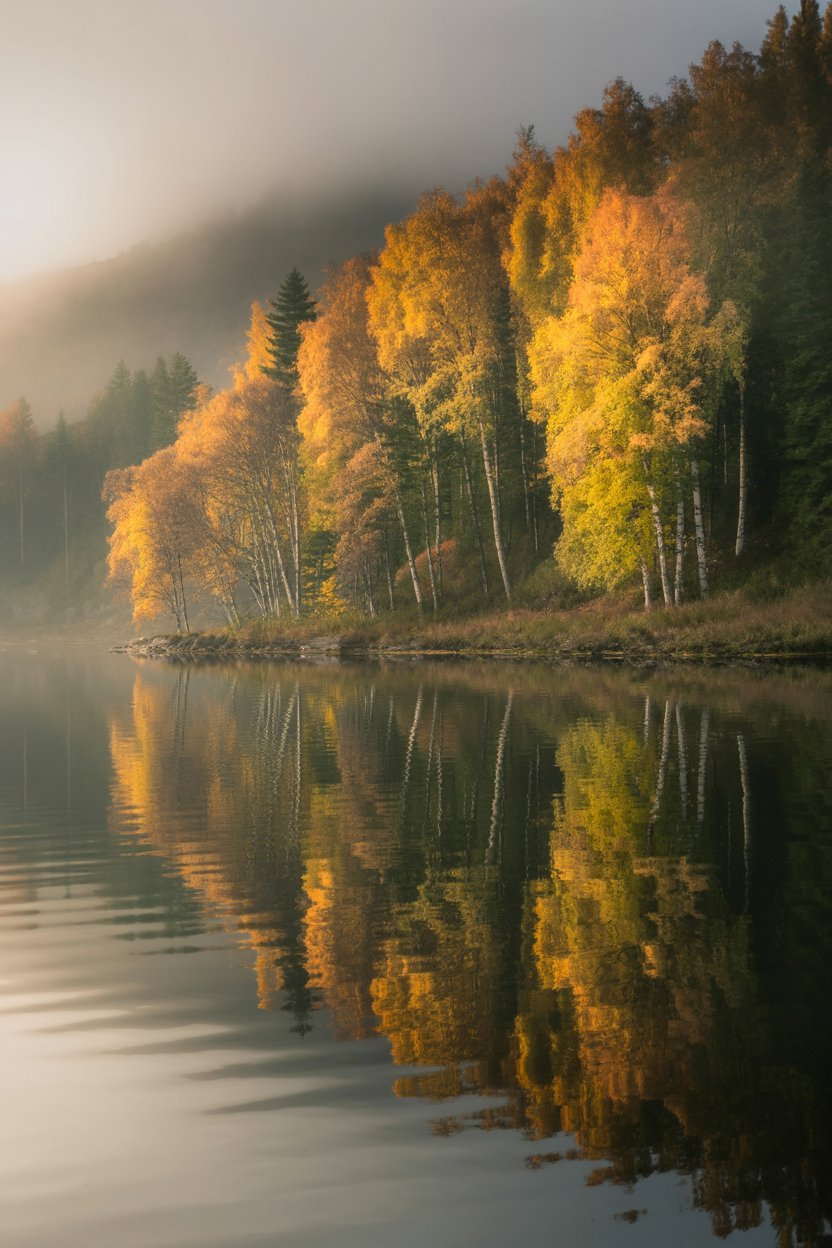
- lively fall colors transforming forests and mountainsides
- Harvest season bringing fresh local produce to markets and restaurants
- Clear, crisp days offering excellent visibility for photography
- Lower prices on accommodation compared to summer
Temperatures typically range from 5-15°C (41-59°F), with increasing rainfall as the season progresses. Daylight hours gradually decrease, but remain reasonable for sightseeing and outdoor activities.
Autumn is ideal for hiking, as summer crowds have dispersed and trails are still accessible before the winter snow. It’s also the beginning of the Northern Lights season in northern Norway, with darker skies making aurora viewing possible from late September onwards.
Best Time to See the Northern Lights in Norway
For many travelers, witnessing the mesmerizing dance of the aurora borealis is a primary reason for visiting Norway. Understanding when to go to Norway northern lights viewing is crucial for maximizing your chances of experiencing this natural phenomenon.
Optimal Viewing Season
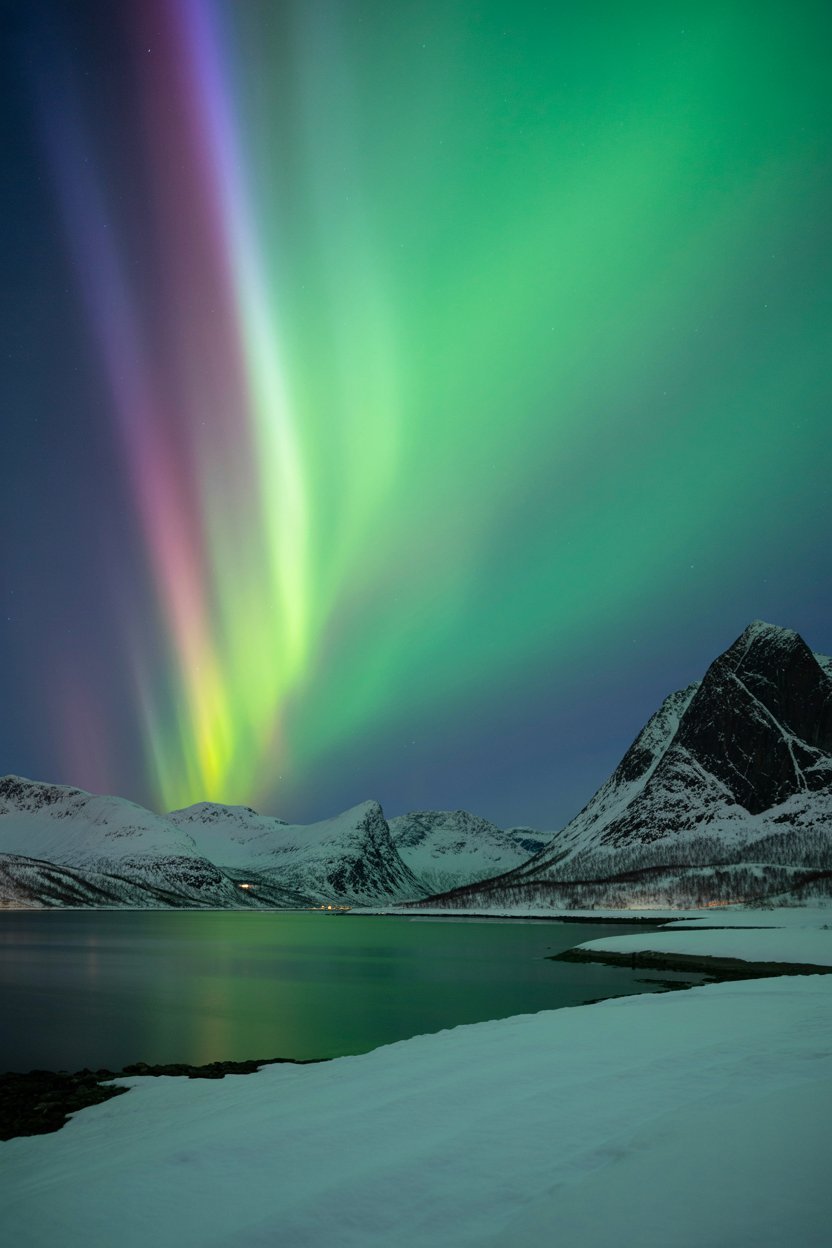
The Northern Lights are potentially visible from late September to early April in Norway, with some key factors influencing visibility:
- Peak months: November through February offer the darkest skies and longest nights, creating optimal viewing conditions
- Solar activity: The aurora is caused by solar particles interacting with Earth’s atmosphere, so intensity varies with solar cycles
- Location: The further north you travel, the better your chances, with the area above the Arctic Circle offering the most reliable sightings
The prime destinations for Northern Lights viewing include Tromsø, Alta, the Lofoten Islands, and Svalbard. These locations combine dark skies with good infrastructure for aurora hunters.
Tips for Northern Lights Viewing
To maximize your chances of seeing this spectacular light show:
- Plan multiple nights for viewing, as the aurora is unpredictable and weather-dependent
- Get away from city lights to areas with minimal light pollution
- Use aurora forecast apps to track activity and cloud cover
- Dress extremely warmly as you may be standing outside in freezing temperatures for extended periods — a pair of touchscreen thermal gloves lets you work your camera or aurora app without baring your hands to the cold
- Learn basic night photography skills if you want to capture the lights — a lightweight travel tripod is essential here, since the long exposures the aurora needs are impossible to hold steady by hand
Many visitors choose to join guided Northern Lights tours led by experienced locals who know the best viewing spots and can provide proper equipment and warm refreshments. These tours also often include other activities like dog sledding or snowshoeing, making for a complete Arctic experience.
Keep in mind that while the Northern Lights are spectacular, they’re also natural phenomena that can’t be guaranteed. Plan your trip with other winter activities in mind so you’ll have a fulfilling experience regardless of aurora visibility.
Norway Trip Planning by Season: Packing, Activities, and Travel Tips
Once you’ve decided on the best season for your Norwegian adventure, it’s time to plan the details. Here’s how to tailor your trip preparations based on when you’ll visit.
Seasonal Packing Guide
What you pack should reflect Norway’s weather conditions during your visit:
- Summer packing:
- Lightweight clothing for warm days
- Warm layers for cool evenings
- Waterproof jacket and pants (rain can occur year-round)
- Hiking boots for outdoor adventures
- Sunglasses and sunscreen (the sun can be intense, especially with long daylight hours)
- Winter packing:
- Thermal base layers (wool is excellent)
- Insulated mid-layers
- Waterproof and windproof outer shell
- Insulated, waterproof boots
- Warm hat, gloves, and scarf
- Ice grips for shoes
- Hand and foot warmers for extended outdoor activities
- Spring/Autumn packing:
- Clothing that can be layered
- Waterproof outerwear
- Mid-weight jacket
- Comfortable walking shoes with good traction
Regardless of season, always pack a good camera to capture Norway’s beautiful landscapes.
Seasonal Activities by Region
Different regions of Norway excel at different times of year:
- Oslo and Southern Norway:
- Summer: Outdoor cafés, festivals, island hopping in the Oslo Fjord
- Winter: Christmas markets, museums, nearby ski resorts
- Spring/Autumn: Parks and gardens, cultural events with fewer crowds
- Western Fjords:
- Summer: Fjord cruises, hiking, village exploring
- Winter: Snow activities in mountain areas, quieter fjord experiences
- Spring: Waterfalls at peak flow, blooming fruit orchards along Hardangerfjord
- Autumn: Spectacular fall colors reflecting in the fjords
- Northern Norway:
- Summer: Midnight Sun, hiking in Lofoten, coastal exploration
- Winter: Northern Lights, dog sledding, snowmobiling, Sami cultural experiences
- Spring: Returning wildlife, lengthening days, winter-to-spring transitions
- Autumn: Early Northern Lights with less extreme cold, beautiful Arctic fall colors
Consider exploring Norway’s beautiful fjords during the summer months when visibility is at its best and boat tours operate at full capacity.
Top Picked Seasonal Activities
Practical Seasonal Considerations
Beyond activities and packing, consider these practical factors:
- Booking windows: Summer requires booking 3-6 months ahead, while shoulder seasons offer more last-minute flexibility
- Budget planning: Summer is most expensive; winter has lower accommodation costs except in ski resorts; spring and autumn offer the best value
- Transportation: Some mountain passes and ferry routes have limited winter service; summer offers the most complete transportation options
- Daylight hours: Plan activities accounting for nearly 24-hour summer daylight in the north or the very limited winter daylight
For winter travelers, consider adding buffer days to your itinerary to account for possible weather delays, especially when visiting more remote areas.
Frequently Asked Questions about Best Time to Visit Norway
When can you see the midnight sun in Norway?
The midnight sun shines in northern Norway (above the Arctic Circle) from roughly late May to mid-July, when the sun never fully sets. Tromso, the Lofoten Islands, and the North Cape are prime spots, and even southern Norway gets very long, bright summer evenings.
When can you see the northern lights in Norway?
The northern lights are visible from late September to late March on clear, dark nights. Head to northern Norway – Tromso, the Lofoten Islands, Alta, or the North Cape – for the best odds, ideally away from city lights and around the equinoxes.
What is the cheapest time to visit Norway?
Late autumn and winter (outside Christmas and the northern-lights peak) and the shoulder months of May and September are the cheapest, with lower flight and hotel prices than peak summer. Booking well ahead also helps in this pricey country.
How many days do you need in Norway?
A first trip needs about 5 to 7 days to pair a city like Oslo or Bergen with a fjord cruise. Ten days to two weeks lets you add the Lofoten Islands or the far north for the lights. Three days only suits one city plus a quick fjord trip.
What should you pack for Norway?
Pack layers year-round: a waterproof jacket, warm mid-layers, and sturdy shoes even in summer, as fjord and mountain weather changes fast. For winter add thermals, a heavy coat, hat, gloves, and ice traction; for summer, bring an eye mask for the midnight sun.