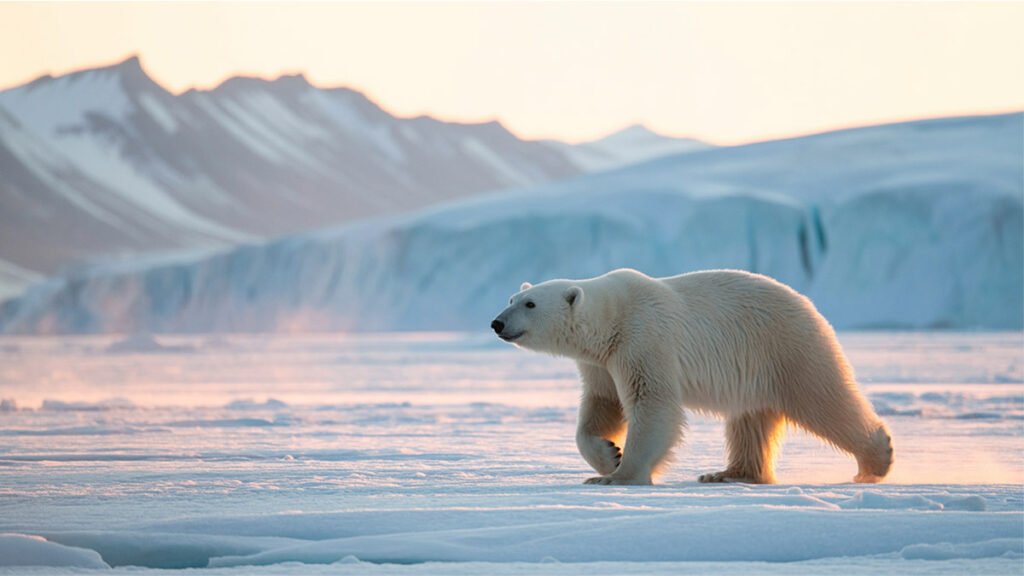
This guide contains affiliate links. As an Amazon Associate we earn from qualifying purchases — at no extra cost to you.
Estimated reading time: 17 minutes
Last updated: July 24, 2026
Table of Contents
- What Is the Best Time to Visit Svalbard?
- Overview of Svalbard
- How to See Polar Bears in Svalbard
- Svalbard Boat Tours
- Isfjorden Glacier Tour
- Svalbard Global Seed Vault Visit
- Essential Travel Information
- Frequently Asked Questions
What Is the Best Time to Visit Svalbard?
The best time to visit Svalbard depends on what you want to see. Summer, from late May to September, brings the midnight sun, navigable seas for boat tours, and the most active wildlife, including the best polar bear viewing from expedition cruises. The polar night from November to February is the season for the Northern Lights, while March to May offers snowmobiling and returning daylight.
For adventurers seeking a remote Arctic escape, this Svalbard travel guide unveils the great landscapes and unique experiences awaiting you. Set at the edge of the inhabitable world, Svalbard is one of the planet’s last really wild frontiers, a land where polar bears roam across vast ice fields, massive glaciers calve into frigid waters, and the rhythm of nature dictates every aspect of life.
This Norwegian archipelago offers outstanding wildlife encounters in their natural habitat, from the towering polar bears to walruses, Arctic foxes, and reindeer adapted to this harsh environment. The region’s dramatic glacier tours take visitors across ancient ice formations that have shaped this landscape for millennia, while unique landmarks like the world-famous Svalbard Global Seed Vault showcase humanity’s efforts to preserve global biodiversity.
As you read through this guide, prepare for an adventure unlike any other, where midnight sun and polar nights create surreal lighting conditions, and where nature’s raw power remains undiluted by human intervention.
You can see this for yourself. Click here to jump to the video in UHD 4K Resolution.
Overview of Svalbard
Location and Geography
Svalbard occupies a unique position on our planet, situated between mainland Norway and the North Pole. This remote archipelago spans latitudes 74° to 81° north, making it one of the northernmost inhabited regions on Earth.
The islands’ isolated geography creates an almost mystical allure for travelers seeking genuine wilderness experiences. Covering over 61,000 square kilometers, Svalbard’s landmass consists of numerous islands, with Spitsbergen being the largest and most visited. Despite its remote location, the administrative center of Longyearbyen offers surprising amenities for visitors.
Dramatic Landscapes
Svalbard’s terrain presents a stark, haunting beauty that stays with visitors long after they’ve departed. The landscape features rugged mountains with jagged peaks, massive glacier systems that cover approximately 60% of the land area, and deep fjords that cut into the coastline.
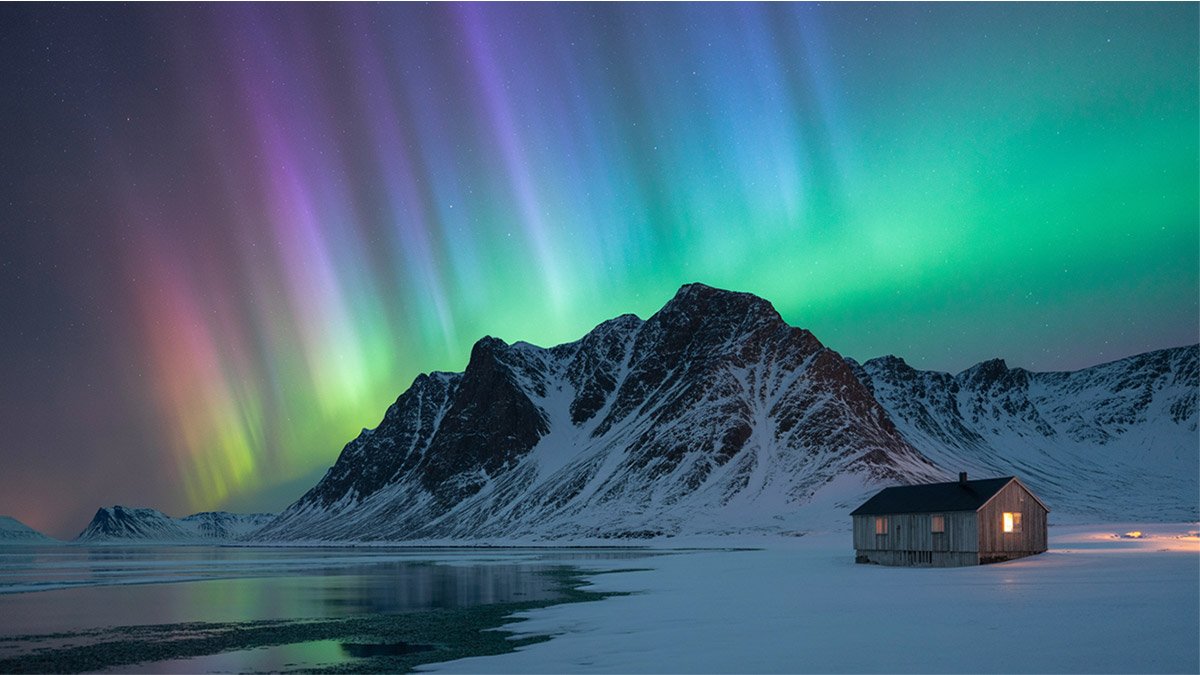
One of the most remarkable aspects of visiting Svalbard is experiencing its extreme light conditions. During summer (April-August), the archipelago experiences the midnight sun phenomenon where daylight persists 24 hours a day. Conversely, the winter brings polar nights, a period from November to February when the sun never rises above the horizon, creating ideal conditions for viewing the Northern Lights.
Climate and Wildlife Adaptation
Planning Tip
The climate in Svalbard is classified as Arctic, with average temperatures ranging from -14°C (7°F) in winter to a relatively mild 6°C (43°F) in summer. This harsh environment has shaped both the landscape and the wildlife that call it home.
Despite these extreme conditions, Svalbard’s ecosystem supports great biodiversity. The archipelago hosts specially adapted wildlife including the Svalbard reindeer (smaller than their mainland counterparts), Arctic foxes that change coat color with the seasons, and numerous bird species that migrate to the islands during the brief summer.
What should I pack for Svalbard?
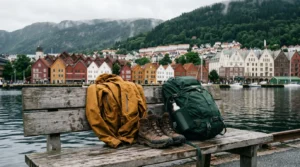
Pack an insulated waterproof parka, insulated snow boots, a merino base layer, insulated gloves, a fleece-lined beanie, hand warmers, and binoculars. Svalbard is deep Arctic cold and wind on every landing: layering from the skin out, protecting your hands and head, and spotting polar bears and walrus at a safe distance are what matter.
The Svalbard Arctic kit
Deep Arctic cold and wind on every landing come down to these seven.
- An insulated waterproof parka — your outer shell against Arctic wind and snow
- Insulated, waterproof snow boots — deep cold and snow on every landing and walk
- A merino thermal base layer — the foundation layer that keeps body heat in
- Insulated waterproof gloves — bare hands fail fast in Arctic wind
- A fleece-lined beanie — most heat escapes through your head
- Hand & toe warmers — the cheap, packable trick that saves a cold day
- A pair of binoculars — spot polar bears, walrus and seabirds at a safe distance
As an Amazon Associate we earn from qualifying purchases.
How to See Polar Bears Safely in Svalbard
Responsible Wildlife Viewing
Encountering polar bears in their natural habitat ranks among the most coveted wildlife experiences on Earth. However, how to see polar bears in Svalbard requires understanding strict regulations designed to protect both visitors and these magnificent but dangerous predators.
The most important rule is maintaining proper distance. Under new regulations effective 2025, visitors must stay at least 300 meters away from polar bears during July through February, and 500 meters during March through June (the sensitive denning and breeding period). If you spot a bear closer than these distances, you must retreat immediately.
Always remember these essential guidelines:
- Never approach polar bears under any circumstances
- Never pursue bears that move away from you
- Never attempt to attract or feed bears
- Never leave food or scented items unattended
- Always follow your guide’s instructions without question
Guided Polar Bear Safaris
The safest and most ethical way to observe polar bears is through licensed tour operators with experienced guides.And this might be the safest answer for how to see Polar Bears in Svarbard. These professionals understand bear behavior, carry appropriate safety equipment, and know how to minimize disturbance to these protected animals.
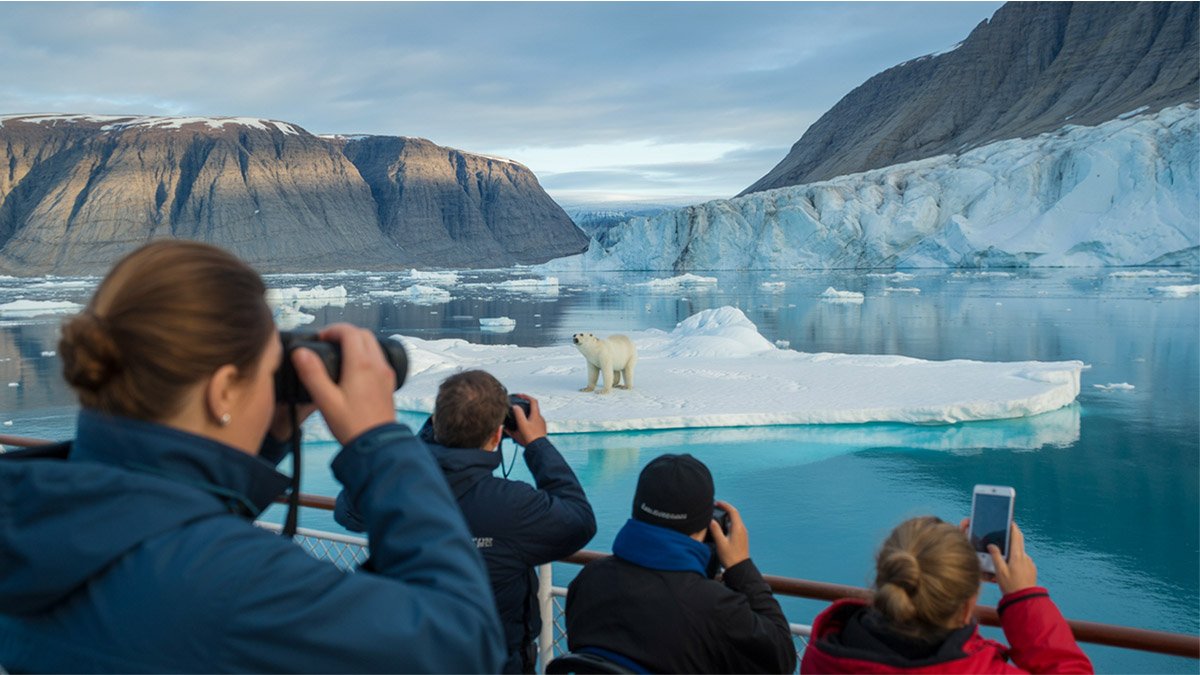
Most polar bear sightings occur during boat-based excursions, which provide a safe platform for observation while maintaining appropriate distance. Expedition cruise vessels equipped with powerful binoculars and spotting scopes allow for respectful wildlife viewing without disturbing natural behaviors.
When selecting a tour operator, look for those affiliated with the Association of Arctic Expedition Cruise Operators (AECO), which maintains strict guidelines for responsible tourism in the region. The best operators emphasize education alongside the experience, helping visitors understand the challenges facing polar bears in a changing Arctic.
Safety Considerations
Understanding why these strict regulations exist requires acknowledging the reality of bear encounters. Polar bears are apex predators with no natural fear of humans. They can move surprisingly quickly across ice and snow, and their hunting instincts make them potentially dangerous.
In Svalbard, it’s illegal to leave settlements without proper protection and knowledge of bear safety. All guides carry deterrents and firearms as a last resort, but their primary strategy is always prevention through vigilance and maintaining proper distance.
The penalties for violating bear protection regulations are severe, including heavy fines and possible expulsion from Svalbard, regardless of whether the disturbance was intentional. These rules exist not just to protect visitors but to preserve the natural behavior of an increasingly vulnerable species.
Best Svalbard Boat Tours for Wildlife and Glaciers
Arctic Waters Experience
Svalbard boat tours offer the most complete way to experience the archipelago’s coastal wonders and wildlife. The perspective from water reveals the true scale of the Arctic landscape, towering glacier fronts that plunge directly into the sea, dramatic mountain ranges rising from shorelines, and ice floes drifting through clean fjords.
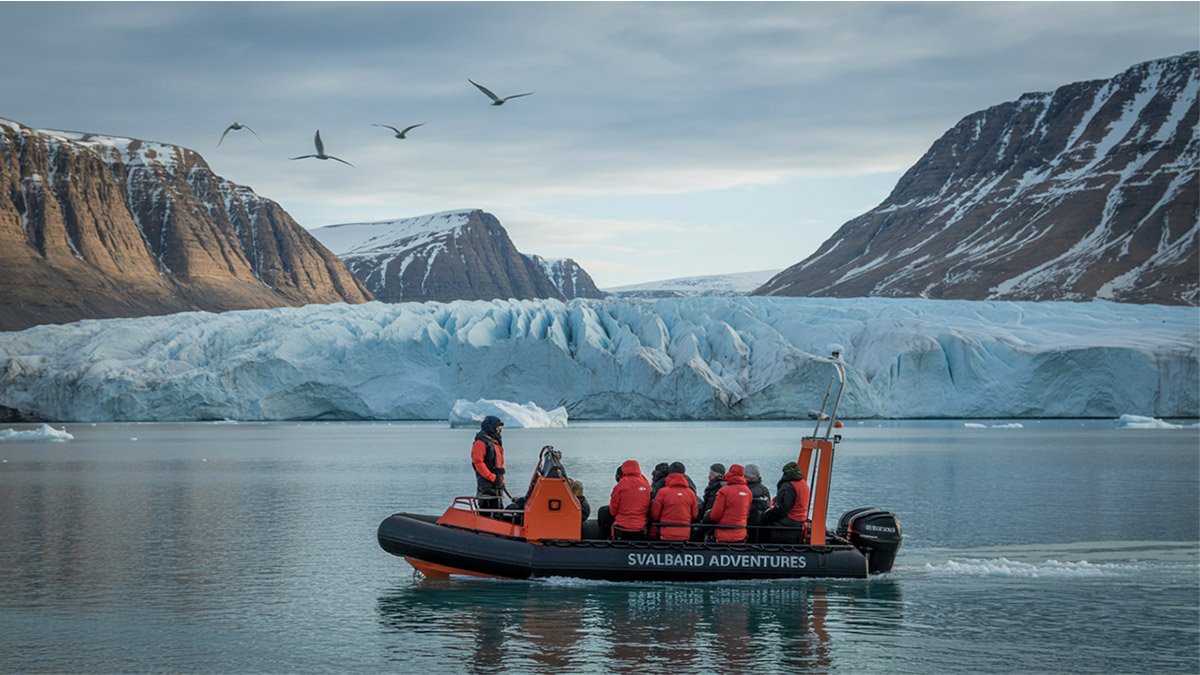
The waters around Svalbard host an impressive array of marine wildlife. During summer months, visitors might spot beluga whales, harbor seals, and the recognizable walrus with its impressive tusks. The coast also serves as nesting grounds for millions of seabirds, creating lively bird cliffs that come alive with activity.
From the safety of a boat, passengers can also observe polar bears hunting on ice floes or patrolling the coastline, often providing the best wildlife viewing opportunities while maintaining safe and respectful distances.
Types of Boat Excursions
Svalbard offers several types of boat-based experiences to suit different preferences:
- Expedition cruises: Multi-day journeys around the archipelago with expert guides and daily shore landings (where permitted)
- Day trips: Shorter excursions from Longyearbyen to nearby fjords and points of interest
- Zodiac tours: Small-group explorations using rigid inflatable boats that can get around narrow passages and approach shore (while maintaining wildlife distance regulations), offering one of the best Svalbard boat tours for intimate Arctic experiences.
- Kayaking expeditions: Guided paddling trips for a more intimate experience of the Arctic waters
Popular routes include explorations of Isfjorden (the large fjord near Longyearbyen), journeys to the abandoned Russian mining settlement of Pyramiden, and circumnavigation of parts of Spitsbergen island.
Seasonal Considerations
The timing of your Svalbard boat tour significantly impacts the experience:
- May-June: Sea ice begins breaking up, opening more routes; continuous daylight provides constant viewing opportunities
- July-August: Peak season with most accessible waters, greatest wildlife activity, and relatively mild temperatures
- September: Decreasing daylight brings chances to see Northern Lights, but weather becomes less predictable
Most boat tours operate only during the short summer season (mid-April to mid-September) when sea ice conditions permit safe navigation. During winter months, fjords freeze over, making boat access impossible in many areas.
It’s worth noting that in accordance with new 2025 regulations, the number of visitors allowed in certain areas has been restricted, and some tour operators now limit landings to protect sensitive wildlife habitats. These measures help make sure that Svalbard’s clean environment remains protected for future generations.
Isfjorden Glacier Tour
The Magnificent Isfjorden
An Isfjorden glacier tour introduces visitors to one of Svalbard’s most accessible and spectacular fjord systems. As the second-longest fjord in the archipelago at 107 kilometers, Isfjorden (meaning “Ice Fjord”) penetrates deep into Spitsbergen’s western coast and branches into numerous smaller fjords and bays.
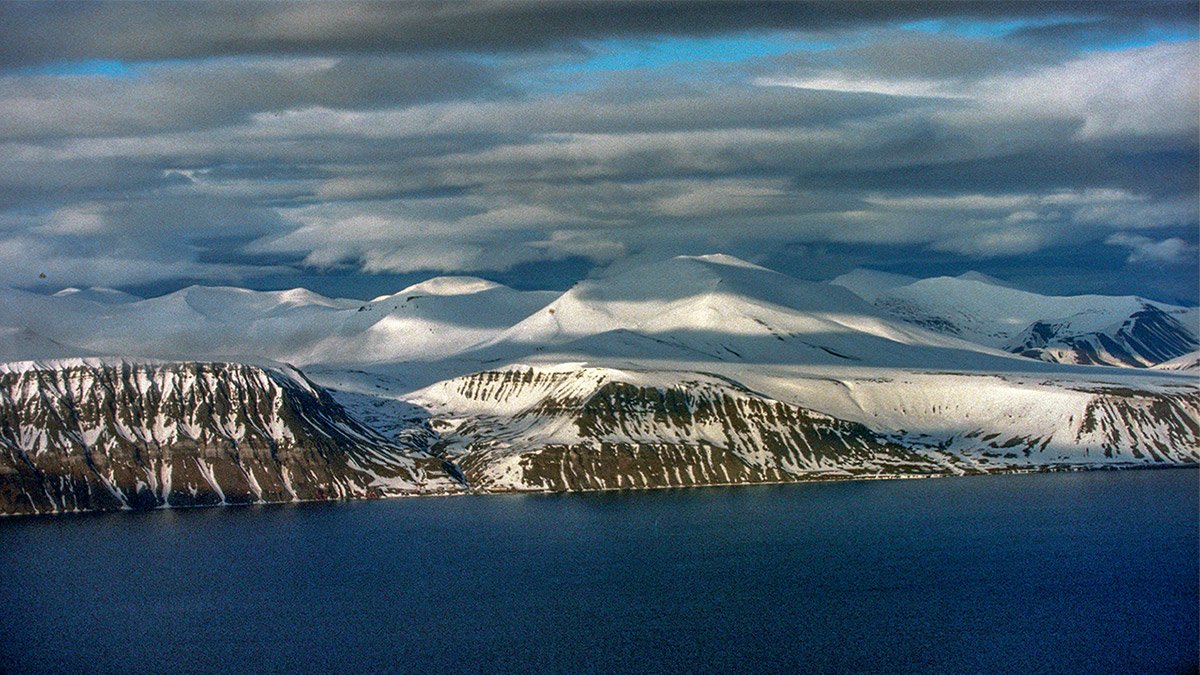
One of the most popular ways to explore this spectacular region is through an Isfjorden Glacier Tour, offering visitors the chance to witness towering ice walls and dramatic ice calving firsthand. These glacier fronts, some towering over 40 meters high, regularly calve icebergs in dramatic displays of nature’s raw power. The sound of ice breaking away, a thunderous crack that echoes across the water, creates a memorable sensory experience.
Despite its proximity to Longyearbyen (Svalbard’s main settlement is located on Isfjorden’s southern shore), the fjord maintains a feeling of untouched wilderness and serves as home to diverse Arctic wildlife.
Wildlife Viewing Opportunities
Isfjorden provides excellent opportunities for wildlife observation throughout the year. In the water, visitors might spot ringed and bearded seals resting on ice floes, while white-beaked dolphins and minke whales occasionally visit during summer months.
The fjord’s bird cliffs host thousands of nesting seabirds during summer, including little auks, Brünnich’s guillemots, and northern fulmars. Along the shorelines, Arctic foxes and Svalbard reindeer can sometimes be spotted against the tundra backdrop.
While polar bears are less common in the inner parts of Isfjorden compared to more remote areas of Svalbard, they do occasionally appear, particularly when sea ice conditions change. Your guide will always be vigilant for these apex predators during any tour.
Tour Experience and Preparation
Glacier tours in Isfjorden typically operate as guided boat excursions lasting between 3-10 hours, depending on the specific itinerary and weather conditions. These tours often include:
- Visits to active glacier fronts like Nordenskiöldbreen or Von Postbreen
- Exploration of former mining settlements like Pyramiden or Barentsburg
- Wildlife observation opportunities with expert guides
- Educational components about glaciology and Arctic ecosystems
Planning Tip
When preparing for an Isfjorden glacier tour, proper clothing is essential. Even in summer, temperatures on the water rarely exceed 5°C (41°F), and the wind chill factor can make it feel much colder. Dress in multiple layers, including:
- Moisture-wicking base layers
- Insulating mid-layers (wool or fleece)
- Waterproof and windproof outer shell
- Insulated waterproof boots
- Hat, gloves, and neck protection
- Sunglasses (the glare from ice and water can be intense)
Most tour operators provide additional safety equipment like life vests and sometimes extra outerwear. Don’t forget to bring a camera with spare batteries (cold temperatures drain them quickly — tuck a few hand warmers in your pockets to keep batteries and fingers working) and binoculars for wildlife spotting.
Svalbard Global Seed Vault Visit
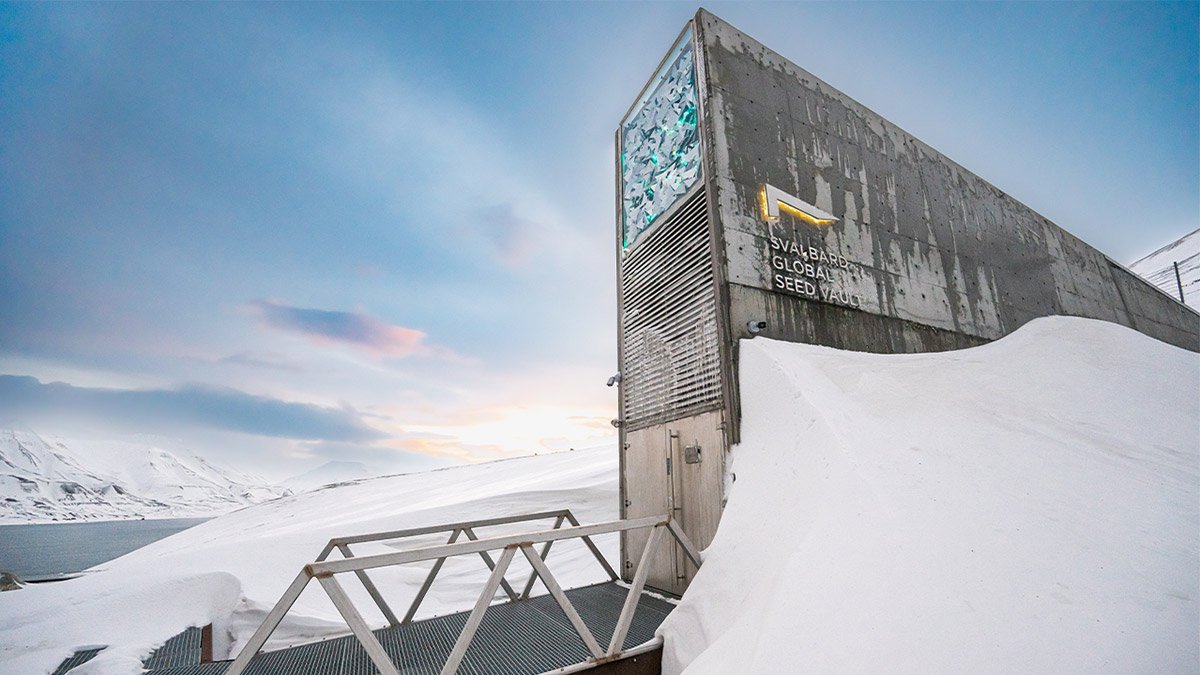
By Michael Major for Crop Trust
The Arctic’s Crucial Role in Global Food Security
The Svalbard Global Seed Vault represents one of humanity’s most far-sighted initiatives, a facility designed to preserve the genetic diversity of the world’s food crops against catastrophic events ranging with climate change and nuclear war. Often called the “Doomsday Vault,” this great structure safeguards over one million seed samples from nearly every country on Earth.
The vault’s location in Svalbard was carefully chosen for several reasons. The stable, cold climate provides natural freezing, the mountain offers protection against rising sea levels, and the remote location reduces risks from human conflicts. Even if power systems fail, the permafrost would help maintain freezing temperatures for seed preservation.
The seeds stored here represent a backup of backup systems, each country maintains its own seed bank, but the Svalbard vault provides an additional layer of security for humanity’s most valuable plant resources. The facility has already proven its value when war-damaged seed banks in Syria were able to withdraw their backup seeds to restart agricultural programs.
Visitor Experience
For those planning a Svalbard Global Seed Vault visit, it’s important to understand that the interior of the vault itself is not open to the public. The facility operates as a secure repository with strictly controlled access to maintain the integrity of the seeds and environmental conditions.
However, visitors can approach the dramatic exterior entrance, an impressive concrete wedge emerging from the mountainside, illuminated by artist Dyveke Sanne’s fiber-optic installation that glows with an ethereal blue-green light in the dark months. This architectural feature has become one of Svalbard’s most photographed landmarks.
The best views of the vault come from the road between Longyearbyen and the airport, about 5 kilometers from town. Most guided tours of the Longyearbyen area include a stop near the vault for photos and information about its purpose.
Educational Opportunities
While you can’t enter the vault itself, Svalbard offers several ways to learn about this important facility:
- The Svalbard Museum in Longyearbyen features exhibits about the seed vault and its global significance
- Guided tours from Longyearbyen often include detailed information about the vault’s construction, purpose, and operation
- Occasional public lectures by visiting scientists or vault administrators provide deeper insights into the facility’s work
Some tour operators offer specialized excursions focusing on Svalbard’s scientific contributions, including the seed vault and other research facilities that make this remote archipelago a center for Arctic and climate science.
For those with a deeper interest, the vault’s managing organization, Crop Trust, maintains a complete website with virtual tours and detailed information about the facility’s operations and the broader mission of preserving agricultural biodiversity for future generations.
Essential Travel Information
When to Visit Svalbard
Choosing when to visit Svalbard depends largely on what experiences you hope to have in this Arctic realm. Each season offers distinct advantages and challenges:
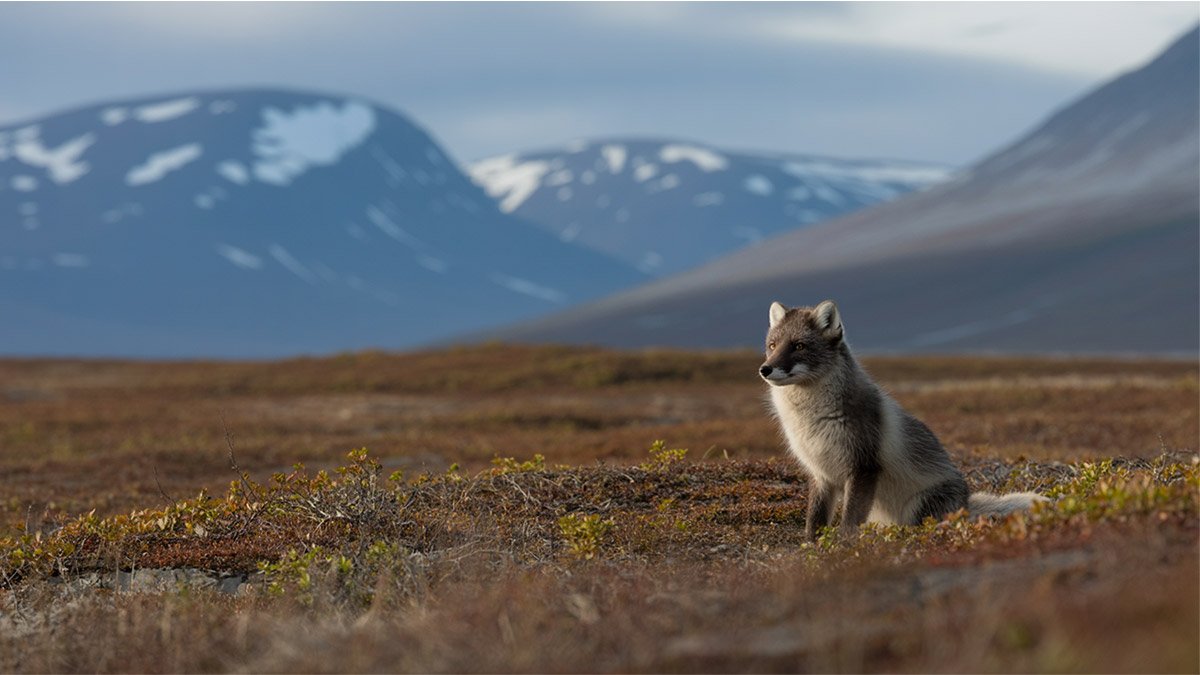
- Late February to May (Spring): Bright snow conditions with returning sunlight create a magical atmosphere. This period offers excellent conditions for snowmobile tours, dog sledding, and skiing, plus increasing chances of wildlife sightings as animals become more active.
- June to August (Summer): The midnight sun provides 24-hour daylight, allowing for maximum exploration time. This is the main season for boat tours, hiking, and wilderness trekking. Wildlife is most active, and most areas of the archipelago become accessible as sea ice retreats.
- September to October (Fall): Diminishing daylight brings the return of stars and potential Northern Lights. The tundra takes on lively autumn colors, and the first snow usually returns.
- November to January (Winter): Polar night season when the sun remains below the horizon. This period offers unique experiences in blue twilight, excellent Northern Lights viewing, and a really Arctic atmosphere.
Most visitors choose summer months for their first Svalbard trip due to milder weather and greater accessibility. However, winter visits have grown increasingly popular for those seeking Northern Lights and unique Arctic darkness experiences.
Travel Requirements and Logistics
Getting to and around Svalbard requires careful planning:
- Entry Requirements: Svalbard has unusual visa rules, it’s technically visa-free for all nationalities under the Svalbard Treaty, but you’ll need appropriate documentation to transit through mainland Norway (Schengen visa rules apply for many non-European visitors).
- Flights: Regular flights connect Longyearbyen with Oslo and Tromsø. Book well in advance, especially during peak summer season.
- Local Transportation: Longyearbyen is walkable, but there’s no public transport network connecting settlements. Transportation outside town requires organized tours or specially permitted vehicles.
- Accommodation: Options range with comfortable hotels and guesthouses and seasonal camping (summer only). Book months ahead for peak periods.
As of 2025, new visitor regulations have been implemented to protect Svalbard’s fragile environment. These include stricter wildlife viewing guidelines and limits on visitor numbers in certain areas. Check with tour operators about how these regulations might affect your plans.
Safety and Environmental Responsibility
Safety in Svalbard requires respecting both the environment and wildlife:
- Polar Bear Safety: It’s illegal to leave settlements without appropriate protection against polar bears. Most visitors must join guided tours with experienced guides carrying deterrents.
- Weather Awareness: Arctic conditions can change rapidly. Always carry extra layers, even in summer, and follow guide recommendations without question.
- Environmental Regulations: New guidelines effective 2025 establish stricter protection for wildlife habitats. These include minimum approach distances for bears (300-500 meters depending on season) and limits on landing sites.
- Leave No Trace: Remove all waste, stay on designated paths where required, and avoid disturbing vegetation and wildlife.
Visitors should also understand that emergency services, while professional, face extreme challenges in this remote environment. Medical facilities are limited, and evacuation can be delayed by weather. Comprehensive travel insurance with Arctic coverage is essential.
By respecting these guidelines, you help make sure that Svalbard’s untouched wilderness remains protected for future generations while ensuring your own safety in this beautiful but challenging environment.
Frequently Asked Questions about Svalbard
What is the best way to see polar bears in Svalbard?
The safest and most responsible way is to join a licensed expedition cruise or guided tour led by operators who understand bear behaviour. Under the 2025 regulations, visitors must stay at least 300 metres from polar bears from July to February and 500 metres from March to June, when bears are denning. Watching from a boat is both safer and far more reliable than on land.
When can you take boat tours in Svalbard?
Boat-tour season runs from roughly May to September, when the sea ice retreats, the fjords are navigable, and wildlife is most active. This is also the midnight-sun period, with 24-hour daylight, so cruises to glaciers and wildlife areas can run almost around the clock.
What can you expect from an Isfjorden glacier tour?
An Isfjorden glacier tour gives you an impressive close-up of Svalbard’s icy landscapes, with towering ice walls and dramatic calving events. It is ideal if you want a mix of adventure and wildlife watching: along the way you may spot seals, seabirds, and, with luck, a polar bear on the coastline.
Can you visit the Svalbard Global Seed Vault?
The Svalbard Global Seed Vault is not open to the public, but you can view and photograph it from the outside. It sits just outside Longyearbyen, and stopping by lets you appreciate its role in safeguarding the world’s crop diversity, even though the interior stays sealed.
What regulations should you follow when visiting Svalbard?
Respect the wildlife and environmental rules: stay on designated paths, keep the required distance from wildlife, and never leave the settlements without polar-bear protection or a guide. Check the latest 2025 visitor guidelines before your trip, as approach distances and landing limits can change by season.