This guide contains affiliate links. As an Amazon Associate we earn from qualifying purchases — at no extra cost to you.
Estimated reading time: 13 minutes
Last updated: 10 July 2026
When Can You See the Northern Lights in Norway?
The northern lights season in Norway runs from late September through late March, when nights above the Arctic Circle grow long and dark. Your best odds come between 6 pm and 2 am in northern spots like Tromsø and Alta, ideally over three or more nights. Aurora watching means standing still for hours in subzero cold, so the right parka, boots, and hand warmers matter as much as timing.
I have packed for Norway in both July and January, and the preparation is night and day. Summer travelers get away with lighter rain gear and hiking boots, but winter demands serious cold-weather protection. Even in shoulder seasons like April or October, temperatures hover around 5 to 10 degrees Celsius, rain appears without warning, and coastal winds cut right through anything that’s not windproof.
The coastal Gulf Stream keeps places like Bergen milder than you would expect, but venture inland or north of the Arctic Circle and you’ll face conditions closer to -20 Celsius. If you’re trying to time your trip around northern lights season, which runs September through March, that means standing still in the cold for hours at a time. You cannot chase the aurora in a light jacket and sneakers.
You need accessories that handle subzero temps without weighing you down. I learned this the hard way during a February trip when I underestimated how cold standing still for aurora photography would feel compared to active hiking.
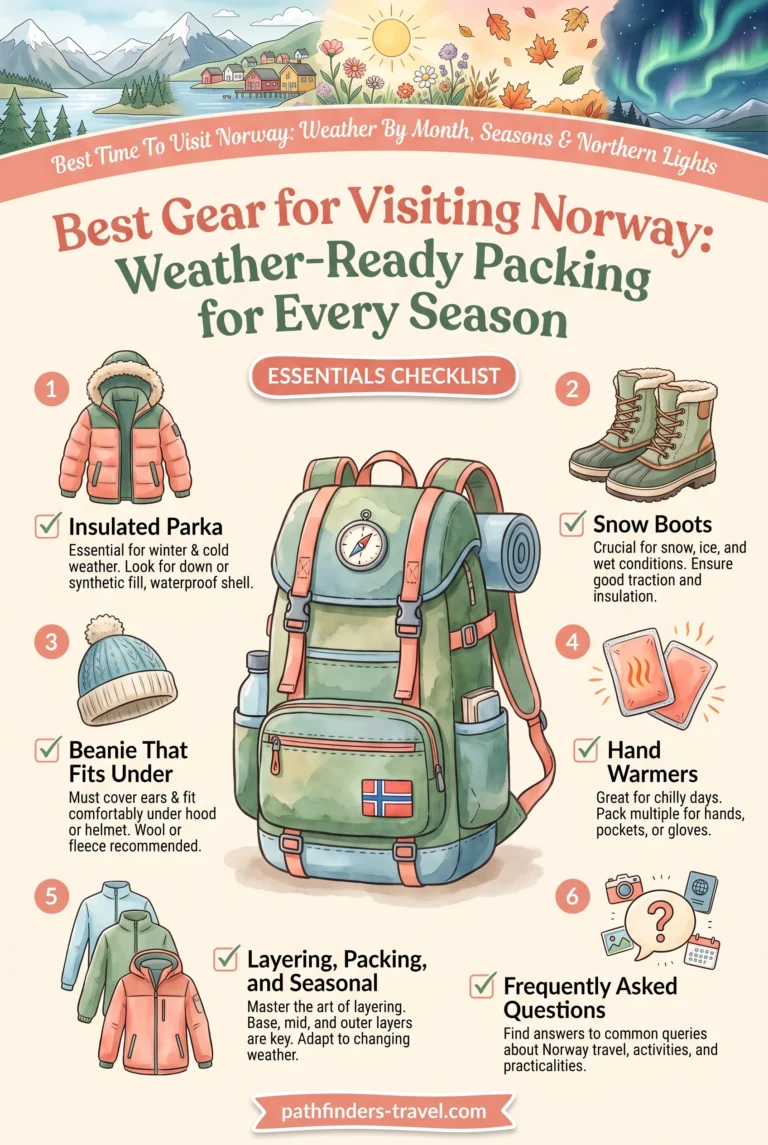
This guide breaks down the core gear you actually need, organized by how Norway’s seasons and terrain will test your packing list. We will cover insulated parkas that handle both wet coastal weather and dry Arctic cold, snow boots engineered for ice and slush, beanies that fit under parka hoods, and heat packs for those long northern lights waits. Each section explains what to look for and when you’ll need it most, so you can pack smart whether you’re visiting in June or December.
Insulated Parka for Coastal Rain and Arctic Cold
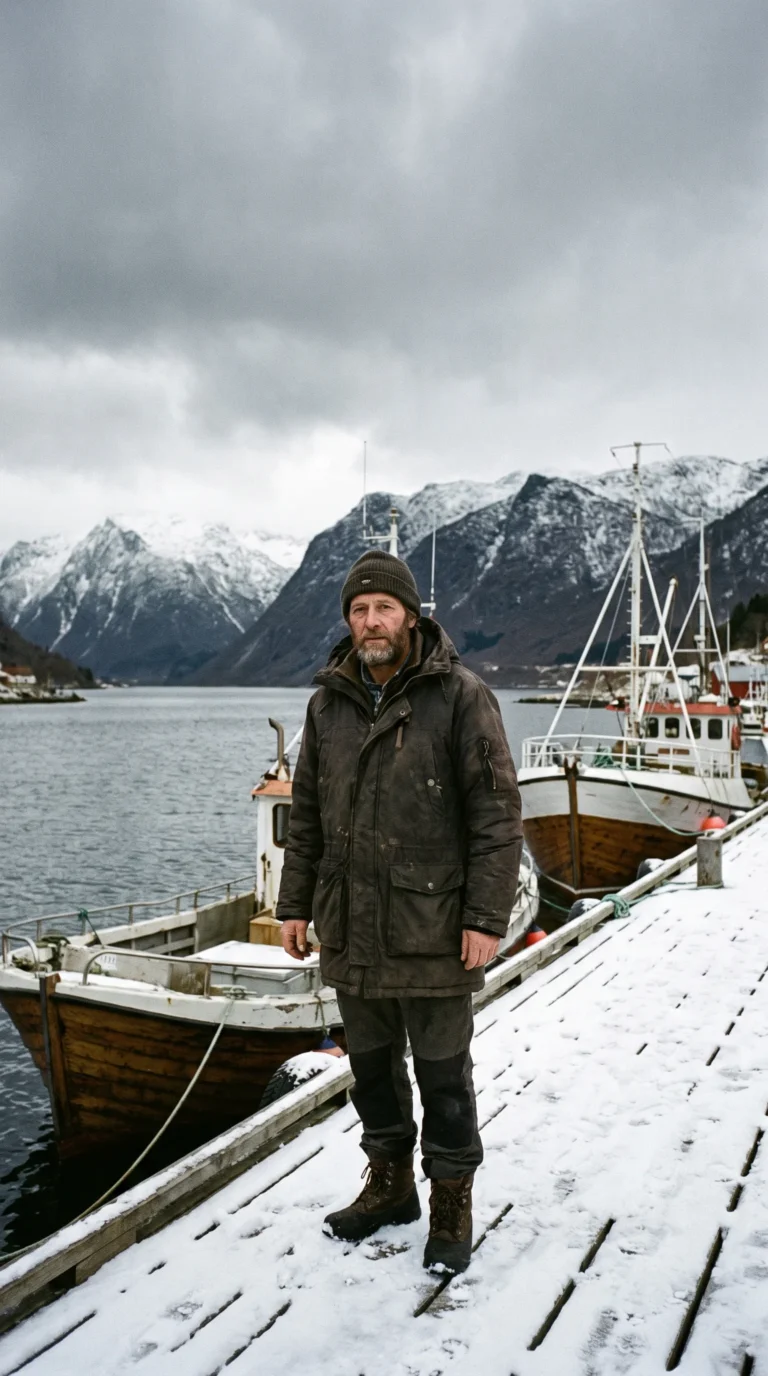
A good insulated parka is the single most important piece of gear for Norway, especially from October through April. You need something that blocks wind and rain on the coast and traps heat when you’re standing still in subzero temperatures waiting for the northern lights. The best parkas combine waterproof shells with synthetic or down insulation rated to at least -20 Celsius.
The Columbia Voodoo Falls Parka nails this balance. It uses a waterproof Omni-Tech shell that sheds the constant drizzle you get around Bergen or the Lofoten Islands, and the synthetic insulation keeps working even if it gets damp. I have worn this style parka on overnight ferry rides along the coast in November, and it handled both the wet wind off the water and the freezing temps on deck without layering a heavy fleece underneath.
What makes this parka practical for Norway is the length. It drops below your hips, covering your lower back and upper thighs when you’re sitting on cold benches or leaning against icy railings during aurora watches. The adjustable hood fits over a beanie without feeling tight, and the cuffs have inner elastic to seal out drafts.
These details matter when you’re outside for hours in single-digit temperatures. Sizing runs true, so if you plan to layer a thick merino base and a fleece midlayer underneath, consider going up one size for comfortable range of motion. The parka packs down reasonably well for a winter coat, but it’s not ultralight.
You’ll want to wear it on travel days rather than stuffing it in a carry-on. For summer trips in June through August, this parka is overkill unless you’re headed to Svalbard or high mountain plateaus. Stick with a lighter rain shell and fleece for warmer months.
Look for parkas with two-way zippers so you can vent from the bottom when you’re hiking uphill or moving through heated train stations. Pit zips are a bonus for active days. Dark colors hide the grime from ferry benches and train seats better than light shells, and they dry faster when you duck into a cafe between rain showers.
Snow Boots for Ice, Slush, and Fjord Trails
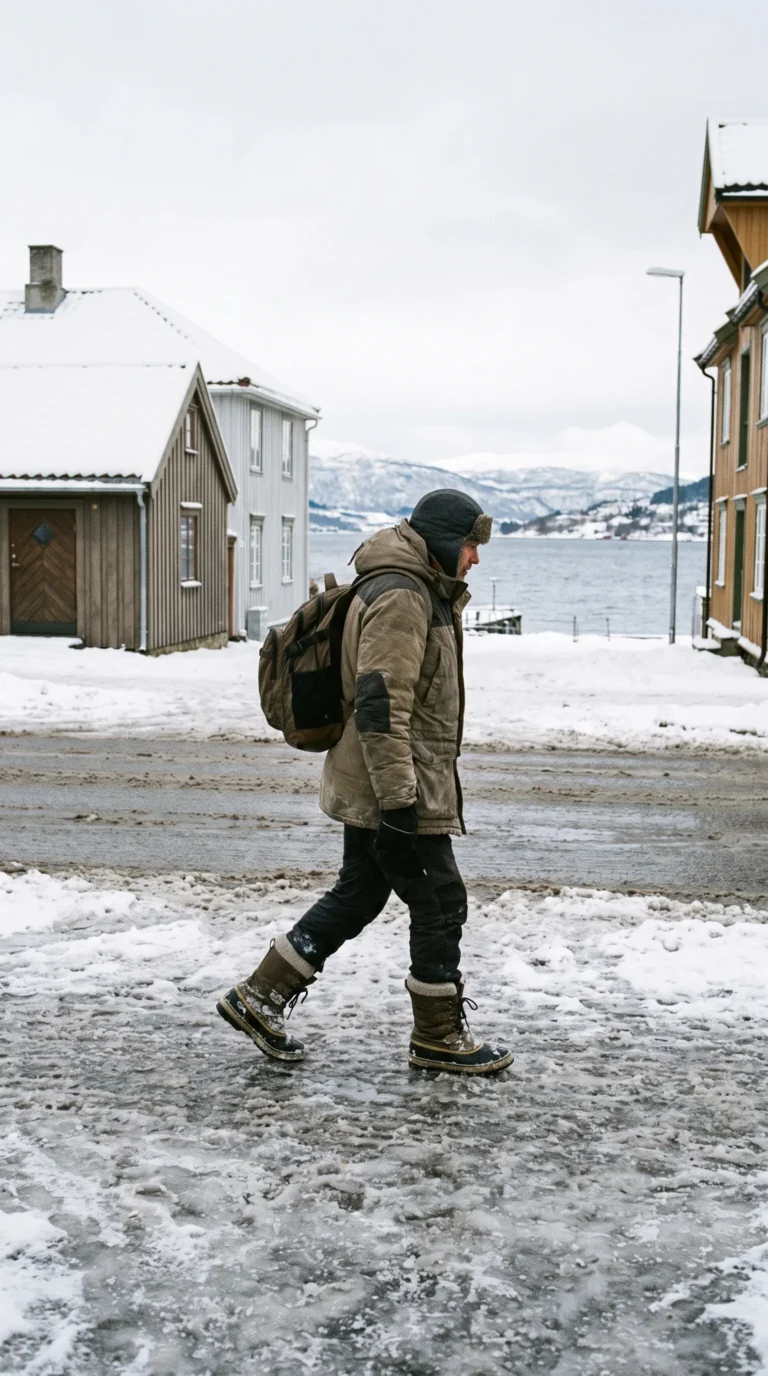
Norwegian winters coat sidewalks, train platforms, and hiking trails in ice and slush from November through April. Whether you’re navigating icy city streets or tackling snowy mountain paths, you need boots with deep tread for traction, waterproof construction to keep your feet dry, and insulation rated to at least -20 Celsius. For those planning to explore Norway’s fjord trails and national park routes in winter conditions, proper footwear becomes even more critical. If you’re headed to iconic trails like Pulpit Rock near Stavanger, where steep granite surfaces become treacherous under frost and meltwater, the right boots can mean the difference between a confident hike and a dangerous slip. Regular hiking boots or city sneakers will leave you sliding around and soaking wet within an hour.
The Columbia Bugaboot III snow boots are built exactly for this. They combine a waterproof leather and textile upper with 200 grams of insulation and an Omni-Grip outsole that grips icy cobblestones and snowy trails. I walked these boots through Tromsø in January and along the Flåm railway platforms in March, and they handled everything from fresh powder to refrozen slush without a single slip.
The boots come up mid-calf, which is tall enough to keep snow out when you’re trudging through drifts but not so high that they feel clunky on city streets. The lacing system is simple and stays tight all day, and the tongue is gusseted to block moisture. Your feet stay warm even when you’re standing still for 30 minutes waiting for a northern lights show to intensify.
Fit runs true to size, and there’s enough room in the toe box to wear a thick merino or synthetic sock without cramping. If you have wide feet, consider going up a half size. Break them in with a few short walks before you land in Norway, because stiff new boots will blister your heels on the first cobblestone street you cross.
For summer travel in June through August, these boots are too warm unless you’re glacier hiking or trekking high mountain routes. A lighter waterproof hiking boot or trail runner with good tread will serve you better in mild weather. But from September onward, especially if you’re chasing northern lights or exploring cities like Oslo and Bergen in winter, insulated snow boots are non-negotiable.
Look for boots with removable insoles so you can replace them with custom orthotics if needed, and check that the outsole rubber stays flexible in extreme cold. Some cheaper boots stiffen up below freezing and lose all grip on ice.
Beanie That Fits Under Your Parka Hood
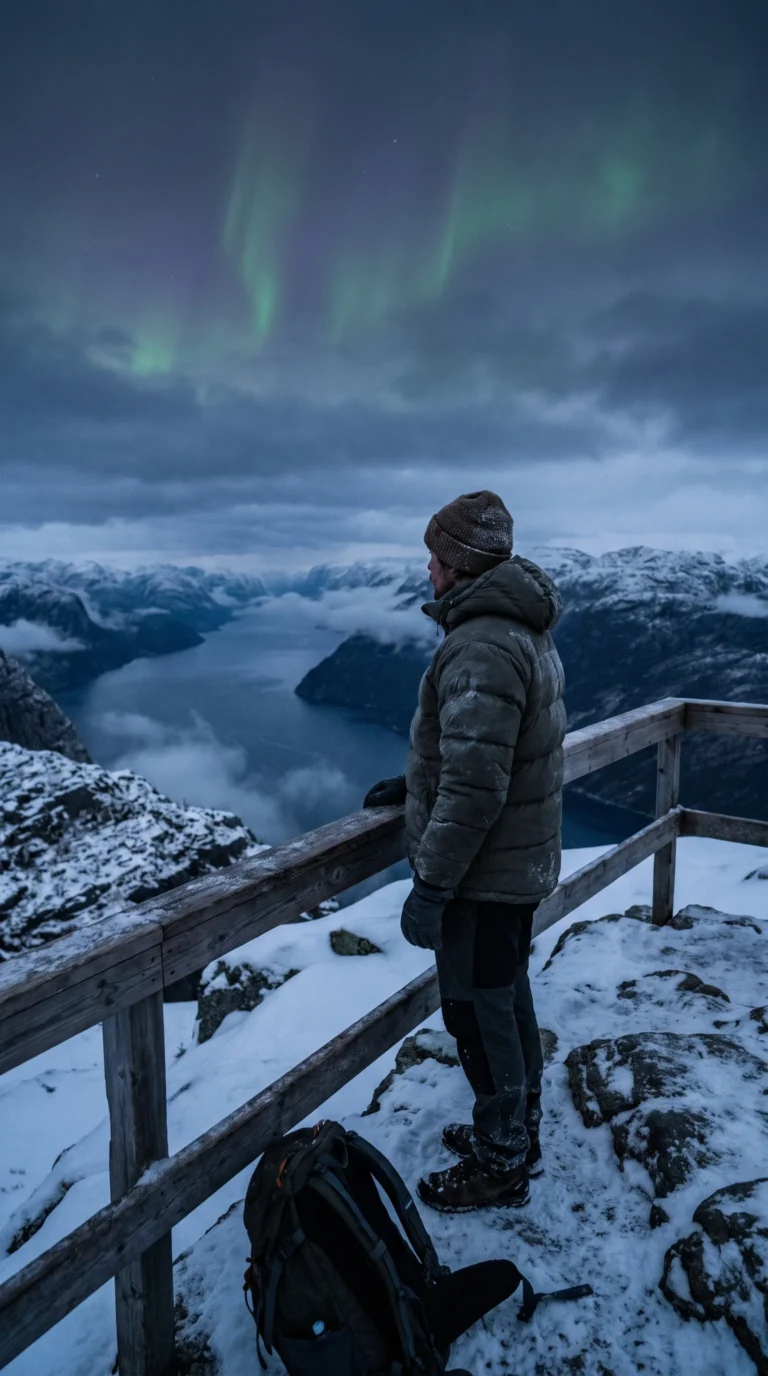
A good beanie is one of those small pieces of gear that punches above its weight in Norway. You lose a massive amount of body heat through your head, and when you’re standing outside in subzero temps watching for northern lights or waiting for a ferry, an unprotected head will chill you faster than anything else. The trick is finding a beanie that fits snugly without being bulky, so it layers comfortably under your parka hood.
The Wmcaps Winter Beanie is a simple fleece-lined option that does exactly that. It’s stretchy enough to pull down over your ears without sliding up, and the thin profile means it doesn’t bunch or push your hood off your head. I’ve used beanies like this on northern lights tours in Tromsø, and they make a noticeable difference when the wind picks up off the fjord.
Fleece lining adds warmth without weight, and the fabric wicks moisture if you’re active during the day. You can wear it under a hood at night and on its own during daytime city walks when the temperature hovers around zero. It folds down to almost nothing in your jacket pocket, so you can stash it when you step into a heated museum or cafe.
Look for beanies in dark or neutral colors that match your parka and other layers. Merino wool beanies are warmer and odor-resistant, but they cost more and take longer to dry if they get wet. Synthetic fleece beanies dry fast and work well in damp coastal conditions where rain and snow mix together.
Bring two if you’re traveling for more than a week, so you have a dry backup while one airs out. A beanie that smells after three days of wear isn’t pleasant in close quarters like train cabins or small hotel rooms.
Hand Warmers for Long Northern Lights Waits
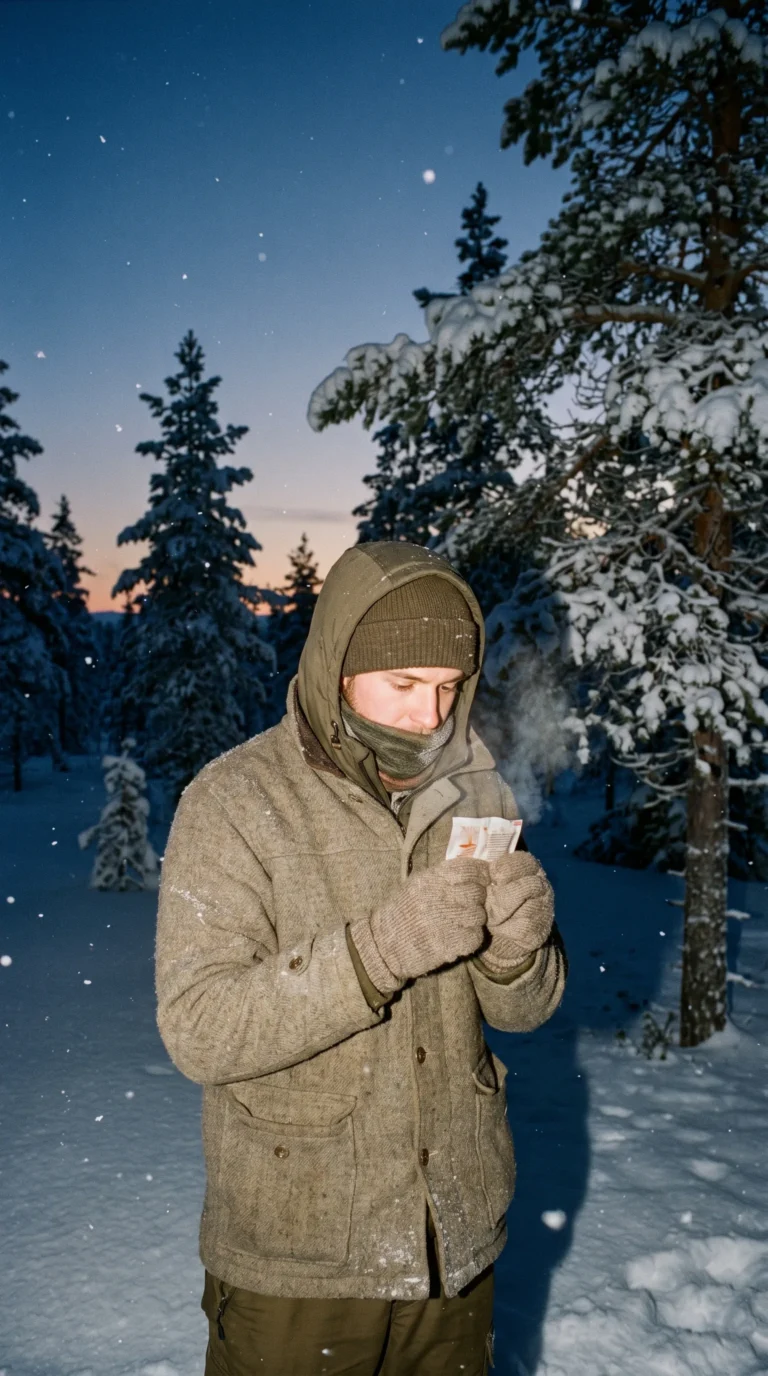
Northern lights tours and outdoor aurora watches involve standing still in the cold for hours at a time, often in temperatures well below freezing. Even the best gloves lose effectiveness when you’re not moving, and your fingers will go numb faster than you expect. Disposable hand warmers are a cheap, lightweight fix that makes those long waits bearable.
HotHands Hand Warmers are the standard for a reason. You tear open the packet, shake it to activate the chemical reaction, and slip it into your glove or jacket pocket. They stay warm for up to 10 hours, which covers most northern lights outings and then some. I always pack a box when traveling to Norway in winter, and I have handed them out to fellow travelers who underestimated how cold it gets standing on a frozen lake at midnight.
Each warmer is small and flat, so it fits easily inside a mitten or the palm side of a glove without making your hand feel bulky. They also work great in jacket pockets or tucked into your boot if your toes start to freeze. For the weight and cost, they’re one of the best comfort-to-effort ratios you can pack.
A 10-pair pack covers most week-long trips with a few to spare. If you’re doing multiple northern lights tours or planning extended outdoor time, grab a larger box before you leave. Hand warmers are harder to find in small Norwegian towns, and when you do find them, they cost twice as much as they do at home.
These warmers are single-use, so plan ahead. Once you open the packet and expose the contents to air, the warming process starts and cannot be stopped. Don’t activate them until you actually need them, and dispose of used warmers properly since they contain iron powder and other chemicals.
Layering, Packing, and Seasonal Timing
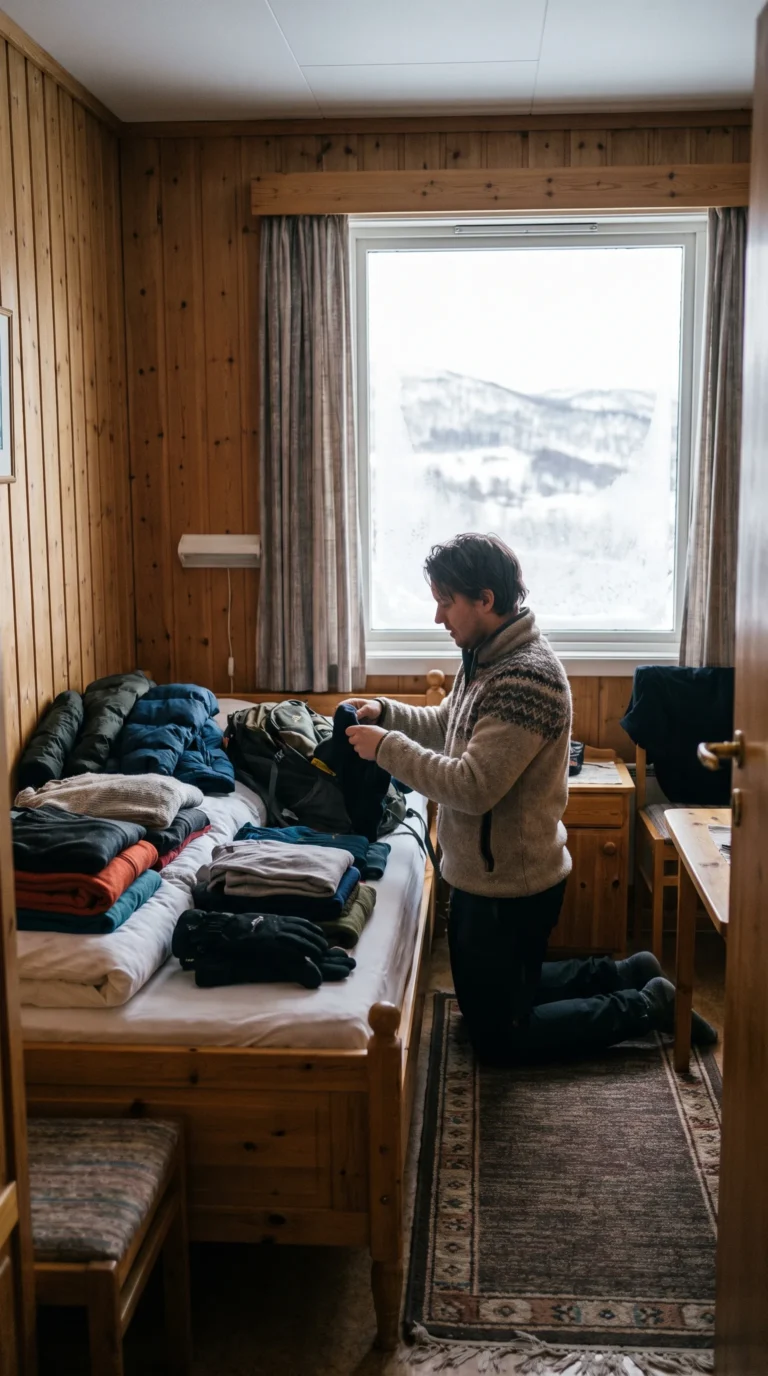
Norway’s weather shifts fast, and layering is the only way to stay comfortable as you move from heated trains and freezing platforms to windy fjord overlooks. The trick is building a flexible system. I always start with a merino or synthetic base layer that wicks moisture, add a fleece or down midlayer for insulation, and finish with a waterproof shell on top. This lets you shed or add pieces without overheating indoors or freezing outside.
Rain shows up year-round, even in summer. Bergen sees rain more than 200 days a year, and the west coast drizzle is relentless rather than dramatic. A good waterproof jacket keeps you from spending entire days cold and damp. Pack a small rain cover for your daypack too, especially if you’re carrying a camera or phone.
Planning Around Northern Lights and Daylight
Northern lights season runs September through March, with peak odds in December and January when nights are longest. Those months also bring the coldest weather, so you need to balance aurora chances with how much cold you can handle. September and March offer friendlier conditions with temps around zero to -10 Celsius and solid aurora activity. If you want decent daylight for sightseeing, aim for late August or early April when you still get reasonable hours of light.
Summer visitors from June through August can leave the heavy insulation and snow boots at home. Temperatures in southern Norway reach 20 to 25 Celsius during the day, but evenings cool off quickly near the coast or in the mountains. A lightweight down jacket or fleece plus a rain shell covers most summer situations. The midnight sun in northern Norway, which lasts from roughly mid-May to late July, means endless daylight for hiking, but it disrupts sleep, so bring an eye mask.
Smart Packing Choices
Stick with dark colors that hide dirt and dry fast. Scandinavians favor blacks, grays, and navy, so you’ll blend in and look less like a tourist. Bring a reusable water bottle since Norwegian tap water is excellent and saves you from overpriced bottled water at every stop.
Frequently Asked Questions
Will the aurora be strong in 2026?
Yes. Solar Cycle 25 peaked in 2024–2025, and the first years of the declining phase still deliver excellent displays. Some of the strongest geomagnetic storms on record have arrived one to two years after solar maximum, and forecasts keep 2026 activity well above the long-term average. Above the Arctic Circle in Tromsø or Alta, your odds remain outstanding, especially if you stay three to five nights.
What can I not bring into Norway?
Norway has strict customs rules that prohibit most meat and dairy products, including sandwiches with meat or cheese. You also can’t bring in fresh fruits, vegetables, or plants without proper documentation. Tobacco and alcohol have tight quantity limits, and penalties for exceeding them are expensive. Prescription medications are allowed if you carry a doctor’s note and keep them in original packaging. It’s worth checking the Norwegian Customs website before you pack, especially if you plan to bring food for the trip.
What is the rainiest month in Norway?
October is typically the rainiest month across most of Norway, especially along the western coast. Bergen and the fjord region can see rain on 20 or more days during this month, so waterproof gear is essential if you visit in autumn. September and November also bring plenty of precipitation. Summer months like July and August are generally drier, but no season in Norway is really rain-free, particularly on the coast.
Can I wear jeans in Norway?
Yes, you can wear jeans in Norway, and locals do wear them casually in cities and towns. However, jeans aren’t ideal for hiking or outdoor activities because denim takes forever to dry and offers no insulation when wet. I pack jeans for urban exploring and dinners out, but I always bring technical pants or leggings for any nature excursions.
Do I need a power adapter for Norway?
Yes, you need a power adapter for Norway if you’re coming from outside Europe. Norway uses Type C and F plugs with 230V electrical outlets. Most modern electronics like phone chargers and laptops work with this voltage, but you’ll need the correct plug adapter to fit Norwegian sockets.