This guide contains affiliate links. As an Amazon Associate we earn from qualifying purchases — at no extra cost to you.
Estimated reading time: 12 minutes
Last updated: August 2026
How Should You Dress for Smögen and Marstrand on the Bohuslän Coast?
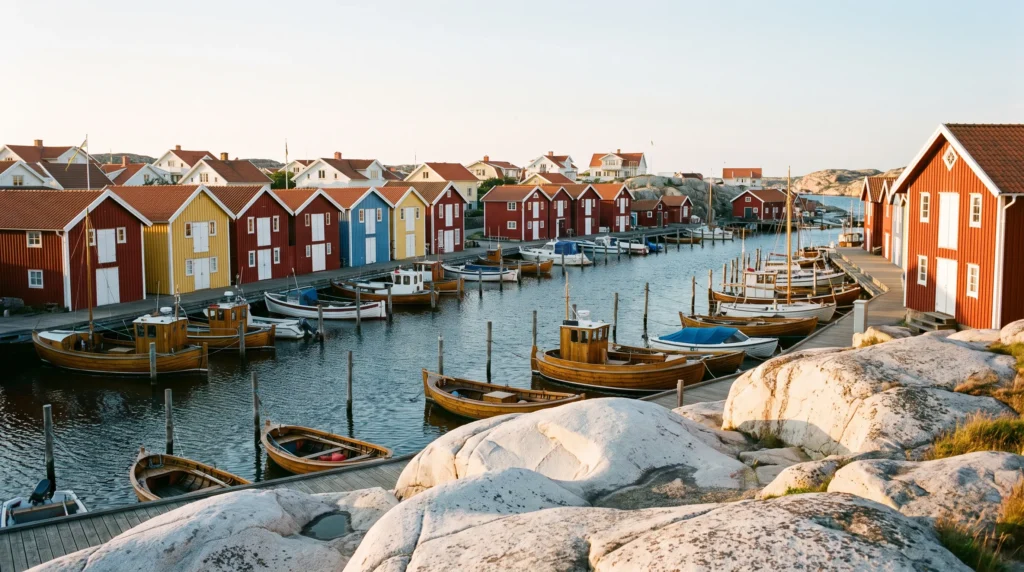
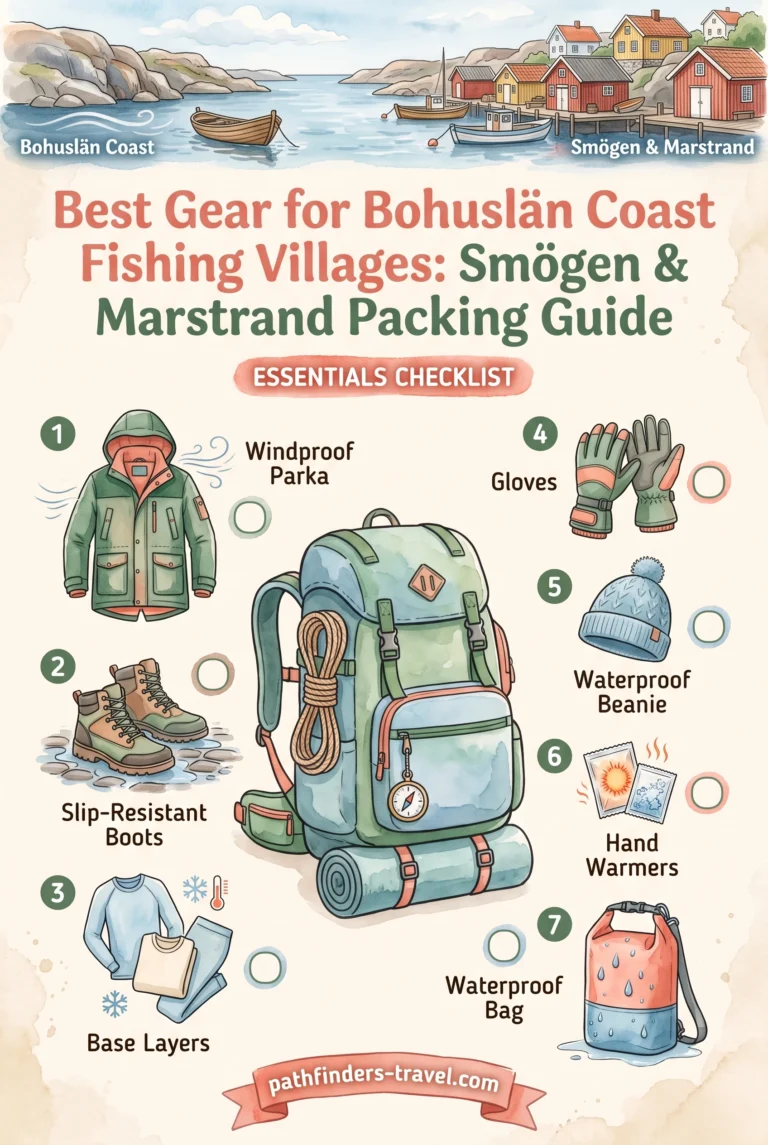
For Smögen and Marstrand on Sweden’s Bohuslän Coast, dress in windproof layers: a waterproof parka, slip-resistant boots, and quick-dry base layers work year-round. Sea spray soaks standard fabrics, wet granite and wooden docks demand real traction, and summer UV reflects strongly off the white rocks. Wind protection and waterproofing matter more than heavy insulation in these fishing villages.
I have walked the narrow wooden docks of Smögen and climbed Marstrand’s slippery fortress paths in every season, and the gear that works here is different from typical Scandinavian city touring. Maritime conditions dominate every month, with wind chill dropping perceived temperatures 5 to 10 degrees below what the thermometer says.
Summer brings UV bouncing off granite and water, while winter delivers freezing spray on exposed piers rather than heavy snowfall. Your packing strategy should prioritize wind protection, waterproofing, and traction over pure insulation.
This guide covers the essential gear for navigating both sheltered village streets and exposed coastal paths, with layering flexibility to adapt as conditions change throughout the day.
Windproof Parka for Coastal Exploration
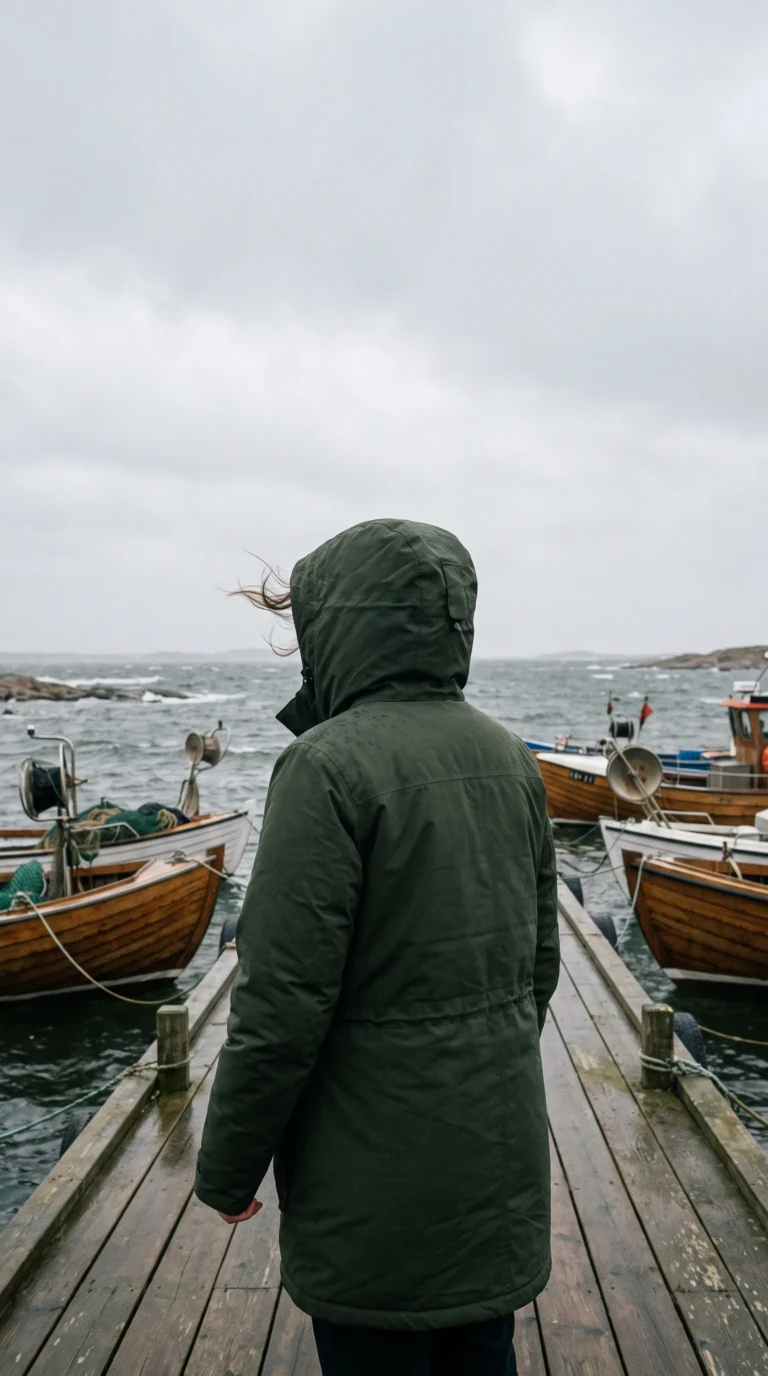
A waterproof parka with a detachable hood handles the Bohuslän wind better than any fleece or down jacket alone, and the hood is critical when spray kicks up during harbor walks or boat transfers. I tested both styles on consecutive winter trips and found they each shine in different situations.
If you’re a woman planning ferry rides or long café breaks, the GOLDLADIES Women’s Waterproof Long Hooded Jacket reaches mid-thigh to block wind from below when you sit on cold stone benches or outdoor seating in Smögen’s harbor. The longer cut gives extra coverage that makes a real difference on open-air boat decks.
Men and active families do better with this shorter ski-style water-resistant jacket, which offers better range of motion for climbing stairs to Marstrand’s fortress or navigating tight spaces between boat sheds. The shorter cut won’t bunch up or restrict movement.
Both styles feature waterproof shells that shed rain and sea spray, with insulation warm enough for shoulder-season visits but breathable enough that you won’t overheat during active exploration. Detachable hoods let you adapt to shifting conditions, removing bulk when wind drops in sheltered alleys, reattaching when you return to exposed coastal paths.
Look for parkas with adjustable cuffs to seal out wind and multiple pockets to secure your phone, wallet, and ferry tickets without needing a separate bag.
Slip-Resistant Boots for Granite and Docks
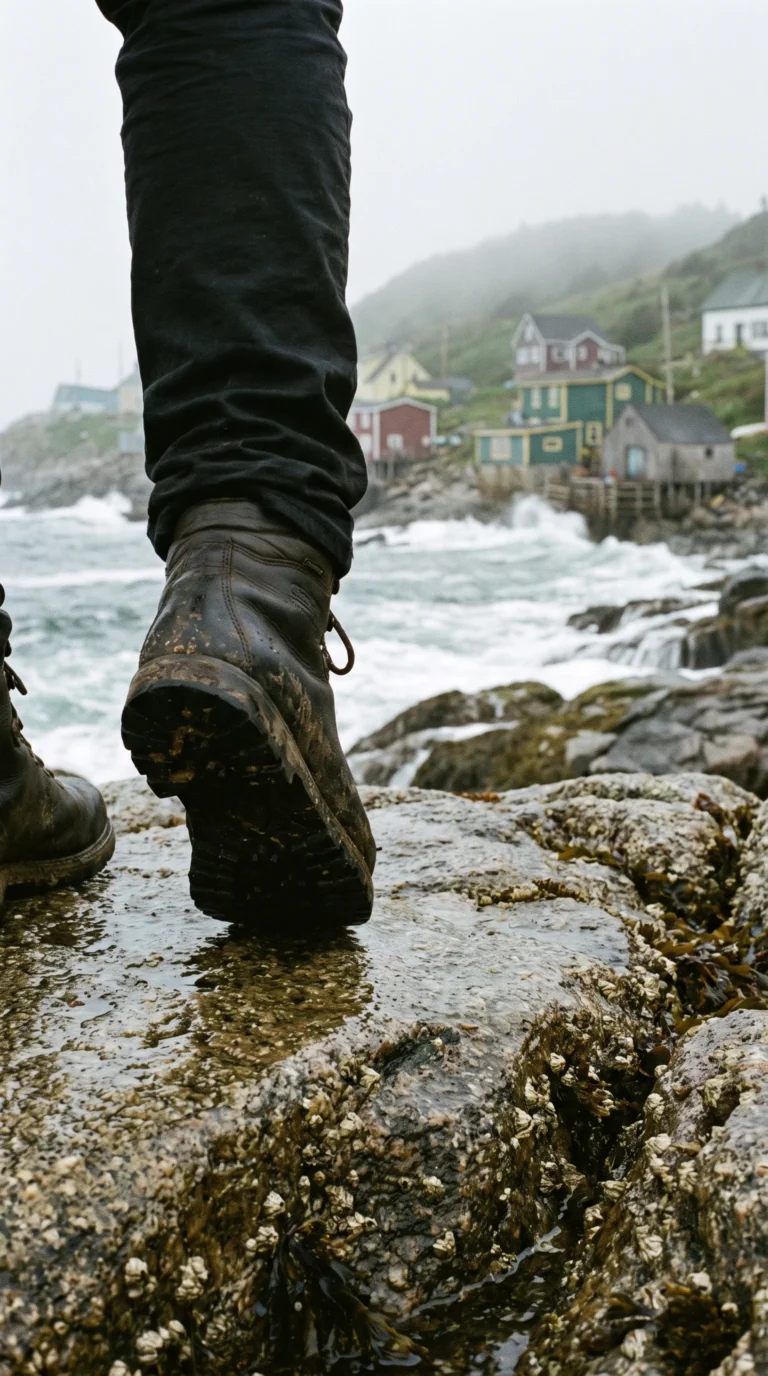
Wet granite and algae-slicked wooden docks make slip-resistant soles the most important feature in footwear for these villages. Even more critical than insulation in my experience, because Smögen and Marstrand are all about harbor walks and rocky shoreline scrambling. Waterproofing extends beyond rain protection here. Sea spray and wet dock surfaces will soak through standard hiking boots within an hour of harbor exploration.
If you’re planning romantic harbor strolls or lighter day trips, the women’s Ice Maiden II boots deliver reliable traction on granite paths and have saved me from falling more than once on uneven harbor walkways. The ankle support stabilizes on cobblestone streets, and the lighter build works beautifully for all-day village exploring. I have worn them from April through October without issue, only needing heavier options during true winter visits in January and February.
For families or anyone facing rougher conditions, these men’s thermal duck boots add waterproof height that keeps feet dry when waves splash over pier edges or when you step through puddles on fishing boat ramps. The heavier insulation handles extended winter sessions on exposed piers. They work year-round if you size up slightly and wear lighter socks in warmer months, giving you one versatile pair for every coastal condition.
Look for boots with gusseted tongues to prevent water intrusion and quick-dry linings that handle moisture from both external splash and internal condensation.
Base Layers for Temperature Swings
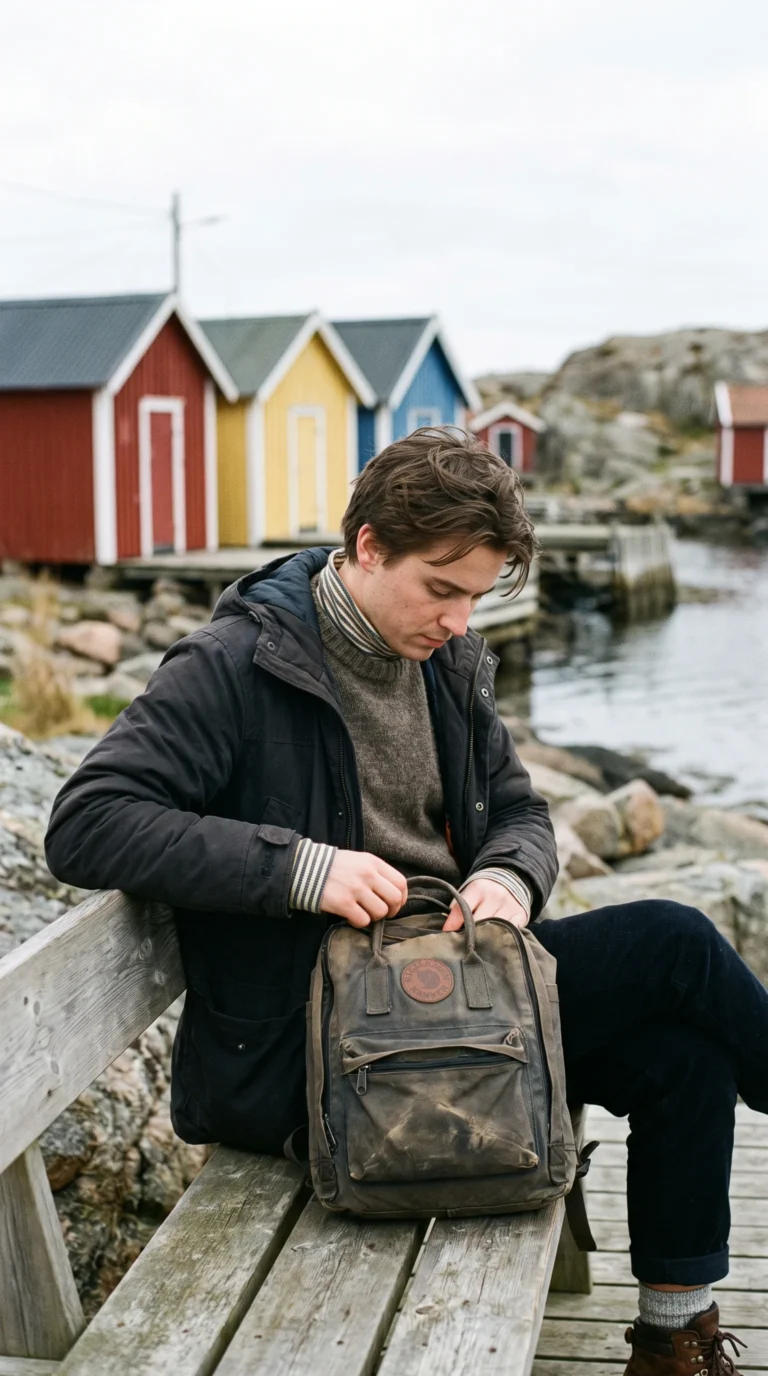
Base layers need to handle 10-degree temperature swings as you move between sun-warmed village streets and wind-chilled coastal paths along the Bohuslän Coast, and the right fabric makes the difference between comfort and constant wardrobe adjustments. Choose merino wool, known for its natural temperature regulation, for multi-day trips, or fleece-lined leggings for shorter visits focused on shoulder-season exploration.
If you’re visiting for a long weekend or during September and October, these fleece-lined leggings with water-resistant treatment work perfectly for active exploration. They keep legs warm during ferry rides and dry quickly if spray soaks through your outer layer. I wore them on a September visit when morning temperatures started at 9 degrees but climbed to 16 by afternoon, and the moisture-wicking interior prevented overheating during uphill walks through Marstrand’s fortress paths. The high-waisted design prevents gaps when you bend to get around low doorways in historic fishing cottages or climb over dock cleats, and handy pockets let you carry essentials during short walks without a bag.
For multi-day trips or winter travel, a merino wool base layer set offers superior temperature regulation with natural odor resistance that matters when you’re wearing the same layers several days running. The wool option handles wider ranges without feeling clammy, and I have used mine from late October through March without needing a second set. Both options layer smoothly under jeans or hiking pants without bulk.
Gloves for Wind Chill and Wet Conditions
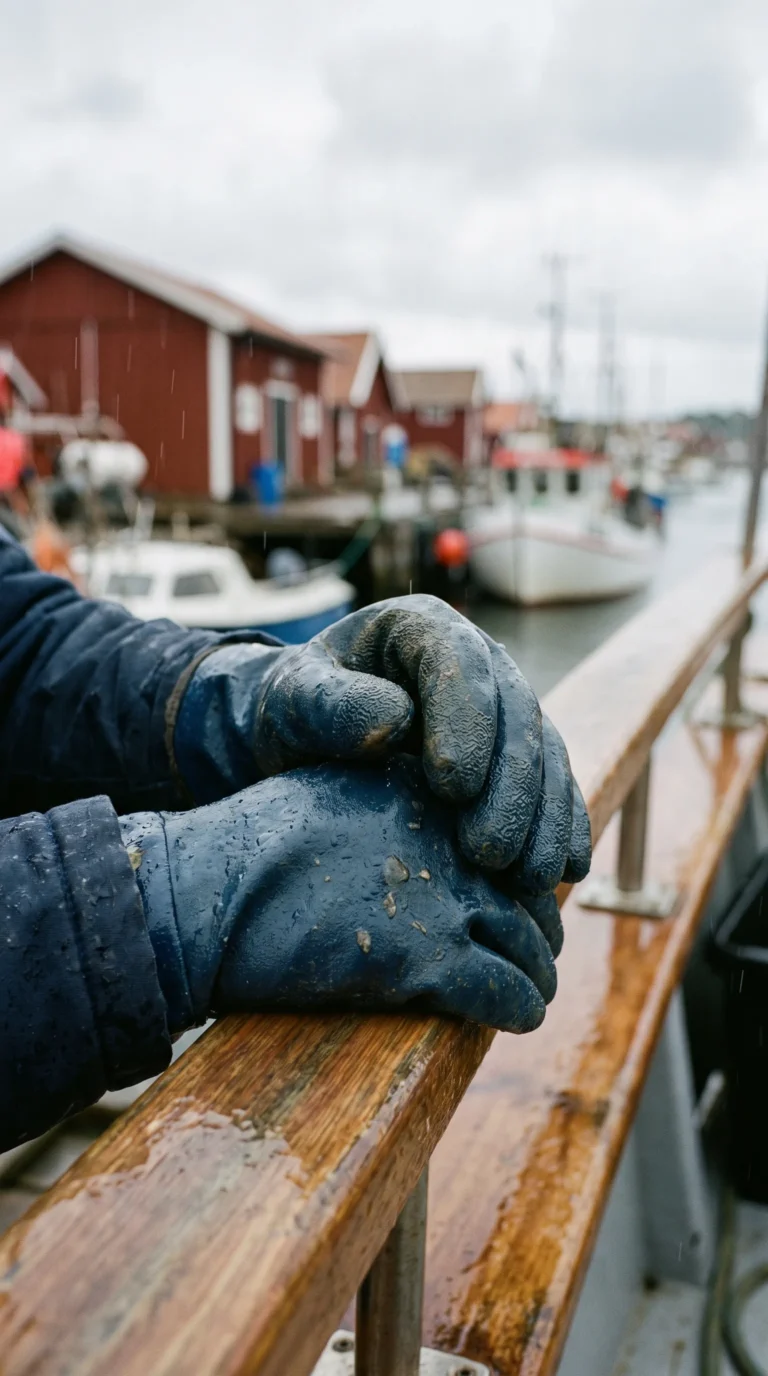
Wind chill on the Bohuslän Coast drops hand temperatures fast, and wet conditions from spray or rain demand waterproof gloves rather than standard knit styles that become useless when soaked. If you’re traveling on a budget or visiting in milder spring or fall months, the Carhartt waterproof insulated knit-cuff gloves provide workhorse performance with shells that handle light rain and insulation that blocks wind down to around 5 degrees. I used these during an April trip when morning ferry rides exposed my hands to steady 15-knot winds, and the knit cuffs sealed tightly enough to prevent cold air infiltration.
For winter visits or travelers who want one pair that handles the harshest conditions, these genuine deerskin leather gloves with Thinsulate insulation offer premium warmth and durability. The leather grips wet railings and ropes better than synthetic materials, a real advantage when grabbing dock railings or handling boat lines during harbor tours. This deerskin option costs more but lasted me three seasons of coastal travel without losing waterproofing or insulation, while the Carhartt gloves showed wear after one full season of daily use.
Both styles allow enough dexterity to operate phone cameras and handle ferry tickets, though the leather gloves require a brief break-in period before fine motor tasks feel natural. Waterproofing proves essential in conditions that soak standard gloves within minutes.
Waterproof Beanie for Head Protection
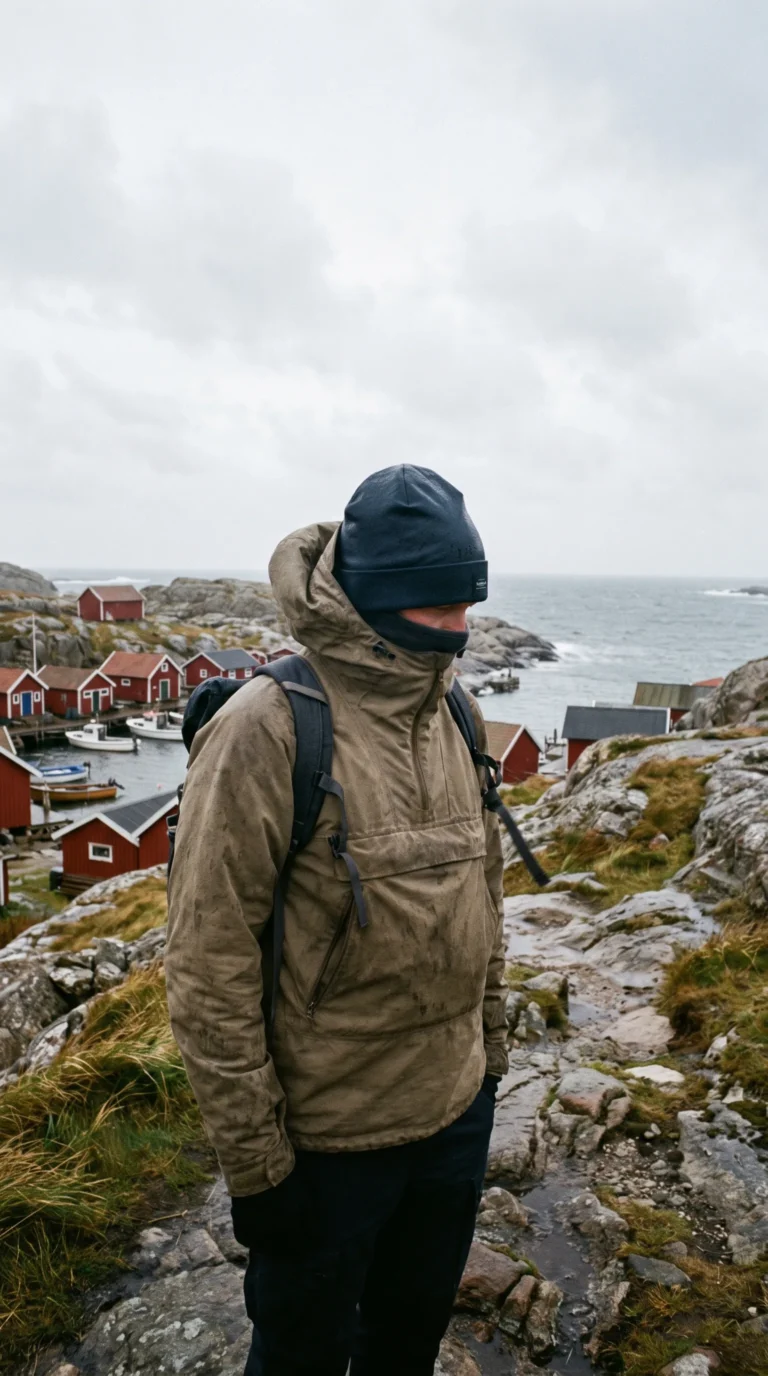
A waterproof beanie sounds like overkill until you spend an hour on a Smögen pier in November rain with wind driving water under standard knit caps, then it becomes the piece of gear you never leave the hotel without. This fleece-lined version blocks both wind and rain while providing enough warmth for winter visits without causing overheating during active walking.
I wore mine from October through March on multiple trips, and the waterproof outer shell kept my head dry during sudden squalls that soaked everything else above my jacket collar. The fleece lining wicks moisture if you do work up a sweat climbing fortress stairs or hiking coastal paths, preventing the clammy feeling that ruins standard beanies.
The Waterproof Windproof Beanie Hat fits snug enough to stay secure in 20-knot winds without sliding over your eyes, yet remains comfortable for all-day wear without pressure headaches. The waterproof treatment also blocks sea spray that blows across exposed piers, a constant issue during ferry boarding and harbor walks that standard beanies can’t handle.
This works equally well for men and women, and the simple design suits both active exploration and casual village dining without looking out of place.
Hand Warmers for Extended Outdoor Time
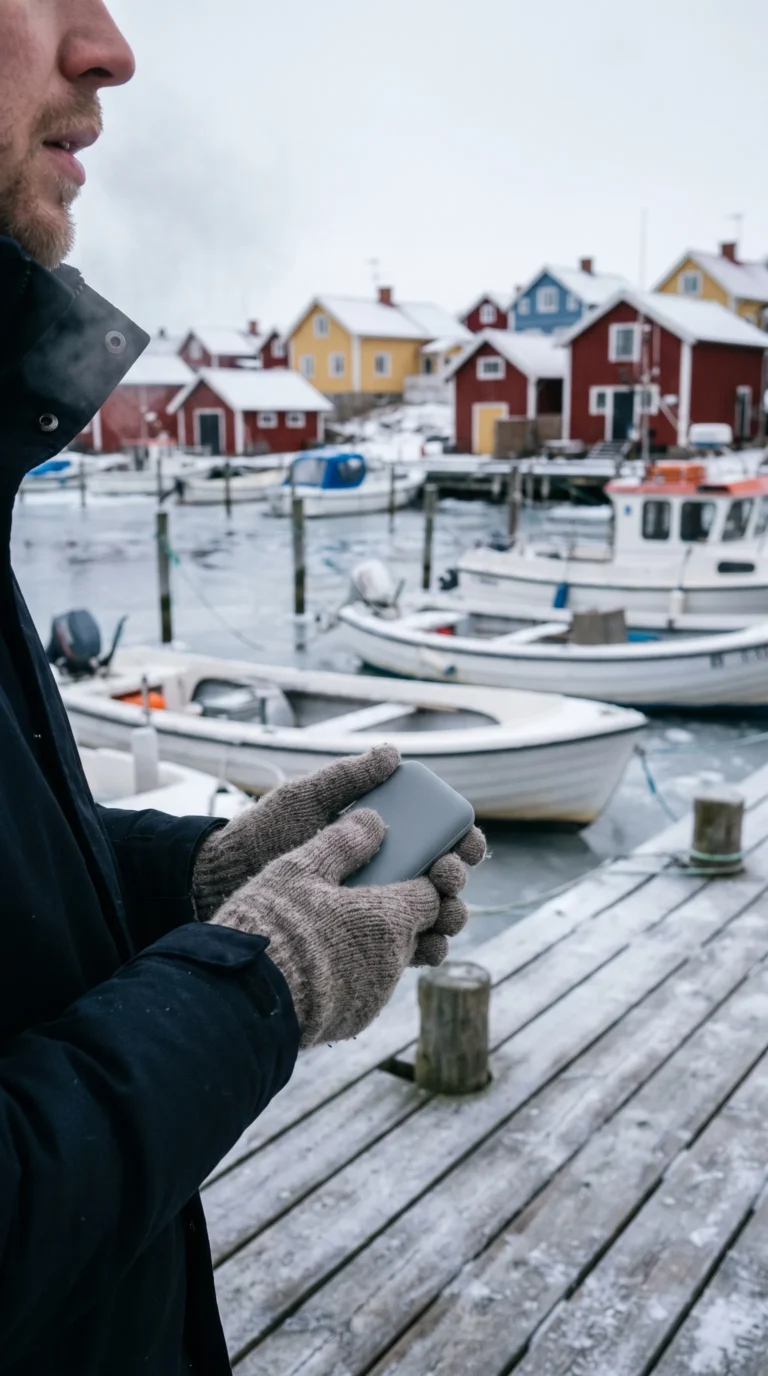
If you’re planning winter walks along Smögen’s boardwalk or ferry hops between islands, hand warmers keep your fingers functional when the coastal wind turns brutal. Cold hands can end a harbor stroll in minutes, but with warmers tucked in your pockets you can stay out exploring, eating seafood at outdoor tables, and taking photos for hours without retreating indoors.
For couples spending several days along the coast, these rechargeable hand warmers with a charging case deliver dual-sided heat and enough capacity to last through a full day of sightseeing. I carried mine during a January visit and relied on them for every ferry crossing and outdoor walk, recharging overnight so they were ready each morning. The case keeps both warmers organized and doubles as backup power for your phone, which matters when cold drains batteries fast and you need ferry schedules or maps.
Families or travelers making a single trip often prefer disposable hand warmers that run for 13 hours without any charging hassle. I keep disposables as backup even when I have rechargeable units, and they have rescued me during unexpectedly cold evenings when battery power ran low. Both options fit in jacket pockets or gloves and restore finger dexterity for camera work and phone use when bare hands go numb in minutes.
Waterproof Bag for Boat Trips and Coastal Weather
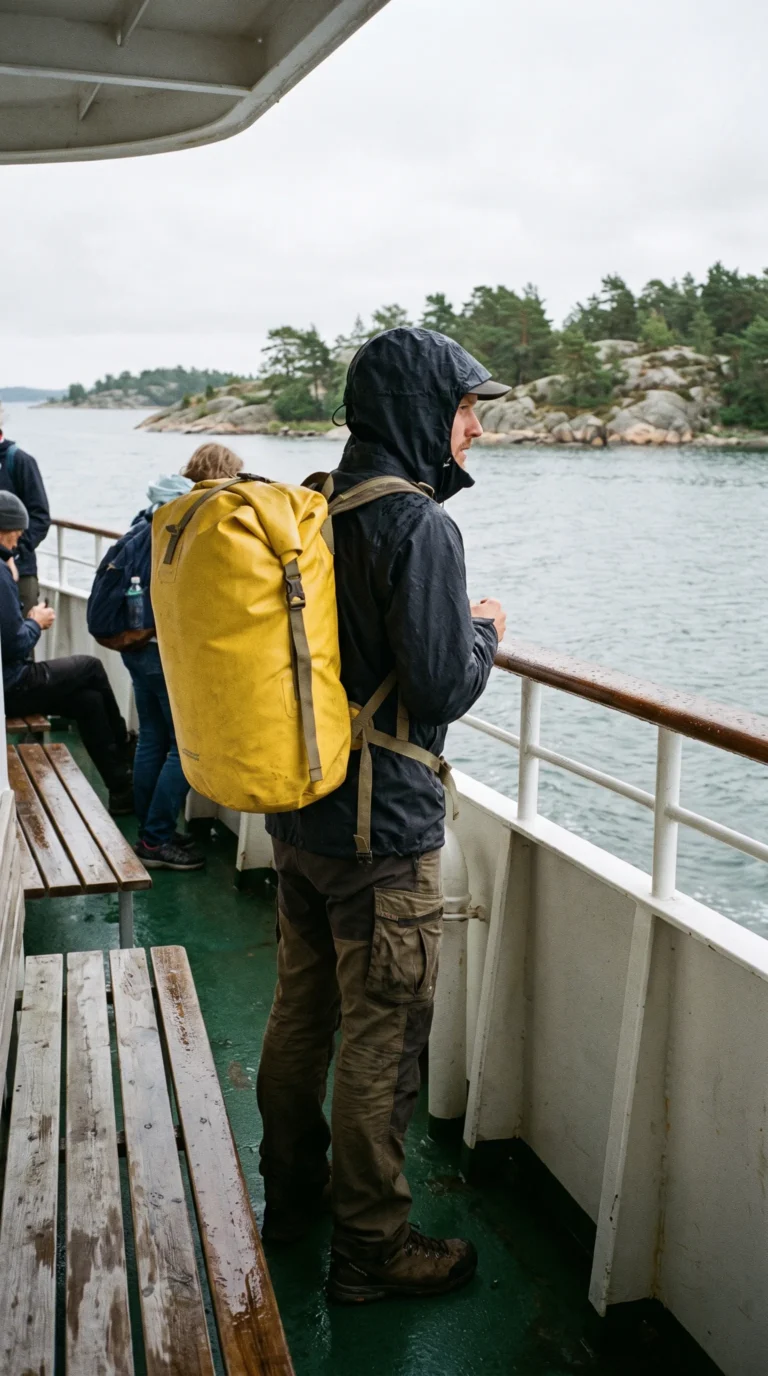
A waterproof dry bag protects electronics, extra layers, and valuables during boat trips between islands and coastal villages, where spray and sudden rain can soak standard backpacks in minutes. The Bohuslän archipelago demands this kind of protection year-round.
This 60L to 80L rolltop design holds enough gear for day trips or overnight stays on smaller islands, with backpack straps that keep hands free for navigating slippery dock ladders and boat transfers. I used the 60L size for daily exploration from a Smögen base, carrying camera gear, extra fleece, lunch, and rain shells without worrying about water damage during harbor kayak rentals.
The HEETA Waterproof Duffel Bag offers handles and shoulder straps for carrying flexibility, letting you switch between backpack mode for walking and duffel carry for tight boat cabin spaces. Its rolltop closure creates a reliable watertight seal that survived multiple dunkings when setting the bag down on wet dock surfaces and during one accidental drop into shallow harbor water.
Extra large capacity works well for families or groups sharing one bag, while solo travelers can downsize contents and roll the top tighter to compress the bag for easier handling. The waterproof material also protects gear from sea spray during ferry rides, a constant issue on open decks where wind drives moisture into every unsealed opening.
Packing Tips for Bohuslän Fishing Villages
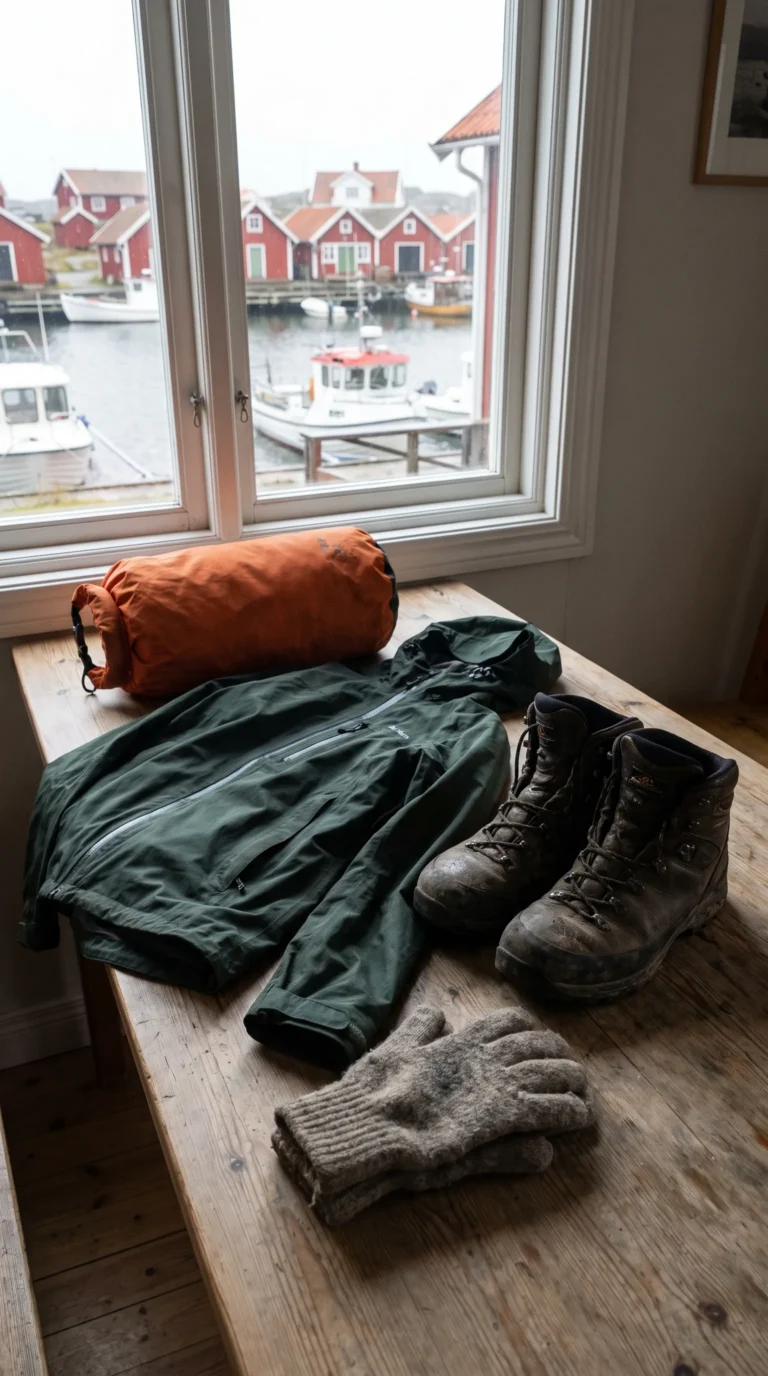
Pack layers you can add or remove quickly as you move between windy piers and sheltered village streets. Temperature perception shifts dramatically within a five-minute walk, and you’ll appreciate having options ready.
Bring sunglasses and SPF 30+ sunscreen even in spring and fall. UV reflection off white granite and water creates surprising sun exposure during overcast days when you least expect it.
Carry a small microfiber towel in your dry bag for wiping down wet benches and boat seats before sitting. This simple item prevents soaked pants on every outdoor rest stop.
Store electronics and ferry tickets in waterproof pouches inside your dry bag. Even water-resistant bags can develop leaks at seams after repeated use.
Plan for wet conditions daily regardless of forecast. Coastal weather changes faster than mainland predictions, and rain gear stays accessible in your bag rather than packed deep.
Test boot traction on wet surfaces before committing to long coastal hikes. Smooth soles become dangerously slick on algae-covered granite within steps of the harbor.
Keep one set of completely dry clothes sealed in a plastic bag inside your accommodation. This gives you a warm backup if everything else gets soaked during unexpected weather.
Frequently Asked Questions
What type of footwear works best on wet granite and wooden docks in Smögen and Marstrand?
Non-slip shoes with solid grip are essential because the smooth granite rocks and weathered wooden docks get slippery when wet or damp. I always pack waterproof trail shoes or boat shoes with deep tread patterns that handle both the uneven coastal paths and the slick surfaces around the harbors. Regular sneakers don’t cut it here, and you’ll see locals wearing practical rubber-soled shoes for good reason. Bring a second pair so you have dry backup options after a rainy morning exploring the villages. The same traction demands apply if you’re island-hopping along Norway’s Lofoten Islands, where wet granite and wooden fishing platforms create identical challenges for footwear.
Is Smögen worth visiting?
Yes. Smögen ranks among Sweden’s most popular summer destinations, famous for Smögenbryggan, a roughly 1,000-meter wooden boardwalk lined with colorful boathouses converted into shops, cafés, and seafood restaurants. Fresh shrimp sold straight off the boats is the local specialty. Visit in shoulder season for calmer crowds, and bring non-slip shoes because the boardwalk and surrounding granite slabs get slick after rain or sea spray.
Can I use credit cards everywhere in Smögen and Marstrand or should I carry cash?
Sweden is nearly cashless, and you can use credit or debit cards almost everywhere in these villages. Small seafood shacks, boutique shops, and even public restrooms accept card payments through mobile systems. I rarely needed cash during my visits, though having a small amount of Swedish kronor might help at the occasional market stall. Make sure your card works internationally and notify your bank before traveling to avoid any blocks.
Can you swim in Marstrand?
Yes, Marstrand has several bathing spots, from the family-friendly Barnbadet near Södra Strandverket to smooth granite rocks on the island’s western and southern sides where ladders lead straight into the sea. Water temperatures peak around 18 to 20 degrees in July and August, so high summer is the comfortable window. Pack a quick-dry towel and water shoes for the rocky entry points, and combine a swim with a day trip from Gothenburg, about an hour away.
When is the best season to visit for comfortable weather and fewer crowds?
Late May through early June or September offer the best balance of pleasant weather and manageable visitor numbers. Summer brings peak crowds and higher prices, especially in July when Swedish families take their traditional vacations. I found September particularly lovely with mild temperatures, calmer seas, and that golden autumn light perfect for photography. Winter is quiet but cold and many seasonal businesses close, so shoulder seasons give you the authentic village experience without battling summer tourist rushes. These same months work beautifully for exploring other fishing villages along the Bohuslän Coast, when harbor-front restaurants open their outdoor seating and the famous seafood auctions run at full capacity.