This guide contains affiliate links. As an Amazon Associate we earn from qualifying purchases — at no extra cost to you.
Estimated reading time: 10 minutes
Last updated: August 2026
How Hard Is Hiking in Jotunheimen?
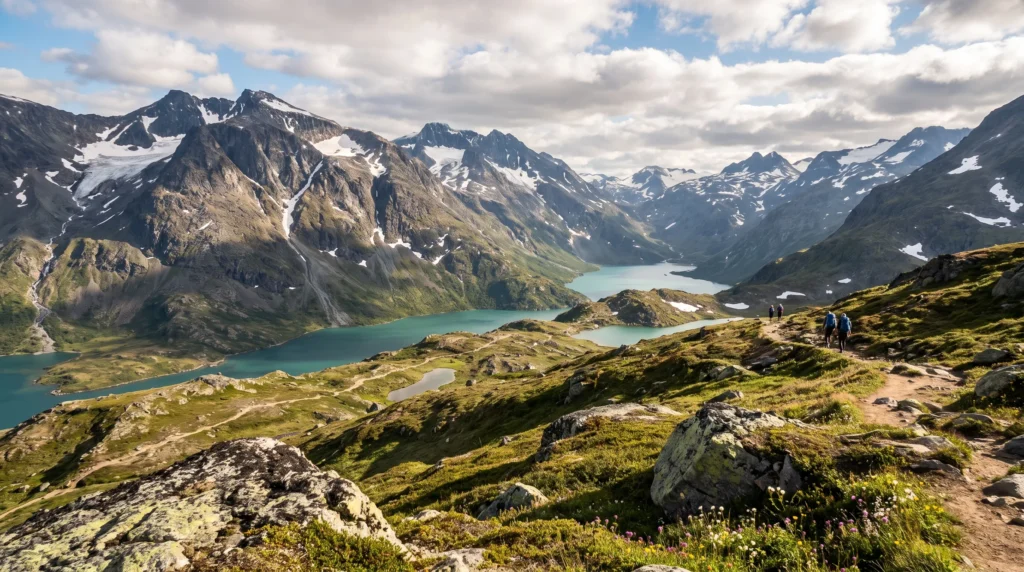
Jotunheimen hiking is moderately demanding: marked trails climb from valleys near 1,000 meters to ridges and summits above 2,000 meters, crossing boulder fields and lingering snow. The classic Besseggen Ridge takes 6 to 8 hours over 14 kilometers with about 1,100 meters of ascent, and Galdhøpiggen, the country’s highest summit at 2,469 meters, is a strenuous full-day climb, so fitness and the right gear both matter.
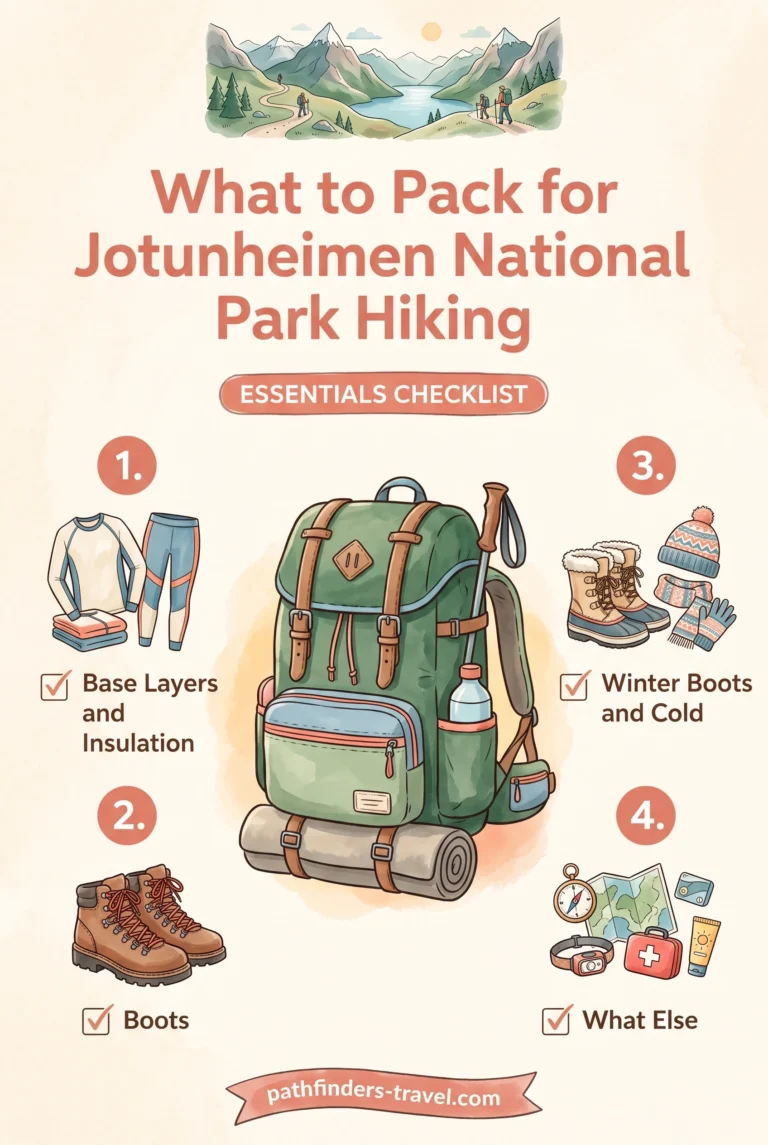
Norway’s highest peaks demand serious gear because you’ll face snow in July, winds that cut through light jackets, and trails that climb from valley floor to glacier in a few hours. I learned this the hard way on my first trip when sunshine at breakfast turned to sideways sleet by lunch, and the temperature dropped twenty degrees in the time it took to reach a ridge.
Even summer hikers need cold-weather clothing, and the right boots make the difference between enjoying the trails and nursing blisters after the first climb. The terrain switches from soft forest paths to boulder fields to snowpack, sometimes in a single afternoon.
This guide walks through the layers, footwear, and accessories that keep you warm, dry, and moving confidently across rocky ridges and snowfields. We cover what works for day hikes and multi-day treks, because Jotunheimen doesn’t forgive shortcuts when weather rolls in.
Base Layers and Insulation
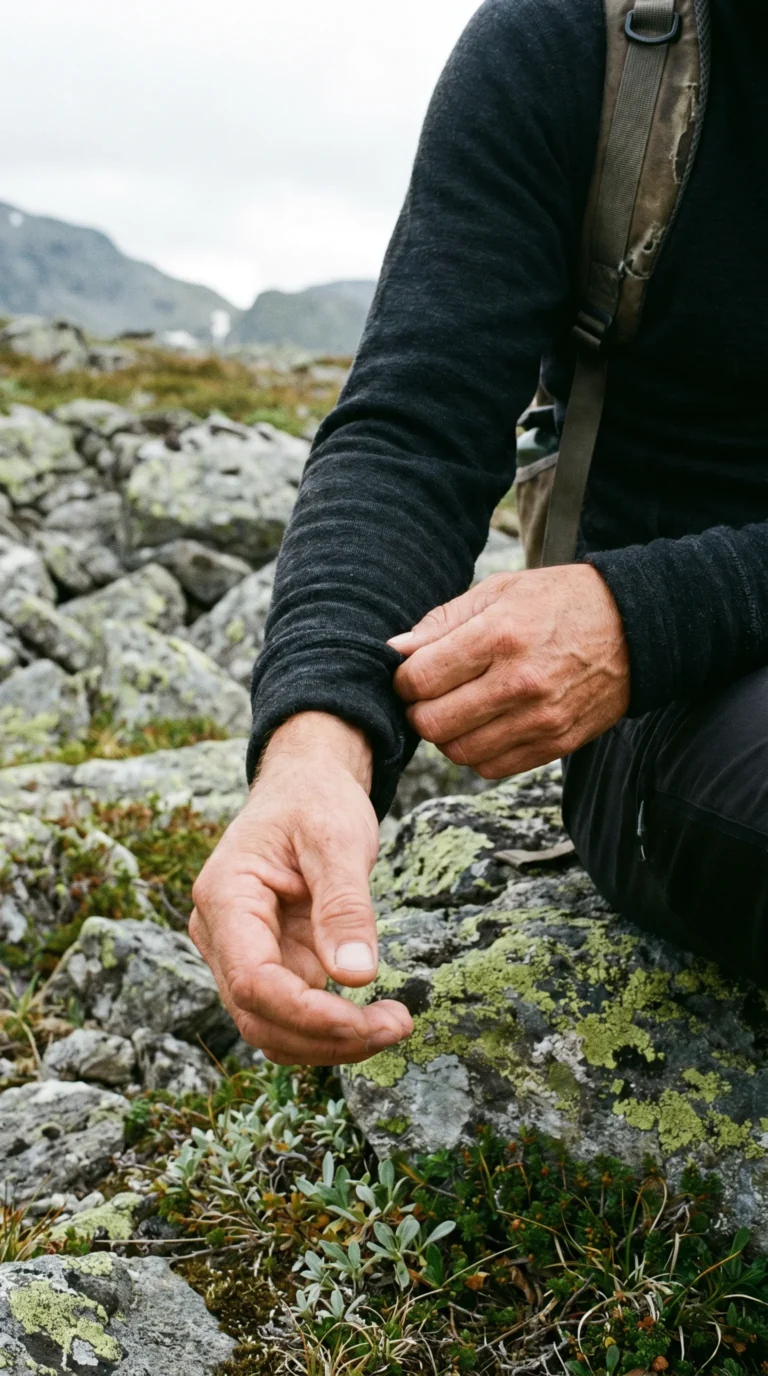
Start with merino wool base layers because synthetic materials get clammy fast when you’re climbing 800 meters and the temperature drops 10 degrees. Wool breathes, regulates temperature, and keeps working even when damp, which matters on long ascents where you sweat through switchbacks and then stand shivering at an exposed col.
If you’re planning hut-to-hut treks in summer or shoulder season, this 100% merino wool base layer set for women offers lightweight warmth without bulk under your shell layers. It packs small and dries quickly overnight at the huts. For men tackling summit routes where mornings start cold and high passes stay that way, this merino wool base layer set comes in heavyweight, midweight, and lite options so you can match the season. I always pack midweight for summer Jotunheimen trips because you’ll need the extra insulation at 2,000 meters even in July.
Insulation for Summits and Evenings
A packable puffer jacket is essential for summit attempts and evening hours at mountain huts where temperatures plunge after sunset. You’ll strip it off during steep climbs and pull it on the moment you stop moving.
This lightweight packable puffer jacket with hood compresses into your pack and provides core warmth without the weight penalty, perfect for hut-based hikers who want to keep their pack light. If you want one layer that handles light rain and cold winds on exposed ridges, this fleece-lined softshell rain jacket combines insulation with weather protection, a smart choice for summit seekers who face unpredictable weather above treeline.
How to Layer in Jotunheimen
The classic strategy is base layer, fleece or softshell mid-layer, insulated jacket, and waterproof shell on top. You’ll strip down to base and shell during steep climbs and add everything back at the summit. The key is being able to adjust layers quickly without stopping for long, because the wind cuts through sweaty clothes fast at elevation.
Keep your insulated layer accessible in the top of your pack, not buried at the bottom. You’ll want it within ten seconds of reaching a ridge or stopping for a break.
Boots for Trails and Snowfields
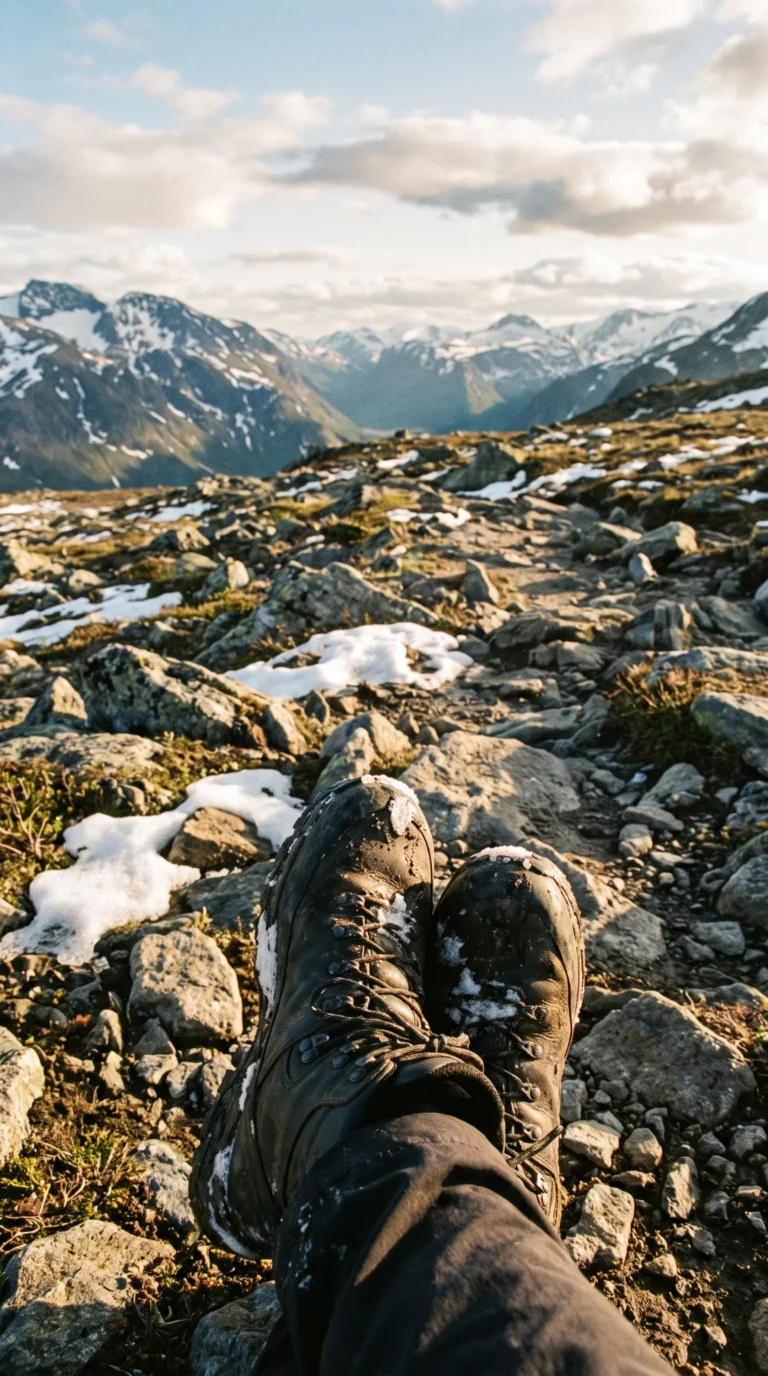
For Jotunheimen’s mixed terrain, you need boots with ankle support, waterproof protection, and soles stiff enough to handle boulder fields and lingering snowfields. The right pair makes the difference between confident strides across scree and tentative steps that slow you down on technical sections.
Jotunheimen trails range from well-marked valley paths to boulder fields and snowfields, so your boots need to handle everything. If you’re planning hut-to-hut backpacking with a full pack, Transverse Hike Waterproof boots offer ankle support and traction for technical terrain without the weight of heavy mountaineering boots. These work well for summer hikers tackling Besseggen Ridge or Galdhøpiggen’s standard route.
Budget-conscious trekkers doing multi-day routes will appreciate FREE SOLDIER Men’s Waterproof Hiking Boots, which provide solid ankle support and waterproof construction at under sixty dollars. They hold up to the demands of long days on the trail without the premium price tag.
Boot choice matters more than you might think. Stiff soles help on rocky sections and scree, giving you a platform that doesn’t fold awkwardly over sharp edges. Waterproof membranes keep feet dry crossing snowmelt streams and slushy patches that persist through August, even on popular routes.
Break in your boots before the trip. I learned this the hard way on a four-day hut-to-hut trek where new boots turned the second day miserable with blisters that made every downhill section painful. Wear them on local trails with a loaded pack for at least two or three full days before you fly.
Winter and shoulder season hikers need insulated snow boots for approach hikes and hut stays, though technical peaks require crampon-compatible mountaineering boots beyond this guide’s scope. For summer hiking from June through September, focus on waterproof mid-cut or high-cut boots with grippy soles rated for wet rock.
Your boots are the foundation of every step in Jotunheimen, so choose carefully based on your route’s demands and the season you’ll be hiking.
Winter Boots and Cold Weather Accessories
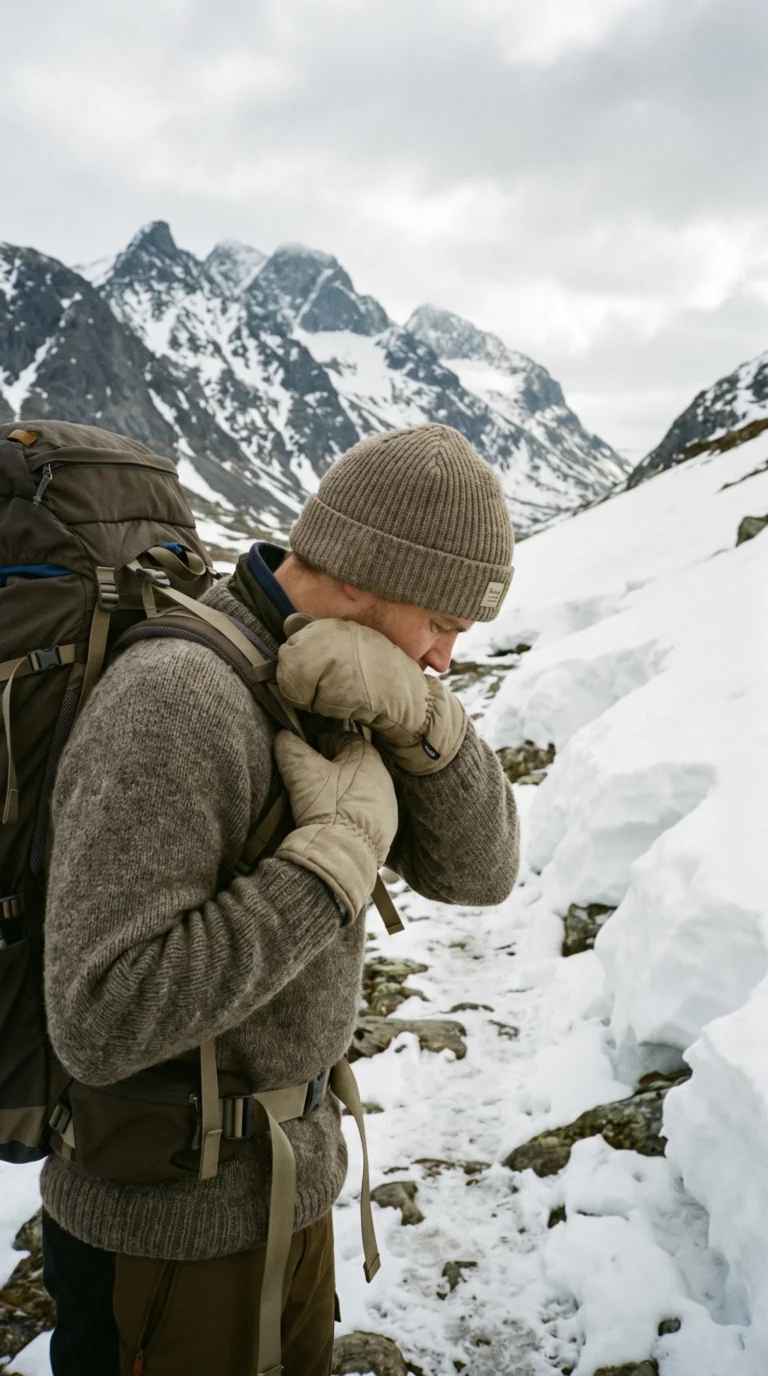
Shoulder season and early summer trips often mean snow above 1,500 meters, so insulated boots and warm accessories move from optional to essential. I have learned the hard way that Jotunheimen doesn’t care what the calendar says. May and September can deliver blizzards, and even July mornings start cold on the high ridges.
If you’re planning hut-to-hut routes with lower-elevation stretches, the Women Winter Snow Boots in black offer waterproof construction with fur lining that keeps your feet warm when trails below the snowline are passable but cold winds and icy patches dominate. They handle wet grass, shallow snow, and rocky trails around lodges without the weight of full mountaineering boots.
For quick warmth at hut stays and short walks, SHIBEVER slip-on winter boots provide insulation and grip without the hassle of lacing up hiking boots. I keep these in my pack for evenings when my feet need a break and I still want to explore the area around the hut.
Your hands take a beating during glacier crossings and high-elevation scrambles where windchill makes 10 degrees feel like freezing. The TEMRES 282-02 Waterproof Insulated Winter Work Gloves combine thermal fleece with a breathable waterproof shell, and the gaiter cuff keeps snow out when you’re using trekking poles or scrambling over boulders. If you’re hiking in summer and want grip and light protection without heavy insulation, HyFlex nylon gloves work well for handling tent stakes and adjusting pack straps.
A good beanie makes a bigger difference than you might think. The Thermal Merino Reversible Cuffed Beanie keeps your head warm without overheating because merino regulates temperature better than synthetic beanies that get soaked with sweat on climbs. I wear mine from the trailhead until the sun comes up, then tuck it in my pocket for the descent.
For summit pushes in cold conditions, rechargeable hand warmers with a charge case provide 14,000mAh of heat across two packs. They’re a modern upgrade over disposable warmers that last a few hours. These recharge at mountain huts and deliver dual-sided heat when you need it most, and the power bank function means they can top off your phone in an emergency.
What Else to Bring
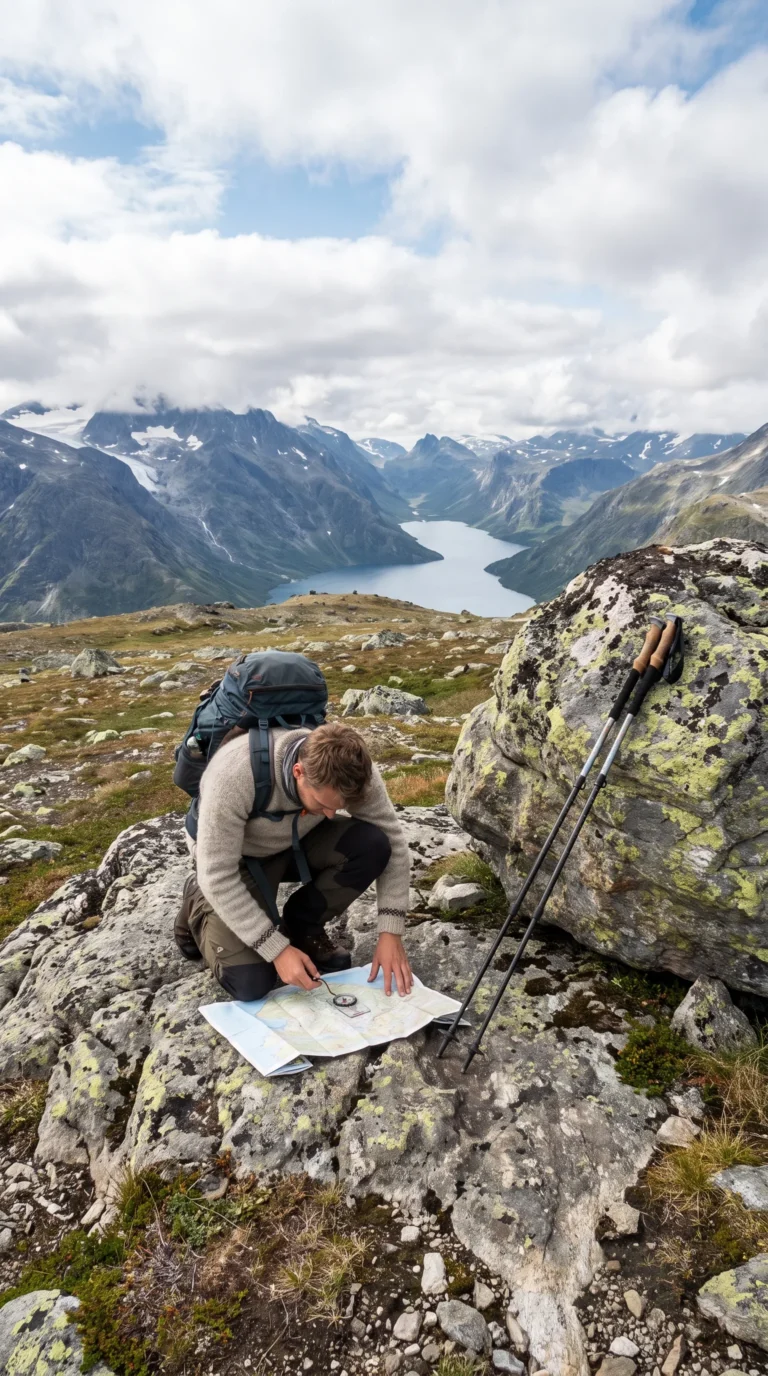
The extras you pack for Jotunheimen can turn a challenging day into a manageable one, so don’t skip the small items that make the biggest difference.
Trekking poles save your knees on steep descents and help with balance crossing streams and snowfields. I always bring collapsible models because they pack small when not in use and attach to the outside of my pack when the terrain levels out.
Sunglasses and sunscreen matter more than you expect. UV intensity increases with elevation, and snow reflects sunlight even on cloudy days. I have watched too many hikers squint painfully through their last summit push because they left their sunglasses behind.
Navigation tools become essential the moment you leave the marked trails. Download offline maps because cell service disappears above the valleys, and trails can become hard to follow in fog or when snow covers markers. A compass and paper map provide backup if your phone battery dies.
Bring a hydration system or water bottles with enough capacity for long stretches. Streams and lakes provide clean water throughout the park, but some high ridges go for hours between sources.
A headlamp with extra batteries gives you options. Summer’s long daylight can lull you into starting late, and clouds or route challenges can leave you finishing in dusk.
Pack a first aid kit with blister treatment, pain relievers, and elastic bandages. Mountain huts have supplies, but carrying your own means you don’t lose a day to preventable discomfort.
Finally, use a pack rain cover or waterproof pack liner. Afternoon thunderstorms roll in fast, and soaking your sleeping bag or extra clothes turns a good trip into a survival exercise.
Frequently Asked Questions
Do I need winter gear for summer hiking in Jotunheimen?
Yes, you need some winter-level gear even in July and August because temperatures can drop near freezing at higher elevations. I always pack a warm insulated jacket, gloves, and a wool hat for summit attempts or ridge walks. Snow patches stay on many trails through late summer, especially on the northern approaches to peaks like Galdhøpiggen. Weather changes fast in the mountains, so layering with a good base layer and fleece keeps you comfortable when clouds roll in.
What type of boots work best for Jotunheimen trails?
Waterproof hiking boots with ankle support and aggressive tread work best for Jotunheimen’s rocky, wet trails. The terrain includes loose scree, glacier approaches, stream crossings, and plenty of mud after rain. I found that boots rated for backpacking rather than light trail running gave me the stability I needed on steep descents. Make sure they’re already broken in before your trip to avoid blisters on long days.
When is the best time to visit Jotunheimen for hiking?
Late June through early September offers the most accessible hiking conditions, with July and August being the warmest and driest months. Most mountain huts open in late June and close by mid-September. Snow lingers on higher trails into early July, so routes like Besseggen are clearest from mid-July onward. September brings fewer crowds and beautiful fall colors, but expect colder nights and some hut closures. For detailed trail information and seasonal conditions across Norway’s premier alpine terrain, our Jotunheimen National Park hiking guide covers the full range of routes from day hikes to multi-day treks.
What are the 10 essentials to carry when hiking?
The ten essentials are navigation (map and compass), sun protection, insulation, a headlamp, first aid supplies, a fire starter, a repair kit and knife, extra food, extra water, and emergency shelter. In Jotunheimen, treat insulation and navigation as non-negotiable, because fog can hide trail markers and windchill bites even in July. A waterproof shell and insulated gloves complete the alpine version of the list.
How long does it take to hike Besseggen?
Most hikers complete Besseggen in 6 to 8 hours including breaks. The classic route covers about 14 kilometers with roughly 1,100 meters of ascent. Take the morning boat across Lake Gjende from Gjendesheim to Memurubu, then hike back over the ridge to Gjendesheim. Book boat tickets in advance at gjende.no, because the first departures sell out quickly in July and August.