This guide contains affiliate links. As an Amazon Associate we earn from qualifying purchases — at no extra cost to you.
Estimated reading time: 21 minutes
Last updated: September 2026
Why Is Abisko Good for the Northern Lights?
Abisko is one of the best places on Earth to see the northern lights thanks to its “Blue Hole” microclimate: the mountains around Lake Tornetrask block clouds, giving Abisko unusually clear skies even when nearby areas are overcast. It sits well inside the Arctic Circle in Swedish Lapland, far from light pollution, with the Aurora Sky Station on Mount Nuolja and a long aurora season from late September to late March.
A Gateway to the Northern Lights
The best place to see the northern lights in Sweden is Abisko National Park in Swedish Lapland, about 200 km north of the Arctic Circle. Abisko’s rain-shadow “Blue Hole” microclimate keeps its skies unusually clear, and the mountaintop Aurora Sky Station offers one of the world’s best viewing platforms. The aurora season runs from late September to early April, with the best chances on dark, clear nights between mid-November and mid-March.
What makes Swedish Lapland particularly special for northern lights viewing is its reputation among both scientists and experienced travelers as offering some of the world’s most reliable aurora displays. The region benefits from stable weather patterns and strategic positioning under the auroral oval, the zone where auroral activity is most concentrated. This guide focuses on identifying the best place to see northern lights in Sweden, providing both practical advice for planning your trip and inspiration for a memorable Arctic adventure.
You can see this for yourself. Click here to watch the video from this point.
Inside Abisko National Park: The Blue Hole Microclimate
When aurora hunters discuss the best place to see northern lights in Sweden, one location consistently tops the list: Abisko National Park. This great destination stands out globally as a premier aurora viewing site for several compelling reasons that combine to create optimal viewing conditions.
The Unique “Blue Hole” Microclimate
Perhaps the most significant advantage Abisko has over other northern lights destinations is its extraordinary microclimate known as the “Blue Hole Effect.” This great natural phenomenon keeps the skies above Abisko unusually clear, even when surrounding areas experience heavy cloud cover.
This microclimate occurs because the surrounding mountains create a rain shadow effect, resulting in Abisko receiving significantly less precipitation than neighboring regions. The park records an average annual rainfall of only about 300mm, making it one of the driest places in Sweden despite its northern location. The stable atmospheric conditions mean that even during winter, when most of northern Scandinavia may be cloud-covered, Abisko often maintains clear viewing windows for the aurora.
Minimal Light Pollution
Another crucial factor that makes abisko national park northern lights viewing exceptional is the near-total absence of light pollution. Located far from major urban centers, the park offers clean dark skies that allow the aurora to shine with great clarity and vibrancy. This remote setting means that even faint auroral displays, which might be invisible in areas with more ambient light, can be clearly visible in Abisko.
The darkness of Abisko’s night sky also enhances the overall experience, allowing visitors to see thousands of stars, the Milky Way, and other celestial phenomena alongside the northern lights. For photographers, this darkness provides ideal conditions for capturing spectacular aurora images without the orangey glow that light pollution creates in night sky photographs.
Ideal Position Under the Auroral Oval
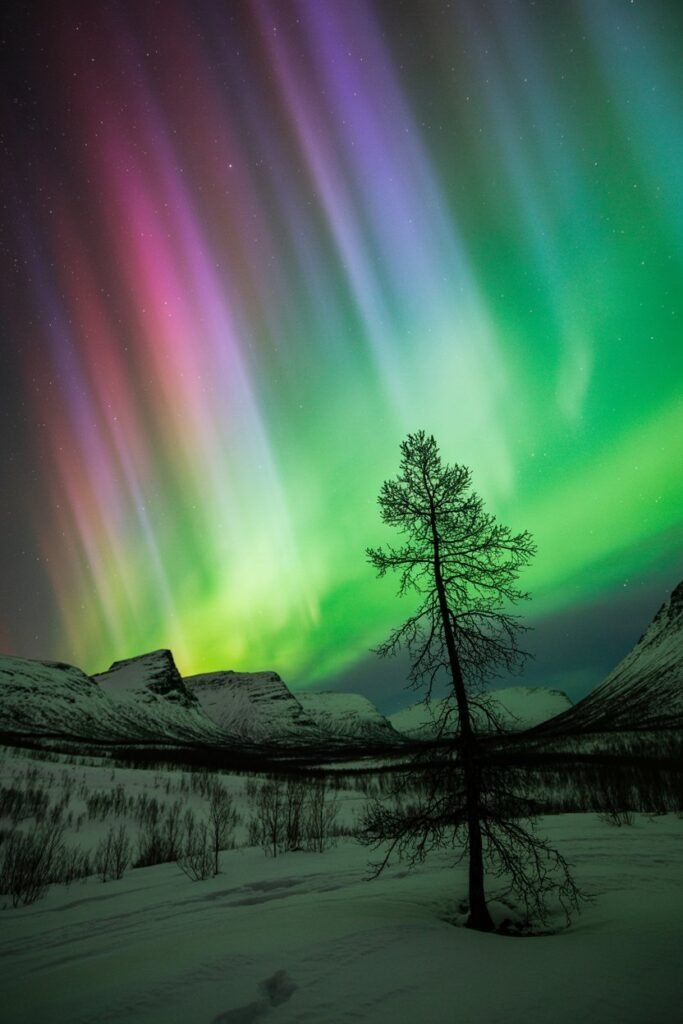
Abisko National Park is situated at approximately 68° north, placing it directly under the auroral oval, the ring-shaped zone around the Earth’s geomagnetic pole where aurora activity is most concentrated. This strategic location significantly increases the frequency and intensity of visible auroras.
While many northern destinations lie within the auroral oval, Abisko’s position is particularly favorable, offering visitors a high probability of witnessing aurora displays even during periods of lower geomagnetic activity. Scientific studies and statistical analyses of aurora sightings consistently place Abisko among the top global locations for northern lights reliability.
Accessibility Despite Remote Location
Despite its wilderness setting, Abisko remains remarkably accessible for international travelers. The park can be reached by train or bus from Kiruna, which has an international airport with daily flights connecting to Stockholm. The journey from Kiruna to Abisko takes approximately 1.5 hours by train or car, making it a convenient destination for aurora chasers who don’t want to sacrifice comfort for wilderness experience. This accessibility factor is important when considering travel budgets for Nordic adventures.
For these compelling reasons, Abisko National Park has earned its reputation as perhaps the most reliable place in Sweden, and one of the best in the world, for witnessing the northern lights. The combination of clear skies, dark nights, ideal geographical positioning, and accessibility creates optimal conditions for aurora viewing that few other destinations can match.
Guide to the Aurora Sky Station: Facilities and Access
A Premier Platform for Aurora Observation
Perched on Mount Nuolja at an elevation of 900 meters, the Aurora Sky Station represents the pinnacle of northern lights viewing experiences in Sweden. This specialized facility was designed with one primary purpose: to provide visitors with the optimal environment for observing and photographing the aurora borealis. The elevated position above Abisko National Park further enhances the already excellent viewing conditions of the region.
What makes the aurora sky station abisko guide experience particularly special is the combination of natural advantages and thoughtful facilities. The station sits above the tree line, offering unobstructed 360-degree views of the horizon and maximizing the visible sky area for aurora watching. This wide perspective allows visitors to track the lights as they move across the sky without having to change locations.
Booking and Access Information
Access to the Aurora Sky Station requires advance planning, as the popularity of this premier viewing location means spots fill quickly, especially during peak season. Visitors should consider the following essential information:
- Reservations: Booking in advance is highly recommended and often necessary, particularly from November through March. Reservations can be made through the official Swedish Tourist Association website or through tour operators in the region.
- Chairlift Access: The station is reached via a 20-minute chairlift ride from the Abisko Tourist Station. This enclosed lift operates specifically for Sky Station visitors during evening hours.
- Winter Clothing: Visitors are provided with warm coveralls and boots for the chairlift ride and outdoor viewing, though bringing additional layers is recommended for extended outdoor periods.
- Operating Hours: The Sky Station typically opens for evening visits around 9:00 PM, with the last descent around 1:00 AM, though times may vary seasonally.
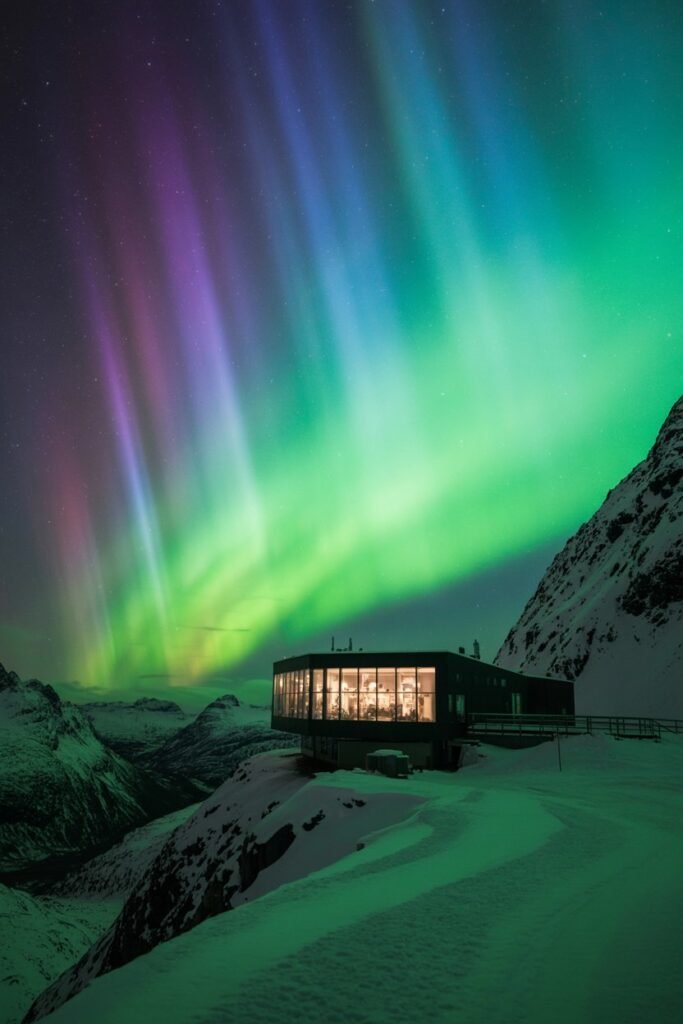
The experience includes both the journey up the mountain and several hours at the station for aurora viewing. Many visitors find that spending 3-4 hours at the station provides the best chance to witness the lights, as aurora activity often comes in waves throughout the night.
Facilities and Amenities
The Aurora Sky Station is more than a viewing platform; it provides a complete experience with amenities designed to enhance comfort during the cold Arctic nights:
- Indoor Lounge: A cozy space with large windows allows visitors to warm up while continuing to watch for aurora activity.
- Café and Restaurant: Hot beverages and light snacks are available in the café, while some packages include a four-course dinner featuring local Swedish specialties.
- Exhibition Area: Educational displays explain the science behind the northern lights and share information about the Arctic environment.
- Observation Terraces: Multiple outdoor platforms provide optimal viewing angles for photography and aurora observation.
- Souvenir Shop: A small shop offers northern lights-themed mementos and locally crafted items.
The station also features specialized low-level lighting designed to minimize interference with night vision while still allowing safe navigation around the facility. This thoughtful design ensures that visitors’ eyes remain adapted to darkness for optimal aurora viewing.
Photography Tips for Aurora Viewing
The Aurora Sky Station offers ideal conditions for photographing the northern lights, but capturing this elusive phenomenon requires some preparation. Here are essential tips for photographers:
- Essential Equipment: Bring a camera with manual settings, a sturdy tripod, extra batteries (cold temperatures drain batteries quickly), and a remote shutter release.
- Camera Settings: Start with ISO 1600-3200, aperture f/2.8-4, and shutter speed between 5-15 seconds, adjusting based on aurora brightness and movement.
- Lens Selection: A wide-angle lens (14-24mm) with a fast aperture works best for capturing the expansive arctic sky.
- Composition: Include landscape elements like Mount Nuolja or Lake Torneträsk to add scale and interest to your aurora photographs.
- Focus Technique: Pre-focus your lens to infinity during daylight or use manual focus on a distant light source before aurora viewing begins.
Many visitors find it helpful to participate in the photography workshops sometimes offered at the station, where experts provide guidance on camera settings and techniques specific to the conditions that evening.
The Aurora Sky Station represents the ultimate northern lights viewing experience in Sweden, combining natural advantages with purpose-built facilities to maximize your chances of witnessing this spectacular phenomenon. For travelers seeking the most reliable and comfortable aurora viewing experience, this purpose-built observatory should be at the top of your list when planning a trip to see the northern lights in the Nordic countries.
What should I wear to watch the aurora in Abisko?
Pack a windproof insulated parka, insulated snow boots, a merino base layer, a fleece mid-layer, insulated gloves, a fleece-lined beanie, hand warmers, and a travel tripod. Abisko means standing still for hours in deep Arctic cold under the aurora, so full-cover layering, warm hands and head, and a steady tripod for photos are what matter.
The Abisko aurora kit
Standing still for hours in deep Arctic cold under the Northern Lights.
- A windproof insulated parka — your outer shell against Lapland wind and snow
- Insulated, waterproof snow boots — you’ll stand on snow and ice for hours
- A merino thermal base layer — the moisture-wicking foundation under everything
- A fleece mid-layer — the insulating layer between base and shell
- Insulated waterproof gloves — fingers fail first; keep liner gloves for the camera
- A fleece-lined beanie — covering your ears is non-negotiable at -20°C
- Hand & toe warmers — the cheap packable trick for a 3-hour aurora wait
- A sturdy travel tripod — long-exposure aurora shots are impossible handheld
As an Amazon Associate we earn from qualifying purchases.
Best Time to See the Northern Lights in Sweden: Seasonal Guide
Optimal Season for Northern Lights Viewing
Understanding the seasonal patterns is crucial when planning when to see aurora borealis in Sweden. The northern lights viewing season in Sweden extends from late September to early April, with certain periods offering higher probability of successful sightings.
The prime months for aurora observation are from mid-November through mid-March. During this period, several factors align to create optimal viewing conditions:
- Extended Darkness: The Arctic winter brings the polar night to northern Sweden, with Abisko experiencing little to no daylight from early December to mid-January. This extended darkness provides more hours for potential aurora visibility.
- Peak Statistical Clarity: Historical weather data shows that February and March often have the highest number of clear nights in Abisko, increasing your chances of unobstructed views.
- Balanced Conditions: December and January offer the darkest skies but can experience colder temperatures, while late March begins to have longer daylight hours but often maintains excellent aurora activity.
While the core winter months offer the highest probability, the shoulder seasons (October and April) can also provide aurora sightings with the added benefits of milder temperatures and unique lighting conditions as the region transitions between seasons.
Understanding Ideal Viewing Conditions
Beyond seasonal timing, several specific conditions need to align for optimal northern lights viewing in Sweden:
- Clear Skies: The most critical factor is minimal cloud cover, as even the most intense aurora will be invisible through thick clouds. Abisko’s unique microclimate significantly increases the probability of clear skies compared to other locations at similar latitudes.
- Minimal Moonlight: A dark sky enhances aurora visibility, making the new moon phase and the weeks surrounding it ideal for aurora hunting. During full moon periods, only stronger auroras will be clearly visible against the moonlit sky.
- Solar Activity: The aurora is caused by solar particles interacting with Earth’s magnetic field. Higher solar activity, measured by the Kp index on a scale of 0-9, correlates with more intense and widespread auroras. For viewing in Abisko, even a modest Kp value of 2-3 can produce visible aurora due to the location’s prime position under the auroral oval.
- Time of Night: While auroras can appear any time during dark hours, statistical patterns show increased activity between 10:00 PM and 2:00 AM local time. However, this is only a general guideline, as spectacular displays can occur outside these hours.
Many local accommodations and tour operators in Abisko provide aurora alerts or wake-up calls when activity begins, allowing guests to maximize their viewing opportunities without having to stay awake all night.
Monitoring Aurora Forecasts and Weather Conditions
Modern technology has made predicting aurora visibility more reliable than ever before. Travelers planning to see the northern lights in Sweden should utilize these resources:
- Aurora Forecasting Apps: Applications like “My Aurora Forecast” and “Aurora” provide predictions based on current solar activity and your location.
- Space Weather Prediction Center: The NOAA’s Space Weather Prediction Center provides detailed information about solar events that may trigger auroral displays.
- Local Weather Services: Swedish meteorological services offer detailed cloud cover forecasts specific to the Abisko region, which can be more accurate than general weather apps.
While planning around forecasts increases your chances, experienced aurora guides in Abisko recommend staying for at least 3-4 nights to maximize probability. Statistics show that with a stay of this duration during peak season, visitors have approximately an 80-90% chance of seeing some aurora activity in the Abisko area, making it one of the most reliable viewing locations in the world. This reliability makes it a perfect destination to combine with exploring other Arctic destinations in the region.
Choosing a Northern Lights Tour in Swedish Lapland: Options and Itineraries
Diverse Aurora Experiences in Lapland
Swedish Lapland offers a variety of northern lights tours catering to different preferences, budgets, and interests. From simple guided viewing experiences to complete multi-day adventures, these tours provide structured opportunities to maximize your chances of witnessing the aurora borealis while enjoying other aspects of the Arctic experience.
Types of Northern Lights Tours
The swedish lapland northern lights tour offerings can be broadly categorized into several types, each with distinct advantages:
- Evening Aurora Excursions: These 3-4 hour guided outings depart from Abisko, Kiruna, and other Lapland locations, taking small groups to carefully selected viewing spots based on that evening’s weather conditions. Guides provide photography assistance, scientific explanations, and often hot beverages and snacks to keep guests comfortable in the Arctic night.
- Photography-Focused Tours: Specialized for photographers, these tours feature expert guidance on camera settings, composition, and techniques for capturing the northern lights. Guides often carry additional equipment like tripods that guests can borrow, and group sizes are typically smaller to ensure individual attention.
- Mobile “Aurora Hunting” Excursions: Using minibuses or vans, these tours offer maximum flexibility to chase clear skies, traveling up to 100-150km from their starting point based on real-time weather data and aurora forecasts. This mobility can significantly increase viewing chances on nights with patchy cloud cover.
- Multi-Day Aurora Packages: complete experiences spanning 2-7 days that include accommodations, meals, transfers, and a combination of aurora viewing and daytime activities. These packages often feature stays in unique accommodations like the Ice Hotel in Jukkasjärvi or wilderness lodges in remote locations.
- Cultural Aurora Experiences: These tours integrate Sami cultural traditions with northern lights viewing, featuring visits to reindeer farms, traditional meals, stories from indigenous guides, and insights into the spiritual significance of the aurora in Sami culture.
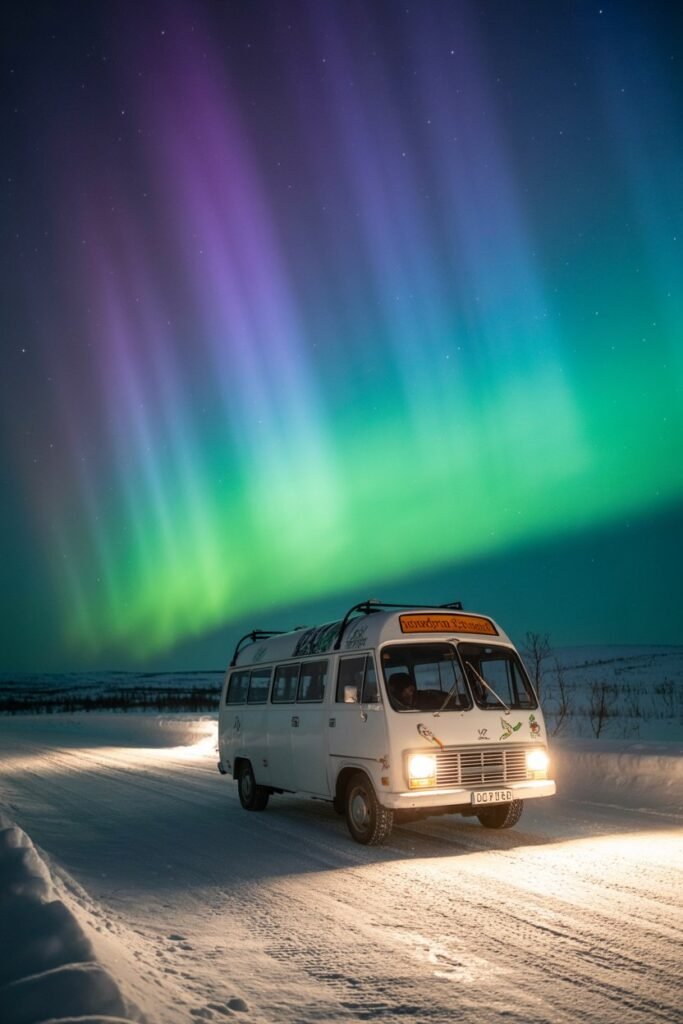
Each tour type offers different advantages, from the scientific expertise of photography guides to the cultural depth of Sami-led experiences. Many visitors to Swedish Lapland choose to participate in several different tour styles during their stay to experience various perspectives on the northern lights. This approach pairs well with exploring the beautiful landscapes of Northern Scandinavia during daylight hours.
Booking Tips and Considerations
When planning your swedish lapland northern lights tour, several practical considerations will help ensure the best experience:
- Advance Reservations: Popular tours, especially at the Aurora Sky Station and Ice Hotel, often sell out months in advance during peak season (December-February). Booking 3-6 months ahead is advisable for these premier experiences.
- Cost Expectations: Tour prices vary widely based on duration, inclusions, and exclusivity:
- Basic evening excursions: SEK 695-1,500 per person (approximately €65-140)
- Photography-focused tours: SEK 1,200-2,500 per person (approximately €110-230)
- Multi-day packages: SEK 3,500-15,000+ per person (approximately €320-1,400+) depending on duration and accommodations
- Group Size: Consider the maximum participants when booking. Smaller groups (4-8 people) often provide more personalized experiences and flexibility but may cost more than larger group tours (12-20 people).
- Cancellation Policies: Check weather-related cancellation and rescheduling policies. Reputable operators typically offer alternative dates or partial refunds if tours cannot run due to extreme weather conditions.
What’s Typically Included in Tours
Understanding what’s included in your tour package helps set appropriate expectations:
- Standard Inclusions: Most basic tours provide transportation from a central meeting point, guiding services, and hot beverages with light snacks.
- Equipment: Winter clothing (thermal overalls, boots, hats, and gloves) is commonly provided for evening excursions. Photography tours may include tripod loans and camera setting assistance.
- Knowledge: Guides typically share information about aurora science, local legends, and photography tips. Many guides are skilled photographers who can help capture your experience with your camera or sometimes provide professional photos of your tour.
- Food and Drinks: Basic tours include hot beverages and snacks, while premium experiences might feature traditional meals or wilderness dining experiences like campfire cooking.
Combining Northern Lights with Other Winter Activities
Many visitors maximize their Arctic adventure by combining aurora viewing with other winter experiences:
- Dog Sledding: Daytime or evening dog sled tours through snow-covered forests and frozen lakes offer an authentic Arctic experience.
- Snowmobiling: Guided snowmobile excursions allow you to cover more terrain and reach remote wilderness areas not accessible by road.
- Ice Fishing: Try your hand at traditional ice fishing on frozen lakes, often combined with outdoor cooking of your catch.
- Snowshoeing: Explore the winter landscape at a slower pace, with guided nature walks highlighting Arctic flora and fauna.
- Sami Cultural Experiences: Visit reindeer herding communities, learn about traditional crafts, and hear stories passed down through generations in the Arctic.
Many tour operators offer combination packages that include both northern lights viewing and daytime activities, providing a complete Arctic experience. This approach allows visitors to fully immerse themselves in Swedish Lapland’s winter wonderland while maximizing their chances of witnessing the magical aurora borealis. For optimal timing of these activities, refer to guides on the best seasons for Arctic travel.
Practical Travel Tips for Your Aurora Adventure
Essential Packing for Arctic Conditions
Planning Tip
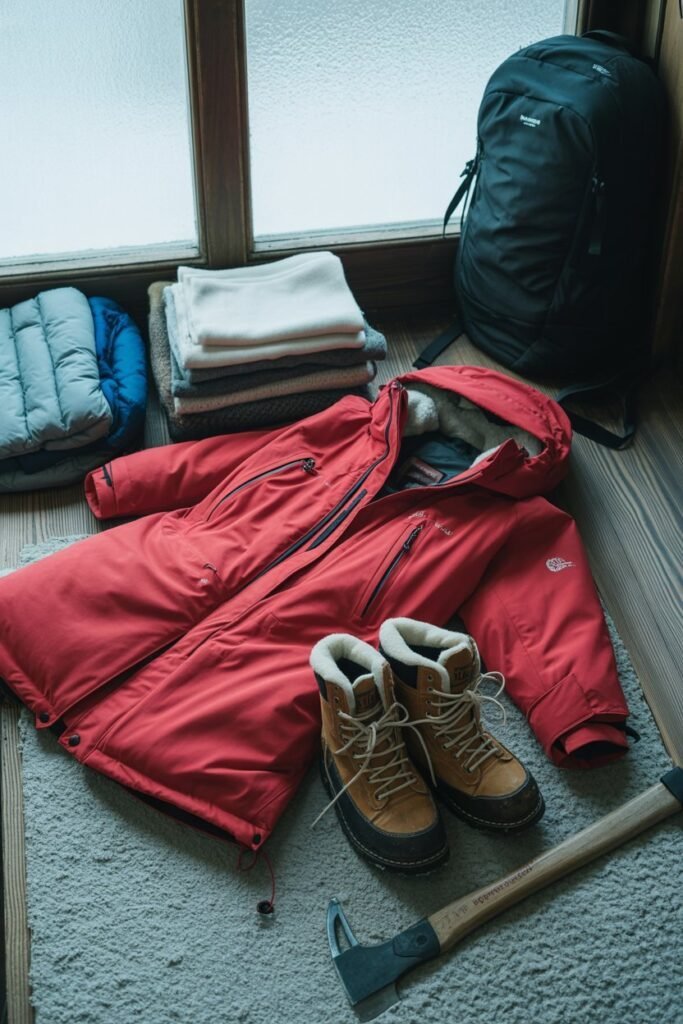
Preparing properly for the Arctic climate is crucial for an enjoyable northern lights experience. Winter temperatures in Swedish Lapland commonly range from -5°C to -20°C (23°F to -4°F), but can drop as low as -30°C (-22°F) during cold spells. Standing still while watching for aurora further increases the cold’s impact, making appropriate clothing essential.
Here’s a complete packing list for your aurora adventure:
- Base Layers: Merino wool or synthetic thermal underwear (tops and bottoms) that wick moisture away from your body
- Mid Layers: Fleece or wool sweaters and pants that provide insulation
- Outer Shell: Windproof and waterproof jacket and pants
- Extremities Protection:
- Insulated winter boots rated for extreme cold
- Wool socks (bring extras for layering)
- Waterproof gloves or mittens (mittens provide better warmth)
- Liner gloves for operating cameras without exposing skin
- Insulated hat covering ears
- Neck gaiter or balaclava to protect face and neck
- Hand/Foot Warmers: Disposable or rechargeable heat packs for extra warmth during extended outdoor periods
- Photography Equipment:
While many tour operators provide outer thermal suits and boots, having your own base and mid layers ensure proper fit and comfort. It’s better to have multiple thin layers than fewer thick ones, as this allows you to adjust your temperature more precisely.
Accommodation Options in Swedish Lapland
Swedish Lapland offers a range of accommodation options to suit different preferences and budgets:
Abisko Area
- STF Abisko Mountain Station: Set at the base of the chairlift to the Aurora Sky Station, this mountain lodge offers a range of rooms from dormitory-style to private rooms with en-suite bathrooms. Its prime location makes it the most convenient base for Sky Station visits.
- Abisko Guesthouse & Activities: A smaller, family-run accommodation offering a more intimate experience with personalized service and cozy rooms.
- Aurora Sky Station Night Visit with Overnight Stay: Some packages include overnight accommodation in the mountain station combined with extended aurora viewing hours.
Kiruna Area
- ICEHOTEL: The famous hotel built entirely of ice and snow in Jukkasjärvi, about 20km from Kiruna. Stay in an ice room for a unique experience or book a warm “normal” room in the adjacent permanent structure.
- Camp Ripan: Offers cabin-style accommodations with access to their Aurora Spa, where you can watch for northern lights while relaxing in outdoor hot tubs.
- Hotell Bishops Arms: A centrally located option in Kiruna town with comfortable rooms, making it convenient for tours that depart from the town center.
Wilderness Lodges
- Aurora Safari Camp: Lavvu-style tents with wood stoves provide an authentic wilderness experience with excellent aurora viewing potential.
- Fjellborg Arctic Lodge: Exclusive private cabins on the shores of a frozen lake, offering luxury in remote wilderness.
- Arctic Retreat: Private cabins with outdoor hot tubs positioned for optimal northern lights viewing while staying warm.
When selecting accommodations, consider proximity to aurora viewing locations, included amenities, and whether the property offers aurora wake-up calls, a valuable service that alerts guests when the lights appear. Many properties in Swedish Lapland feature large north-facing windows or glass ceilings specifically designed for in-room aurora viewing.
Frequently Asked Questions about Northern Lights in Sweden
Where is the best place to see the northern lights in Sweden?
The best place is Abisko National Park in Swedish Lapland, widely rated one of the most reliable aurora spots on Earth. Its rain-shadow “Blue Hole” microclimate keeps skies clear, it sits directly under the auroral oval at about 68° north, and it has almost no light pollution. The Aurora Sky Station on Mount Nuolja is the signature viewing spot, and nearby Kiruna and the wider Lapland region are excellent too.
When is the best time to see the northern lights in Sweden?
The aurora season runs from late September to early April, with the best chances between mid-November and mid-March. February and March often have the clearest skies, while December and January have the longest hours of darkness. Aim for dark, cloud-free nights around the new moon, ideally between 10 PM and 2 AM, and plan to stay at least 3–4 nights to raise your odds.
Why is Abisko the best place for the northern lights?
Abisko benefits from a rare “Blue Hole” — a patch of consistently clear sky created by the rain shadow of the surrounding mountains, so it stays clear even when nearby areas are cloudy. Add minimal light pollution, a prime position under the auroral oval, and easy access from Kiruna, and visitors who stay several nights in peak season have roughly an 80–90% chance of seeing the aurora.
Is Abisko or Tromsø better for the northern lights?
Both are top aurora destinations. Abisko (Sweden) wins on clear skies thanks to its Blue Hole microclimate and is quieter and darker, which makes it more reliable for actually seeing the lights. Tromsø (Norway) is a larger city with more flights, tours, and amenities, but cloudier coastal weather. For the best odds of clear skies choose Abisko; for convenience and nightlife, Tromsø.
How much does a northern lights tour in Swedish Lapland cost?
Basic evening excursions run about SEK 695–1,500 (roughly €65–140) per person. Photography-focused tours cost SEK 1,200–2,500 (about €110–230), and multi-day packages range from SEK 3,500 to 15,000+ (about €320–1,400+) depending on length and accommodation. The Aurora Sky Station chairlift visit is booked separately. Prices peak from December to February, so book popular tours months ahead.