Estimated reading time: 12 minutes
Last updated: September 2026
Table of Contents
- Is Helsingborg, Sweden Worth Visiting?
- Helsingborg travel guide: History, Things To Do, and Öresund Gateway
- Cycling the Helsingborg Coast
- Frequently Asked Questions
- Helsingborg offers a mix of medieval heritage and modern coastal charm, with the iconic Kärnan Tower as its centerpiece
- The Öresund Strait connects Helsingborg to Denmark, making it a strategic historical gateway to Sweden
- Cycling along Helsingborg’s coast is popular on the Kattegattleden national cycling trail, offering scenic routes and coastal views
- Both cities can be explored in a combined itinerary, showcasing Sweden’s southeastern coastal heritage
How This Guide Was Researched
This guide draws on verified tourism data, local transport and accommodation research, and real traveler experiences. Budget figures and seasonal details were current at the time of writing. Always check official sources for the most up-to-date information.
Is Helsingborg, Sweden Worth Visiting?
Helsingborg sits on Sweden’s Öresund coast, just 4 kilometers across the water from Denmark. The top things to do are climbing the medieval Kärnan Tower for panoramic strait views, wandering the Old Town and Kullagatan shopping street, visiting Dunkers Kulturhus on the waterfront, taking the 20-minute ferry to Helsingør, and cycling the Kattegattleden coastal trail. One to two days is enough to see the city, with the twenty-minute ferry across the Öresund to Denmark an easy add-on.
Helsingborg stands out as a gateway to Sweden’s maritime past. Known for its medieval roots and modern waterfront, this corner of southern Sweden offers a blend of historical depth and contemporary charm that makes it a destination worth visiting on any helsingborg travel guide.
Helsingborg makes a perfect starting point for exploring this corner of Sweden’s cultural heritage. From the wide views atop Kärnan Tower to the busy harbour where ferries cross to Denmark, visitors can experience centuries of Swedish history while enjoying the natural beauty of the Öresund coastline. Whether you’re drawn to medieval architecture or scenic coastal landscapes, Helsingborg offers something for every traveler.
You can see this for yourself. Click here to jump to the video in UHD 4K Resolution.
Helsingborg travel guide: history, things to do, and Öresund gateway
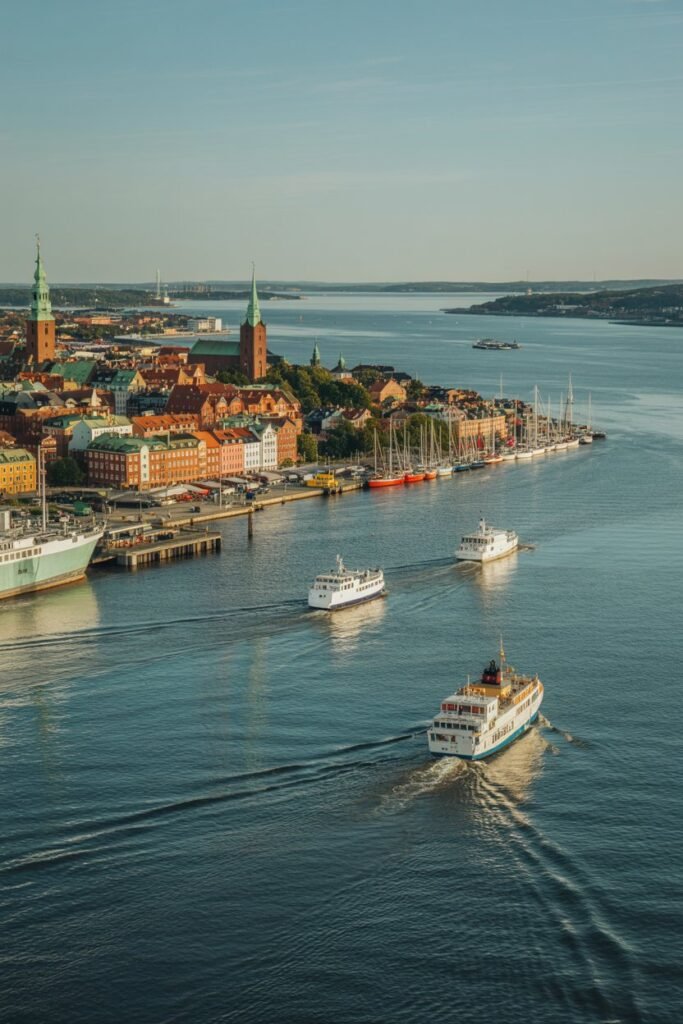
Helsingborg history and cultural overview (Öresund Strait gateway)
Perched along the narrowest part of the Öresund Strait, Helsingborg has played a pivotal role in Scandinavian history for centuries. This strategic location, with Denmark visible just 4 kilometers across the water, has shaped the city’s development and historical significance as a crucial gateway to Sweden.
The helsingborg travel guide history begins well before the medieval period, with archaeological evidence suggesting settlements dating back to the Stone Age. However, it was during the Middle Ages that Helsingborg rose to prominence as a vital trading post and military stronghold. The city’s strategic importance led to it changing hands numerous times between Danish and Swedish rule throughout history.
This historical back-and-forth between Denmark and Sweden is central to understanding Helsingborg’s unique cultural identity. The city didn’t become permanently Swedish until the Treaty of Roskilde in 1658, though Denmark attempted to recapture it several times afterward. This shared heritage has created a recognizable cultural blend that differs from inland Swedish cities, with architectural influences and traditions from both countries visible throughout the urban landscape.
Today, Helsingborg is Sweden’s eighth-largest city and serves as an important transportation hub, connecting Sweden to Denmark via frequent ferry services. This continuous exchange of people and ideas has fostered a cosmopolitan atmosphere that blends smoothly with the city’s historical character.
Helsingborg medieval heritage and modern waterfront
Helsingborg’s old town offers visitors a delightful journey through centuries of architectural evolution. Compact and walkable, this historical core features an engaging mix of medieval remnants, Renaissance buildings, and 19th-century structures that together tell the story of the city’s development.
The cobblestone streets wind through the old town, leading to charming squares like Stortorget (the Main Square) with its impressive City Hall built in the late 19th century in Neo-Gothic style. Nearby, the St. Mary’s Church (Mariakyrkan) is one of the city’s oldest buildings, with sections dating back to the 14th century. Its red-brick Gothic architecture is typical of the Hanseatic influence found throughout the Baltic region.
Complementing this historical fabric is Helsingborg’s modern side. The city has enjoyed contemporary urban planning and architecture, creating lively public spaces that respect the historical context while meeting the needs of today’s residents and visitors. The result is a harmonious blend where medieval walls might stand adjacent to modern designs.
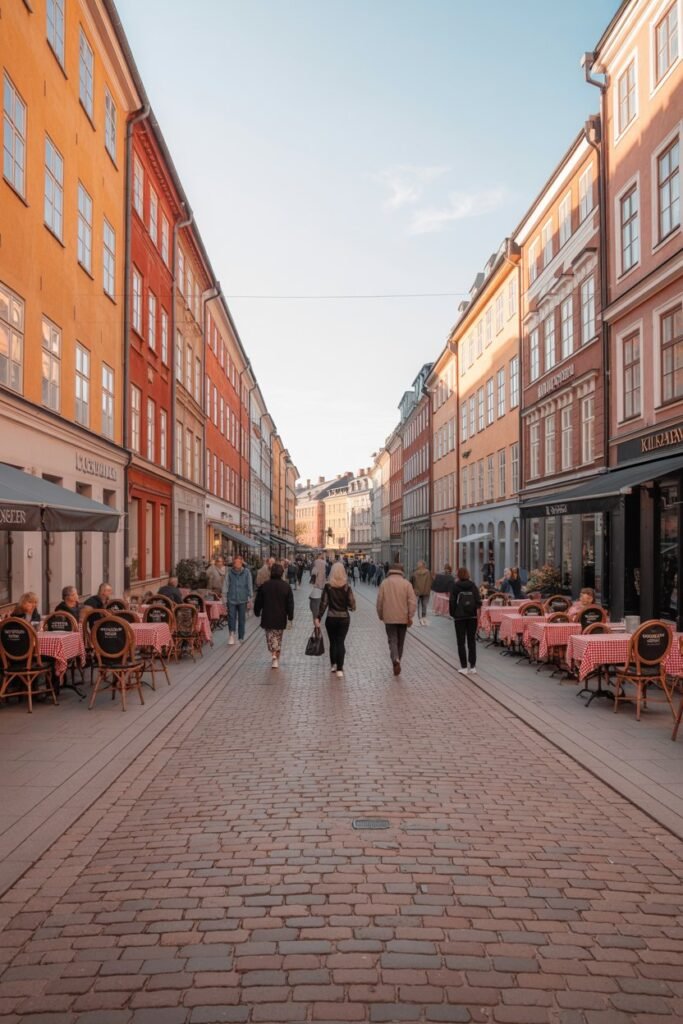
The Kullagatan pedestrian shopping street exemplifies this blend, where historic buildings now house fashionable boutiques, cafés, and restaurants. This marriage of old and new creates a dynamic urban environment that feels both authentically historical and refreshingly contemporary, making it a highlight of any Swedish tourist itinerary.
Kärnan Tower Helsingborg Views: Medieval Keep and Öresund Panorama
Rising dramatically above Helsingborg’s skyline, the Kärnan Tower (meaning “The Core” or “The Keep”) is the city’s most iconic landmark and a powerful symbol of its medieval past. This imposing brick tower is all that remains of a once-mighty castle that controlled the strategic strait between Sweden and Denmark.
Built in the early 1300s during Danish rule, Kärnan served as the central keep of a larger fortress complex. Its primary purpose was defensive, guarding the narrow passage of the Öresund Strait and symbolizing Danish power in the region. The tower played a crucial role in numerous conflicts between Swedish and Danish forces, frequently changing hands as control of the region shifted between the two kingdoms.
Standing 35 meters tall, the restored tower features a recognizable staircase turret and arrow-slit windows typical of medieval defensive architecture. After climbing the 146-step spiral staircase, visitors are rewarded with kärnan tower helsingborg views that are really impressive. The wide vista encompasses the city below, the sparkling waters of the Öresund Strait, and on clear days, the Danish coast including the town of Helsingør with its famous Kronborg Castle (immortalized as Elsinore in Shakespeare’s Hamlet).
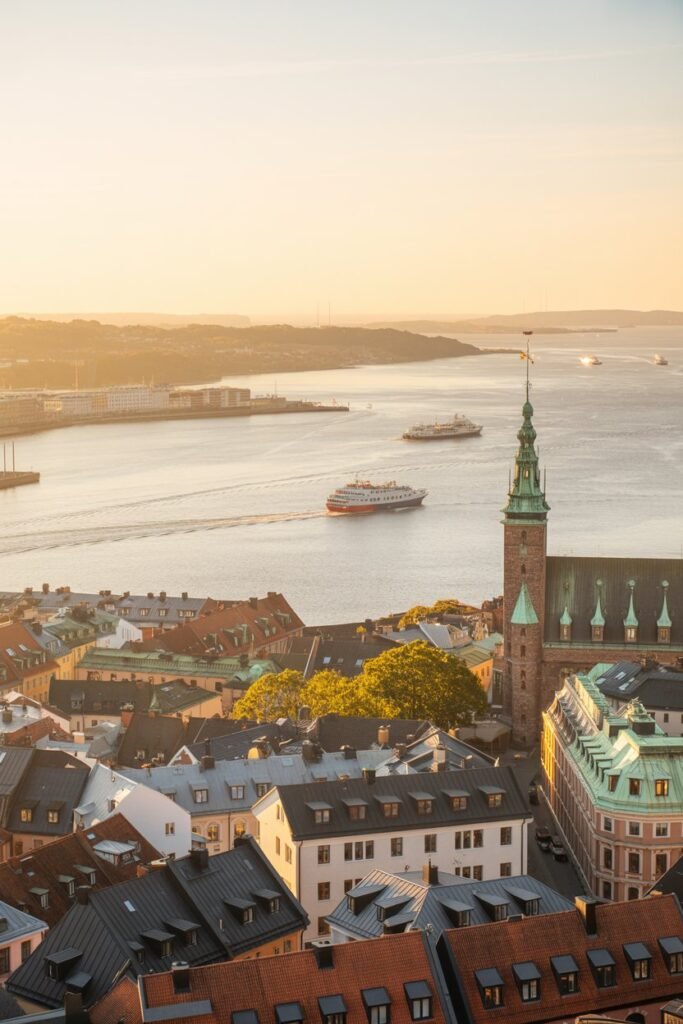
Inside the tower, informative displays and medieval murals help visitors understand the strategic importance of Helsingborg throughout Scandinavian history. The tower’s survival is great considering that most of the original castle was destroyed by royal decree in the late 1600s after Sweden finally secured permanent control of the region.
Helsingborg Waterfront: Key Sites, Ferries, and Dunkers Kulturhus
Helsingborg’s waterfront is the pulsing heart of the city, where historical significance meets contemporary urban life. The area has been beautifully developed to celebrate both the city’s maritime heritage and its modern identity as a lively coastal destination.
The waterfront promenade stretches along the shore, offering pleasant walking paths with great views of the Öresund Strait and the Danish coast beyond. This area buzzes with activity year-round, from summer sunbathers enjoying the beaches to winter walkers bundled up against the Baltic breeze. The ferry terminals connecting Helsingborg to Helsingør in Denmark add to the international atmosphere, with travelers coming and going throughout the day.
Among the worth visiting sites along the waterfront is Dunkers Kulturhus, a modern cultural center designed by renowned Danish architect Kim Utzon. This impressive building houses art exhibitions, a theater, and several restaurants, making it a hub for both cultural experiences and social gatherings.
Nearby, the Tropical Beach (Tropiska Stranden) offers a unique urban beach experience with imported palm trees during summer months. This quirky attraction has become a beloved spot for locals and visitors alike, perfectly capturing Helsingborg’s playful spirit.

The waterfront area is also home to numerous seafood restaurants serving fresh catches from the nearby waters. From traditional Swedish fish dishes to international cuisine with a local twist, these eateries provide not just meals but authentic cultural experiences that connect diners to the region’s maritime traditions.
For those interested in maritime history, the harbor area features historical vessels and information about fishing traditions that have sustained coastal communities for centuries. These exhibits provide context for understanding how the sea has shaped life in Helsingborg throughout its long history.
Cycling the Helsingborg Coast: Routes, Seasons, and Tips
Cycling in Helsingborg: Local Conditions and Best Seasons
Cycling the Helsingborg coast has become one of the region’s most beloved activities for both locals and tourists. The city’s commitment to sustainable transportation has resulted in an extensive network of well-maintained cycling paths that make exploring on two wheels both convenient and enjoyable.
The appeal of cycling in this region stems from the perfect combination of scenic beauty, moderate terrain, and excellent infrastructure. Unlike some parts of Sweden with more challenging landscapes, Helsingborg’s coastal routes offer relatively flat paths suitable for cyclists of all fitness levels, making this an accessible activity for families, casual riders, and dedicated cycling enthusiasts alike.
The coastal climate adds to the cycling appeal, with mild temperatures compared to inland areas and refreshing sea breezes that make even summer rides comfortable. The quality of light along the coast is particularly beautiful, especially during the long evening hours of the Swedish summer when the sun casts a golden glow across the water and landscapes.
Beyond the physical experience, cycling provides a unique perspective on the region’s character. At cycling speed, visitors can appreciate details of the landscape and culture that might be missed when traveling by car, yet cover more ground than would be possible on foot. This middle pace is perfect for absorbing the subtle transitions between urban areas, coastal villages, and natural settings that characterize the Helsingborg region.
Helsingborg cycling routes: Kattegattleden, Råå, Domsten, Höganäs
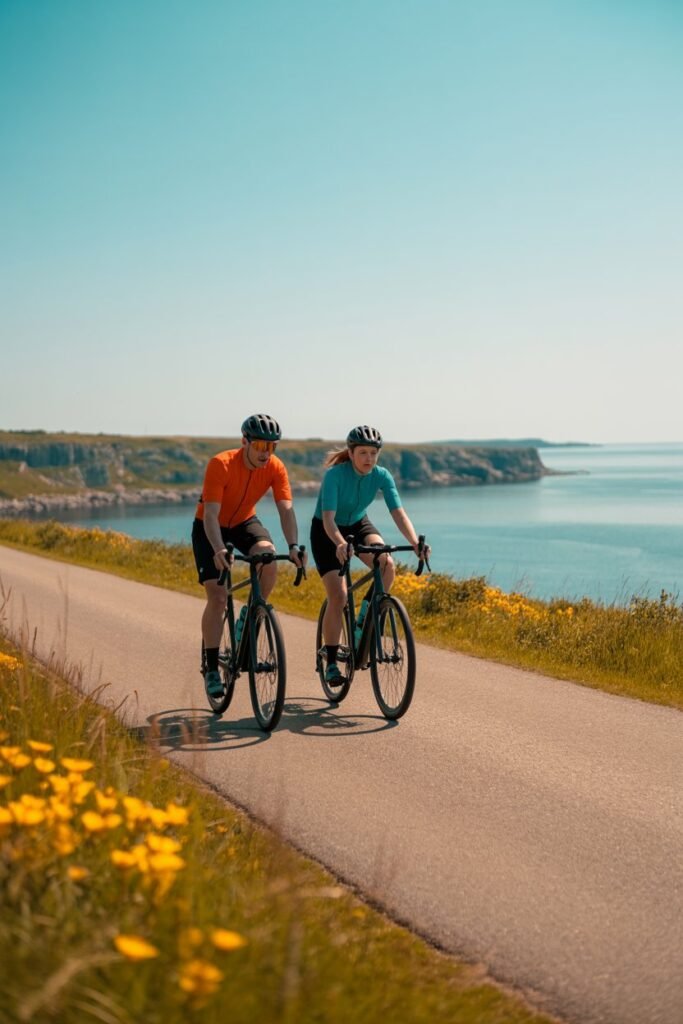
The gem of cycling, the Helsingborg Coast is undoubtedly the Kattegattleden, Sweden’s first national cycling route designated specifically for tourism. This 370-kilometer trail passes right through Helsingborg as it winds along the western coast of Sweden from Helsingborg to Gothenburg. The Helsingborg section offers some of the most scenic stretches of the entire route, with great views of the Öresund Strait and the Danish coastline beyond.
If you want a shorter but equally great experience, the Råå to Domsten route provides a perfect day trip. This approximately 15-kilometer stretch north of Helsingborg follows the coastline through charming fishing villages and past beautiful beaches. The flat terrain makes it ideal for families and casual cyclists, while the numerous cafés and restaurants along the way offer perfect stopping points to rest and refuel.
Another popular option is the Helsingborg to Höganäs route, which continues north from Domsten for about 25 kilometers. This section features a mix of coastal views and rural landscapes, passing through artists’ colonies and craft centers that showcase the region’s creative heritage. The route is dotted with farm shops selling local produce, making it a favorite for culinary-minded cyclists looking to sample regional specialties.
For those interested in history and culture, the Helsingborg City Circuit connects major landmarks, including Kärnan Tower, the harbor area, and various parks and historical sites. This urban route offers a different perspective on the city and can be completed in a few hours, making it perfect for visitors with limited time who still want to experience cycling in Sweden.
Cycling the Helsingborg Coast: Rentals, Safety, and Weather
Safety should always be a priority when cycling in any new location. In Helsingborg, cyclists should be aware that while the city has excellent dedicated bike lanes, these paths often cross pedestrian areas, particularly along the waterfront. Maintaining moderate speeds and staying alert for pedestrians will ensure a safe experience for everyone. Helmets, while not legally required for adults in Sweden, are strongly recommended and widely used by locals.
For visitors without their own bicycles, rental options abound in Helsingborg. Several shops near the central station offer daily and weekly rentals of various bicycle types, including city bikes, touring bikes, and increasingly popular electric bikes that make longer routes accessible to more riders. Many accommodations also provide bicycle rentals or can arrange them for guests.
The optimal cycling season runs from late April through early October, with June through August offering the warmest temperatures and longest daylight hours. May and September are excellent alternatives If you like fewer tourists and more moderate temperatures. While winter cycling is possible, the shorter days and potential for icy conditions make it better suited to experienced cyclists with appropriate equipment.
When planning longer routes, cyclists should be aware that while services are generally plentiful along the main coastal paths, some stretches between towns may have limited facilities. Carrying water, snacks, basic repair tools, and weather-appropriate clothing is advisable. Most local bike shops can provide detailed route information and recommendations based on current conditions.
For those interested in guided experiences, several local companies offer cycling tours with knowledgeable guides who can enhance the journey with historical context and local insights. These tours range from brief city explorations to full-day coastal adventures, often including stops at significant cultural sites or local producers of food and crafts.
Frequently Asked Questions About Visiting Helsingborg
What is the nicest city in Sweden?
Stockholm and Gothenburg top most lists, but many travelers rate Helsingborg the nicest small city in Sweden for its hilltop Kärnan Tower, medieval Old Town, and waterfront looking across to Denmark. It is calmer than the big cities and easy to enjoy in a day or two, especially paired with the Kattegattleden coastal cycling route.
What is there to do in Helsingborg in a day?
With one day, climb Kärnan Tower for views across the Öresund to Denmark, explore the Old Town around Stortorget and St Mary’s Church, walk Kullagatan, and relax along the waterfront at Dunkers Kulturhus and Tropical Beach. If time allows, take the 20-minute ferry to Helsingør to see Kronborg Castle, the “Elsinore” of Shakespeare’s Hamlet.
Why is Helsingborg famous?
Helsingborg is famous as Sweden’s gateway to Denmark, sitting at the narrowest point of the Öresund Strait just 4 km from Helsingør. Its landmark is the 35-metre medieval Kärnan Tower, the last remnant of a castle that once controlled the strait. The city changed hands between Denmark and Sweden for centuries, giving it a distinctive blended heritage.
How do you get from Helsingborg to Denmark?
Frequent passenger ferries cross from Helsingborg to Helsingør, Denmark every 15–30 minutes, taking about 20 minutes. Foot-passenger fares are roughly SEK 60–120 one way. It’s one of the easiest international day trips in Scandinavia — many visitors pop over to see Kronborg Castle and return the same afternoon.
How much should you budget for a Helsingborg trip?
Mid-range hotels run about SEK 1,100–1,800 per night (hostels SEK 350–600). Budget roughly SEK 120–200 for lunch and SEK 180–350 for dinner. Bike rentals are SEK 150–300 per day (e-bikes SEK 300–450), and Kärnan Tower tickets are modest, often under SEK 100. In summer, prebook popular activities and tower slots.