Last updated: September 2026
This guide contains affiliate links. As an Amazon Associate we earn from qualifying purchases — at no extra cost to you.
Estimated reading time: 22 minutes
Table of Contents
- Planning Your Alaska Trip
- Why Visit Alaska?
- Key Destinations & Itinerary Highlights
- Alaska Vacation Planning & Itinerary Creation
- Alaska Travel Tips for 2026
- Frequently Asked Questions about Alaska
Where Should You Go for the First Time in Alaska?
Alaska is America’s last great frontier — a vast wilderness of glaciers, towering mountains, and living Indigenous cultures, best visited between June and August for long daylight hours, open trails, and peak wildlife. This Alaska travel guide for 2026 covers when to go, where to focus your time (Southeast, the Interior, and the Kenai Peninsula), how to build a realistic itinerary, what a trip costs, and what to pack.
You can see this for yourself. Click here to jump to watch Wonders of Alaska in UHD 4K Resolution.
Why Visit Alaska: Wilderness, Culture & Seasonal Travel Tips
Immense Land and Wilderness
Alaska spans more area than the United Kingdom, Germany, Japan, and France combined, yet is home to only about 730,000 people, fewer than a single city like San Antonio, Texas. This makes Alaska one of the most sparsely populated regions in the world, offering visitors a true wilderness experience that’s increasingly rare in our modern world. With 663,000 square miles of territory, Alaska provides unique adventures due to its vast, unspoiled nature.
The state contains 17 of the 20 highest peaks in North America, more than three million lakes, and 34,000 miles of coastline. Over 50% of the world’s glaciers are found here, creating a landscape that feels both ancient and alive. This is a place where nature still rules and humans are merely visitors.
Appeal for All Traveler Types
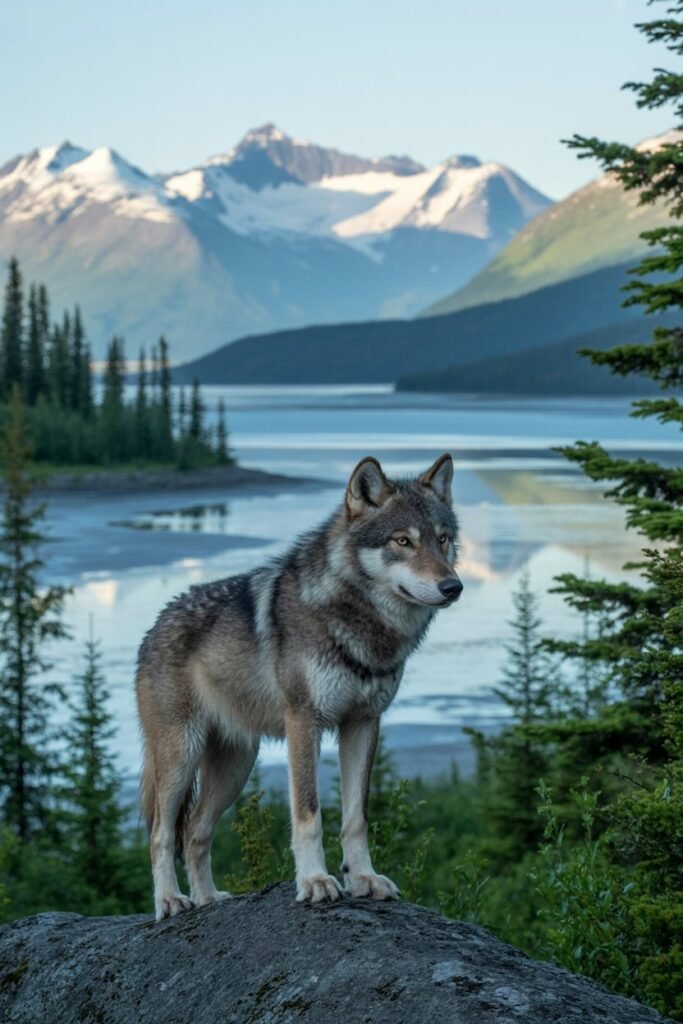
Nature lovers flock to Alaska for its pristine national parks, old-growth rainforests, and some of the world’s last great salmon runs. In places like Tongass National Forest, visitors can wander through the largest temperate rainforest in the United States, while Denali National Park offers outstanding wildlife viewing opportunities.
Adventure seekers are drawn by activities like glacier hiking, kayaking among icebergs, and the chance to witness the Northern Lights dancing across winter skies. If you want a Northern Lights experience, Alaska’s interior regions offer some of the best viewing opportunities in the world.
Culture enthusiasts can explore lively Indigenous traditions, Russian Orthodox heritage, and historic Gold Rush towns that tell the story of Alaska’s rich and complex history. From the Tlingit culture in Southeast Alaska to Russian influences in places like Sitka, the cultural mix of Alaska is as diverse as its landscapes.
Best Time to Visit Alaska, Seasonal Highlights
Planning Tip
Summer (June–August) brings the famous Midnight Sun, with nearly endless daylight in northern regions. This is peak season for wildlife viewing, with bears fishing for salmon, whales breaching in coastal waters, and moose wandering through meadows — a good pair of waterproof binoculars is the one thing you’ll regret leaving behind, whether you’re watching from a cruise deck or the shore. Summer also offers the best access to hiking trails, glacier tours, and fishing opportunities. Temperatures typically range from 60°F to 80°F (15°C to 27°C), though coastal areas tend to be cooler.
Fall (September) showcases spectacular autumn foliage as the tundra turns golden and crimson. With fewer tourists, this shoulder season offers a more peaceful experience of Alaska’s beauty. Fall also marks the beginning of the Northern Lights viewing season, particularly in late September when skies begin to darken. The famous Mendenhall Glacier, just a short drive from downtown, stretches over 13 miles
Winter (October–March) transforms Alaska into a snowy wonderland perfect for viewing the Aurora Borealis, especially in places like Fairbanks. This is also the time for dog sledding adventures, skiing, and ice fishing. While temperatures can drop below -40°F (-40°C) in interior regions, coastal areas like Juneau have milder winter temperatures.
What should I pack for an Alaska trip?
Pack a merino base layer, an insulating fleece mid-layer, a packable rain jacket, and waterproof hiking boots. Coastal Alaska is wet and cool year round: the layer-up system handles temperatures that shift all day, and dry, grippy boots carry you across trails, glaciers, and rainy town streets. The base layer comes in a men’s and a women’s set.
The Alaska kit
Wet, cool, and changeable year round, Alaska comes down to these four.
- A merino base layer set — the warmth-to-weight winner for layering (men’s & women’s)
- An insulating fleece mid-layer — traps heat between your base and shell, and packs small
- A packable rain jacket — coastal Alaska is wet year-round; this folds into its own pocket
- Waterproof hiking boots — grippy and dry for trails, glaciers and rainy town days
As an Amazon Associate we earn from qualifying purchases.
Key Alaska Destinations & Regional Itinerary Highlights
Juneau: Alaska’s Unique Capital
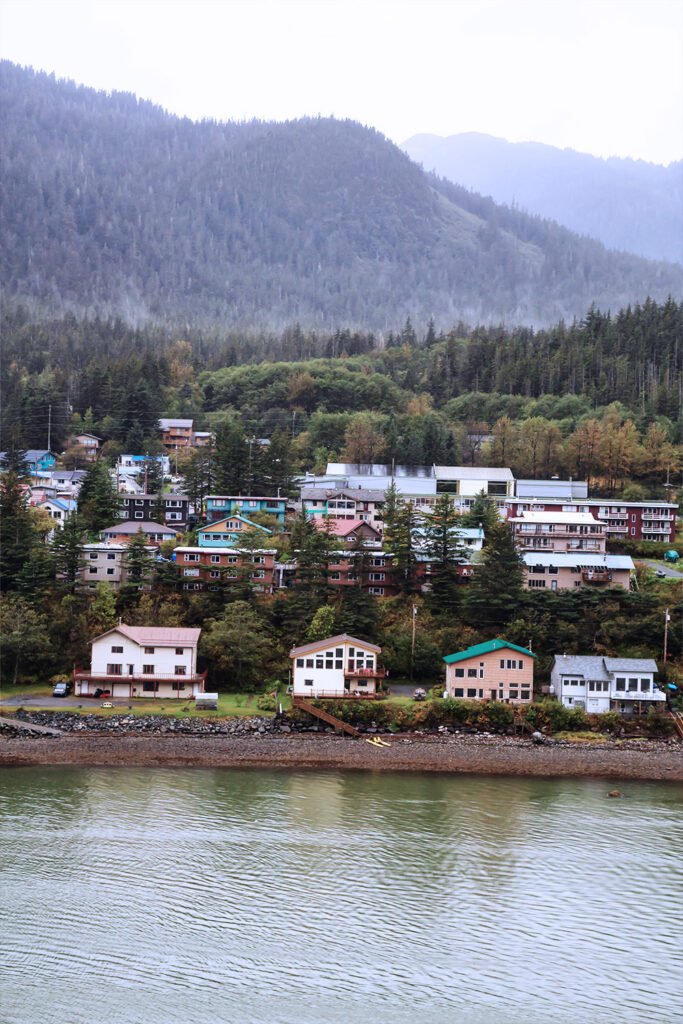
Unlike most capitals, Juneau is only accessible by boat or plane, giving it the feeling of a remote frontier town despite being the heart of Alaskan governance. Set among towering mountains and the impressive Gastineau Channel, Juneau serves as a gateway to some of Alaska’s most beautiful natural wonders.
The famous Mendenhall Glacier, just a short drive from downtown, stretches over 13 miles from the Juneau Ice Field. Visitors can hike trails leading right to the face of the glacier or kayak among icebergs in the glacier’s crystal-clear lake. If you want more remote glacial experiences, Taku Glacier, one of the few advancing glaciers in the world, offers boat and plane tours over its massive 36-mile expanse.
Tracy Arm & Endicott Arm Fjords
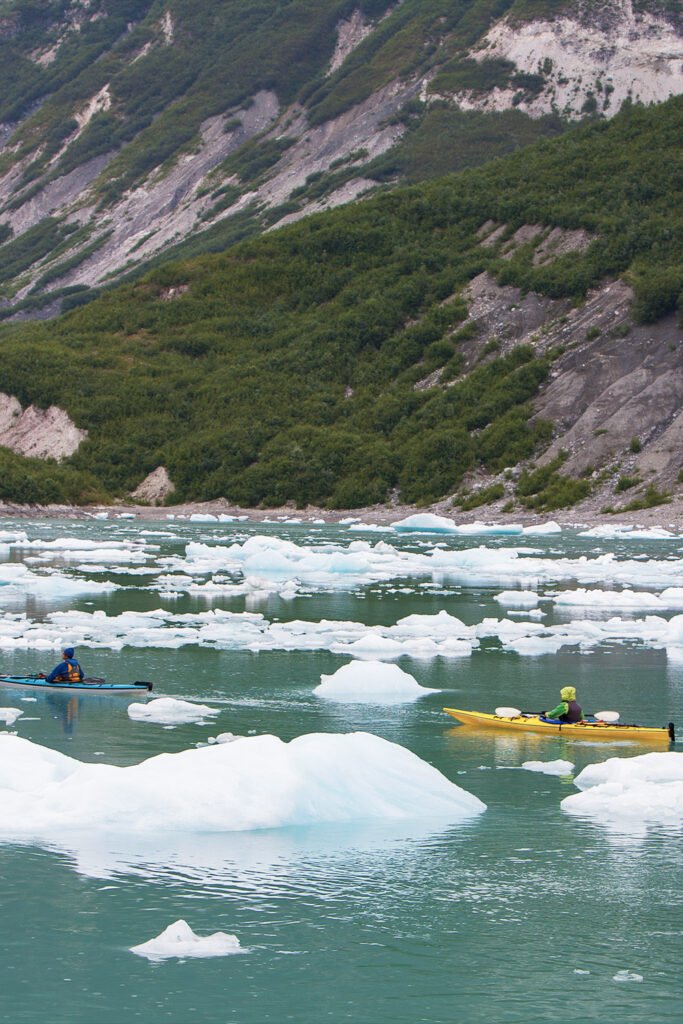
Just 45 miles south of Juneau, the Tracy Arm and Endicott Arm Fjords present some of Alaska’s most dramatic landscapes. These narrow fjords are flanked by steep cliffs where cascading waterfalls plummet into icy waters below. As you journey deeper, you’ll be surrounded by towering glaciers and calm waters dotted with uniquely blue icebergs.
The highlight here is the Sawyer Glaciers, where lucky visitors can witness massive chunks of ice calving into the water, a impressive sight that captures the raw power of nature. Wildlife sightings often include harbor seals, bald eagles, and occasionally bears along the shoreline.
Sitka: Where Cultures Blend
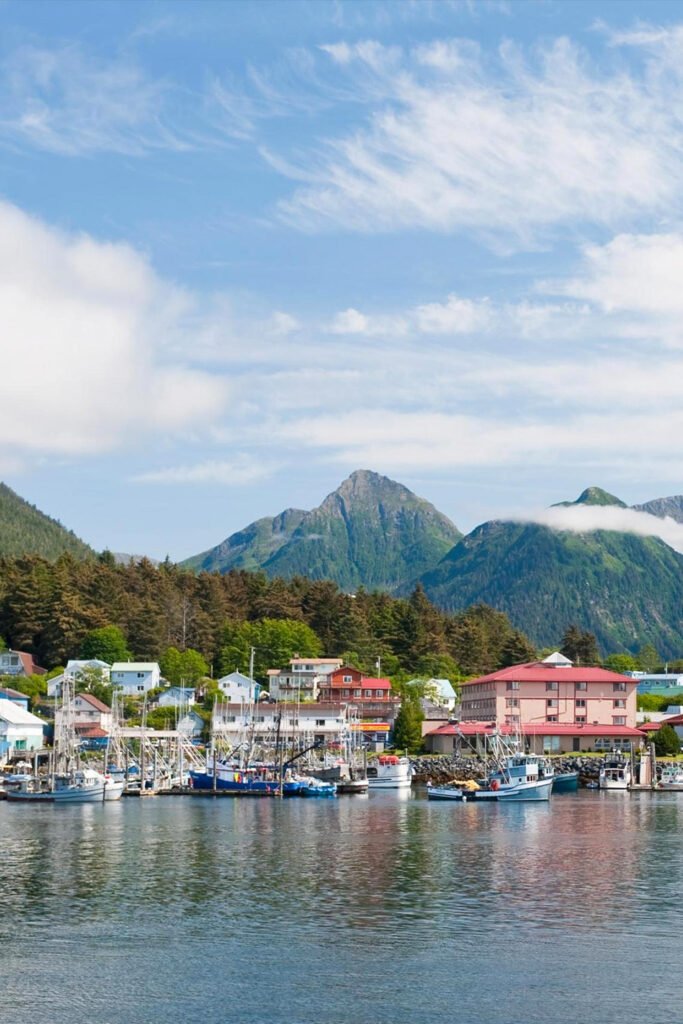
Once the capital of Russian America, Sitka holds an intriguing mix of Russian heritage and Indigenous Tlingit culture. Set among volcanic mountains and rainforests, this coastal town offers beautiful ocean views and excellent opportunities to see marine wildlife up close, with sea otters and humpback whales.
Historical landmarks like Saint Michael’s Cathedral and the rustic remains of Russian forts give visitors a glimpse into the complex history of this region. The Sitka National Historical Park preserves the site of a battle between invading Russians and indigenous Tlingit people, featuring a collection of totem poles set along scenic coastal trails.
Skagway: Gold Rush Heritage
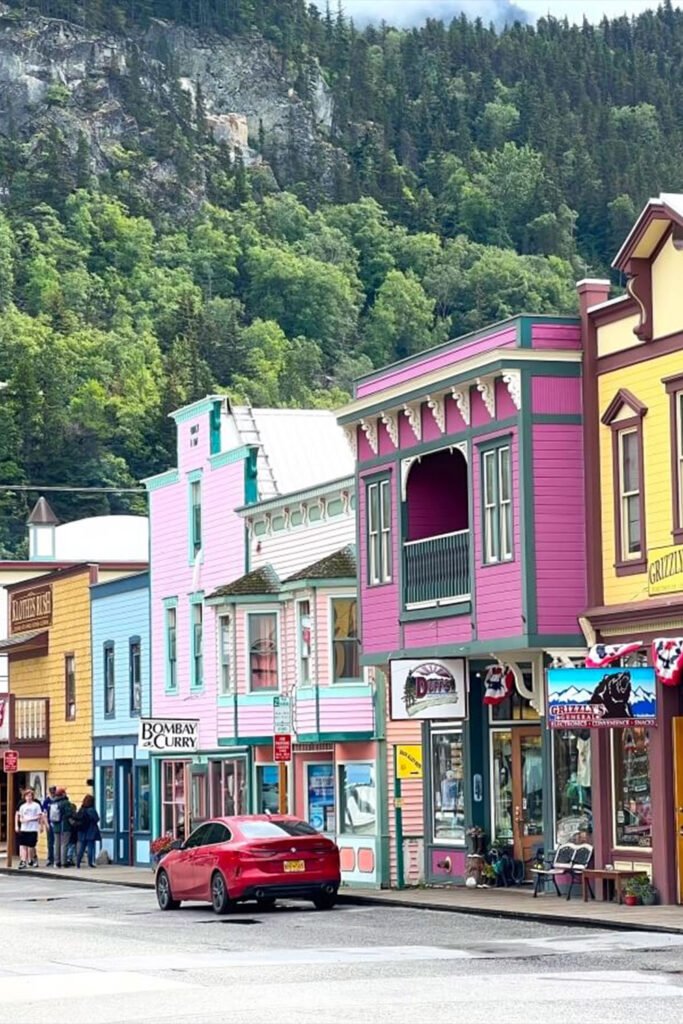
Skagway, a historic town at the northern tip of Alaska’s Inside Passage, served as the gateway for thousands of gold seekers during the Klondike Gold Rush. Today, its well-preserved downtown area looks much as it did in the 1890s, with wooden boardwalks and colorful false-front buildings.
The famous White Pass and Yukon Route Railroad offers scenic mountain vistas as trains wind along cliffs and through deep valleys. Hikers can also explore the iconic Chilkoot Trail, the same challenging path used by gold seekers over a century ago, leading through pristine landscapes rich with wildlife and beautiful viewpoints.
Ketchikan & Tongass National Forest
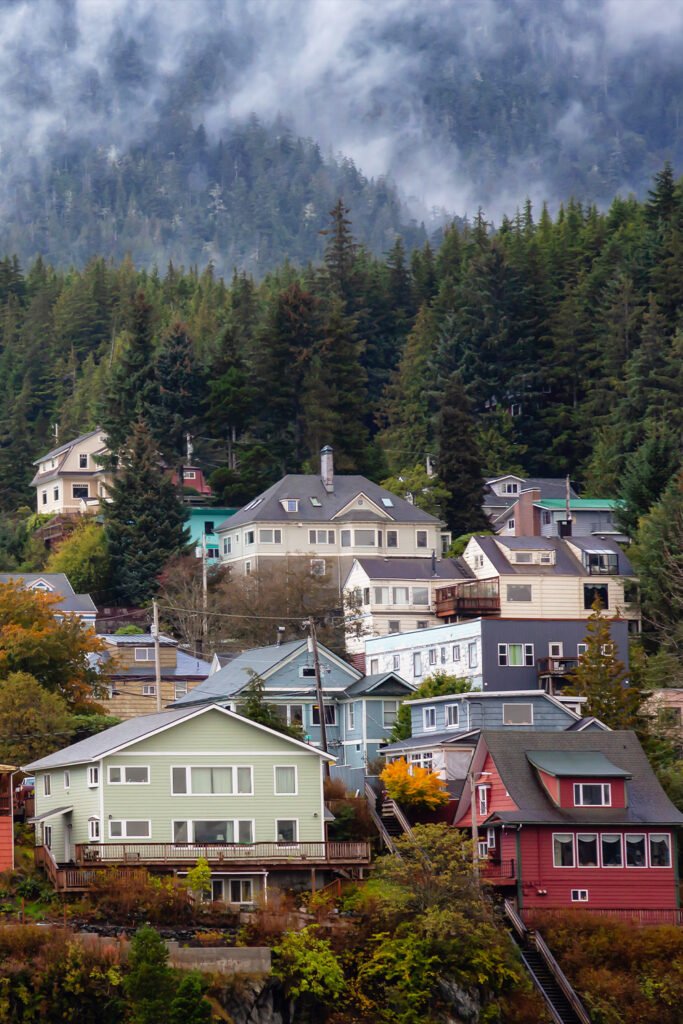
Known as Alaska’s “First City” for being the initial stop for many northbound travelers, Ketchikan is famous for its rich indigenous culture and the world’s largest collection of standing totem poles. Strolling along Creek Street, the town’s historic boardwalk, visitors find colorful wooden buildings that once served as a lively red-light district during the Gold Rush era.
Ketchikan sits at the edge of the massive Tongass National Forest, a 16.7-million-acre temperate rainforest teeming with wildlife including black bears, wolves, and bald eagles. Within Tongass, destinations like Misty Fjords National Monument reveal impressive cliffs and waterfalls where mist rises from the dense forest, creating an ethereal landscape.
Valdez: Switzerland of Alaska
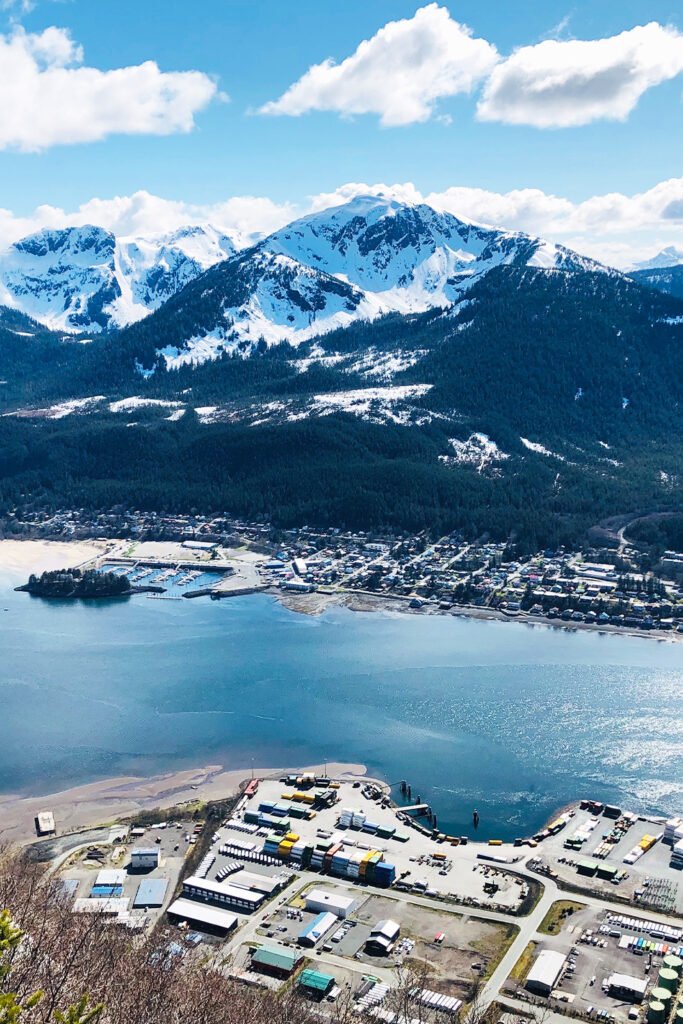
Known as the “Switzerland of Alaska,” Valdez is a small town surrounded by towering mountains, pristine glaciers, and one of Alaska’s most scenic harbors. This destination for outdoor enthusiasts offers everything from glacier trekking to top-quality fishing.
One of Valdez’s most beautiful spots is Keystone Canyon, where dramatic cliffs rise high above waterfalls that cascade year-round. The canyon’s most famous waterfalls, Bridal Veil Fall and Horsetail Falls, create magical scenery perfect for photographers. Nearby, Thompson Pass is Alaska’s snowiest area, drawing winter sports enthusiasts with its deep powder and impressive alpine vistas.
Seward Alaska & Kenai Fjords National Park 2026 Travel Highlights
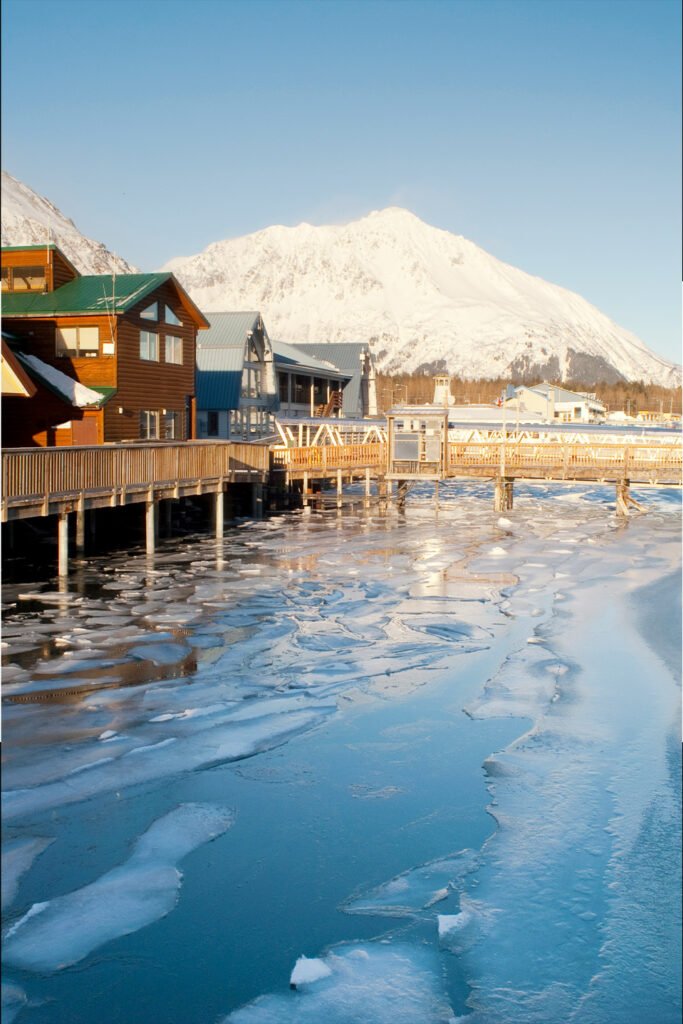
Seward, a charming coastal town Set the edge of Resurrection Bay, serves as the gateway to Kenai Fjords National Park. This park is renowned for its vast icy landscapes carved by ancient glaciers and teeming with marine wildlife.
One of the park’s most memorable experiences is hiking the Harding Icefield Trail. This challenging trek leads through thick forests and up steep slopes to sweeping views of the Harding Icefield, a massive expanse of ice stretching over 700 square miles. The glacier-fed waters of Resurrection Bay also make Seward a prime destination for whale watching and kayaking among icebergs surrounded by towering cliffs.
Anchorage & Girdwood
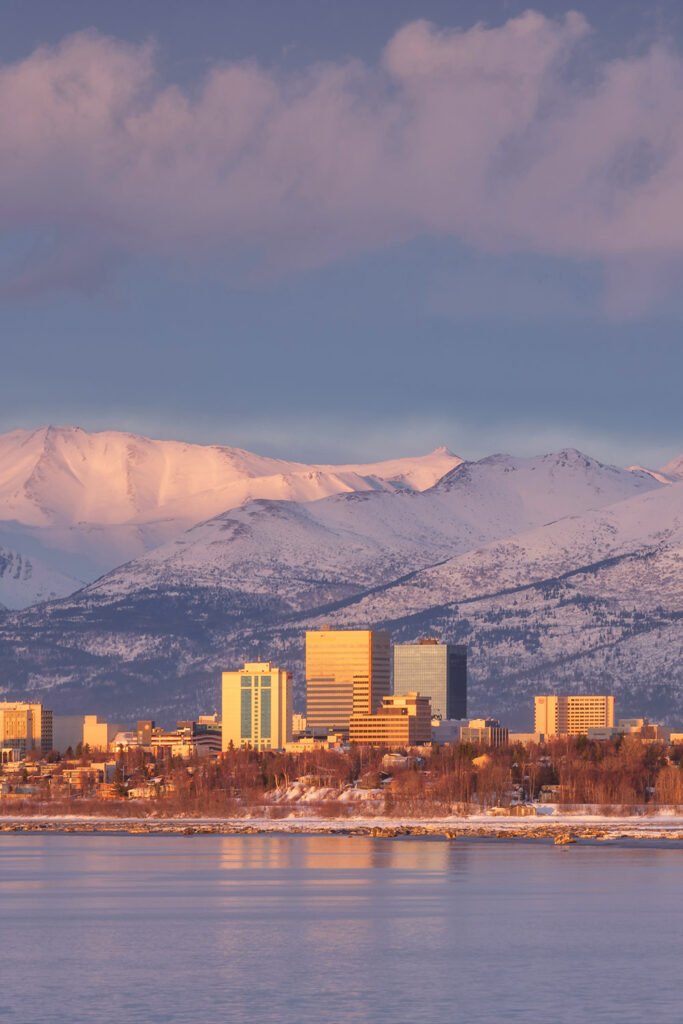
As Alaska’s largest city, Anchorage offers visitors a unique opportunity to experience both urban amenities and outdoor adventure. With towering mountains visible from downtown streets and over 100 miles of trails within the city limits, Anchorage serves as a perfect base for exploring Alaska’s wild beauty.
Just south lies Girdwood, a charming mountain town known for year-round adventures. In winter, Alyeska Resort offers some of the best skiing in Alaska, while summer brings opportunities for hiking, mountain biking, and scenic tram rides with wide views. Following the iconic Seward Highway, travelers can experience Turnagain Arm, one of Alaska’s most impressive coastal drives, famous for its dramatic tides and potential beluga whale sightings.
Homer & Kachemak Bay
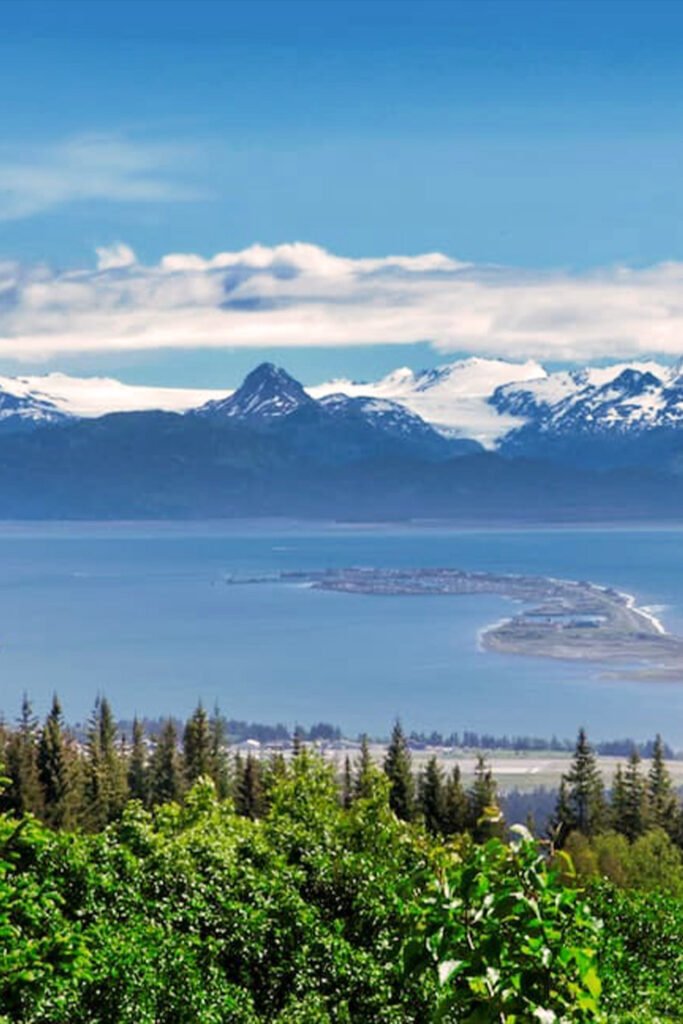
At the southern tip of the Kenai Peninsula lies Homer, often called the “Halibut Fishing Capital of the World.” The town’s charm lies in its coastal views where mountains meet the sea. The iconic Homer Spit, a narrow strip of land extending 4.5 miles into Kachemak Bay, offers visitors unique local shops, art galleries, and beachside trails.
Homer serves as a gateway to Kachemak Bay State Park, a untouched wilderness accessible only by boat or plane. Here, visitors can hike through alpine meadows, kayak along protected coves, and observe wildlife like sea otters, seals, and bald eagles against a backdrop of glaciers and mountains.
Palmer & Hatcher Pass
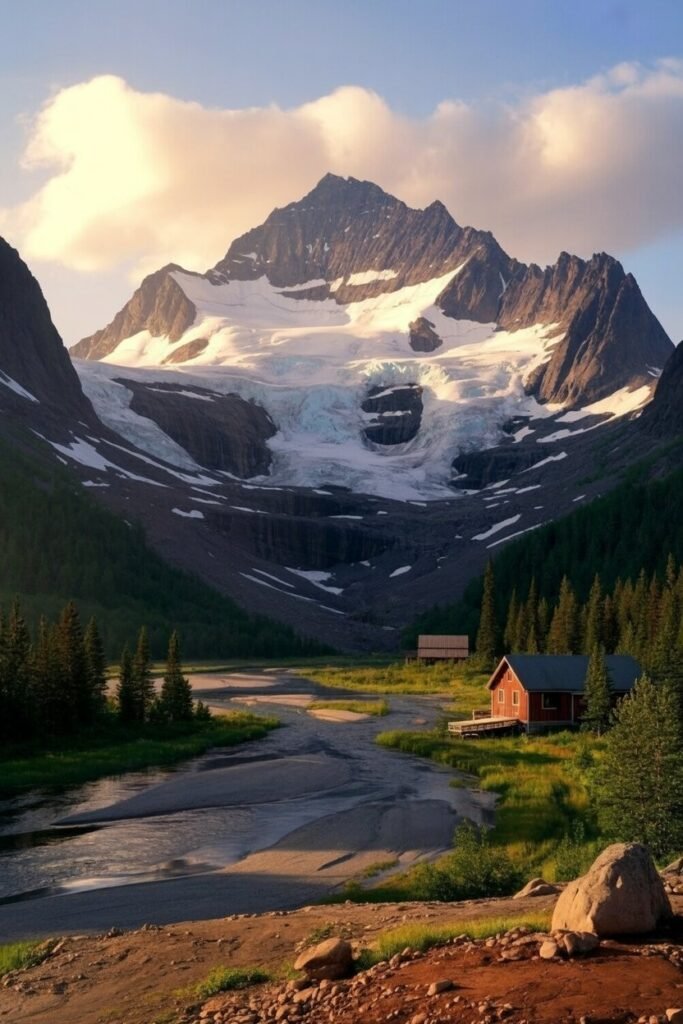
In the Matanuska Valley, one of Alaska’s most scenic agricultural regions, lies Palmer, a small town with a rich history tied to Alaska’s early farming pioneers. Set against a backdrop of towering peaks, Palmer’s fertile lands produce famously giant vegetables thanks to the long summer daylight hours.
Just a short drive from Palmer, Hatcher Pass offers an alpine destination with impressive trails and mountain views. The remnants of the Independence Mine, an old gold mining site, provide a glimpse into Alaska’s Gold Rush past amid beautiful scenery. In summer, wildflowers blanket the area, while winter transforms it into a snowy wonderland ideal for skiing and snowshoeing.
Talkeetna & Denali National Park
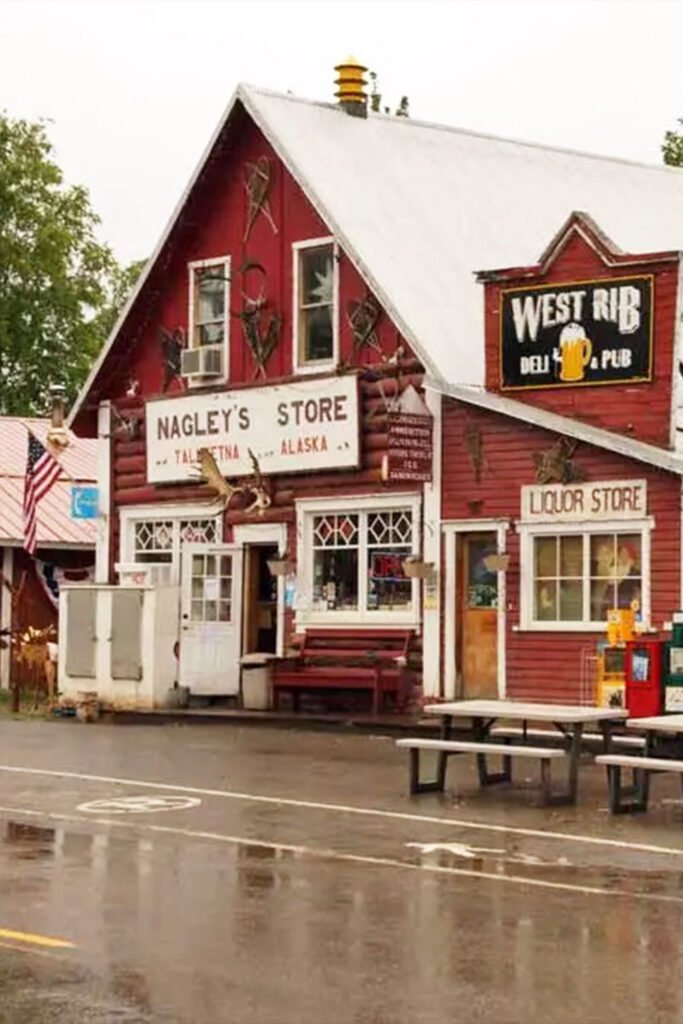
Talkeetna, a charming town with a distinct personality, serves as the gateway to Denali National Park. This rustic small town combines genuine Alaska character with incredible opportunities for outdoor activities. One of Talkeetna’s main draws is its access to impressive mountain views, particularly the chance to take scenic flights that soar above glaciers and the towering peaks of Denali, North America’s tallest mountain.
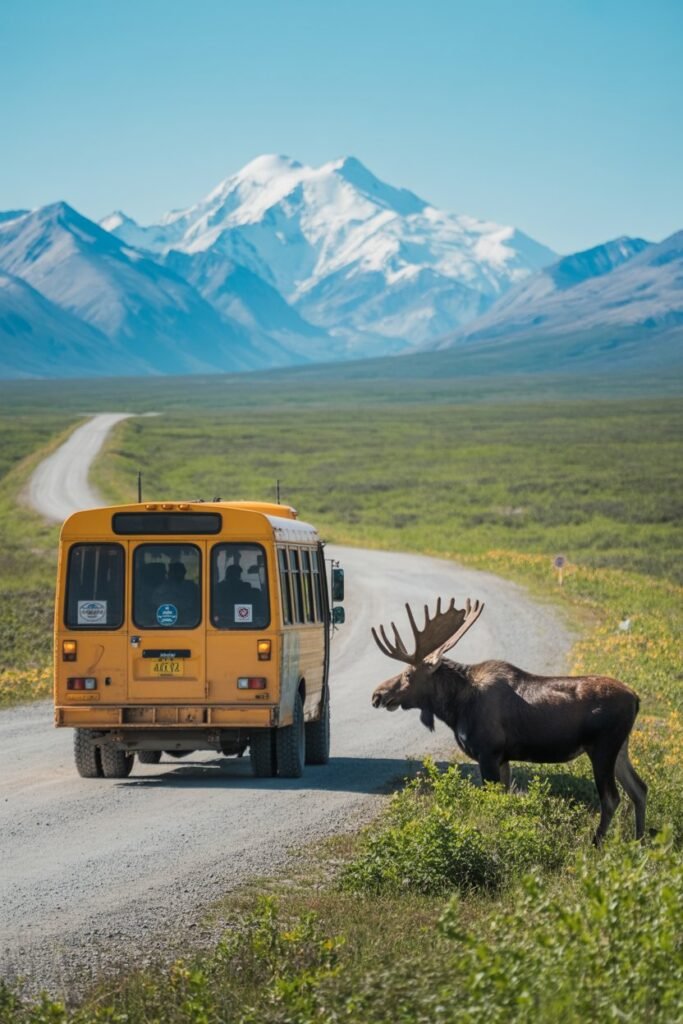
Denali National Park itself spans over 6 million acres of untouched Alaskan wilderness. The park’s diverse ecosystems range with taiga forests and alpine tundra, providing habitats for an array of wildlife, including grizzly bears, moose, and caribou. The Park Road winds 92 miles into the wilderness, revealing beautiful mountain vistas and wildlife viewing opportunities, while numerous hiking trails offer more intimate connections with this magnificent landscape.
Fairbanks Alaska Travel 2026 & Chena Hot Springs Northern Lights
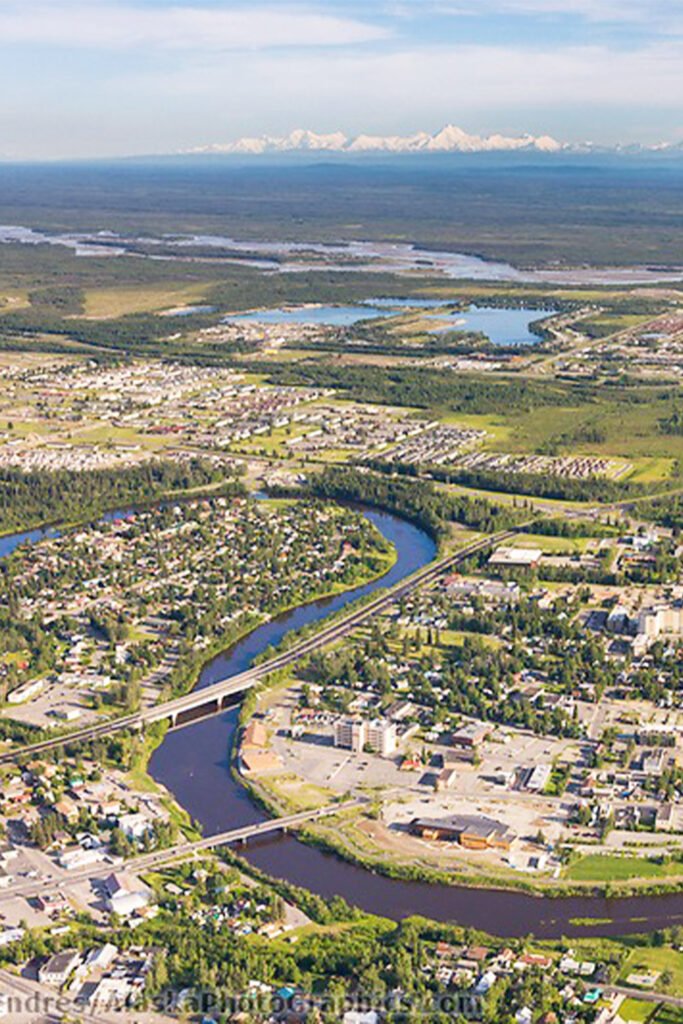
Fairbanks, Alaska’s gateway to the Arctic, experiences extreme seasonal contrasts that create unique visitor experiences. In summer, the city basks in nearly endless daylight under the Midnight Sun, while winter transforms it into a snowy wonderland where the Northern Lights dance across the sky, making it one of the best aurora viewing locations in the world. To catch the lights sharply you’ll want a lightweight travel tripod for the long night exposures — even phone night modes need one to stay steady in the cold.
Just a hour outside lies Chena Hot Springs, a peaceful retreat famed for its natural geothermal hot springs. Visitors can soak in naturally heated pools surrounded by snowy wilderness in winter or thick green scenery in summer. Chena is also a prime Northern Lights viewing spot in winter, allowing guests to relax in warm waters under the ethereal glow of the Aurora Borealis, an experience similar to what you might find in Norway’s Lofoten Islands.
Dalton Highway & Beyond
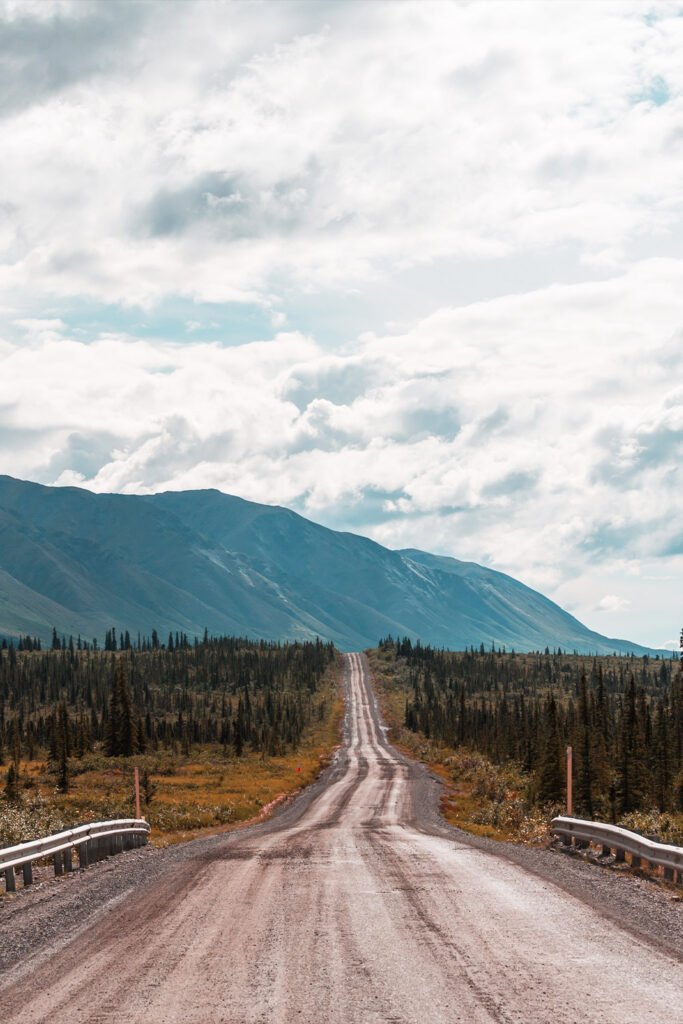
For true adventurers, the Dalton Highway provides one of North America’s most rugged and remote road trips. This 414-mile route stretches from Fairbanks all the way to the Arctic Ocean, passing through some of Alaska’s most untamed wilderness. Built primarily as a supply route for the Trans-Alaska Pipeline, the highway remains a challenging journey that crosses the Arctic Circle and traverses endless tundra, towering mountains, and the winding Yukon River.
Beyond the road system, places like Katmai National Park offer extraordinary experiences for those willing to travel by plane or boat. Katmai is famous for Brooks Falls, where brown bears gather to catch salmon mid-leap, one of Alaska’s most iconic wildlife viewing opportunities. The park is home to about 2,200 brown bears and offers hiking, fishing, and kayaking through untouched wilderness.
Alaska Vacation Planning Guide & Sample Itinerary
Sample Alaska Travel Itinerary
Creating the perfect Alaska travel itinerary requires balancing urban experiences with wilderness adventures. Here’s a sample 14-day itinerary that combines Alaska’s highlights:
- Days 1-2: Anchorage, Explore Alaska’s largest city, visit the Alaska Native Heritage Center, and hike the Tony Knowles Coastal Trail. Use this time to adjust to Alaska and prepare for your adventures.
- Days 3-4: Seward & Kenai Fjords, Drive the scenic Seward Highway to this coastal town. Take a full-day cruise into Kenai Fjords National Park to see glaciers, whales, and marine wildlife. Hike to Exit Glacier or try kayaking in Resurrection Bay.
- Days 5-7: Denali National Park, Journey north to experience North America’s highest peak. Take the park shuttle bus deep into the wilderness for wildlife viewing and beautiful mountain vistas. Consider a flightseeing tour for an aerial perspective of this magnificent landscape.
- Days 8-9: Fairbanks, Explore Alaska’s interior city. Visit the Museum of the North, take a riverboat tour on the Chena River, and possibly catch the Northern Lights if traveling in late summer or winter.
- Days 10-14: Southeast Alaska, Fly to Juneau to experience Alaska’s capital. Take a helicopter tour to Mendenhall Glacier, visit Tracy Arm Fjord, and potentially add stops in Sitka or Ketchikan to round out your Southeast Alaska experience.
This itinerary can be adjusted based on your interests, Outdoor adventures, cultural experiences, or a mix of everything Alaska offers. For those interested in similar arctic experiences, consider also exploring Svalbard in Norway on a future trip.
One of the most common questions travelers ask is about the Alaska trip cost in 2026. On average, visitors should budget at least $300 per day for mid-range travel, though luxury lodges, flightseeing tours, or remote excursions can raise costs significantly.
Transportation Logistics
Alaska’s vast size and limited road system make transportation planning crucial to your vacation success:
- Air Travel: Most visitors arrive via Anchorage or Fairbanks international airports. For reaching remote destinations like Katmai or Kodiak, small bush planes are often the only option.
- Road Travel: Renting a car or RV gives you flexibility in the road-connected parts of Alaska (Anchorage to Fairbanks, Denali, and the Kenai Peninsula). Be prepared for long distances between services.
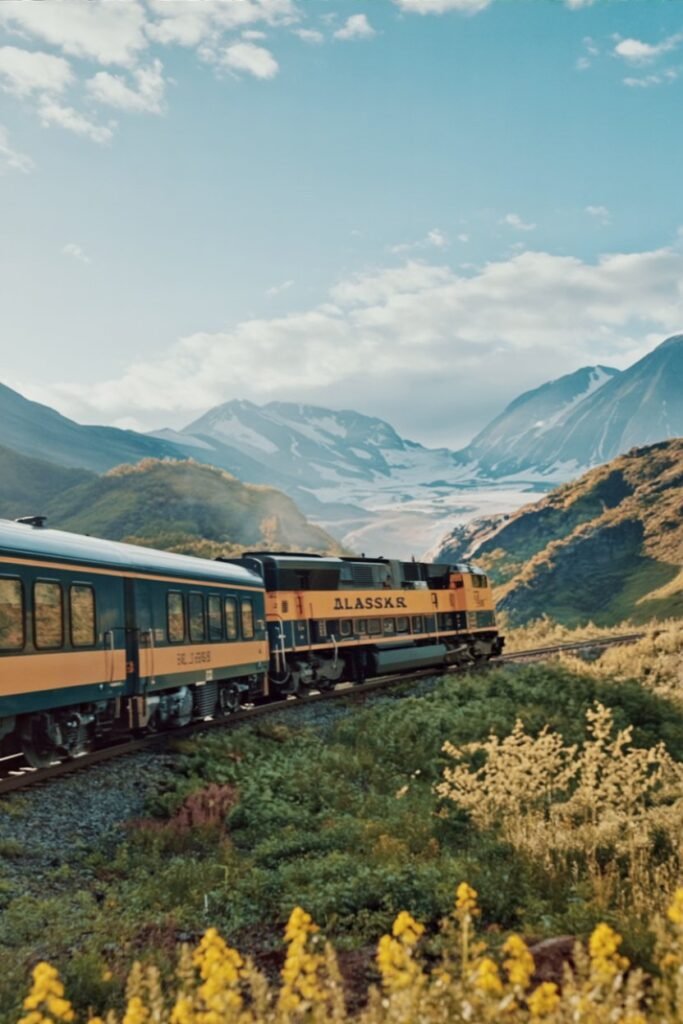
- Alaska Railroad: The iconic Alaska Railroad connects Seward, Anchorage, Talkeetna, Denali, and Fairbanks, offering a scenic alternative to driving.
- Alaska Marine Highway: This ferry system serves as the “highway” for many coastal communities, particularly in Southeast Alaska where few roads exist.
- Cruise Ships: Many visitors experience Alaska via cruise ships, particularly the Inside Passage, which includes stops at Juneau, Skagway, and Ketchikan.
Accommodation Options
Alaska offers diverse lodging options to suit various travel styles:
- Hotels & Lodges: Available in major cities and tourist hubs, with options ranging with basic accommodations and luxury wilderness lodges.
- Cabins & Vacation Rentals: Provide a more authentic Alaskan experience, often in scenic locations.
- Camping & RV Parks: Alaska’s numerous campgrounds range from developed sites with amenities to remote backcountry options for more adventurous travelers.
- Wilderness Lodges: Often accessible only by plane or boat, these remote accommodations offer immersive experiences in pristine settings, but require booking many months in advance.
If you like everything pre-arranged, Alaska vacation packages combine lodging, tours, and transport, a convenient way to experience highlights without handling all the logistics yourself.
Safety Considerations
Alaska’s wild nature requires special safety preparations:
- Wildlife Safety: Learn proper behavior for bear encounters and carry bear spray when hiking. Maintain safe distances from all wildlife, including moose, which can be surprisingly dangerous.
- Wilderness Preparedness: Always inform someone of your hiking or backcountry plans. Carry emergency supplies and know basic wilderness survival skills.
- Weather Awareness: Weather can change rapidly in Alaska. Dress in layers and be prepared for conditions to shift from sunshine to rain or snow, even in summer.
- Communication: Cell service is limited outside urban areas. For remote hikes and backcountry drives, a satellite communicator lets you message or call for help with no signal — many travelers prefer owning one to renting.
Alaska Travel Tips 2026: Packing, Weather & Booking Advice
There are several important things to know before visiting Alaska, from how quickly the weather can change to the need for early tour bookings and proper wildlife safety gear.
Essential Packing for Alaska Adventures
Preparing for Alaska’s variable conditions requires thoughtful packing. Your Alaska travel tips checklist should include:
- Layered Clothing: The key to comfort in Alaska’s changeable weather. Pack moisture-wicking base layers, insulating mid-layers, and waterproof outer layers.
- Quality Footwear: Waterproof hiking boots with good traction for trails, plus comfortable walking shoes for towns and cities.
- Rain Gear: A must in coastal areas like Southeast Alaska, where precipitation is common year-round.
- Sun Protection: The Midnight Sun means extended daylight hours in summer. Bring sunscreen, sunglasses, and a hat even if you don’t expect hot weather.
- Insect Repellent: Alaska’s summer brings mosquitoes, particularly in tundra regions.
- Binoculars & Camera: Essential for wildlife viewing and capturing Alaska’s spectacular scenery.
- Safety Equipment: Bear spray for hiking, a basic first-aid kit, and navigation tools if venturing into backcountry areas.
Weather Planning Strategies
Alaska’s climate varies dramatically by region and season:
- Coastal Areas (Southeast, Southcentral): Tend to be mild but wet. Summer temperatures typically range from 55-75°F (13-24°C), with frequent rain showers.
- Interior (Fairbanks, Denali): Experiences greater temperature extremes. Summer can see 80°F (27°C) days, while winter regularly drops below -20°F (-29°C).
- Arctic (North of the Brooks Range): The coldest region, with brief summers and long, harsh winters.
- Microclimates: Weather can vary significantly within short distances due to Alaska’s diverse topography. Be prepared for rapid changes, especially when hiking in mountain areas.
Check local forecasts daily and be flexible with your plans, as weather can dictate which activities are possible on any given day. For those used to hiking in northern regions, Alaska’s weather patterns may feel familiar, though often more extreme.
Tour Booking Recommendations
Alaska’s popularity as a destination makes advance planning crucial:
- Timing: Book popular tours and accommodations 6-12 months in advance, especially for prime summer dates (June-August).
- Glacier & Wildlife Tours: These sell out quickly, particularly boat tours in Kenai Fjords and flightseeing tours around Denali.
- Fishing Charters: If you’re hoping to catch Alaska’s famous salmon or halibut, secure your spot early, especially during peak runs.
- National Park Lodging: Accommodations near or within parks like Denali have limited capacity and fill up fast.
- Bear Viewing: Tours to prime locations like Brooks Falls in Katmai National Park should be booked as soon as they become available.
Best Timing for Activities
Aligning your visit with the right seasons for your preferred activities will maximize your experience:
- Wildlife Viewing:
- Bears: Late June to early September, with July and August best for salmon-feeding bears.
- Whales: May through September for humpbacks and orcas along the coast.
- Caribou migrations: Late August/September in Arctic regions.
- Fishing:
- King Salmon: Late May to early July
- Silver Salmon: July to September
- Halibut: June to August
- Northern Lights: Best from late August through April, with peak viewing often in March. The ideal conditions include clear, dark skies away from city lights, similar to viewing conditions in Sweden.
- Hiking & Outdoor Activities: Most trails are accessible from June through early September. Some high-country trails may remain snow-covered until July.
- Glacier Tours: Available throughout summer, with late May through September offering the most options.
Frequently Asked Questions about Alaska
What is the best time to visit Alaska for wildlife viewing and outdoor activities in 2026?
The best time to visit Alaska in 2026 for wildlife and outdoor activities is June to August. These months bring long daylight hours, open hiking trails, and abundant wildlife like bears, whales, and salmon runs. May and September are quieter shoulder months with fewer tourists and lower prices, while October to March is ideal for Northern Lights and winter sports.
How many days do I need for a complete Alaska travel itinerary?
To experience Alaska’s diversity across the Southeast coast, Interior (Denali, Fairbanks), and the Kenai Peninsula, plan for 10–14 days. This allows for regional travel, rest days, and weather flexibility. For shorter trips of 5–7 days, focus on one region to avoid excessive transit time.
What is the average budget for an Alaska trip in 2026?
The average Alaska trip cost in 2026 is around US$300–350 per person per day for mid-range travel, covering lodging, meals, local transport, and tours. Luxury lodges, flightseeing, or bear-viewing excursions can raise daily expenses, while camping or self-catering helps reduce costs.
What are the top tourist attractions in Alaska?
Alaska’s top attractions include Denali National Park and North America’s highest peak, Kenai Fjords and its tidewater glaciers, the Inside Passage towns of Juneau, Sitka, and Skagway, the Mendenhall Glacier, the Northern Lights around Fairbanks, and world-class wildlife viewing — bears, whales, and moose. Most visitors combine a few of these across the Southeast, Interior, and Kenai Peninsula.
What is the cheapest month to visit Alaska?
The cheapest time is the shoulder season — May and September — when cruise and lodging prices drop, crowds thin, and the weather is still good for wildlife and hiking. Winter (October to March) is cheapest overall, but many tours and roads close. Midsummer (June to August) is the most popular and the most expensive.