Estimated reading time: 15 minutes
Last updated: September 2026
Is There Anything to Do in Tallahassee?
Yes, plenty, despite its reputation as just a government town. Tallahassee offers the Florida State Capitol, the historic Mission San Luis, museums and the lively energy of two universities, FSU and FAMU. Its famous canopy roads, Cascades Park and nearby Wakulla Springs add outdoor appeal, and the Gulf Coast beaches are an easy day trip about 45 minutes away.
How We Built This Guide
This Tallahassee guide is based on official tourism data, government sources, and verified visitor experiences. All details were accurate at the time of writing, though we suggest checking with local attractions and services for current hours, admission fees, and seasonal closures before you go.
Want to explore Florida’s capital beyond the usual beach spots? Watch our Tallahassee travel guide in 4K Ultra HD.
Tallahassee became Florida’s capital in 1824 because it sat roughly halfway between St. Augustine and Pensacola, the state’s two major cities at the time. Lawmakers needed a neutral meeting spot. They picked a patch of land in the wilderness. No beaches. No ports. Just hills and pine forests.
The city remains Florida’s only major inland destination in the Panhandle. It sits 22 miles from the nearest Gulf beach. According to the U.S. Census Bureau, Tallahassee‘s population reached approximately 196,000 in 2024. That makes it smaller than Jacksonville or Miami, but its role as the state capital keeps it politically significant.
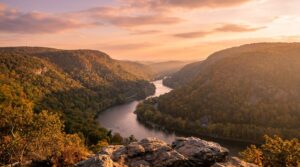
What sets Tallahassee apart? Rolling hills. Live oak canopy roads dripping with Spanish moss. Brick streets in historic neighborhoods. You won’t find this topography anywhere else in Florida. The landscape feels more like Georgia or Alabama than the Sunshine State’s typical flat coastal sprawl. College students from Florida State University and Florida A&M University pack the bars on Gaines Street. State workers fill downtown coffee shops during lunch breaks. Southern charm collides with college-town chaos.
Tallahassee offers history buffs Civil War battlefields and antebellum plantations. Nature lovers get state parks with sinkholes and underground springs. Foodies find farm-to-table restaurants and dive bars serving fried catfish. The Official Visit Tallahassee tourism website lists dozens of museums, trails, and cultural sites. untouched beaches at St. George Island and Apalachicola sit less than 90 minutes away. For detailed planning resources, check the City of Tallahassee official visitor information page.
Top Attractions and Things to Do in Tallahassee
Tallahassee’s top attractions include the Florida State Capitol complex, known for its 22-story observation deck, the Tallahassee Museum’s 52-acre wildlife preserve, and over 600 miles of canopy roads lined with centuries-old live oaks.
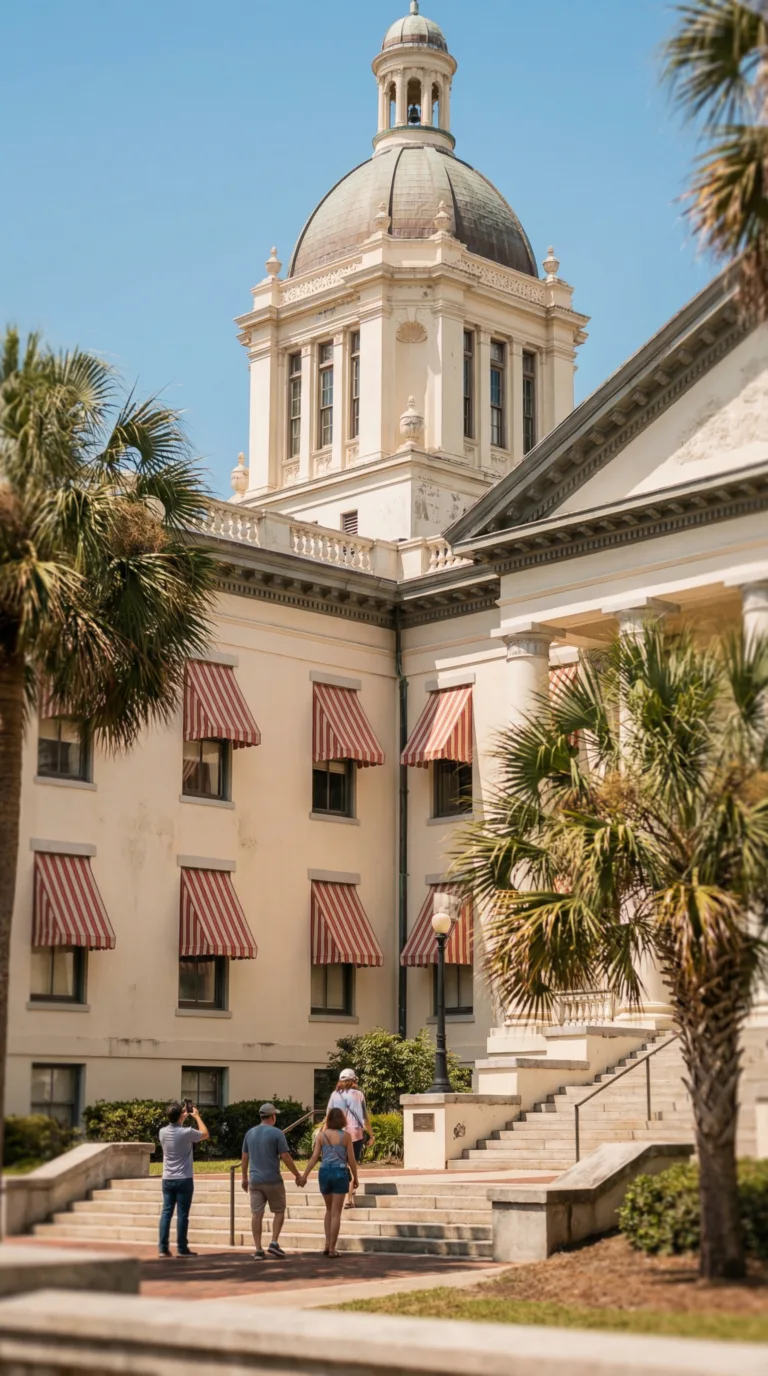
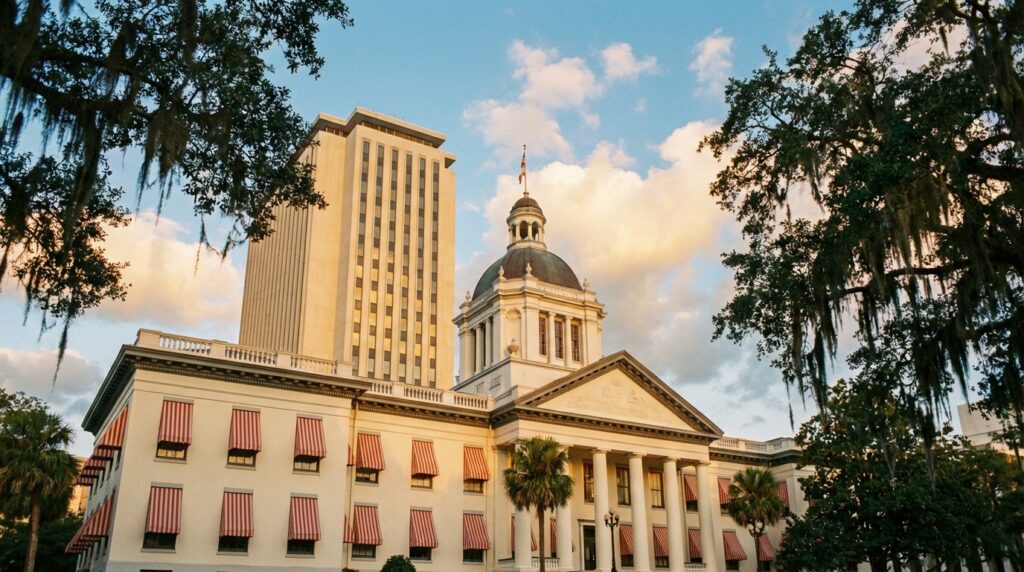
The Florida State Capitol complex anchors downtown. Two buildings tell the story. The restored 1902 Old Capitol wears red-and-white striped awnings like a candy cane. It’s a museum now. Free admission. The modern 22-story tower next door looks like every other government building from the 1970s, but ride the elevator to the 22nd floor. The observation deck is free and open weekdays. You can see Georgia on clear days. According to the Florida Department of State, over 100,000 visitors tour the Florida State Capitol official tour information complex annually.
The Tallahassee Museum sits three miles southwest of downtown on 52 acres of pine forest and wetlands. Not a traditional museum. It’s a wildlife preserve with boardwalk trails through the woods. You’ll see Florida panthers, black bears, red wolves, and alligators in naturalistic habitats. The museum houses over 40 native species. Historic buildings from the 1880s dot the property. A one-room schoolhouse. A plantation house. A working farm with heritage breed animals. They added a zip line course in 2015 if you want to fly through the canopy. Admission runs $15 for adults, $10 for kids.
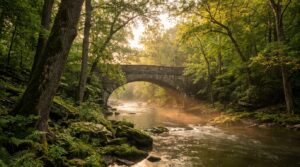
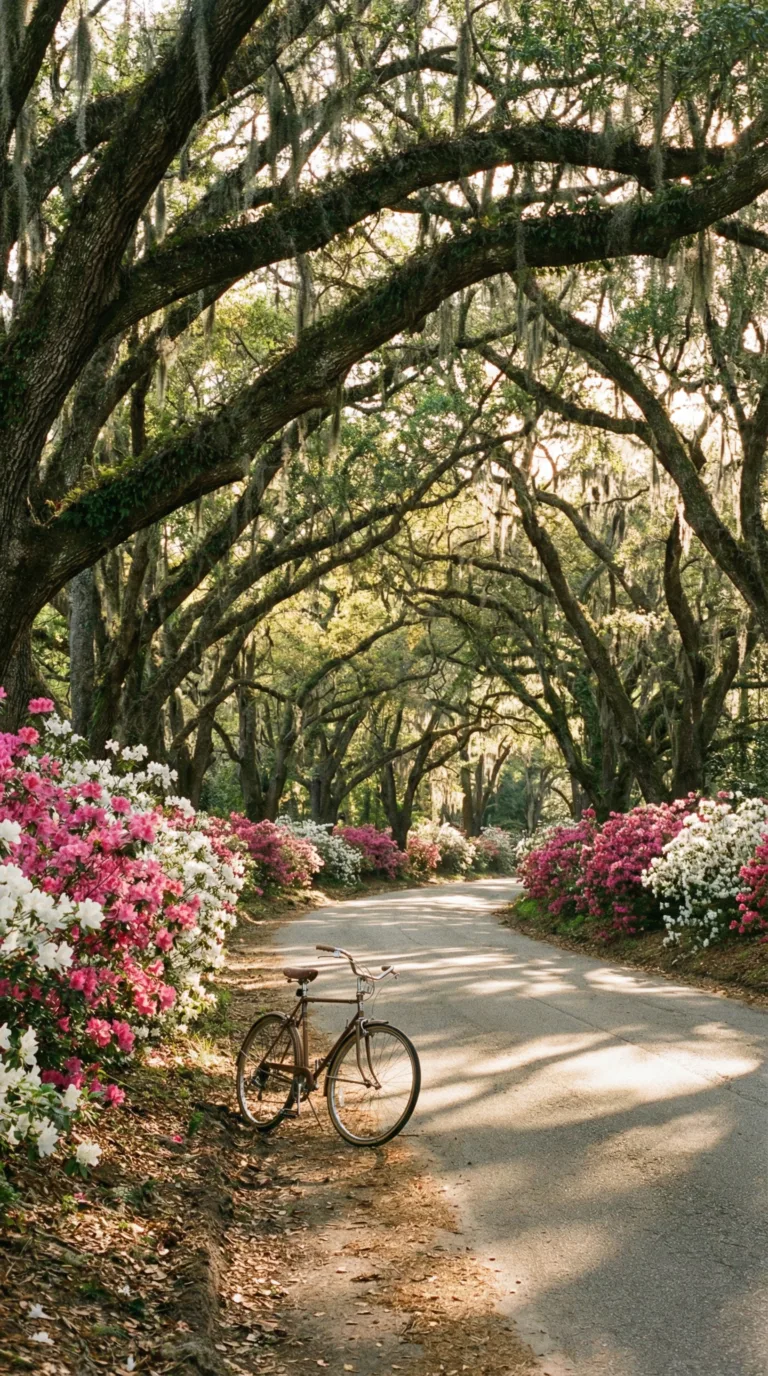
Tallahassee’s canopy roads deserve their own category. These aren’t normal streets. Live oaks planted in the 1800s arch over the pavement and touch in the middle, creating tunnels of shade and Spanish moss. The city protects over 600 miles of these roads by ordinance. You can’t cut the trees. Miccosukee Road, Old Bainbridge Road, Meridian Road, Centerville Road, and Old St. Augustine Road are the famous ones. Drive them in late afternoon when the light filters through the leaves. Bring a camera.
Planning Tip
Mission San Luis de Apalachee recreates a 17th-century Spanish mission on its original site. The Apalachee people lived here alongside Franciscan friars from 1656 to 1704. Archaeologists excavated the grounds, then rebuilt the council house, church, and fort based on what they found. Costumed interpreters demonstrate blacksmithing, cooking, and carpentry on weekends. The council house is the only reconstructed Apalachee building in existence. Round, thatched roof, 120 feet across. Admission is $5.
Alfred B. Maclay Gardens State Park offers 1,200 acres of hiking and biking trails around Lake Hall. The formal gardens bloom January through April with camellias and azaleas. Rent a kayak at Lake Ella downtown for $15 a hour, or drive 15 miles south to Wakulla Springs. The spring pumps 400,000 gallons per minute. Glass-bottom boat tours run daily.
Things to do in Tallahassee at night center on Railroad Square Art District. Converted warehouses hold galleries, a brewery, a meadery, and live music venues. First Friday art walks happen monthly. Cascades Park downtown has an amphitheater that hosts free concerts spring through fall. The park’s splash pad runs until sunset in summer.
Families head to the Tallahassee Zoo on Orange Avenue. Small operation, 52 acres, but they keep over 100 species including rhinos, tigers, and a Florida panther. Admission is $12 for adults. The Challenger Learning Center runs planetarium shows on weekends. $8 gets you a 45-minute program about constellations or space exploration.
Unique things to do in Tallahassee include touring the Governor’s Mansion on Tuesdays and Thursdays by reservation. Built in 1957, modeled after Andrew Jackson’s Hermitage in Tennessee. Florida State University’s campus venues host theater, dance, and symphony performances year-round. Student tickets start at $10.
Where to Eat in Tallahassee
Tallahassee’s restaurant scene features over 500 dining establishments ranging from traditional Southern barbecue joints to farm-to-table restaurants sourcing from North Florida’s agricultural region.
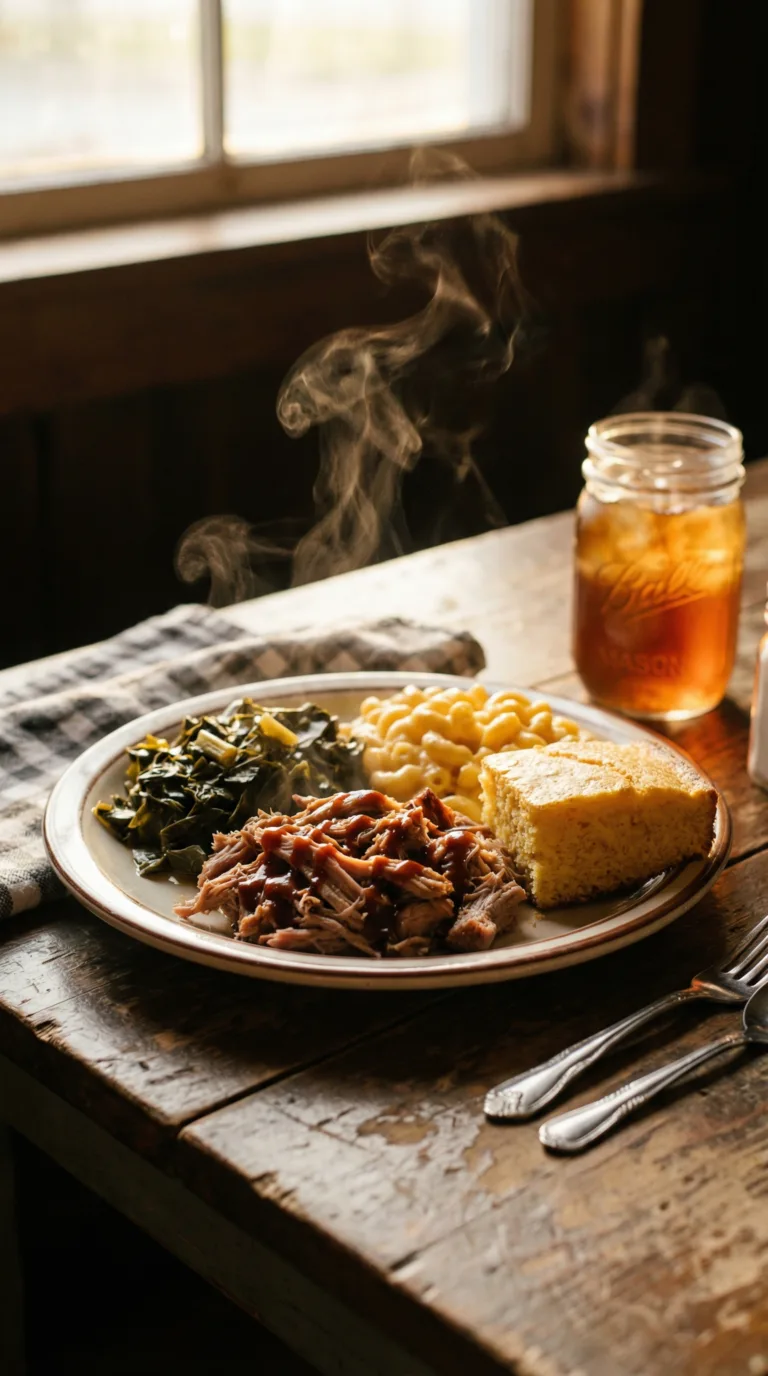
Tallahassee eats Southern. Pulled pork comes slow-smoked for 14 hours. Collard greens simmer with ham hocks. Mac and cheese arrives baked, not microwaved. The city’s barbecue tradition runs deep, search “bbq tallahassee” and you’ll find family-run smokehouses that have been turning out ribs since the 1970s. Expect vinegar-based sauces, not the thick molasses stuff. Plates cost $12–16 with two sides.
The college town factor adds range. Florida State and FAMU students want more than biscuits and gravy. You’ll find Vietnamese pho shops, Korean fried chicken spots, authentic Mexican taquerias. College Town, a modern mixed-use development near FSU, packs in breweries, ramen bars, and wood-fired pizza joints. Midtown offers an eclectic strip of Thai restaurants, burger shacks, and vegan cafes. Railroad Square’s artsy warehouse district hosts coffee roasters and farm-to-table bistros.
Gulf seafood shows up daily despite Tallahassee sitting 25 miles inland. Apalachicola oysters arrive raw on ice. Grouper gets blackened and served over cheese grits. Shrimp and grits, a Low Country staple, appears on half the brunch menus in town, usually with Tasso ham and a creamy sauce. Breakfast spots open at 6 a.m. to feed state workers and students. Expect lines on weekends.
Check the Visit Tallahassee restaurants directory for current menus and hours. Many locally owned spots close Sundays or Mondays.
Where to Stay in Tallahassee
Tallahassee offers approximately 6,000 hotel rooms across 80+ properties, with concentrations in downtown near the Capitol, along I-10 corridors, and near Florida State University campus.
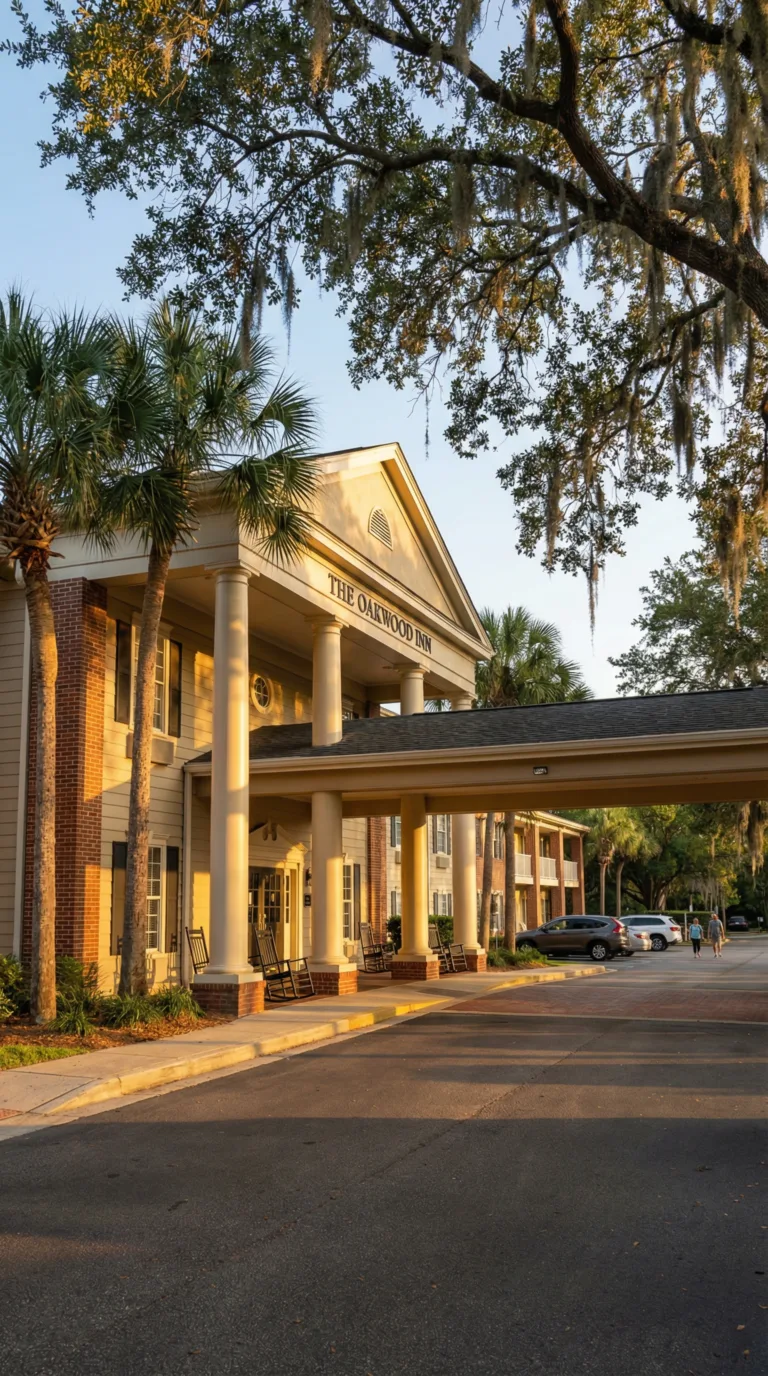
Tallahassee’s hotel market serves three main crowds: government workers, university visitors, and tourists passing through North Florida. That mix shapes what you’ll find. Downtown properties cater to business travelers and sightseers. You can walk to the Capitol, museums, and restaurants from most of them. Mid-range chains dominate this zone.
Tennessee Street and College Town put you near Florida State University. Parents visiting students book here. So do football fans. Game weekends transform this area, rates triple, availability vanishes. Book months ahead if you’re coming for a home game. The same goes for graduation week.
The I-10 corridor runs budget-friendly chains and extended-stay properties. Easy highway access. Good for families driving through or anyone prioritizing price over location. You’ll need a car to reach downtown attractions from here.
Midtown sits between downtown and the universities. Business hotels mix with longer-stay options. Central enough to reach everything in 10 minutes by car. Less walkable than downtown, but quieter.
Seasonal pricing hits hard. FSU football weekends spike rates 200-300%. Legislative session (March through April) fills downtown hotels with lobbyists and staffers. Summer and non-game weekends offer the best deals. Check the Visit Tallahassee hotels and accommodations portal for current availability and booking options.
Vacation rentals cluster in historic neighborhoods like Myers Park and Los Robles. Restored Victorian homes operate as bed-and-breakfasts. These work if you want character over convenience.
Getting to and Around Tallahassee
Tallahassee International Airport is located 5 miles southwest of downtown with daily flights to 5 major hubs, while StarMetro operates 34 bus routes throughout the city with fares starting at $1.25.
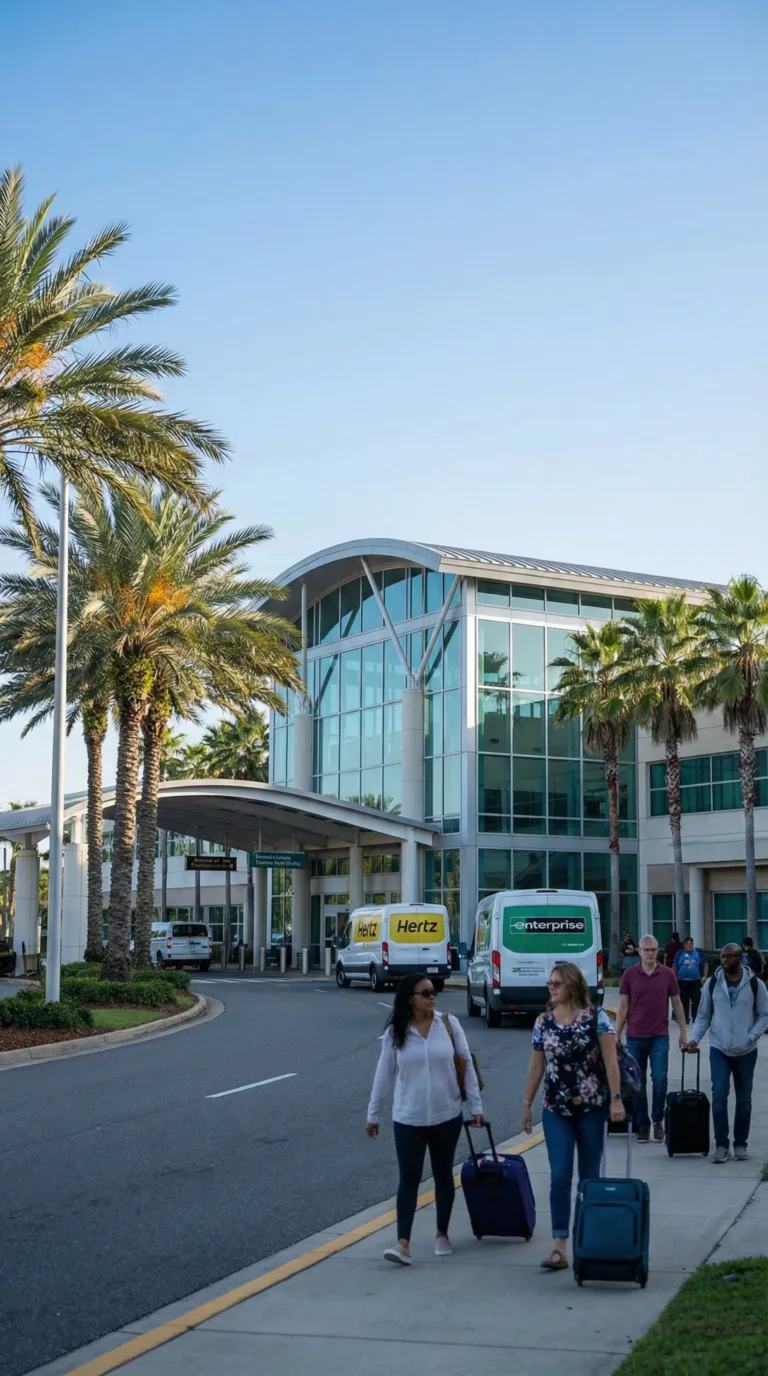
Tallahassee International Airport sits just 5 miles from downtown. Delta, American, and United connect through Atlanta, Charlotte, Dallas, and Miami. The airport handled 686,000 passengers in 2024 according to airport authority data. Small footprint means you’re in and out fast, no 30-minute terminal hikes here.
All major rental car companies operate on-site. Taxis line up outside baggage claim. Uber and Lyft pick up at designated zones. No public bus runs directly from the airport, so you’ll need wheels or a ride. Check Tallahassee International Airport for current ground transportation options.
Driving to Tallahassee puts you at the I-10 crossroads. Three hours from Jacksonville. Four from Orlando. Two and a half from Pensacola. A car is practically mandatory if you want to explore beyond downtown.
The city sprawls. Downtown is walkable, Capitol to museums covers maybe 10 blocks. Everything else scatters across miles of suburban roads. Public transit exists but won’t get you to most tourist spots efficiently.
StarMetro runs 34 bus routes with $1.25 fares per the City of Tallahassee. Students and locals use it daily. Evening and weekend service thins out considerably. StarMetro Route Maps & Schedules show the full network.
Biking works in the flat downtown core. Growing bike lane network. Bike-share stations pop up near campus and government buildings. Parking is easy compared to Miami or Tampa. Free street spots in many neighborhoods. Paid lots near the Capitol run $5 to $10 daily.
Day Trips from Tallahassee
Tallahassee sits just 22 miles from the Gulf of Mexico, with the closest beach at Bald Point State Park 36 miles away and resort beaches like St. George Island within 60-90 minutes’ drive.
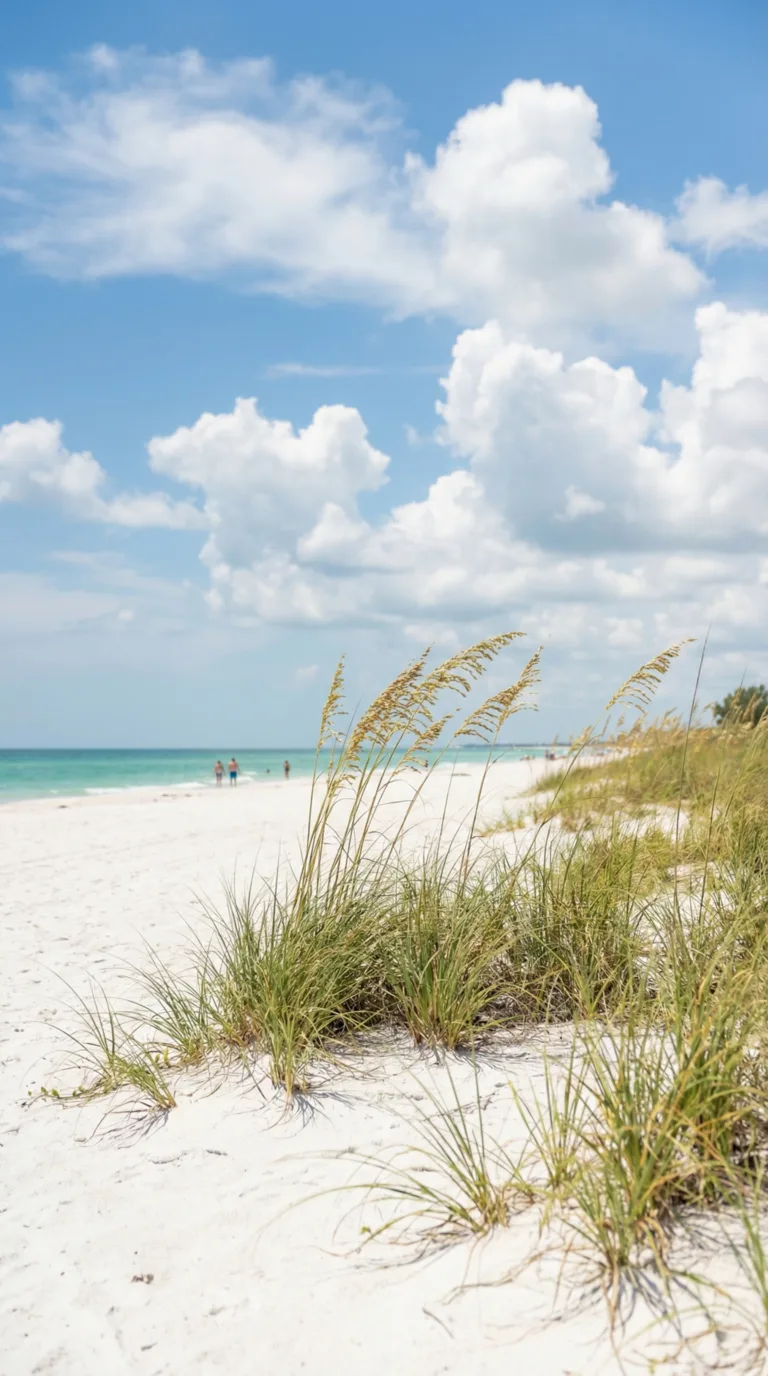
How far is Tallahassee from the beach? Closer than you think. The Gulf sits 22 miles away. Bald Point State Park at Mashes Sands is the nearest beach, 36 miles, 45 minutes south. It’s wild. No facilities. Just sand and water.
St. George Island is the nearest resort beach. 70 miles. 90 minutes. Sugar-white sand. Barrier island. Laid-back. No high-rises. Good swimming. Excellent shelling. Way less crowded than Destin or Pensacola. The Visit Florida official Forgotten Coast tourism information covers this entire stretch of undeveloped coastline.
Wakulla Springs State Park sits 15 miles south. One of the world’s largest and deepest freshwater springs. Glass-bottom boat tours show you the spring’s 185-foot depth. Manatees in winter. Alligators year-round. The historic lodge dates to 1937. Check the Wakulla Springs State Park official website with tour schedules and admission before you go, tours fill up on weekends.
Apalachicola is 80 miles west. 90 minutes. Charming fishing village. Famous for oysters, the bay produces 90% of Florida’s harvest, according to Visit Florida. Historic downtown. Gateway to the Forgotten Coast. Worth a full day.
Panama City Beach is 100 miles west. 1.5 hours. More developed. Attractions. Restaurants. Nightlife. Spring break crowds. Different vibe entirely.
For longer trips, Tallahassee works as a base for the Big Bend region. St. Augustine is 2.5 hours east, colonial history, forts, cobblestone streets. Jacksonville is 2.5 hours northeast, urban beaches, museums, the St. Johns River. Orlando is 4 hours southeast. Theme parks. Families extending their trip often tack on a few days there.
Tallahassee’s real advantage? Access to the Forgotten Coast. Less touristy. Fewer people. Real Florida.
When to Visit Tallahassee
Tallahassee experiences four distinct seasons with average temperatures ranging from 52°F in January to 82°F in July, with the best visiting weather occurring March through May and October through November.
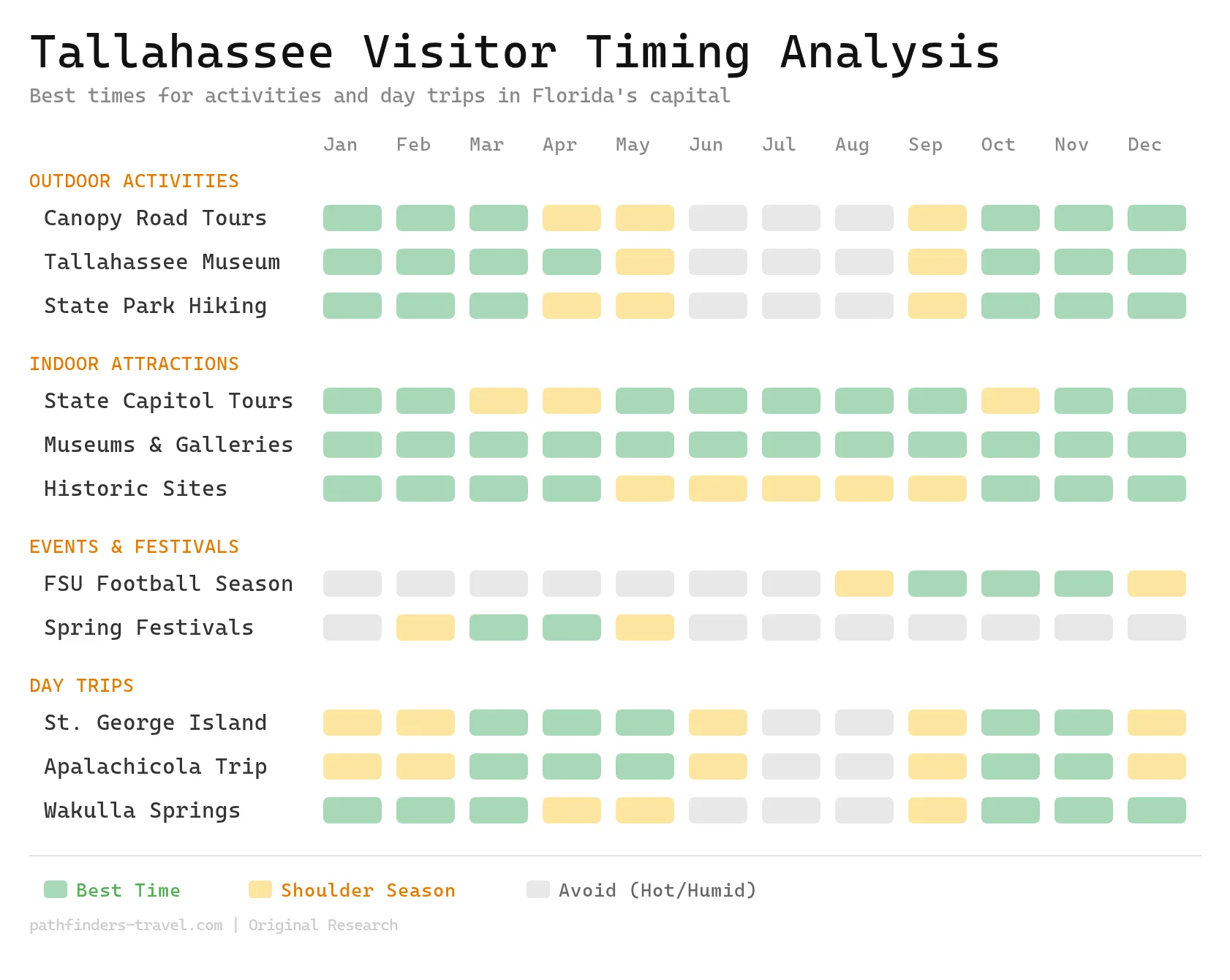
Tallahassee weather doesn’t follow the South Florida playbook. You get actual seasons here. Winters feel like winter. Summers get brutal. Spring and fall exist as real, distinct periods, not just theoretical concepts.
March through May delivers the best conditions. Temperatures sit between 65°F and 80°F. Azaleas explode in pink and white along the canopy roads. Dogwoods bloom across historic neighborhoods. According to the National Weather Service Tallahassee, March averages 4.8 inches of rainfall, manageable for outdoor plans. This is when locals actually want to be outside.
October and November work nearly as well. Temperatures drop to comfortable levels after the summer heat breaks. You’ll see fall colors, yes, even in Florida. FSU football season brings energy downtown. Game weekends mean packed restaurants and higher hotel rates, but the atmosphere makes up for it.
Summer hits hard. June through August pushes 85°F to 95°F with humidity that feels like breathing through a wet towel. Afternoon thunderstorms roll in like clockwork around 3 PM. Tourist numbers drop. Hotel rates follow. If you can handle the heat, you’ll save money and skip crowds.
Winter stays mild compared to anywhere north of Georgia. Expect 40°F to 65°F from December through February. Cold snaps happen, locals panic when it hits freezing. But most days you’ll wear a light jacket, maybe a sweater. The quiet season means empty museums and available parking.
Plan around major events. FSU football season (September through November) fills hotels fast. Book months ahead. The legislative session (March through April) brings government workers who reserve blocks of rooms. Springtime Tallahassee festival in late March or early April draws big crowds. Check the Visit Tallahassee events calendar before booking.
Pack layers regardless of season. Temperature swings happen daily. Bring a rain jacket year-round, those afternoon storms don’t care about your schedule. Sun protection matters even in winter. Comfortable walking shoes are non-negotiable for exploring historic districts.
Tallahassee Travel FAQs
Is Tallahassee a beach town?
No. Tallahassee sits inland in the Florida Panhandle. But it’s only 22 miles from the Gulf of Mexico. The nearest beach is Bald Point State Park, 36 miles away. You can drive there in 45 minutes. St. George Island, the closest resort beach, is 70 miles south, about 90 minutes. Tallahassee works well as a base for day trips to some of Florida’s quietest Gulf Coast beaches.
What is Tallahassee most known for?
Tallahassee is Florida’s state capital. The Florida State Capitol building and government offices dominate downtown. The city preserves significant history, including Mission San Luis de Apalachee and antebellum homes. Tallahassee’s canopy roads are famous, tree-lined streets where live oaks and Spanish moss form natural tunnels overhead. It’s also a college town. Florida State University and Florida A&M University shape the city’s culture. Unlike coastal Florida, Tallahassee sits in rolling hills and feels distinctly Southern.
How many days do you need in Tallahassee?
One to two days is enough to see Tallahassee’s main sights: the Florida State Capitol, Mission San Luis, a museum or two, and a drive along the canopy roads. Add a third day to explore the FSU and FAMU campuses, Cascades Park and downtown dining, or to take a day trip to Wakulla Springs or a Gulf Coast beach.
Why is Tallahassee the capital of Florida?
Tallahassee became Florida’s capital in 1824 as a compromise. At the time, Florida’s two major cities were St. Augustine on the east coast and Pensacola on the west. Tallahassee sat roughly midway between them. Travel was difficult and dangerous in the 1820s, so a central location made government operations possible. Representatives from both regions could reach it. Tallahassee has remained the capital ever since, even though Florida’s population shifted far south.
Is Tallahassee worth visiting?
Yes, especially if you like history, nature and Southern college-town culture rather than beaches. Tallahassee rewards visitors with the State Capitol, Mission San Luis, oak-canopied roads, FSU and FAMU events, and easy access to Wakulla Springs and quiet Gulf beaches. It makes a great stop on a Panhandle road trip or a relaxed long weekend.