
Estimated reading time: 15 minutes
Last updated: September 2026
What Is Naples Best Known For?
Naples is best known as the birthplace of pizza, the gateway to Mount Vesuvius and the ruins of Pompeii, and home to Europe’s largest UNESCO-listed historic centre. Italy‘s third-largest city, with a metropolitan population of over 3 million, sits just 9 kilometres from Vesuvius, Europe’s only active mainland volcano, which last erupted in 1944. It is famous for its chaotic energy, baroque churches and intense street food culture.
How We Researched Naples
This guide was built from official Naples tourism data, 4K documentary footage, and verified traveler reports. Details on attractions, costs, and logistics were accurate when written. Check local tourism websites for current hours and prices before visiting.
Want to experience Naples before you go? Watch our complete Naples travel film in 4K Ultra HD.
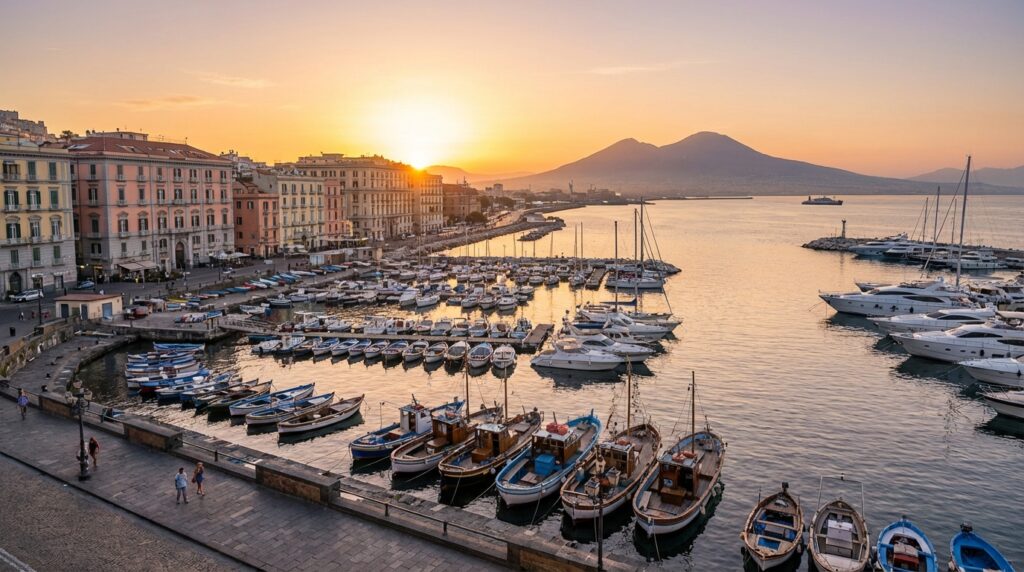
Naples (Napoli in Italian) exists in the literal shadow of Mount Vesuvius. The volcano looms over the city like a sleeping giant. Last eruption: 1944. Next eruption: nobody knows. The Vesuvius National Park monitors seismic activity constantly. The summit sits 9 kilometers from the city center, according to park data.
This is Italy’s third-largest city. The metropolitan area holds over 3 million people per the Italian National Institute of Statistics (ISTAT). Campania’s capital. A port city that sprawls along the Bay of Naples in southern Italy. Not polished like Florence. Not romantic like Venice. Naples is gritty. Chaotic. Real.
Laundry hangs between crumbling palazzi. Vespas scream through narrow alleys. Street vendors shout over the noise. Pizza was born here in the late 1700s. The city sits on 2,800 years of history, much of it literally underground. Ancient Greek tunnels snake beneath modern streets.
You come to Naples Italy for authentic southern Italian life. For pizza that costs €4 and tastes better than anything you’ll find in Rome. For day trips to Pompeii (buried by Vesuvius in 79 AD) and the Amalfi Coast. For churches stuffed with Caravaggio paintings and baroque excess. The Naples Official Tourism site calls it “intense.” That’s diplomatic. Naples doesn’t apologize for itself. You either get it or you don’t.
Top Attractions in Naples
Naples’ Historic Center is the largest in Europe, covering 1,700 hectares with over 2,500 years of history, and was designated a UNESCO World Heritage Site in 1995.
The Historic Center of Naples (Centro Storico) sprawls across 1,700 hectares according to UNESCO’s official listing. It’s the largest historic district in Europe. You’ll walk through a maze of narrow streets lined with baroque churches, crumbling palazzi, and laundry strung between buildings. Spaccanapoli cuts straight through the heart of it, a single street that slices the old city in half.
Naples Underground (Napoli Sotterranea) takes you 40 meters below street level into ancient Greek-Roman aqueducts. The Greeks carved these tunnels 2,400 years ago. During World War II, 4,000 Neapolitans sheltered here during Allied bombing raids. You’ll squeeze through tight passages holding a candle. Book ahead through the Naples Underground (Napoli Sotterranea) official tour booking site. Tours run hourly. Cost is €12 per adult.
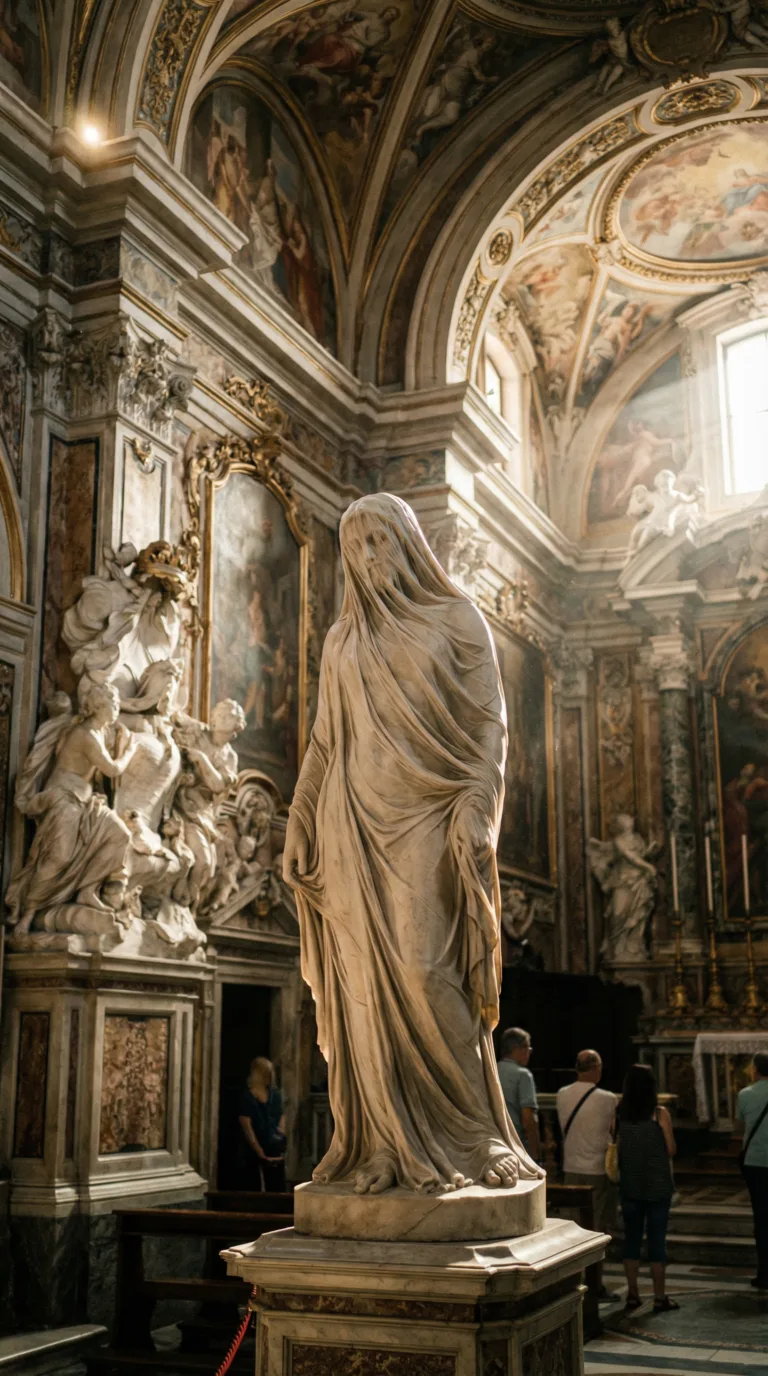
The Veiled Christ at Sansevero Chapel is an 18th-century marble sculpture that looks impossible. Giuseppe Sanmartino carved a transparent veil over Christ’s body in 1753. The marble veil drapes so realistically that people still debate whether he used alchemy to petrify real fabric. He didn’t. It’s just stone. The chapel is tiny, only 50 people allowed inside at once. Entry costs €10. Get tickets from the Official Sansevero Chapel Museum website to skip the line.
Santa Chiara Monastery hides a majolica-tiled cloister behind its Gothic facade. The church got bombed in 1943 and rebuilt in its original 14th-century style. The cloister survived. Hand-painted tiles from 1742 cover every bench and column with scenes of rural life and mythological figures. Entry is €8. The church itself is free.
The Royal Palace of Naples sits on Piazza Plebiscito, a massive neoclassical square that feels like a stage set. The palace has 30 royal apartments you can tour for €10. Next door is Teatro di San Carlo, Europe’s oldest continuously operating opera house (opened 1737). The square is free to walk across. Street performers work the space on weekends.
Castel dell’Ovo sits on a small island connected by a stone bridge. It’s Naples’ oldest standing fortification, Normans built it in the 12th century on Roman ruins. Entry is free. The views from the ramparts look across the Bay of Naples to Vesuvius. The name means “Egg Castle” because legend says Virgil hid a magical egg in the foundations.
Capodimonte Museum holds over 47,000 artworks according to official museum statistics. The collection includes Caravaggio, Titian, and Raphael. The museum sits in a former royal palace on a hill north of the center. The surrounding park covers 134 hectares. Entry costs €12. Take bus C63 from the train station. The Capodimonte Museum official website has current hours.
The Catacombs of San Gennaro are early Christian burial tunnels carved into volcanic rock. Frescoes from the 2nd century still cover some walls. Mosaics mark important tombs. You can only visit on a guided tour. Cost is €10. The catacombs are in the Sanità neighborhood, a 20-minute walk north of the Historic Center.
Diego Maradona’s face covers walls across Naples. The Argentine footballer played for SSC Napoli from 1984 to 1991 and led the team to its only two Serie A championships. Locals worship him like a saint. The stadium got renamed Stadio Diego Armando Maradona in 2020 after his death. The best murals are in Quartieri Spagnoli, a huge portrait covers a building facade on Via Emanuele de Deo.
Naples Neighborhoods to Explore
Naples’ Vomero neighborhood sits 200 meters above sea level, accessible via three historic funicular railways built between 1889 and 1891 that still operate daily.
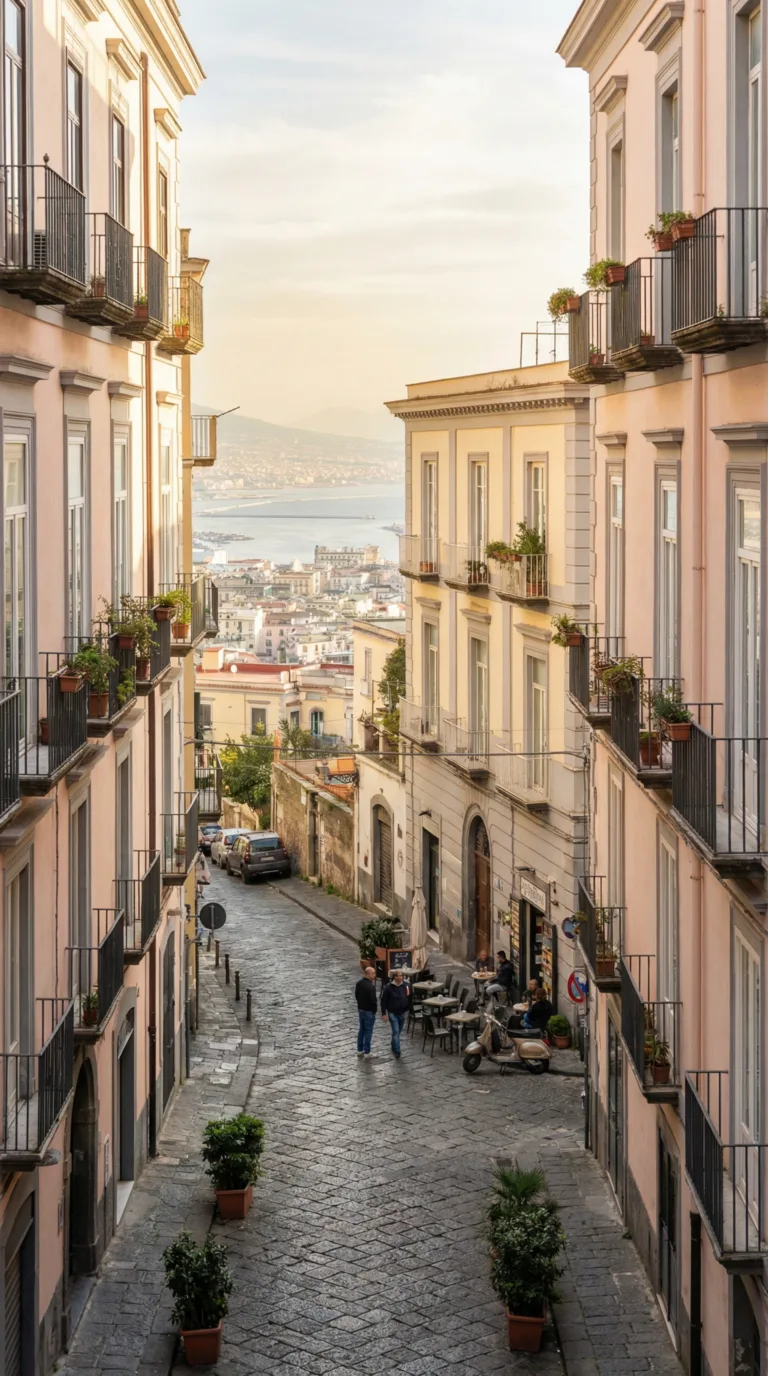
Central Naples is the chaotic heart. Spaccanapoli street cuts through the historic core like a knife. This is where you’ll find the most atmosphere, and the most noise. Laundry hangs overhead. Vespas buzz past your knees. Every corner smells like espresso or fried dough.
Vomero sits high on the hill. It’s the upscale shopping district. Castel Sant’Elmo and the Certosa di San Martino monastery are up here. You ride the funicular to reach it, three separate lines still run on the original 1889-1891 infrastructure according to the ANM official website. The views over the bay are worth the €1.10 ticket alone.
The Quartieri Spagnoli (Spanish Quarter) is a tight grid of narrow alleys. Working-class families still live here. You’ll see the famous Maradona murals painted on building facades. Tourists come for photos. Locals come for cheap groceries.
The Garibaldi area surrounds the central train station. It’s gritty. Authentic. Not pretty. Fewer tourists wander here, which means lower prices and more real life.
Avoid Scampia. This northern suburb is known for organized crime. The TV series Gomorrah filmed there. It’s not a place for sightseeing.
Chiaia and the waterfront offer a different Naples. Via Caracciolo runs along the bay. People jog here at sunset. Via dei Mille has designer shops. Prices triple compared to the centro storico.
Naples Food Scene: Pizza & Beyond
Planning Tip
Naples pizza-making (Arte del Pizzaiuolo Napoletano) was inscribed on UNESCO’s Intangible Cultural Heritage list in 2017, and authentic Neapolitan pizza must be baked at 485°C for 60-90 seconds.

Naples invented pizza. Not pizza in general. Pizza Margherita. The version with tomato, mozzarella, and basil was created here in 1889 for Queen Margherita of Savoy. The UNESCO Intangible Cultural Heritage – Art of Neapolitan ‘Pizzaiuolo’ recognition in 2017 made the city’s pizza-making technique officially protected cultural property. The Associazione Verace Pizza Napoletana (AVPN) enforces strict standards: wood-fired ovens only, dough hand-stretched, baked at exactly 485°C for 60 to 90 seconds.
Three pizzerias dominate the tourist circuit. Sorbillo in the historic center draws hour-long queues on weekends. L’Antica Pizzeria da Michele serves only two types (Margherita and Marinara). Di Matteo near Via dei Tribunali charges €5 per pizza and fills up by 7 PM. The crust should be soft and puffy with charred bubbles. The center stays wet. Fold it and eat with your hands.
Beyond Naples pizza, the city runs on fried food. Sfogliatella pastries (shell-shaped, filled with ricotta and candied citrus) cost €1.50 at any pasticceria. Babà cakes soaked in rum appear on every dessert menu. Frittatina di pasta, fried balls of yesterday’s spaghetti, sell from street carts for €2. The Port’Alba area near the university has cheap trattorias serving pasta e fagioli and polpette al sugo.
Coffee culture here means espresso at the bar, standing. Sit down and the price doubles. The caffè sospeso tradition lets you pay for an extra coffee that someone else can claim later for free.
Where to Stay in Naples
Naples’ historic center offers the most atmospheric accommodation within a 15-minute walk of major attractions, though noise levels can be high with street activity continuing past midnight on weekends.
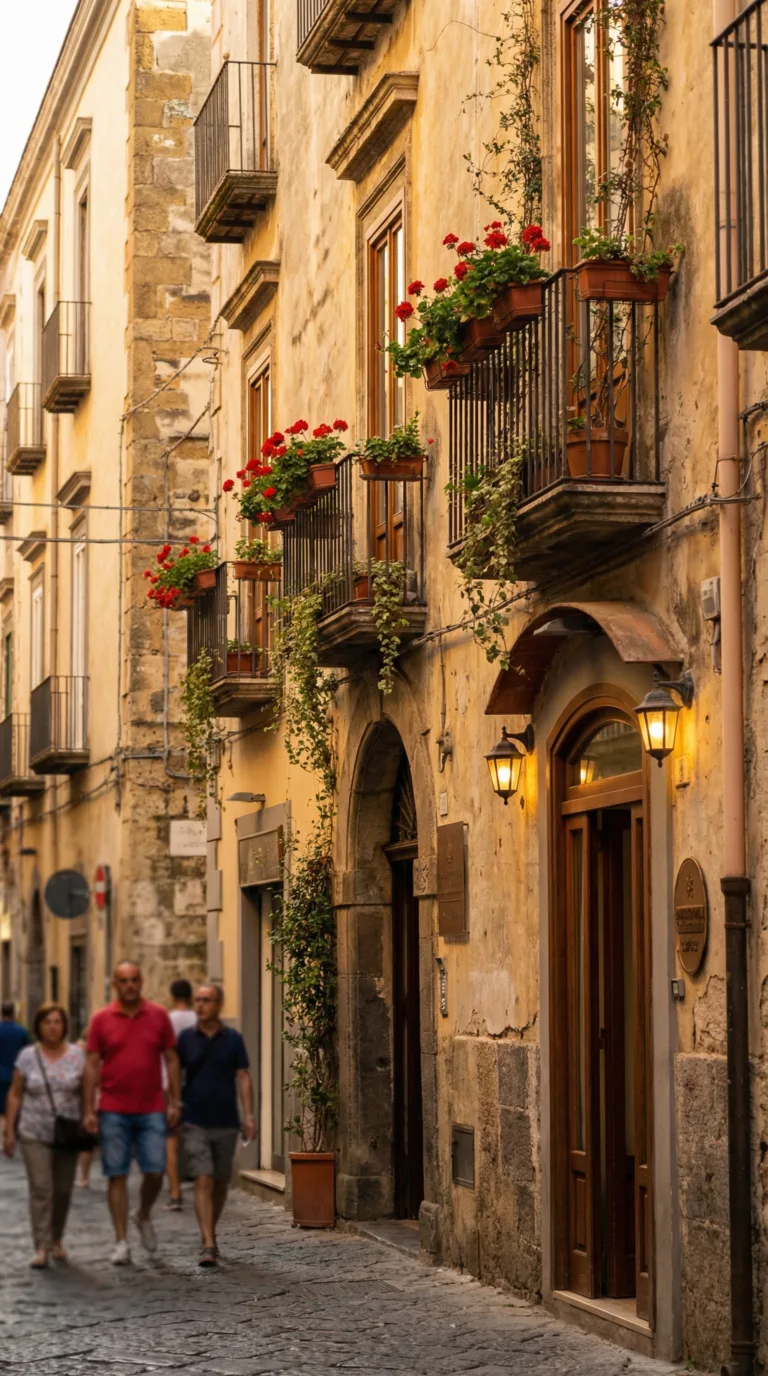
First-timers should base themselves in Centro Storico. You’ll walk to Spaccanapoli in five minutes. Pizza places line every block. The downside? Vespas roar past your window at 2 AM. Earplugs help.
Chiaia and the waterfront feel more polished. Restaurants here serve wine that costs more than €4 a glass. Villa Comunale park sits a short walk away. The neighborhood attracts fewer pickpockets than the historic core.
Vomero perches on the hill above the city. Families live here. Streets stay quiet after 10 PM. You’ll ride the funicular down to reach the center, about 10 minutes each way. The trade-off: safety and sleep.
Budget hunters cluster near Garibaldi station. Hostels charge €20 per night. The area looks rough. Graffiti covers shuttered storefronts. But trains to Pompeii leave every 30 minutes.
Boutique hotels occupy converted palazzos throughout the historic center. Expect frescoed ceilings and breakfast on rooftop terraces. B&Bs run cheaper, €60 to €80 per night. Book three months ahead for April through October. Winter rates are often considerably lower, frequently 30 to 40 percent below peak-season prices.
Avoid ground-floor rooms on narrow alleys. Choose accommodations on well-lit streets. The city feels safe during daylight, less so after dark in poorly lit corners.
Getting to and Around Naples
Naples Capodichino Airport is located just 7 kilometers from the city center, with the Alibus shuttle providing direct service to Napoli Centrale station every 20 minutes for €5.
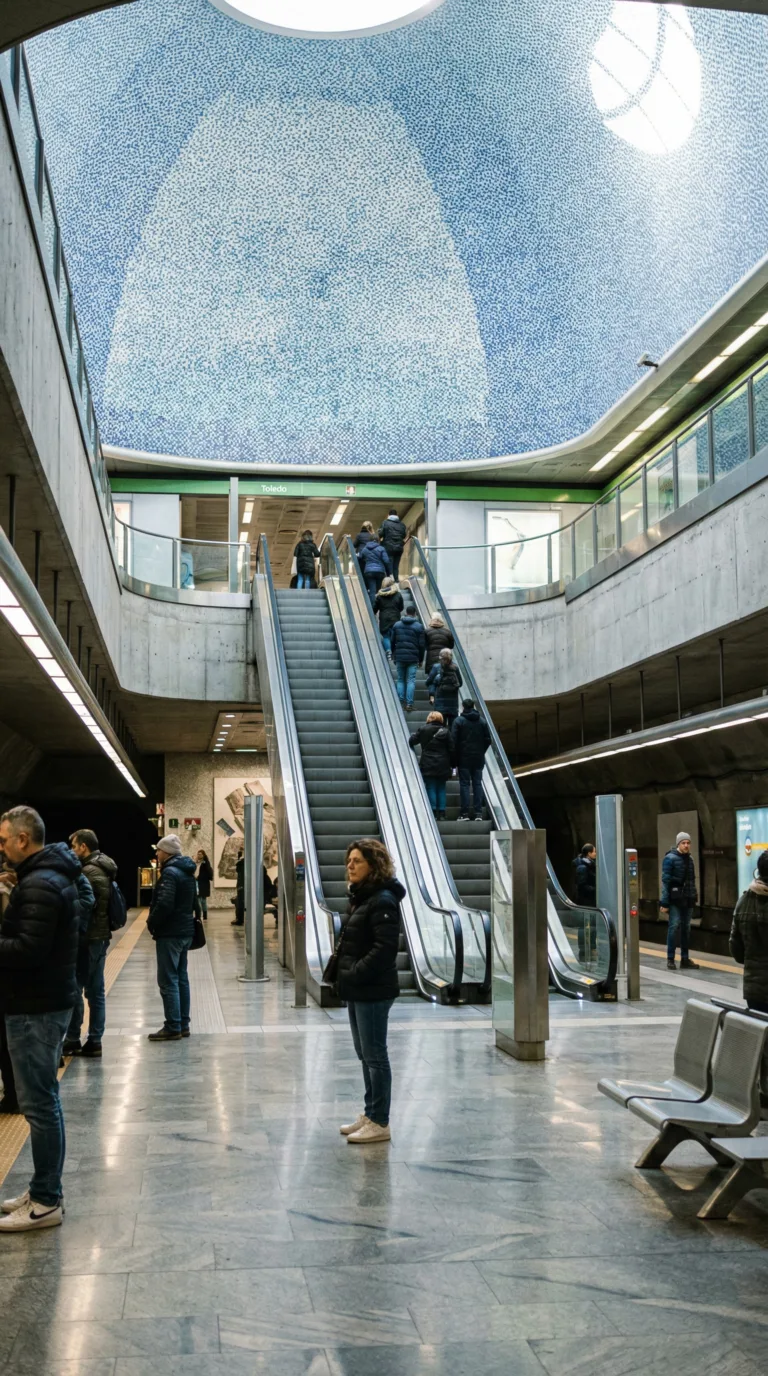
Napoli Centrale is the main train hub. High-speed trains from Rome take 70 minutes according to Trenitalia schedules. Milan and Florence connect directly. Taxis from the airport cost around €20-25 fixed rate.
The Metro has two lines. Line 1 runs through the center and up to Vomero. Many stations feature contemporary art installations, Toledo station looks like an underwater cave. Buses cover the rest. Funiculars climb the hills when your legs give out.
The historic center is compact. You can walk most of it. Traffic is pure chaos. Scooters ignore lanes. Pedestrian crossings are theoretical.
The Circumvesuviana train is your lifeline to Pompeii, Herculaneum, and Sorrento. It’s old, crowded, and slow. Watch your bags. Pickpockets work these routes hard.
Getting from Naples to the Amalfi Coast requires planning. Take the Circumvesuviana to Sorrento (70 minutes), then catch a SITA bus along the coast road. Private transfers cost €80-120 but skip the hassle. Group tours bundle transport with stops.
Do not rent a car for Naples. The traffic makes no sense. Parking costs a fortune. ZTL restricted zones will fine you automatically if you drive into the center without a permit.
Buy tickets through the Unico Campania system. One ticket covers metro, buses, and funiculars. A day pass costs €4.50. Validate before boarding or risk a €50 fine. Inspectors show up when you least expect them. The ANM Naples public transport website has route maps and schedules in English.
Day Trips from Naples
Pompeii archaeological park receives over 4 million visitors annually and covers 66 hectares, with only two-thirds of the ancient city excavated since rediscovery in 1748.
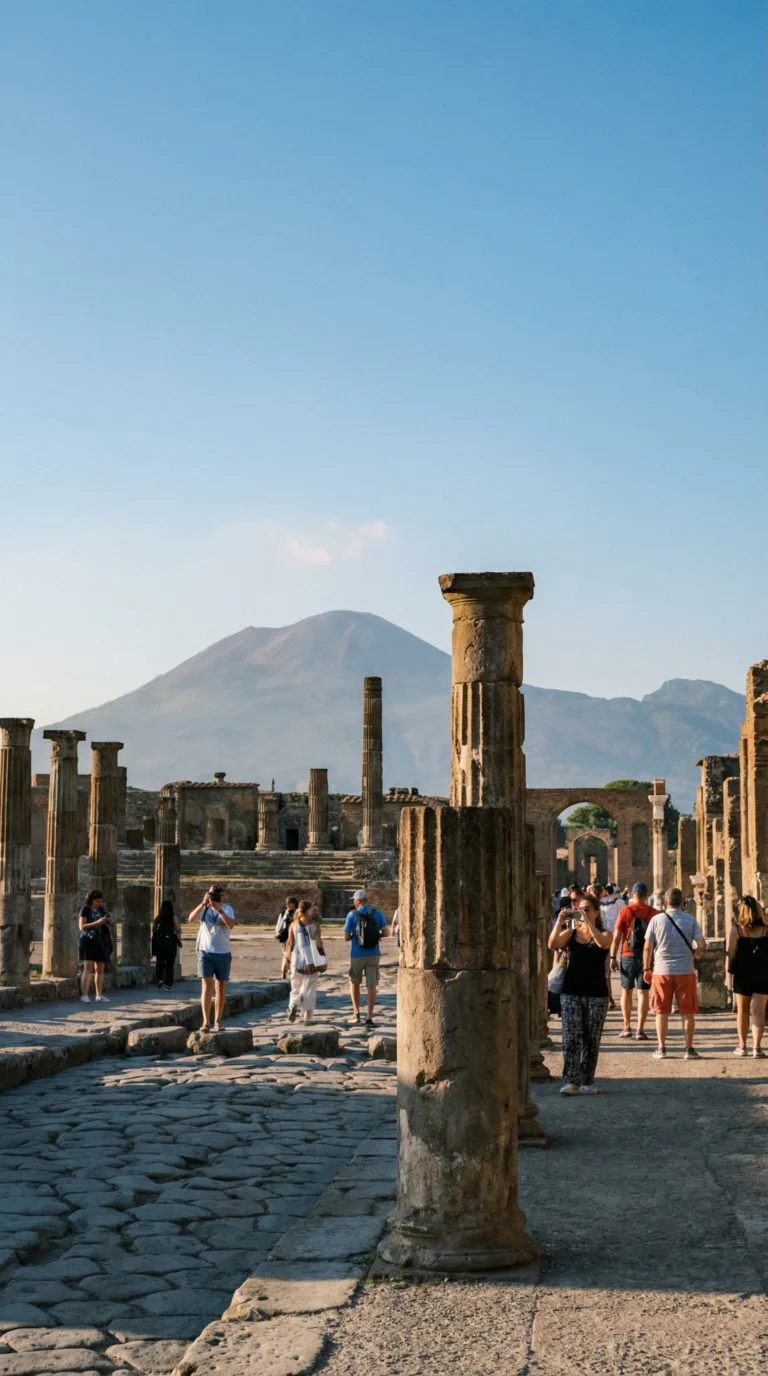
Pompeii sits 30 minutes from Naples by Circumvesuviana railway. The Pompeii Archaeological Park official website sells timed-entry tickets that let you skip the ticket line. Allow four hours minimum. The ancient Roman city froze in ash when Vesuvius erupted in 79 AD. You’ll walk through preserved brothels, bakeries, and homes with intact frescoes. According to Pompeii Archaeological Park statistics, only 44 of 66 hectares have been excavated, roughly two-thirds of the buried city.
Mount Vesuvius looms over the bay. You can hike to the crater rim. Take the Circumvesuviana to Ercolano station, then catch the shuttle bus to the Vesuvius National Park entrance. The final 30-minute climb gains 200 meters on loose volcanic gravel. The volcano last erupted in 1944.
Herculaneum gets fewer tourists than Pompeii but preserves wooden beams and upper floors. It’s 20 minutes by train. Smaller site. You’ll finish in two hours.
Sorrento perches on cliffs one hour south by Circumvesuviana. The town works as a base for exploring the Amalfi Coast. SITA buses connect Sorrento to Positano, Amalfi, and Ravello along the coastal road. Summer ferries run too.
Capri island attracts yacht crowds and day-trippers. Hydrofoils leave from Naples port (50 minutes) or Sorrento (20 minutes). The Blue Grotto sea cave glows electric blue when sunlight hits it right.
Practical Tips for Visiting Naples
Naples experiences a Mediterranean climate with average summer temperatures of 30°C (86°F) in July-August and mild winters averaging 13°C (55°F), with the best weather for sightseeing occurring in April-May and September-October.
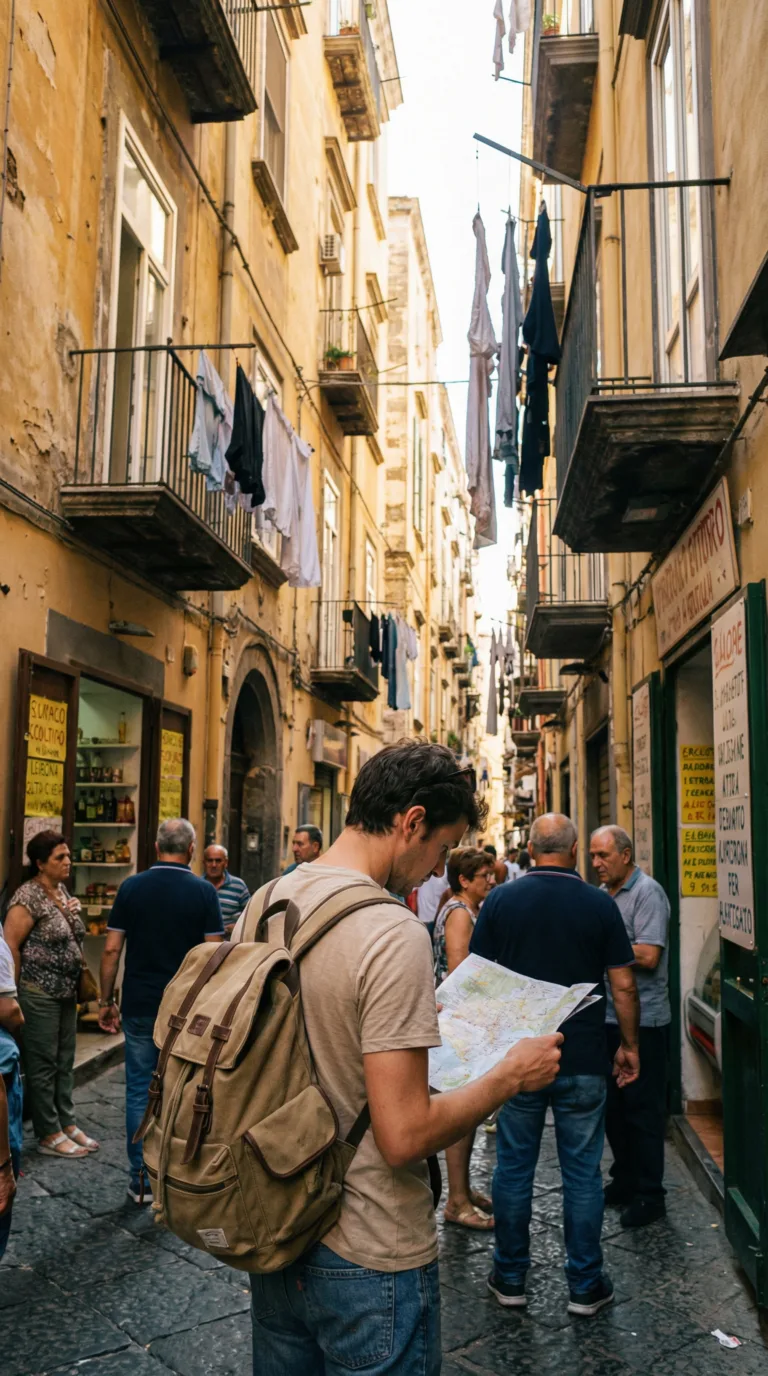
Petty theft is the main concern. Pickpockets work crowded buses and the Garibaldi station area. Keep your phone in a front pocket. Don’t flash jewelry or leave bags unattended. Most tourists visit without incident if they stay alert.
Italian is the official language. Locals speak Neapolitan dialect among themselves. English works in hotels and major restaurants, less so than Rome. Learn “quanto costa” (how much) and “dov’è” (where is).
April through May offers the best weather, warm days, cool nights, fewer tour groups. September and October work too. Summer hits 30°C and packs the streets. According to Italian meteorological data, Naples receives about 1,000mm of annual rainfall, concentrated in autumn and winter months. Winter stays mild at 13°C but some museums cut hours.
Bring euros. ATMs line every block. Small pizzerias and street food vendors prefer cash. Tipping isn’t expected, round up a euro or two if service impressed you.
Pack shoes with grip. Cobblestones get slick when wet. Churches require covered shoulders and knees. Bring a light jacket for evenings, even in summer.
Naples Travel FAQ
Is Naples worth visiting?
Yes, Naples is well worth visiting for travellers who want authentic, unfiltered Italy. It is the birthplace of pizza, where Pizza Margherita was invented in 1889. The city sits next to Mount Vesuvius, an active volcano that buried Pompeii and Herculaneum in 79 AD. Naples has the largest historic center in Europe, a UNESCO World Heritage Site. The coffee culture is intense, locals drink espresso standing at the bar, never sitting. Sfogliatella pastries are everywhere. Diego Maradona is a god here. He played for SSC Napoli in the 1980s and brought the city two Serie A championships. You’ll see murals of him in every neighborhood.
Is Naples dangerous for tourists?
Naples is generally safe for tourists who use common sense. Petty theft and pickpocketing happen, especially on crowded buses, at Garibaldi station, and in the Spanish Quarter. Don’t wear expensive jewelry. Keep your bag zipped and in front of you. Phones disappear on Vespas. Scampia and some northern suburbs should be avoided entirely, but tourist areas are well-policed. Millions visit safely each year. The reputation is worse than the reality. Just stay alert.
What is the best month to visit Naples?
The best months are spring, from April to June, and early autumn, from September to October, when the weather is warm but not scorching and crowds are thinner than at the height of summer. July and August are hot and busy, while winter is mild, quiet and cheaper, though some Amalfi Coast services run less often.
How many days do you need in Naples?
Two to three days covers the main attractions: the Historic Center, Naples Underground, Sansevero Chapel, Royal Palace, Castel dell’Ovo, and the pizza scene. Four to five days allows day trips to Pompeii, Herculaneum, and Mount Vesuvius. A full week lets you explore the Amalfi Coast, Capri, or Sorrento while staying in Naples. The train connections are excellent. Even one full day hits the key highlights if you’re short on time.
Is Naples expensive?
Naples is one of Italy’s more affordable major cities. A classic Margherita pizza often costs only a few euros, hostels start around €20 per night and B&Bs run roughly €60 to €80. Meals, transport and attractions are generally cheaper than in Rome, Florence or the Amalfi Coast resorts nearby.