This guide contains affiliate links. As an Amazon Associate we earn from qualifying purchases — at no extra cost to you.
Estimated reading time: 11 minutes
Last updated: 10 July 2026
How Long Does It Take to Drive Rim Drive at Crater Lake?
Rim Drive at Crater Lake takes about two hours to drive nonstop, since the paved loop runs 33 miles with more than 30 pullouts. Most visitors spend four to six hours stopping at viewpoints and short trails. The full loop is typically open July through October, and at 7,000 feet you’ll want layers, water, and sun protection in the car all day.
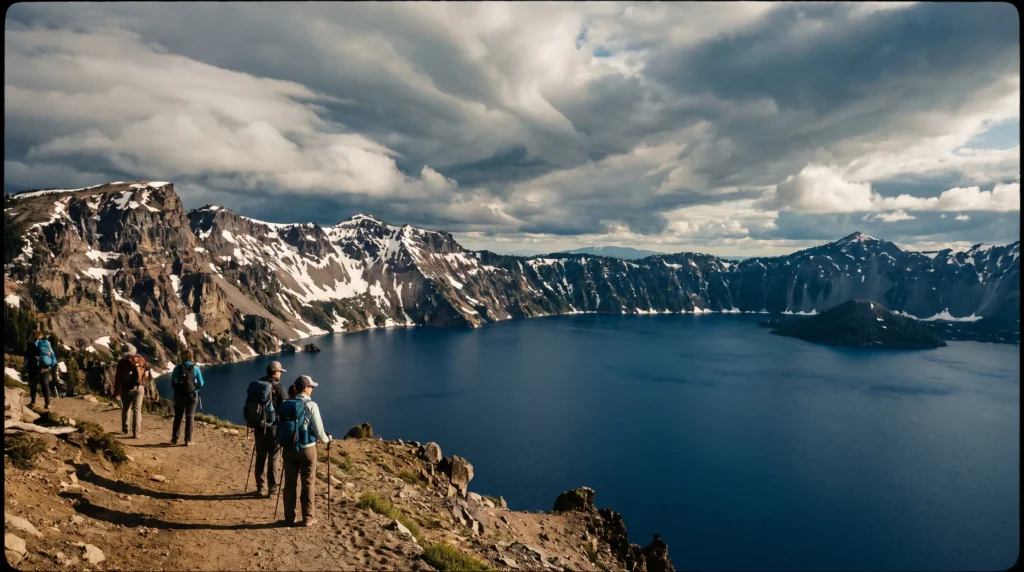
Crater Lake sits at 6,000 to 8,900 feet elevation, where weather changes fast and trails range from easy lakeside strolls to strenuous backcountry climbs with 1,000-foot elevation gains. I have watched perfectly clear mornings turn into drenching afternoon thunderstorms in less than an hour. The volcanic rock that makes the park so dramatic also makes packing the right gear non-negotiable.
Summer days start cold at 40 degrees, warm to 70 by noon, then cool again by evening, so you’ll layer up and down all day. The volcanic terrain punishes soft-soled shoes, and afternoon storms roll in without warning. If you have hiked at sea level before, the thin air at this elevation will surprise you. Your lungs work harder, and the sun feels stronger on your skin even when the air stays cool.
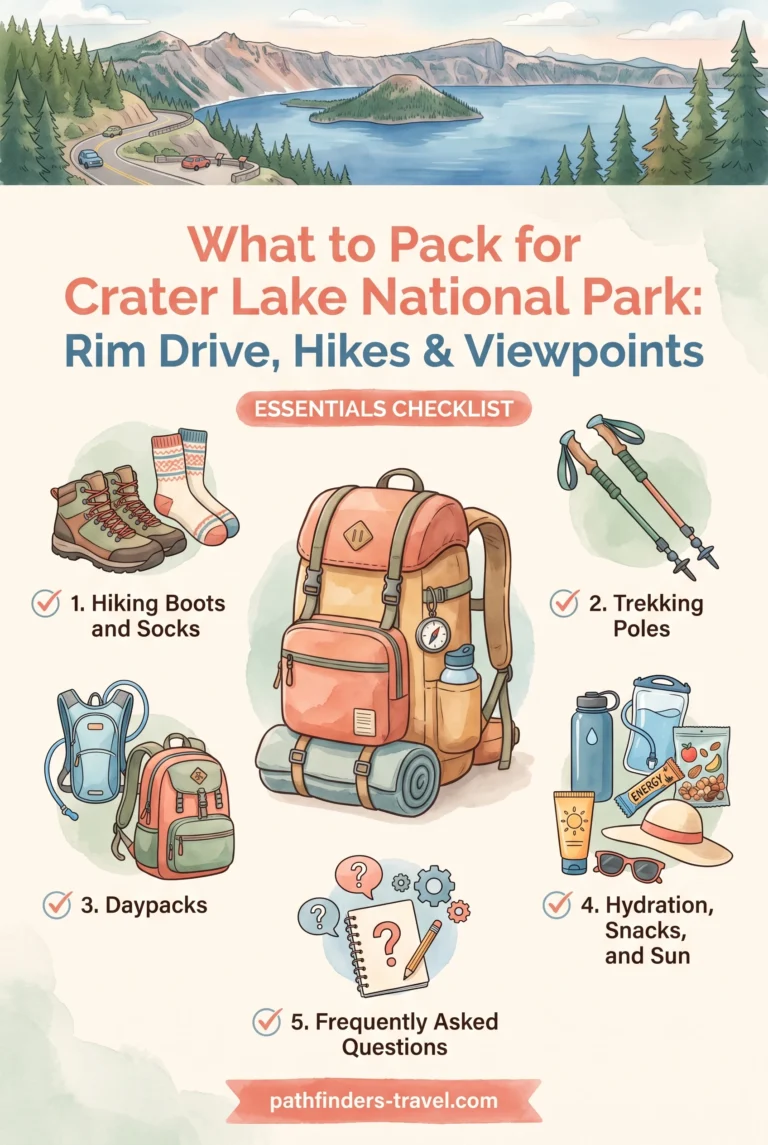
This packing list walks through footwear that grips loose pumice, clothing layers for elevation swings, gear for steep trails, and daypacks sized right for rim viewpoints or full-day backcountry routes. We cover what you need for quick stops along Rim Drive, moderate hikes like Watchman Peak, and bigger climbs like Garfield Peak and Mount Scott. One planning note: the Cleetwood Cove Trail, the park’s only lake access, is closed for rehabilitation from 2026 through 2028, so swimming and boat tours are on hold until the trail reopens, expected in summer 2029. For viewpoint-by-viewpoint detail on the loop itself, our Crater Lake National Park guide covers every stop.
Getting your gear right means you’ll enjoy sunrise at Watchman Peak and sunset at Discovery Point without blisters, sunburn, or shivering through lunch. Let’s make sure you pack smart.
Hiking Boots and Socks
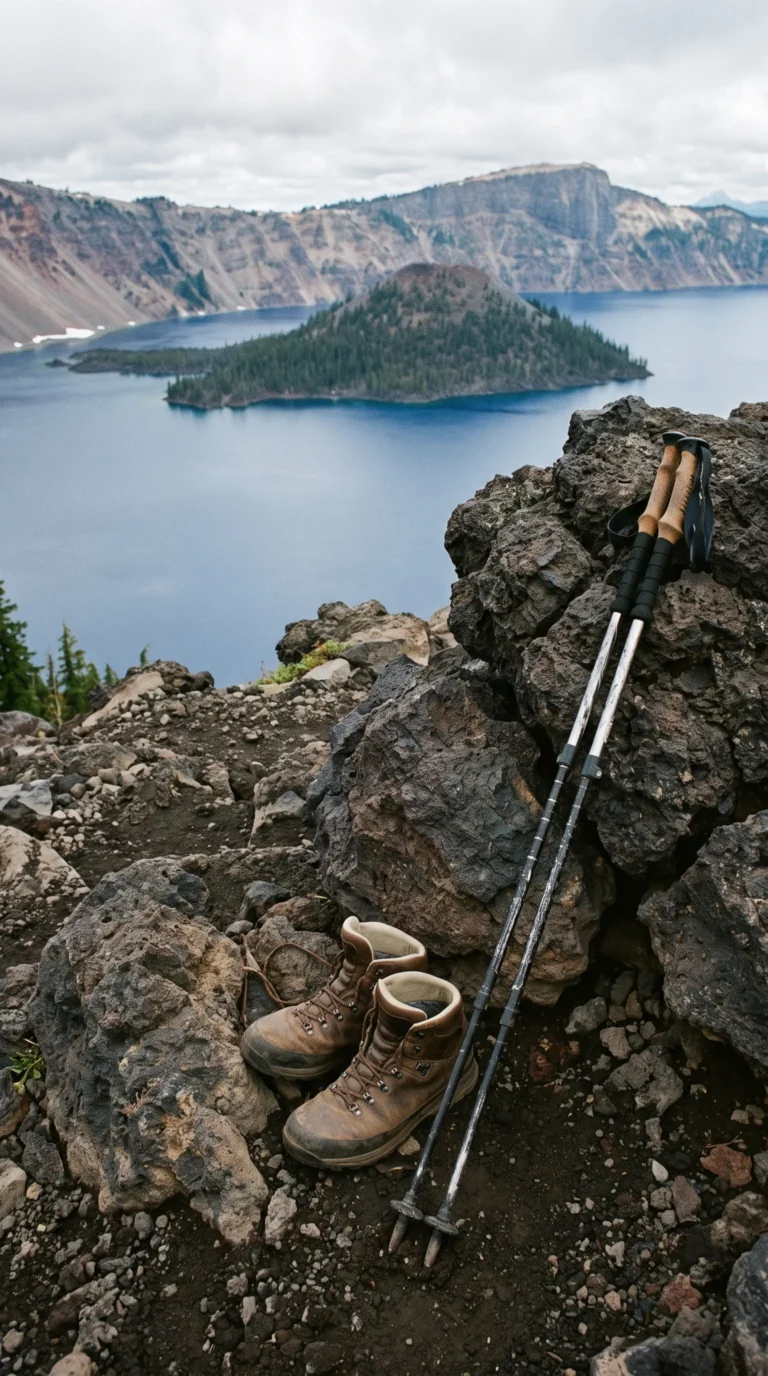
Crater Lake trails need real hiking boots, not sneakers. You’re walking on loose volcanic rock, sharp pumice, and uneven surfaces that shift underfoot. Ankle support and sticky soles matter most on steep routes like Garfield Peak, where you climb roughly 1,000 feet to an exposed summit and pick your way back down over loose rock in full sun. One wrong step on loose scree can twist an ankle fast.
For women heading out on rocky descents, the Newton Ridge Plus Waterproof Amped delivers reliable traction and ankle stability without weeks of break-in. For men and families tackling the Rim Drive loop or shorter trails, these lightweight waterproof boots keep feet dry through morning dew and afternoon puddles while staying comfortable on long rim walks.
If you’re buying new boots, wear them on shorter walks before your trip. Blisters on the Rim Drive loop will ruin your day fast. Walk around your neighborhood, hit a local trail, and make sure the fit feels right before you commit to 6 miles of volcanic terrain.
Boots alone won’t save your feet. Pair them with merino wool hiking socks that cushion pressure points, wick moisture, and prevent blisters on multi-hour hikes. Merino regulates temperature when your feet heat up on climbs and keeps toes warm during chilly morning starts at 7,000 feet.
Bring a second pair of socks in your daypack so you can swap into dry ones after creek crossings or rain showers. Wet feet lead to blisters, and merino dries faster than cotton. I always toss a spare pair in the side pocket of my pack, rolled tight with a rubber band. When your feet are soaked halfway through a hike, that fresh pair feels like a gift.
Crater Lake sits high and exposed. The right boots and socks make the difference between enjoying every viewpoint and limping back to your car.
Trekking Poles for Steep Trails
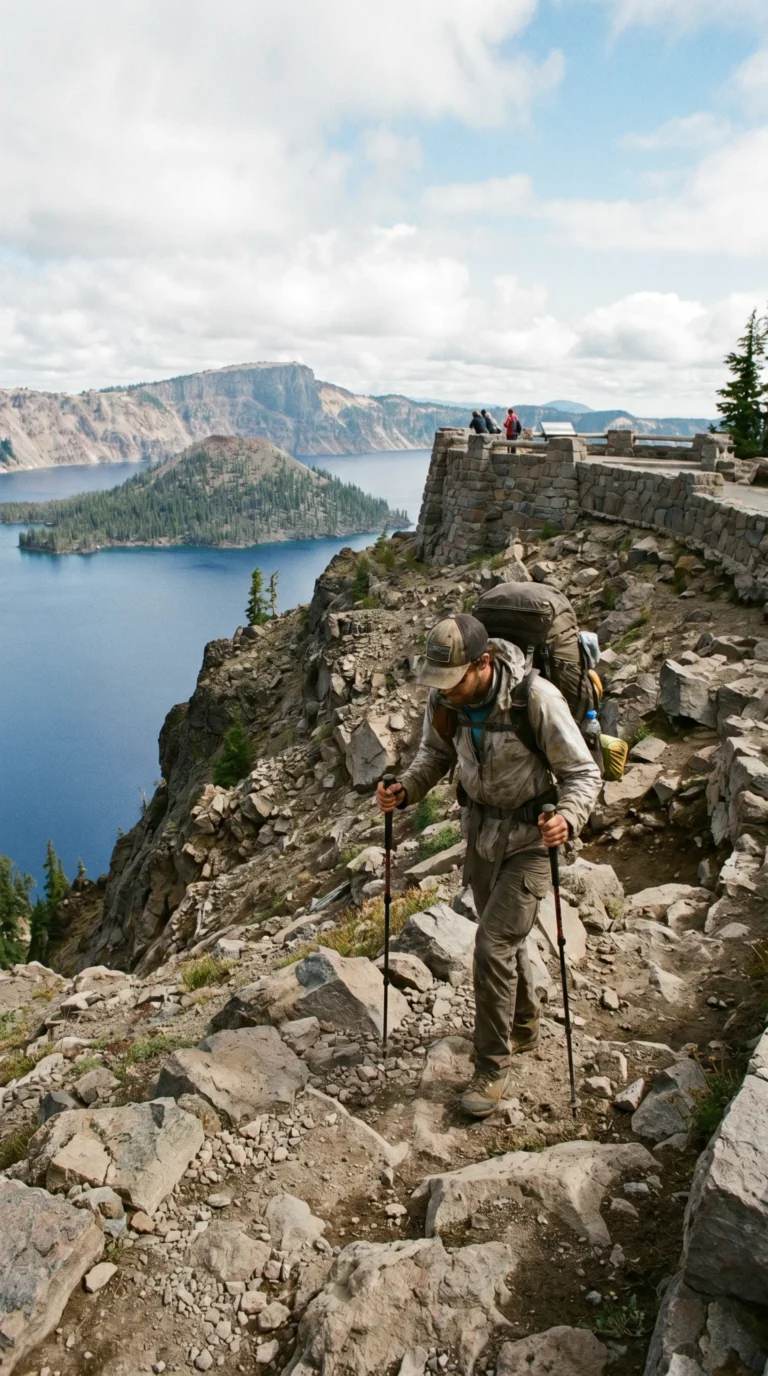
Crater Lake trails don’t mess around. Routes like Garfield Peak and Mount Scott climb more than 1,000 feet, and the descents are steep and rocky, punishing your knees with every step. Trekking poles transfer that impact away from your joints and give you balance on the loose pumice that covers most trails around the rim.
I always used poles on the Cleetwood Cove Trail descent when it was open, and with the trail closed for rehabilitation until 2029, they now earn their keep on Garfield Peak’s rocky switchbacks and Mount Scott’s long, steady climb. Poles keep my pace steady without burning out my quads halfway.
If you want comfort that lasts mile after mile, the TREKOLOGY Trek-Z Cork Grip poles fold compact for travel and feature cork handles that absorb sweat without slipping. They adjust quickly for uphill and downhill sections, so you can dial in the right length when the trail changes pitch.
Here is a budget-friendly option that still delivers reliable support. TrailBuddy Trekking Poles are collapsible, lightweight 7075 aluminum, and cost less while holding up great on rim trails. They’re a smart pick if you’re new to poles or want a backup pair for your partner or kids who are ready to carry their own gear.
Both sets collapse small enough to strap onto a daypack or fit inside checked luggage, so you won’t pay oversize fees flying into Medford or Klamath Falls. That portability matters when you’re road-tripping between parks or keeping your rental car tidy. They pull double duty on waterfall trails too; if your Oregon route continues north, our Columbia River Gorge packing list covers that terrain.
Poles make a real difference when trails turn technical. You’ll feel steadier crossing snowfields in late spring, navigating scree on exposed ridges, and saving energy on long climbs. Your knees will thank you the next morning when you’re ready to hike another trail instead of hobbling around the lodge.
Daypacks for Rim Drive and Backcountry
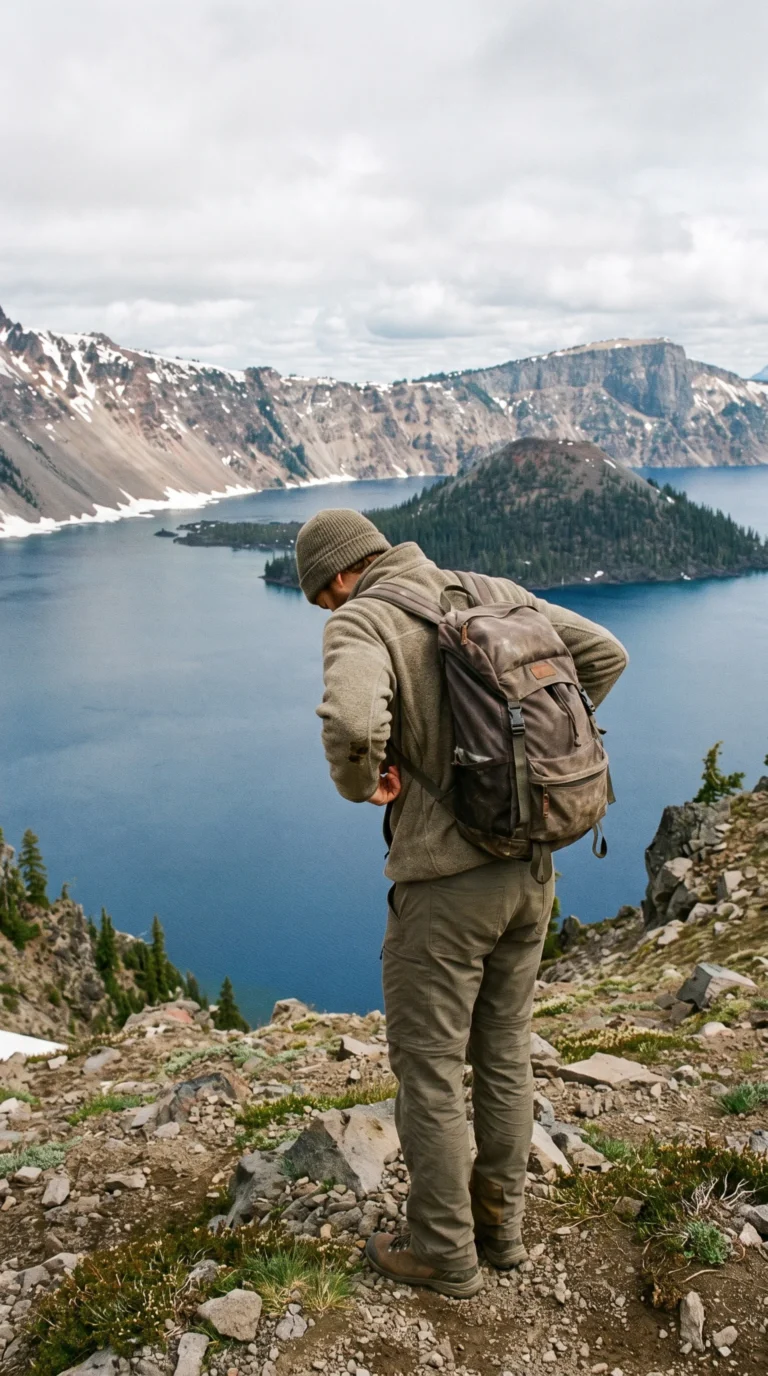
You’ll carry water, snacks, layers, sunscreen, and a first-aid kit on rim hikes at Crater Lake, so a comfortable daypack isn’t optional. Pack size depends on your plans. If you’re exploring viewpoints along Rim Drive and tackling shorter trails like Watchman Peak, the Osprey Ultralight Collapsible Stuff Pack weighs almost nothing and packs flat when you’re not using it. Its 18-liter capacity holds your water bottle, wallet, sunscreen, a fleece, and snacks without bouncing around on easy trails. I like that it disappears into a jacket pocket when I’m done, so it doesn’t take up suitcase space the rest of the trip.
For serious hikers tackling Mount Scott or spending all day on multi-viewpoint loops, the Maelstrom 40L Waterproof Hiking Backpack gives you room for everything. It includes a rain cover, a hydration reservoir sleeve, and enough space for extra layers, lunch, a camera, and even a small first-aid kit. The 40-liter size works for day hikes without feeling cavernous, and the side pockets keep things organized instead of jumbled at the bottom.
The tradeoff is simple. If you’re only visiting viewpoints and doing quick walks, the Osprey is plenty and you won’t miss the extra bulk. If you’re climbing peaks or spending all day on trails, the Maelstrom handles everything without forcing you to overpack pockets or leave things behind.
One packing tip that’ll save you headaches: keep your rain shell and insulated jacket accessible in the top pocket or outer compartment. Weather changes fast at altitude, and digging through a buried pack on a windy ridge when the temperature drops 20 degrees is miserable. I learned that lesson the hard way at Garfield Peak.
Hydration, Snacks, and Sun Protection
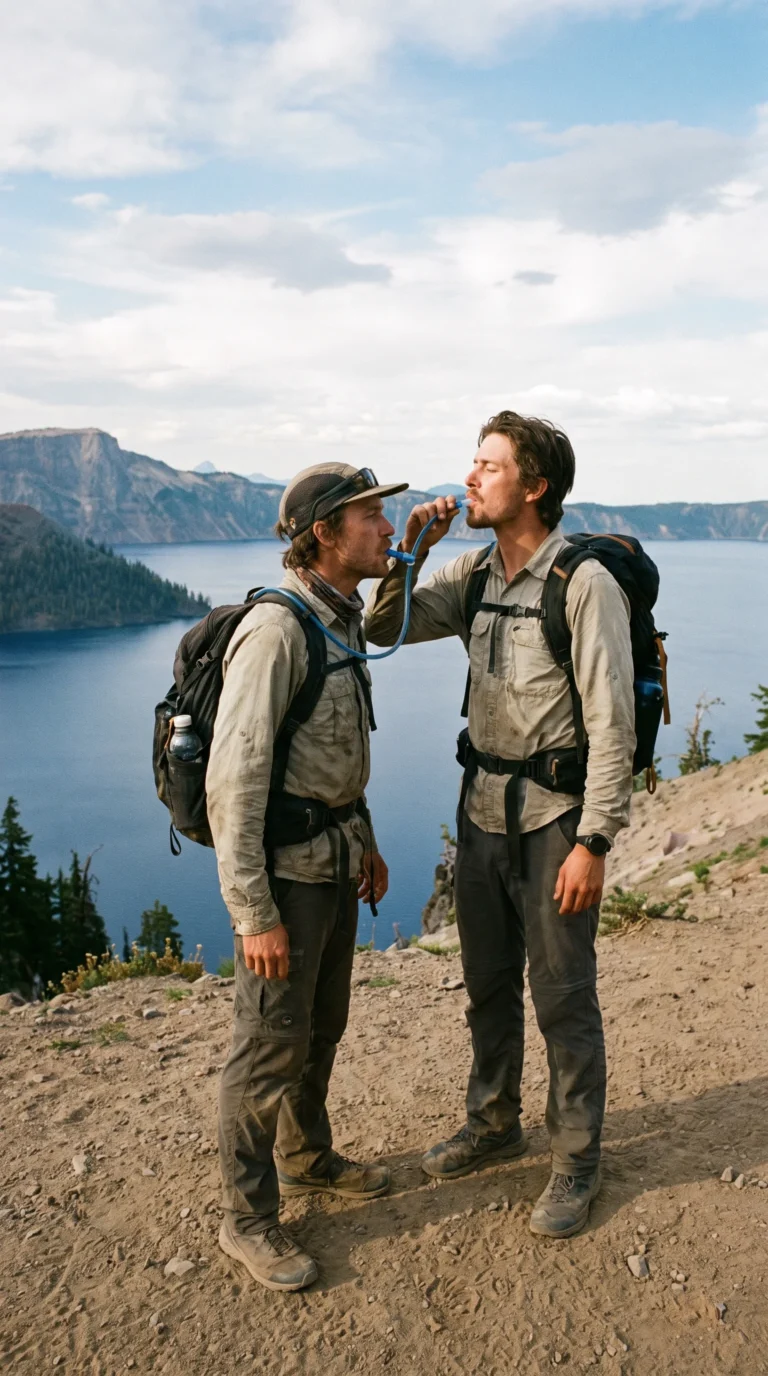
Pack at least two liters of water per person for a full day of hiking around Crater Lake. The elevation dehydrates you faster than low-altitude trails, and you won’t find water sources along the paths. If you’re planning to climb Mount Scott or Garfield Peak, bring even more.
A hydration reservoir in your daypack lets you sip on the move without stopping to dig out a bottle. If you prefer bottles, bring two so you’re not rationing water halfway up the long, steady grind to Mount Scott’s summit. I always fill both before leaving the car, even for short viewpoint walks.
High-energy snacks are your friend at altitude. Trail mix, energy bars, jerky, or fresh fruit that won’t melt or spoil work best. Avoid heavy meals before steep climbs. I always pack extra snacks because altitude and exertion make me hungrier than I expect.
Sunscreen, a hat, and sunglasses aren’t optional. The sun reflects off the snow and water with surprising intensity, even on cloudy days. Reapply sunscreen every two hours, especially on your nose, ears, and neck. I’ve seen too many people burn on overcast afternoons because they skipped reapplication.
Mosquitoes and flies show up in wooded areas during summer, especially near snowmelt. A small bottle of DEET or picaridin repellent weighs nothing and saves you from constant swatting on otherwise perfect hikes.
Frequently Asked Questions
Can you swim in Crater Lake?
Not right now. The Cleetwood Cove Trail, the only legal route down to the lake shore, is closed for a major trail and marina rehabilitation through the 2028 season, which means no swimming and no boat tours until it reopens, expected in summer 2029. The rest of the park stays open, and every viewpoint along Rim Drive still delivers. When the trail reopens, expect a steep 1.1-mile descent and chilly water that only reaches the mid-50s even in August.
What should I pack for a day trip to Crater Lake?
Pack layers, sun protection, plenty of water, and snacks for a successful day trip. The elevation is over 7,000 feet, so mornings can be chilly even in summer, but afternoons warm up quickly. I bring a backpack with at least two liters of water per person, sunscreen, a hat, a light jacket, and trail-friendly snacks like energy bars. Comfortable walking shoes are important since you’ll want to explore the viewpoints. A camera is basically required because the views are beautiful, and binoculars can help you spot wildlife across the caldera.
Do I need hiking boots for Crater Lake trails?
Sturdy hiking shoes or trail runners work well for most Crater Lake hikes. You don’t necessarily need heavy hiking boots unless you’re tackling the longer trails like Mount Scott or planning multiple hikes in one day. The shorter rim trails and viewpoint walks are fine with good sneakers that have decent tread. I’ve done the Watchman Peak trail in trail runners without any issues. Just make sure whatever you wear has ankle support and grip, since some trails include loose volcanic rock and steep sections. The aggressive terrain and significant elevation gain on routes like Guadalupe Peak in Texas demand even more from your footwear, which is why selecting proper hiking boots for high-altitude desert terrain makes such a difference when conditions get technical.
What are the most important items to bring for Crater Lake hikes?
Water, sun protection, and layered clothing are the three most important things for Crater Lake hikes. The high elevation means intense sun exposure, so sunscreen and a hat are critical even on cloudy days. I always pack more water than I think I’ll need because there are no refill stations on the trails. A lightweight rain jacket is smart since weather changes quickly in the mountains. Snacks or lunch, a basic first aid kit, and a trail map round out the essentials for a safe and comfortable hike.
Can I visit Crater Lake in winter, and what should I pack?
You can visit Crater Lake in winter, but Rim Drive closes and access is limited to the south entrance. Pack serious winter gear including insulated boots, waterproof pants, warm layers, gloves, and a winter coat if you visit between November and June. Snowshoes or cross-country skis let you explore the snowy landscape, and many visitors love the winter solitude. The park gets over 40 feet of snow annually, so check road conditions before you go. I recommend tire chains or four-wheel drive, and always bring extra food and emergency supplies in your car.