This guide contains affiliate links. As an Amazon Associate we earn from qualifying purchases — at no extra cost to you.
Estimated reading time: 8 minutes
Last updated: 10 July 2026
What Is the Best Hike in the Columbia River Gorge?
The Wahkeena-Multnomah Falls Loop is the gorge’s best all-around hike, a roughly 5-mile circuit with about 1,700 feet of climbing past Multnomah, Wahkeena, Fairy, Weisendanger, and Ecola Falls. Latourell Falls offers an easy 2.4-mile alternative. Whichever trail you choose, pack waterproof boots with aggressive tread, layered rain gear, trekking poles, and extra socks; gorge trails mix wet basalt, stream crossings, and fast-shifting weather year-round.
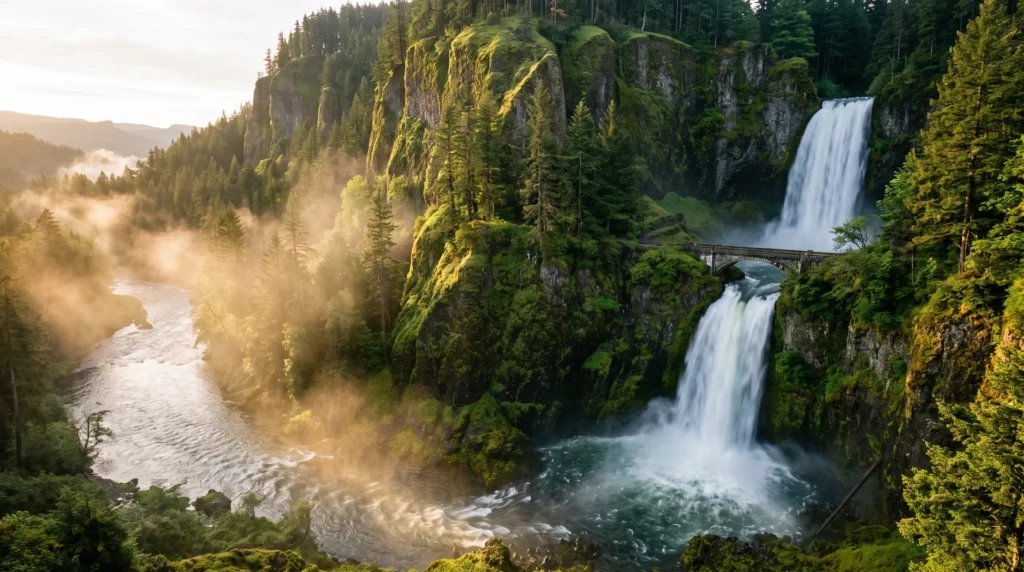
The gorge creates its own weather patterns. Rain dominates spring and fall when waterfalls like Multnomah and Latourell flow at their most dramatic, but that same moisture turns trails into slick mud over rocky terrain. Summer dries things out but brings fierce afternoon winds that funnel through the canyon at 15 to 25 mph, strong enough to push you sideways on exposed switchbacks.
Winter adds another layer of challenge with ice forming above 1,000 feet and waterfalls freezing into sculptural columns. Daylight shrinks to just eight or nine hours, so hikes that feel quick in July can leave you scrambling in the dark come December. I always pack a headlamp for those moments when the trail takes longer than expected.
Most trails here involve more technical footing than your average forest walk. You’ll get around rocky paths, hop across creeks, and edge along basalt ledges where grip and ankle support matter far more than shaving a few ounces from your pack weight. Wet feet on steep descents create blisters fast, which is why extra socks always make my list.
This guide breaks down what you need for gorge conditions across seasons, from footwear that handles the terrain to layers that adapt to rapid weather changes.
Hiking Boots for Steep, Wet Trails
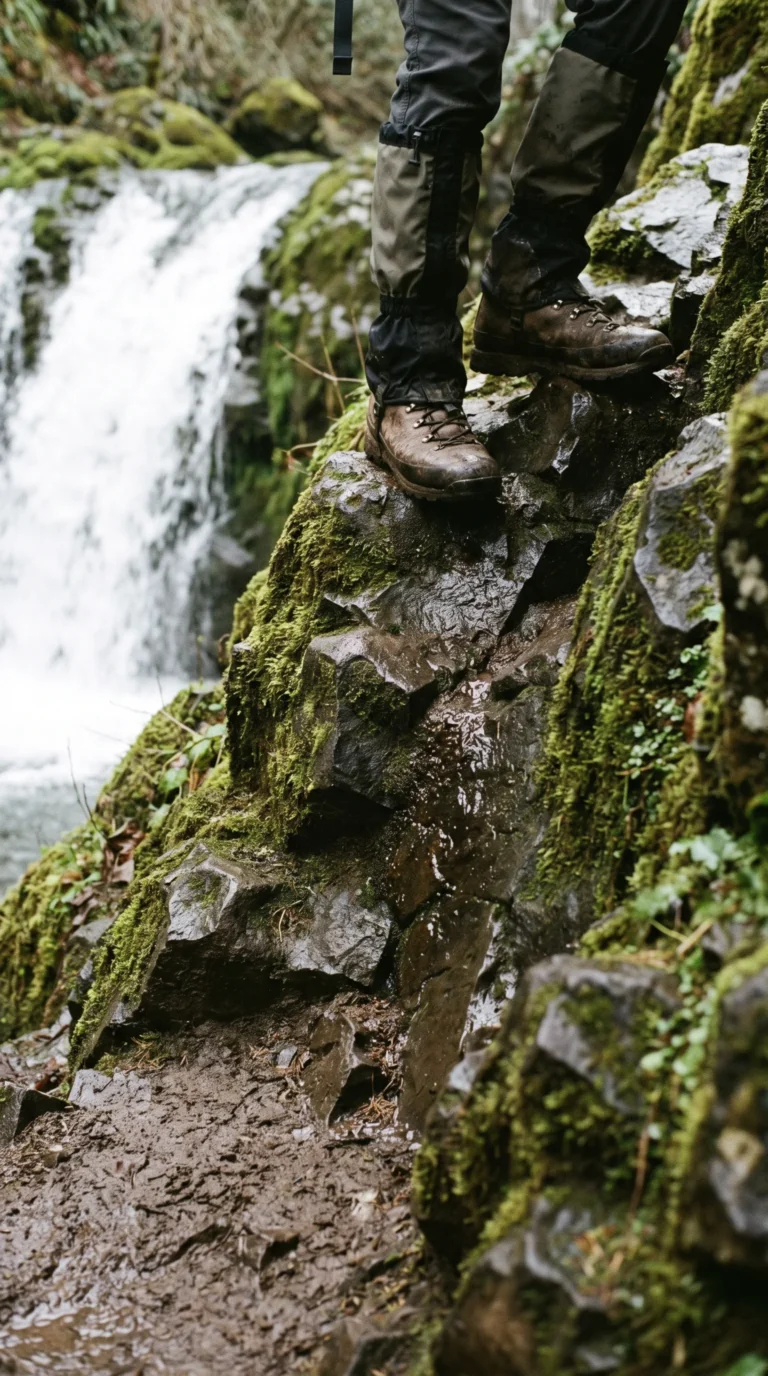
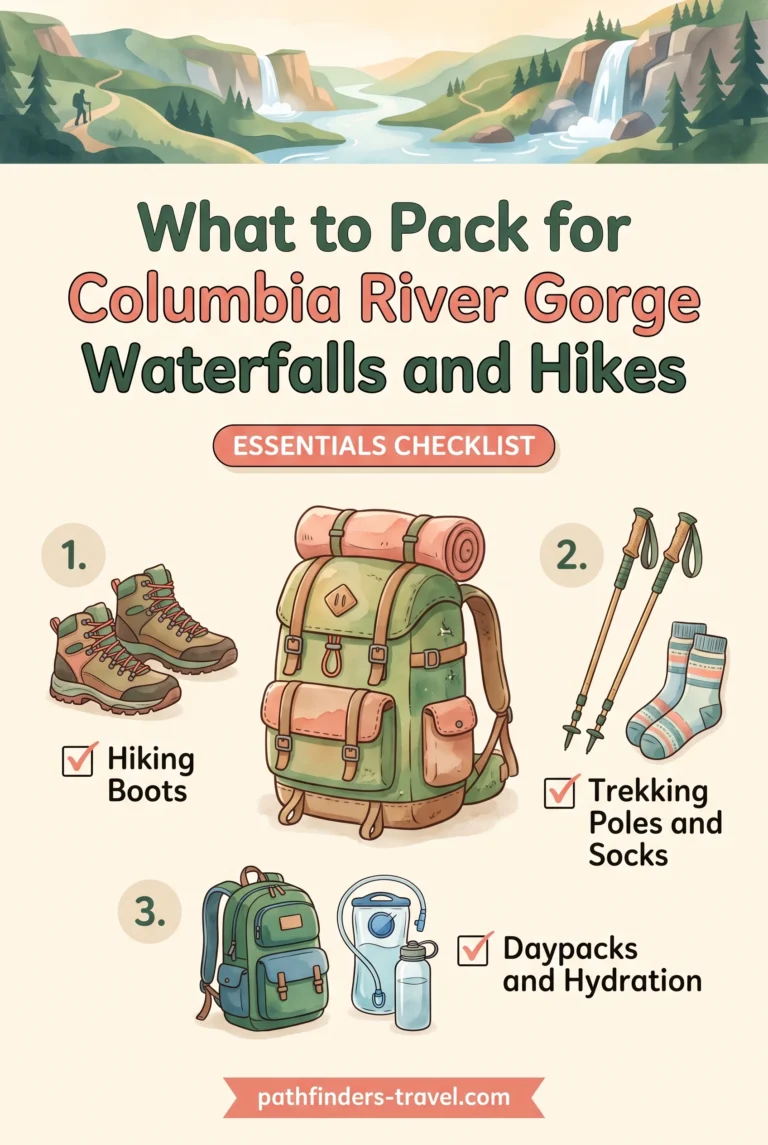
Trails in the gorge climb fast over basalt rock, loose gravel, and roots that stay slick even in summer from morning dew and waterfall mist. If you’re hiking with kids or carrying extra gear for the family, you’ll want a boot that gives you confidence on uneven terrain, especially descending from viewpoints like Angel’s Rest or Dog Mountain. The Merrell Chameleon 7 Mid offers a balance of support and flexibility for day hikes, with Vibram soles that handle slick conditions and enough cushion for 1,500-foot climbs without feeling clunky.
Mid-height boots with ankle support prevent rolling on uneven terrain. Waterproofing isn’t optional here; spring and fall rain can soak through mesh shoes in minutes, and stream crossings are common on routes like Ponytail Falls and the Wahkeena side of the loop. I have crossed those shallow streams more times than I can count, and dry feet make the rest of the hike so much better.
If you’re a casual day tripper who wants less bulk but still needs weather protection and stability on steep pitches, the Merrell Transverse Hike Waterproof is a newer option with a lighter build and modern traction pattern. It works well for warmer months when you want to move quickly without sacrificing grip on wet rock.
Deep lugs grip better on mud and wet rock, and a stiffer sole helps on long climbs without exhausting your arches. Both options carry the traction and support you need for the gorge’s signature combination of elevation gain and dampness, so pick based on how much gear you’re hauling and whether you prefer a bit more ankle lock or a lighter step.
Trekking Poles and Socks for Stability and Comfort
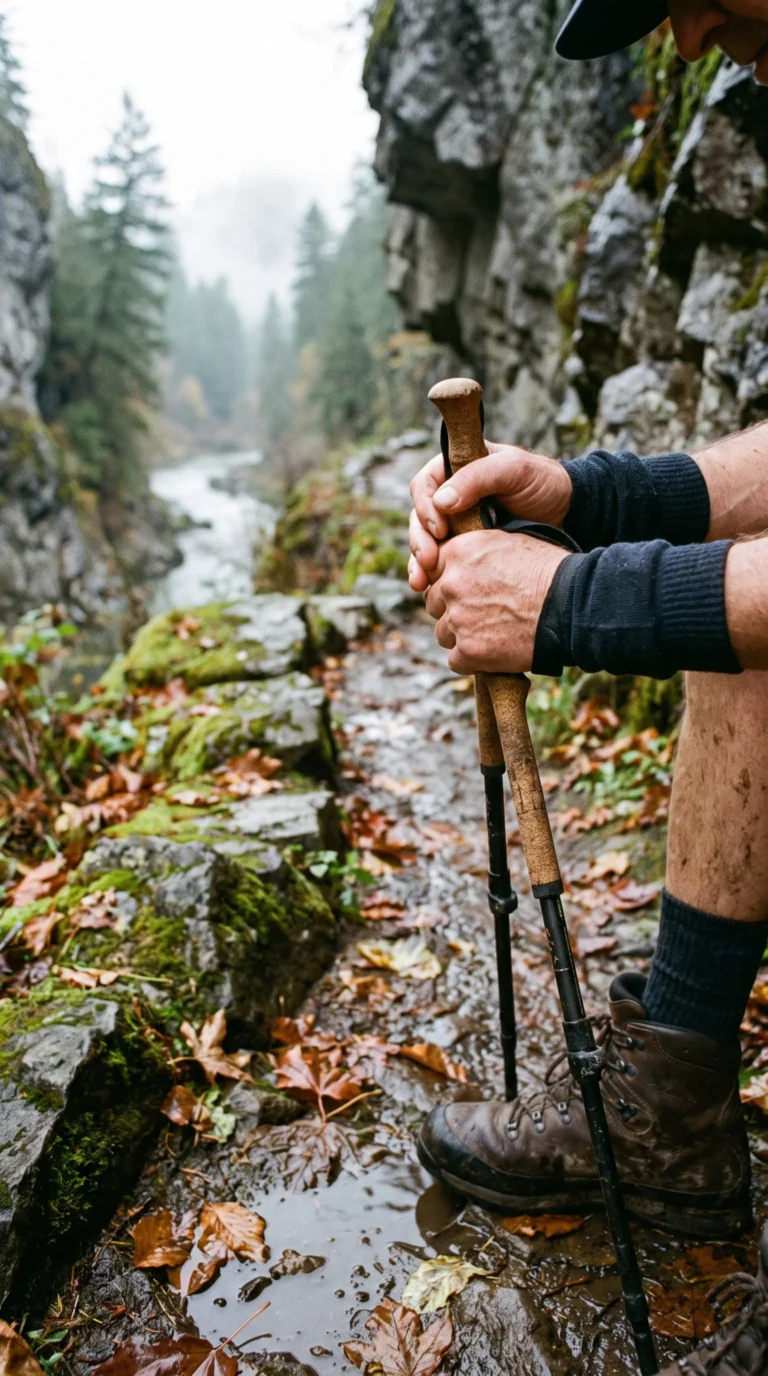
Trekking poles save your knees on steep descents and give you two extra points of contact on slippery rocks, roots, and mud. Trails like the Wahkeena-Multnomah Loop involve hundreds of stone steps, uneven footing, and exposed drop-offs where poles add confidence and stability. (Note: the Eagle Creek and Wahclella Falls trails are closed through at least October 2026 for storm-damage repairs, so check current trail status before you go.) You’re planting them thousands of times on a long day, so weight and grip matter more than you might think.
Carbon fiber poles are lighter and absorb vibration better than aluminum, which makes a real difference when you’re tackling serious elevation gain. Cork grips mold to your hands and wick sweat, while EVA foam stays softer in cold weather. Both beat plastic on all-day hikes.
If you’re an adult taking on steep routes with big elevation swings, the 100 percent Carbon Fiber Trekking Poles are my go-to. They offer strength without the weight penalty and quick-flip locks that don’t slip under pressure, even when you’re leaning hard on uneven terrain. For families with younger hikers, Kids Hiking Poles are sized and weighted so kids actually use them instead of complaining. They have the same flip-lock reliability but shorter collapsed length and lighter swing weight.
Waterproof merino wool-lined socks are a game-changer in wet conditions. They keep your feet warm even when soaked and reduce blister friction on long, muddy trails, which the Gorge delivers in spades most of the year. I always pack two pairs of waterproof socks, wearing one and keeping a dry pair in a sealed bag for the car ride home. Nothing ruins a great hike like driving an hour in cold, wet socks.
The combination of stable footing from poles and dry, comfortable feet from good socks turns a tough day on the trail into a manageable, even enjoyable one. Your knees and toes will thank you.
Daypacks and Hydration for All-Day Hikes
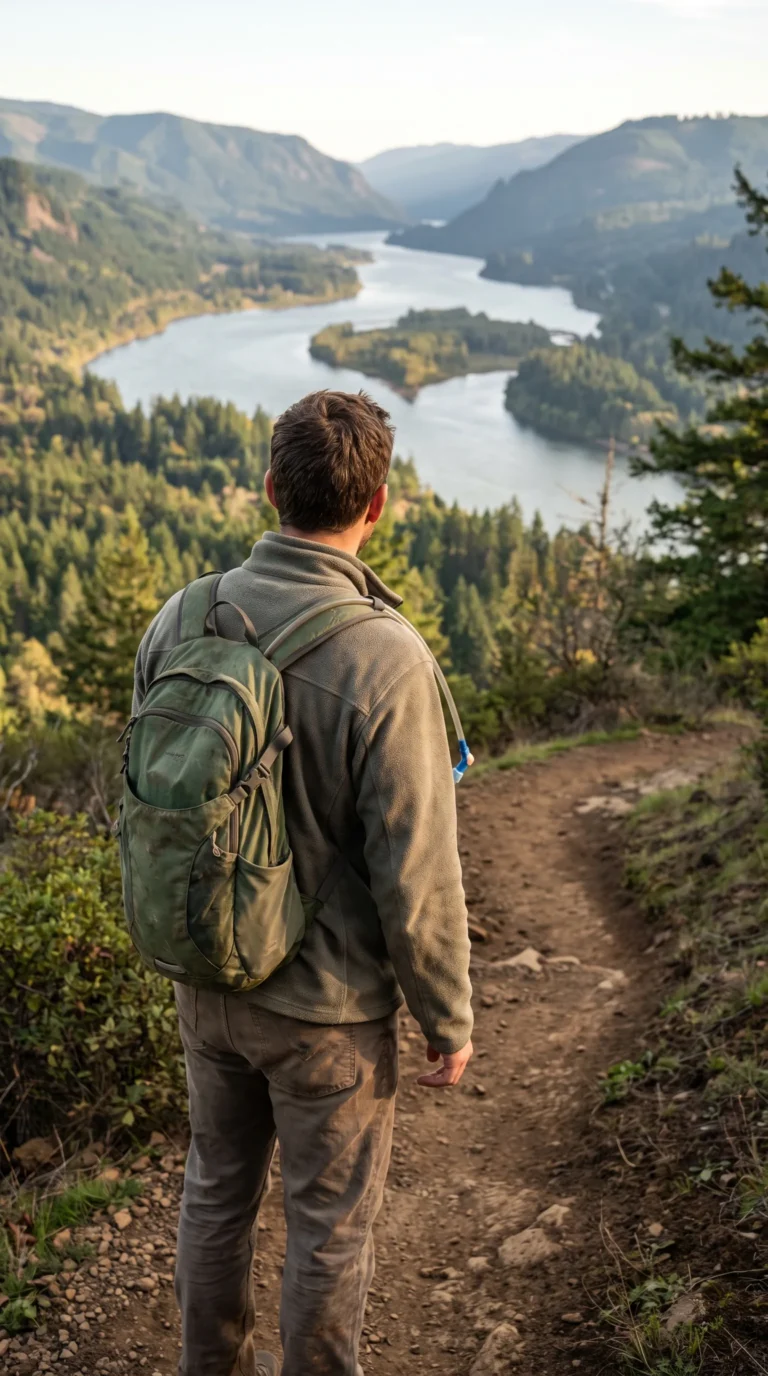
A good daypack carries your layers, snacks, water, and emergency gear without bouncing or chafing on steep climbs. You want a design with a padded hip belt to transfer weight off your shoulders, and enough capacity for rain gear, extra socks, a first-aid kit, and lunch. Hydration is critical in summer when temperatures hit the 80s and 90s, and even in cooler months you’ll sweat on climbs, so plan for at least two liters of water on longer routes.
If you’re hiking solo or with other adults, the TETON Sports hydration pack includes a two or three liter bladder, a sewn-in rain cover, and enough pockets for organizing gear without digging through a single main compartment. It fits men and women comfortably, with chest and waist straps that stabilize the load on uneven terrain and make it easier to drink on the go without stopping. I prefer hydration packs for grown-up hikes because hands-free drinking keeps me on pace and I don’t have to fumble with bottle caps on narrow switchbacks.
For tweens and young teens, The North Face Kids Court Jester Backpack offers a spacious main compartment, water-repellent fabric, and a more compact frame that doesn’t overwhelm smaller shoulders. It doesn’t include a hydration bladder, so you’ll need to pack water bottles, but the side pockets hold them securely and the build quality stands up to rough trail use. Kids often do better with bottles they can see and track how much they have left, which helps parents remind them to drink regularly.
Whichever style you choose, make sure it has room for an extra fleece or rain shell. Weather shifts fast along the gorge, and you don’t want to carry a jacket in your hands for the last three miles back to the trailhead.
Planning more Pacific Northwest waterfall stops? The same core kit covers the Trail of Ten Falls at Silver Falls State Park, and our Crater Lake packing list has you covered if your Oregon road trip continues south.
Frequently Asked Questions
What should I wear hiking in the Columbia River Gorge?
Wear moisture-wicking layers, sturdy hiking boots with good tread, and a waterproof jacket year-round. The trails can be muddy and slippery near waterfalls, so skip cotton and choose quick-dry fabrics. I always bring an extra layer even in summer because temperatures drop near the water and in shaded canyon areas.
What is the best time of year to visit the Columbia River Gorge waterfalls?
Spring (March through May) offers the most dramatic waterfall flow from snowmelt, though trails can be crowded and muddy. Fall brings beautiful colors and fewer visitors, while winter offers solitude but icy conditions. Summer is warm and dry but waterfalls run lower. If you’re planning your first visit and want detailed route options and timing advice, our full Columbia River Gorge travel guide covers scenic drives, hidden gems, and seasonal considerations.
Can I go to Multnomah Falls without a reservation?
You can visit without a reservation before 9 a.m., after 6 p.m., or outside the May 22 to September 7, 2026 permit season. During those hours, parking at the I-84 Exit 31 lot requires a $2 Timed Use Permit from Recreation.gov, released 14 days and again 2 days before your visit. Arriving by shuttle or bike skips the permit entirely.
How much water should I bring hiking in the gorge?
Carry at least one liter per person for short hikes under three miles, and two liters or more for longer trails. The humidity and elevation gain make you thirstier than you’d expect. I always pack a water filter or purification tablets for longer hikes since reliable water sources are limited on many trails.
What should I pack for a day trip driving the Historic Columbia River Highway?
Pack layers, comfortable walking shoes, a camera, snacks, and a reusable water bottle for pullouts and short walks. Bring a rain jacket regardless of forecast, plus an Oregon State Parks day-use parking permit ($10 in-state, $12 out-of-state) for trailheads like Latourell and Bridal Veil, which began charging in March 2026. I check TripCheck before I go since sections of the highway close periodically for repairs and cell service is spotty.