This guide contains affiliate links. As an Amazon Associate we earn from qualifying purchases — at no extra cost to you.
Estimated reading time: 13 minutes
Last updated: September 2026
What Gear Do You Need for Hiking in Norway’s Trails and Waterfalls?
For hiking Norway‘s trails, waterfalls, and national parks, you need waterproof layers, insulated boots with ankle support, thermal base layers, gloves, and a beanie for rapid weather changes. Norway’s mountains shift from sun to rain to wind in hours, so layering is everything. Pack gear that handles wet cold, rocky terrain, and sudden temperature drops, especially above the tree line where conditions turn harsh fast.
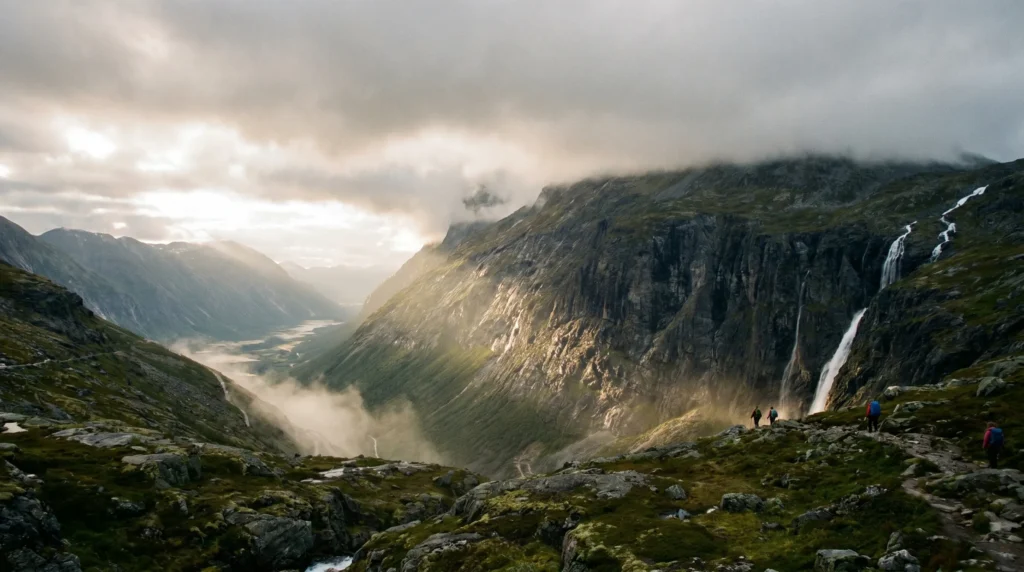
I have spent weeks hiking routes from Trolltunga to Preikestolen, and the weather always surprises you. Even in July, temps drop fast at elevation, and trails turn slick after a downpour. You can start a morning hike in sunshine and finish in fog with drizzle, which is why having the right shell and base layers makes the difference between a great day and a miserable slog.
Norway’s terrain is rocky, steep, and often boggy. You’ll ford streams, scramble over roots, and cross exposed ridges where wind cuts through anything that’s not windproof. Wet granite and muddy patches demand boots with real grip, and trails like Romsdalseggen or Besseggen involve long days where your feet take a beating if your boots aren’t broken in.
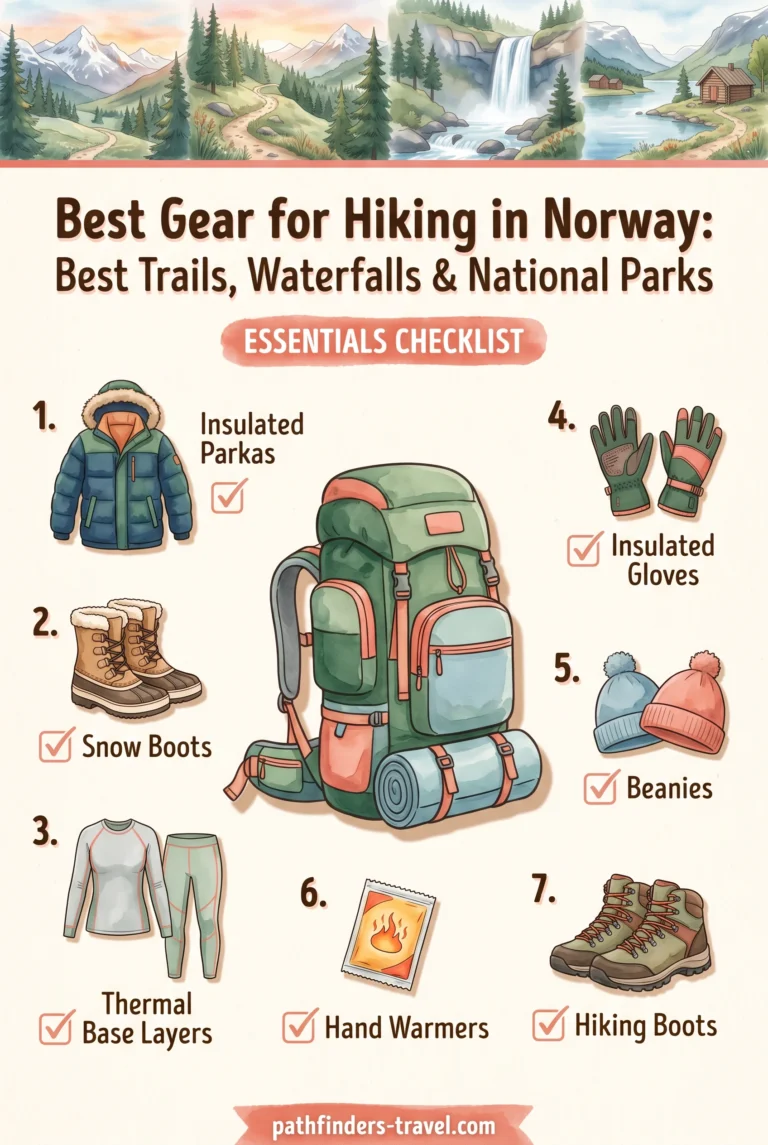
The gear breakdown here covers insulated parkas for shoulder seasons, waterproof snow boots for winter treks, thermal base layers for moisture management, gloves that work in wet cold, beanies for windchill, hand warmers for long ridge walks, and hiking boots for summer scrambles.
This guide organizes everything by category so you can pick what fits your trip dates and budget. I will walk through what works in different conditions and why certain picks matter more than others.
Insulated Parkas for Layering
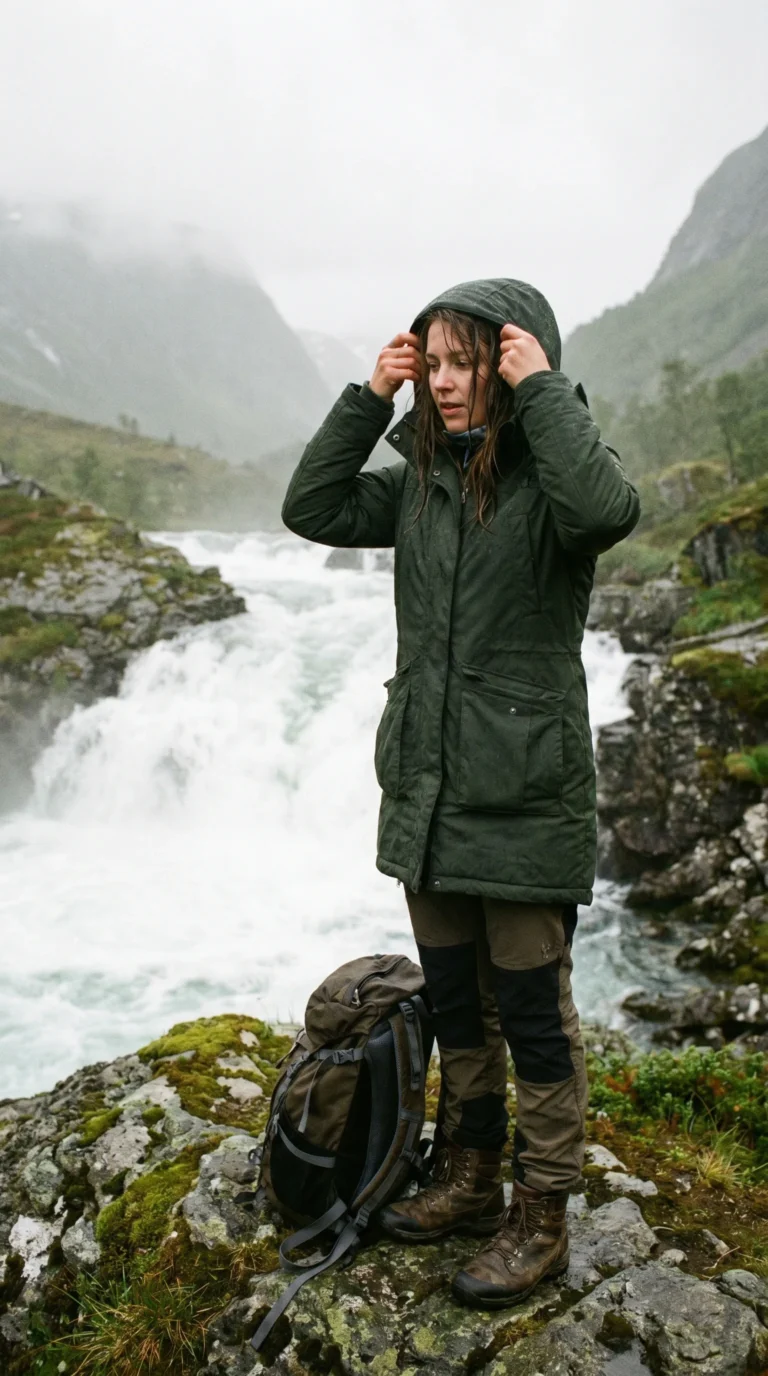
An insulated parka is your backup when temps drop or wind picks up on exposed sections. I always pack one even in summer because above 3,000 feet it feels like a different season. Norway’s mountain weather can shift in minutes, and having a warm layer you can pull on makes the difference between a comfortable break and a shivering retreat.
If you’re planning multi-day alpine treks where weight matters and dry cold is the main concern, the Ww Cirruslite Down Jacket is a packable option that stuffs into a corner of your pack. It’s light enough for spring or fall hikes when you need warmth at camp or on ridges, and the down fill gives you warmth without bulk. I wore a similar jacket at Preikestolen in October, and it was perfect for the exposed plateau.
If you’re hiking in wetter shoulder seasons or want a shell that handles rain, this lightweight waterproof fleece-lined softshell is a better pick. It combines windproofing, water resistance, and a fleece lining so you skip a separate fleece layer. I wore a similar softshell on the Besseggen Ridge in September, and it blocked wind while staying breathable during the climb.
Both parkas layer over base layers and under a rain shell if conditions get really wild. Down is great for dry cold. Synthetic fleece-lined shells shine when drizzle is constant. Think about which weather you’ll face most.
Snow Boots for Winter and Shoulder Seasons
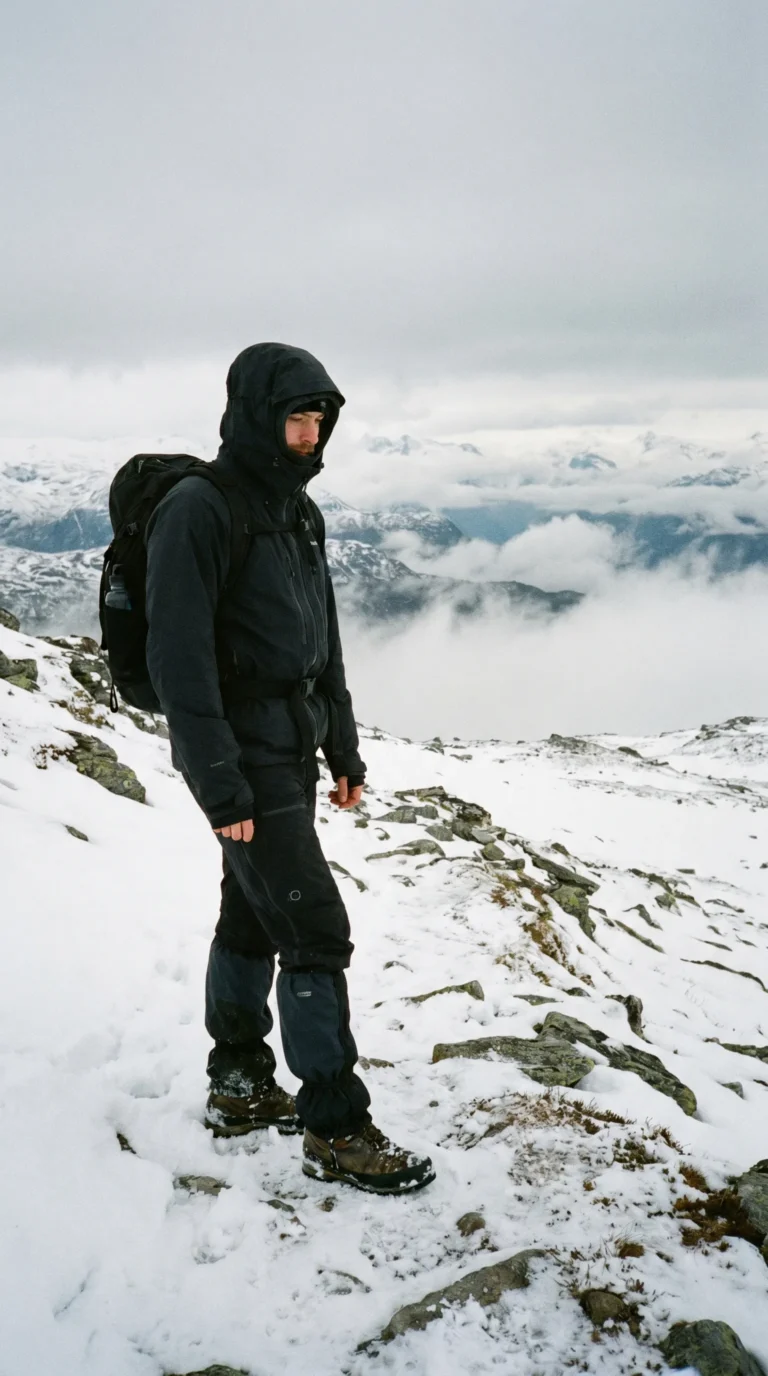
If you’re hiking Norway between October and April, or tackling spring trails with lingering snowpack, waterproof insulated boots are non-negotiable. Trails like Trolltunga stay snow-covered into June, so having the right footwear keeps your feet dry and warm when temperatures stay below freezing and daylight is short.
For shorter winter walks, hut-to-hut treks, or evenings at a mountain lodge, the Thermoball Traction Bootie is what I always reach for. It’s a camp-style boot that packs down small in your daypack and delivers solid insulation when you’re not moving much. I used booties similar to these after a day on the Romsdalseggen Ridge, and they were perfect for warming up cold feet without adding bulk to my pack.
If you’re planning longer winter hikes or facing deep snow, these mid-calf lace-up snow boots give you more coverage and security on the trail. The waterproof construction and mid-calf height stop snow from sliding into your boots, and the fur cuff adds a bit of insulation around your ankles. They’re a great choice for day hikers who want confidence on snowy paths without spending top dollar.
Both options beat wearing summer hiking boots in snow. Your feet stay dry and warm, which is critical when daylight is short and temps don’t climb above freezing.
Thermal Base Layers for Moisture Control
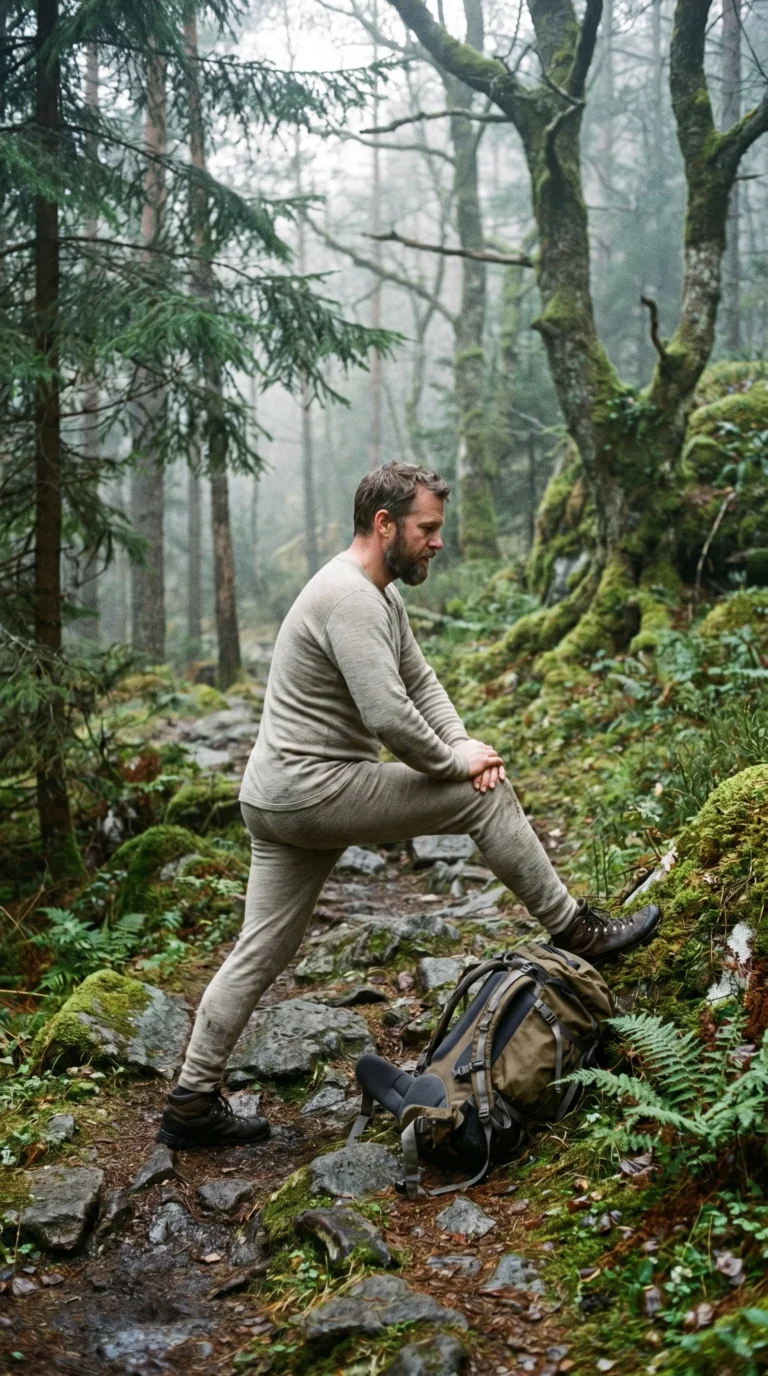
Base layers are the foundation of Norway’s layering system, and they work harder than any other piece of clothing you’ll wear. You’ll sweat on steep climbs, then freeze when you stop for a break. The right moisture-wicking fabric keeps you from getting chilled by your own perspiration, which is a real problem when you’re tackling trails in Trolltunga or Jotunheimen and the wind picks up.
If you’re planning multi-day treks or long alpine routes, the Helly Hansen LIFA lightweight baselayer bottoms are a solid choice. I have used HH LIFA tops on multi-day hikes in Jotunheimen, and they never felt clammy even after hours of climbing. The fabric pulls sweat away from your skin and dries while you’re still moving, which means you can rinse them at a hut and have them ready by morning.
For colder months or anyone who runs cold, the heavyweight fleece-lined thermal set gives you warmth and wicking in one layer. The fleece lining traps heat close to your body, and the long sleeves and leggings cover everything so you’re not dealing with gaps when you bend or reach. This set is what you want for late fall, winter, or high-elevation hikes where temps stay low all day.
I always pack two sets of base layers so I have a dry set for sleeping or the next day. Lightweight options work great in summer and shoulder seasons when temps swing. Merino wool is another option if you prefer natural fibers, but synthetic dries faster if laundry isn’t an option.
Insulated Gloves for Wind and Cold
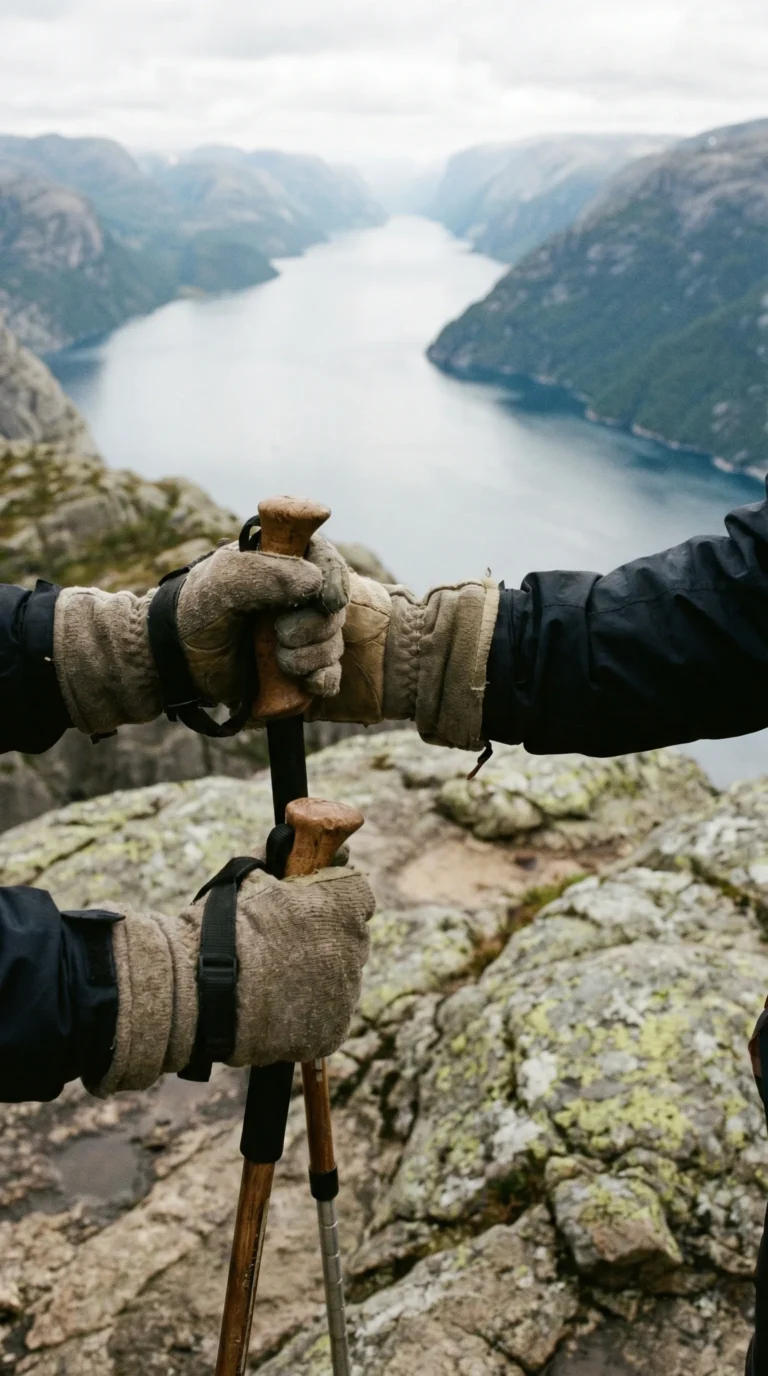
Your hands will freeze on exposed ridges and high plateaus if you skip gloves. Even in summer, wind above treeline drops the feel-like temp fast, and in shoulder seasons or winter, gloves aren’t optional. Norway’s trails often climb into zones where wind chill matters more than the actual air temperature, so proper hand protection is essential for comfort and safety.
If you’re tackling multi-day alpine routes or expect mixed conditions, the waterproof merino wool touchscreen gloves are a smart all-around pick. The three-layer construction blocks wind, the merino lining wicks sweat and adds warmth, and the touchscreen tips let you snap photos or check your GPS without exposing your fingers. I wore merino-lined gloves on a spring hike to Kjerag, and they handled light rain and wind without getting soaked.
For deeper winter or if you need something burlier with more coverage, the insulated knit cuff glove gives you a longer cuff that tucks under your jacket sleeves. The waterproof shell keeps rain and snow out, and the insulation is thicker than the merino option, making it ideal for colder days or less experienced hikers who want extra warmth.
Touchscreen compatibility is a huge convenience when you’re trying to get around or take photos in cold wind. Look for gloves that fit snug so you don’t lose dexterity when handling trekking poles or adjusting layers.
Beanies for Wind and Chill
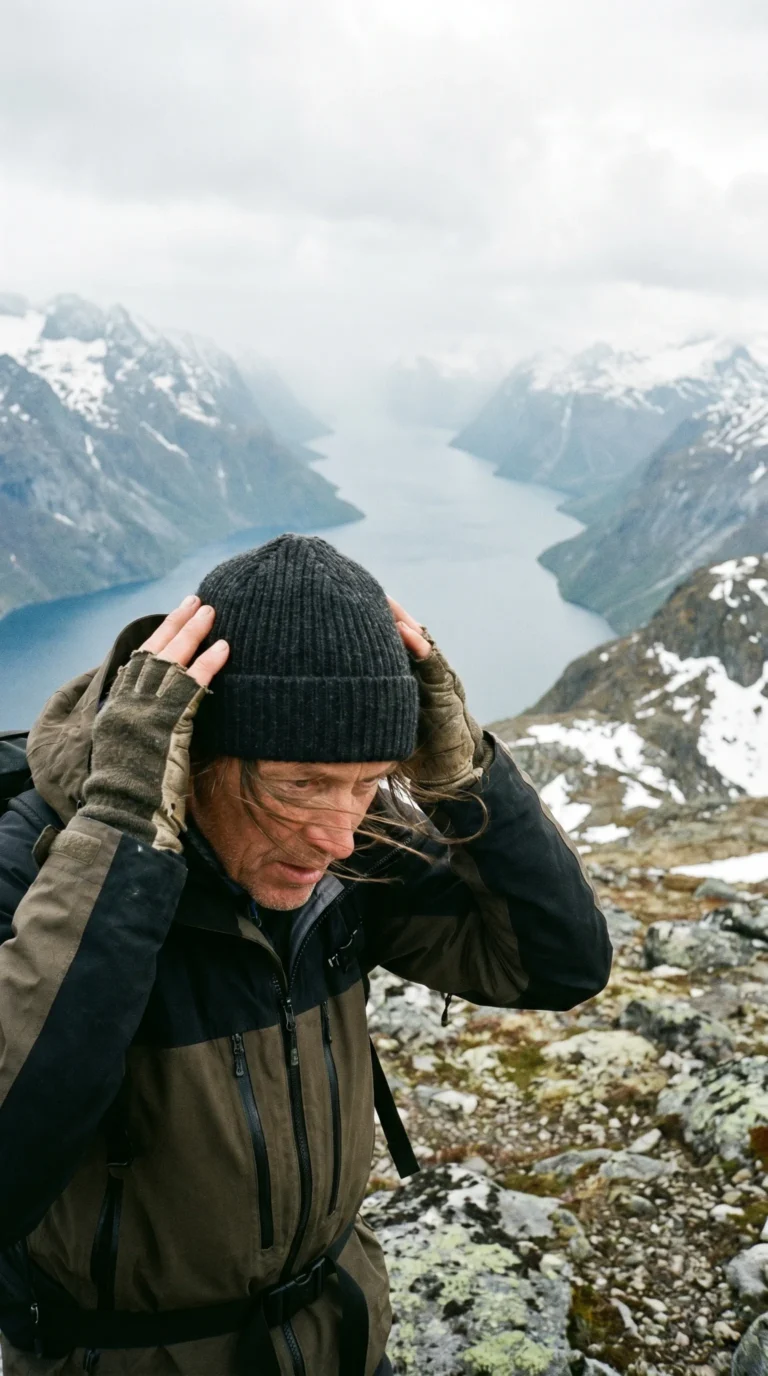
A beanie is one of the smallest pieces of gear you’ll pack, but it makes a huge difference when wind picks up or temps drop. You lose a lot of heat through your head, and a good beanie keeps you comfortable without adding bulk. Pack one even if your jacket has a hood, because hoods are great for rain but a beanie is easier to adjust and more comfortable for long stretches.
The Thermal Merino Reversible Cuffed Beanie is a solid pick for all seasons. Merino regulates temperature well, so it keeps you warm without overheating when you’re moving. The reversible design gives you two color options, which is nice if you want to mix things up, and the cuffed style stays put even in wind.
Merino doesn’t get as smelly as synthetic fabrics, so you can wear it for days without washing. I wore a merino beanie on a September hike to Reinebringen, and it blocked wind without making my head sweaty during the climb.
It stuffs into a jacket pocket when you don’t need it, making it easy to carry without taking up space.
Hand Warmers for Long Hikes and Breaks
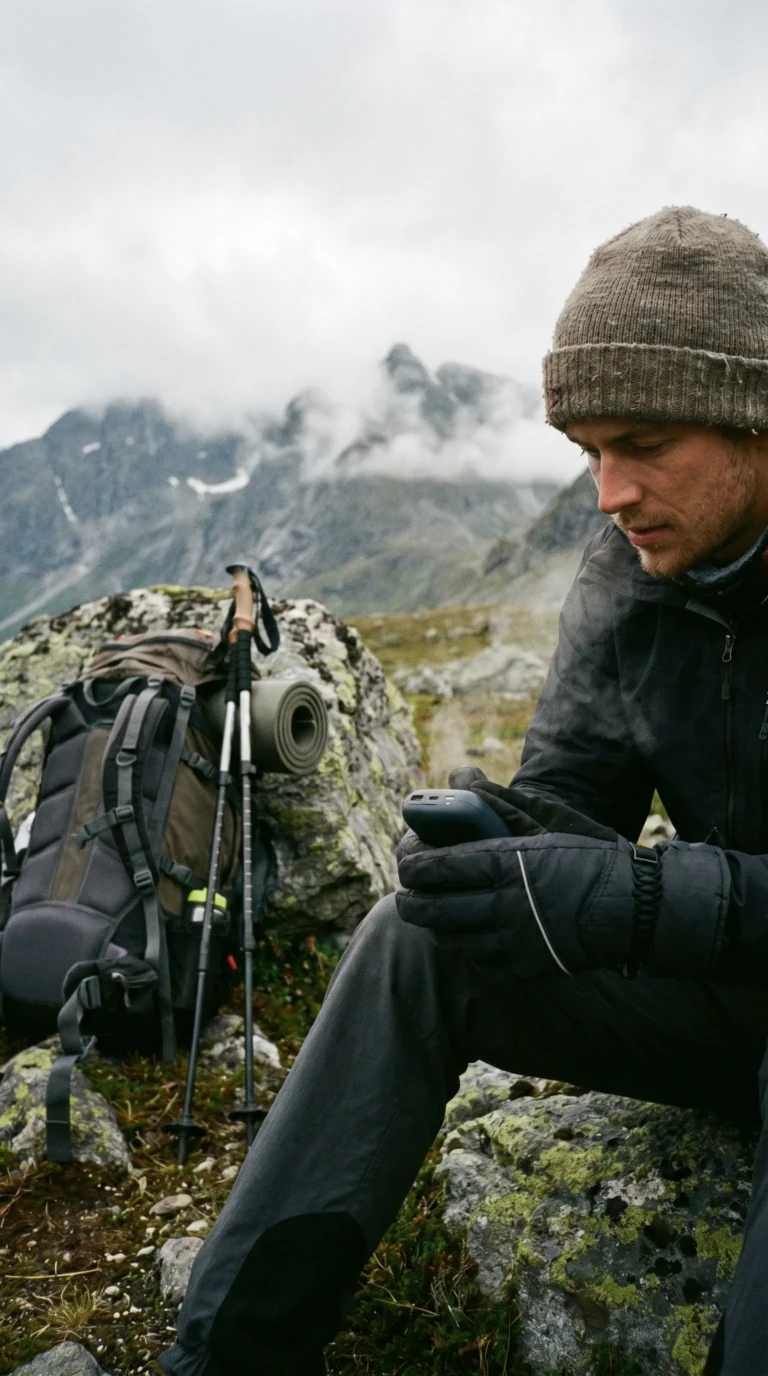
Hand warmers are a luxury item that becomes essential on cold, windy days or when you’re waiting for a ferry after a long hike. I have used disposable chemical warmers for years, but rechargeable electric ones are more practical for multi-day trips.
If you’re tackling hut-to-hut routes like Besseggen or camping in Jotunheimen, the rechargeable hand warmers with charge case give you hours of warmth and double as a phone charger. The dual-sided heat warms both hands at once, and the case keeps them charged between uses. This is my top pick for serious trekkers who need reliable, reusable warmth without packing extra batteries.
The cordless wrist hand heating pad is a different tool. It wraps around your wrists and delivers heat through red light therapy and massage. This is more for people dealing with arthritis or carpal tunnel pain who need targeted warmth, not just general cold-weather comfort.
For general hiking, I would pick the dual-sided warmers. They’re portable, reusable, and practical. The wrist wrap is a specialty item for specific needs.
Electric warmers beat disposable ones if you’re hiking for more than a few days. You avoid waste and save money over time.
Hiking Boots for Summer Trails
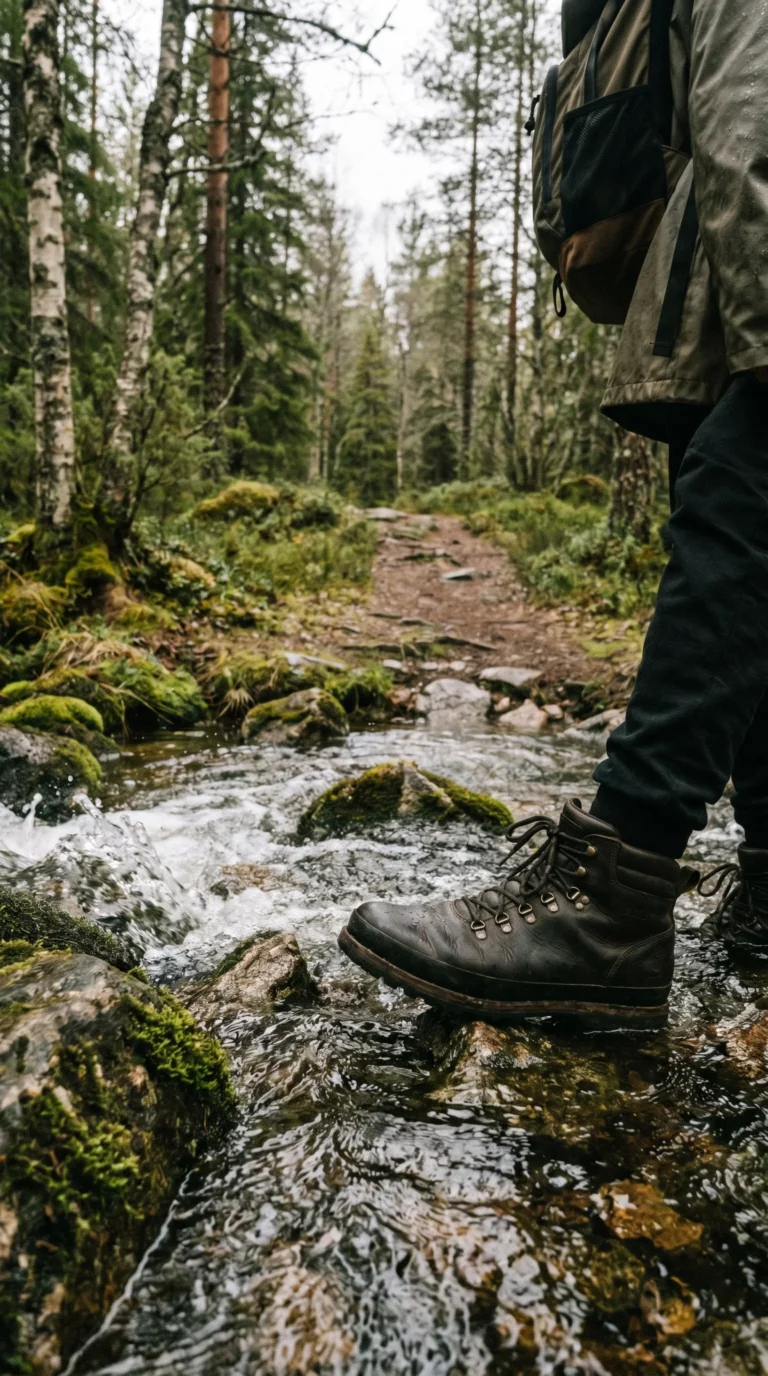
Summer hiking in Norway still means rocky, uneven trails with stream crossings and mud. You need boots with ankle support, waterproofing, and grippy soles. Sneakers or trail runners will leave you with wet feet and rolled ankles, which can end your trip fast.
The Terrex Anylander Mid Top Rain.Rdy gives you mid-top ankle support, waterproof construction, and a sole designed for wet rocks and roots. The Rain.Rdy membrane keeps water out during stream crossings, and the mid-top height stabilizes your ankle on uneven terrain.
I wore similar mid-top boots on the hike to Preikestolen, and they handled everything from dry rock scrambles to muddy descents. The ankle support made a huge difference on the steeper sections, especially coming down when your knees are tired.
Look for boots with a Vibram or similar aggressive sole. Norway’s trails are slick when wet, and a smooth sole will have you slipping constantly.
Break in your boots before you leave. Even a short hike on a new pair can leave you with blisters that ruin the rest of your trip.
Packing and Layering Tips for Norway
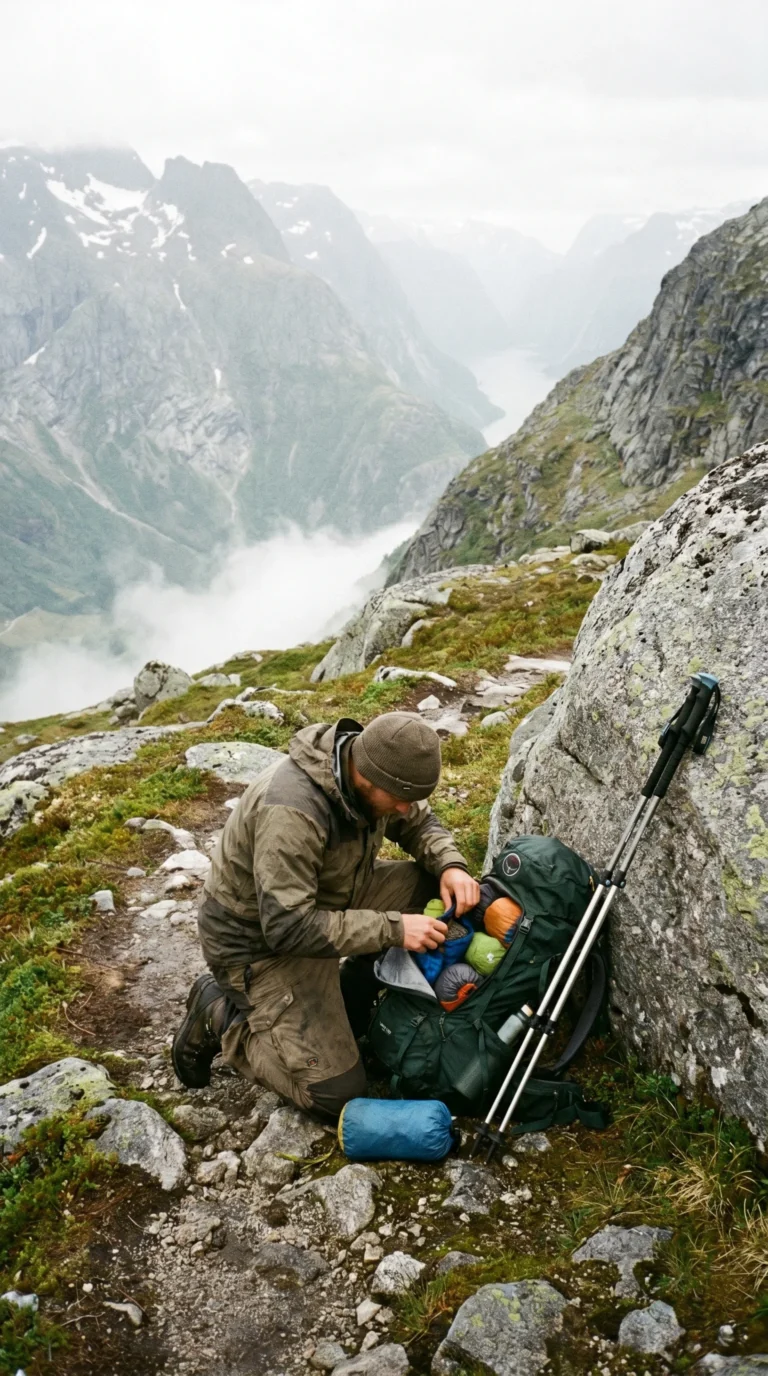
In Norway, the key to staying comfortable on the trail is keeping everything dry and layering smart so you can adjust to fast-changing conditions. Rain shows up without warning, and trails often take longer than you think.
Pack everything in waterproof stuff sacks or dry bags. Rain happens without warning, and even a waterproof pack can leak at the seams. I learned this the hard way on a hike near Bergen when my spare socks got soaked.
The layering system in Norway is base layer, insulating layer, and waterproof shell. Start with a moisture-wicking base, add a fleece or down layer for warmth, and finish with a waterproof jacket and pants. Adjust as you go.
Bring trekking poles. The steep descents and stream crossings are much easier with poles for balance. Collapsible poles pack small and save your knees on long downhills.
Carry a headlamp even in summer. Trails take longer than expected, and if you’re hiking in the north during midnight sun season, you might still need light inside a hut or tent.
Wear gaiters if you’re hiking in spring, fall, or winter. They keep snow, mud, and water from sliding into your boots and make stream crossings less miserable.
Pack extra food and water. Huts and water sources are spread out, and weather can force you to hunker down longer than planned. I always carry an extra energy bar and water filter.
Check weather forecasts daily. Conditions change fast, and what looks like a clear morning can turn into fog and rain by noon.
Frequently Asked Questions
What should I wear for hiking in Norway?
Layer moisture-wicking base layers, an insulating mid-layer, and a waterproof shell jacket and pants to handle Norway’s unpredictable weather. Even in summer, temperatures can drop quickly at higher elevations, and rain appears without warning. I always pack a warm fleece or down layer and extra socks, because staying dry makes all the difference on the trail. Avoid cotton since it holds moisture and loses insulating value when wet.
What is the best month to hike in Norway?
July and August offer the most stable weather, longest daylight hours, and ice-free trails across most of Norway. June works well too, though some high-elevation routes may still have snow patches. September brings beautiful fall colors but shorter days and cooler temperatures. Winter hiking from December through April requires specialized gear like crampons and avalanche safety equipment.
What shoes should I wear on a waterfall hike in Norway?
Waterproof hiking boots with aggressive tread provide the best grip on wet rocks and muddy trails near Norwegian waterfalls. Trails around popular spots like Vøringsfossen or Kjosfossen get slippery from constant mist and water spray. Mid-height boots offer ankle support on uneven terrain, and Gore-Tex linings keep your feet dry. Break them in before your trip to avoid blisters.
Do I need a power adapter for Norway?
Yes, Norway uses Type C and Type F plugs with 230V electricity, different from US and UK outlets. Bring a universal travel adapter to charge your phone, camera batteries, and GPS devices. Most modern electronics handle the voltage difference automatically, but double-check your chargers. Hotels and mountain huts usually have limited outlets, so a multi-port USB charger saves space.
Can I use a credit card in Norway or do I need cash?
Credit cards work almost everywhere in Norway, including remote trail cafés and mountain huts that accept payment. Norway is one of the most cashless countries in the world. Still, I carry a small amount of Norwegian kroner for unstaffed self-service cabins or occasional farm stands along rural trails. Visa and Mastercard have the widest acceptance.