Estimated reading time: 13 minutes
Last updated: July 2026
Table of Contents
- How Long Does the Trolltunga Hike Take?
- Understanding Trolltunga
- How to Hike Trolltunga from Odda
- Trolltunga Hike Difficulty and Preparation
- Best Time of Year to Hike Trolltunga
- Side Attractions and Exploring the Odda Area
- Frequently Asked Questions
How Long Does the Trolltunga Hike Take?
Trolltunga Hike Guide
The Trolltunga hike is a long, demanding day — about 27 km (17 miles) round trip with roughly 800m of climbing from Skjeggedal (P2) near Odda, taking most hikers 8 to 12 hours. Starting from the higher P3 Mågelitopp trailhead shortens it to about 20 km and 7 to 10 hours. The trail is rated very demanding and is best hiked from mid-June to mid-September, when it is largely snow-free.
This trolltunga hike guide provides practical details about the hike’s difficulty, essential logistics, and timing, making it an important resource for anyone planning to take on this top adventure. From understanding the physical demands to knowing the best seasons for hiking, this guide covers everything you need for a successful journey to one of Norway’s most photographed natural landmarks.
You can see this for yourself. Click here to watch the video from this point.
How This Guide Was Researched
This guide draws on verified tourism data, local transport and accommodation research, and real traveler experiences. Budget figures and seasonal details were current at the time of writing. Always check official sources for the most up-to-date information.
Understanding Trolltunga
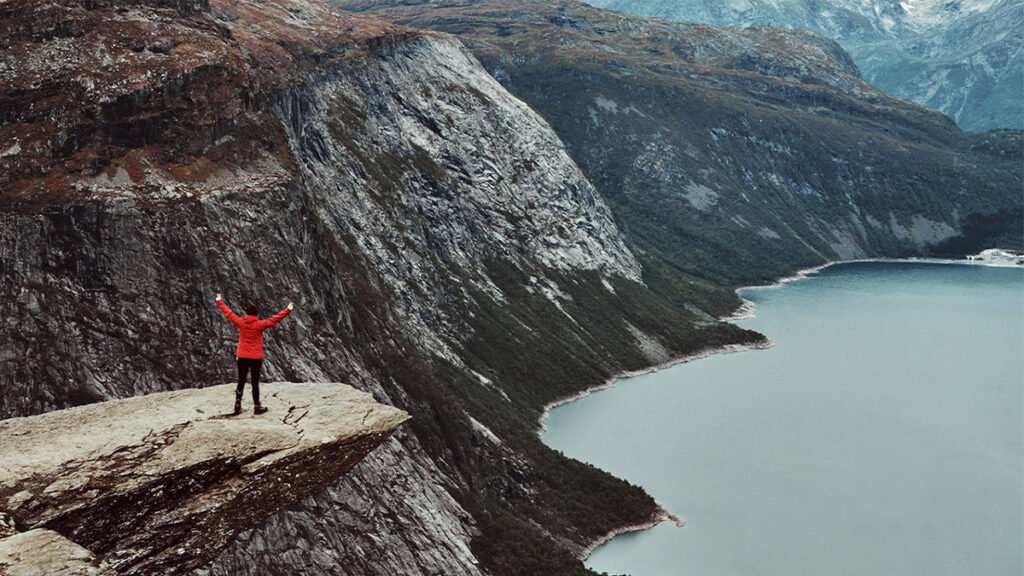
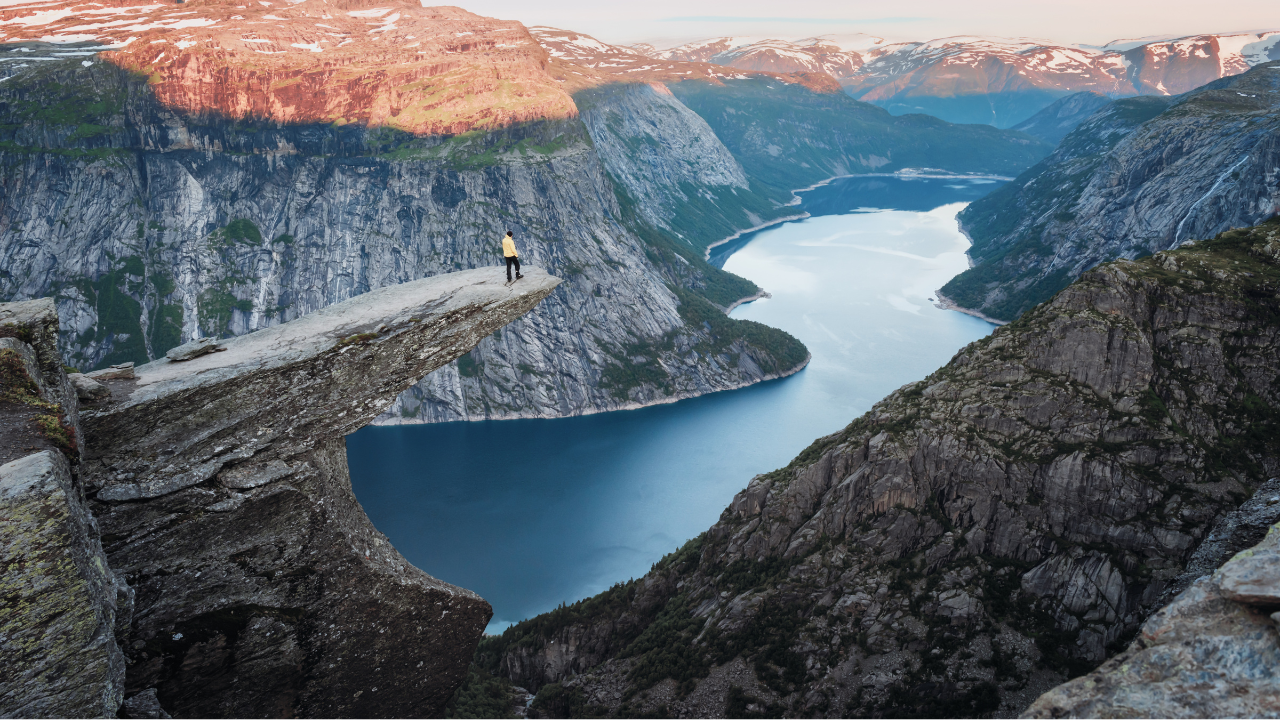
Trolltunga is a narrow, horizontally jutting rock formation that sits over 700 meters above Ringedalsvatnet in Vestland county, Norway. The name translates to “Troll’s Tongue,” inspired by its unique shape and dramatic position. This natural rock platform extends out from the mountainside, creating a perfect stage for visitors to experience some of the greatest views in Norway’s wilderness.
What was once a lesser-known spots has seen its visitor numbers grow rapidly in recent years. From fewer than 1,000 hikers in 2010, the site now attracts around 80,000 adventurers annually. This surge in popularity is largely due to the spot becoming famous on social media, with photos of brave travelers standing on the rock’s edge becoming iconic images of Norwegian tourism.
The main draw of Trolltunga is undoubtedly its dramatic views. From this vantage point, hikers can take in wide vistas of mountains, valleys, and the deep blue waters of the lake below. The sheer drop and wide-open space create a sense of both awe and vertigo that has made it one of the most sought-after photo opportunities in Scandinavia.
The trail to Trolltunga has evolved significantly over the years. Once accessible only to the most determined hikers, improvements to paths and facilities have made it more approachable, though still challenging. These developments have helped manage the increased foot traffic while protecting the natural environment.
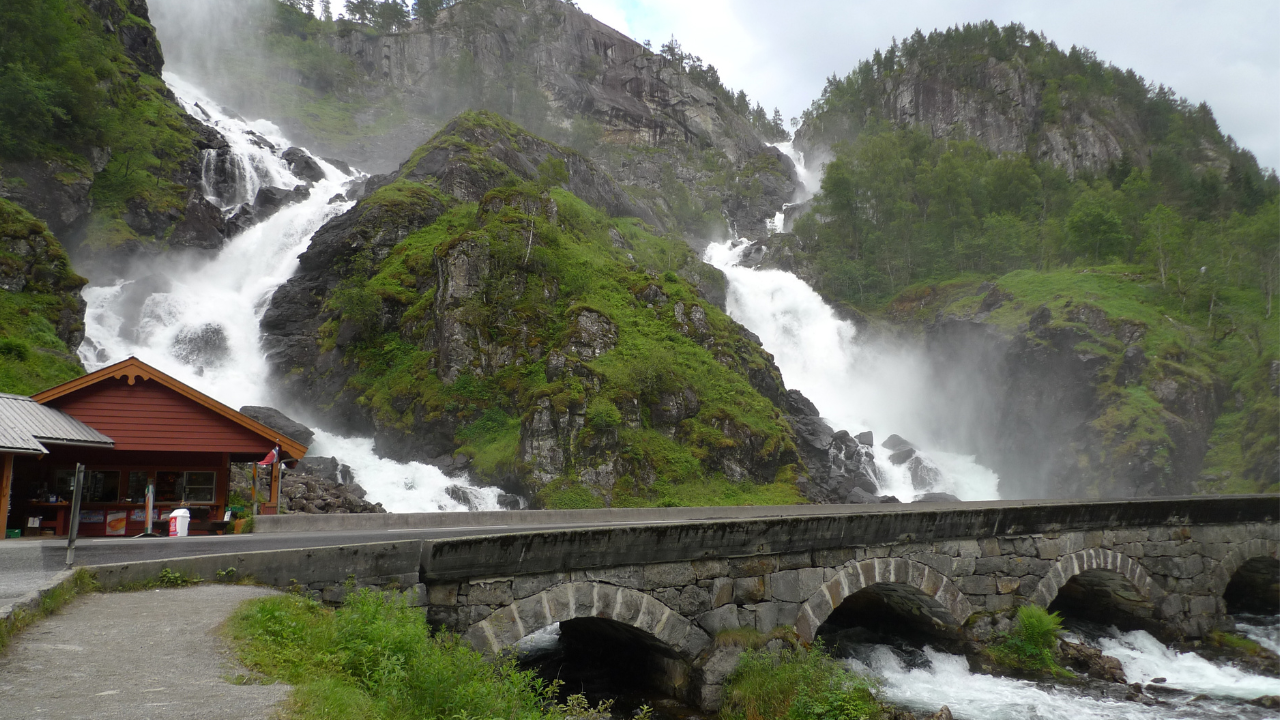
Beyond Trolltunga itself, the Odda region offers several other natural attractions worth exploring. Most notable is the Latefossen waterfall, a spectacular double cascade visible from the main road. This twin waterfall thunders down the mountainside before meeting under a stone bridge, creating one of Norway’s most beautiful waterfalls and an essential stop for travelers visiting the area.
How to Hike Trolltunga from Odda
Planning how to hike Trolltunga from Odda requires careful attention to logistics. Odda serves as the main base town for hikers, located about 20 kilometers from the primary trailhead. This small town provides necessary amenities like accommodation, food, and supplies before your adventure begins.
Transport and Access
Getting to the trailhead requires some planning. Public transport options are limited, especially during off-peak seasons, making car rental highly recommended for flexibility. If you’re relying on Norway’s public transportation, be sure to check schedules well in advance, as buses can be infrequent and may not align perfectly with hiking times.
Parking Options
There are three main parking areas for Trolltunga hikers, each offering different advantages:
- P1 Tyssedal: The most distant parking lot, located in the town of Tyssedal. From here, you’ll need to take a shuttle or walk an additional 6.5 km to reach the main trailhead at P2.
- P2 Skjeggedal: This is the standard parking area for most hikers and the starting point for the classic 27 km round-trip route. Spaces fill quickly during peak season, so arriving early is essential.
- P3 Mågelitopp: The highest parking lot, offering the shortest hike at 20 km round-trip. However, spaces are extremely limited and must be reserved well in advance. This option cuts out the steepest initial ascent.
All parking areas require payment, and during high season (June-September), reservations are strongly recommended or required, especially for P3.
Shuttle and Route Tips
For those wanting to shorten the hike, paid shuttles run from P2 to P3 during peak season. This service saves hikers several kilometers and the steepest part of the ascent. Taxis are also available but can be expensive and in high demand during summer months.
The trail itself is well-marked with red “T” symbols painted on rocks and clear signage throughout the route. The path begins with a steep and often slippery ascent, especially from P2 (Skjeggedal), followed by a varied terrain of stone paths, wooden walkways, and rocky sections.
Local advice suggests checking all parking and shuttle schedules before your trip and planning for an early departure, ideally before 8:00 AM. This helps avoid bottlenecks at popular photo spots and make sures you have enough daylight hours to complete the hike safely.
Trolltunga Hike Difficulty and Preparation
Understanding the trolltunga hike difficulty is crucial for proper preparation. This hike is officially graded as “Very Demanding” by Norwegian authorities due to its length, elevation gain, and alpine conditions. This isn’t a casual walk, it’s a serious undertaking that requires physical fitness and proper planning.
Detailed Exertion and Requirements
From the main P2 Skjeggedal parking area, the hike covers 27 kilometers round-trip with approximately 800 meters of elevation gain. Most hikers take between 8-12 hours to complete the journey. Even from the higher P3 Mågelitopp parking (which shortens the hike to 20 km), you should still allow 7-10 hours.
The physical challenges include:
- Steep, sustained ascents, particularly in the first section from P2
- Rocky and potentially slippery terrain, especially after rainfall
- Exposed sections with little shelter from wind or rain
- High altitude conditions with possible snow patches even in summer
To prepare physically, focus on cardiovascular endurance and leg strength. Regular hikes of increasing distance in the weeks before your trip will help build the needed stamina. Stair climbing is also excellent preparation for the steep sections.
Safety Measures and Gear
Proper equipment is essential for safely completing the Trolltunga hike. Required items include:
- Waterproof jacket and pants (Norwegian weather can change rapidly)
- Sturdy hiking boots with ankle support and good traction
- Layers of clothing (including non-cotton base layers)
- Extra food and water (minimum 2-3 liters per person)
- Map or GPS device (even though the trail is marked)
- First aid kit and emergency whistle
- Headlamp (in case your hike takes longer than expected)
Hikers should be aware of the three emergency shelters along the route. These basic structures provide protection in case of sudden weather changes but aren’t intended for overnight stays unless absolutely necessary.
It’s important to know your limits and not attempt the hike in poor weather conditions. The trail isn’t recommended outside the main hiking season (mid-June to mid-September) without specialized winter hiking equipment and experience. Always leave your hiking plan with someone not on the trip, and bring a fully charged mobile phone (Norway’s emergency number is 112).
Best Time of Year to Hike Trolltunga
Choosing the best time of year to hike Trolltunga is critical for both safety and enjoyment. The official hiking season typically runs from mid-June to late September, when the trails are generally free from snow and weather conditions are most favorable.
Weather and Season
Outside the recommended window, heavy snow and adverse weather make the hike hazardous for anyone except experienced winter trekkers with specialized equipment. Even during the main season, hikers should be prepared for sudden weather changes. The mountains of Norway can experience rain, fog, and rapid temperature drops with little warning.
Always check current weather forecasts before setting out, and be prepared to postpone your hike if conditions look unfavorable. The Norwegian Meteorological Institute (Yr.no) provides reliable forecasts specific to the Trolltunga area.
Optimal Time Recommendations
July and August offer the best combination of daylight hours, mild temperatures, and trail accessibility. These months are also when facilities such as shuttle buses and parking services operate at full capacity. However, these advantages come with a trade-off: these are also the busiest months, when the trail can become crowded, especially at popular photo spots like the Trolltunga rock itself.
If you want a quieter experience, late June or early September can provide a good balance between favorable conditions and fewer crowds. During these periods, you’ll still find reasonably good weather and enough daylight, but with significantly fewer hikers on the trail.
The extended daylight of the Norwegian summer is particularly beneficial for this hike. During July, the sun rises very early and sets late, giving hikers ample time to complete the journey in daylight. This is important for safety, as navigating the trail in darkness adds significant risk.
Accessibility Alerts
It’s worth noting that roads, shuttles, and parking facilities may have limited operations or be completely closed outside the main season. For example, the shuttle service from P2 to P3 typically operates only during peak months, and the upper parking area (P3) may be inaccessible during early or late season due to snow or maintenance.
When planning your visit to Norway and Trolltunga, always check the official Trolltunga website for current information about trail conditions, facility operations, and any special advisories that might affect your hike.
Side Attractions and Exploring the Odda Area
While Trolltunga may be the main draw, the Odda area offers several worthwhile attractions that complement your hiking adventure. Taking time to explore these sites can enhance your Norway travel experience, especially if you’re spending multiple days in the region.
Latefossen Waterfall Near Odda
By Andreas Johannsen from Copenhagen
Unlike Trolltunga, which requires significant hiking effort, Latefossen can be viewed directly from the roadside parking area. This makes it perfect for visitors of all fitness levels or as a bonus attraction either before or after your Trolltunga hike. The powerful rush of water creates a misty atmosphere that’s particularly photogenic, especially when sunlight creates rainbows in the spray.
Explore Odda
The town of Odda itself deserves some exploration. This small industrial town sits at the southern tip of Sørfjorden, surrounded by mountains and waterfalls. It offers practical amenities for hikers, including:
- Accommodations: with simple hostels and comfortable hotels, Odda has options for various budgets
- Local eateries: Try traditional Norwegian dishes at family-run restaurants
- Outdoor shops: Purchase or rent any hiking gear you might have forgotten
The town also has an interesting industrial heritage from its history as an aluminum production center, with some historic buildings worth seeing during a walking tour of the compact downtown area.
Additional Attractions
The region around Odda offers several other natural wonders worth exploring:
- Buer Glacier: A moderate 3-hour round-trip hike leads to this accessible arm of the larger Folgefonna glacier
- Folgefonna National Park: Home to Norway’s third-largest glacier, offering summer skiing and guided glacier walks
- Røldal Stave Church: A historic wooden church dating back to the 13th century, located a short drive from Odda
- Hardanger Folk Museum: Learn about local culture and traditions in nearby Utne
For those interested in exploring Norway’s fjords, boat tours of Hardangerfjord depart from several nearby towns, offering another perspective on the region’s dramatic landscapes. These tours range from quick sightseeing trips to full-day excursions.
By building in time to explore these additional attractions, you can transform your Trolltunga adventure into a more complete experience of the Hardanger region, one of Norway’s most beautiful areas.
Frequently Asked Questions
How difficult is the Trolltunga hike?
Very challenging. It is a 27 km round trip with about 800m of ascent over rough, rocky, often muddy terrain, taking 8 to 12 hours. You need good fitness, sturdy boots, and a full day — it is officially graded “very demanding” and is not a casual walk, with many hikers finding the return leg the hardest part.
Has anyone ever fallen off Trolltunga?
There has been one recorded fatality, when a hiker fell to her death in 2015. Serious accidents are rare despite the crowds, but there are no railings at the cliff and the drop is around 700m, so stay well back from the edge, mind your footing, and take extra care in wet or windy weather and when posing for photos.
Is Trolltunga too crowded?
It can be busy on sunny July and August weekends, with queues to step onto the rock for the classic photo. To avoid the crush, start early (before 8 a.m.), hike midweek, or go in the June or September shoulder season. Camping near the cliff lets you reach it at sunrise before the day-hikers arrive.
Do you need a permit or guide to hike Trolltunga?
No permit is required and no guide is mandatory — you can hike independently in summer. Guided day and overnight tours are available and strongly recommended in shoulder season or winter, when snow makes the route dangerous. Wild camping is allowed along the trail if you follow Norway’s leave-no-trace rules.
How much does parking cost at Trolltunga?
Parking is paid. P2 Skjeggedal parking costs about 500 NOK for the day, reached by a toll road from Tyssedal of roughly 220 NOK, while the cheaper P1 Tyssedal lot runs about 300 NOK (more for multiple days). The higher P3 Mågelitopp lot costs about 600 NOK, has limited spaces and must be booked in advance, and a shuttle links P2 to P3 (from about 150 NOK). A seasonal shuttle bus also runs from Odda, roughly mid-May to late September.