This guide contains affiliate links. As an Amazon Associate we earn from qualifying purchases — at no extra cost to you.
Last updated: July 24, 2026
Estimated reading time: 19 minutes
Table of Contents
- How Many Days Do You Need in Sweden?
- Best Time to Visit Sweden
- Planning Your Sweden Trip
- Sample Two-Week Sweden Itinerary
- Sweden Travel Tips
- Frequently Asked Questions about Sweden Travel
How Many Days Do You Need in Sweden?
Sweden rewards about 10 to 14 days for a first visit. A classic two-week itinerary pairs Stockholm and its archipelago (3–4 days) with the island of Gotland and Visby, the south around Malmö and the coast, the west around Gothenburg, and the wild north of Swedish Lapland for the midnight sun or northern lights. With one week, focus on Stockholm plus one region.
This complete Sweden travel guide aims to help you get around this fascinating country, Coastal archipelagos, or clean forests. With diverse regions spanning from the Baltic shores in the south to the Arctic Circle in the north, Sweden’s geographic variety is matched only by its rich cultural heritage and modern spirit.
Sweden’s appeal lies in its great contrasts. You can explore lively city districts in Stockholm with cutting-edge design and technology, then quickly escape to quiet natural settings where silence and solitude reign. The country’s historical landmarks, including medieval castles, Viking ruins, and traditional wooden villages, tell the story of a nation that has shaped Scandinavian history for centuries.
If you’re wondering how to plan a Sweden trip that captures the essence of this great country, this guide will walk you through everything from the best times to visit to practical travel tips that will enhance your Swedish adventure.
You can see this for yourself. Click here to jump to the video in UHD 4K Resolution.
Best Time to Visit Sweden by Season and Activities
Understanding Sweden’s distinct seasonal variations is crucial for planning your perfect trip. Each season transforms the country in unique ways, offering dramatically different experiences throughout the year.
Summer (June to August): Land of the Midnight Sun
Planning Tip
Summer is the most popular time to visit Sweden, and for good reason. With temperatures typically ranging from 15-25°C (59-77°F), the weather is pleasantly warm without becoming uncomfortable. In Stockholm and southern regions, you’ll enjoy long, sunny days perfect for exploring cities, hiking through national parks, or island-hopping across the archipelagos.
The further north you travel, the more great the daylight phenomenon becomes. Above the Arctic Circle in places like Kiruna, the Midnight Sun creates a surreal experience where the sun never fully sets for several weeks. This endless daylight opens up possibilities for extended outdoor adventures and creates a magical atmosphere unlike anywhere else.
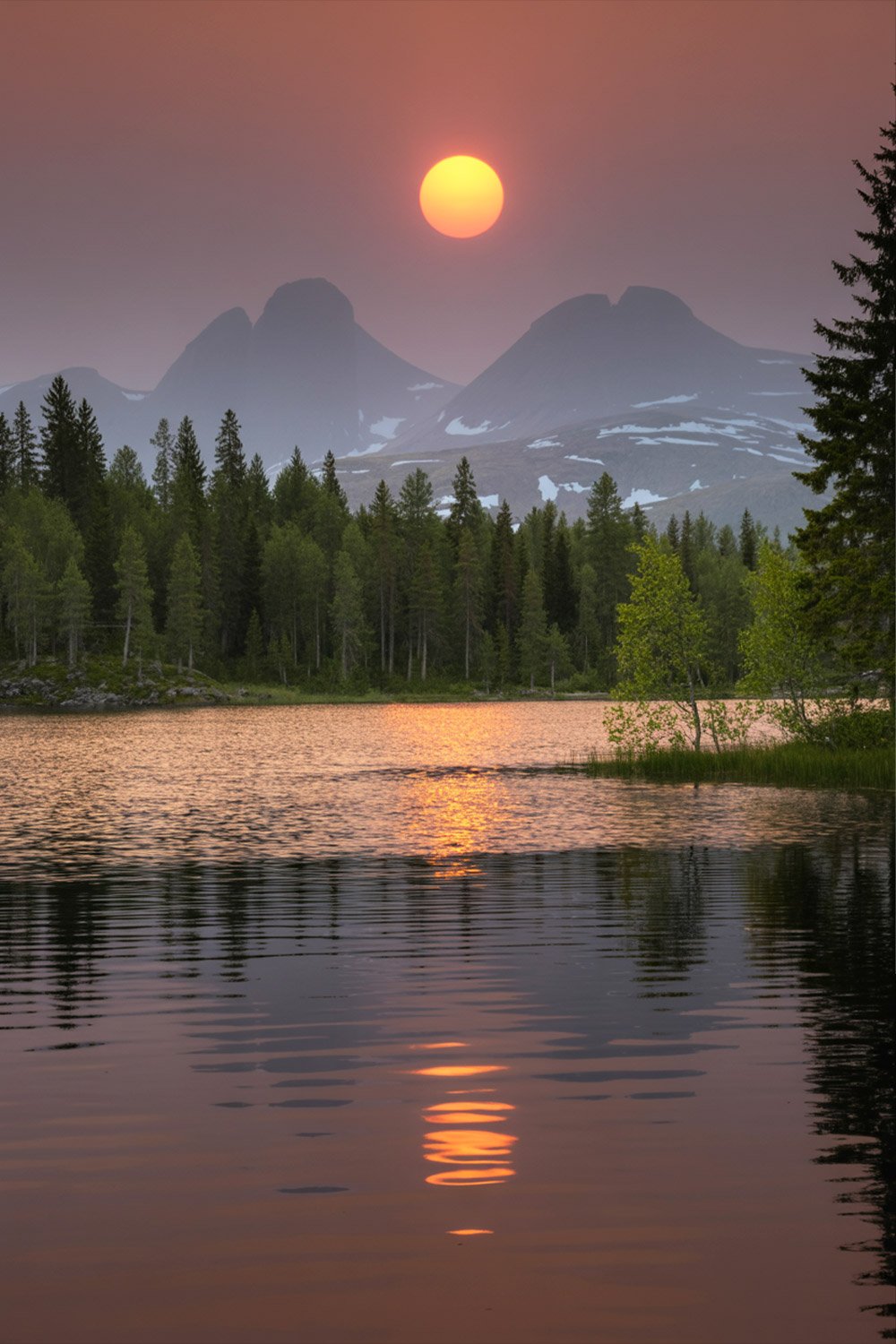
Summer also brings Sweden’s cultural calendar to life with festivals and celebrations. The Midsummer Festival in late June is the most important traditional celebration, featuring maypole dancing, flower garlands, and festive meals in a joyful atmosphere that showcases Swedish traditions at their most lively.
Winter (December to March): Northern Lights and Winter Wonderland
Planning Tip
Winter transforms Sweden into a snow-covered landscape of extraordinary beauty and unique experiences. While southern areas experience milder conditions with temperatures around freezing, northern Sweden plunges into a true Arctic winter with temperatures regularly dropping below -10°C (14°F).
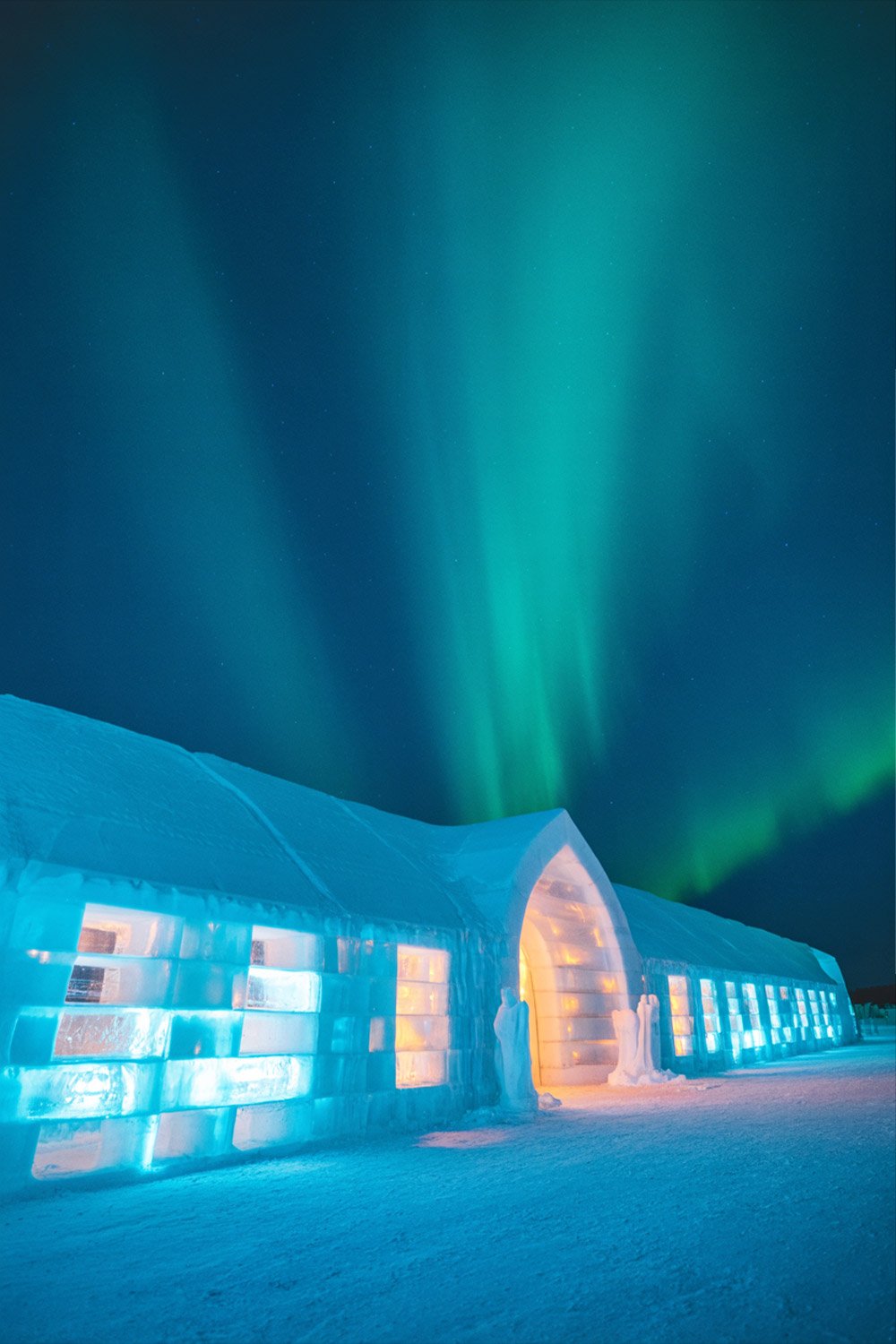
This season offers attractions you simply can’t experience any other time of year. The Northern Lights (Aurora Borealis) dance across dark Arctic skies, creating natural light shows of green, purple, and blue. Abisko National Park in Swedish Lapland is renowned as one of the world’s best spots for aurora viewing thanks to its clear skies and minimal light pollution.
Winter activities abound throughout the country, from dog sledding and snowmobiling to ice fishing and cross-country skiing — all of which demand serious thermal layers and insulated gloves. The famous Ice Hotel in Jukkasjärvi offers a once-in-a-lifetime opportunity to sleep in a room carved entirely from ice and snow, complete with beautiful artistic details that change yearly. If you’re drawn to Sweden’s dramatic coastal terrain rather than its Arctic interior, the winter cliffs and forested headlands of the High Coast demand equally thoughtful cold-weather hiking gear for Skuleskogen and Höga Kusten, where Baltic winds and snow-dusted trails make proper layering essential.
Spring (April to May) and Fall (September to November): Shoulder Seasons
These transitional seasons offer their own distinct charm with fewer tourists and changing landscapes. Spring brings blooming wildflowers and gradually warming temperatures, while fall delivers spectacular foliage as forests transform into lively reds and golds.
Both seasons are excellent for budget-conscious travelers, with lower accommodation rates and more availability at popular sites. The weather can be unpredictable, so packing layers is essential, but the trade-off comes in the form of more authentic local experiences and photography opportunities in rapidly changing natural settings.
When Should You Visit?
The best time to visit Sweden ultimately depends on what experiences you prioritize:
- For outdoor adventures, midnight sun, and swimming: Summer (June-August)
- For Northern Lights and winter sports: Winter (December-March)
- For fall foliage and mushroom foraging: September-October
- For budget travel with moderate weather: May and September
Whatever season you choose, Sweden’s natural beauty and cultural richness make sure a memorable experience throughout the year.
What should I pack for a Swedish winter?
Pack a windproof insulated parka, insulated snow boots, a merino base layer, insulated gloves, a fleece-lined beanie, hand warmers, and a travel tripod. A Swedish winter is snow, ice, and long freezing aurora nights below minus twenty: full-cover layering keeps you out longer, and a steady tripod is what turns the Northern Lights into a photo.
The Swedish-winter kit
Snow, ice, and long freezing aurora nights need all seven of these.
- A windproof insulated parka — your outer shell against Arctic wind and snow
- Insulated, waterproof snow boots — snow and ice underfoot all winter
- A merino thermal base layer — the moisture-wicking foundation layer
- Insulated waterproof gloves — fingers are the first thing to go in the cold
- A fleece-lined beanie — covering your ears is essential below -20°C
- Hand & toe warmers — the cheap packable trick for long aurora nights
- A sturdy travel tripod — for long-exposure Northern Lights photos
As an Amazon Associate we earn from qualifying purchases.
How to Plan a Sweden Trip: Transport, Visa, and Budget Guide
How to Plan a Sweden Trip: Step-by-Step Guide
Planning a successful trip to Sweden requires thoughtful preparation to make the most of this diverse Nordic nation. Here’s a complete approach to organizing your Swedish adventure:
1. Research and Determine Your Focus
Begin by identifying what aspects of Sweden interest you most:
- Urban exploration: Stockholm, Gothenburg, Malmö
- Natural wonders: Archipelagos, national parks, Arctic landscapes
- Historical sites: Medieval towns, castles, Viking heritage
- Cultural experiences: Sami traditions, Swedish design, culinary adventures
Use reliable resources like and guidebooks to research specific attractions that align with your interests.
2. Decide When to Go
As covered in the previous section, your timing significantly impacts your experience. Consider your activity preferences, budget constraints, and tolerance for various weather conditions when selecting your travel dates.
3. Arrange Transportation
Getting to and around Sweden offers several options:
International Travel:
- Air: Major international airports include Stockholm Arlanda (ARN), Gothenburg Landvetter (GOT), and Malmö (MMX). Direct flights connect from many European cities and some intercontinental destinations.
- Train: High-speed rail connections from Copenhagen and other neighboring countries provide scenic and sustainable alternatives to flying.
- Ferry: Services from Finland, Estonia, Latvia, Poland, and Germany offer an interesting way to arrive, especially if incorporating Sweden into a broader Baltic tour.
Domestic Transportation:
- Trains: Sweden’s extensive rail network operated by SJ (Swedish Railways) connects major cities with comfortable, efficient service. The X2000 high-speed trains are particularly recommended for longer journeys.
- Car rental: Driving offers flexibility, especially for exploring rural areas and national parks. Roads are well-maintained, and traffic is generally light outside major cities.
- Domestic flights: When covering long distances (particularly to northern Sweden), internal flights save considerable time.
- Ferries: Essential for visiting islands like Gotland and navigating the archipelagos.
- Public transport: Cities have excellent bus and metro systems, with Stockholm’s subway doubling as the “world’s longest art gallery.”
4. Understand Visa Requirements
Sweden is part of the Schengen Area, which affects entry requirements:
- EU/EEA citizens: Can enter freely with a valid ID card or passport.
- Non-EU visitors (including Americans, Canadians, Australians): Can typically stay up to 90 days without a visa but require a valid passport.
- Other nationalities: May need to apply for a Schengen visa in advance. Check requirements with the Swedish embassy or consulate in your country.
5. Book Accommodations
Sweden offers diverse lodging options to suit various preferences and budgets:
- Hotels: Range with international chains and boutique properties. Many include breakfast buffets featuring traditional Swedish items.
- Hostels: Clean, safe, and often stylish with private room options available.
- Vacation rentals: Particularly good for families or longer stays.
- Rural cottages: Traditional red wooden cottages (stugor) offer authentic experiences in countryside settings.
- Unique stays: Consider the Ice Hotel, treehouses in Harads, or floating hotels for memorable experiences.
Book well in advance for summer travel, especially in popular destinations like Stockholm’s archipelago or during major festivals.
6. Prepare for Local Customs
Understanding Swedish customs enhances your experience:
- Fika: The coffee break ritual is an essential part of Swedish culture, typically featuring coffee and pastries like cinnamon buns (kanelbullar) or cardamom buns (kardemummabullar).
- Cashless society: Sweden is at the forefront of going cashless. Credit/debit cards are accepted almost everywhere, even for small purchases. Some establishments may not accept cash at all.
- Removing shoes: When entering someone’s home, it’s customary to remove your shoes.
- Punctuality: Swedes value timeliness. Being on schedule for appointments and reservations is expected.
7. Budget Planning
Sweden can be expensive compared to many destinations, but thoughtful planning helps manage costs:
- Accommodation: $100-200/night for mid-range hotels; hostels from $30/night
- Food: $15-20 for lunch specials; $25-40 for dinner at mid-range restaurants
- Transportation: Regional train tickets $20-50; city public transport passes $10-15/day
- Activities: Museum entries $10-20; boat tours $25-40
Money-saving tips include taking advantage of lunch specials, using city passes for attractions, and considering self-catering options with groceries from supermarkets like ICA or Coop.
Sweden Itinerary 2 Weeks: Cities, Nature, and Regional Highlights
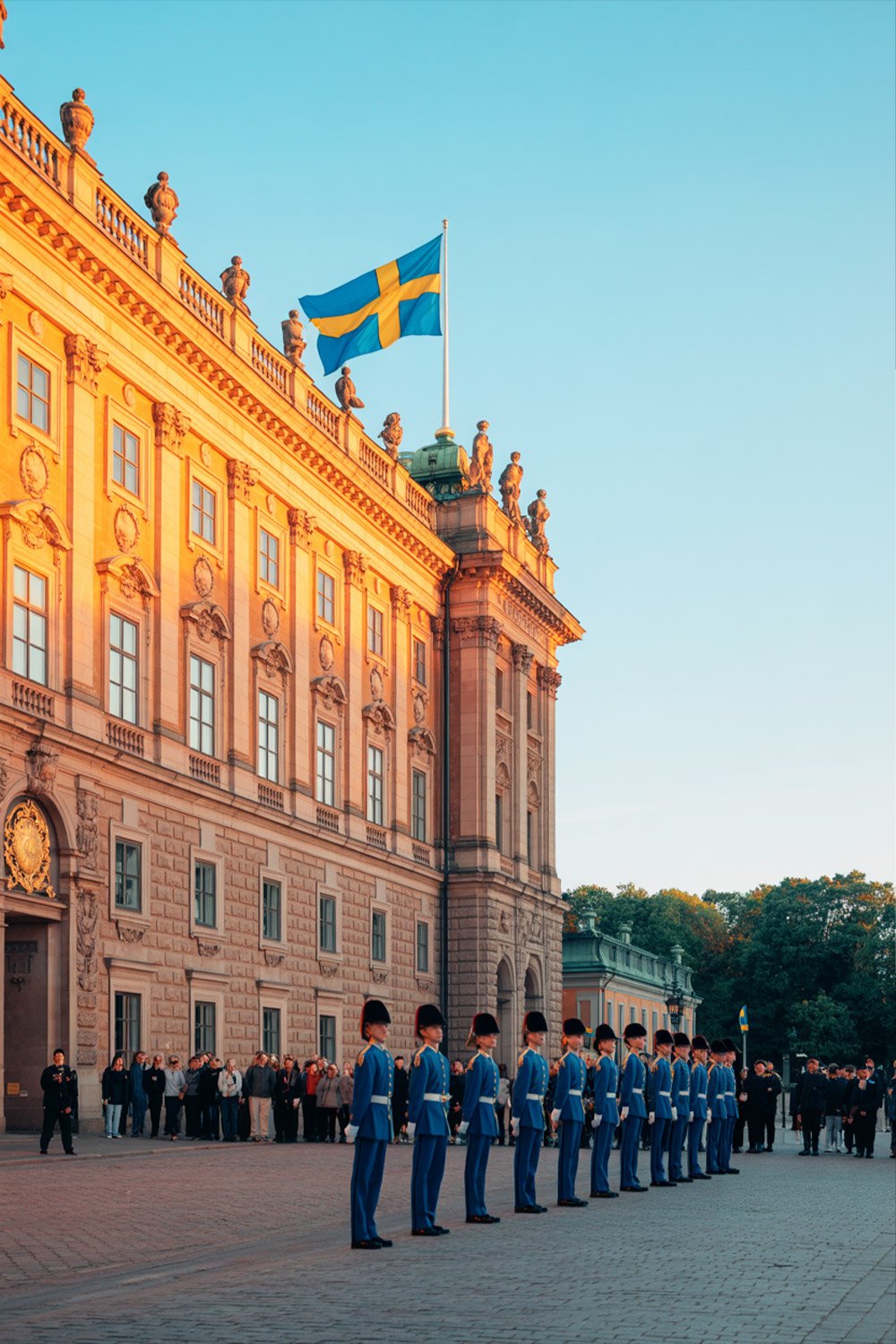
Sweden Itinerary 2 Weeks: The Complete Experience
This complete two-week itinerary allows you to experience Sweden’s great diversity, with lively cities and calm wilderness and coastal charm. Adjust the pace according to your travel style and preferences.
Days 1-3: Stockholm and Surroundings
Day 1: Stockholm’s Historic Center
- Begin in Gamla Stan (Old Town), exploring its medieval streets, colorful buildings, and historic squares like Stortorget.
- Visit the Royal Palace to witness the changing of the guard and explore the royal apartments.
- find Stockholm Cathedral and the Nobel Museum to understand Sweden’s contributions to science and culture.
- End with dinner at one of Gamla Stan’s traditional restaurants serving Swedish classics like meatballs with lingonberries.
Day 2: Museum Island and Modern Districts
- Spend the morning at the Vasa Museum on Djurgården island, housing the impressive 17th-century warship that sank on its maiden voyage.
- Visit nearby Skansen, the world’s oldest open-air museum showcasing traditional Swedish buildings and customs.
- Explore Södermalm, Stockholm’s trendy southern district, known for its hip boutiques and wide views of the city from Monteliusvägen path.
- Experience a traditional fika break at one of the district’s cozy cafes.
Day 3: Stockholm Artistry and Architecture
- Take a guided tour of Stockholm’s subway art, many stations feature incredible installations making it “the world’s longest art gallery.”
- Visit Fotografiska, the contemporary photography museum with changing exhibitions and rooftop dining with city views.
- Explore the modern architecture of Norrmalm and shop along pedestrian-friendly Drottninggatan.
- Take an evening boat tour through Stockholm’s waterways for a different perspective of the city.
Days 4-5: Stockholm Archipelago
The Stockholm Archipelago consists of over 30,000 islands and islets, each with its own character. This section of your journey offers a perfect contrast to urban exploration.
Day 4: Island Exploration
- Take a ferry from Stockholm to Vaxholm, the “capital” of the archipelago, and visit its coastal fortress.
- Continue to Grinda island for hiking trails and swimming opportunities in summer.
- Enjoy fresh seafood at a waterside restaurant.
- Consider overnight accommodation on one of the islands for the full archipelago experience.
Day 5: Deeper Archipelago Adventures
- Visit the outer archipelago islands like Sandhamn or Utö for more remote experiences.
- Try kayaking between islands or fishing in the Baltic waters.
- Explore traditional red wooden cottages and fishing villages that exemplify archipelago life.
- Return to Stockholm in the evening to prepare for the next leg of your journey.
The Stockholm Archipelago offers countless options for day trips and extended stays. Many travelers find island hopping through the archipelago to be among their most memorable Swedish experiences.
Days 6-7: Gotland and Visby
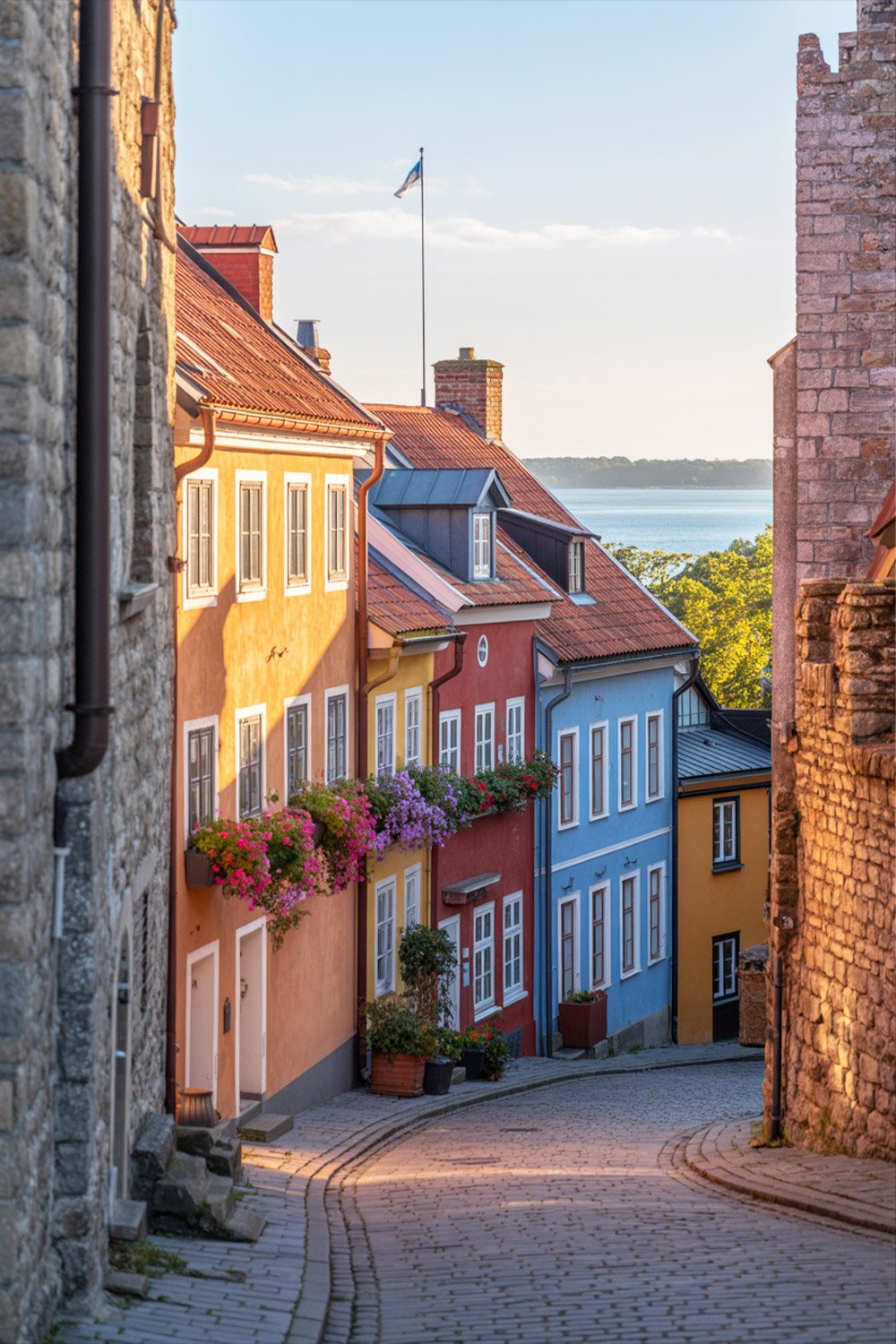
Day 6: Journey to Medieval Visby
- Take a morning flight (70 minutes) or ferry (3.5 hours) from Stockholm to Gotland, Sweden’s largest island.
- Explore Visby, a UNESCO World Heritage site enclosed by impressive medieval walls.
- Wander through its cobblestone streets, admiring preserved medieval architecture and the ruins of ancient churches.
- Visit Gotland Museum to see Viking artifacts and the island’s unique history.
Day 7: Gotland’s Natural Wonders
- Rent a bicycle or car to explore Gotland’s countryside, including recognizable limestone formations called raukar.
- Visit Fårö island, connected to Gotland by ferry, known for its unique landscape and association with filmmaker Ingmar Bergman.
- Explore prehistoric sites and fishing villages along the coast.
- Return to Visby for a final evening enjoying its medieval atmosphere.
Days 8-9: Southern Sweden
Day 8: Kalmar and Öland
- Fly or take a ferry back to the mainland, then travel to Kalmar, home to one of Sweden’s best-preserved Renaissance castles.
- Explore Kalmar Castle and its surrounding park.
- Cross the 6km Öland Bridge to visit Sweden’s second-largest island.
- Visit Borgholm Castle ruins on Öland and explore the island’s unique limestone landscapes.
Day 9: Malmö and the Öresund Region
- Travel to Malmö, Sweden’s third-largest city and a hub of contemporary design and multiculturalism.
- Visit the Turning Torso, Scandinavia’s tallest building and an architectural landmark.
- Explore Malmö Castle and the charming historic district around Lilla Torg square.
- Consider a quick trip across the Öresund Bridge to Copenhagen if time allows, making this a two-country day.
Days 10-11: Western Sweden
Day 10: Gothenburg City Exploration
- Travel to Gothenburg, Sweden’s second-largest city with a recognizable west coast character.
- Explore the historic Haga district, known for its wooden houses, cafes, and boutiques.
- Visit Liseberg amusement park (in season) or the impressive Gothenburg Museum of Art.
- Enjoy the city’s renowned seafood at the Fish Church (Feskekörka) market hall or at a harborside restaurant.
Day 11: West Coast Charm
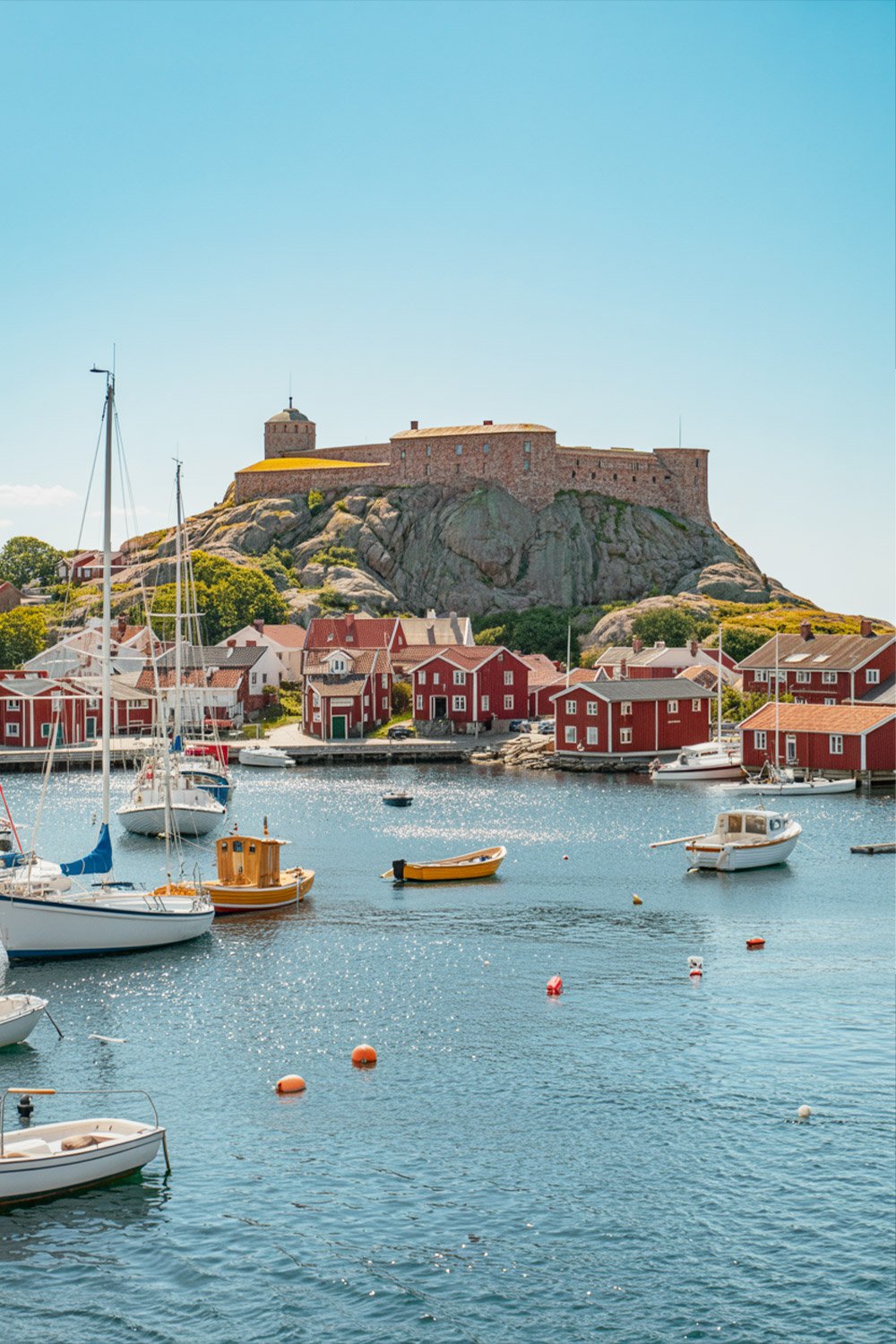
- Take a day trip to explore the Bohuslän coast north of Gothenburg.
- Visit Marstrand island with its impressive Carlsten Fortress and sailing heritage.
- Continue to Smögen to stroll along its famous wooden boardwalk (Smögenbryggan) lined with charming red and white fishing huts now housing shops and restaurants.
- Return to Gothenburg or stay overnight in a coastal village.
The western region offers a different perspective on Swedish coastal life. Gothenburg’s lively culinary scene and relaxed atmosphere provide a perfect counterpoint to Stockholm’s beauty.
Days 12-14: Northern Sweden
Day 12: Journey to Swedish Lapland
- Fly to Kiruna in Swedish Lapland, the northernmost town in Sweden.
- Visit the Kiruna Church, an architectural marvel inspired by Sami traditions.
- Learn about Sami culture at Nutti Sámi Siida museum and reindeer park.
- In winter, check in to the famous Ice Hotel in nearby Jukkasjärvi for a night in a room carved from ice (or visit the year-round ICEHOTEL 365 in summer).
Day 13-14: Arctic Adventures
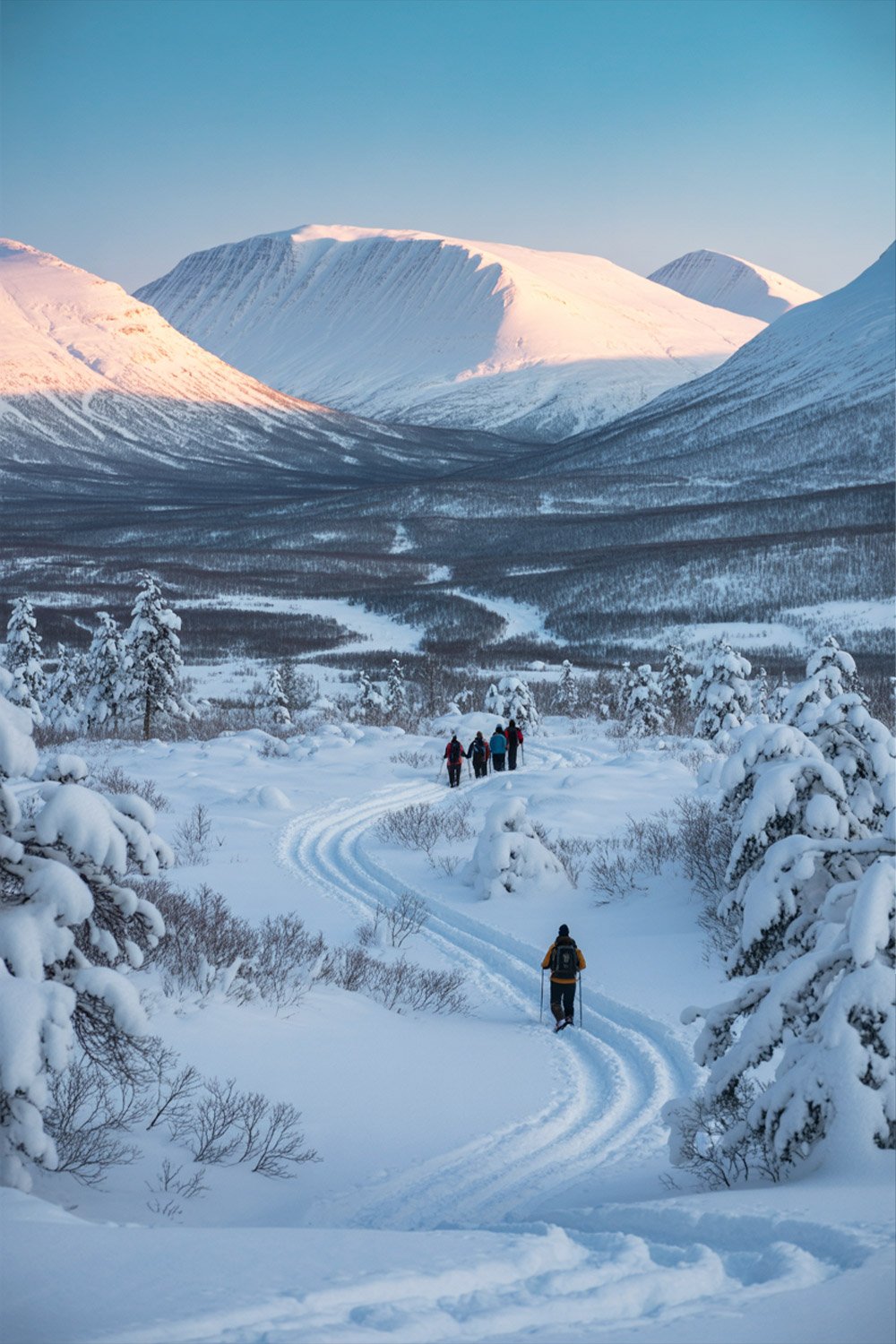
- In winter: Experience dog sledding, snowmobiling, or ice fishing. Search for the Northern Lights in the evening, especially from Abisko National Park, known for its clear skies.
- In summer: Hike under the Midnight Sun, try river rafting, or begin the famous Kungsleden (King’s Trail) trek.
- Visit Abisko National Park regardless of season for its beautiful mountain scenery.
- On your final day, fly back to Stockholm for departure or extend your stay in the capital.
This far north experience provides a complete contrast to southern Sweden, showcasing the country’s great geographic and cultural diversity. Scandinavian Arctic regions offer some of Europe’s last true wilderness areas and unique cultural experiences.
This two-week itinerary covers Sweden’s highlights while balancing urban exploration, cultural experiences, and natural wonders. Adjust the pace according to your interests, perhaps spending more time in the archipelago or Arctic regions if nature is your priority, or focusing more on cities if you’re drawn to design, architecture, and museums.
Essential Sweden Travel Tips: Culture, Money, and Safety
Essential Sweden Travel Tips for a Smooth Journey
Making the most of your Swedish adventure requires some practical knowledge about local customs, transportation, and daily practicalities. These tips will help you get around Sweden like a local:
Transportation Tips
- Public transport reliability: Swedish public transportation runs with exceptional punctuality. Download local transport apps like SL (Stockholm), Västtrafik (Gothenburg), or the national train operator SJ’s app for real-time updates and mobile tickets.
- Regional train passes: If traveling extensively by train, investigate the Eurail Sweden Pass or regional passes that offer unlimited travel for a set period.
- Stockholm transport: Purchase an SL Access card for Stockholm’s public transport, which covers buses, trams, metro, and some ferries. The 24-hour, 72-hour, or 7-day passes offer good value.
- Taxis: Licensed taxis are safe but expensive. Look for fixed-price options (fastpris) when available, especially for airport transfers. Ride-sharing services like Uber operate in larger cities.
- Cycling: Many Swedish cities are bike-friendly with extensive cycling infrastructure. Bike rentals and city bike schemes are available in major urban areas.
Money and Budgeting
- Cashless transactions: Sweden is among the world’s most cashless societies. Credit and debit cards (Visa/Mastercard) are accepted almost everywhere, even for small purchases.
- Currency: The Swedish Krona (SEK) is the official currency. While you may not need much cash, having a small amount for emergencies is advisable.
- Tipping culture: Service charges are typically included in restaurant bills. Additional tipping is not expected but rounding up or adding 5-10% for exceptional service is appreciated.
- Budget-saving meals: Look for “dagens rätt” (daily special) at restaurants for lunch, typically including a main course, salad, bread, and coffee/tea at a fixed price (120-150 SEK).
- Tax refunds: Non-EU visitors making purchases over 200 SEK may be eligible for VAT refunds. Ask for a tax-free form when shopping.
Connectivity and Communication
- Wi-Fi access: Free Wi-Fi is widely available in hotels, cafes, restaurants, and public spaces. Most accommodations offer reliable internet connections.
- SIM cards: Purchase local SIM cards from providers like Telia, Telenor, or Comviq at convenience stores, supermarkets, or airport kiosks. Coverage is excellent throughout the country.
- Language: While Swedish is the official language, English proficiency is among the highest in the world. Most Swedes speak excellent English, especially in urban areas and tourist destinations.
Cultural Etiquette
- Personal space: Swedes generally appreciate personal space and may seem reserved initially. Loud conversations in public places may draw disapproving looks.
- Queuing: Orderly queuing is taken seriously. In some establishments, you’ll need to take a number from a ticket machine and wait your turn.
- Sustainability: Environmental consciousness is deeply ingrained in Swedish culture. Recycling facilities are ubiquitous, and sustainable practices are widely expected.
- Shoes off: When visiting a Swedish home, always remove your shoes at the entrance.
- Punctuality: Being on time is considered very important. Arrive at the scheduled time for appointments, tours, and restaurant reservations.
Food and Dining
- Traditional foods: Try Swedish specialties like köttbullar (meatballs), gravlax (cured salmon), smörgåstårta (sandwich cake), and kanelbullar (cinnamon buns).
- Fika culture: Participate in the Swedish tradition of fika, coffee breaks with pastries that are an essential part of daily life, typically enjoyed mid-morning and mid-afternoon.
- Alcohol regulations: Alcohol stronger than 3.5% is only sold in government-run Systembolaget stores with limited opening hours (not Sundays). Plan purchases accordingly.
- Water quality: Tap water throughout Sweden is clean and safe to drink. Bring a reusable water bottle to fill up rather than buying bottled water.
Safety Tips
- General safety: Sweden ranks among the safest countries in the world. Standard precautions against pickpocketing in tourist areas are usually sufficient.
- Emergency number: 112 is the emergency number for police, ambulance, and fire services.
- Weather preparedness: Swedish weather can change rapidly. Dress in layers and be prepared for rain, especially when exploring outdoor areas.
- Winter safety: If visiting in winter, take ice conditions seriously. Sidewalks can be slippery, and appropriate footwear with good grip is essential.
- Outdoor safety: When hiking or exploring wilderness areas, inform someone of your plans and expected return time, especially in remote regions like Lapland.
Frequently Asked Questions about Sweden Travel
What is the best time to visit Sweden?
May to September is the best time, with long daylight, mild weather, and the midnight sun in the far north (June to July). Summer is peak for the archipelago and festivals; winter (December to March) suits the northern lights, dog-sledding, and the Icehotel, though days are short.
How do you get around Sweden?
Sweden has excellent SJ trains linking the main cities, plus buses, domestic flights for the long haul north, and ferries to Gotland and the archipelago. A car is handy for rural areas and Lapland, while city public transport is efficient and a rail pass can save money.
Do you need a visa to visit Sweden?
Sweden is in the Schengen Area, so many visitors — including from the US, UK, Canada, and Australia — can enter visa-free for up to 90 days; a new ETIAS travel authorisation is expected for visa-exempt visitors once it launches. Always check the current rules for your nationality before you travel.
Is Sweden expensive to visit?
Yes, Sweden is fairly pricey, especially for alcohol, dining, and city hotels. Save with lunch deals (dagens), supermarket meals, free nature and hiking under allemansrätten (the right to roam), city travel passes, and hostels or guesthouses outside the centre.
Is Sweden safe for tourists?
Yes, Sweden is generally very safe, with low violent crime and good infrastructure. Take normal precautions against petty theft in busy tourist areas of Stockholm and Gothenburg, dress for fast-changing weather, and follow local advice in the wilderness and on the water.