This guide contains affiliate links. As an Amazon Associate we earn from qualifying purchases — at no extra cost to you.
Estimated reading time: 13 minutes
Last updated: 10 July 2026
How Much Water Do You Need Per Day in Big Bend?
Plan on at least one gallon (about four liters) of water per person per day in Big Bend National Park, the National Park Service minimum, and more when summer highs pass 100 degrees. Most trails, including Lost Mine and the South Rim, have no water sources, so carry three liters even on half-day hikes and add electrolytes to replace the salts you sweat out.
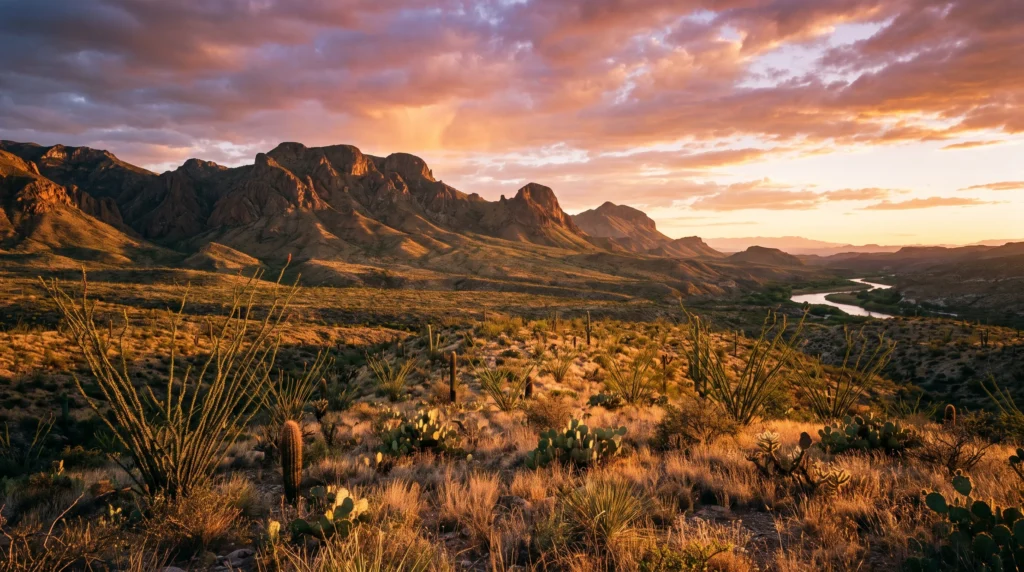
This isn’t a park where you can wing it. Big Bend spans more than 800,000 acres of serious desert terrain with virtually no cell service, and water sources are rare to nonexistent on most trails. What you carry in your pack might genuinely save your life here.
The landscape shifts dramatically from the Chisos Mountain peaks topping out around 7,800 feet to low river corridors and endless flats baked under relentless sun. Each zone has different demands, and your gear needs to handle all of them on a single trip.
Packing too light in Big Bend is genuinely risky given the isolation and harsh conditions. I always recommend redundancy for sun protection and water capacity, even if it means carrying extra weight. Better to haul a little more than end up in serious trouble hours from help.
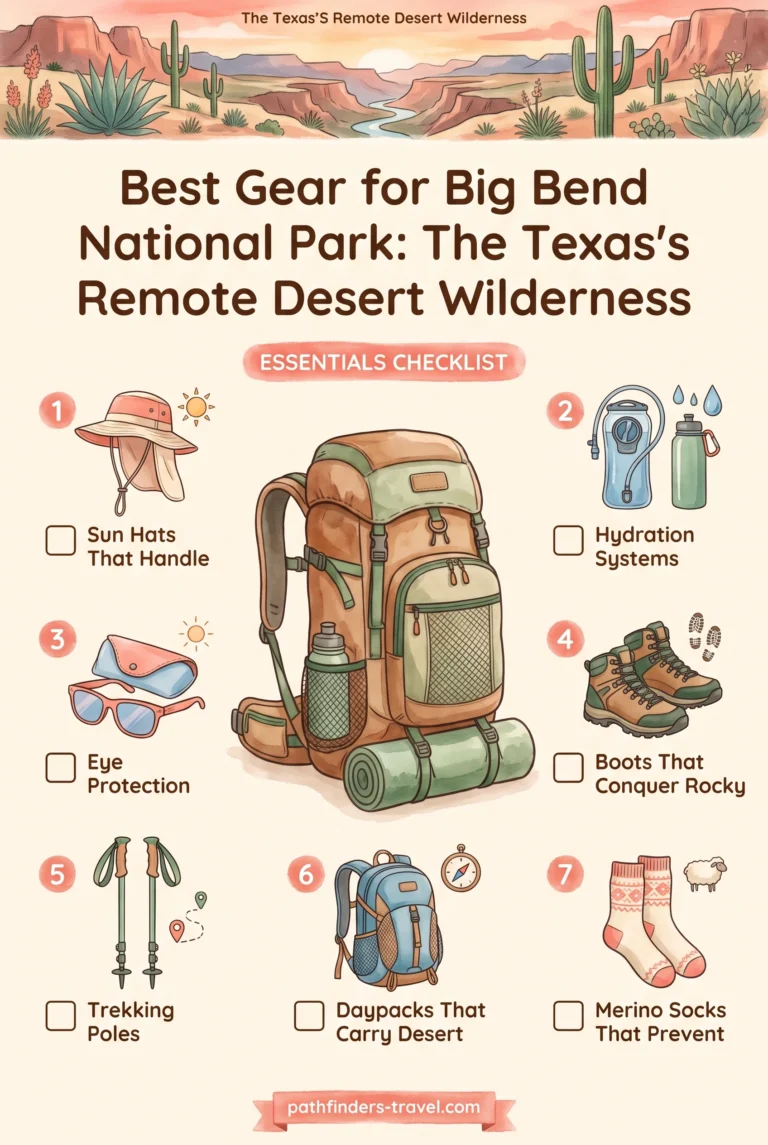
This guide walks through the essentials, including sun protection that really works, hydration systems that keep up with your sweat rate, eye protection, footwear built for brutal terrain, stability aids, daypacks sized right, and socks that prevent blisters when every step counts.
Sun Hats That Handle Desert Intensity
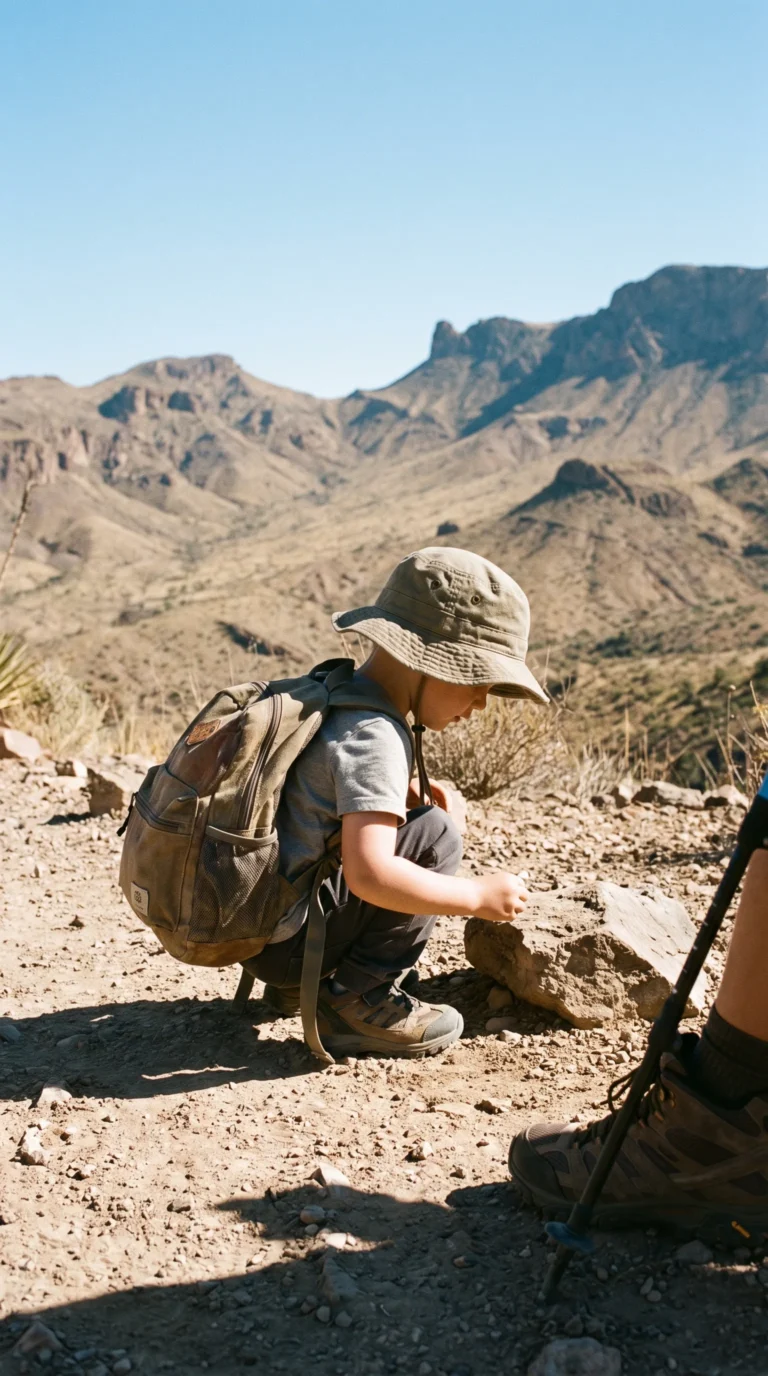
The sun in Big Bend is relentless, bouncing off light rock and sand with nowhere to hide on exposed trails where shade is a rare luxury. A good sun hat isn’t optional here. It’s as important as water.
A bucket hat with a full brim protects your face, neck, and ears from all angles better than a baseball cap. This matters especially for kids who forget to reapply sunscreen or rub it off without realizing. The Kids Fun Bucket Hat offers exactly this protection in sizes that work for younger explorers, with enough brim coverage to keep sensitive skin safe all day.
Look for lightweight, quick-dry fabric with a chin strap. Big Bend’s wind gusts can snatch a hat right off your head on ridgelines, and chasing it down a rocky slope isn’t fun for anyone.
Adults can find similar bucket styles from the same trusted outdoor brands. Prioritize UPF rating and ventilation over fashion. You’ll be wearing this thing from sunrise to sunset, and comfort beats style every time when you’re hiking in 100-degree heat.
Hydration Systems for Endless Desert Miles
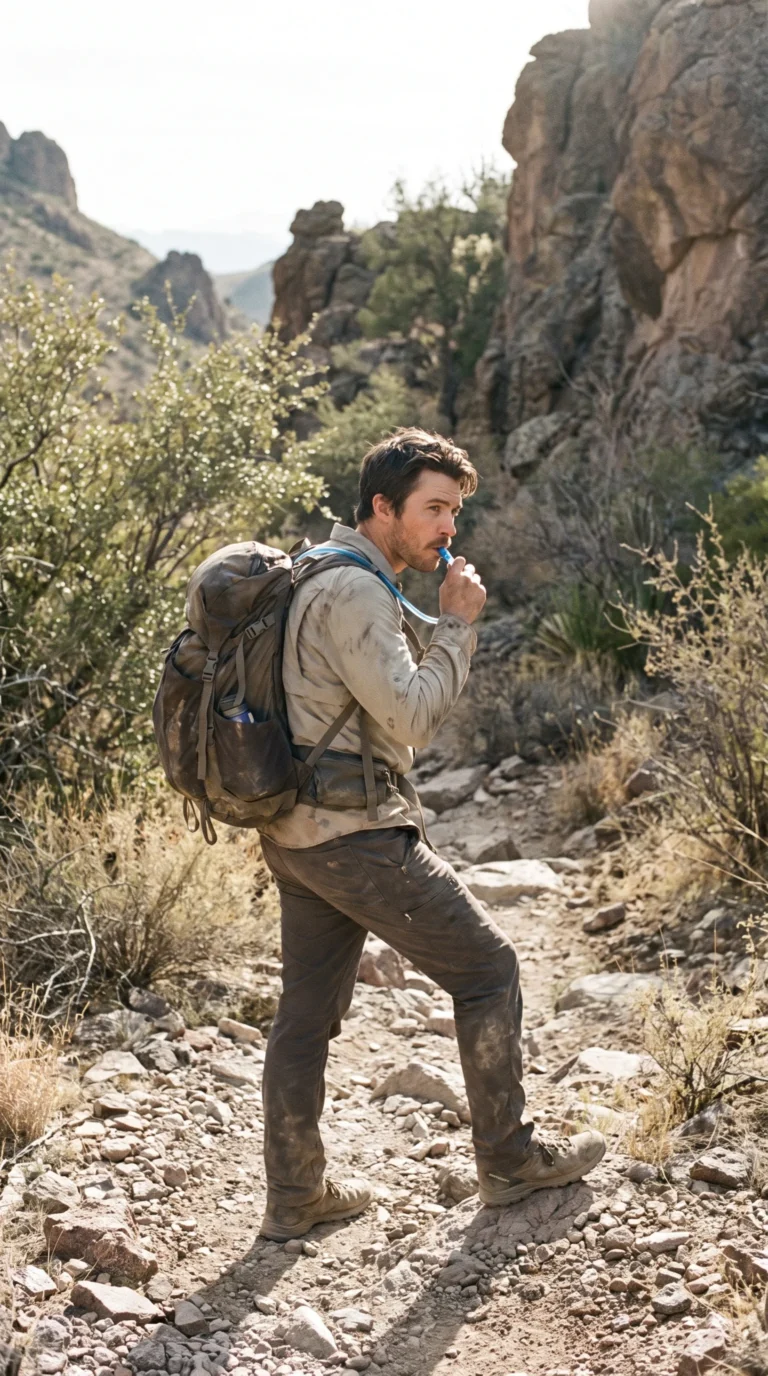
Water is your single most critical gear item in Big Bend, where dehydration sneaks up fast and the park service recommends one gallon per person per day minimum. Hydration packs let you sip constantly without stopping to dig out a bottle, keeping you ahead of thirst on trails where water sources don’t exist.
If you’re an adult or teen tackling full-day hikes like South Rim or Emory Peak, the N NEVO RHINO 18L Hydration Backpack carries three liters of water plus snacks, layers, and first aid in a size that balances capacity with comfort. I always appreciate the insulated bladder sleeve that keeps water cooler longer when temperatures climb past 95 degrees, which happens routinely from May through September.
Families hiking with younger kids should grab the Ivygreen Kids Hydration Backpack with its smaller 1.5-liter bladder and scaled-down frame that actually fits children without bouncing or chafing. Both packs feature bite valves that are easier to use than fumbling with caps, letting kids stay hydrated without slowing the group down.
The real advantage of any hydration system in Big Bend is continuous access. When you can sip every few minutes, you stay ahead of dehydration instead of playing catch-up after you already feel thirsty.
Eye Protection for Glaring Desert Light
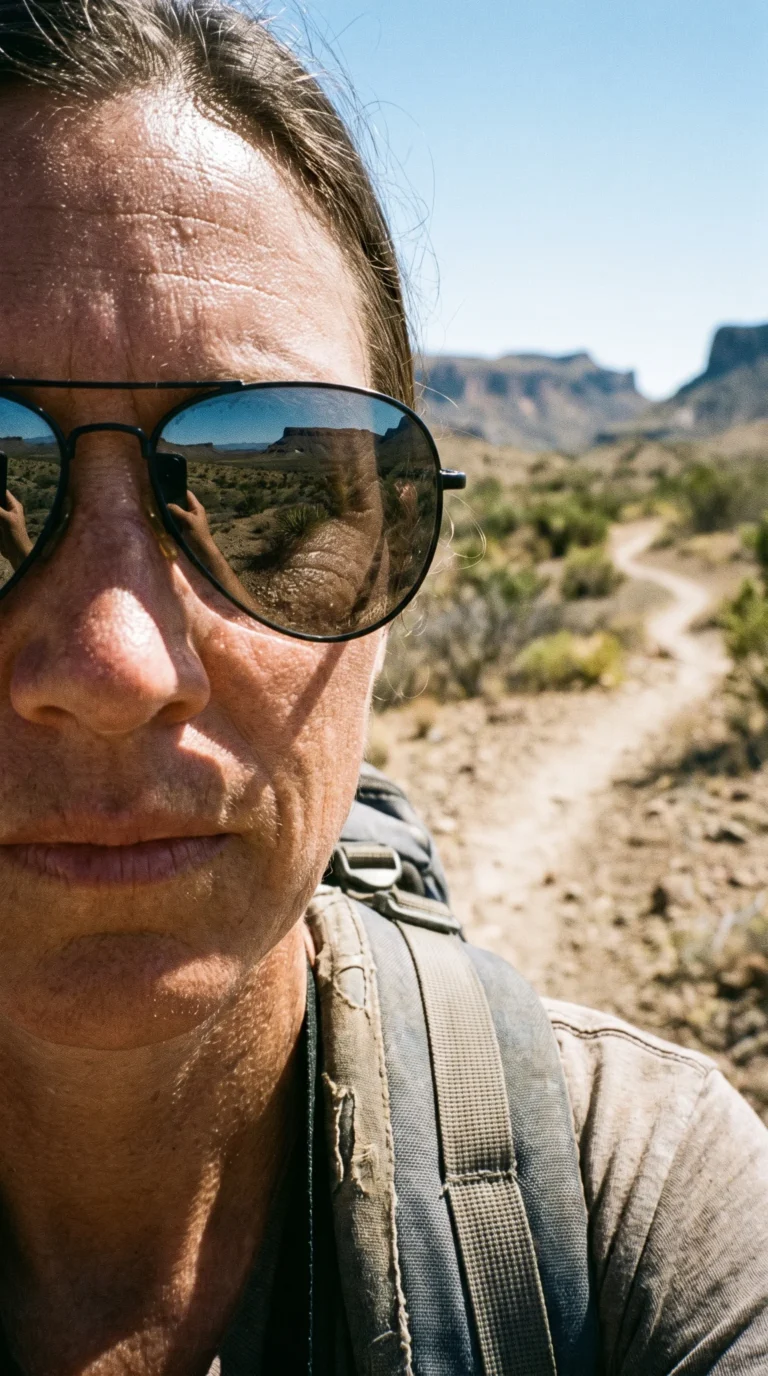
The desert sun reflects off pale limestone and sand with an intensity that will give you a headache within an hour if your eyes aren’t properly shielded. In Big Bend, proper sunglasses aren’t a fashion choice, they’re a piece of safety gear that protects against UV damage accumulating with every visit.
Polarized lenses cut the glare dramatically, making it easier to spot trail markers and wildlife while protecting your eyes from damage. If you’re hiking solo or with adults, the WearMe Pro Round Polarized Sunglasses deliver genuine UV400 protection in a style that fits most adult faces comfortably, with enough coverage to block side light on exposed ridges. The polarization makes a real difference when you’re scanning rocky slopes or navigating sunny switchbacks.
If you’re hiking with a group of kids for a family reunion or group trip, this bulk pack of neon sunglasses makes sure everyone has basic eye protection without spending a fortune. These party favor styles aren’t polarized but they do block UV rays, which is the baseline requirement. Having extras means no one is squinting miserably when someone inevitably leaves their pair in the car.
Boots That Conquer Rocky Desert Trails
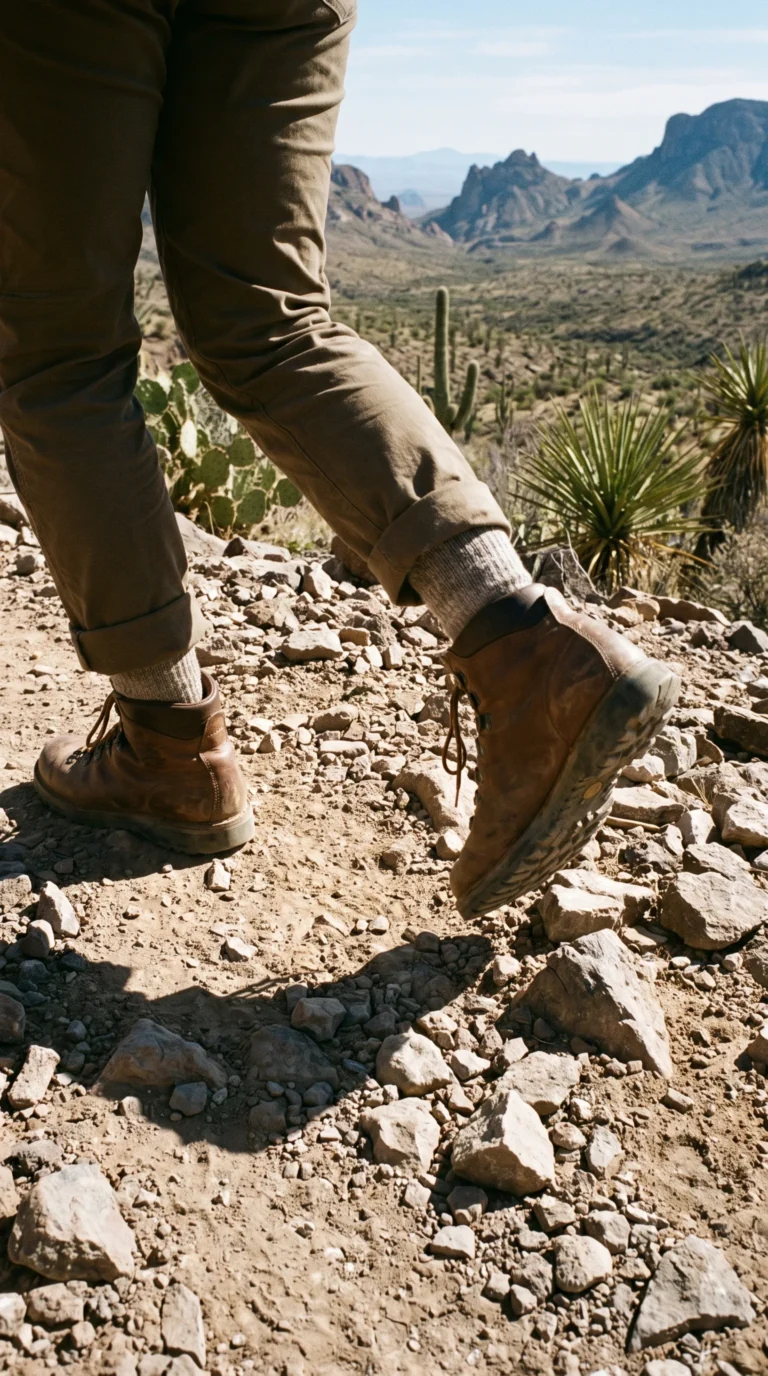
Big Bend demands footwear that can handle loose gravel, sharp volcanic rock, cactus spines, and boulder scrambles. Lightweight sneakers will be shredded in a single hike across this terrain, leaving you hobbling back to the trailhead with sore feet and regret.
Ankle support isn’t optional here. Steep climbs like the Lost Mine Trail punish you with loose rock where one wrong step can mean a twisted ankle miles from help. You need a boot that grips and protects.
If you’re tackling day hikes and shorter trails, the Transverse Hike Waterproof brings bomber protection with a mid-height cuff and aggressive tread that grips equally well on scree and slickrock. Waterproofing might seem odd for a desert park, but Big Bend gets flash floods during monsoon season and the Rio Grande crossings require boots that can handle getting wet without falling apart.
Planning serious mileage or multi-day backpacking trips? The Merrell Chameleon 7 Mid offers proven durability and a broken-in feel almost immediately, which matters when you’re logging ten-plus miles on unforgiving terrain. I have seen families keep these boots season after season because they hold up through constant abuse.
Both boots run true to size, but try them with the thick socks you’ll actually wear in the park. Break them in on a few local hikes before you arrive so blisters don’t wreck your first day exploring Big Bend’s backcountry.
Trekking Poles for Stability and Endurance
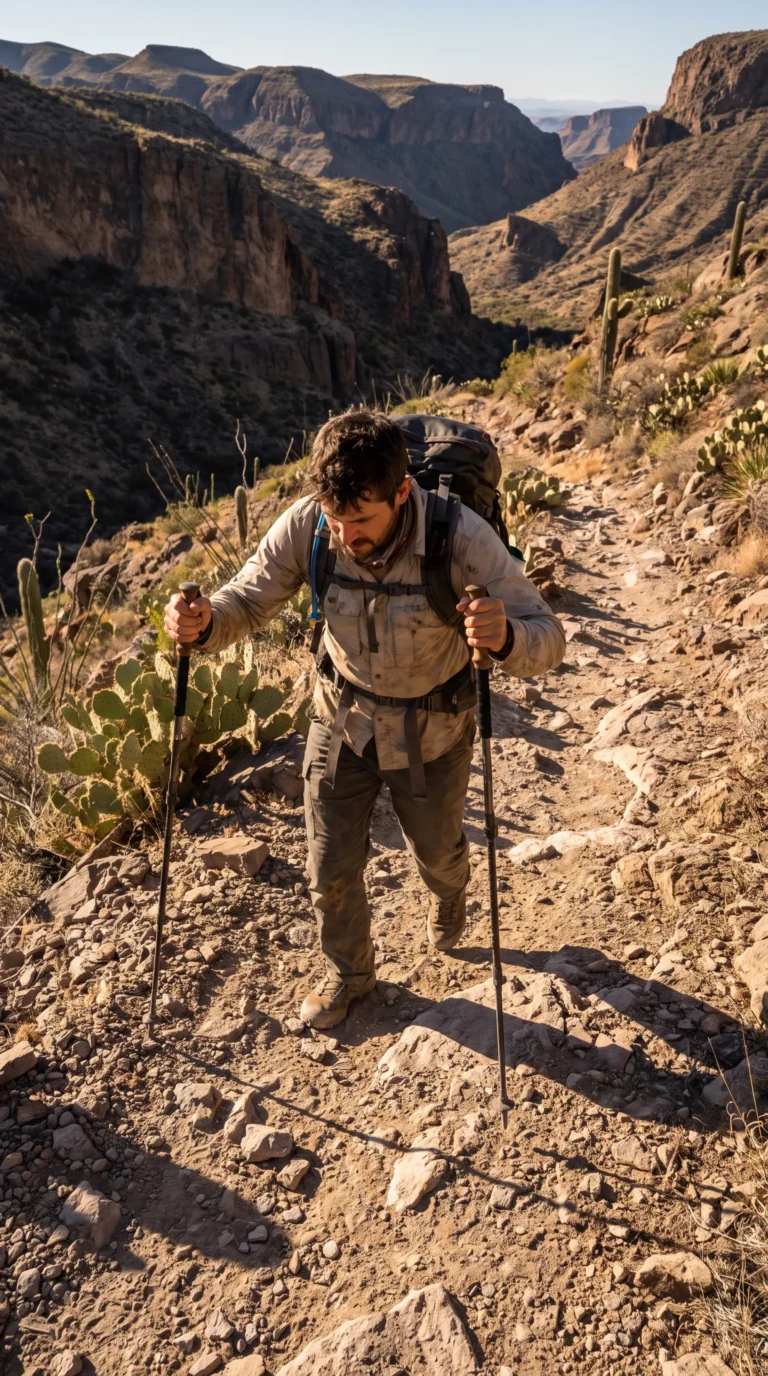
The best gear for Big Bend National Park should include trekking poles because they turn your two-point stance into four-point stability on loose desert rock and steep elevation changes, protecting your knees during long descents and helping prevent dangerous falls on exposed trails where thousands of vertical feet can appear in just a few miles.
Poles transform how your body handles Big Bend’s challenging terrain. They distribute weight across four points instead of two, which saves your knees on the brutal descents and gives you genuine stability when rocks shift under your boots. I always pack them for trails like Emory Peak or Lost Mine, where a slip on an exposed slope can mean a serious fall.
If you’re tackling full-day desert hikes, the TrailBuddy Trekking Poles collapse small enough to strap to your pack when scrambling but extend to custom heights when you need leverage on steep climbs. They’re made from lightweight aluminum that won’t drag you down after ten miles, yet they’re tough enough to jab into hard desert earth hundreds of times without bending.
For families hiking gentler trails like Window View or Santa Elena Canyon, these adjustable kids’ poles fit smaller hands and bodies without feeling awkward or heavy. The flip-lock system is easier for children to operate than twist locks, and having their own poles makes kids feel capable instead of whining about tired legs.
Daypacks That Carry Desert Essentials
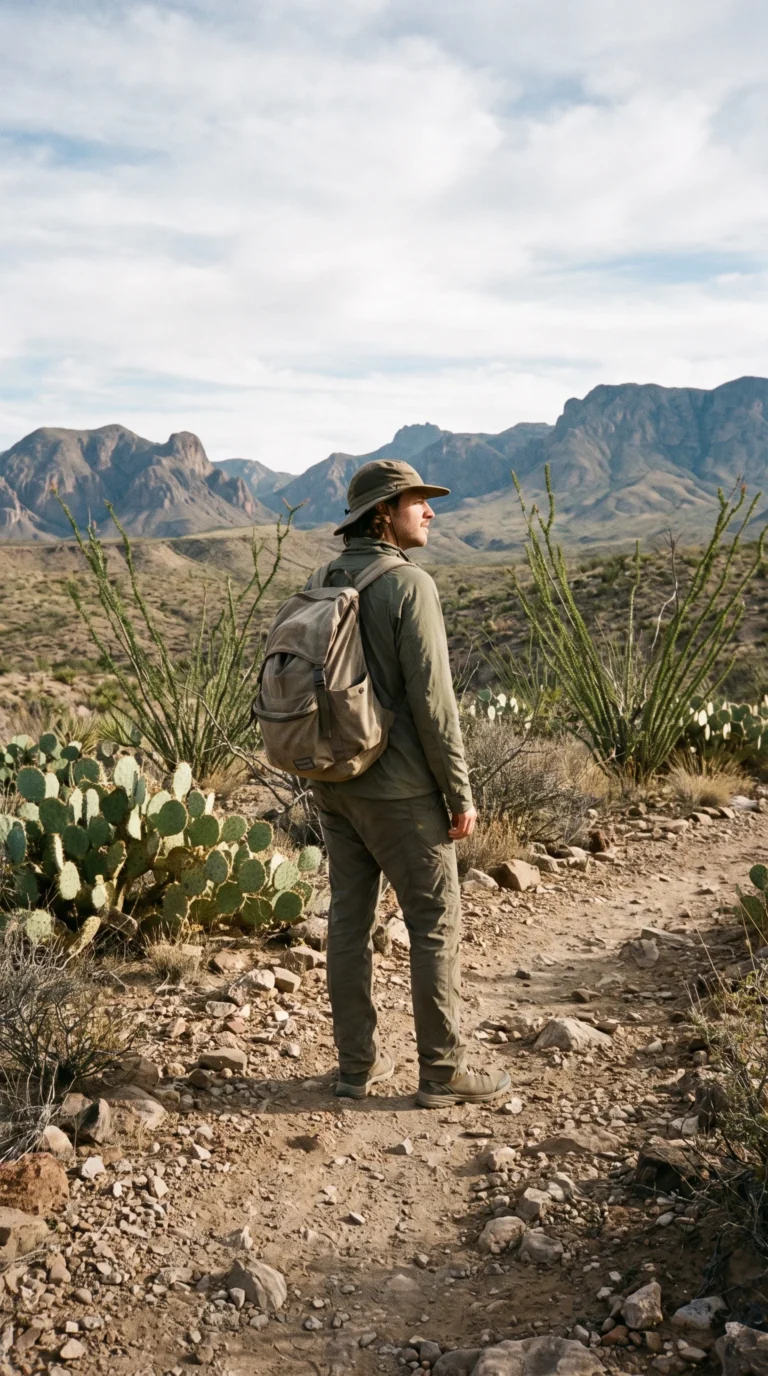
A good daypack in Big Bend carries your water, snacks, first aid, sun protection, layers for temperature swings, and emergency gear without feeling like a burden on eight-mile treks. The right pack disappears on your back when you’re focused on the trail ahead, but it’s there when you need to dig out sunscreen or an extra bottle at mile five.
If you’re traveling light or hate checking bags, the Osprey Ultralight Collapsible Stuff Pack is brilliant for travelers who want a packable option that stuffs into a suitcase but expands to 18 liters when you hit the trails. It’s not padded or fancy, but it’s tough enough for day hikes and light enough that you barely notice it when it’s only half full, which is perfect for shorter outings like the Hot Springs Historic Trail.
Families hiking with kids need something different. The Osprey Daylite Jr is designed specifically for younger bodies with a shorter torso length and lighter frame that doesn’t bounce or pull backward on small shoulders. This pack holds enough for a kid to carry their own water, snacks, and a jacket without overloading them, teaching responsibility while keeping them comfortable on trails like the Chisos Basin Loop.
Merino Socks That Prevent Desert Blisters
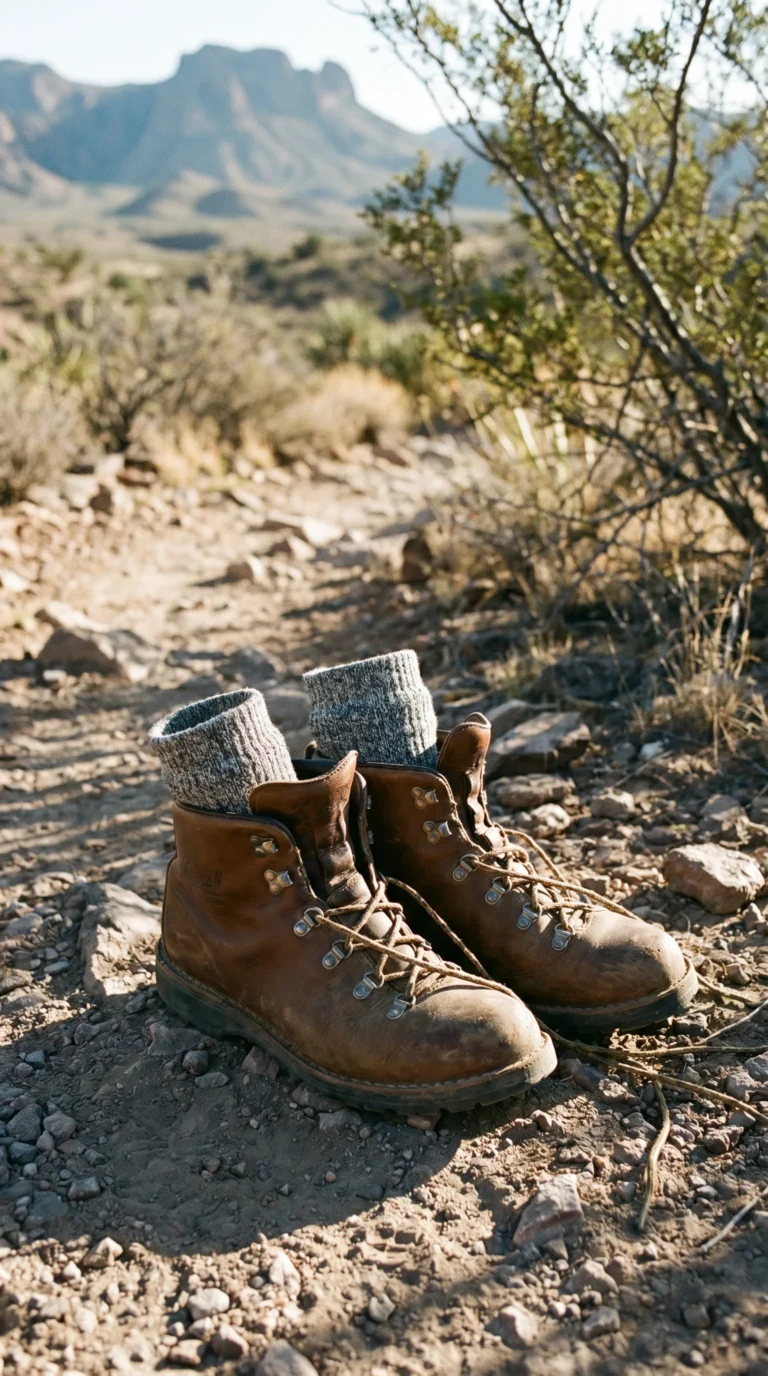
Blisters end more Big Bend hikes than any other single issue. When it’s 90 degrees and your feet are swelling inside your boots on trails like the South Rim or Lost Mine, friction builds fast. Hot, sweaty skin rubbing against fabric is a recipe for raw heels before you’ve even hit mile three.
Merino wool socks solve this because they wick moisture away from your skin and regulate temperature even in serious heat. Unlike cotton that stays wet and bunches up, merino moves with your foot and resists the stink that builds over multi-day trips. That alone makes them worth packing.
I always bring Merino Wool Hiking Socks in multi-packs so I have fresh pairs for each day without doing laundry at my campsite. They cushion high-friction zones like heels and toes where blisters form first, and the natural merino fiber keeps things comfortable mile after mile.
These socks are worth every penny when the alternative is limping back to the trailhead with bloody heels after just a few miles. Your feet will thank you.
Smart Packing Tips for Big Bend’s Remote Desert
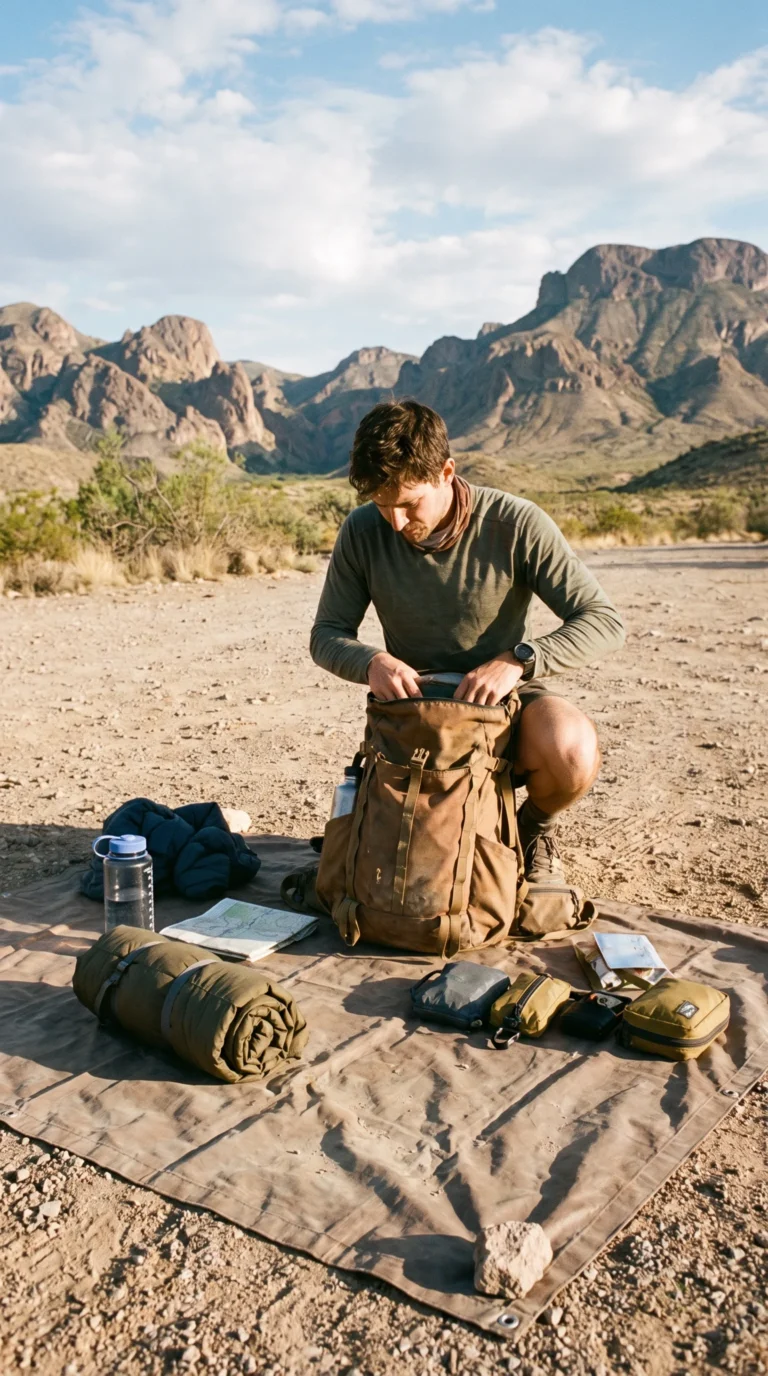
The best gear for Big Bend National Park works only if you pack it right, because this remote desert wilderness demands thoughtful preparation. Temperatures swing wildly with freezing mornings and scorching afternoons and back to cold nights, so layer your clothing obsessively. I always pack pieces I can add or strip away throughout the day.
Pack more water than seems reasonable and stash bottles in multiple places. Keep a backup liter in your car for when you stumble back from a hike more dehydrated than expected. Plain water isn’t enough in 100-degree heat, so bring electrolyte tablets or powder to replace the salts you lose sweating on exposed trails.
Download offline maps before you arrive. Cell service is nonexistent across most of the park, but GPS still works even when your phone shows no bars. This saved me more than once when trail markers got confusing.
A headlamp with fresh batteries is critical because desert sunsets happen fast. You don’t want to pick your way down a rocky trail in complete darkness. Finally, carry a complete first aid kit with blister treatment, pain relievers, and tweezers for cactus spines. Help is hours away at best. And if your Texas parks road trip continues north to El Capitan and Guadalupe Peak, our Guadalupe Mountains hiking gear guide covers what to add for the state’s highest trails.
Frequently Asked Questions
What should I wear to Big Bend National Park?
Wear lightweight, breathable layers that you can adjust as temperatures change throughout the day. I always pack moisture-wicking shirts, convertible pants, and a wide-brimmed hat for sun protection. The desert sun is intense, so long sleeves in light colors actually keep you cooler than tank tops. Sturdy hiking boots with good ankle support are essential because the trails are rocky and uneven. Bring a fleece or puffy jacket for mornings and evenings, especially in winter when temps can drop below freezing. For comprehensive planning across seasons and elevation zones, our complete guide to Big Bend National Park covers everything from what to pack for hot desert canyon hikes to cold mountain overnight trips.
Do I need bear spray in Big Bend?
Bear spray isn’t required in Big Bend, but the Chisos Mountains are home to roughly three dozen black bears, so some hikers carry it for peace of mind. Attacks are extremely rare. Store food in the bear-resistant lockers at Chisos campsites, keep snacks sealed inside your pack, and if a bear approaches, make noise and back away slowly rather than running.
What is the best time of year to visit Big Bend?
Late October through April offers the most comfortable weather for hiking and camping. Spring brings wildflowers and pleasant temperatures in the 70s and 80s. Summer is brutally hot with highs over 110 degrees in the desert, so many visitors avoid June through August. Winter can be perfect for desert hikes but expect cold nights and occasional freezing temperatures at higher elevations.
Do I need trekking poles for Big Bend trails?
Trekking poles help on steep, rocky trails and provide stability on loose gravel. They’re especially useful for descents like the South Rim or Emory Peak where your knees take a beating. I find them helpful for testing ground stability in sandy washes too. Still, many shorter desert trails are flat enough that you can skip them if you’re packing light. If you’re exploring other parks with similar alpine and rugged terrain afterward, you’ll want poles for those too — our Mount Rainier National Park guide covers glacier-carved trails and steep elevation gains where poles become essential safety gear.
Is there cell phone service in Big Bend National Park?
Cell service is nearly nonexistent throughout most of the park. You might get a weak signal near park headquarters at Panther Junction, but don’t count on it. Download offline maps before you arrive and let someone know your hiking plans. The remoteness is part of Big Bend’s charm, but it means you need to be really self-sufficient. Other remote parks face similar communication challenges — if you’re planning a trip to another wilderness destination, our Olympic National Park guide discusses what to expect in backcountry areas where you’ll encounter the same lack of connectivity across rainforests and coastal wilderness.