This guide contains affiliate links. As an Amazon Associate we earn from qualifying purchases — at no extra cost to you.
Estimated reading time: 12 minutes
Last updated: July 2026
What Gear Do You Need for the Pulpit Rock Hike From Stavanger?
The Pulpit Rock hike from Stavanger demands waterproof layers, ankle-supporting hiking boots with aggressive tread, moisture-wicking base layers, and a small pack for 2 liters of water and snacks. Weather changes in minutes, so pack for rain, wind, and temperature drops even in summer.
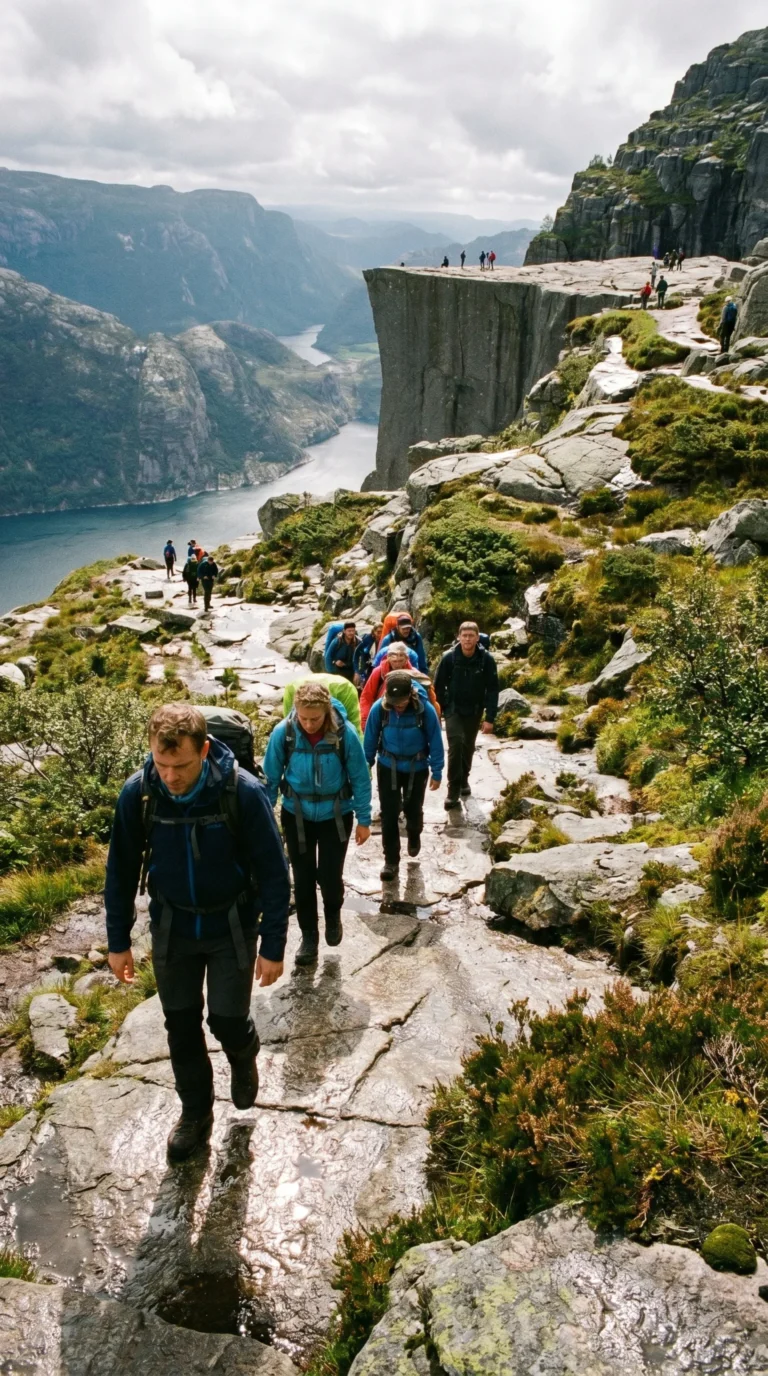
The 5-mile round trip climbs about 1,100 feet over slippery granite slabs, exposed tree roots, and uneven stone steps. Trail conditions stay wet from frequent rain and mist year-round. I always pack a waterproof jacket and pants regardless of the forecast. On my last trip in July, we started in sunshine and finished in sideways rain.
Spring and fall hikers need insulated layers, gloves, and a beanie since temps hover in the 40s to 50s. Summer hikers can go lighter but should still pack an insulating layer for the exposed summit plateau. The wind at the top can strip away body heat fast, even on warm days.
This guide walks you through each piece of gear in the order you layer it on, from base to shell, plus footwear and small add-ons that make a big difference on slippery descents and windy clifftops. You don’t need technical mountaineering equipment, but the right combination of weather protection and sturdy footwear turns a miserable slog into a memorable day.
Waterproof Shell Layer
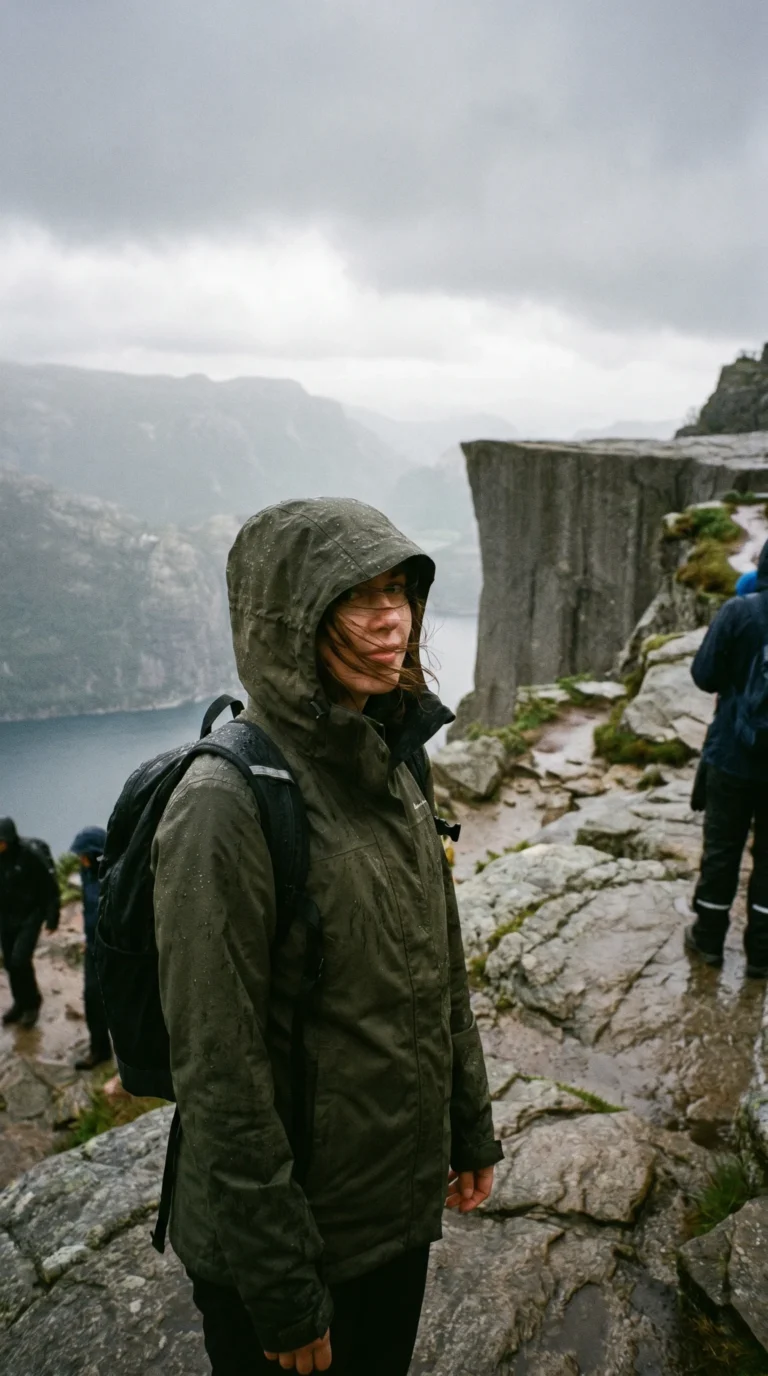
Your outer layer has one job: keep you dry and block wind on that exposed plateau. Rain can hit any month, and the wind at the summit cuts through lighter jackets. I learned this the hard way on my first visit in May when a sunny start turned into sideways drizzle halfway up.
If you’re hiking spring or fall, the women’s fleece-lined waterproof jacket hits a sweet spot for warmth and weather protection in one piece. The fleece lining works as a mid layer so you can wear just a base layer underneath, cutting down pack weight. It’s long enough to cover your hips, which matters when you sit on wet rocks at the summit or when gusts drive rain upward.
The hood stays put in wind without blocking peripheral vision, something I always check before buying any hiking shell.
For warmer summer days or anyone who runs hot, the unisex waterproof swim parka works as a packable shell. It’s designed for water sports so it handles Norway’s sideways rain without issue, and it dries fast if you stuff it in your pack after a shower passes. The swim parka is lighter and less bulky, which I prefer in July and August when you mostly need it as insurance.
Both options have full-length zips so you can vent on steep sections and seal up fast when weather turns.
Winter Snow Boots for Shoulder Season Conditions
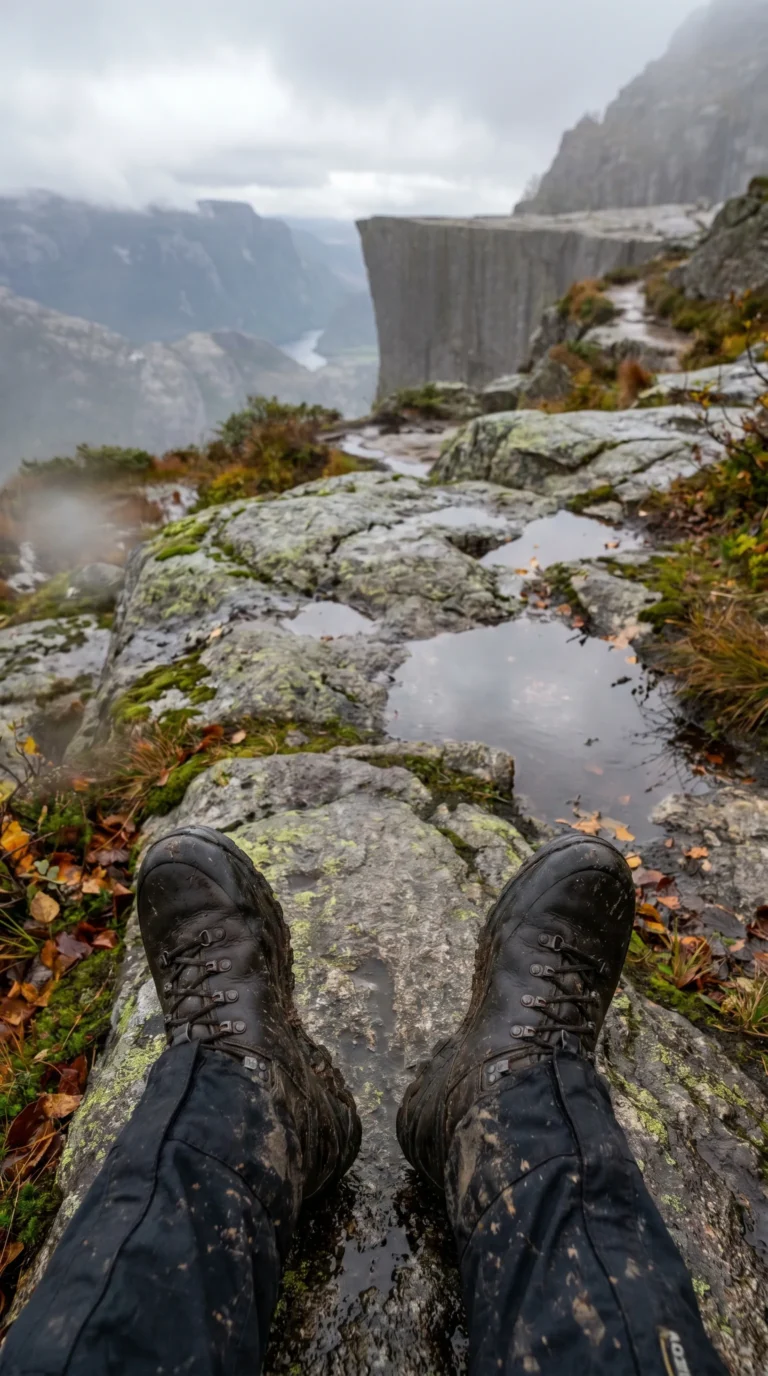
If you’re hiking in April, early May, late September, or October, the trail can hold lingering snow patches and ice, especially in shaded sections and near streams. You don’t need full mountaineering boots, but you do need something warmer and taller than a lightweight trail runner.
For recreational hikers who want a single boot that handles mud, snow, and rain without breaking the bank, these water-resistant men’s boots deliver coverage just above the ankle at 7.1 inches. The treads are designed for snow and wet surfaces, which means they grip granite slabs better than standard hiking soles. I learned that lesson the hard way on a rainy September hike when my toes jammed into the front of my boots on every downhill step.
Active families with older children will appreciate the women’s mid-calf snow boots, which give you waterproof coverage and enough insulation for near-freezing temps. The fur cuff is decoration. It seals out snow and keeps wind from sneaking down the shaft. The lace-up design lets you crank down the fit on uneven terrain so your foot doesn’t slide forward on steep descents.
These aren’t for summer hikes. They’re too warm and heavy for June through August. But for shoulder season trips when Pulpit Rock sits in that unpredictable zone between winter and spring, they’re the reliable choice.
Base Layers That Handle Sweat and Cold
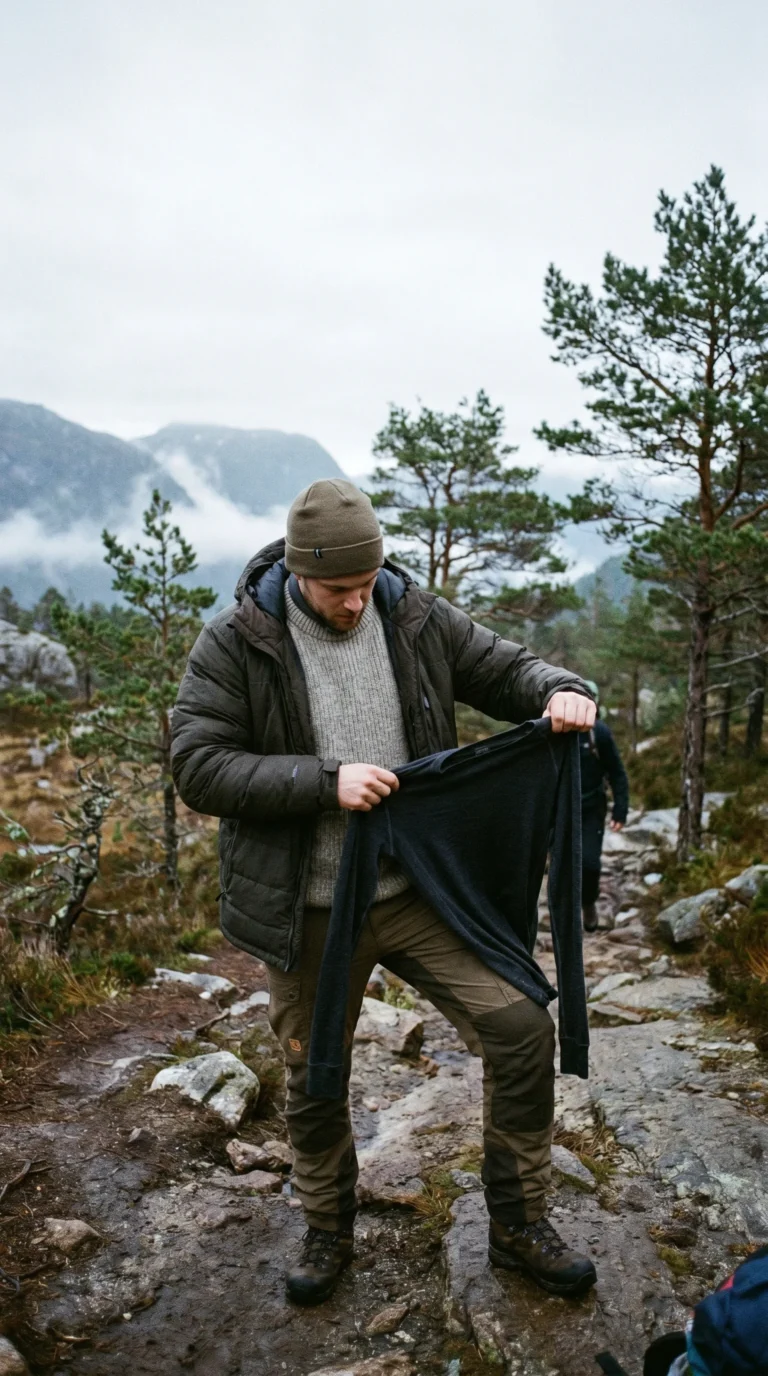
Base layers are your first defense against the cold and your best tool for managing sweat on Pulpit Rock. Cotton soaks up moisture and stays wet, which is miserable on a windy summit. Stick with synthetic or merino fabrics that wick moisture and dry fast.
The fleece-lined thermal sets work for spring and fall when morning temps start in the 40s. The fleece traps a thin layer of warmth without adding bulk, and the stretch fabric moves with you on steep sections. I like that the top and leggings come as a set so you don’t have to guess at fit or match pieces.
If you’re heading out with the family, this women’s heavyweight fleece-lined set offers reliable warmth that holds up to repeated trips. The waistband on the leggings stays put under a backpack hip belt, and the long sleeves cover your wrists so there’s no gap when you reach up on scrambles.
For recreational hikers tackling the trail once or twice, this women’s fleece-lined thermal set delivers the same performance at the same price point. Both versions are heavyweight, which means they’re too warm for summer unless you’re hiking at dawn or in rain. For June through August, go with a lighter merino or synthetic base or skip the base layer altogether if temps are above 60.
On cooler days, you’ll wear these for the full hike. On warmer spring or fall mornings, you might start in just a base layer and shell, then add your insulating layer at the summit.
Gloves for Wind and Wet Granite
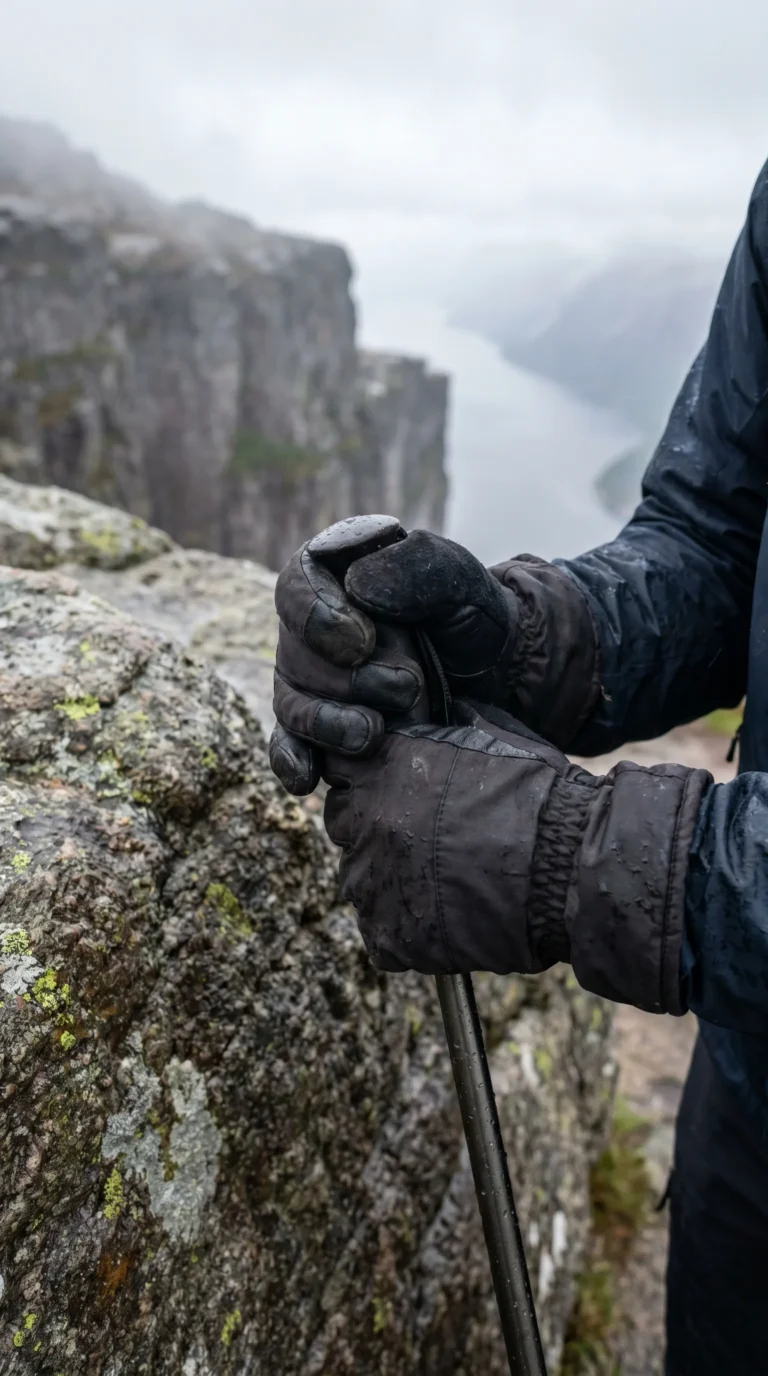
Your hands take a beating on this hike. You’ll use them to steady yourself on steep sections, grip trekking poles, and brace against wind gusts at the summit. Cold, wet hands make everything harder, so bringing the right gloves turns a miserable scramble into a comfortable climb.
If you’re hiking with family in spring or fall, these waterproof insulated gloves are perfect when temps hover in the 40s. The knit cuff seals around your wrist so rain doesn’t run down your sleeve into the glove, and the insulation is thick enough to keep everyone’s hands warm without making them clumsy on trekking poles or camera buttons.
Waterproofing matters more than you’d think. On a rainy October hike, I watched a friend’s non-waterproof gloves soak through in the first 20 minutes. He ended up with numb hands by the summit and couldn’t grip his camera.
For anyone tackling this hike in late April or early May when you might hit snow or freezing rain, rubber insulating gloves handle those harsher conditions. They’re bulkier and more industrial looking, but they keep your hands warm and dry when lighter gloves would turn into soggy mittens.
If you’re hiking in summer, you probably won’t need gloves unless it’s pouring rain or you’re tackling the hike at dawn when temps are still in the low 50s.
Thermal Beanie for Summit Wind
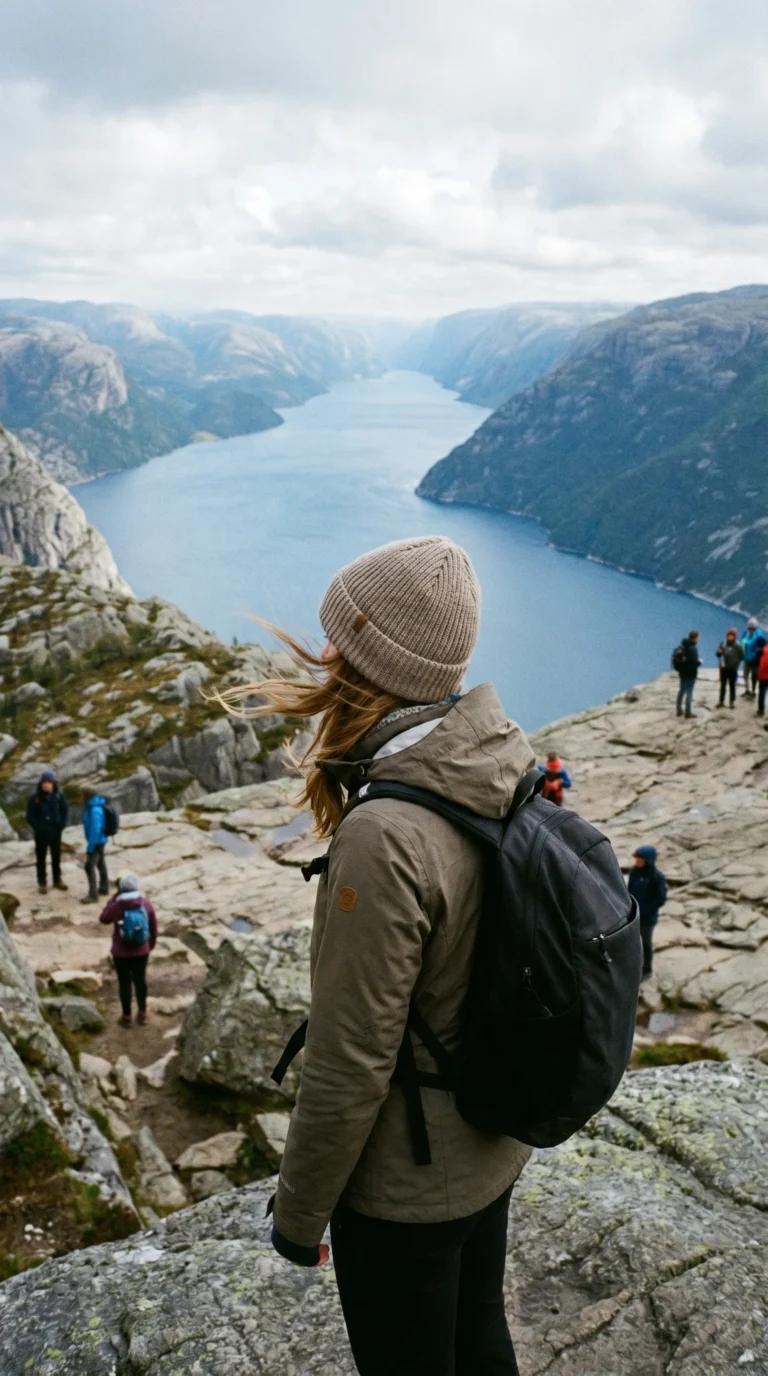
A beanie is one of those small items that makes a huge difference on Pulpit Rock. The summit plateau is completely exposed, and the wind up there pulls heat from your head faster than you’d expect. Even on a mild day at the trailhead, you can lose body warmth quickly once you’re standing still taking photos at the edge.
I always pack a Thermal Merino Reversible Beanie because it handles sweat better than synthetic options and stays warm even when damp. The reversible design gives you two looks for photos, but more importantly it lets you flip to the thicker knit side for extra wind protection when you need it.
The cuffed design is smart for hiking. Roll the cuff down over your ears when the wind picks up at the summit, or fold it up if you’re overheating on the climb. Merino wicks moisture away while you’re moving, so you won’t get that clammy feeling you sometimes get with acrylic beanies.
From April through October, I bring a beanie on every hike. It weighs almost nothing in your pack, and you’ll be grateful to have it when the wind kicks up.
Hand Warmers for Extra Comfort
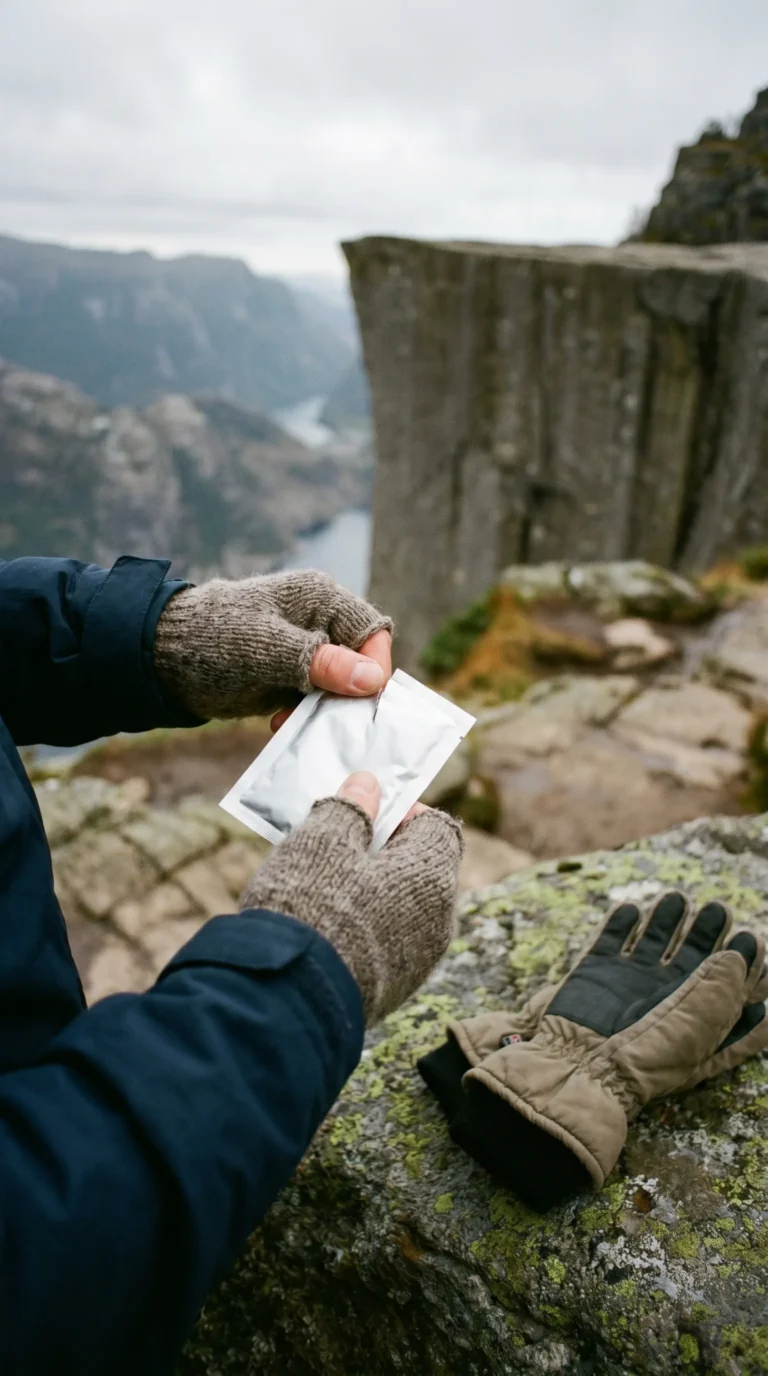
Hand warmers are a nice-to-have for spring and fall hikers who want a little extra warmth without carrying heavy gloves. They’re also a backup if your gloves get soaked or you want to warm up fast at the summit.
If you or someone in your group has circulation issues or tends to feel the cold quickly, the cordless wrist heating pad wraps around your wrist and delivers consistent, targeted warmth for hours. I’ve seen hikers use these on cold mornings when their hands go numb easily. The rechargeable battery means you’re not tossing disposable packs after every hike, and you can charge it the night before for warmth that lasts the full hike. The massage and red light features are bonuses you probably won’t use on the trail.
For a simpler, grab-and-go option, these rechargeable hand warmers work great for recreational hikers who want reliable heat without thinking too much about it. They’re lightweight, easy to slip in your gloves or pockets, and especially nice if you’re hiking with kids or older family members who feel the cold more. Hand them a warmer at the summit and everyone will be much happier for the descent.
Hiking Boots for Summer and Dry Days
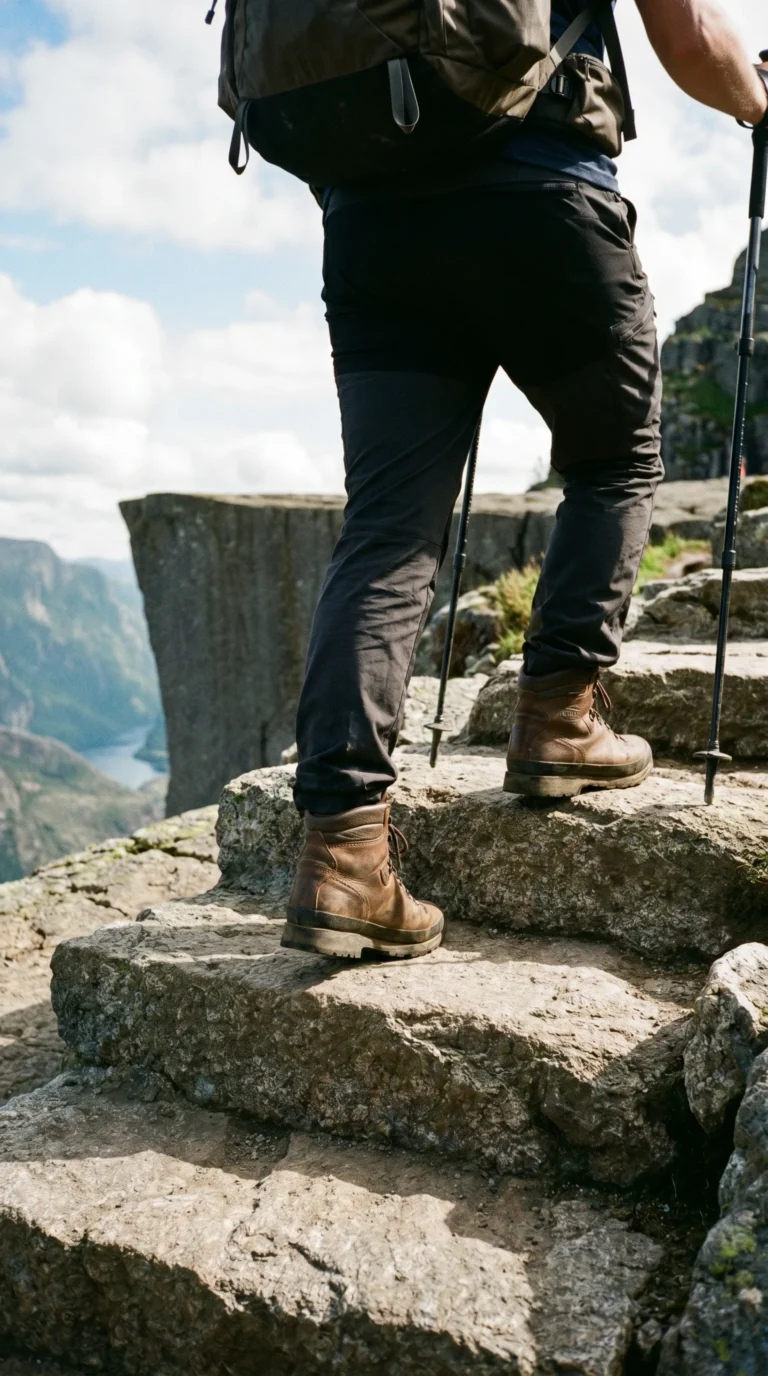
For summer hikes or anyone tackling Pulpit Rock on a clear forecast, a proper pair of waterproof hiking boots is your best choice. The Men’s Ankle High Waterproof Hiking Boots give you the ankle support you need on uneven granite without the bulk of winter snow boots, and they break in fast so you’re not fighting blisters halfway up the trail.
Waterproofing is still important even in summer. The trail stays wet from morning dew, stream crossings, and surprise showers. These boots keep your feet dry while staying light enough that you’re not dragging extra weight up the mountain.
The ankle height is key. Low-top trail runners might feel faster on flat ground, but on Pulpit Rock’s steep switchbacks and loose stone, your ankles need the stability that a higher cut provides.
The aggressive tread grips wet granite better than standard hiking boots. I’ve used boots like these on rainy hikes and never felt like I was skating on slick rock, which is a huge confidence boost on steep descents.
If you’re a casual hiker or this is your only Norway hike, these boots are versatile enough for other trails without being overkill. You’ll get plenty of use out of them long after you leave Stavanger.
Packing and Trail Tips
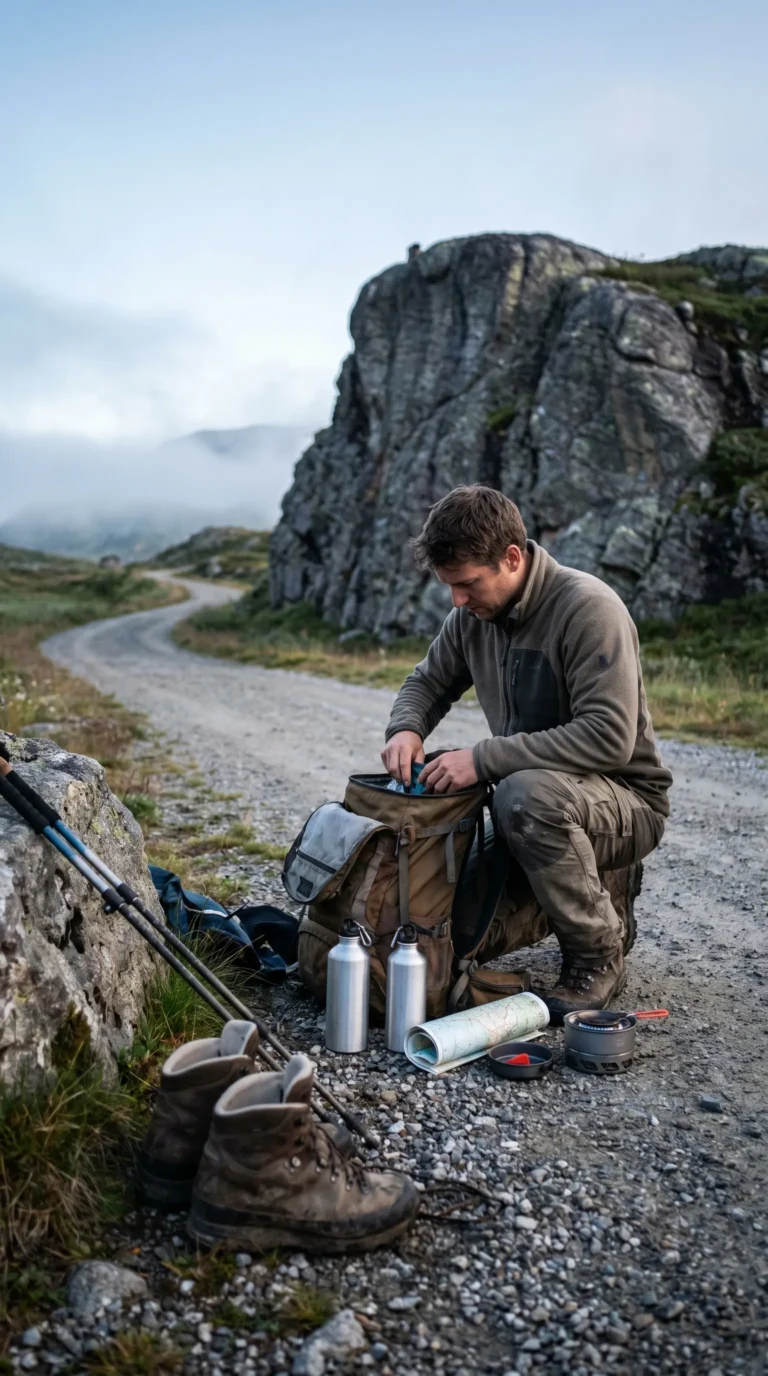
Pack layers you can adjust fast. The climb heats you up, the summit cools you down, and the descent heats you up again. I usually start in a base layer and shell, add my insulating layer at the top, then strip back down for the hike out.
Bring 2 liters of water per person. There’s no reliable water source on the trail, and you’ll drink more than you expect on the climb. A hydration bladder is easier than bottles since you can sip without stopping.
Trekking poles save your knees on the descent. The trail is steep and the granite is hard on joints. Poles let you transfer some of that impact to your arms and give you extra stability on wet rocks.
Start early if you’re hiking in summer. The trail gets crowded by midmorning, and you’ll spend half your time waiting for groups to pass on narrow sections. An early start also gives you the best light for photos and cooler temps for the climb.
Check the weather forecast but don’t trust it completely. Norwegian weather changes fast, especially near the coast. Pack rain gear even if the forecast shows sun all day.
Keep small essentials like sunscreen, snacks, and your phone in easy reach pockets. You won’t want to stop and dig through your pack every time you need something on the narrow, busy trail.
Frequently Asked Questions
How do I get to Pulpit Rock hike from Stavanger?
The easiest way is the direct seasonal express bus from central Stavanger to Preikestolen parking, which takes about 45 to 50 minutes through the Ryfast subsea tunnel. The old Stavanger to Tau car ferry closed once the tunnel opened, so there is no ferry to change onto anymore. If you drive, it is a similar 45-minute trip, then a day-use parking fee at the trailhead. Book the bus ahead on sunny summer weekends, when it fills fast.
What do Norwegians wear when hiking?
Norwegians dress in layers with moisture-wicking base layers, insulated mid-layers, and waterproof outer shells. You’ll see lots of wool, fleece, and breathable rain jackets no matter the season. Sturdy hiking boots are standard, and most locals carry extra layers in their packs since mountain weather changes quickly.
How hard is the walk to Pulpit Rock?
The hike is moderate, covering about 8 kilometers round trip with 330 meters of elevation gain. Most people complete it in four to five hours total, including time at the top. The trail has rocky sections and some steep climbs, but anyone with average fitness can manage it.
Should I bring cash or cards for the Pulpit Rock hike?
Cards work almost everywhere in Norway, including ferry terminals and the visitor center. I always carry a backup card, but cash is rarely needed. Mobile payment apps are widely accepted too.
What is the best time to visit Pulpit Rock by season?
Late May through September offers the best conditions with longer daylight and milder weather. July and August get crowded but have the most reliable weather. Spring and fall see fewer people but bring unpredictable conditions and shorter days.