This guide contains affiliate links. As an Amazon Associate we earn from qualifying purchases — at no extra cost to you.
Estimated reading time: 12 minutes
Last updated: July 2026
What gear do you need for hiking Sweden’s High Coast trails?
For Skuleskogen and Höga Kusten trails, pack sturdy waterproof hiking boots with ankle support, layered windproof clothing, an insulated jacket for temperature swings, thermal base layers, warm gloves, rain gear, and insect repellent for summer. The High Coast‘s exposed ridgelines and steep terrain demand traction-focused footwear and adaptable layers year-round.
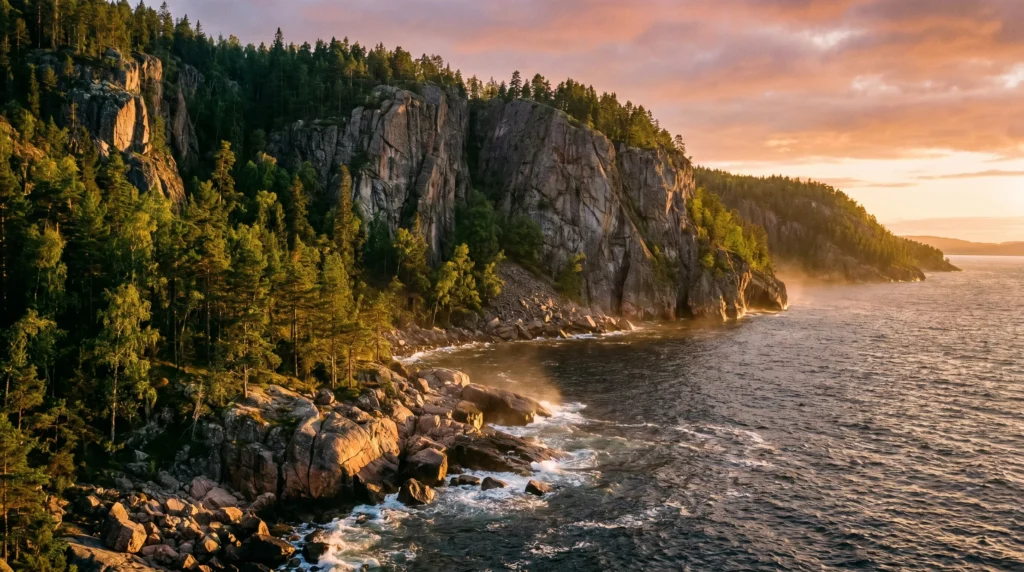
The High Coast throws challenges at you that most trails don’t combine in one place. You’re climbing 250-meter coastal cliffs that drop straight to the Baltic, scrambling through boulder fields left behind by retreating glaciers, and navigating rooted forest paths that turn slick after rain. Strong winds whip across the exposed ridgelines, and the elevation changes can be brutal, especially when you’re sweating through a climb and then hit a windswept summit.
Seasons make a huge difference here. Summer gives you 18-hour daylight but also clouds of mosquitoes in the forests. Shoulder seasons in spring and fall bring mud, fewer people, and moody weather that changes fast. Winter hiking is gorgeous but requires serious cold-weather preparation, ice grips, and knowledge of short daylight windows.
You have two main trail areas to consider: Skuleskogen National Park offers rugged day loops through old-growth forest and coastal viewpoints, while Höga Kusten Leden stretches 130 kilometers as a multi-day coastal route. This guide organizes gear by need, from cold-weather essentials to three-season hiking staples, so you can pack for the conditions you’ll actually face out there.
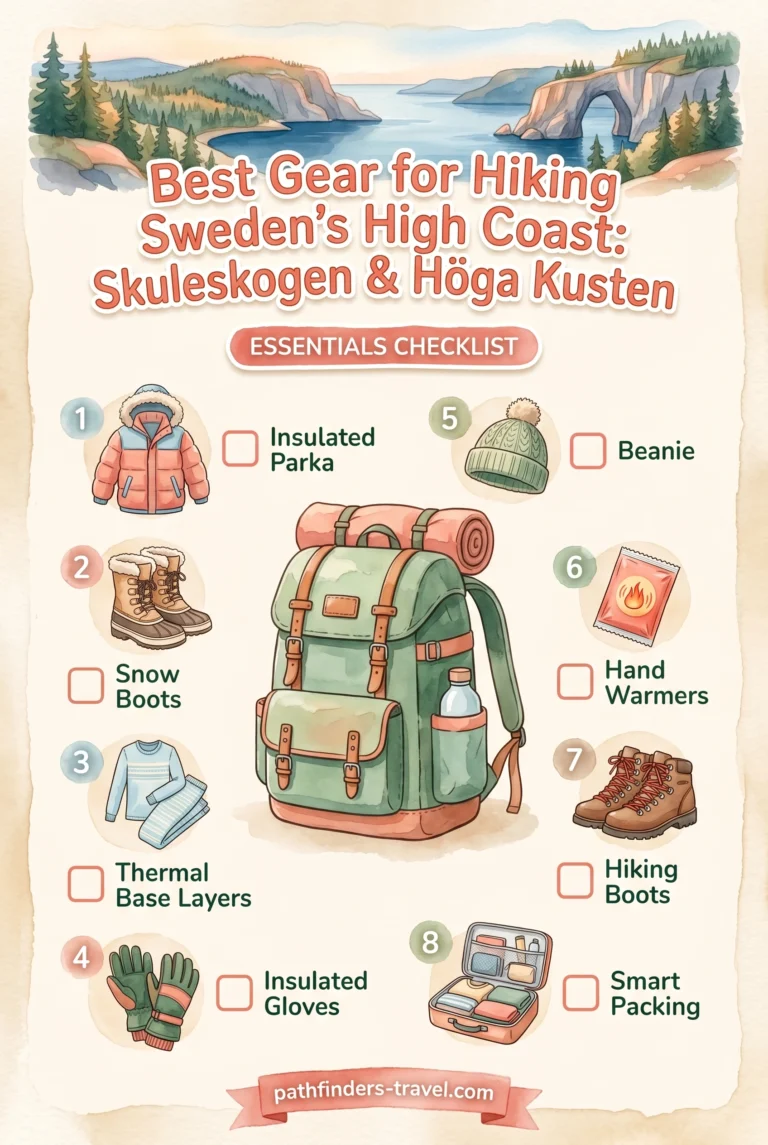
Insulated Parka
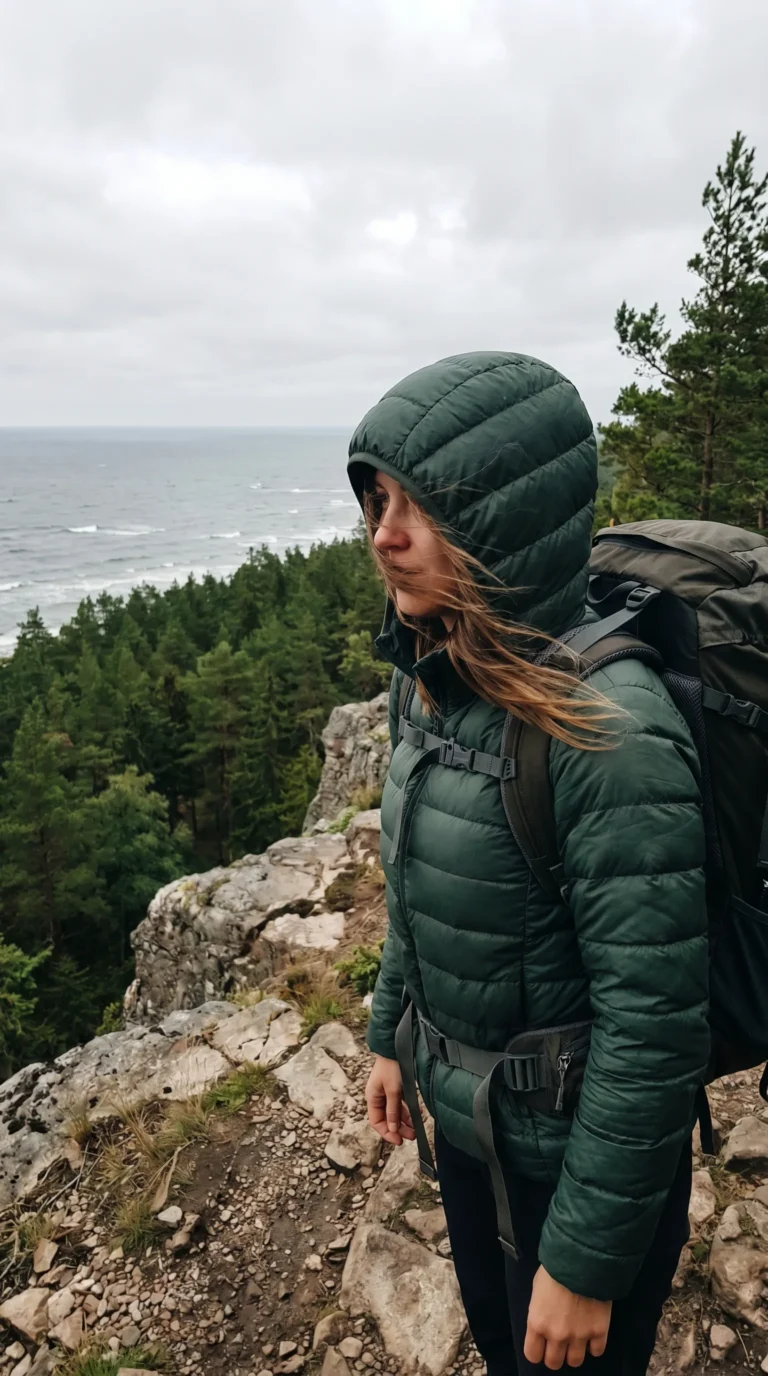
The High Coast is beautiful, but those ridgelines turn into wind tunnels fast. Even on a sunny July morning, you’ll feel the temperature drop the second you climb above the treeline, and a packable insulated layer becomes your safety net against gusts that sweep in off the Baltic without warning.
If you’re hiking May through September and want one layer that does it all, the women’s packable lightweight puffer jacket is your budget-friendly companion. Its water-resistant shell handles brief showers, the hood blocks wind on exposed cliff sections, and it stuffs into its own pocket so it disappears in your pack. I keep mine buried during climbs and throw it on at every summit stop or when clouds roll in over the water.
For shoulder-season and winter trails, when you’re layering a hardshell over everything, the Cirruslite down jacket is the warmer, more compressible choice. Down shines in dry cold, and Skuleskogen’s boreal forest can be surprisingly calm between ridges. That warmth-to-weight ratio means less pack bulk, which matters when you’re carrying extra gear for November sleet or February snow.
The contrast is simple: grab the puffer if you want a do-it-all layer for the main season. If you’re tackling late fall or winter trails, down under a rain shell is the move that keeps you warm without adding pounds.
Snow Boots
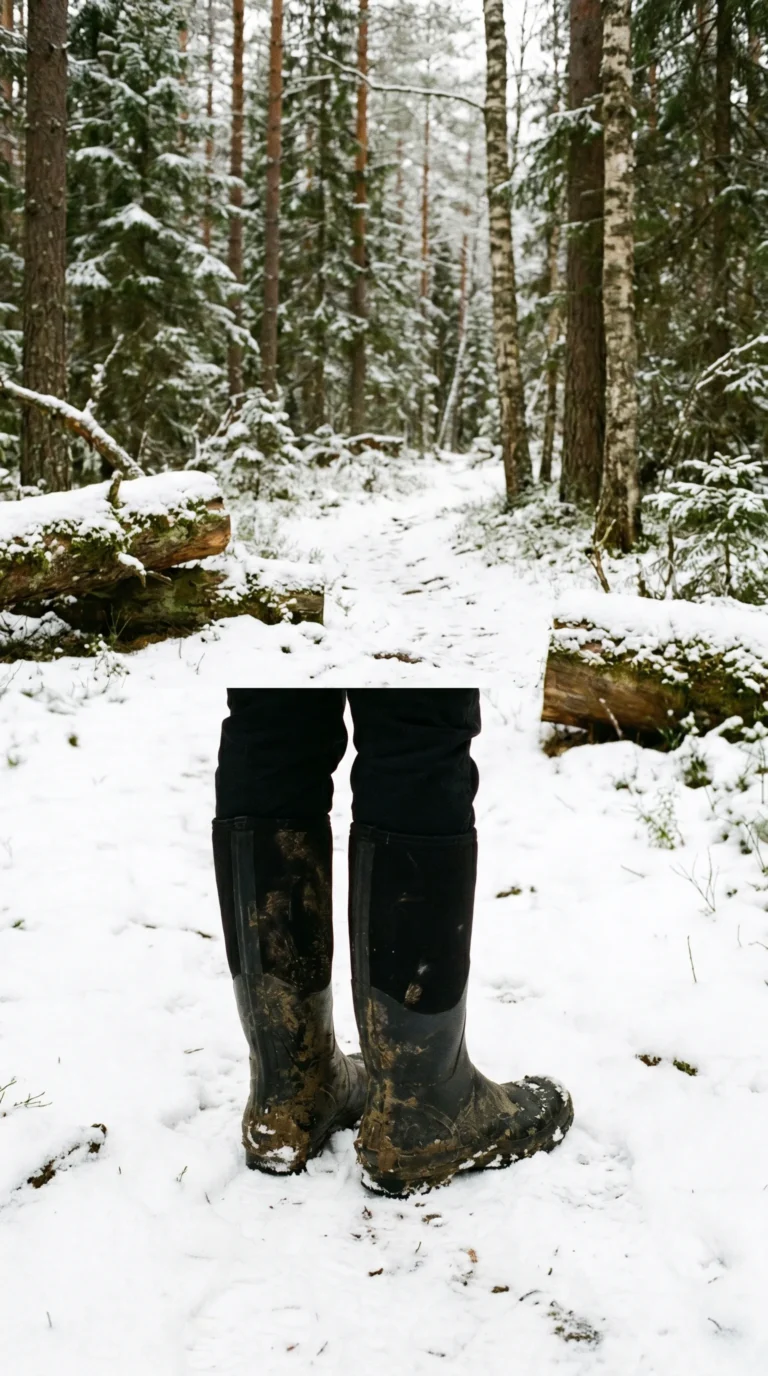
From October through April, Skuleskogen and Höga Kusten trails turn into a wintry mix of packed snow, black ice, and freezing mud. Standard hiking boots simply won’t cut it when temperatures drop and the High Coast forest paths ice over. You need purpose-built winter footwear that keeps your feet warm and grips frozen surfaces without slipping.
If you’re tackling short winter day hikes or just wandering with your cabin and the trailhead at Friluftsbyn, these waterproof fur-lined booties are a practical, affordable choice. They pull on easily, offer decent traction on moderate snow, and stay warm enough when temperatures hover around freezing. I found them perfect for quick forest loops and evening strolls through snowy campsites, though they’re not designed for all-day scrambles over icy boulder fields.
For serious winter hiking, the Thermoball™ Traction Bootie is the go-to option. Its synthetic insulation keeps your feet warm even when wet, the articulated sole grips frozen roots and rocky sections, and it’s light enough to double as camp shoes. Many High Coast hikers combine winter trails with cabin stays, so a bootie that works on snow and indoors saves precious pack space.
Either way, pair your boots with microspikes if you’re planning ridgeline trails after fresh snowfall. Ice forms fast on exposed sections.
Thermal Base Layers
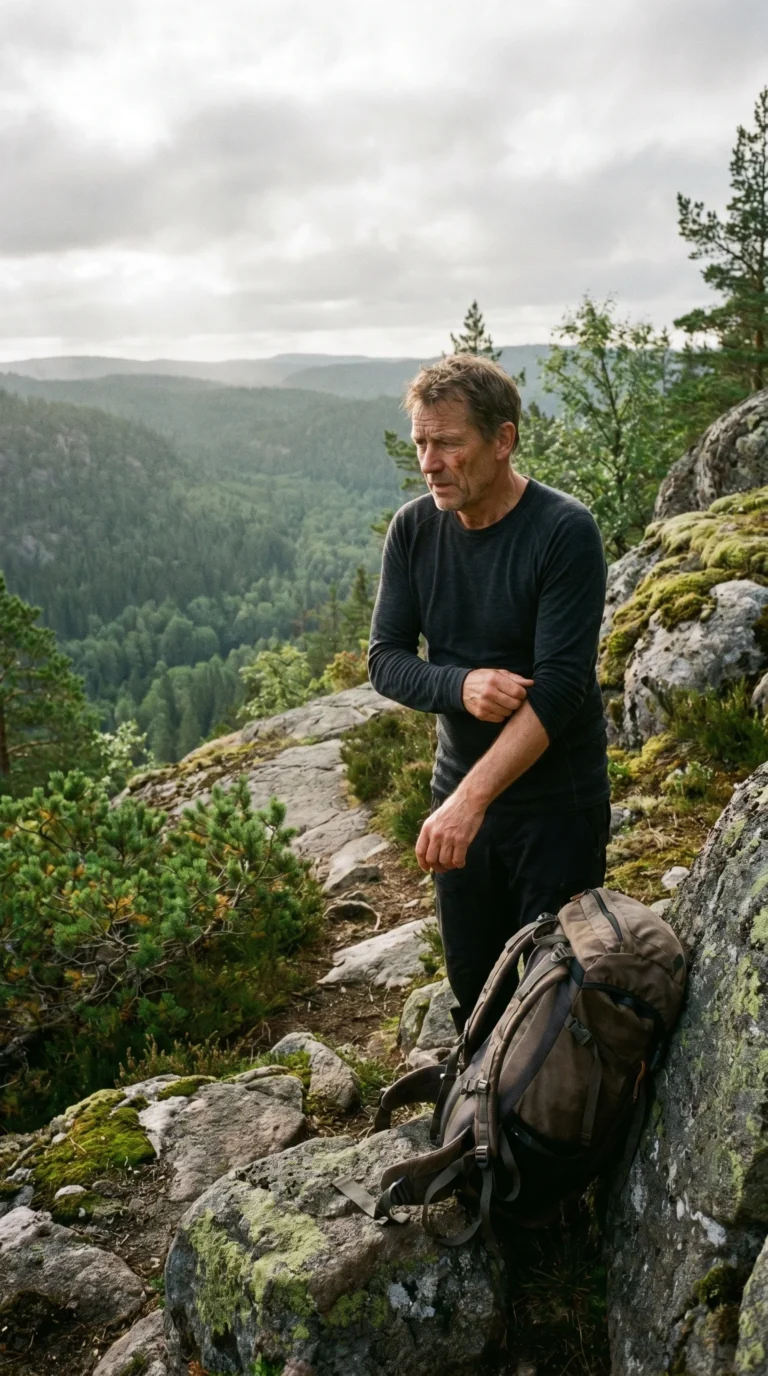
Skuleskogen’s steep climbs generate sweat fast, then ridgeline winds chill you the moment you stop, so moisture-wicking thermals are non-negotiable from September through May. A good base layer keeps your core dry and warm without adding bulk under your shell.
The women’s merino wool base layer set is the all-season, all-day option that earns its place on multi-day Höga Kusten Leden treks. Merino naturally resists odor, so you can wear it three or four days straight without issue. It regulates temperature during hard climbs and feels soft against your skin, even when you’re layering a fleece and parka on top.
Merino’s real advantage on the High Coast shows up when conditions turn damp. When you’re layering under a shell and packing in fog or drizzle, synthetic base layers can get clammy and stay that way. Merino stays comfortable even when damp, and it doesn’t hold onto trail smell the way synthetics do.
If you run hot or prefer synthetic performance, the Helly Hansen LIFA lightweight quick-dry pants offer a budget-conscious, fast-dry alternative. LIFA is lighter than merino and dries faster, which matters if you’re washing clothes in mountain huts or pushing hard on exposed sections where you’re constantly shedding and adding layers.
Many hikers mix tops and bottoms, pairing a merino top next to skin with synthetic bottoms. You get the best of both fabrics: comfort where you need it, performance where sweat pools.
Insulated Gloves
Coastal winds on Höga Kusten ridges numb fingers fast, even in summer evenings, and winter scrambles over icy rocks demand serious hand protection. One cold gust near Slåttdalsskrevan taught me never to skip gloves, no matter the forecast.
The waterproof insulated knit-cuff glove is the workhorse for cold, wet conditions. Its insulated shell blocks wind, the knit cuff seals out snow, and it’s durable enough for grabbing branches and boulders without tearing. I’ve worn mine through sleet on the Skuleskogen trail and they kept my hands warm and dry.
This glove shines during shoulder-season hikes when temperatures hover near freezing and you’re moving between forest shelter and exposed cliff tops. The sealed cuff means no snow sneaks in when you steady yourself on a scramble.
For winter hiking and anyone who needs to operate a phone or GPS without exposing skin, the waterproof merino wool touchscreen gloves offer more versatility. On multi-day treks you’re checking trail apps, snapping photos, and adjusting GPS tracks, and fumbling with bare hands in subzero wind is miserable. The merino keeps warmth close to your skin, and the touchscreen fingertips work reliably even when damp.
If you’re hiking winter Skuleskogen, carry both. Thin merino gloves inside waterproof shells give you maximum warmth and the option to strip the shell for delicate tasks like tightening tent stakes or fixing a headlamp.
Beanie
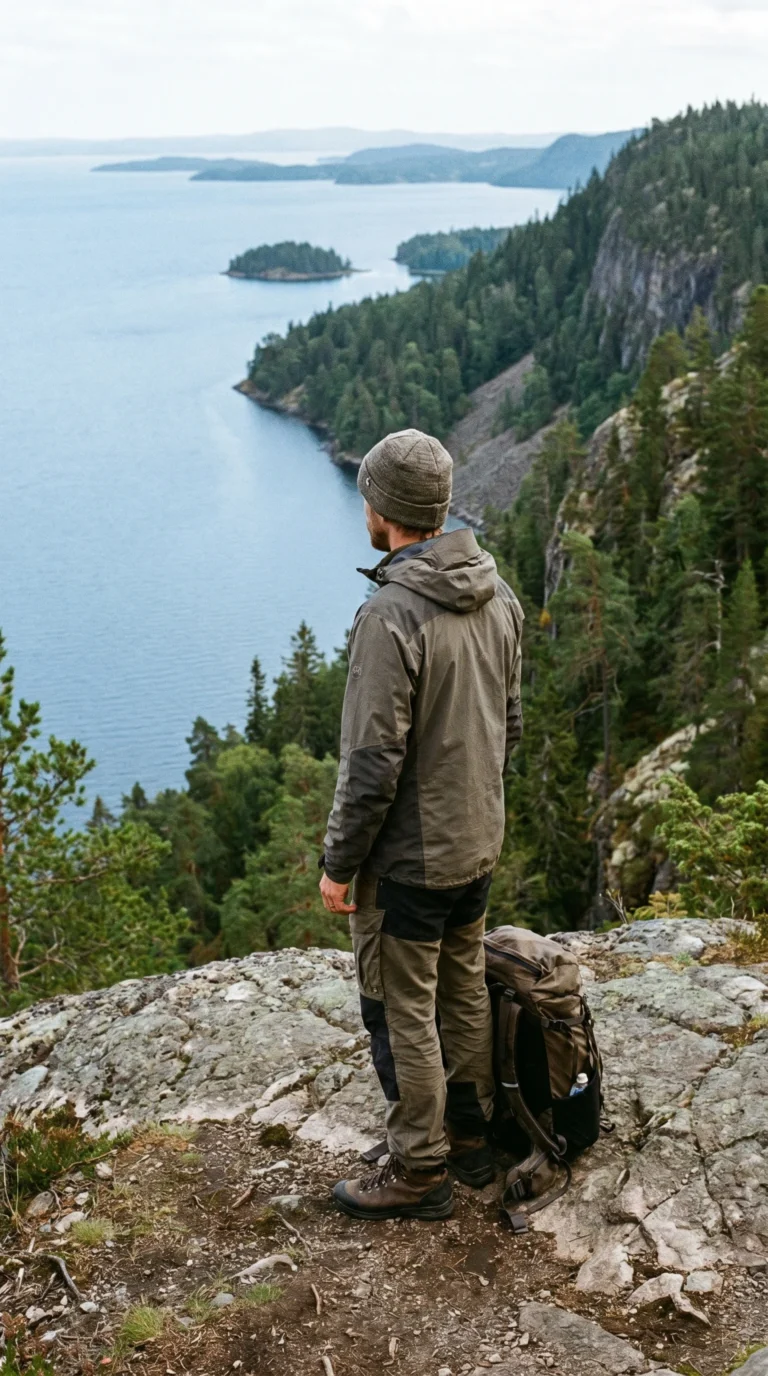
A good beanie is your first line of defense against High Coast wind chill, and merino wool handles the job year-round. When you’re standing on a windswept ridge above the Baltic, that extra layer between you and the elements makes all the difference.
The Thermal Merino Reversible Cuffed Beanie brings natural temperature regulation to September’s cool mornings and January’s deep cold without adding bulk to your pack. Merino fights odor on multi-day hikes, and the reversible design lets you refresh your look without carrying extra weight.
The cuffed style stays put during steep descents and won’t slide around when you pull a hood over it. I’ve found that fit matters when you’re scrambling down rocky trails or ducking under branches.
Merino breathes well enough that you can keep it on during hard climbs without overheating, then pull it lower over your ears when you hit the ridgeline. The fabric wicks moisture away while still insulating.
Pack it even in summer. Temperatures drop fast after sunset on the High Coast, and a lightweight beanie weighs almost nothing but makes evening camp time far more comfortable.
Hand Warmers
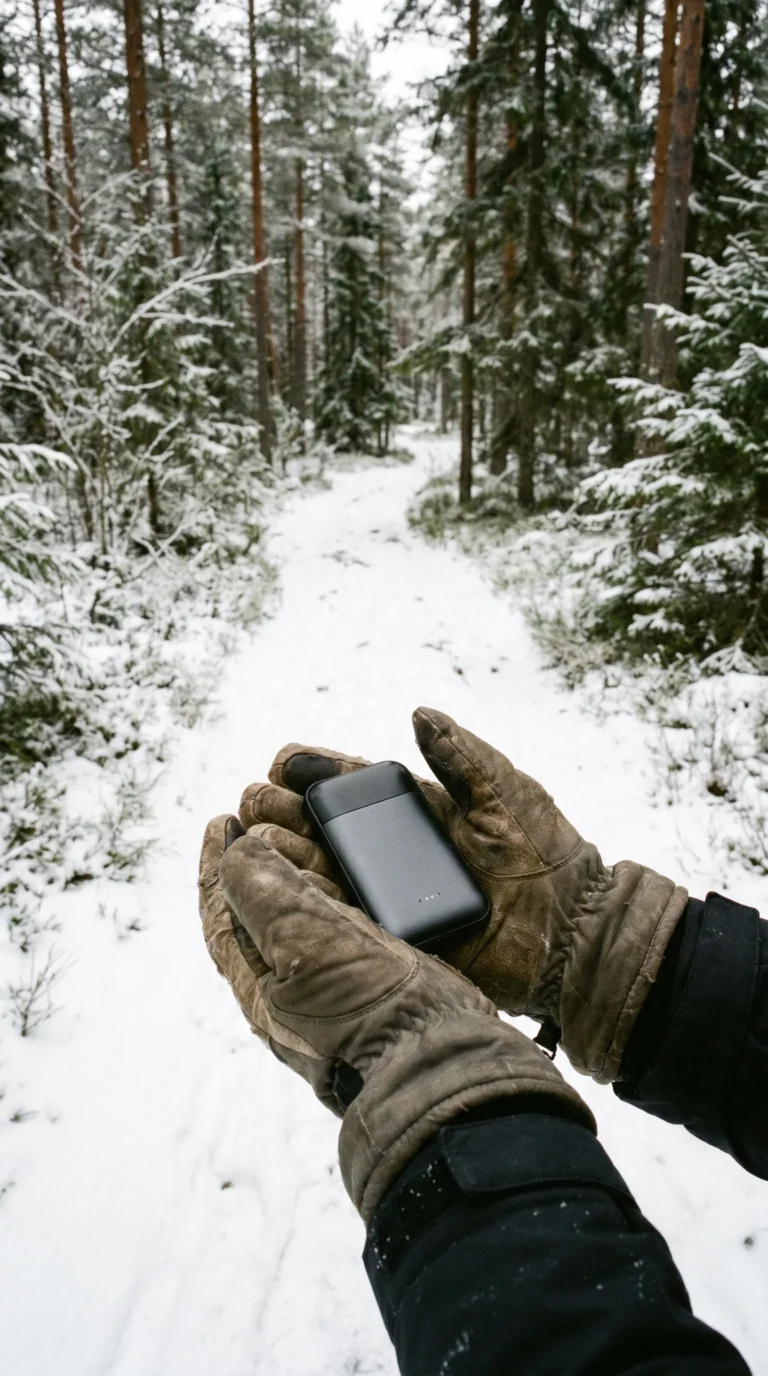
Winter hiking in Skuleskogen means long stretches in subzero wind, and even the best gloves struggle when you’re standing still taking photos or eating lunch on an exposed summit. Your fingers go numb fast, and that’s when a day on the High Coast can turn uncomfortable.
Rechargeable Hand Warmers with Charge Case are the practical, reusable solution for cold-weather trails. The 14,000mAh capacity lasts all day, dual-sided heat warms both hands at once, and the charging case lets you top them up overnight in a hut or car.
They’re far better than disposable packs. You’re not generating waste on remote trails, and you can adjust heat levels as conditions change instead of getting stuck with one fixed output.
Many hikers use them as backup phone chargers, which is critical when cold weather drains batteries fast. I always slip them into my gloves or jacket pockets during breaks, then switch them off during active hiking to conserve charge.
They’re overkill for summer, but essential for anyone tackling October-through-April trails. If you’re planning a winter trip to Skuleskogen or the higher ridges along Höga Kusten, these will keep your hands functional when the wind picks up.
Hiking Boots
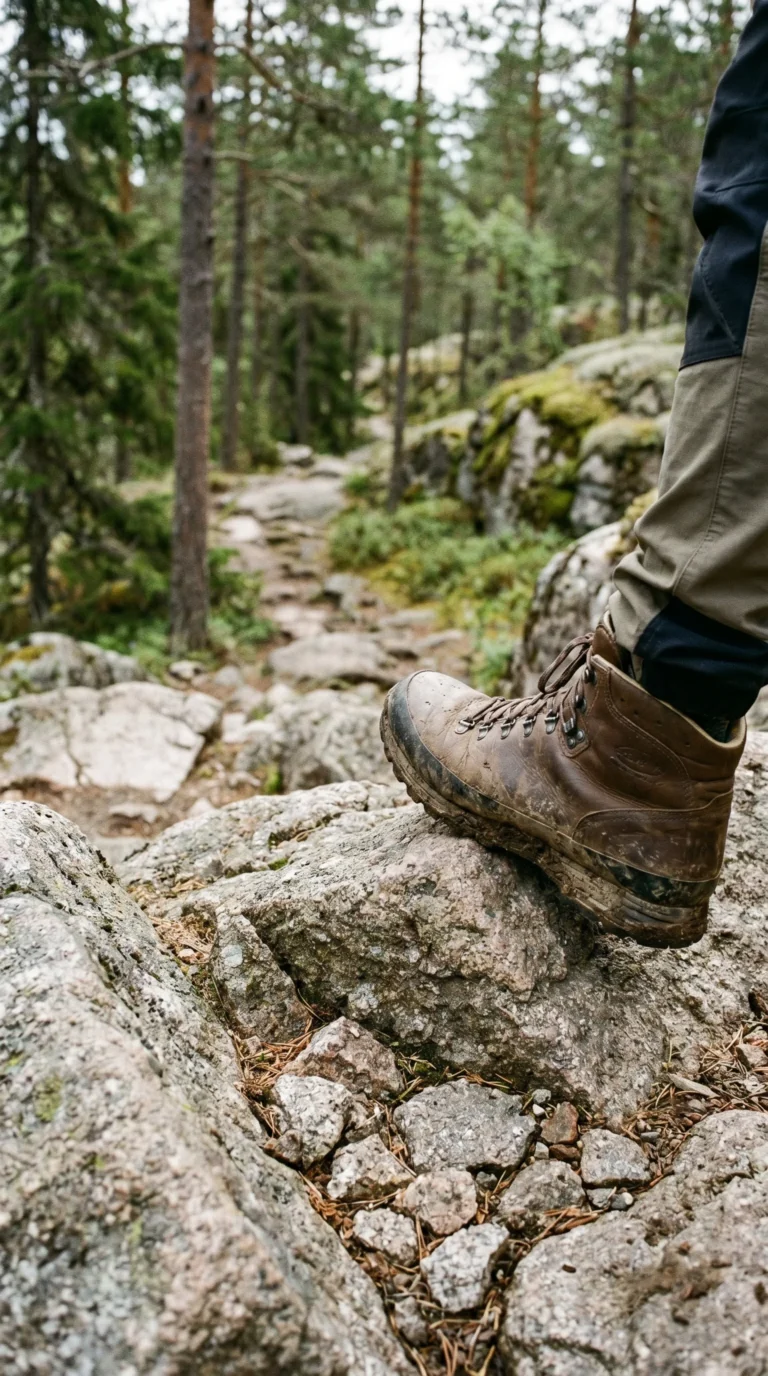
Skuleskogen’s boulder fields, rooted forest paths, and steep coastal descents demand serious ankle support and aggressive tread. This is where you invest, because a twisted ankle on wet granite 10 kilometers from the trailhead ruins your day. Sweden’s High Coast doesn’t forgive casual footwear.
If you prioritize durability and traction over weight, the tactical military-style work boots deliver rugged, budget-friendly performance. The eight-inch height protects your ankles on uneven ground, and leather construction handles the abuse of sharp rocks and gnarled roots. A side zipper makes them easy to get on and off at the campsite. The stiffer sole is perfect for scrambling over boulders, and these boots shine on day hikes with a light pack or anywhere you need extra stability.
For faster-paced hiking and multi-day treks where weight matters, the Terrex mid-top with Rain.RDY waterproofing is the lighter, more breathable choice. It handles muddy sections and stream crossings without soaking your socks, and the flexible sole is less fatiguing when you’re logging 15-plus kilometers daily. You’ll notice the difference on long ascents and technical descents where nimble footwork counts.
Here’s the trade-off: the Terrex boots won’t last as many seasons as full leather, but they’re more comfortable out of the box and better for summer heat. Go tactical for winter conditions and the roughest terrain. Choose the Terrex for spring through fall and any trip where speed and comfort take priority over brute toughness.
Smart Packing for the High Coast
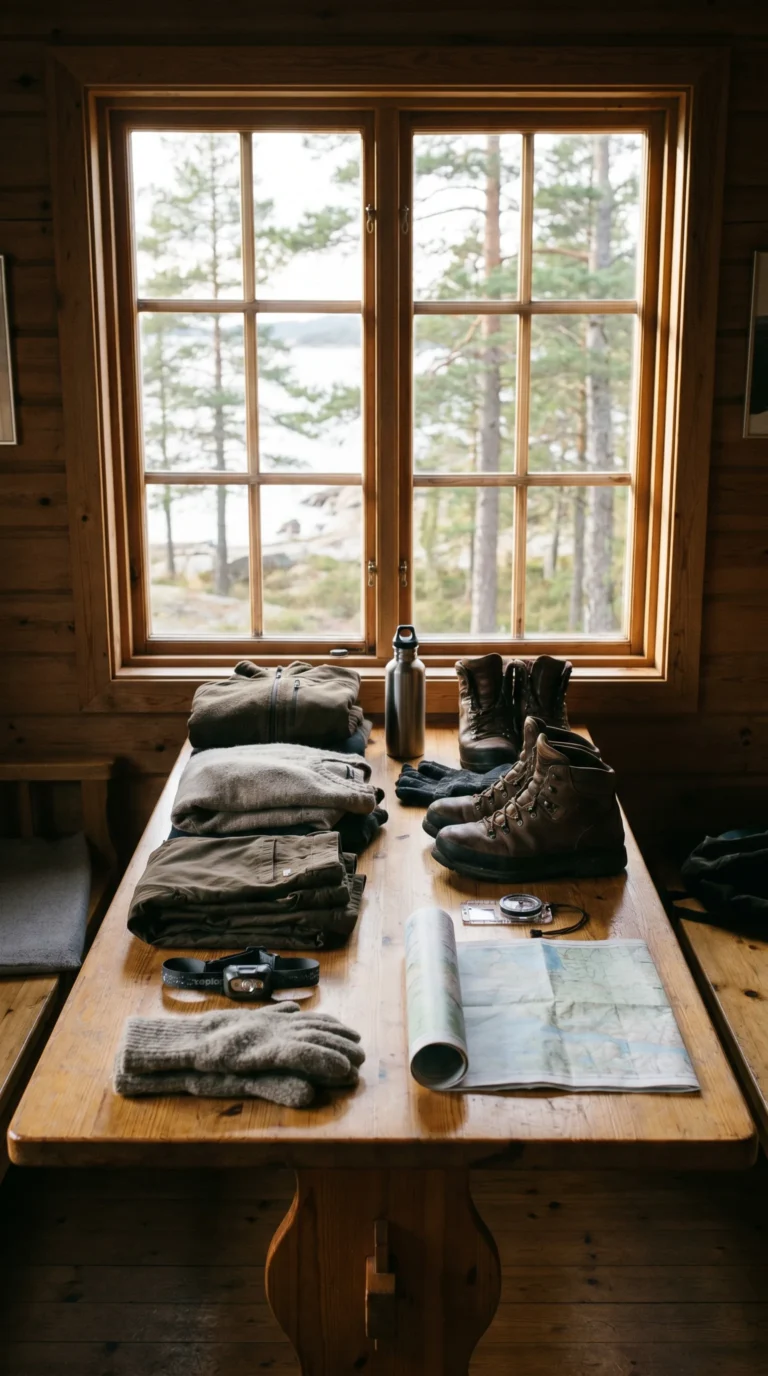
The best gear for hiking Sweden’s High Coast comes down to preparing for constantly shifting conditions on trails that swing between dense forest and exposed ridgelines. Start with a thermal base layer, add a fleece or lightweight down mid-layer, and finish with a windproof shell. You’ll be peeling off and adding layers throughout the day as you climb with sheltered valleys and breezy summits.
Pack rain gear year-round. Baltic weather changes fast, and even July can surprise you with sudden showers. A packable rain jacket and pants weigh almost nothing but make the difference between a good hike and a miserable slog.
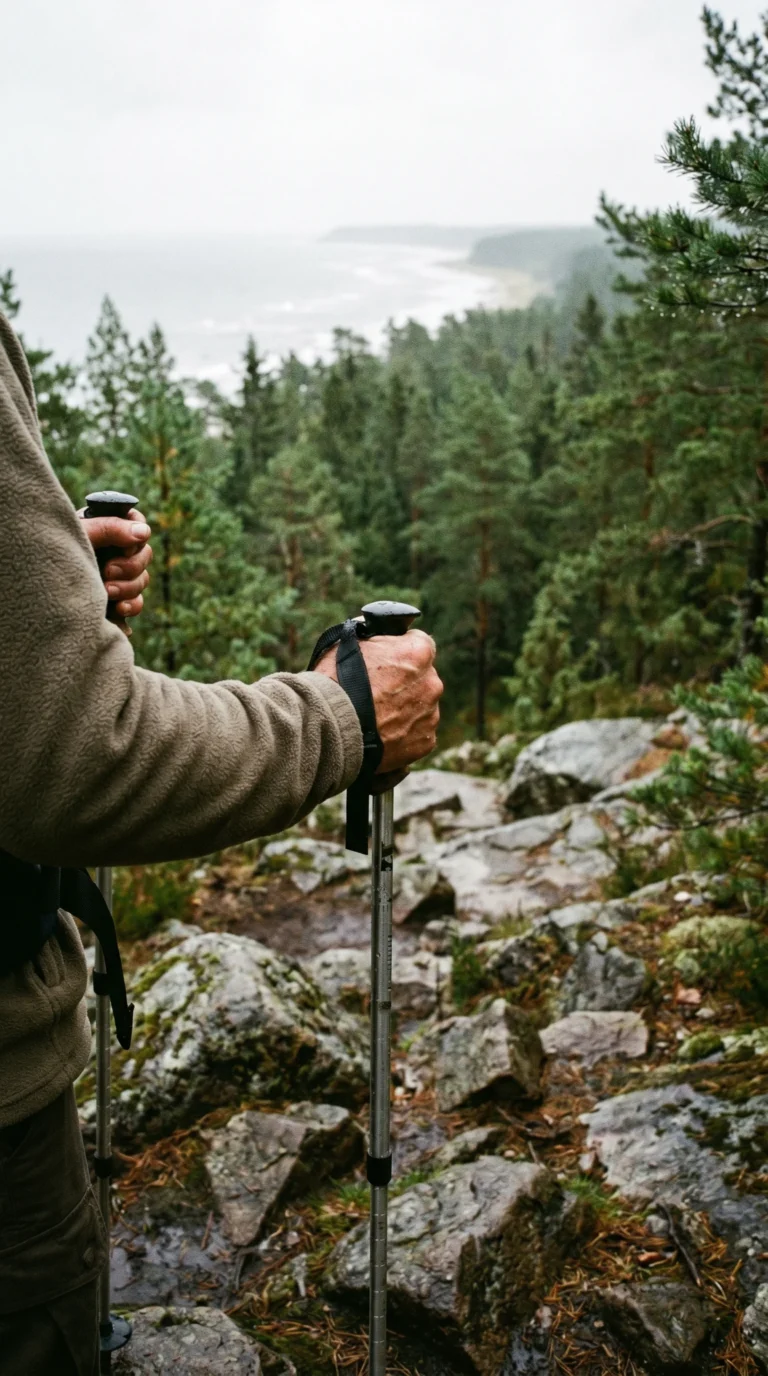
Bring trekking poles for steep descents. Rooted trails and boulder crossings are much easier on your knees with poles for balance. They’re particularly helpful on the technical sections of Slåttdalsskrevan.
Carry insect defense if you’re visiting in June or July. Mosquitoes can be intense in the forested sections, so pack DEET spray and consider a head net for dawn and dusk hikes.
Plan for limited water sources on ridges. Bring a filtration system or extra capacity. Forest streams appear regularly, but exposed cliff trails have long dry stretches. Stash a headlamp even in summer since navigating rooted trails in dim light is dangerous without one.
Frequently Asked Questions
What should I pack for hiking Skuleskogen and Höga Kusten trails?
Pack sturdy waterproof hiking boots, layered clothing including a windproof jacket, rain gear, sun protection, and a daypack with water and snacks. The coastal weather changes quickly, so bring extra layers even on sunny days. A headlamp, map or GPS device, and basic first aid supplies are essential for longer trails. Most hikes are well-marked, but cell service can be spotty in remote sections.
When is the best time to hike Sweden’s High Coast?
Late June through September offers the best hiking conditions with longer daylight and milder temperatures. July and August have the warmest weather, though trails can be busier. May and early June still bring snow at higher elevations and muddy conditions. Fall hiking in September brings beautiful colors but cooler temperatures and shorter days.
Do I need snow gear for summer hiking on the High Coast?
No, you typically don’t need snow gear for summer hiking from June through August. However, early June can still have patches of snow on higher trails and shaded areas. Weather can be unpredictable, so check recent trail reports before heading out.
What should I not bring on High Coast hikes?
Leave heavy cotton clothing at home since it stays wet and provides no warmth. Skip overpacking gadgets or multiple pairs of shoes, as trails are accessible without technical gear. Avoid bringing excessive amounts of water since natural sources are available and can be filtered along most routes.
Do I need trekking poles for hiking Sweden’s High Coast?
Yes, trekking poles help a lot on the High Coast’s steep, rooted descents and boulder crossings, easing strain on your knees and adding balance. They are especially useful on the technical sections around Slåttdalsskrevan. Most hikers bring a collapsible pair that straps to the pack when it is not needed.