Estimated reading time: 12 minutes
Last updated: September 2026
Why Is Bethlehem, PA So Famous?
Bethlehem, PA is famous as America’s “Christmas City” and for its dual heritage. Moravian settlers founded it on Christmas Eve in 1741, leaving a 275-year-old historic district, while Bethlehem Steel forged the steel behind the Golden Gate Bridge and Empire State Building. Those five preserved blast furnaces now anchor the SteelStacks arts campus, and Musikfest draws over 1.4 million visitors each August.
What We Used to Create This
We pulled information from Bethlehem’s official tourism board, historical records, and recent visitor experiences to build this guide. Facts and details were accurate when written, but we recommend confirming current hours and events directly with venues before heading out.
Want to explore Bethlehem’s steel heritage and Moravian history? Watch our full travel guide in 4K Ultra HD.
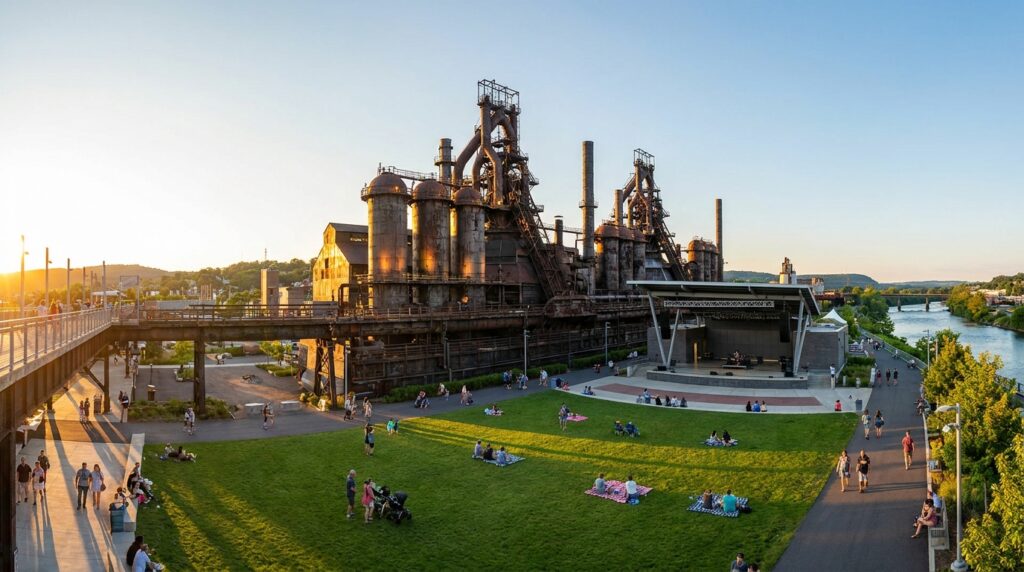
Five rusted blast furnaces tower over a concert lawn where 20,000 people gather for summer festivals. SteelStacks Bethlehem draws over 1.3 million visitors annually to its arts campus built on the bones of America’s second-largest steel producer, according to ArtsQuest attendance data. The plant closed in 1995. The campus opened in 2011.
Bethlehem Steel forged the skeleton of the Golden Gate Bridge and the Empire State Building. Now those same furnaces light up at night while indie bands play below. The transformation is complete, industrial graveyard to cultural magnet.
The city splits into two personalities. North Side claims the steel legacy and modern arts venues. South Side preserves 18th-century Moravian stone buildings and cobblestone streets. You can tour a 1741 Gemeinhaus in the morning and catch a Broadway show at the ArtsQuest Center by evening. Check the SteelStacks ArtsQuest website for current programming or visit Historic Bethlehem Museums & Sites for colonial-era tours.
Bethlehem Pennsylvania sits 60 miles north of Philadelphia and 90 miles west of New York City. Population hovers around 77,000. The dining scene punches above that weight class, James Beard semifinalists and chef-driven bistros line Main Street. Day trips reach the Poconos, Allentown’s museum district, and Lehigh Valley wine country within 30 minutes.
This is a working city that figured out how to honor its past without becoming a theme park. Real people live here. The history is authentic. The steel is real.
Top Attractions: Blast Furnaces and Moravian History
SteelStacks features five preserved blast furnaces from the 1863 Bethlehem Steel plant, now hosting 1,000+ annual events including concerts, festivals, and a year-round visitor center.
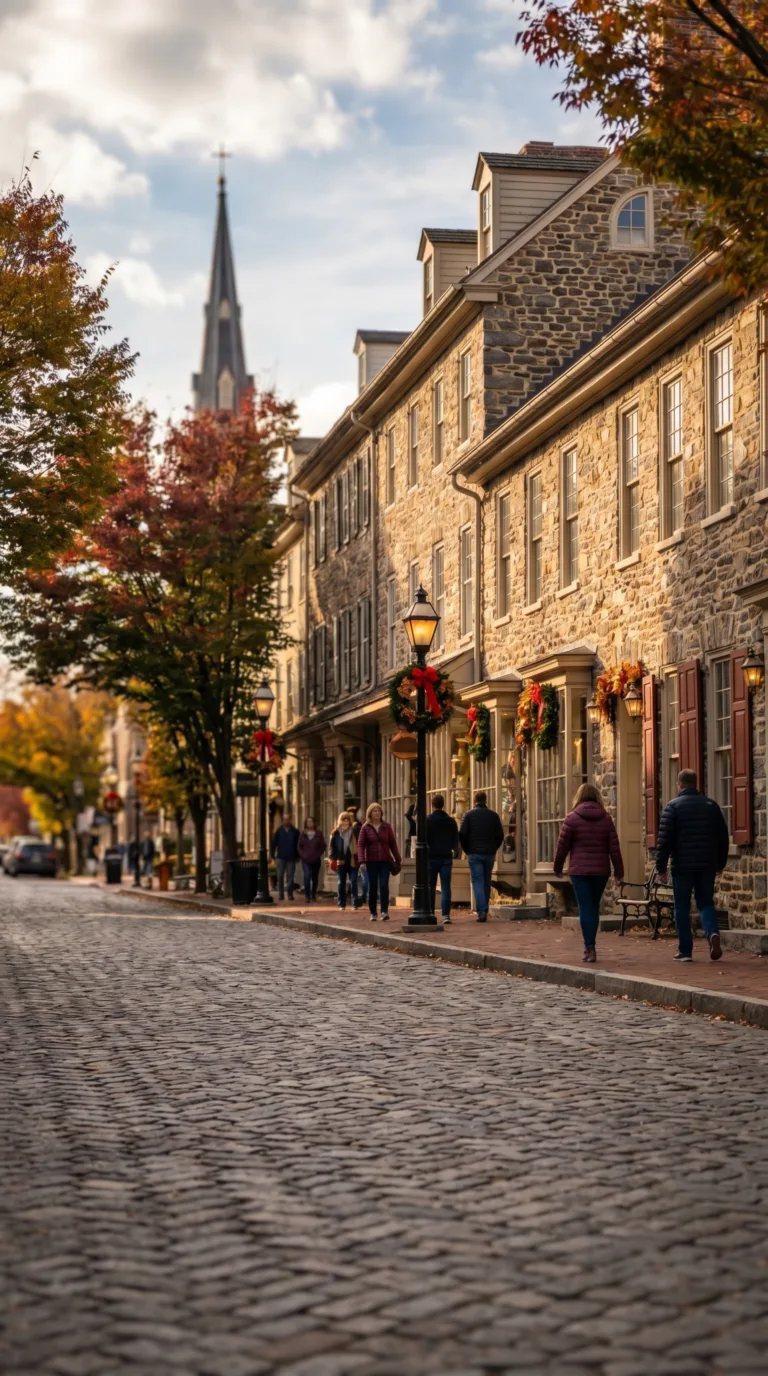
SteelStacks dominates the south side skyline. Five blast furnaces, each towering 230 feet, rise from the former Bethlehem Steel plant like industrial monuments. The plant closed in 1995. Now the furnaces anchor a 10-acre arts campus. You can walk beneath them. Touch the rusted iron. Read plaques explaining how workers poured molten metal for battleships and skyscrapers.
Planning Tip
The visitor center sits inside the former stock house. Free admission. Open daily 10 a.m. to 5 p.m. Exhibits cover the plant’s 140-year history, photos of workers, safety equipment, production charts. A gift shop sells steel-themed souvenirs.
Check the SteelStacks event calendar before you visit. Summer brings Musikfest, an 11-day music festival drawing over 1.4 million people. Free stages run noon to midnight. Headliners perform in the indoor Sands Steel Stage. Tickets start at $35. Fall weekends feature craft beer festivals and food truck rallies. Winter hosts holiday markets under heated tents.
The campus includes three performance venues. Levitt Pavilion offers free outdoor concerts May through September, folk, jazz, indie rock. Bring a blanket. PNC Plaza hosts larger acts. The Sands Bethlehem Event Center books national tours. You’re watching shows with blast furnaces glowing under spotlights in the background.
Cross the Fahy Bridge to the north side. The Historic Moravian District spreads across 18 blocks. Sixteen buildings date to the 1700s, preserved under National Historic Landmark status. The Gemeinhaus anchors Main Street, built 1741, it’s the oldest surviving building in Bethlehem. Gray limestone walls. Small windows. It housed the first Moravian settlers. Now it’s a museum. $12 adults, $10 seniors. Tours run hourly 11 a.m. to 4 p.m. Tuesday through Saturday.
Next door stands the 1803 Central Moravian Church. Free to enter during daylight hours. Wooden pews. Vaulted ceiling. A trombone choir plays from the balcony on Easter and Christmas Eve, a Moravian tradition dating to 1754. The adjacent God’s Acre cemetery holds graves marked with flat white stones. All identical. Moravians believed in equality, even in death.
Historic Bethlehem Museums & Sites manages seven properties. A $20 combo ticket covers all of them. The 1810 Luckenbach Mill grinds corn on weekends. The 1748 Apothecary displays hand-blown medicine bottles and herbal remedies. You can spend three hours walking through colonial rooms with costumed guides.
Lehigh University sprawls across South Mountain, just west of downtown. Founded 1865. The campus covers 2,358 acres, one of the largest in the Northeast. Asa Packer Hall sits at the center, a Victorian Gothic building with a clock tower. You can park for free on weekends and walk the grounds. Paths wind through wooded hillsides. Stone bridges cross ravines.
The Zoellner Arts Center books theater, dance, and classical music. Season runs September through May. Tickets $15 to $45. Check Lehigh University campus visits and tours for performance schedules and campus maps.
Guided heritage tours leave from the visitor center at 459 Old York Road. $15 per person. Ninety-minute walks cover the Moravian settlement, industrial boom, and Christmas City traditions. Saturdays at 1 p.m., April through October. Self-guided options work too, download a map from the tourism website. Twenty numbered stops. You’ll walk two miles round-trip.
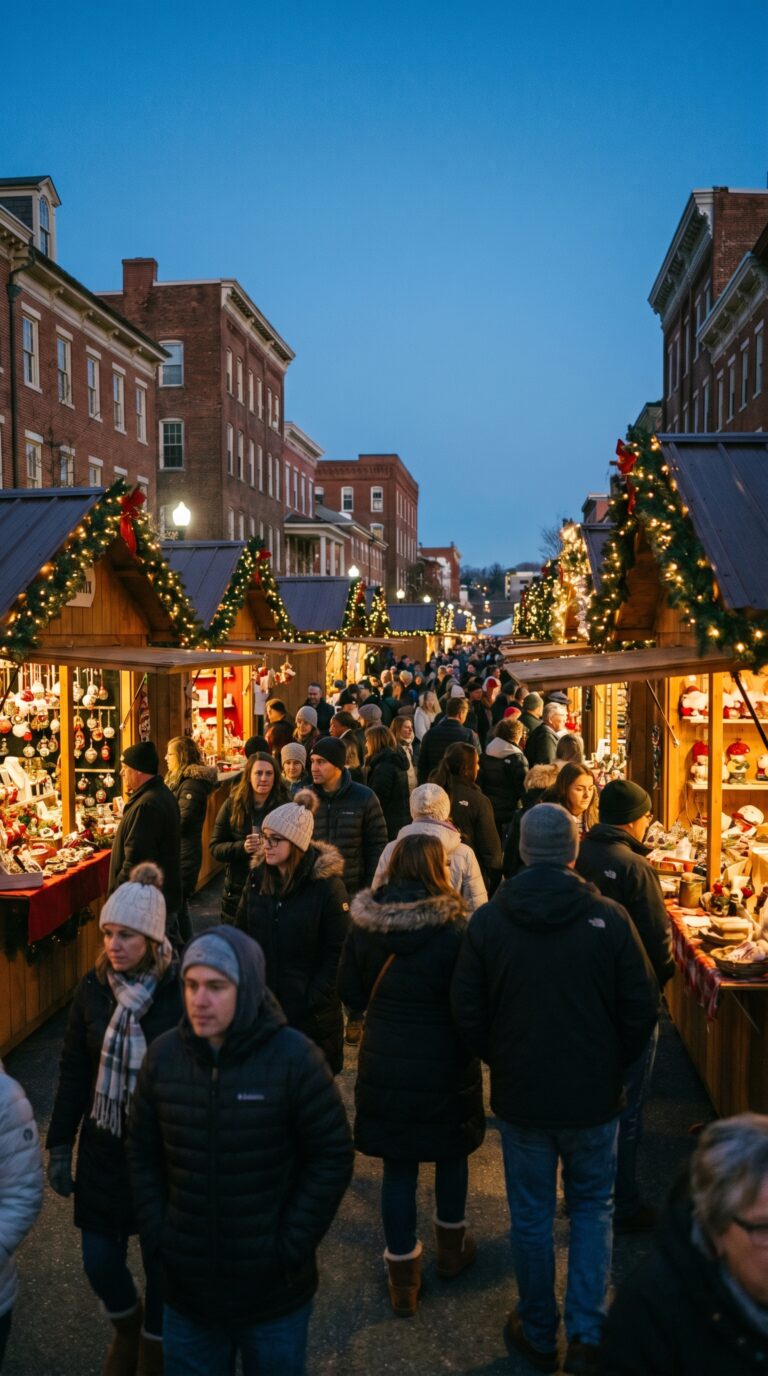
December transforms the city. Christkindlmarkt fills the SteelStacks campus with wooden vendor huts. German food, handmade ornaments, mulled wine. Admission runs about $12 weekdays and $14.50 weekends. The Star of Bethlehem, an 81-foot illuminated structure, sits atop South Mountain, visible for miles. It’s been there since 1937. Drive up for free. The view spans three states on clear nights.
Budget four to six hours for SteelStacks and the Moravian district combined. Wear walking shoes. Parking costs $2 per hour downtown, free at SteelStacks except during festivals.
Bethlehem’s Dining Scene: Restaurants Worth the Trip
Bethlehem’s dining scene features over 100 restaurants concentrated in the historic Main Street district and SteelStacks area, ranging from $10 casual eateries to $50+ fine dining establishments.
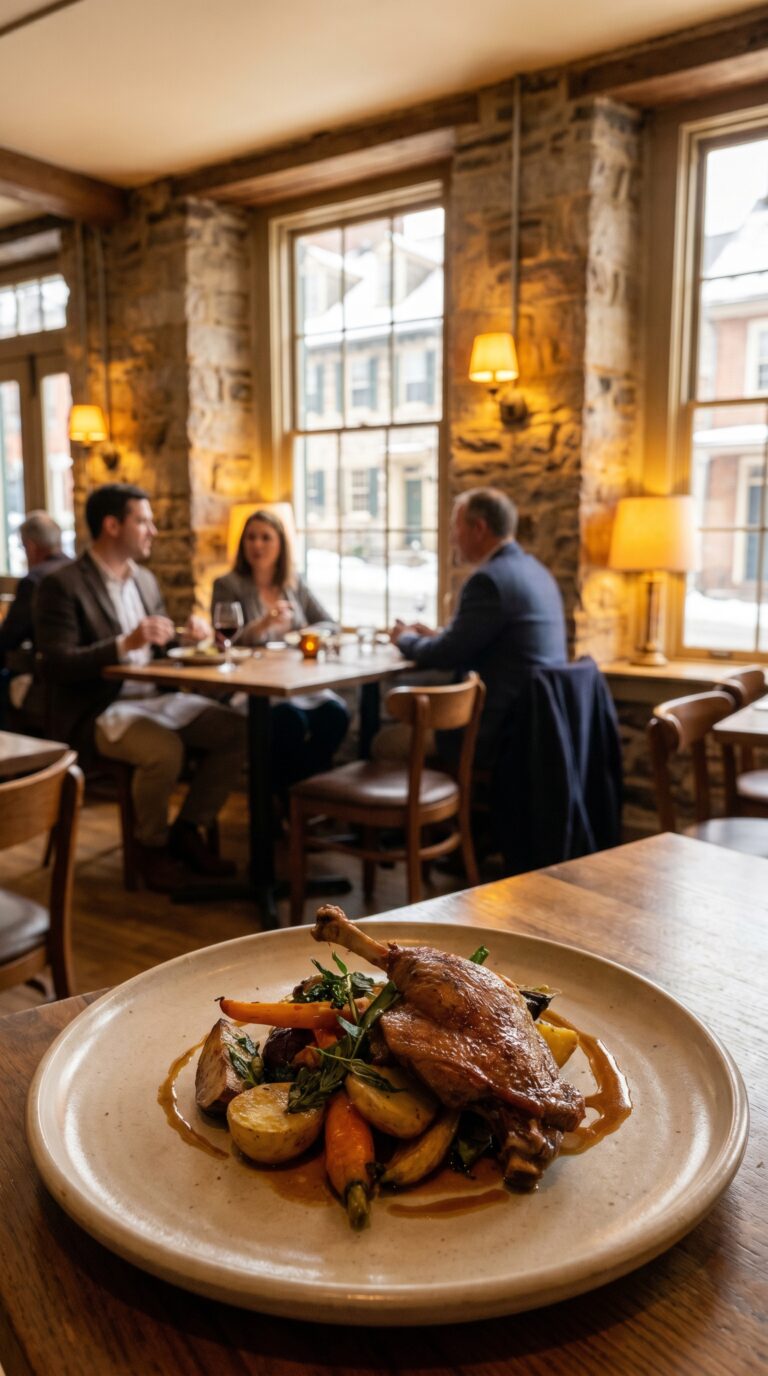
Bethlehem restaurants cluster in three walkable zones. Main Street runs through the historic downtown core. Broad Street parallels it one block south. The SteelStacks complex anchors the south side dining district. You can hit six different cuisines in a ten-minute walk.
The food splits between colonial-era taverns and modern American bistros. Farm-to-table spots source from Lehigh Valley farms. Ethnic restaurants cover Italian, Mexican, Thai, and Lebanese. Craft breweries double as full-service kitchens. According to the Bethlehem Downtown Partnership, the historic district alone holds 42 sit-down restaurants today.
Casual dining runs $10-$18 per entrée. Upscale spots charge $28-$50 for mains. Reservations matter on weekends, especially during Musikfest in August and the Christmas markets in December. Most kitchens close by 9 PM on weeknights, 10 PM on weekends.
Parking works best in the Walnut Street Garage or New Street Garage, both within three blocks of Main Street restaurants. Friday and Saturday nights fill up by 6:30 PM. Street parking switches to free after 6 PM and all day Sunday.
Seasonal menus shift hard in October when Pennsylvania apples and squash flood the market. Spring brings ramps and morels to higher-end menus. The Discover Lehigh Valley official dining guide tracks current restaurant openings and closures.
Where to Stay in Bethlehem
Hotel Bethlehem, a 1922 historic property with 127 rooms, anchors downtown lodging with rates from $150-300 per night, while chain hotels near Route 22 offer $80-120 budget options.
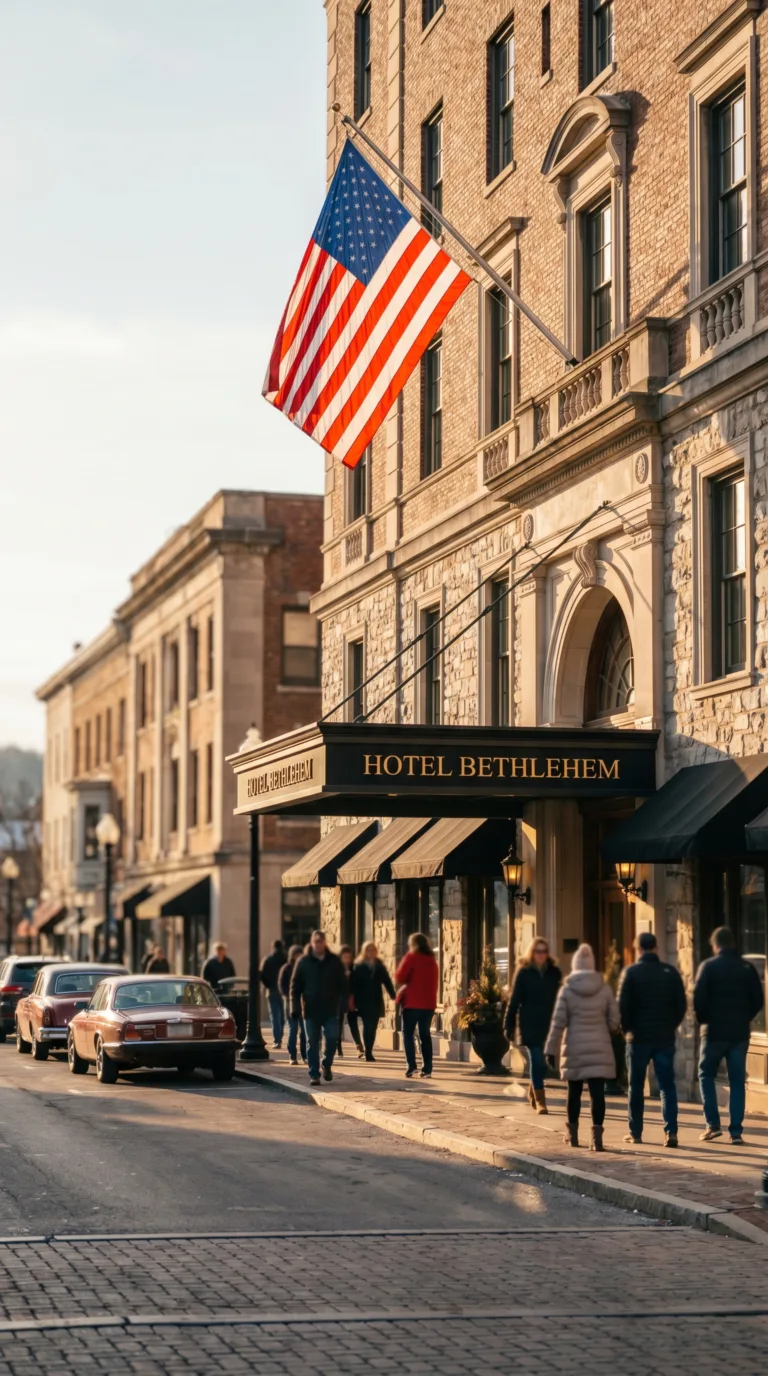
Historic Hotel Bethlehem sits at the corner of Main and Broad Streets, putting you within a three-minute walk of the Moravian Museum and two blocks from SteelStacks. The property dates to 1922. Rooms feature period details, crown molding, brass fixtures, with modern bathrooms. Expect to pay $180 weeknights, $250 Fridays and Saturdays. Christmas season rates jump to $300.
Downtown has three smaller inns. All cost less than Hotel Bethlehem but lack parking garages. You’ll use metered street spots.
Chain hotels line Route 22 east of downtown. Hampton Inn, Courtyard by Marriott, and Fairfield Inn charge $80-120 per night. These properties sit 10 minutes from Main Street by car. Free parking. Continental breakfast included. Parents visiting Lehigh University students often book here, the campus is four miles west.
Book three months ahead for Musikfest (early August) and Christmas markets (late November through December). Hotels sell out. Weekday rates run 30% lower than weekends year-round. Check Discover Lehigh Valley hotels in Bethlehem for current availability across 40+ properties in the greater area.
Stay downtown if you plan to walk everywhere. Choose Route 22 if you’re driving to attractions anyway and want to save $70 per night.
Getting to and Around Bethlehem
Lehigh Valley International Airport sits 10 minutes from downtown Bethlehem with daily flights to 15+ destinations, while Interstate 78 provides direct highway access from New York City (90 minutes) and Philadelphia (75 minutes).
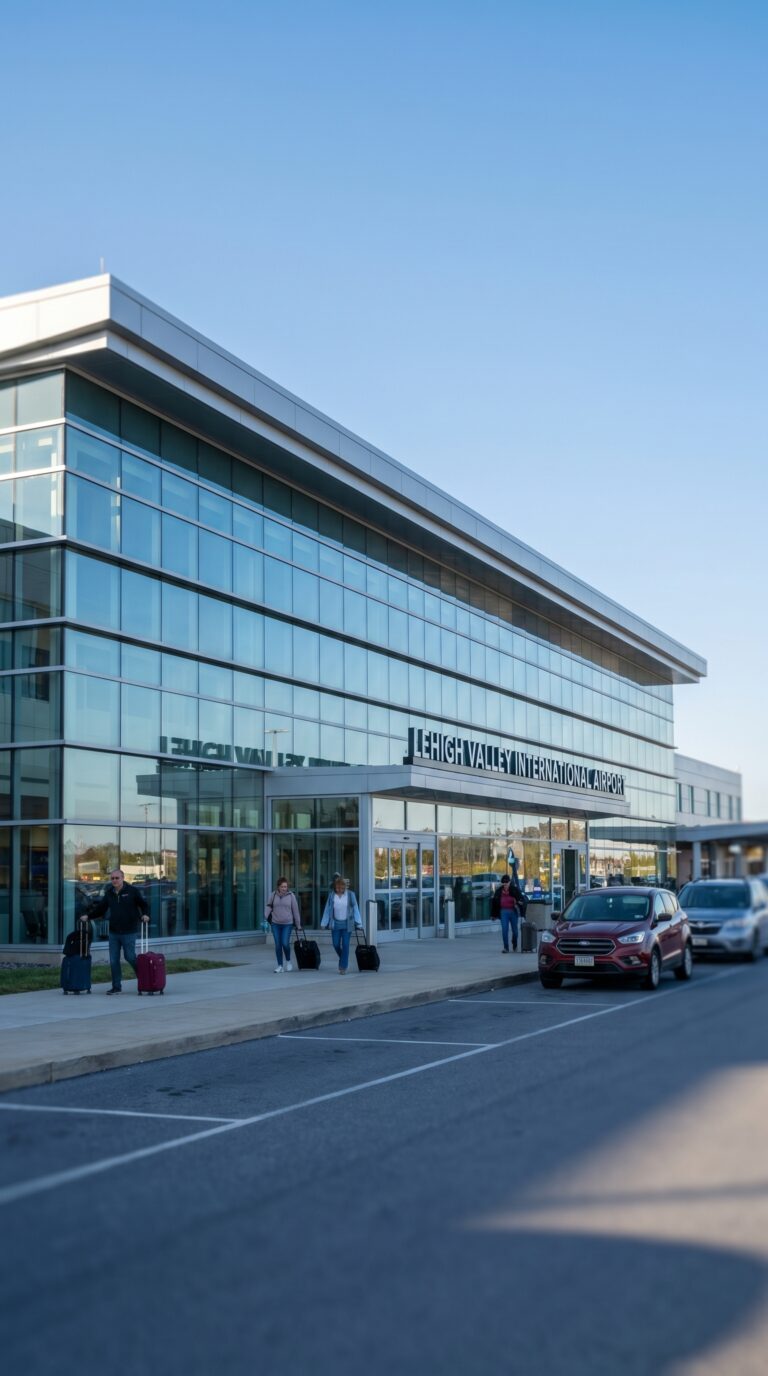
Lehigh Valley International Airport (ABE) in Allentown handles most arrivals. The Lehigh Valley International Airport offers direct flights to Atlanta, Charlotte, Detroit, and Orlando. All major rental car companies operate on-site. Uber costs $15–20 to downtown Bethlehem. Newark Liberty sits 75 minutes east with more flight options. Philadelphia International Airport runs 90 minutes south.
Interstate 78 cuts straight through the Lehigh Valley. New York City drivers take I-78 west for 90 minutes. Philadelphia sits 75 minutes south via I-476 and Route 22. Baltimore requires two hours on I-83 north to I-78 east.
Downtown Bethlehem works on foot. Main Street stretches eight walkable blocks. The Bethlehem Parking Authority runs three garages charging $1 per hour. Street parking meters cost $1.50 hourly until 6 PM. A car helps for day trips to Allentown or Jim Thorpe but downtown exploration needs no wheels.
Day Trips from Bethlehem: Exploring Eastern Pennsylvania
Bethlehem’s central location provides access to 15+ major Pennsylvania attractions within 90 minutes, including Philadelphia (60 miles east), Hershey (75 miles west), and the Pocono Mountains (30 miles north).
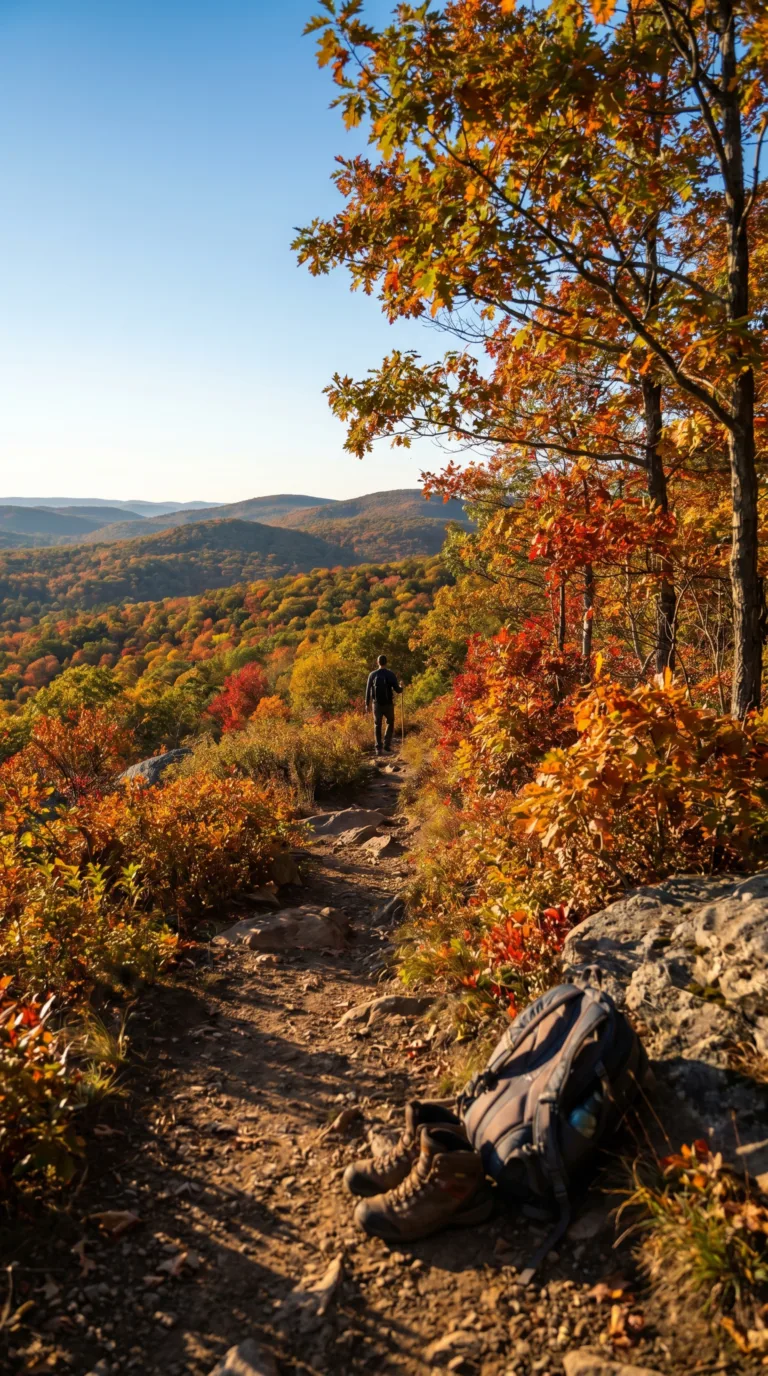
You’re sitting at the geographic sweet spot of eastern Pennsylvania. Philadelphia is 60 miles southeast. Hershey sits 75 miles west. The Pocono Mountains start 30 miles north. According to Visit Pennsylvania, over 20 state parks and 30+ historic sites fall within a 90-minute drive radius of Bethlehem.
Jim Thorpe makes the best 30-minute escape. This Victorian railroad town clings to a hillside 28 miles northwest. Walk Millionaire’s Row. Ride the Lehigh Gorge Scenic Railway. Hike the Switchback Trail. Summer weekends get crowded, go on a Thursday morning.
The Pocono Mountains deliver outdoor options year-round. Ski Big Boulder or Jack Frost in winter. Hike to Bushkill Falls in summer. Drive 45 minutes north to reach most trailheads. Delaware Water Gap sits 40 miles northeast, park at the visitor center and hike the Appalachian Trail segment to Sunfish Pond.
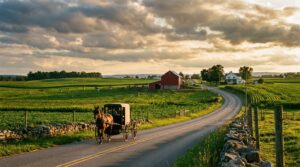
Lancaster County spreads across farmland 75 miles west. You’ll pass horse-drawn buggies on Route 30. Skip the tourist traps. Eat at Dienner’s Country Restaurant. Buy produce at a roadside stand. Gettysburg battlefield lies 90 miles southwest, budget four hours for the driving tour.
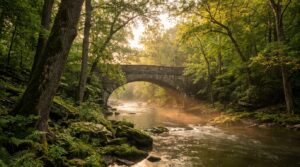
Reading (40 miles west), York (80 miles west), and Harrisburg (85 miles west) offer factory outlets, farmers markets, and state government buildings. None are must-sees. Pittsburgh requires a 4.5-hour round trip. Erie sits 5 hours northwest on Lake Erie. Ohiopyle (3 hours west) and Allegheny National Forest (4 hours northwest) work better as overnight trips. Wissahickon Valley in Philadelphia’s northwest corner provides hiking 70 miles from Bethlehem.
Check Discover Lehigh Valley for regional itineraries. Combine Jim Thorpe with a Pocono waterfall hike. Pair Philadelphia museums with Reading Terminal Market. Fall foliage peaks in October. Summer humidity hits hard in July and August.
Practical Tips: Weather, Timing, and What to Pack
Bethlehem experiences four distinct seasons with average temperatures ranging from 28°F in January to 85°F in July, with peak visitor seasons during Musikfest (August) and Christmas season (November-December).
Bethlehem sits in the Eastern Time Zone. According to National Weather Service Bethlehem forecast data, the city receives about 45 inches of precipitation annually. Winters dump an average of 32 inches of snow. January temperatures hover around 28°F. July peaks at 85°F.
Peak season hits hard during Musikfest in August (a record 1.45 million attendees in 2025) and the Christmas season from late November through December. Hotel prices double. Parking disappears. Fall foliage season (September through October) offers cooler weather and fewer crowds. Spring (April-May) stays quiet but unpredictable with rain.
Pack layers for winter visits. Temperatures swing 20 degrees between afternoon and evening during Christmas market season. Comfortable walking shoes matter year-round. The historic district’s brick sidewalks and SteelStacks campus involve serious mileage. Most visitors spend one to two days exploring the city itself.
Frequently Asked Questions
How do you spend a day in Bethlehem, PA?
Start on the South Side at SteelStacks, walking beneath the five blast furnaces and through the free visitor center, then cross the river to the Moravian Historic District to tour the 1741 Gemeinhaus and Central Moravian Church. Break for lunch on Main Street, browse the shops, and end the day with dinner at Hotel Bethlehem. In December, add the Christkindlmarkt and the Star of Bethlehem.
Why is Bethlehem called the Christmas City?
Bethlehem earned the nickname because Moravian settlers founded it on Christmas Eve in 1741 and named it after the biblical Bethlehem. Each holiday season the city leans in with the Christkindlmarkt, the giant Star of Bethlehem on South Mountain, Moravian stars, and candlelit historic tours.
Is Bethlehem, PA worth visiting?
Yes. Bethlehem packs history, arts, and food into a walkable, affordable Lehigh Valley city. The SteelStacks campus, the Moravian Historic District, riverside trails, and a lively festival and dining scene make it a rewarding day trip or weekend, and it is especially popular at Christmas.
How far is Bethlehem from Philadelphia?
Bethlehem sits about 60 miles north of Philadelphia, roughly a 1 to 1.5-hour drive via the Northeast Extension of the Pennsylvania Turnpike (I-476) or Route 309. That makes it an easy day trip from Philadelphia, and it is also about 80 miles west of New York City.
What is the best time to visit Bethlehem, PA?
Bethlehem is a year-round destination, but two windows stand out: the holiday season (late November to December) for the Christkindlmarkt and Christmas City lights, and early August for Musikfest, one of the largest free music festivals in the US. Spring and fall bring mild weather and fewer crowds.