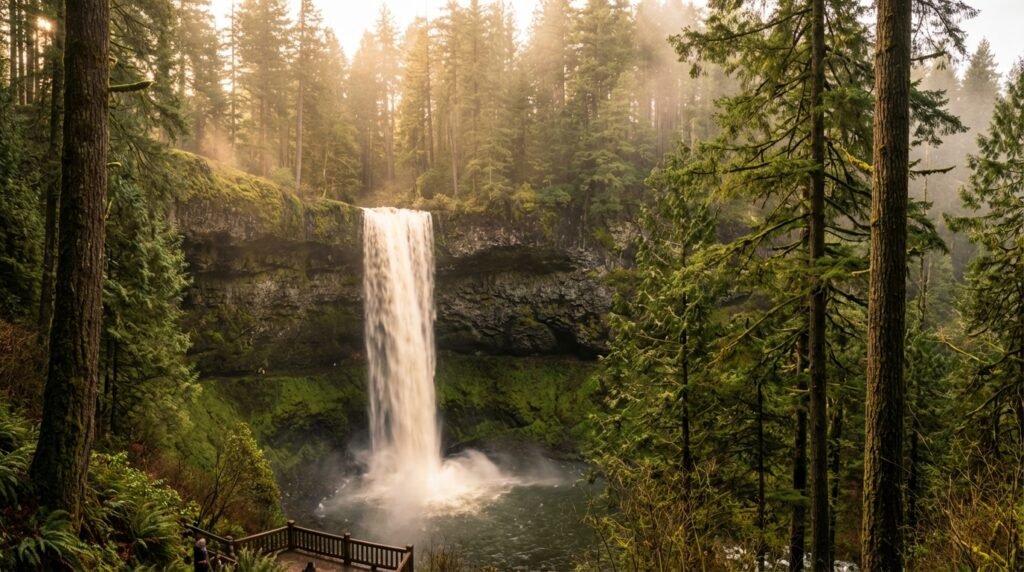
OREGON TRAVEL GUIDE
Overview
Oregon is the Pacific Northwest’s crown jewel, where dramatic coastlines meet ancient forests, volcanic peaks rise above wildflower meadows, and vibrant cities offer world-class food and culture. From the stunning sea stacks of Cannon Beach to the snow-capped summit of Mount Hood, the painted hills of Central Oregon, and the craft beer scene of Portland, Oregon delivers experiences as diverse and breathtaking as its landscapes.
We absolutely love traveling to Oregon. The combination of jaw-dropping natural beauty, farm-to-table cuisine, welcoming communities, and endless outdoor adventures makes exploring the Beaver State a truly unforgettable experience. Whether you’re planning your first Oregon vacation or returning for another road trip along the coast, this comprehensive Oregon travel guide covers everything you need to know for an amazing trip in 2026.
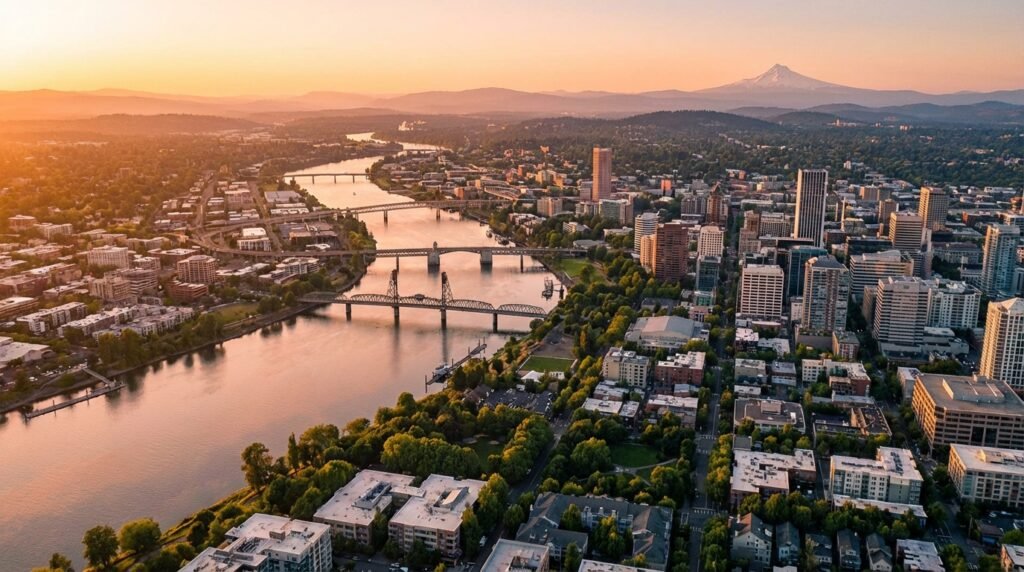
Portland serves as the ideal base for exploring Oregon’s northern highlights—it’s perfect for experiencing incredible food carts, craft breweries, bookstores, and cultural attractions before venturing out to the Columbia River Gorge and Mount Hood. Bend offers world-class outdoor recreation with skiing, mountain biking, and brewery hopping. Eugene provides a gateway to the southern coast and Crater Lake, while Ashland combines theater culture with stunning Rogue Valley wine country.
From the towering waterfalls of the Columbia River Gorge to the pristine waters of Crater Lake, the rugged beauty of the Oregon Coast Trail, and the high desert landscapes of Smith Rock, Oregon is a year-round destination that promises unforgettable road trips, farm-fresh cuisine, and scenery that will take your breath away. Whether you’re seeking thrilling outdoor adventures, planning a family vacation, exploring charming small towns, or simply want to experience the laid-back Pacific Northwest lifestyle, Oregon delivers beyond imagination.
Bookmark this Oregon travel guide and keep checking back for more of our best Oregon travel tips and hidden gems!
State Snapshot
Safety
Oregon is generally very safe for travelers, with friendly communities and well-maintained tourist areas throughout the state. Portland, Bend, Eugene, and Ashland all have welcoming tourist zones with plenty to explore. Use standard urban precautions in Portland’s downtown area: stay aware of your surroundings, avoid walking alone late at night in unfamiliar neighborhoods, and keep valuables out of sight.
Weather and terrain are the primary safety concerns in Oregon. The coast can experience sudden storms and sneaker waves—never turn your back on the ocean, and stay off logs on the beach. Mountain trails can have snow well into summer at higher elevations, so check trail conditions before heading out. If you’re hiking in the Cascades, carry layers even in summer as temperatures drop quickly at altitude.
Wildlife encounters are possible in Oregon’s wilderness areas. Black bears, cougars, and rattlesnakes inhabit parts of the state. Store food properly when camping, make noise on trails, and give wildlife plenty of space. Oregonians are famously friendly and welcoming, and you’ll find locals eager to share their favorite hiking trails, restaurant recommendations, and hidden waterfalls.
Accommodation
Accommodation options in Oregon range from luxury mountain lodges to cozy coastal cabins, with excellent choices across the state. Portland, Bend, and the Oregon Coast offer the widest selection of hotels, boutique properties, and vacation rentals. For unique Oregon experiences, consider staying at a historic lodge like Timberline Lodge on Mount Hood, a yurt in a state park campground, a beachfront cottage in Cannon Beach, or a ranch retreat in Central Oregon’s high desert.
Summer (June–September) is peak tourist season, so book accommodations in advance if you’re visiting popular destinations like the Oregon Coast, Bend, or Crater Lake. Oregon has no sales tax, which helps keep overall travel costs competitive. You can search for the best accommodation deals in Oregon on Booking.com or Hotels.com.
Budget
Oregon offers great value for travelers, especially given the state’s no-sales-tax policy. Understanding your Oregon travel budget before departure helps you enjoy the experiences that matter most without financial stress.
Accommodation: Budget motels and hostels start around $60–90 USD per night, while mid-range hotels run $120–180 USD. Luxury lodges and boutique hotels start at $200+ per night, with premium properties in Portland, Bend, and along the coast climbing higher during peak season.
Meals: Oregon is a food lover’s paradise with a thriving farm-to-table scene. Food cart meals cost $8–15 USD, casual restaurants charge $15–30 USD per meal, and fine dining starts around $45 per person. Portland’s legendary food cart pods offer incredible variety and value, while coastal towns serve fresh seafood at reasonable prices.
Activities: Many Oregon attractions are free or affordable. State park day passes cost $5 USD per vehicle. Crater Lake National Park charges $30 per vehicle. Brewery tours and tastings range from free to $15 USD. Guided outdoor tours cost $50–120 USD. Whale watching excursions on the coast run $30–50 per person.
Affordable Oregon travel tips: Visit during shoulder seasons (May–June or September–October) for comfortable weather and lower prices, take advantage of Oregon’s 363 miles of free public coastline, enjoy free attractions like Multnomah Falls and Portland’s parks, eat at food carts for incredible meals under $15, and rent a car for maximum flexibility—rental cars cost $35–65 daily with gas around $4–5 per gallon.
Transport
How to Get to Oregon
Portland International Airport (PDX) is Oregon’s main gateway, consistently rated one of the best airports in the United States. PDX offers direct flights from major cities across North America, Europe, and Asia. Eugene Airport (EUG) and Redmond Municipal Airport (RDM) near Bend provide regional access with connections through major hubs. Medford’s Rogue Valley International Airport serves southern Oregon.
Driving into Oregon is straightforward from neighboring states. Interstate 5 runs north-south through the Willamette Valley, connecting California to Washington. I-84 follows the Columbia River Gorge east toward Idaho. Highway 101 hugs the entire coastline for one of America’s most scenic drives. Amtrak’s Coast Starlight train offers a spectacular route from Los Angeles through Oregon to Seattle, while the Empire Builder connects Portland to Chicago.
Getting Around Oregon
A rental car is essential for exploring Oregon. While Portland has excellent public transit, most of the state’s best attractions require your own vehicle. All major airports have rental car companies ready to serve you.
Driving distances: Plan your driving times carefully. Portland to Bend takes about three and a half hours over the Cascades. Portland to Crater Lake requires five hours. Portland to the coast is roughly 90 minutes. Eugene to Ashland takes about three hours along I-5.
City transit: Portland has TriMet with MAX light rail, buses, and the Portland Streetcar—it’s one of the best transit systems in the western US. Eugene runs LTD with the EmX bus rapid transit. But once you leave the cities, you need your own wheels. Uber and Lyft work in Portland and larger towns.
Road trip tips: Oregon does not allow self-service gas in most areas—an attendant will pump your fuel (except in rural counties). Mountain passes like Santiam and Cascade Lakes Highway can close in winter, so check ODOT TripCheck before heading out. The Oregon Coast highway (US-101) is winding and scenic but slow—budget extra time and enjoy the views.
For navigation, Google Maps works well throughout most of Oregon. In remote areas of Eastern Oregon and deep wilderness, download offline maps before departing urban areas as cellular coverage can be limited.
Travel Routes
Oregon offers four incredible scenic driving routes, each showcasing a different side of the state. We’ve mapped out the best road trip itineraries based on our extensive research, connecting 20+ destinations across coast, mountains, gorge, and southern Oregon. Each route can be driven independently or combined into an epic multi-week adventure.
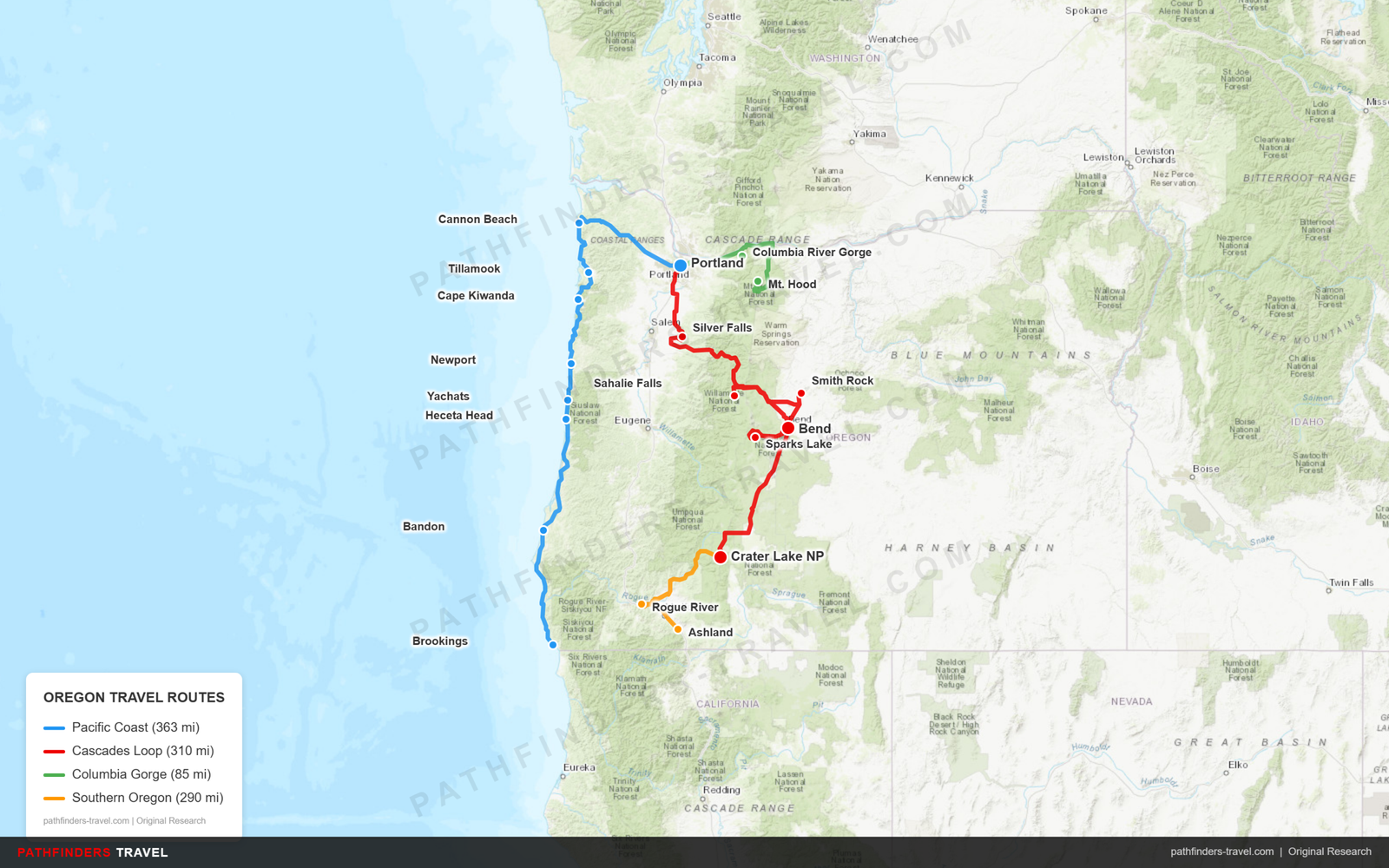
| # | Stop | Highlights | Drive Time |
|---|---|---|---|
| 1 | Portland | Starting point, food carts, craft breweries | — |
| 2 | Cannon Beach | Haystack Rock, tidepools, beach walks | 1h 30m |
| 3 | Tillamook | Cheese factory, dairy farms, coastal views | 45m |
| 4 | Cape Kiwanda | Sandstone cliffs, dory boats, Pacific City | 30m |
| 5 | Newport | Aquarium, Nye Beach, sea lions, crabbing | 1h |
| 6 | Yachats | Tide pools, Cape Perpetua, Thor’s Well | 30m |
| 7 | Heceta Head | Iconic lighthouse, Sea Lion Caves | 15m |
| 8 | Bandon | Face Rock, cranberry bogs, beach sculptures | 1h 30m |
| 9 | Brookings | Samuel H. Boardman corridor, natural bridges | 1h 15m |
| # | Stop | Highlights | Drive Time |
|---|---|---|---|
| 1 | Portland | Starting point | — |
| 2 | Silver Falls | Trail of Ten Falls, old-growth forest | 1h 15m |
| 3 | Smith Rock | Rock climbing, Crooked River, desert canyon | 1h 30m |
| 4 | Bend | Craft breweries, outdoor hub, Deschutes River | 30m |
| 5 | Sparks Lake | Alpine lake, Cascade mountain reflections | 30m |
| 6 | Sahalie Falls | Powerful waterfall, McKenzie River Trail | 45m |
| 7 | Crater Lake NP | Deepest US lake, Rim Drive, Wizard Island | 1h 45m |
| # | Stop | Highlights | Drive Time |
|---|---|---|---|
| 1 | Portland | Starting point | — |
| 2 | Columbia River Gorge | Multnomah Falls, Vista House, windsurfing | 45m |
| 3 | Mt. Hood | Timberline Lodge, skiing, alpine meadows | 1h |
| # | Stop | Highlights | Drive Time |
|---|---|---|---|
| 1 | Crater Lake NP | Starting point (connects from Cascades Loop) | — |
| 2 | Rogue River | Whitewater rafting, Hellgate Canyon, jet boats | 1h 30m |
| 3 | Ashland | Oregon Shakespeare Festival, Lithia Park, wineries | 45m |
Best Time to Visit
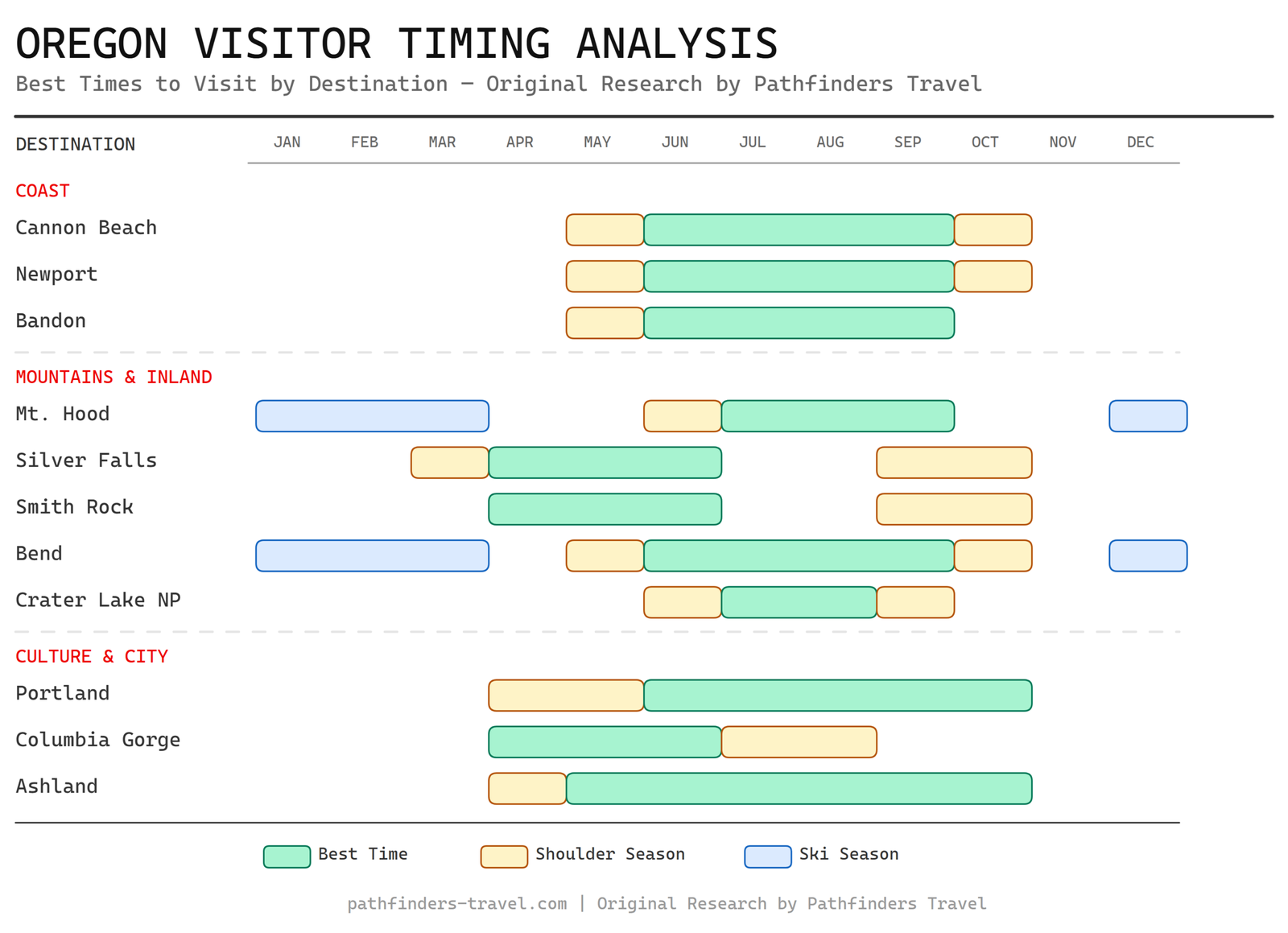
Timing your Oregon trip correctly can make the difference between sunny coastal hikes and weeks of Pacific Northwest rain. Our visitor timing analysis breaks down the optimal travel windows for each destination, including shoulder seasons when you’ll find fewer crowds and lower prices. Note that mountain destinations like Mt. Hood and Bend offer excellent skiing from December through March.
Difficulty & Accessibility
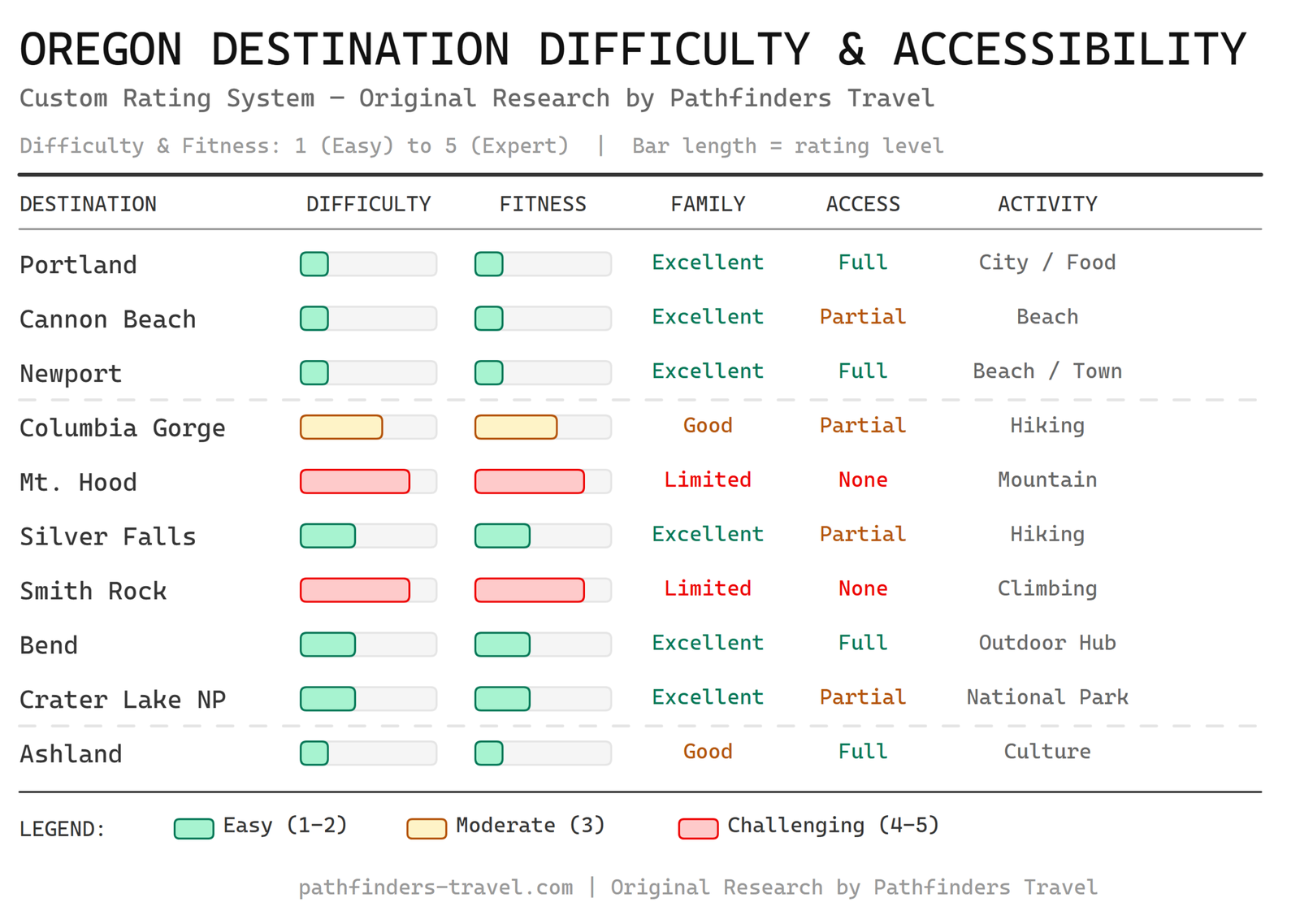
Not all Oregon destinations are created equal when it comes to physical demands and accessibility. We’ve developed a custom rating system to help you plan based on your fitness level, whether you’re traveling with family, or if you need wheelchair-accessible options. Coastal towns and cities rate as easy and fully accessible, while mountain destinations like Mt. Hood and Smith Rock require higher fitness levels and have limited accessibility.
Best Activities
The Best Activities & Tours That I Recommend
Blog Posts
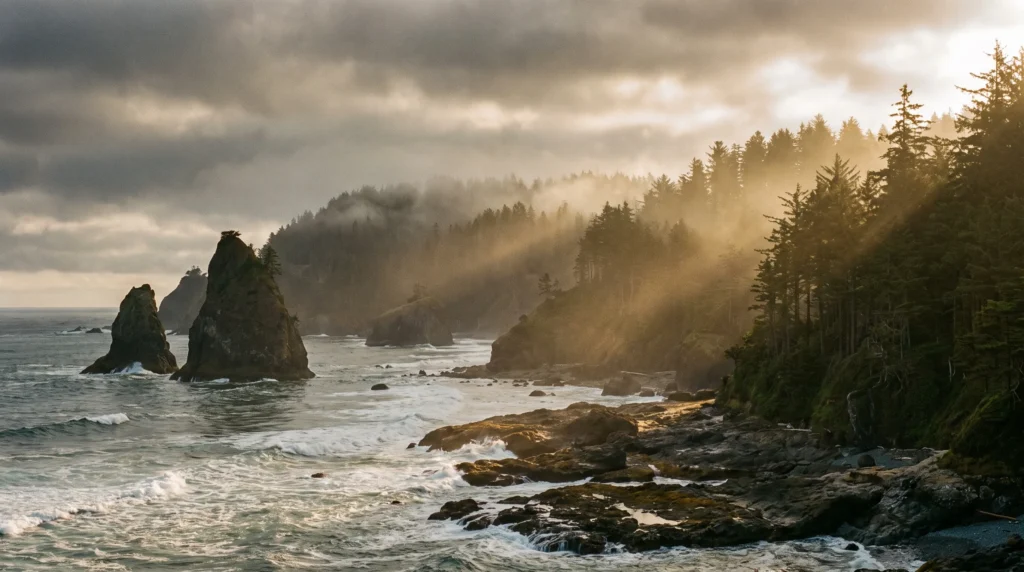
What to Wear in Oregon: Rain Gear, Boots and Layers by Season
This guide contains affiliate links. As an Amazon Associate we earn from qualifying purchases —…
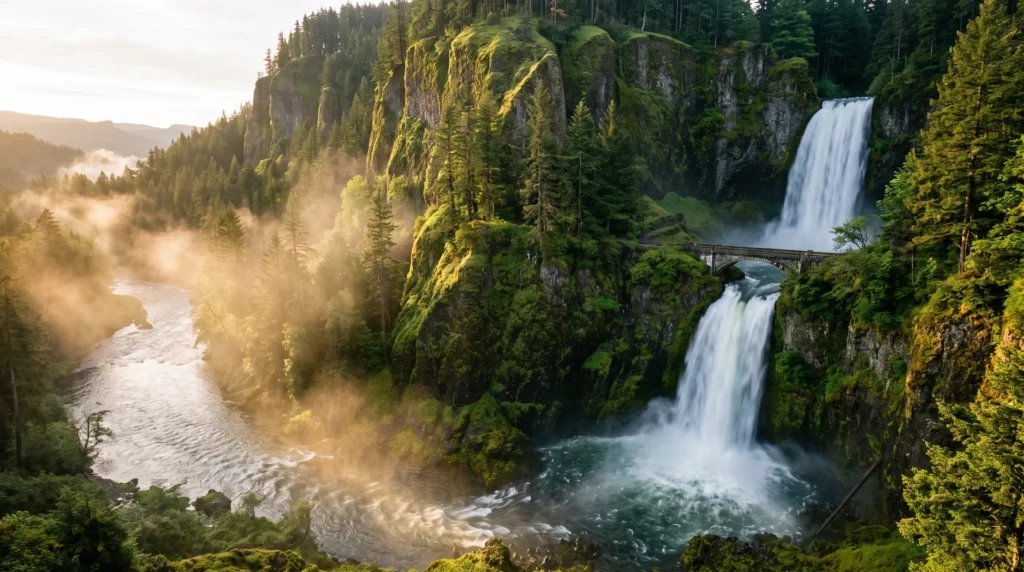
What to Pack for Columbia River Gorge Waterfalls and Hikes
This guide contains affiliate links. As an Amazon Associate we earn from qualifying purchases —…
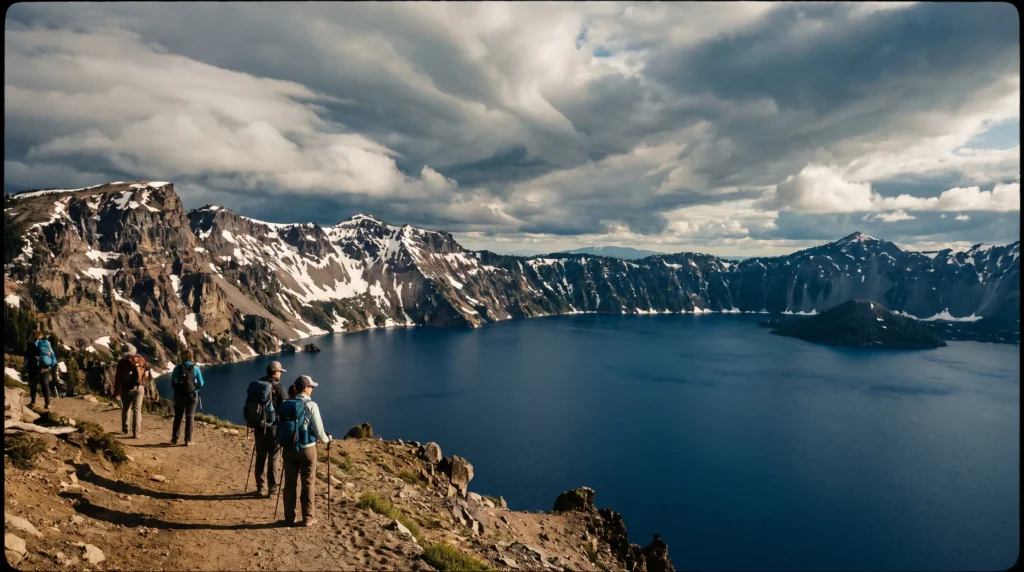
What to Pack for Crater Lake National Park: Rim Drive, Hikes & Viewpoints
This guide contains affiliate links. As an Amazon Associate we earn from qualifying purchases —…
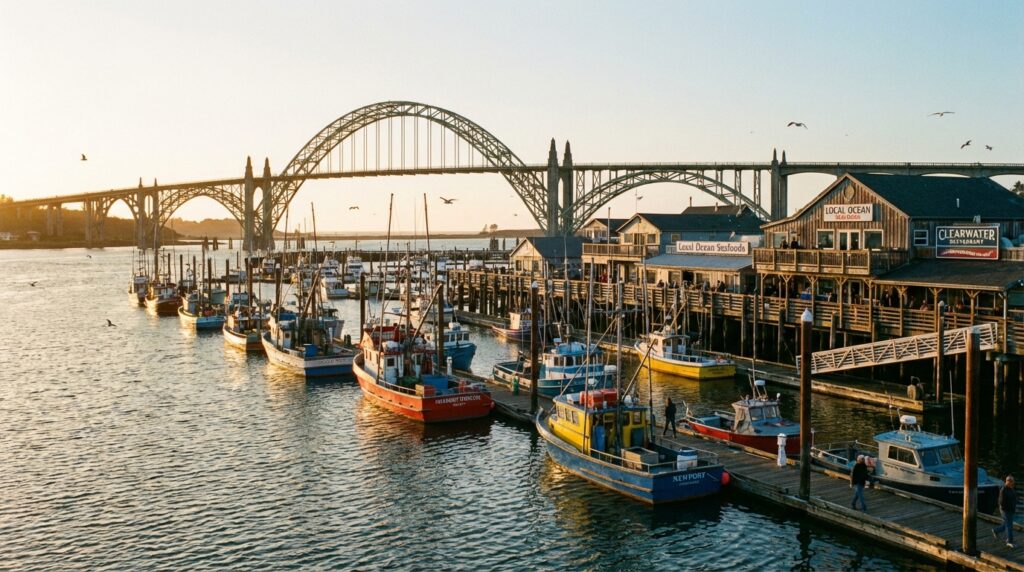
Newport, Oregon Travel Guide: Coastal Charm on the Pacific
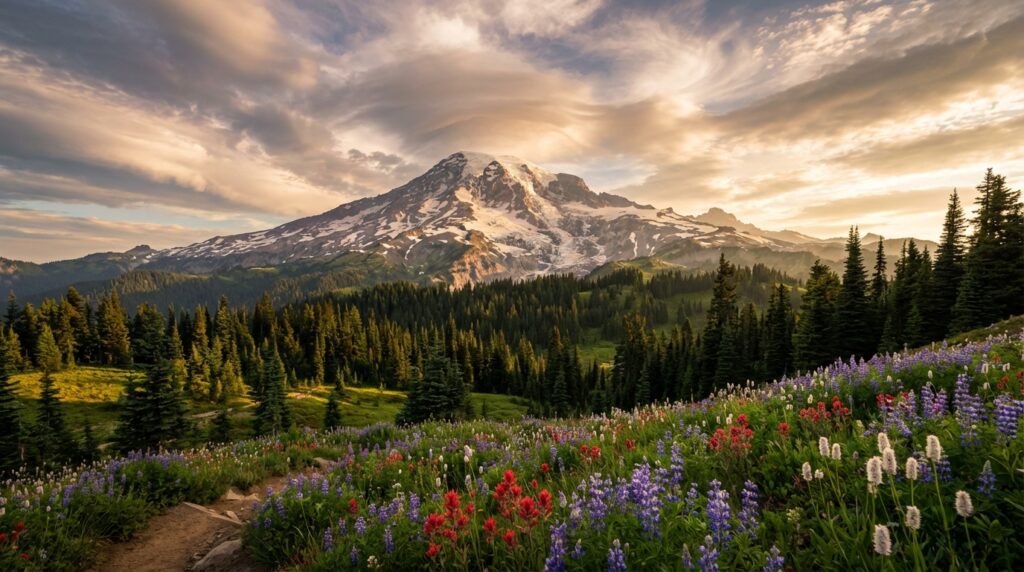
The Complete Guide to the Cascade Range
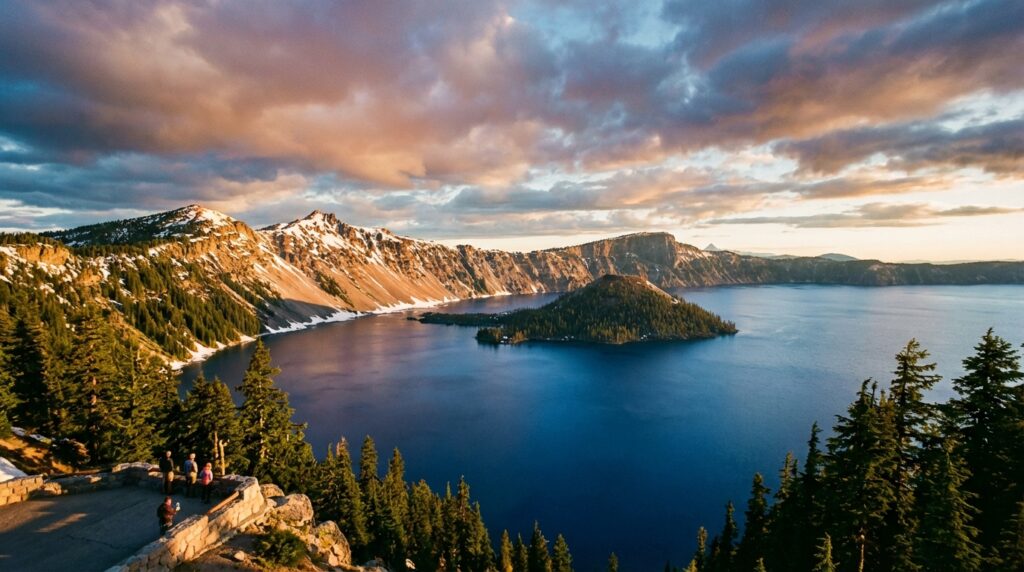
Crater Lake National Park: Rim Drive, Hikes & Viewpoints
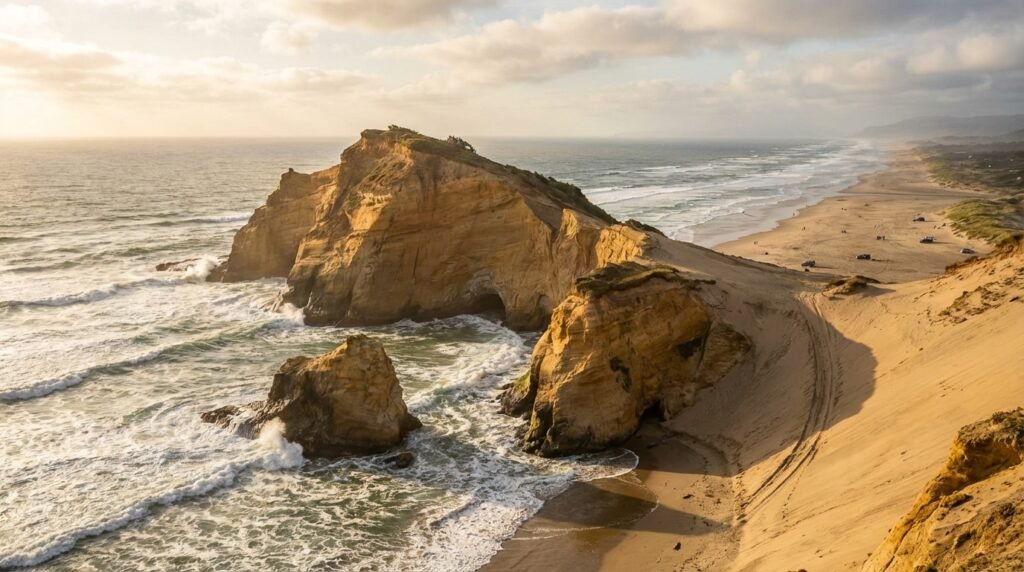
Cape Kiwanda Travel Guide: Oregon’s Dramatic Coastal Headland
This guide contains affiliate links. As an Amazon Associate we earn from qualifying purchases —…
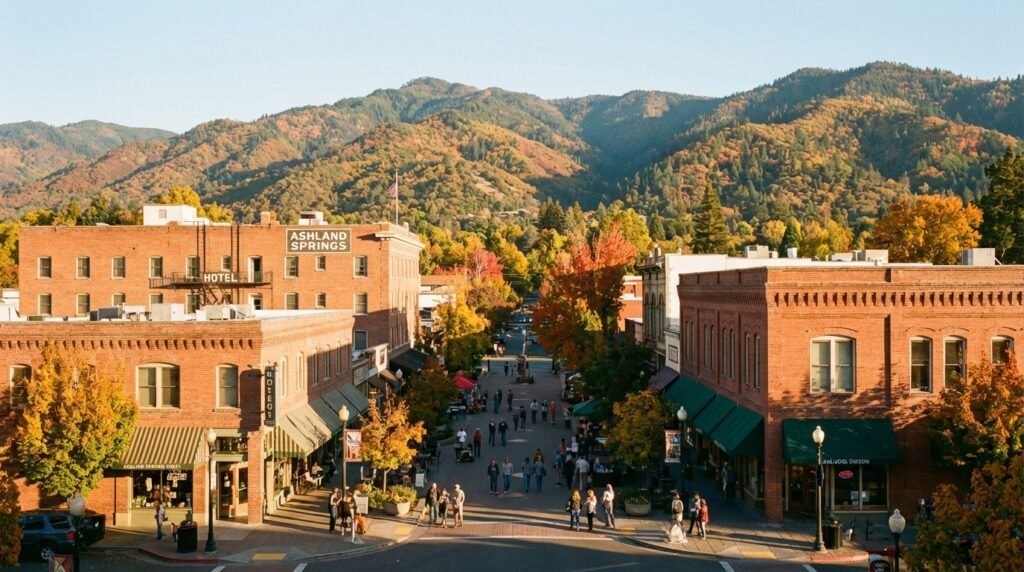
Ashland, Oregon Travel Guide: Shakespeare, Mountains & Southern Oregon Charm
Portland Travel Guide: Things to Do, Where to Eat & Day Trips
This guide contains affiliate links. As an Amazon Associate we earn from qualifying purchases —…