This guide contains affiliate links. As an Amazon Associate we earn from qualifying purchases — at no extra cost to you.
Estimated reading time: 12 minutes
Last updated: September 2026
Do You Need Reservations for Hamilton’s Waterfalls?
Usually no. For most of the year Spencer Gorge, which covers Tews Falls, Webster Falls, and Dundas Peak, runs first come, first served. But the Hamilton Conservation Authority brings back advance online reservations for the fall colour season, from September 26 to November 8 in 2026. Fees are $11 per vehicle plus $5.50 per passenger, with a $10 reservation fee when booking applies. Albion Falls stays free, and weekend lots fill by mid-morning.
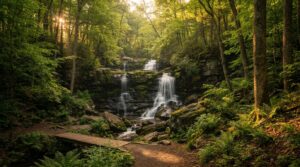
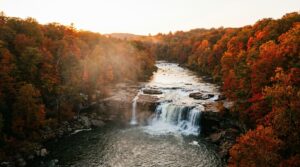
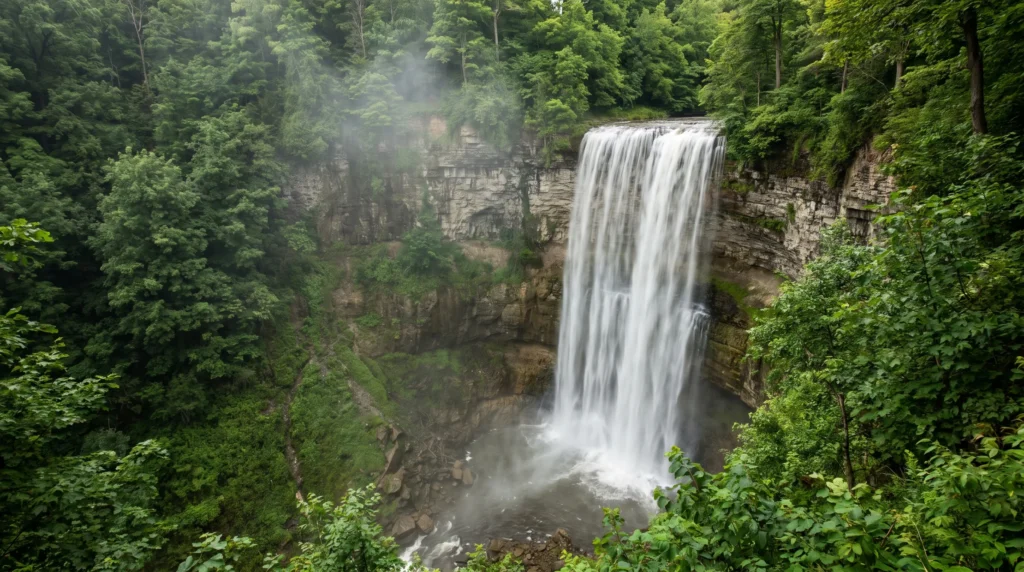
Hamilton sits on the Niagara Escarpment and claims over 100 waterfalls, making it the waterfall capital of the world. Albion Falls drops 19 meters in a scenic cascade, Tews Falls plunges 41 meters as one of Ontario’s tallest, and Webster’s Falls rounds out the trio at 22 meters. These trails connect to sections of the Bruce Trail, Canada’s oldest and longest marked footpath, which runs roughly 900 kilometers along the escarpment from the Niagara River to Tobermory.
I have hiked these trails in three seasons and the conditions change fast. Spring brings heavy runoff and muddy paths but the most dramatic water volume. Summer offers easier footing but can get humid and buggy. Fall paints the gorges in color but adds slick leaves to already uneven terrain. Winter brings heavy ice buildup near the falls, and sections close when conditions turn dangerous, so check trail alerts before heading out.
The terrain varies from well-maintained gravel paths to rocky scrambles with exposed roots. Elevation changes hit 100 meters on some loops, and you’ll cross wooden bridges, get around steep stairs, and walk within feet of slippery spray zones. The right gear turns these moderate hikes into enjoyable half-day adventures instead of uncomfortable slogs.
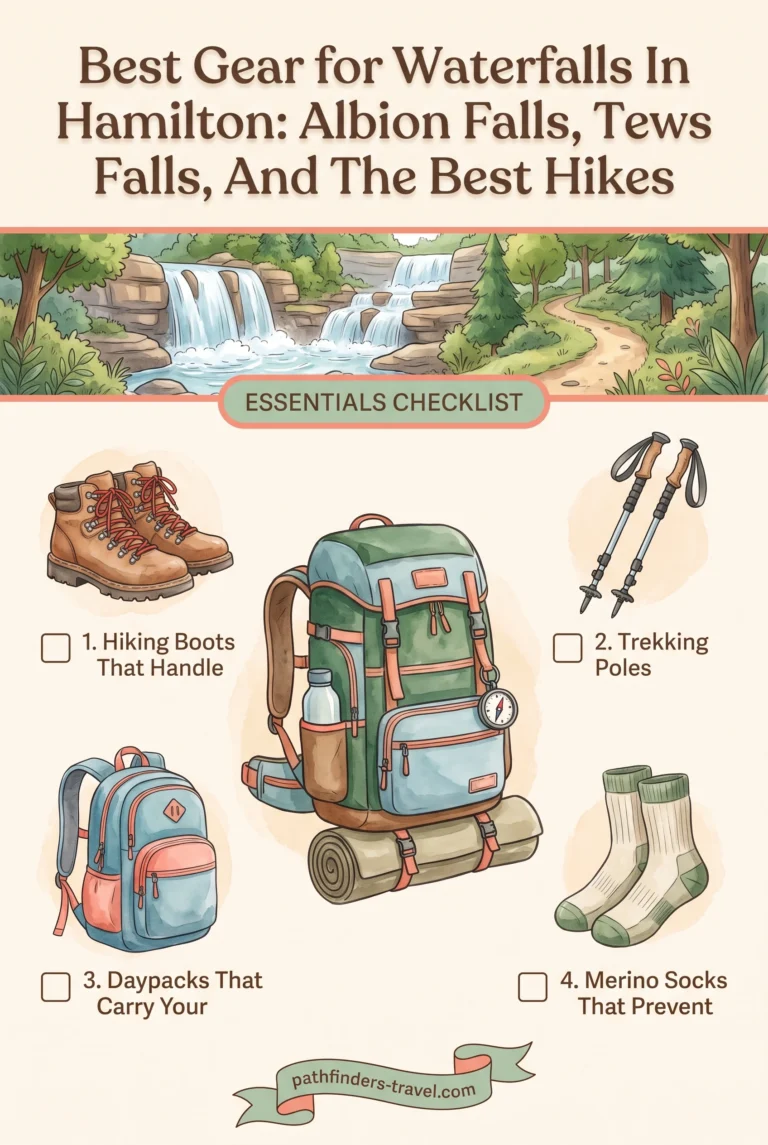
For Hamilton’s waterfall trails you need waterproof hiking boots with ankle support, trekking poles for stability on slippery rocks, a comfortable daypack, and moisture-wicking merino socks. Spring and fall demand rain protection, summer needs sun coverage, and winter requires microspikes if trails stay open.
This guide walks you through what to pack for safe, comfortable waterfall hikes around Hamilton. We cover footwear, traction aids, layers for every season, and the small items that make a big difference on wet, rocky trails.
Hiking Boots That Handle Wet Rocks and Roots
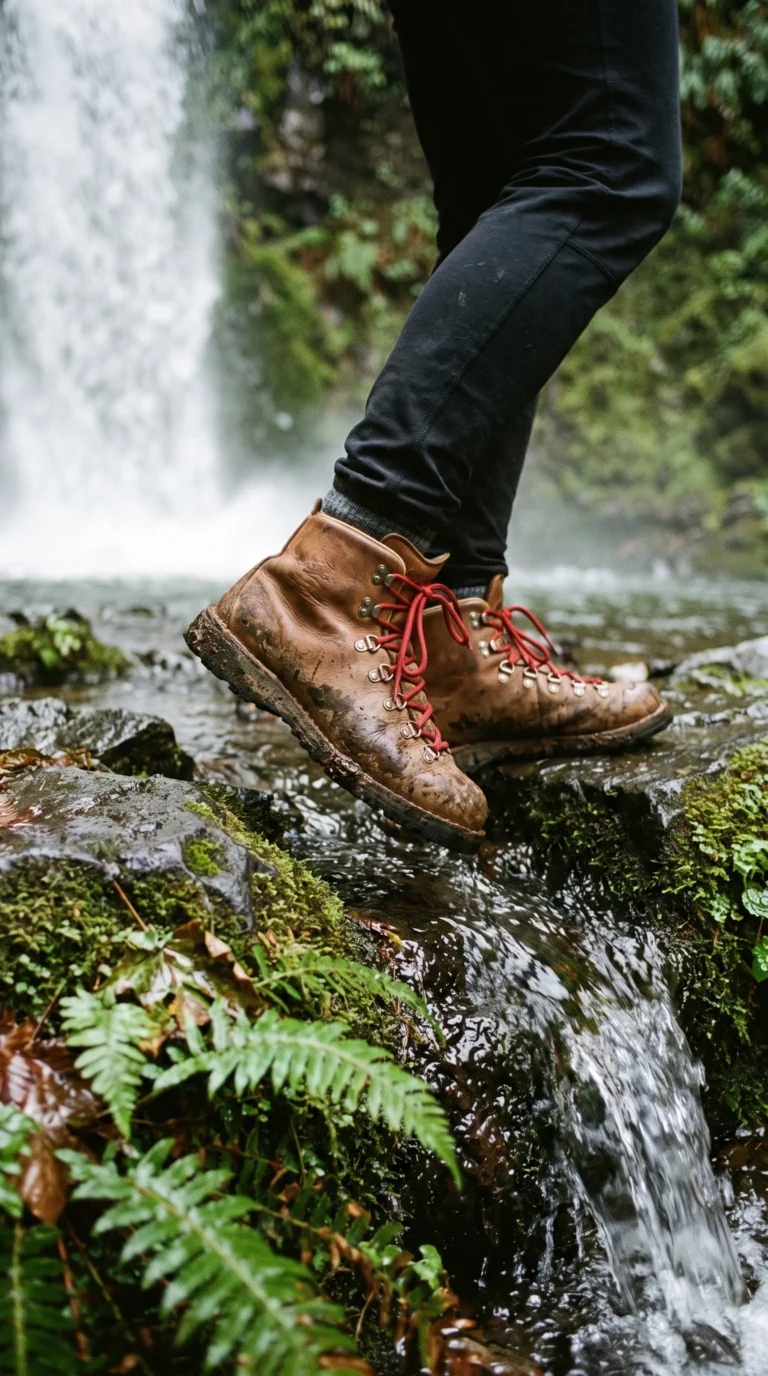
Waterproof protection is non-negotiable for Hamilton waterfalls because you’ll encounter spray, puddles, and mud within the first kilometer. Ankle support matters on the uneven Bruce Trail sections where roots cross the path and rocks shift underfoot.
If you’re hiking with kids and need a boot that balances comfort with all-day grip, the Merrell Chameleon 7 Mid delivers trail performance without the stiff feel that wears on young feet. The Vibram sole grips wet limestone surprisingly well, and I have tested it on the steep approach to Tews Falls where the stairs get mossy. The Gore-Tex membrane keeps your feet dry when you cross shallow streams or stand near the spray zone for photos.
The mid-cut design supports your ankle without feeling clunky, which helps on the uneven escarpment sections above Webster’s Falls. Families appreciate that the boot doesn’t require an aggressive break-in period, though you should still wear them around your neighborhood for a week before hitting the trails to avoid blisters on the longer loops.
For casual day-trippers who want waterproof reliability without spending top dollar, these lightweight mid-height boots offer solid traction and quick-dry lining that works well for spring hikes when trails stay damp all morning. They’re not as refined as the Merrell but they handle the moderate terrain around Albion Falls without issue. The fit tends to run slightly narrow, so consider a half-size up if you have wider feet.
Both boots need that initial break-in walk to mold to your foot shape. The Chameleon runs true to size, while the budget pair benefits from thicker socks if you’re between sizes.
Avoid low-cut trail runners for these hikes unless you’re visiting in peak summer on dry days. The extra ankle coverage and stiffer sole make a real difference when you’re climbing the staircase on the trail from Tews Falls to Dundas Peak or balancing on the exposed sections of the Red Hill Valley Trail where wet rock can turn slippery fast.
Trekking Poles for Stability on Steep Sections
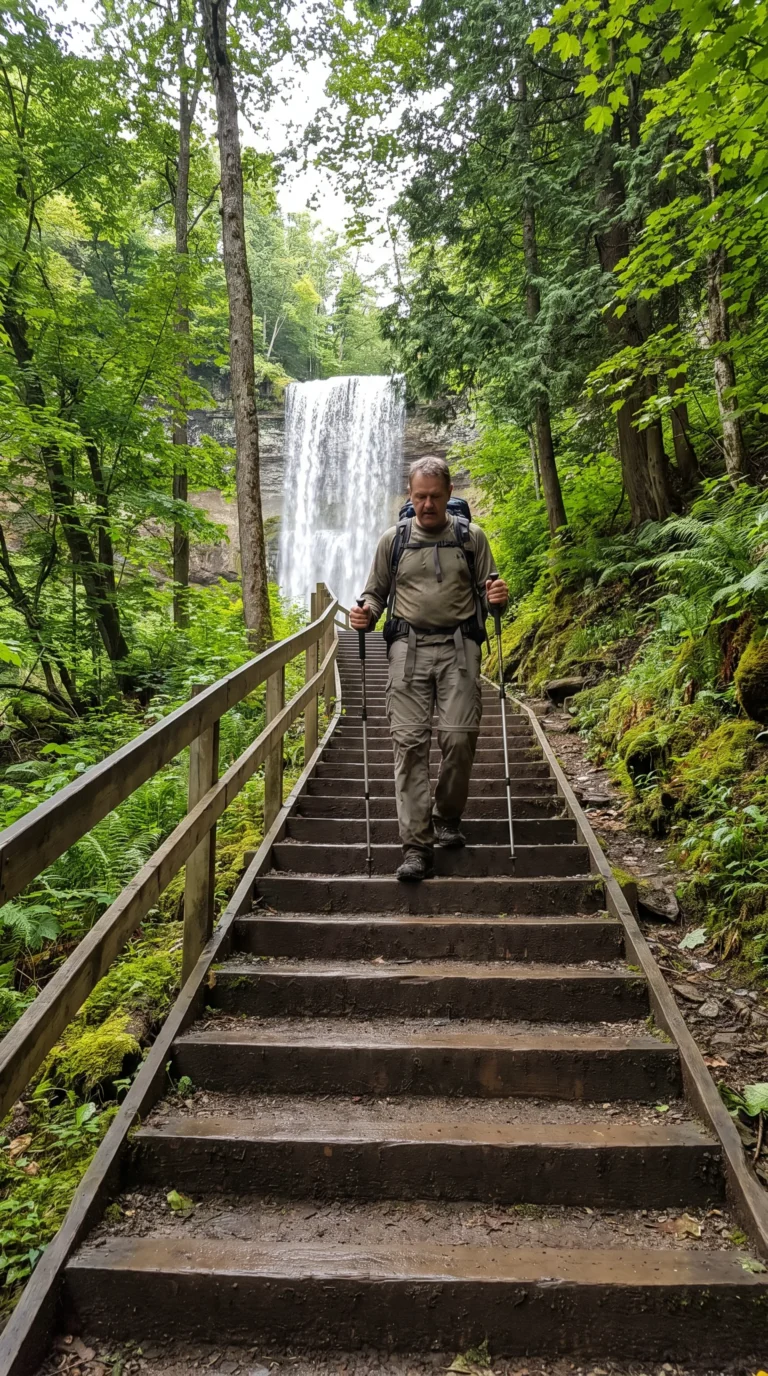
Trekking poles transform your experience on Hamilton’s waterfall trails, especially on steep descents and slippery boardwalks. They take pressure off your knees on the staircase up to Dundas Peak and give you two extra points of contact on uneven ground. I have found them most useful on the steeper sections near Albion Falls and Tews Falls, where loose gravel can turn a simple descent into a careful balancing act.
If you’re planning casual day hikes around Hamilton’s waterfalls, the TrailBuddy Trekking Poles deliver everything you need without breaking your budget. The 7075 aluminum construction feels light but handles the repeated impact of rocky trails without bending. The flip-lock adjustment system lets you shorten the poles for uphill sections and extend them for downhill stability in seconds, which you’ll appreciate on the roller-coaster terrain near Albion Falls.
Cork handles absorb moisture better than foam when your hands start sweating on humid summer climbs. The carbide tips bite into gravel and dirt, and the included rubber tips work well on paved sections if you’re parking at one of the urban trailheads. They collapse to 24 inches, so they fit inside or strap to most daypacks when you stop for lunch.
If you’re hiking with kids, these poles designed for children offer proper sizing for smaller hands and shorter strides. The quick-adjust flip locks are easier for young hikers to manage than twist locks, and the lightweight design doesn’t tire small arms. My friend’s ten-year-old used these on the Dundas Peak trail without complaint.
For adult hikers, poles should reach a height where your elbow bends at 90 degrees when you hold the grip with the pole tip on the ground. That gives you optimal leverage for both ascents and descents. Practice using them on flat ground before your first waterfall hike so the rhythm feels natural.
Daypacks That Carry Your Essentials Comfortably
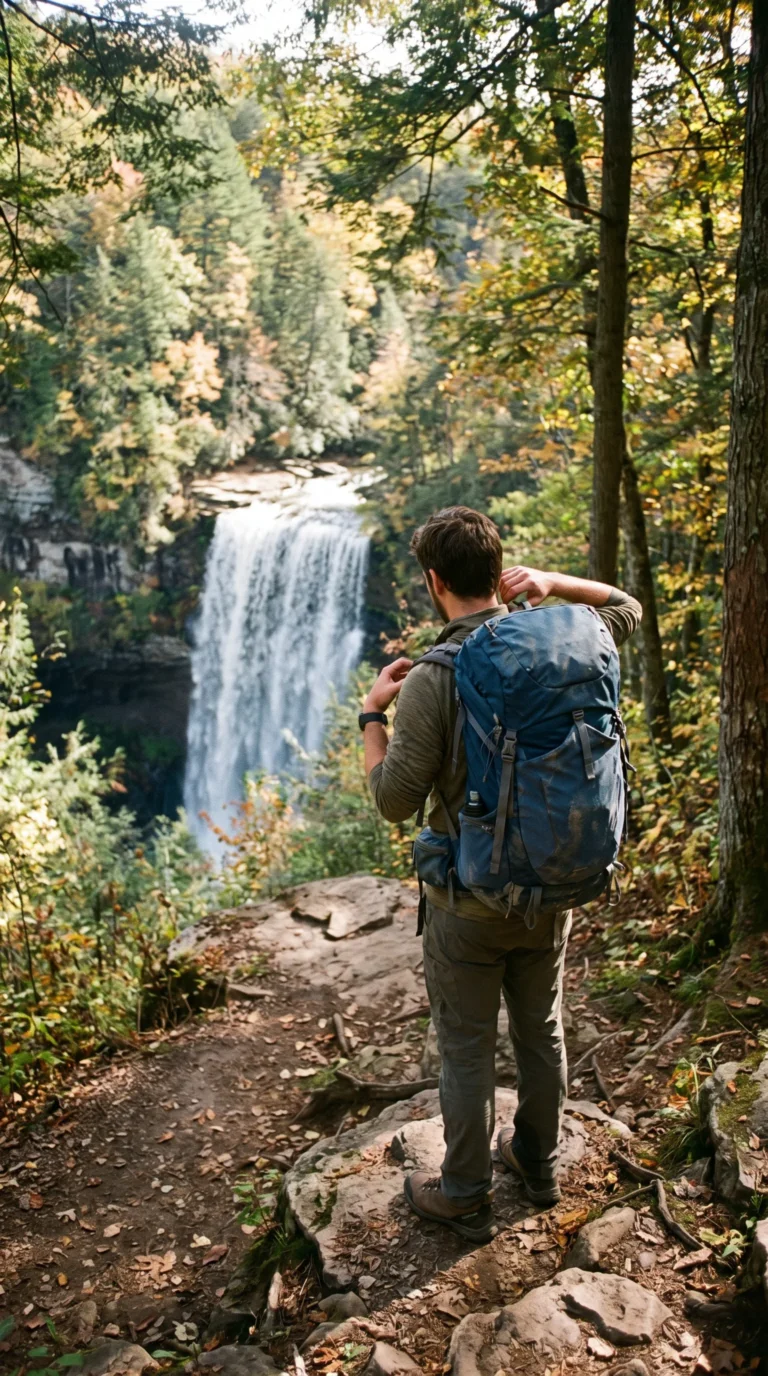
A good daypack carries your water, snacks, layers, and camera without bouncing or digging into your shoulders. For Hamilton waterfall hikes, you need something that handles 15 to 25 liters and keeps your gear accessible when you stop for photos. The right pack makes the difference between a comfortable morning at Tews Falls and sore shoulders by lunchtime.
If you’re visiting multiple falls in one trip or packing for a family, the Maelstrom 40L Hiking Backpack offers more capacity than most solo day hikers need, but that extra room helps when you’re carrying lunch, extra clothes, and gear for kids. The included rain cover protects your gear during sudden spring showers, which happen often in Hamilton. The ventilated back panel keeps air flowing on humid summer days, and the hip belt transfers weight off your shoulders when you’re carrying extra water for longer loops.
Multiple compartments let you separate wet layers from electronics, and the side pockets hold water bottles within easy reach. The chest strap keeps the pack stable when you’re scrambling over roots on the Bruce Trail sections. At 40 liters, it’s overkill for a solo two-hour hike but perfect if you’re packing for the whole crew.
For younger hikers or lighter loads, the Osprey Daylite Jr. Kids’ Commuter Backpack scales down to a kid-friendly size without skimping on features. It holds water, snacks, and a light jacket, which is all a child needs for the Albion Falls loop. The adjustable sternum strap grows with your kid, and the lightweight design doesn’t tire small shoulders on the walk back to the car.
Whichever pack you choose, load heavier items like water close to your back and lighter items like jackets toward the outside. That keeps the center of gravity close to your body and reduces fatigue on longer trails.
Merino Socks That Prevent Blisters and Stay Dry
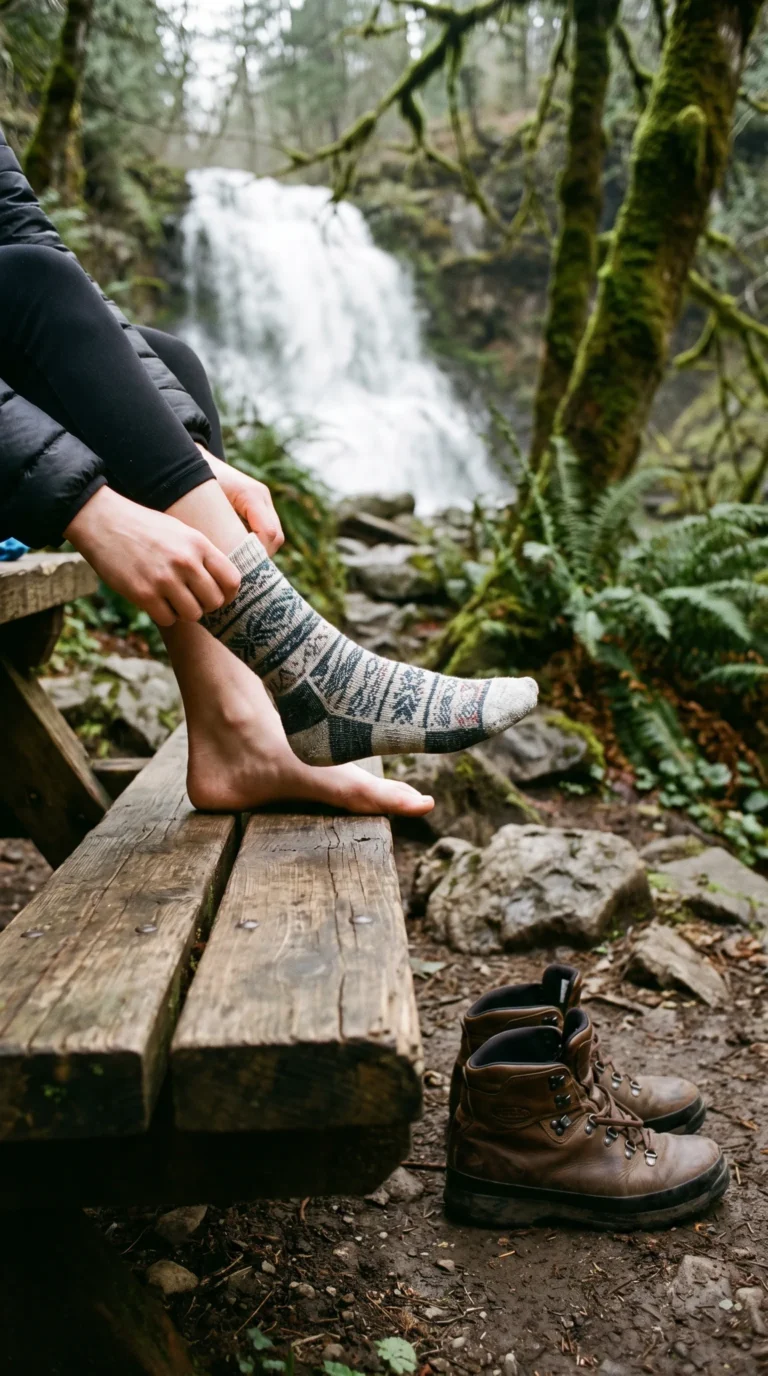
Your socks matter as much as your boots on these trails. Cotton socks trap moisture and cause blisters within the first hour. Merino wool wicks sweat, regulates temperature, and resists odor even when you’re hiking all day.
The Merino Wool Hiking Socks deliver cushioning where you need it most, under the heel and ball of your foot, without adding bulk. The reinforced toe and heel hold up to repeated washing and the friction of steep descents, and the moisture-wicking blend keeps your feet dry when you’re crossing streams or walking through spray zones near the falls.
Merino naturally fights odor, so if you’re doing back-to-back waterfall hikes over a weekend, you can wear the same pair twice without issue. The medium cushioning works well in both warm and cool weather, which is ideal for Hamilton’s unpredictable spring and fall conditions.
The multi-pack options give you enough pairs to rotate through a long weekend or a week of exploring. I always pack at least one extra pair in my daypack because stepping into a deeper than expected puddle happens more often than you think on these trails.
Make sure your socks fit snugly without bunching. Excess fabric creates friction points that turn into blisters on long descents. Merino has some natural stretch, so if you’re between sizes, go with the smaller option for a better fit.
Practical Tips for Hiking Hamilton Waterfalls
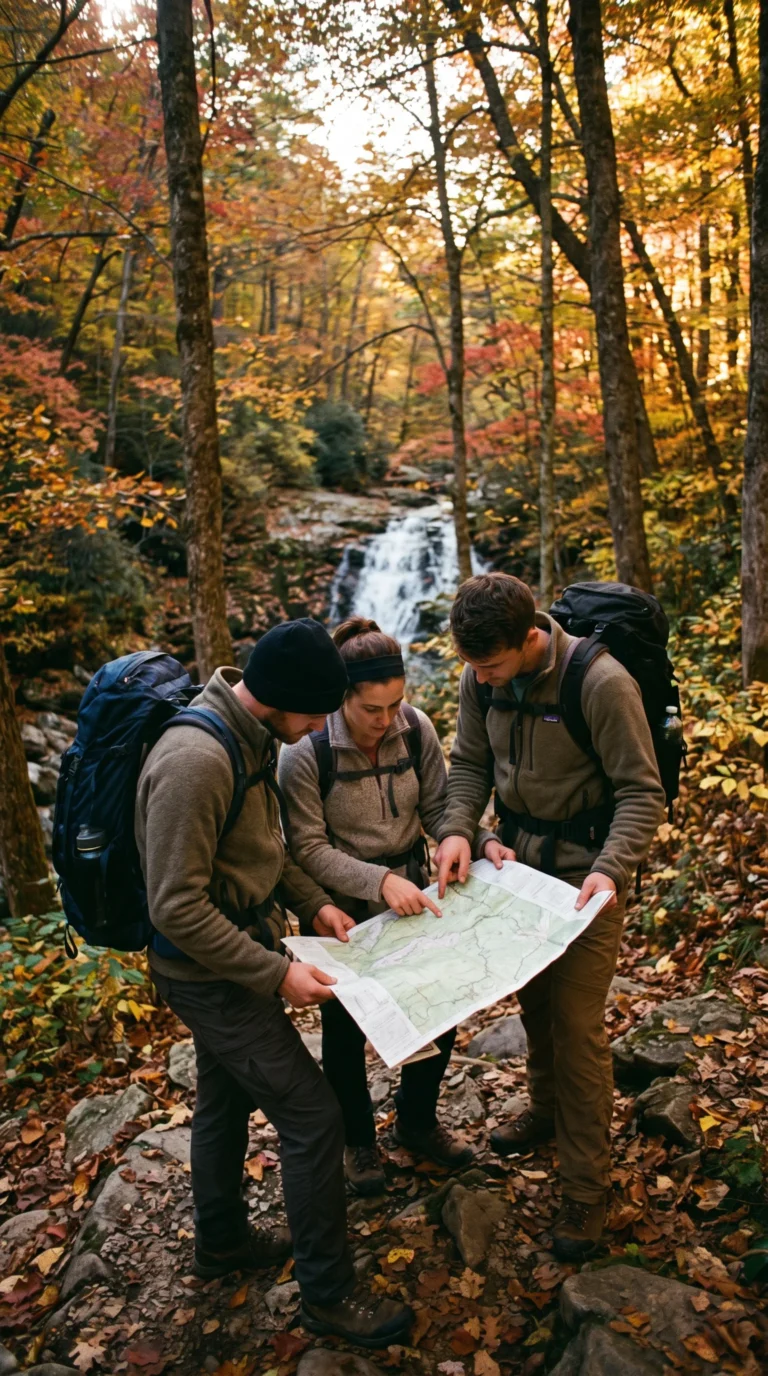
Start early, especially on weekends. Parking at Tews Falls and Webster’s Falls is paid, and the Spencer Gorge lots fill fast by mid-morning. Outside the fall colour season it is first come, first served, but from late September to early November you need an advance online reservation, so book ahead. Arriving before nine gives you better parking and quieter trails for photos.
Download offline maps before you go. Cell service drops in some of the deeper ravines, and trail markers can be confusing where the Bruce Trail intersects with local paths. The AllTrails app works well for Hamilton waterfalls and lets you track your route without signal.
Pack more water than you think you need. The elevation changes and humid summer air will have you drinking more than usual. A two-liter bladder or two water bottles per person covers most day hikes. There are no water fountains on the trails.
Bring bug spray from May through September. Mosquitoes and blackflies thrive in the moist forest areas around the waterfalls. I learned this the hard way on a June hike when I forgot repellent and spent the whole loop swatting.
Check trail conditions before you go, especially after heavy rain or in early spring. Some sections close temporarily for safety, and waterfall flow varies dramatically with recent rainfall. The Hamilton Conservation Authority posts alerts for Tews and Webster’s Falls, and the City of Hamilton covers Albion Falls.
Wear layers you can adjust. Morning temperatures near the falls can feel ten degrees cooler than the parking lot due to shade and mist. A lightweight fleece or windbreaker in your pack saves the day when you stop for lunch in a shaded spot.
If you’re curious about waterfall hiking in other regions with similar terrain and seasonal considerations, the trails along the Columbia River Gorge feature comparable misty conditions and steep escarpment trails where the same gear principles apply.
Frequently Asked Questions
What should I wear for a waterfall hike in Hamilton?
Wear waterproof hiking boots with good ankle support and quick-dry synthetic or wool layers that handle mist and spray. I always pack an extra shirt because the trails near Tews Falls and Albion Falls can leave you damp from the spray, especially in spring when water flow peaks. Avoid cotton since it stays wet and cold. A light rain jacket works as a windbreaker on exposed sections, and bring a hat with a brim to keep mist off your face when you get close to the falls.
How long is the hike to the main Hamilton waterfalls?
Most Hamilton waterfall hikes take 30 minutes to 2 hours depending on the trail you choose. Albion Falls is a short 15-minute walk from the parking area, the Tews Falls lookout sits just minutes from the Harvest Road lot, and the trail on to Dundas Peak adds about 40 minutes round trip. There is no connecting trail between Tews and Webster’s Falls, so drive the five minutes between the two parking lots. You can easily visit two or three falls in a half day if you plan your route.
Can you go down to Albion Falls?
No. The City of Hamilton fenced off the Albion Falls gorge in 2017 after repeated rescues and serious injuries, and climbing past the fencing counts as trespassing that can bring fines. The two official lookout platforms give you the best views and connect by a short trail along the gorge edge. The same rule applies at Tews and Webster’s Falls, where every old trail down to the base is closed.
Is Tews Falls taller than Niagara Falls?
Not quite. Tews Falls drops 41 meters, which the Hamilton Conservation Authority notes is only a few meters shorter than Niagara Falls. It is still the tallest waterfall in Hamilton, ahead of Webster’s Falls at 22 meters and Albion Falls at 19 meters, and two viewing platforms just off the trail show you the full drop without any scrambling.
What is the best time of year to visit Hamilton waterfalls?
Spring from March to May offers the highest water flow and the most dramatic views at Hamilton waterfalls. Snowmelt creates powerful cascades at Tews and Albion Falls that you won’t see in summer. Fall brings colorful foliage and cooler hiking temps, though water levels drop. Winter offers frozen waterfall formations but requires ice cleats and extreme caution on icy trails. Summer has the easiest trail conditions but lighter water flow.