This guide contains affiliate links. As an Amazon Associate we earn from qualifying purchases — at no extra cost to you.
Estimated reading time: 10 minutes
Last updated: September 2026
What Should You Pack for Tobermory Hiking and the Grotto?
Pack waterproof layers, sturdy hiking boots with ankle support, and thermal base layers for Tobermory’s unpredictable Georgian Bay weather, which can shift from warm sunshine to cold wind and rain within hours, even in summer when temperatures range from 15 to 25 degrees Celsius. The Bruce Trail and the Grotto demand rugged footwear for sharp limestone, while shipwreck tours by boat require wind protection and quick-dry clothing.
I always start with the rule of threes for Tobermory: three temperature zones (sun, shade, wind off the bay), three weather possibilities (sun, rain, fog), and three activity levels (easy shoreline walks, moderate forest trails, challenging cliff scrambles). Spring and fall bring even more variability, with temperatures dropping to 5 to 15 degrees and blackflies in May, so layering becomes even more important.
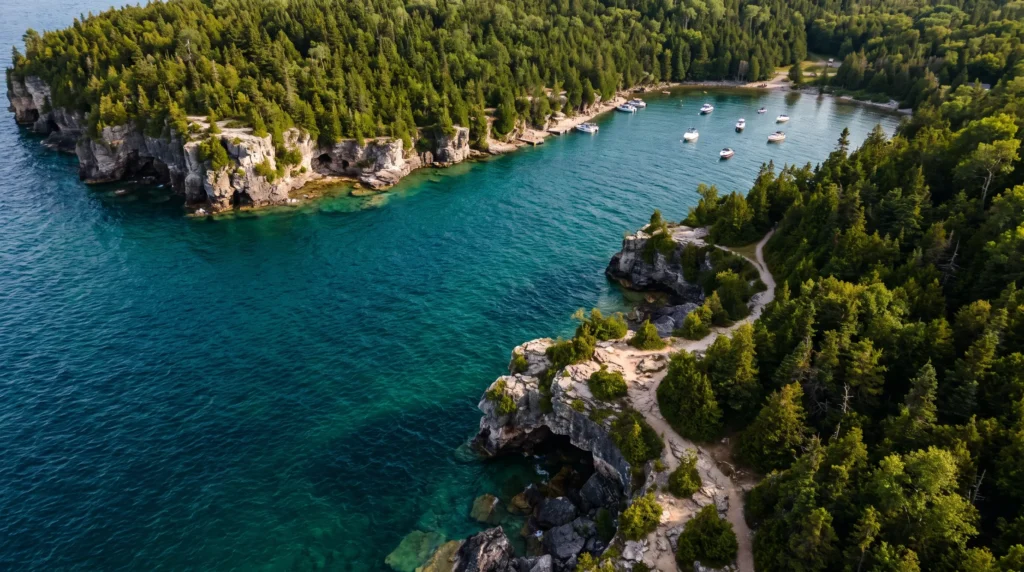
This guide walks through the clothing, footwear, and accessories that made my Tobermory trips comfortable across all conditions, from sunrise hikes along the Grotto trail to afternoon boat tours over the shipwrecks of Fathom Five National Marine Park. Most visitors underestimate how quickly conditions change when you’re exposed on the cliffs or out on the water, so packing smart means you can enjoy every moment without turning back early.
Planning tip: from May 1 to October 31, Parks Canada requires an advance parking reservation to access the Grotto ($17.50 per vehicle for a four-hour time slot, plus a $11.50 online booking fee and daily park admission of $10 per adult; kids 17 and under enter free). Flowerpot Island boat tours from Tobermory harbour run about $66–75 per adult in 2026, so book both before you arrive.
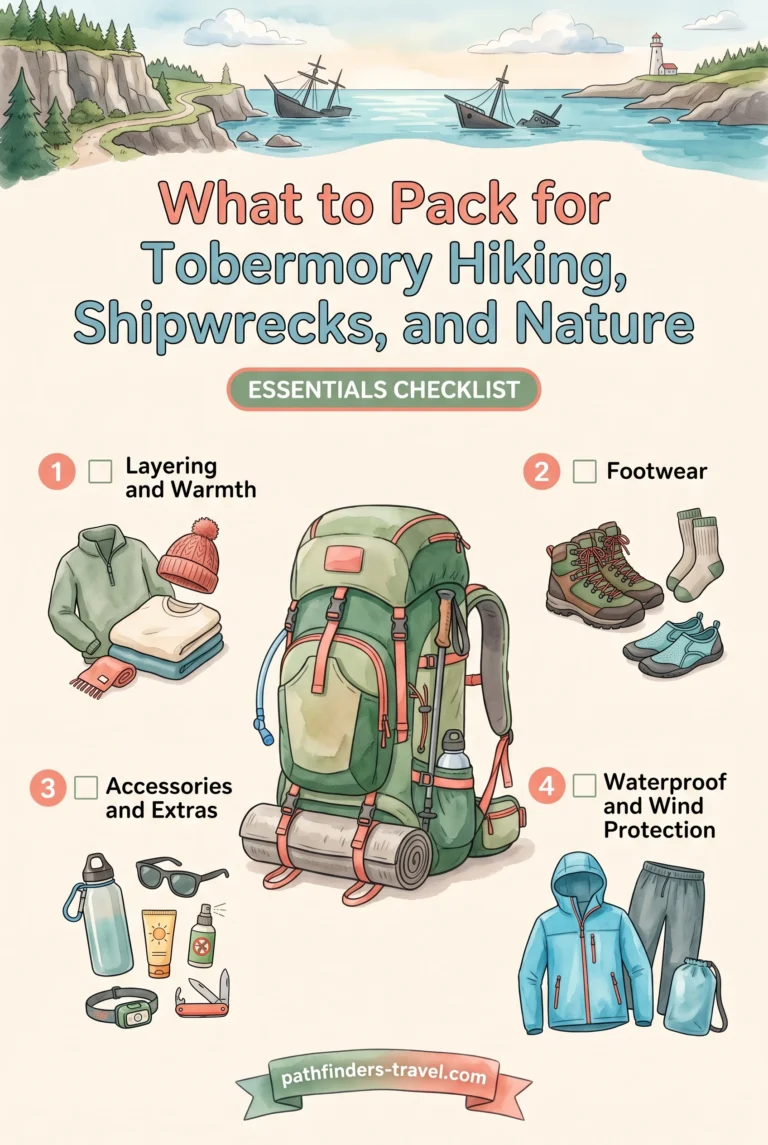
Layering and Warmth
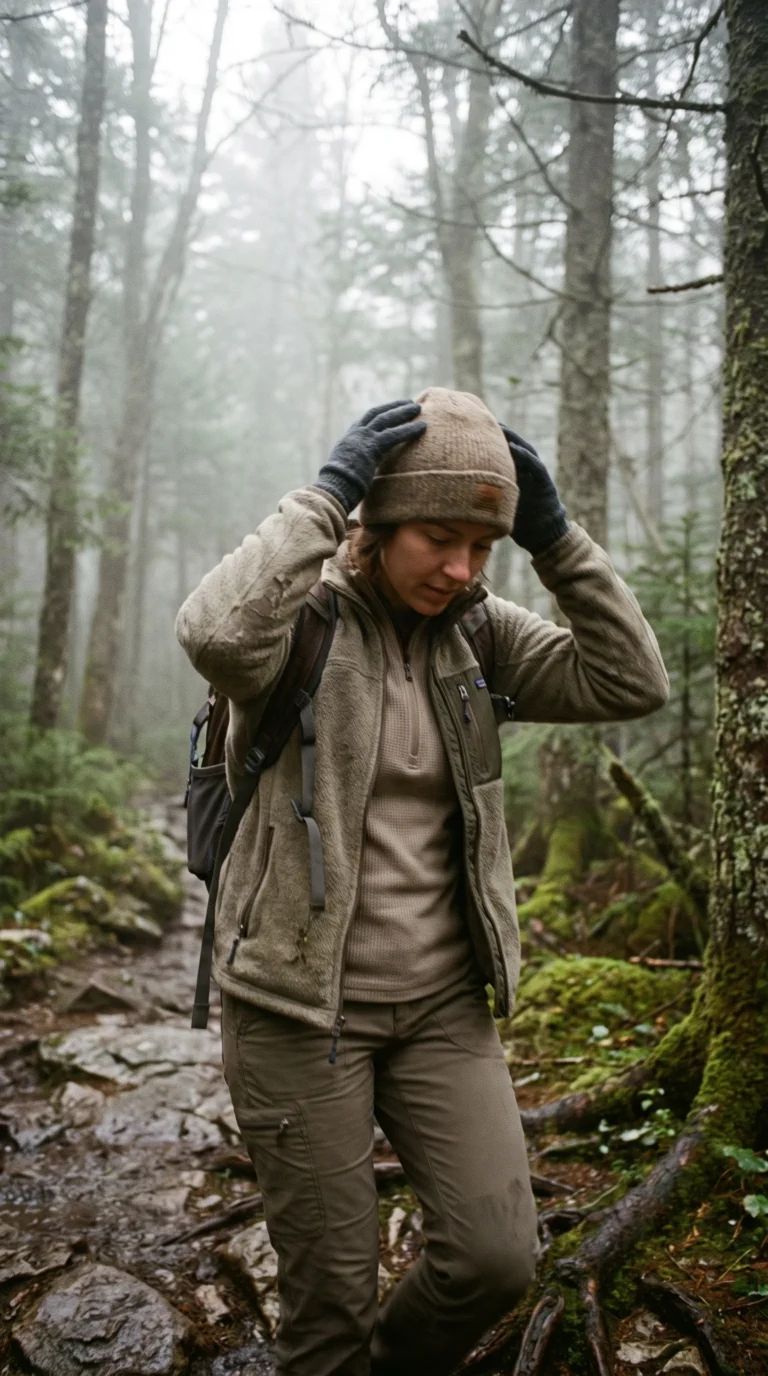
Tobermory’s weather swings demand a layering system that adjusts fast, and thermal base layers are the foundation. I pack fleece-lined long sleeve tops that wick moisture during uphill sections of the Bruce Trail but keep warmth when you stop for photos at the Grotto or Indian Head Cove.
If you’re hiking solo or as a couple, women’s thermal shirts with a snug fit layer well under a fleece or windbreaker, and they dry quickly if you get caught in mist coming off Georgian Bay. For families traveling with older kids who can handle longer trail days, a midweight merino wool base layer set includes a top, bottom, and cuff beanie so kids stay warm on early morning starts or breezy boat rides without overheating during active hiking. Merino regulates temperature naturally and resists odor even after multiple trail days, which makes it worth the investment.
When temperatures drop below 10 degrees or you’re visiting in shoulder seasons, an insulated parka makes all the difference. This women’s thickened vegan down parka with a hood provides serious warmth for chilly evenings in town or longer boat tours, and it packs smaller than traditional down. For families with kids heading out on water activities or standing on docks between snorkeling sessions, a waterproof swim parka with thin fleece lining keeps them warm without bulk, and the oversized fit layers over wetsuits.
Insulated waterproof gloves are essential for spring and fall hikes because your hands take the brunt of cold wind, especially when scrambling over rocks or holding trekking poles. Knit cuff gloves with waterproof shells let you grip wet railings or camera gear without freezing fingers, and they dry faster than leather or fabric-only styles.
If you’re traveling with a group or tend to lose hats on windy cliff edges, kids beanies in bulk packs are practical and cheap enough to stash extras in the car or daypack. Families with multiple children might prefer a larger 48-pack of winter beanies to cover everyone and still have spares for the trip home.
Footwear for Trails and Water
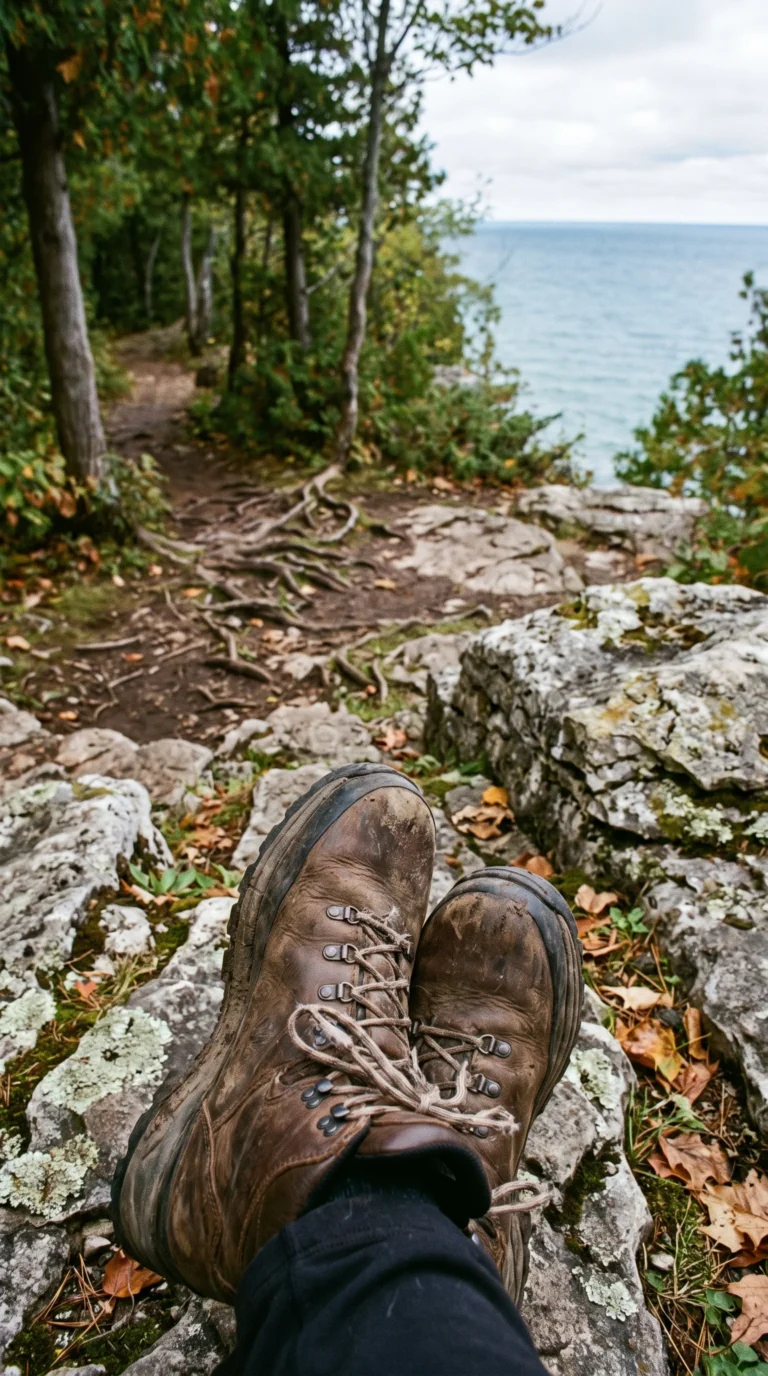
The Bruce Trail around Tobermory demands solid footwear. Sharp limestone, exposed roots, and slippery sections after rain will punish anything less than a proper hiking boot. I learned the hard way that trail runners don’t cut it here, and now I always bring mid-height waterproof hiking boots with ankle support.
If you’re a casual day hiker looking for something that handles rocky escarpments without feeling clunky, men’s waterproof hiking boots are a great starting point. They offer the traction you need when descending wet stairs at the Grotto or navigating shoreline boulders, and the lightweight build means they work just as well on shorter walks around town as they do on technical trails.
For families with older kids ready for more serious mileage, the Chameleon 7 Mid is my go-to. The Vibram sole grips wet rock like glue, and the Gore-Tex lining keeps feet dry even when crossing shallow streams or hiking through morning dew. It’s reliable enough for multiday hikes but not so stiff that kids complain after an hour.
Younger explorers need the same level of protection, and kids’ neoprene outdoor boots deliver without the fuss. The pull-on handles make them easy for small hands, and they work in cold weather, rain, mud, and even light snow if you’re visiting in late fall or early spring. Kids can splash in shallow coves or explore tide pools without soaking their feet.
If you’re planning a winter visit, snow boots with insulation are non-negotiable. The Women’s Ice Maiden II offers enough warmth for sub-zero temperatures and enough traction for icy boardwalks. They’re comfortable for all-day wear in town or on groomed winter trails, and the waterproof uppers handle slushy conditions without complaint.
Accessories and Extras
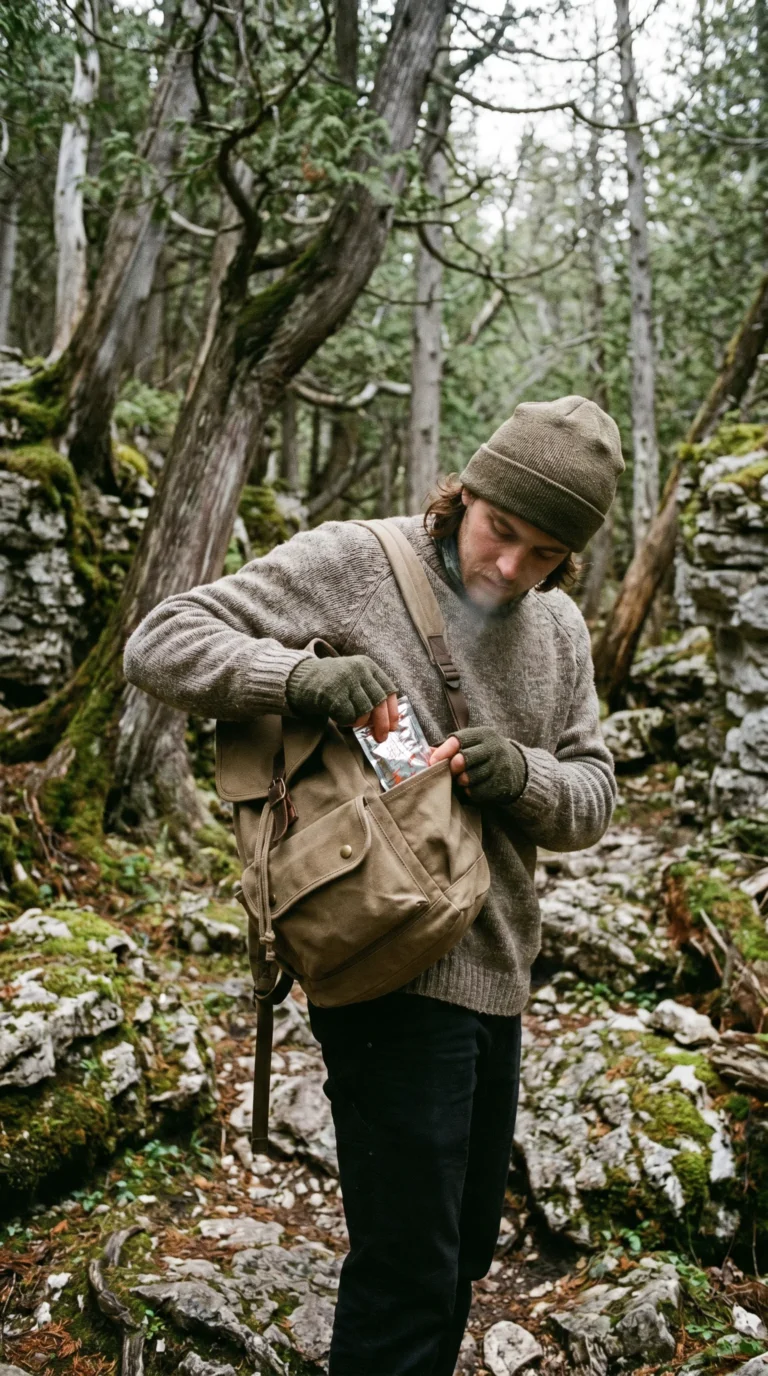
Small accessories make a huge difference when you’re out on exposed cliffs or waiting for a glass-bottom boat tour in cool morning air. The right extras keep you comfortable without weighing down your pack.
Hand Warmers are my go-to for spring and fall trips because they add instant warmth without bulk, and they last up to 11 hours so you can toss a pair in your jacket pockets before sunrise hikes. These air-activated warmers are odorless and all natural, and they work great inside gloves or boots if your fingers or toes get cold during longer trail days. I also keep a few in my camera bag because cold hands struggle with small buttons and touchscreens, and fumbling with gear means missing that perfect shot of a shipwreck or cliff view.
A lightweight daypack is essential for carrying layers you peel off, snacks, water, and a first aid kit, and it should have external straps for trekking poles or a wet jacket. Sunglasses with polarized lenses cut glare off the water and make it easier to spot shipwreck outlines from boat decks or shoreline viewpoints.
A wide-brimmed hat or baseball cap protects your face during exposed cliff walks, but make sure it has a chin strap or clip because wind gusts along the escarpment can send hats flying. Bug repellent is critical in late spring and summer, with blackflies peaking in May and mosquitoes active in forested and wetland areas through August.
A headlamp or small flashlight helps if you’re hiking at dawn or dusk, and it’s handy for exploring darker sections of trails or navigating parking areas after sunset.
Waterproof and Wind Protection
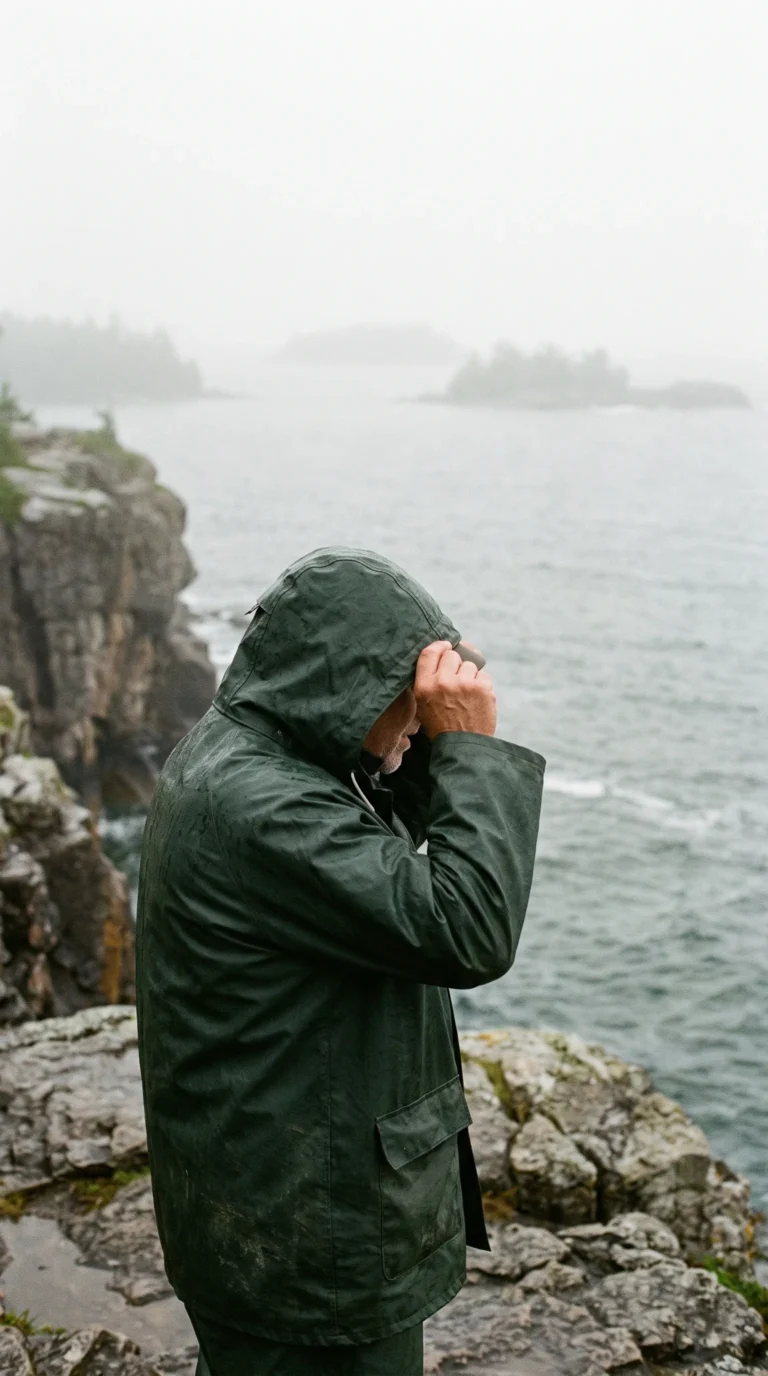
Rain can roll in fast over Georgian Bay, and mist from the water creates damp conditions even on sunny days, so a waterproof jacket is non-negotiable. I pack a lightweight rain jacket with a hood that stuffs into its own pocket so it’s always in my daypack, and I look for one with pit zips or vents because you’ll warm up fast on uphill sections.
If you’re visiting in spring or fall when temperatures drop and wind picks up, a waterproof jacket with insulation or a fleece liner keeps you comfortable without needing multiple layers. This saves packing space and gives you one versatile piece that handles cold mornings and wet afternoons.
Waterproof pants are just as important, especially if you’re scrambling over wet rocks near the Grotto or sitting on boat decks during shipwreck tours. I prefer pants with side zips so you can pull them on over hiking boots without taking off your pack, and they should be packable enough to fit in a small stuff sack.
A windbreaker works well for warmer summer days when rain is less likely but wind off the bay still chills you down. It’s lighter and more breathable than a full rain jacket, making it perfect for active hikes where you need airflow but still want protection.
For families, matching kids’ rain gear makes it easier to spot everyone on crowded trails, and bright colors add a safety element near cliff edges or busy docks.
A waterproof stuff sack or dry bag protects electronics, snacks, and extra layers in your daypack. It doubles as a seat cushion on wet rocks or logs, which I appreciate after a long hike to the lookout points.
Frequently Asked Questions
What should I wear for a Tobermory hiking trip?
Wear moisture-wicking layers, sturdy waterproof hiking boots, and a lightweight rain jacket for unpredictable weather. The Bruce Trail and Grotto paths include rocky terrain, exposed roots, and uneven surfaces that demand good ankle support and grip. I always bring a breathable base layer for early mornings when the lakeside air is cool, plus a hat and sunglasses for exposed clifftop sections. Quick-dry hiking pants work better than jeans, which stay wet if you splash through puddles or get caught in rain.
How much is parking at the Grotto in Tobermory?
Grotto parking at the Cyprus Lake lot costs $17.50 per vehicle for a four-hour time slot, plus a $11.50 online reservation fee and Bruce Peninsula National Park daily admission of $10 per adult (youth 17 and under enter free). Reservations are required from May 1 to October 31, and summer slots sell out days or weeks ahead, so book through the Parks Canada reservation service before your trip.
Is Tobermory good for hiking?
Yes, Tobermory offers top-quality hiking with dramatic cliff views, ancient cedar forests, and turquoise coves along the Bruce Trail. The trails range from easy shoreline walks to challenging scrambles over limestone ledges. Bruce Peninsula National Park alone has routes for all fitness levels, including the iconic Grotto trail and the quieter Halfway Log Dump path. You’ll encounter beautiful geology, rare orchids, and wide Georgian Bay vistas that make every step worthwhile. If you’re planning to explore the region thoroughly, hiking is just one of many activities Tobermory offers alongside shipwreck diving and nature tours.
How hard is the hike to Tobermory Grotto?
The Grotto hike is moderate, roughly 3 kilometres round trip from the Cyprus Lake parking lot, with rocky, root-covered sections and a short scramble down into the cave. Parks Canada estimates about one hour of walking round trip, though most visitors spend two to three hours once swimming and photo stops are added. The trail requires careful footing, especially on wet rocks near the water’s edge. It’s family-friendly if kids are comfortable on uneven terrain, but not stroller-accessible.
Is the water in Tobermory always cold?
Yes, Georgian Bay stays cold year-round, and the water around Tobermory rarely climbs much above 20 degrees Celsius even in August. Swims at the Grotto or Indian Head Cove feel bracing all summer, and June water is colder still. Pack a wetsuit if you plan to snorkel over the shipwrecks, water shoes for rocky entries, and a warm layer to pull on as soon as you get out.