Last updated: September 2026
Estimated reading time: 15 minutes
Table of Contents
- Is Kakadu National Park Worth Visiting?
- Overview of Kakadu National Park
- Exploring the Ancient Aboriginal Rock Art
- Jim Jim Falls and Twin Falls Tour
- Best Time to Visit Kakadu National Park
- Frequently Asked Questions about Kakadu National Park
- Additional Resources & Links
Is Kakadu National Park Worth Visiting?
Yes, Kakadu is well worth visiting. Australia’s largest national park and a dual UNESCO World Heritage site, it protects some of the world’s oldest rock art at Ubirr and Nourlangie, vast wetlands full of birds and saltwater crocodiles, and dramatic waterfalls like Jim Jim and Twin Falls. In the Northern Territory’s Top End, it spans nearly 20,000 square kilometres, about a 2.5-hour drive east of Darwin.
Covering an area roughly the size of Slovenia, Kakadu offers visitors the rare opportunity to witness landscapes that have remained largely unchanged for tens of thousands of years while connecting with the world’s oldest living cultural traditions. From dramatic escarpments and thundering waterfalls to quiet billabongs teeming with wildlife, Kakadu promises both adventure seekers and cultural enthusiasts a memorable Australian experience.
You can see this for yourself. Click here to watch the video from this point.
This complete guide will take you through everything you need to know about Kakadu National Park, from its sweeping landscapes and ancient rock art galleries to practical tips on when to visit and what to experience. We’ve got you covered.
Overview of Kakadu National Park
Discovering Australia’s Largest National Park
Kakadu National Park is Australia’s largest national park, encompassing a vast area of approximately 20,000 square kilometers in the Northern Territory. This immense protected area has earned the distinction of dual UNESCO World Heritage status for both its cultural heritage and natural values, a rare honor shared by only a handful of places worldwide.
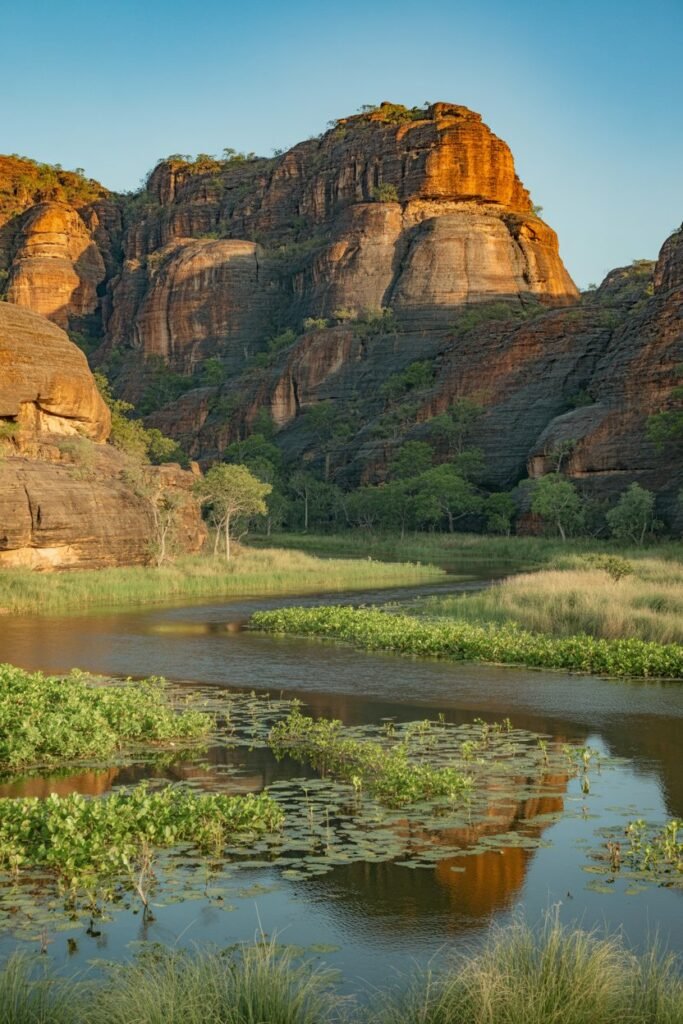
The landscapes within Kakadu are remarkably diverse, featuring dramatic escarpments that rise up to 330 meters, expansive floodplains that transform with the seasons, pockets of monsoon rainforests, and savanna woodlands. This environmental diversity supports an extraordinary range of wildlife, including:
- Over one-third of Australia’s bird species
- A quarter of the country’s freshwater fish species
- More than 2,000 plant species
- A rich collection of reptiles, mammals, and amphibians
The park’s Stone Country forms a rugged plateau that has been carved by water and time into an intricate maze of gorges, valleys, and outliers. Below these ancient escarpments lie the floodplains, which undergo dramatic seasonal transformations. During the wet season, these plains become vast inland seas, while in the dry season, they contract into networks of billabongs teeming with wildlife.
What makes this kakadu national park guide particularly relevant for visitors is understanding the park’s size and diversity. Even a week-long visit will only scratch the surface of what Kakadu has to offer, so planning your priorities is essential. Just as Sydney offers diverse attractions, Kakadu provides multiple environments to explore within a single park.
Equally significant is Kakadu’s status as a living cultural landscape. The Bininj/Mungguy people have continuously inhabited this land for more than 65,000 years, making it one of the longest continuous cultural connections to land anywhere on Earth. Today, their descendants continue to manage the park alongside Parks Australia through a unique joint management arrangement that combines traditional ecological knowledge with contemporary conservation practices.
This partnership has created one of the most successful Indigenous ranger programs in the world, where traditional owners share their deep understanding of the land while protecting its natural and cultural values. For visitors, this means opportunities to learn about the land through the eyes of those who have known it longest.
Exploring the Ancient Aboriginal Rock Art
Ubirr and Nourlangie Rock Art: Ancient Aboriginal Sites in Kakadu
Kakadu National Park houses some of the world’s oldest and most significant collections of ancient Aboriginal rock art, with thousands of sites scattered across its landscapes. These great galleries provide an unbroken visual record of human life in the region dating back more than 20,000 years.
The ancient aboriginal rock art kakadu is renowned for serves multiple purposes, it’s not merely decorative but functions as historical documentation, educational material, and spiritual expression. These artworks depict everything from everyday activities like hunting and gathering to complex spiritual beliefs, changes in the environment, and even first contact with European settlers.
Two of the most accessible and spectacular Aboriginal art sites in Kakadu are Ubirr and Nourlangie (Burrungkuy). These galleries showcase Indigenous culture through X-ray paintings, contact-era sketches, and Dreamtime stories.
Ubirr Rock Art Site
Found the park’s northeast, Ubirr features several rock shelters adorned with paintings that span thousands of years. The galleries here showcase:
- The Rainbow Serpent, a powerful creation ancestor in Aboriginal culture
- X-ray paintings depicting animals with their internal organs and bone structures visible
- Images of Thylacines (Tasmanian tigers), which haven’t lived on mainland Australia for thousands of years
- Contact art showing European ships and people with guns and pipes
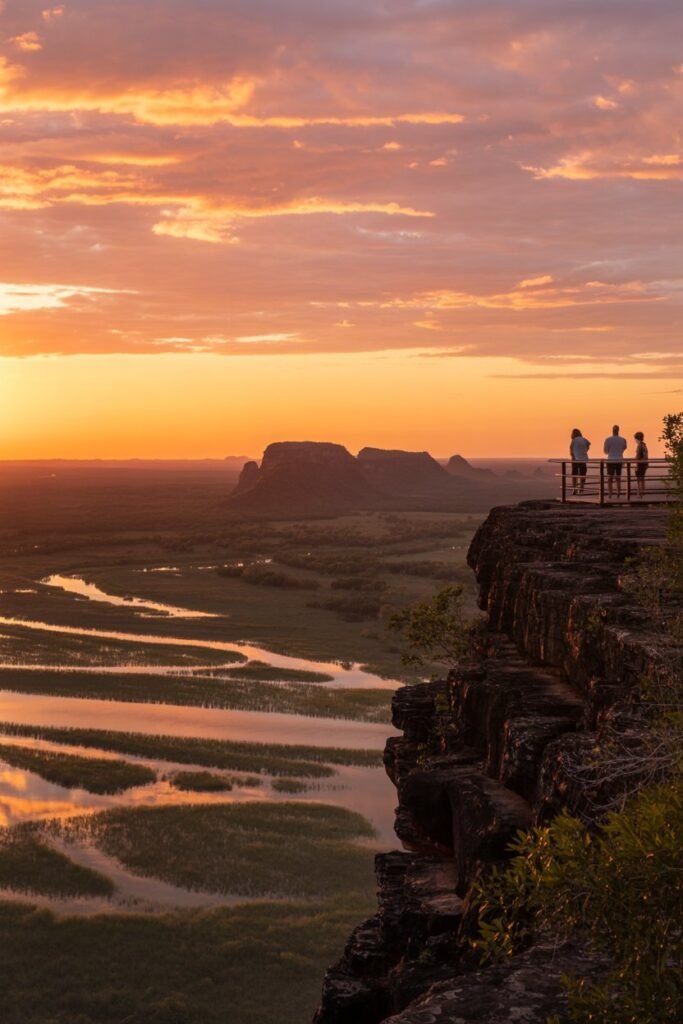
Beyond its ancient galleries, Ubirr rewards visitors with a climb to the Nadab floodplain lookout. This vantage point offers sweeping sunset panoramas over wetlands and escarpments, one of Kakadu’s most photographed spots, especially magical at sunset when the wetlands and escarpment are bathed in golden light. Much like the vistas from the Blue Mountains near Sydney, these views provide context for the landscape that inspired the artists.
Nourlangie (Burrungkuy) Rock Art Site
The Nourlangie rock art site contains several distinct galleries, with the most famous being the Anbangbang Gallery. Here, visitors can see depictions of important creation ancestors including:
- Namarrgon (Lightning Man), recognizable by the lightning bolts that connect his head, arms, and feet
- Namondjok, a significant ancestral figure
- Barrginj, Namondjok’s wife
The site also includes Anbangbang Shelter, which archaeological evidence indicates was occupied by Aboriginal people over 20,000 years ago. A moderately easy walking track circles the Nourlangie rock formation, providing access to additional art sites and the Gunwarddehwardde Lookout, which offers spectacular views of the escarpment.
What makes these sites so special is not just their antiquity but their continued cultural significance. For the Bininj/Mungguy people, these are not relics of a bygone era but living connections to their ancestors and traditions. The stories depicted in ubirr and nourlangie rock art continue to be passed down through generations, maintaining an unbroken cultural tradition that spans millennia.
When visiting these sacred sites, it’s important to show proper respect by staying on marked paths, not touching the artwork, and heeding any cultural restrictions. Ranger-guided talks, which run frequently during the dry season, provide invaluable context and deeper understanding of the art’s significance.
Jim Jim Falls and Twin Falls Tour
Exploring Jim Jim Falls by 4WD and Twin Falls Gorge Boat Shuttle
No Kakadu National Park guide would be complete without highlighting the park’s most iconic water features: Jim Jim Falls and Twin Falls. These magnificent waterfalls epitomize the raw power and beauty of Kakadu’s stone country and provide some of the greatest experiences for visitors.
Exploring Jim Jim Falls by 4WD or combining it with the Twin Falls gorge boat shuttle offers access to these remote treasures, which are located deep within the park’s rugged interior. Both falls cascade from the Arnhem Land escarpment into pools surrounded by monsoonal forest and massive sandstone cliffs that tower up to 150 meters high.
Jim Jim Falls
Jim Jim Falls is Kakadu’s highest waterfall, with water plunging dramatically down sheer cliffs into a deep plunge pool below. The setting is nothing short of spectacular, with:
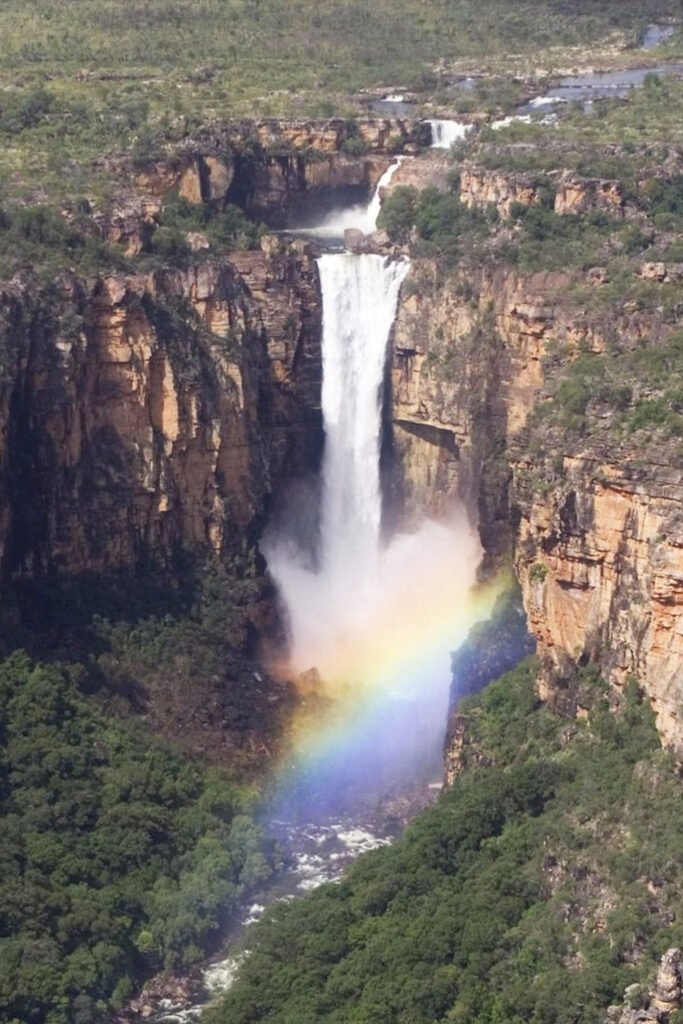
- Massive sandstone walls forming an amphitheater around the waterfall
- A clean white sand beach at the base of the falls
- Crystal-clear water in the plunge pool (during the dry season)
- Ancient monsoon forest creating a green backdrop
During the wet season, Jim Jim Falls flows with tremendous force, creating a thundering spectacle visible only from the air. As the dry season progresses, the flow reduces but creates perfect conditions for swimming in the plunge pool, surrounded by the dramatic cliff face.
Twin Falls
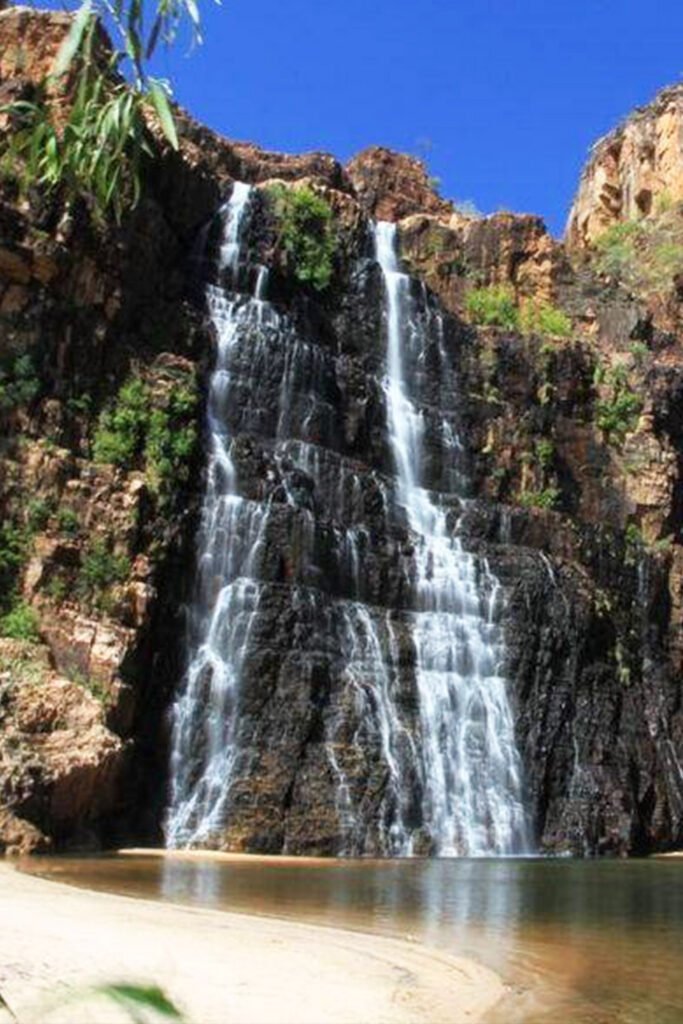
Not far from Jim Jim Falls, Twin Falls offers an equally engaging but distinctly different experience. Here, water cascades over an ochre-colored cliff face into a series of pools set within a sandy gorge. The falls are often accessible by:
- A boat shuttle that operates during the dry season
- A sandy walking track from the boat drop-off point
- A viewing platform that provides excellent photographic opportunities
The gorge at Twin Falls, known for its towering walls and peaceful pools, creates an almost cathedral-like atmosphere that many visitors find profoundly moving. While Cairns offers access to many tropical waterfalls, the remote setting and ancient landscape of Twin Falls provide a distinctly different experience.
Tour Tips and Practical Information
For travelers heading into Kakadu’s stone country to reach Jim Jim and Twin Falls., here are some essential points to consider:
- Accessibility: The access road to both falls requires a high-clearance 4WD vehicle and can include creek crossings. Many visitors opt for organized tours if they don’t have suitable vehicles or experience.
- Seasonality: The falls are typically accessible from June/July to November, depending on when wet season waters recede. Access roads are usually closed during the wet season (November-April).
- Walking requirements: Reaching Jim Jim Falls involves a moderately difficult 2km return walk, including rock hopping and climbing over boulders. The Twin Falls walk is easier but requires a boat shuttle.
- Guided tours: Tours with Indigenous guides offer cultural insights that enhance the experience, explaining the significance of these places in traditional stories.
- Swimming safety: Always check current safety notices regarding crocodiles and water conditions before swimming.
The journey to these falls is as great as the destination itself. The drive takes you through changing landscapes, with woodland savanna and stone country, offering glimpses of wildlife and the opportunity to appreciate the park’s diversity. For many visitors, the jim jim falls and twin falls tour ranks as their most memorable Kakadu experience, combining adventure, natural beauty, and cultural significance.
Best Time to Visit Kakadu National Park
Best Time to Visit Kakadu National Park: Seasonal & Monthly Travel Tips
Planning Tip
Understanding the best time to visit Kakadu is crucial for planning a successful trip, as the park undergoes dramatic seasonal transformations that significantly impact accessibility and visitor experiences. Unlike southern Australia’s four seasons, Kakadu follows the traditional Bininj/Mungguy calendar with six distinct seasons, though visitors typically think in terms of the wet and dry seasons.
Dry Season (May-October): Peak Visitor Period
The dry season is widely considered the best time to visit Kakadu for most travelers due to:
- Accessibility: Most roads, including those to Jim Jim and Twin Falls, are open (typically from June/July onwards)
- Weather conditions: Clear blue skies, comfortable temperatures (20-32°C), and low humidity
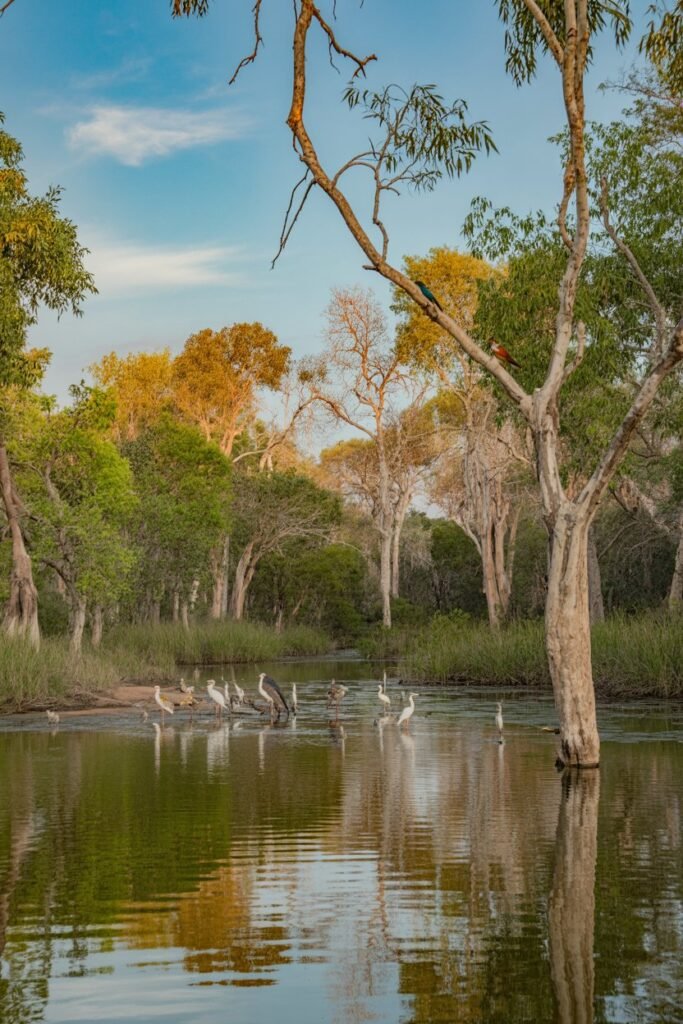
- Wildlife viewing: Animals congregate around shrinking water sources, making them easier to spot
- Guided activities: Full range of ranger programs and cultural tours available
- Swimming opportunities: Reduced risk from crocodiles at designated swimming spots (always check current safety notices)
Within the dry season, there are subtle variations worth noting:
- Early Dry (May-June): Landscape still green, some water flowing over falls, fewer visitors
- Kakadu in May, cooler weather, flowing waterfalls, and fewer visitors at Ubirr.
- Mid Dry (July-August): Peak tourist season, best all-round access, cooler nights
- Kakadu in July, peak dry season, open roads to Jim Jim Falls, and prime conditions for 4WD trips.
- Late Dry (September-October): Increasing heat, spectacular bird watching as waterbirds concentrate on remaining billabongs
- Kakadu in September, hotter days, spectacular birdwatching around shrinking billabongs.
July and August are particularly popular months, so advance accommodation bookings are essential during this period. Like Fraser Island’s popular season, Kakadu can get busy during these peak months.
Wet Season (November-April): The Dramatic Transformation
While many tourists avoid the wet season, it offers unique experiences for those willing to adapt to its challenges:
- Landscape transformation: Floodplains fill with water, creating vast inland seas
- Thunderstorms: Spectacular lightning displays and dramatic cloud formations
- Waterfalls: Falls flow at maximum capacity (though most are only visible via scenic flights)
- thick growth: Explosion of plant life and lively greenery across the landscape
- Bird life: Increased activity with migratory species arriving
- Fewer visitors: More solitude and space at accessible attractions
However, wet season visitors should be aware of significant limitations:
- Many roads close due to flooding, including access to Jim Jim and Twin Falls
- High humidity and temperatures (30-37°C)
- Regular heavy rainfall and potential flooding
- Reduced tour options and ranger programs
- More mosquitoes and other insects
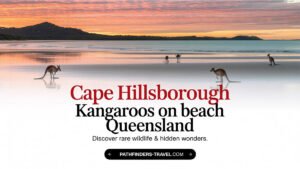
January and February typically see the heaviest rainfall and most extensive flooding. Similar to planning visits to see kangaroos at Cape Hillsborough, timing is everything when visiting Kakadu.
Transitional Periods: The “Shoulder Seasons”
The transitions between wet and dry seasons offer interesting compromise options:
- April-May (Yegge): Cooling temperatures, reducing water levels, and decreasing humidity
- October-November (Gunumeleng): Building heat, spectacular lightning storms, and fewer tourists
These periods can provide good value and unique experiences, though with less predictable conditions.
Planning Tips Based on Your Interests
When determining the best time to visit kakadu for your specific interests, consider:
- For rock art enthusiasts: The dry season offers easier access to Ubirr and Nourlangie, plus ranger-guided talks
- For photographers: Early dry season for greenery and flowing waterfalls; late wet season for dramatic skies and reflections
- For wildlife spotting: Late dry season when animals gather at remaining waterholes
- For birdwatchers: Early dry season (May-June) or wet season for migratory species
- For waterfall chasers: Mid-dry season for swimming at the base of accessible falls; wet season for aerial tours of falls at full capacity
- For budget travelers: Shoulder seasons offer lower accommodation rates and fewer crowds
Whatever season you choose for your visit, checking road conditions, park alerts, and weather forecasts before and during your trip is essential. The Kakadu National Park website and visitor centers provide up-to-date information that should form the basis of your daily planning when in the park.
Additional Resources & Links
Planning Tools for Your Kakadu Adventure
To help you make the most of your Kakadu experience, we’ve compiled these valuable resources:
Official Information
- Park Maps and Guides: Download detailed maps and seasonal guides from the official Kakadu National Park website.
- Road Condition Reports: Access up-to-date information on road openings and closures throughout the park.
- Park Alerts: Check for current notifications regarding area closures, safety concerns, or special events.
Tour and Accommodation Options
- Ranger-guided Programs: Free activities run by park rangers during the dry season, including cultural walks and talks.
- Indigenous Cultural Tours: Experience Kakadu through the eyes of its Traditional Owners with guided tours by local Aboriginal operators.
- Accommodation Directory: From campgrounds to luxury lodges, find the right place to stay during your visit.
Preparing for Kakadu’s Conditions
- Seasonal Packing Guide: What to bring for different times of the year, including wet season essentials.
- Safety Information: Important advice on crocodile safety, heat management, and remote area preparedness.
- Photography Tips: Make the most of Kakadu’s dramatic landscapes and lighting conditions.
Suggested Itineraries
- 3-Day Highlights Tour: Essential experiences for short-stay visitors.
- 7-Day Immersion: A complete exploration of Kakadu’s diverse regions.
- Wet Season Specialties: Making the most of a visit during the monsoon months.
Regional Connections
- Darwin to Kakadu: Transport options and stops along the way.
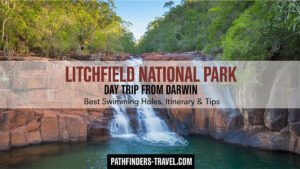
- Combining with Litchfield: How to include both national parks in your Northern Territory adventure.
- Arnhem Land Access: Information on permits and tours to this adjacent Aboriginal territory.
By utilizing these resources and planning tools, you’ll be well-equipped to create a Kakadu experience that suits your interests, timeframe, and travel style. Remember that flexibility is key when exploring this dynamic landscape, as seasonal conditions and cultural activities may create unexpected opportunities or limitations during your visit.
Frequently Asked Questions about Kakadu National Park
What is the best time to visit Kakadu?
The dry season (May to October) is the best and most popular time, with accessible roads, plunge pools you can swim in, and great wildlife viewing as animals gather at shrinking waterholes. The wet season (November to April) brings dramatic storms and full waterfalls but floods close many roads and 4WD tracks.
How do you get to Kakadu and get around?
Kakadu is about a 2.5-hour drive (250 km) east of Darwin in the Northern Territory. A car is essential, and a high-clearance 4WD is needed for tracks to Jim Jim and Twin Falls. Guided tours from Darwin are a good option if you would rather not drive the remote roads yourself.
Is it safe to swim in Kakadu?
Only in designated spots. Kakadu has both saltwater and freshwater crocodiles, and saltwater crocs are dangerous, so never swim in rivers, billabongs, or unmarked waterholes. Some plunge pools, such as parts of Gunlom and Maguk, are checked and signposted for swimming in the dry season — always obey the signs.
What should you pack for Kakadu?
Bring lightweight, sun-protective clothing, a hat, strong sunscreen, insect repellent, and plenty of water for the heat. Add sturdy shoes for rocky rock-art walks, a swimsuit for safe plunge pools, and a well-supplied 4WD if you are exploring remote tracks.
How many days do you need in Kakadu?
Two to three days covers the main highlights: the Ubirr and Nourlangie rock art, a Yellow Water wetland cruise, and a waterfall or two. A longer 4WD trip of four to five days reaches Jim Jim and Twin Falls and the southern park in the dry season.