This guide contains affiliate links. As an Amazon Associate we earn from qualifying purchases — at no extra cost to you.
Estimated reading time: 31 minutes
Last updated: August 2026
Table of Contents
- What Is the Number One Attraction in Oregon?
- Best Time to Visit Oregon
- Getting to Oregon
- Getting Around Oregon
- Oregon Travel Budget: What to Expect
- Portland & Columbia River Gorge
- Oregon Coast: North
- Oregon Coast: Central
- Oregon Coast: South
- Willamette Valley & Cascade Waterfalls
- Mount Hood & the High Cascades
- Central Oregon: High Desert & Adventure
- Southern Oregon: Crater Lake & Beyond
- Eastern Oregon: Hells Canyon Wilderness
- Oregon Itineraries: 3, 4, and 5 Days
- What to Pack for Oregon
- Oregon Travel FAQ
What Is the Number One Attraction in Oregon?
Oregon’s number one attraction is Crater Lake National Park, the deepest lake in the United States at 1,943 feet, famous for its intensely blue water. Beyond it, Oregon offers 363 miles of rugged Pacific coastline, glaciated Mount Hood, the waterfalls of the Columbia River Gorge, high-desert Bend, and the food-and-beer city of Portland. The best time to visit is generally June through September, and mid-range travel runs about $100–150 a day.
How This Guide Was Researched
This guide is based on research from official tourism resources, local visitor centers, and community travel forums. Prices and availability were accurate at the time of writing. For the latest updates, check the official websites linked throughout this guide.
Want to see Oregon’s landscapes for yourself? Watch our complete Oregon travel guide in 4K.
Oregon’s dramatic landscapes require checking travel conditions before you go, but the reward is access to some of America’s most diverse terrain. In a single day, you can watch waves crash against sea stacks on the Pacific Coast, hike through temperate rainforest draped in moss, and stand at the rim of a volcanic crater lake so blue it looks photoshopped.
This state packs 363 miles of rugged Pacific coastline, volcanic peaks over 11,000 feet, high desert canyons, and wine country valleys into one place. You can surf in the morning and ski in the afternoon during shoulder season. The Travel Oregon website tracks current conditions across the state’s varied climate zones, with coastal fog and mountain snow.
Oregon has built a reputation for outdoor adventure, craft breweries pouring over 700 varieties of beer, farm-to-table restaurants sourcing ingredients within 50 miles, and cities like Portland that celebrate independent bookstores and food cart pods. This Oregon travel guide covers top destinations from Portland to Crater Lake, practical logistics for getting around, sample itineraries, and tips for exploring beyond the main highways. Oregon rewards travelers willing to take back roads and check trail conditions before heading out.
Best Time to Visit Oregon
Oregon’s weather changes dramatically by season and region. The Travel Oregon seasonal guide breaks down what to expect throughout the year.
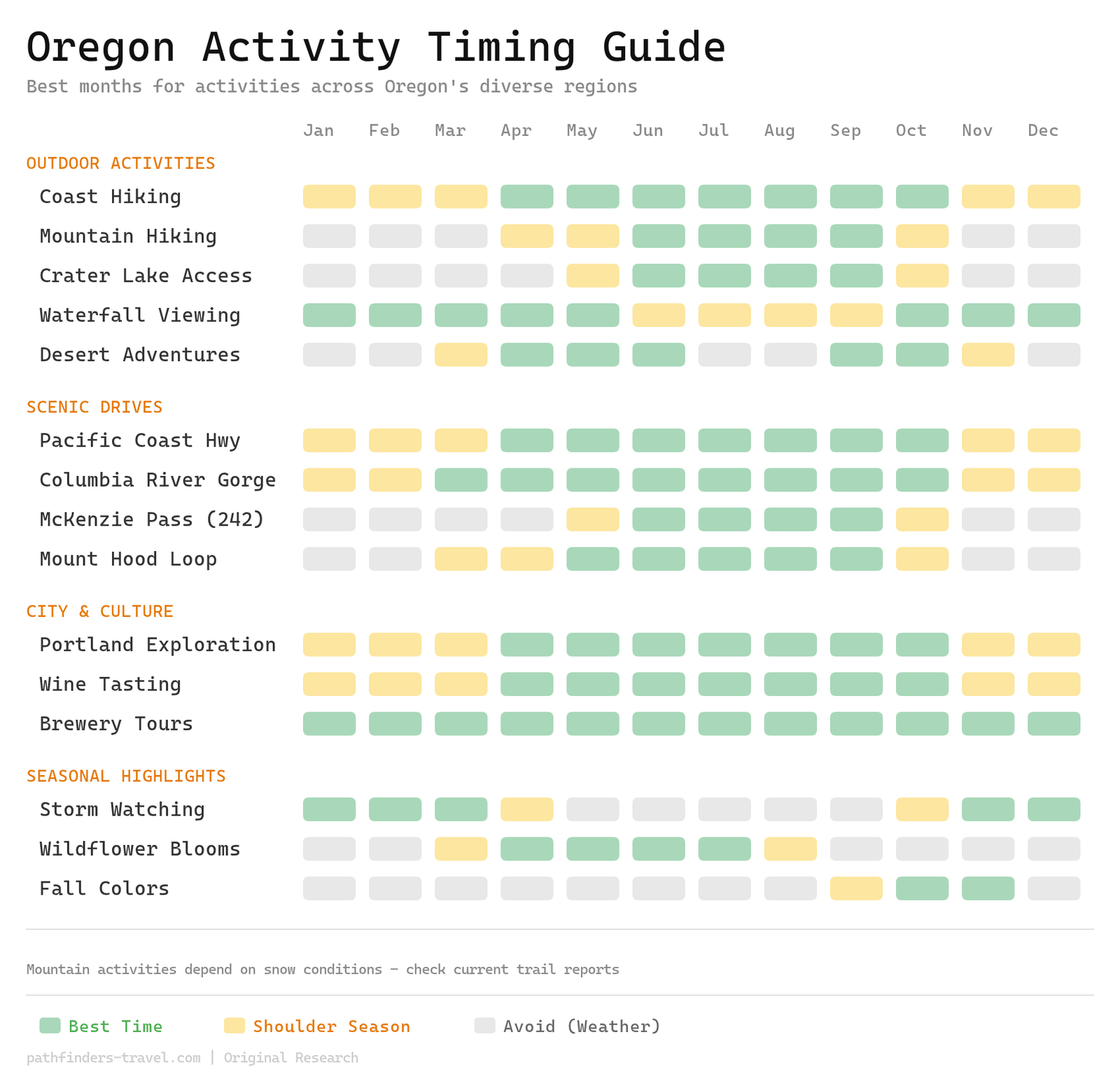
Summer runs from July through September. This is peak season. You’ll find the warmest, driest weather across the state. The coast, mountains, and high desert all shine during these months. Major attractions get crowded, and prices climb. Book lodging early if you’re traveling in August.
Spring arrives in April and lasts through June. Waterfalls run at full strength from snowmelt. Wildflowers carpet the hillsides. Temperatures stay mild, but pack rain gear. This season offers better prices and smaller crowds than summer. May and June bring the peak wildflower show.
Fall spans October and November. Tourist numbers drop after Labor Day. The Willamette Valley celebrates harvest season. Leaves turn gold and red across the state. Coastal storms start rolling in by late October. Wine country looks its best during these months.
Winter lasts from December through March. The coast becomes prime territory for storm watching. Mount Hood’s ski resorts open. Crater Lake often closes due to snow. Mountain passes require chains. Check Oregon State Parks conditions before heading out.
Gray whales migrate past the coast twice yearly, from December through January and again from March through May. The coast stays cool and foggy even in July. The high desert bakes in summer. Mountain snow lingers from October through June.
Getting to Oregon
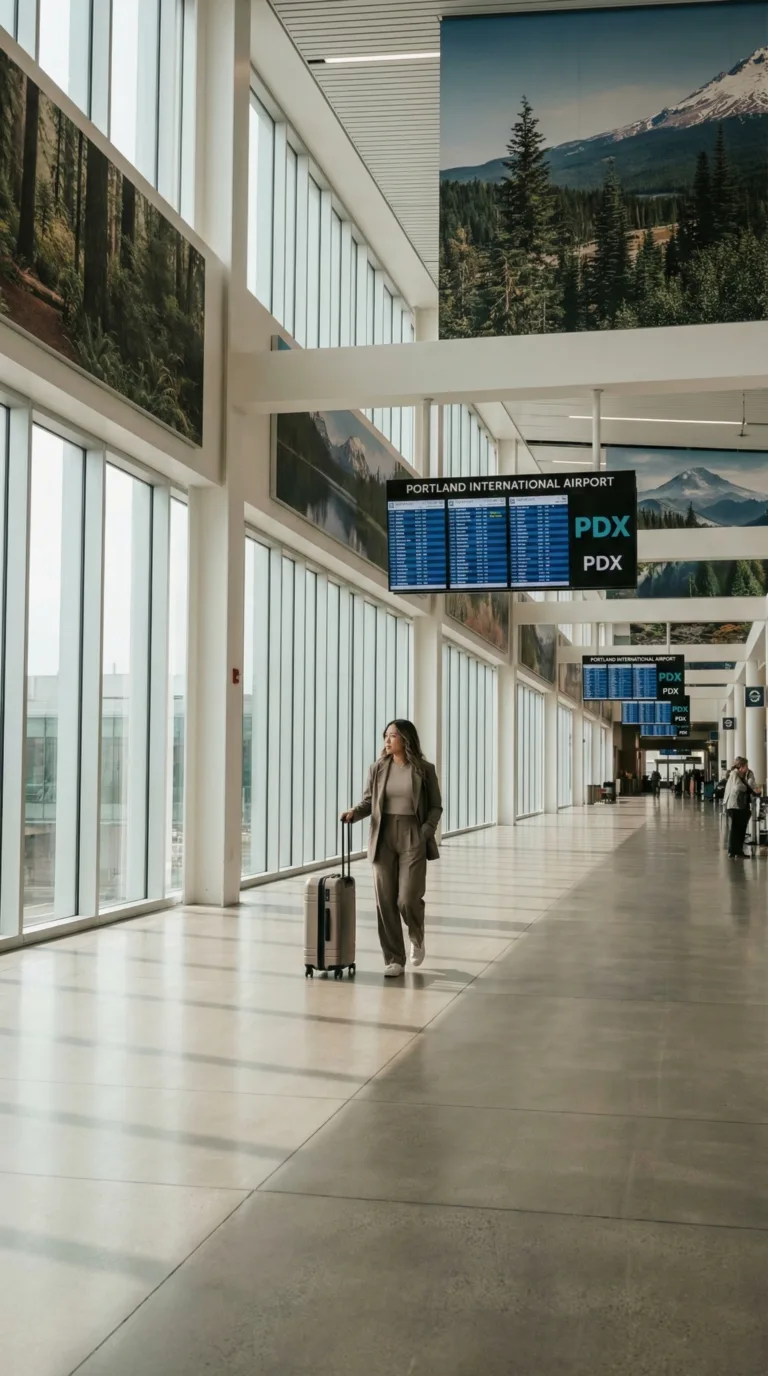
Most visitors fly into Portland International Airport (PDX), the state’s main hub with direct flights from across the US and international connections. Regional airports in Eugene, Medford, and Redmond serve smaller cities if you’re heading straight to the coast or central Oregon. Flying into Portland and renting a car gives you the most flexibility to explore the state on your own schedule.
By road, Interstate 5 runs north-south through the Willamette Valley, connecting Washington and California. Interstate 84 follows the Columbia River Gorge heading east. Highway 101 traces the entire Pacific Coast with ocean views for 363 miles. All three routes offer scenic drives with frequent rest stops.
The Amtrak Cascades connects Portland to Seattle and Eugene, while the Amtrak Coast Starlight runs with Portland south and Los Angeles along the I-5 corridor. Greyhound buses link major cities for budget travelers. US citizens need a valid ID to fly domestically. International visitors require a passport and either a visa or ESTA authorization for entry.
Getting Around Oregon
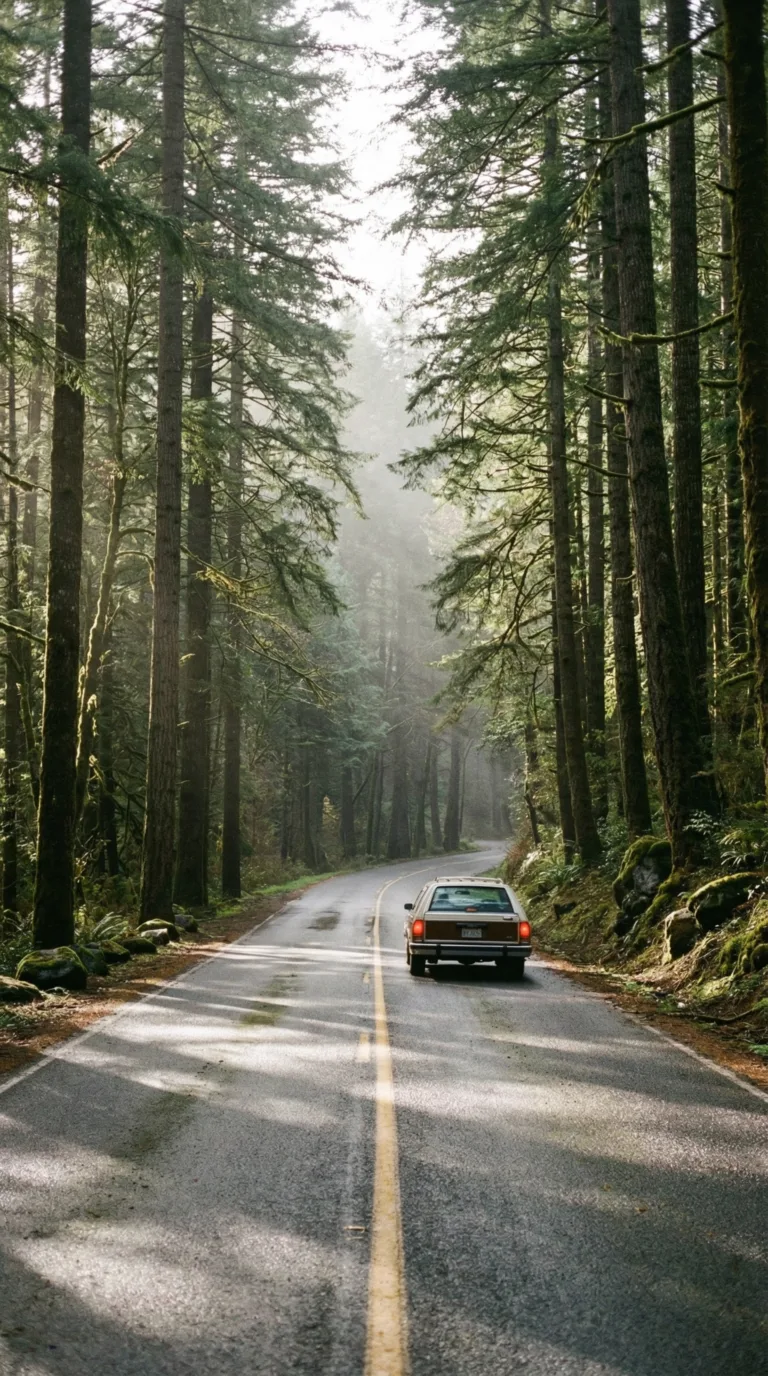
Renting a car is essential for exploring Oregon beyond Portland. Public transit barely exists outside the city, so pick up your rental at PDX airport for the best rates and selection. Before you leave, check TripCheck for real-time road conditions, especially if you’re crossing the Cascades or heading to the coast in winter.
From November through April, mountain passes like Santiam, Willamette, and Government Camp require chains or traction tires. The ODOT Know Before You Go page explains current requirements. Highway 101 along the coast is beautiful but slow, with tight curves and frequent viewpoints that tempt you to stop. Plan extra time.
Gas stations get sparse in Eastern Oregon and remote mountain areas. Fill up whenever you pass through a town. In Portland, the MAX light rail, streetcar, and buses cover most neighborhoods, and the city is very bike-friendly. Most state parks and trailheads offer free parking, though some national forest sites require a Northwest Forest Pass.
Oregon Travel Budget: What to Expect

Planning Tip
Oregon works for most budgets. A shoestring traveler camping and eating at food carts can get by on $60 to $80 per day. Mid-range visitors staying in hotels and dining at casual restaurants should plan for $100 to $150 daily. Luxury travelers booking coastal resorts and fine dining will spend $200 or more.
Food carts serve meals for $8 to $15. Casual sit-down restaurants charge $15 to $25 per person. Mid-range dining runs $25 to $45. Craft breweries pour pints for $6 to $8.
Most state parks charge $10 for day use or nothing at all. A national park pass costs $30. Guided tours typically run $75 to $150. Gas prices hover around $3.50 to $4.50 per gallon, and car rentals start at $40 to $80 daily.
Save money by visiting in April, May, October, or November. Camp instead of booking hotels. Stay in smaller towns off the coast. Pack lunches for day trips. Buy an annual state park pass if you plan multiple visits.
Portland & Columbia River Gorge
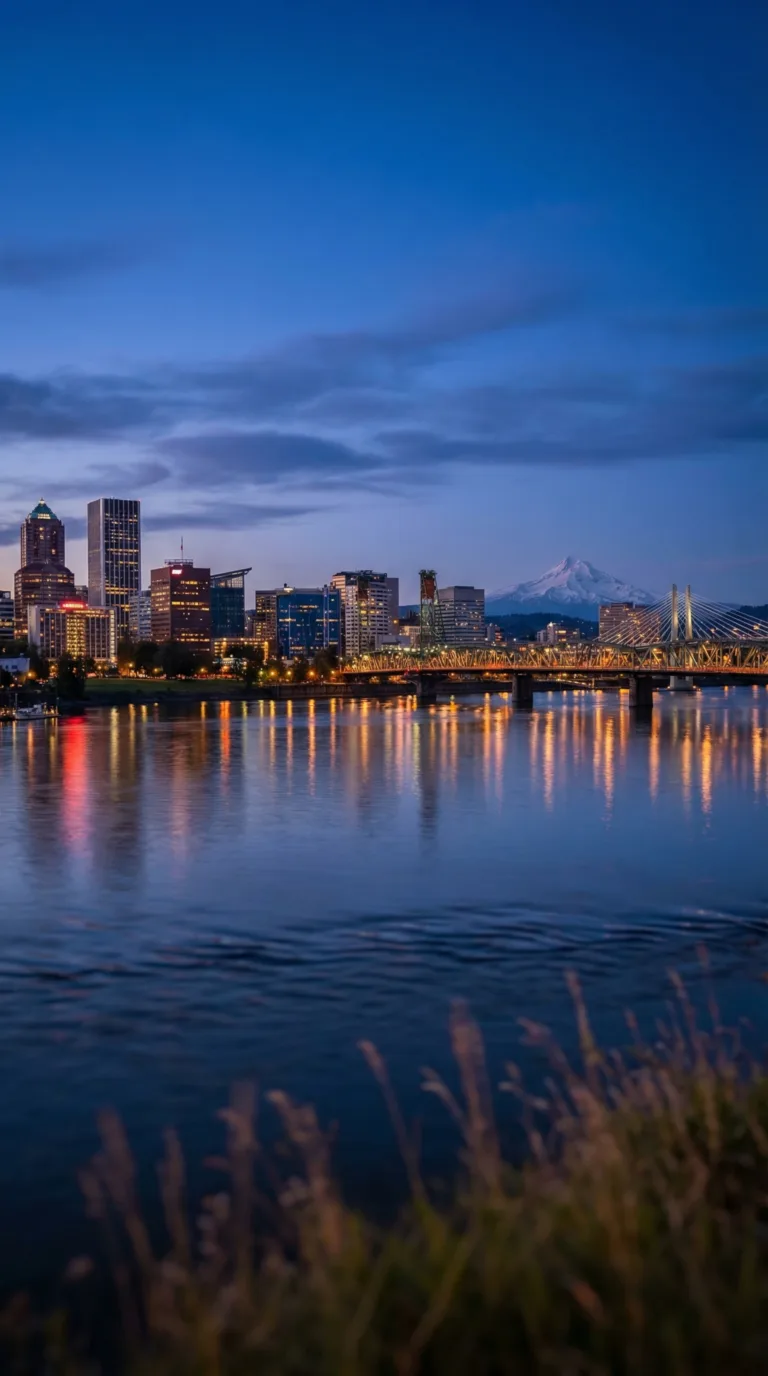
Portland and the Columbia River Gorge form Oregon’s urban-nature gateway, where you can browse independent bookstores in the morning and stand at the base of a 620-foot waterfall by afternoon. This region pairs craft beer culture, food carts serving 50+ cuisines, and bike lanes threading through tree-lined neighborhoods with wilderness access that starts just 30 minutes from downtown. The Travel Portland official tourism website offers current event listings and neighborhood guides for planning your visit.
Portland
Portland, Oregon’s largest city, spreads across both banks of the Willamette River beneath the shadow of Mount Hood. Powell’s City of Books occupies an entire city block with over one million volumes. The food cart scene clusters around downtown pods, where you can eat Korean tacos, Ethiopian stews, and Czech pastries without crossing a street. Washington Park holds the Japanese Garden (considered one of the most authentic outside Japan) and the International Rose Test Garden with 10,000 rose bushes. The Pearl District showcases galleries and renovated warehouses, while Alberta Arts District hosts monthly art walks. Saturday Market runs along the waterfront March through December. Bike lanes connect most neighborhoods, and the “Keep Portland Weird” ethos shows up in everything from donut shops topped with cereal to bars serving tater tots at midnight. Wine country sits 45 minutes southwest; Mount Hood rises 90 minutes east. Continue to read -> Portland Travel Guide
Columbia River Gorge
Columbia River Gorge carves an 80-mile canyon through the Cascade Range, creating the only sea-level passage through the mountains. More than 90 waterfalls drop from basalt cliffs along the gorge walls. Multnomah Falls plunges 620 feet in two tiers and draws over two million visitors each year. The Historic Columbia River Highway winds past Vista House (a 1918 observatory perched 733 feet above the river) and connects waterfall trailheads. The Wahkeena-Multnomah loop climbs 1,600 feet through old-growth forest past five waterfalls in 5.4 miles. Eagle Creek Trail reopened in 2022 after the 2017 wildfire, though some sections remain closed. Hood River, the gorge’s main town, hosts windsurfers riding consistent winds and a downtown lined with breweries. Cascade Locks offers boat tours and access to the Pacific Crest Trail. The Columbia River Gorge National Scenic Area manages recreation permits and trail conditions. Waterfalls flow heaviest March through May; summer brings crowds and occasional trail closures due to fire danger. Continue to read -> Columbia River Gorge Travel Guide
What should I pack for Oregon?
Oregon throws everything at you in one trip — foggy, rainy coast; tide pools and whale-watching headlands; waterfall and Cascade hikes; and high-desert sun in Bend. The weather can swing 40° in a day, so pack for wet, warm and everything between:
- A packable waterproof rain jacket — coast and Cascades get rain even in July
- A fleece layer — mornings are cool and foggy; afternoons warm
- Quick-dry water shoes — tide pools, beaches and wet forest trails
- Sturdy hiking boots — for the Cascade and waterfall trails
- A daypack with hydration — long trail days with no facilities
- A wide-brim sun hat — high-desert sun in Bend is stronger than it feels
- A pair of binoculars — gray whales migrate right past the Oregon coast
- A waterproof dry bag — keeps gear dry on the coast and the rivers
As an Amazon Associate we earn from qualifying purchases.
Oregon Coast: North
The northern Oregon coast is the most visited stretch of Oregon’s shoreline, and for good reason. It sits just 90 minutes from Portland, making it an easy weekend escape. This section runs from the Columbia River south to Lincoln City, offering dramatic sea stacks, wide sandy beaches, and small towns with local character. If you travel to Oregon coast for the first time, this is where most people start.
The Oregon State Parks system manages much of the coastline here, keeping beaches public and accessible. You’ll find free parking at most beach access points, though summer weekends fill up fast.
Cannon Beach
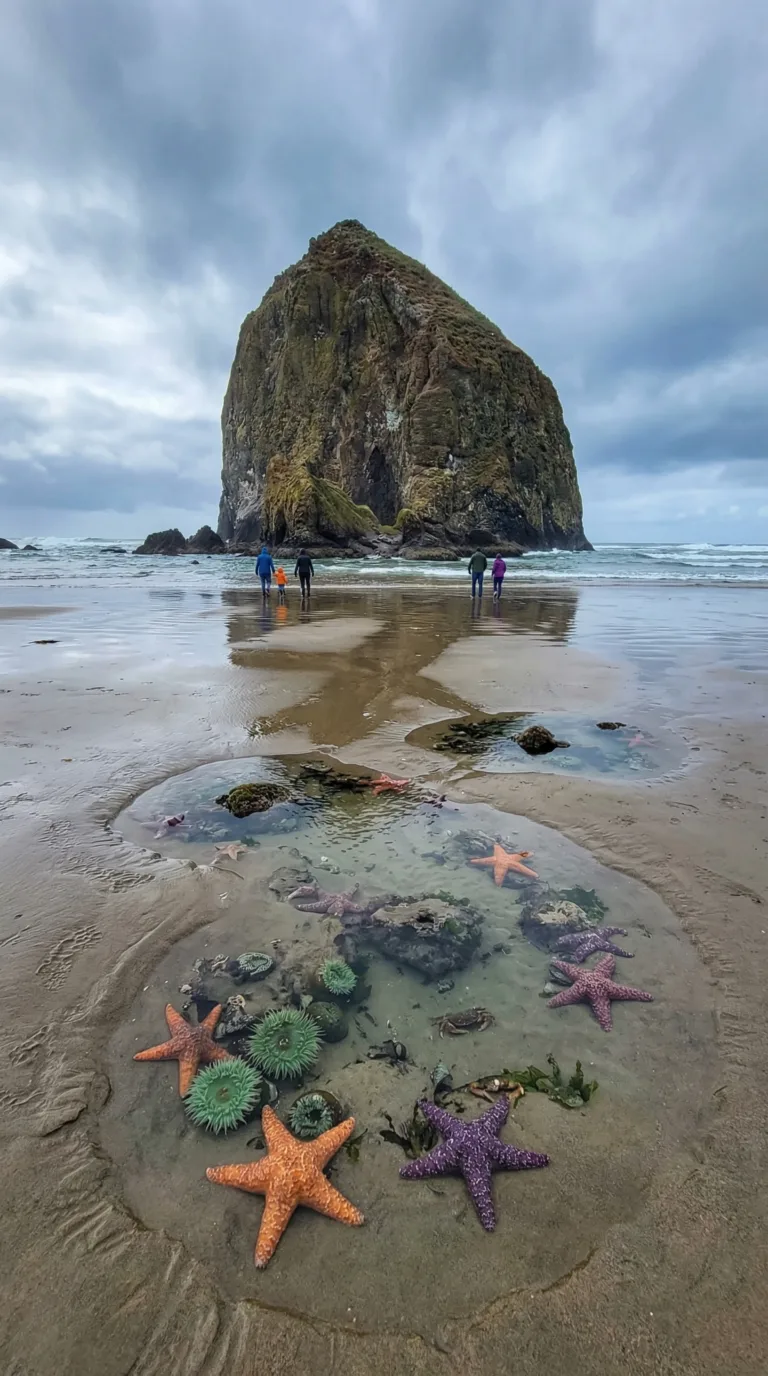
Cannon Beach is Oregon’s most famous beach town, known for the 235-foot Haystack Rock that rises from the sand like a giant’s thumb. At low tide, tide pools form around the base, filled with starfish, anemones, and hermit crabs. Puffins nest on the rock from April through August. The beach itself stretches for miles, perfect for long walks with the Pacific crashing beside you.
Downtown Cannon Beach has art galleries, coffee shops, and restaurants packed into a few walkable blocks. Ecola State Park sits just north of town, offering coastal hiking trails and viewpoints over the ocean. This is the most photographed spot on the Oregon coast, which means summer crowds. Visit early morning or during the off-season for a quieter experience. The Cannon Beach Chamber of Commerce website lists current events and lodging options.
(Full guide to Cannon Beach coming soon)
Tillamook
Tillamook sits a few miles inland from the coast, surrounded by green dairy pastures. The Tillamook Creamery is the main draw, a massive cheese factory offering free samples, ice cream, and self-guided tours. It’s a good stop if you’re traveling with kids.
Tillamook also serves as the gateway to the Three Capes Scenic Loop, a 40-mile drive that hits Cape Meares, Cape Lookout, and Cape Kiwanda. Each cape offers different views and hiking options. The Tillamook Air Museum, housed in a World War II blimp hangar, displays vintage aircraft. The best time to travel to Oregon coast around Tillamook is spring or fall, when the weather is mild and the roads are less crowded.
Cape Kiwanda
Cape Kiwanda sits near Pacific City at the southern end of the Three Capes Loop. A massive sand dune rises next to the beach, you can climb it for views across the ocean and down the coast. The cape itself is made of sandstone cliffs that glow orange at sunset. Local dory fishermen launch their flat-bottomed boats directly into the surf, a tradition that goes back generations.
This spot feels more rugged than Cannon Beach. Fewer tourists, more wind, and a grittier vibe. Pelican Brewing sits right on the beach, serving beer and fish tacos with ocean views. If you want drama over polish, Cape Kiwanda delivers.
Oregon Coast: Central
The central coast trades the sandy beaches of the north for rugged cliffs, tide pools, and dramatic headlands. This stretch feels quieter than Cannon Beach or Seaside, with small towns tucked between rocky points. Whale watching peaks here during spring and winter migrations, and lighthouses perch on clifftops above crashing waves.
Newport
Newport is the central coast’s largest town and a working fishing port. The historic Bayfront district lines the harbor with seafood restaurants and docks where sea lions bark from floating platforms. The Oregon Coast Aquarium draws families with its sea otter exhibit and walk-through underwater tunnels. North of town, Yaquina Head Outstanding Natural Area features a lighthouse, tide pools at low tide, and whale watching viewpoints. Nye Beach neighborhood offers galleries and cafes a few blocks from the sand. Newport provides full services without the crowds of Cannon Beach, making it a practical base for exploring the central coast.
Yachats
Yachats is a tiny artsy village of about 700 people known as the “Gem of the Oregon Coast.” The 804 Trail runs along rocky shoreline through town, passing tide pools and wave-carved basalt. Just south, Thor’s Well creates a dramatic blowhole effect at high tide, appearing to drain the ocean into a stone bowl. Cape Perpetua Scenic Area climbs to the highest coastal viewpoint in Oregon, with trails through old-growth forest. The Yachats Chamber of Commerce website lists local galleries and storm-watching spots. Winter storms bring big waves that crash over the rocks, drawing photographers and storm watchers.
Heceta Head Lighthouse
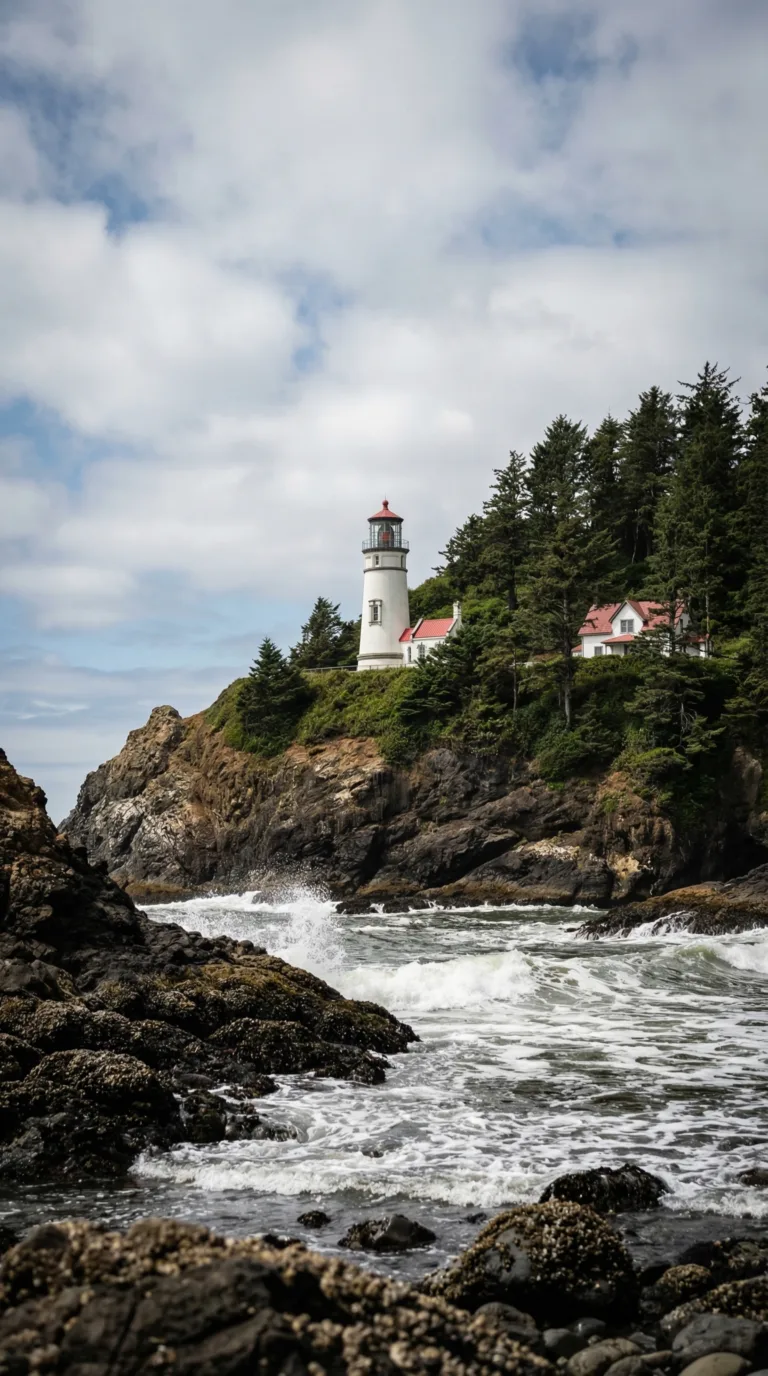
Heceta Head Lighthouse is the most photographed lighthouse in America. Built in 1894, the white tower sits 205 feet above the ocean on a dramatic cliff between Yachats and Florence. A half-mile trail climbs from the parking area to the lighthouse, with coastal views the entire way. The keeper’s house now operates as a bed and breakfast. Sunset provides the best light for photography. The Heceta Head Lighthouse State Scenic Viewpoint includes picnic areas and beach access. A few miles south, Sea Lion Caves offers tours of the largest sea cave in America, where Steller sea lions gather year-round.
Oregon Coast: South
The southern coast is Oregon’s wildest stretch of shoreline. Fewer crowds, more rock formations, and dramatic cliffs that drop straight into the Pacific. It sits farther from Portland, about four hours by car, but photographers and anyone seeking solitude will find the drive worthwhile.
This section feels different from the north. The beaches are rockier. The towns are smaller. The landscape is raw and less developed, shaped by wind and waves with minimal human interference.
Bandon
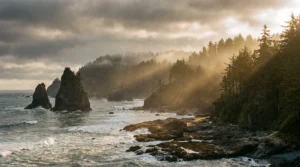
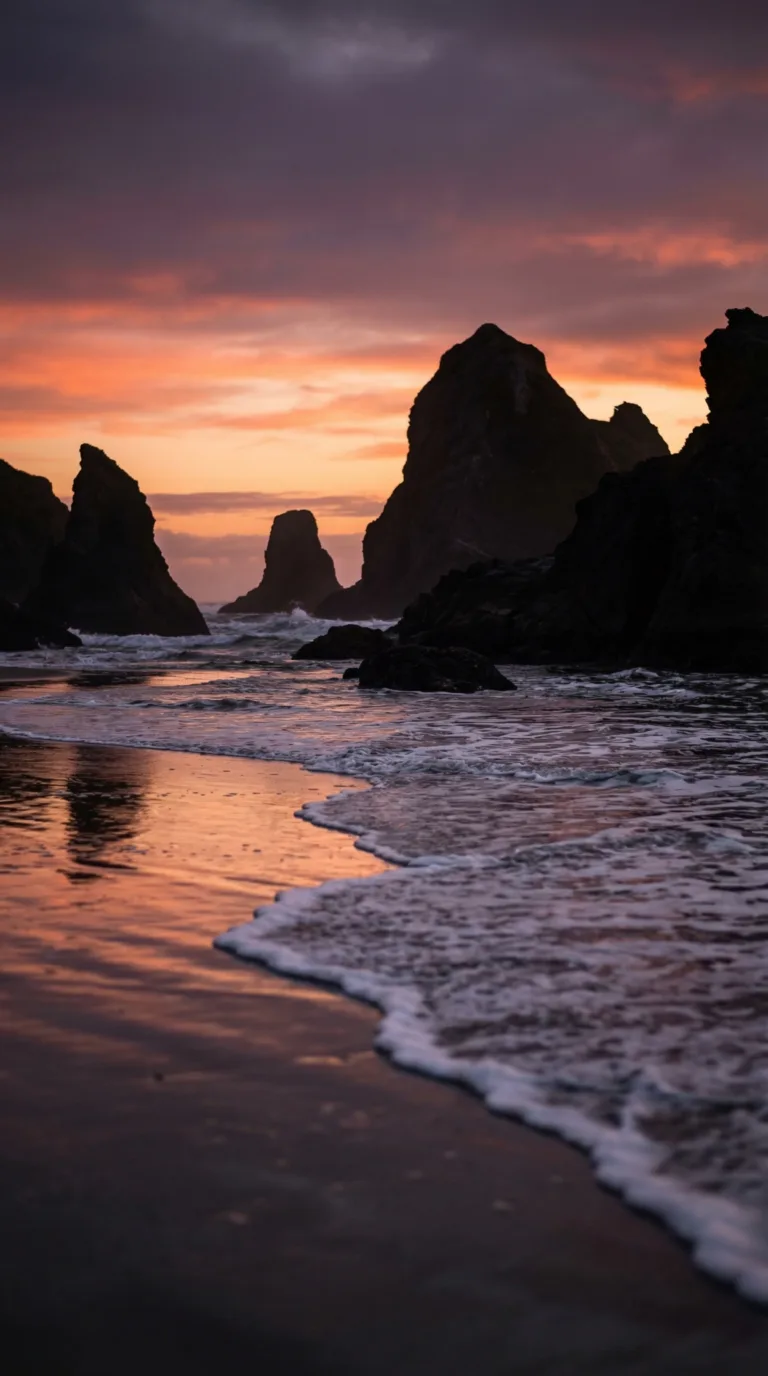
Bandon is the southern coast’s standout destination, known for its sea stacks and rock formations that rise from the sand like sculptures. Face Rock, Cat and Kittens Rocks, and dozens of other formations create the best beach photography on the Oregon coast, especially at sunset when the light turns orange and pink behind the silhouettes.
Old Town Bandon has galleries, shops, and seafood restaurants along the waterfront. Nearby, Coquille River Lighthouse sits at the river mouth, and cranberry bogs spread across the countryside. Bandon Dunes Golf Resort draws golfers from around the world for its links courses that run along the cliffs. The Bandon Chamber of Commerce website lists current events and lodging options.
(Full guide to Bandon coming soon)
Brookings
Brookings sits at Oregon’s southern edge, just 30 minutes north of California’s Redwood National Park. The town calls itself the ‘Pulse of America’ for its mild year-round climate, temperatures rarely drop below 40°F or rise above 70°F.
Samuel H. Boardman State Scenic Corridor stretches 12 miles north of town, offering dramatic cliffs, hidden beaches, and the Natural Bridges viewpoint where rock arches frame the ocean. Azalea Park blooms with wild azaleas each spring. Brookings sees fewer tourists than northern coastal towns, making it a good choice for budget travelers who want access to wild coastline without the crowds.
(Full guide to Brookings coming soon)
Willamette Valley & Cascade Waterfalls
The Willamette Valley stretches south from Portland between the Coast Range and Cascade foothills. This agricultural heartland produces most of Oregon’s wine, with over 500 wineries concentrated around Dundee and McMinnville. But the real draw lies in the Cascade foothills to the east, where dozens of waterfalls tumble through old-growth forest. Most travelers skip this region for the coast or mountains, which means you’ll find fewer crowds and easier access from Interstate 5.
Silver Falls State Park
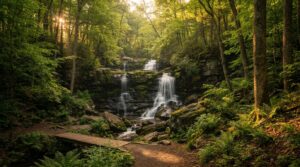
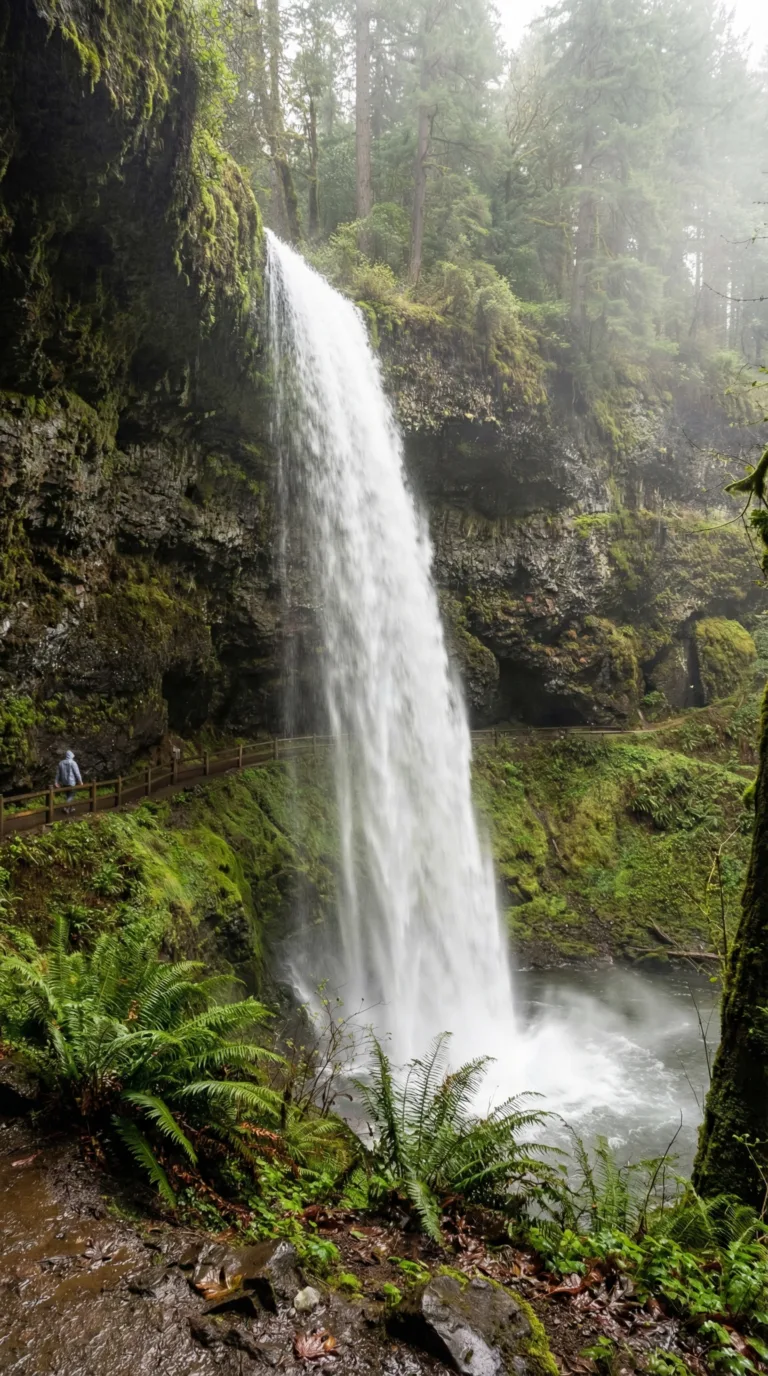
Silver Falls State Park sits one hour east of Portland near Salem. At 9,000 acres, it’s Oregon’s largest state park. The Trail of Ten Falls loops 7.2 miles past ten waterfalls, including four you can walk behind. South Falls drops 177 feet over a moss-covered basalt cliff, with the trail passing directly behind the curtain of water. This is the best waterfall hike in Oregon for oregon vacation ideas, more immersive than the Columbia Gorge trails and less crowded. Water flow peaks in spring after winter rains, but the trail stays open year-round. Budget three to four hours for the full loop. Camping is available in the park. Silver Falls State Park charges a $10 day-use fee per vehicle. Continue to read -> Silver Falls State Park Travel Guide
Sahalie Falls
Sahalie Falls thunders 100 feet down a lava flow on the McKenzie River, 1.5 hours east of Eugene in Willamette National Forest. The easy 0.6-mile paved loop also passes Koosah Falls downstream. The volume of water here exceeds most Oregon waterfalls, the McKenzie River carries serious power. Old-growth Douglas fir and western hemlock surround the trail. Visit between May and October; snow closes the road in winter. Nearby Clear Lake marks the source of the McKenzie River, and Dee Wright Observatory offers views across recent lava fields. The Willamette Valley Wineries Association website lists tasting rooms along Highway 126 on your drive back to Eugene.
Mount Hood & the High Cascades
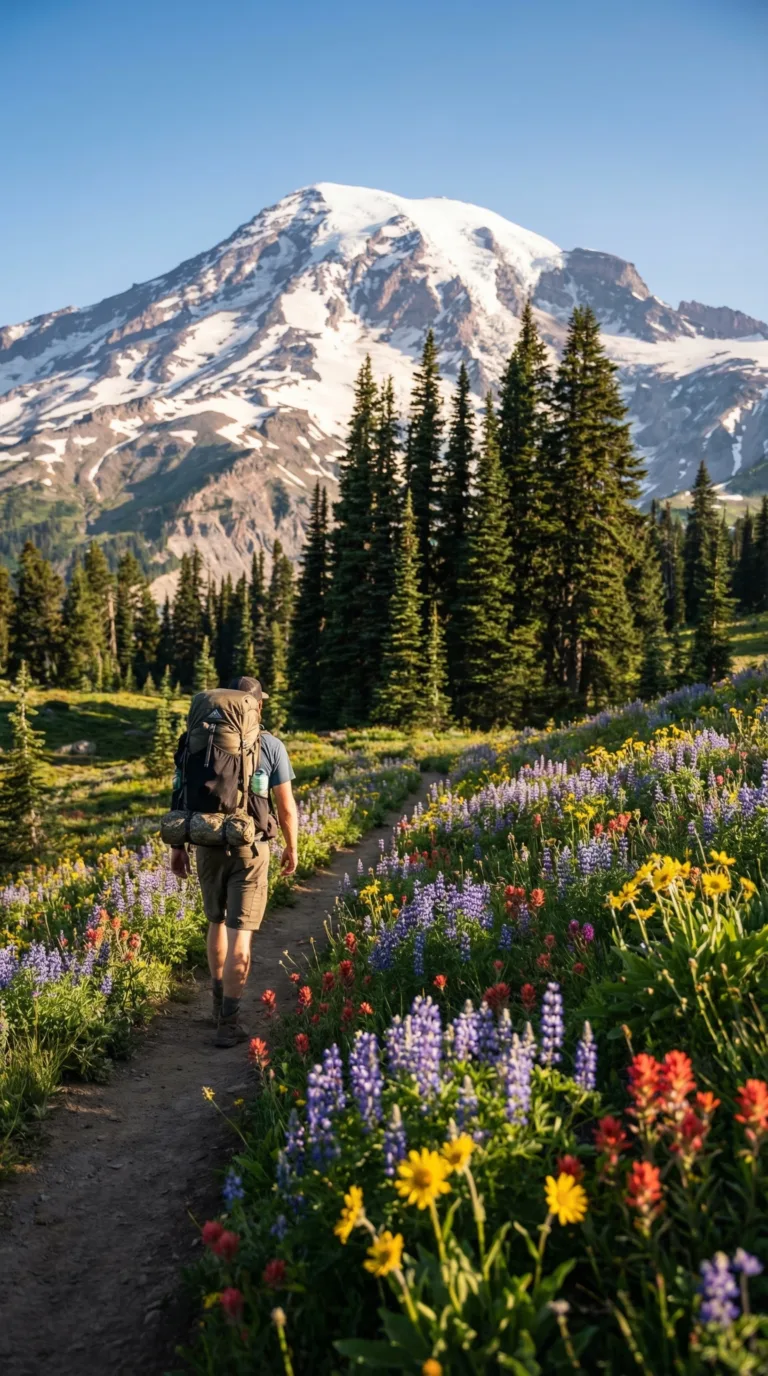
Mount Hood rises 11,240 feet above sea level, making it Oregon’s highest peak. On clear days, you can see its snow-covered cone from Portland, 60 miles to the west. The mountain anchors the northern Cascade Range and draws visitors year-round for skiing, hiking, and scenic drives through old-growth forests.
Mount Hood National Forest
The Mount Hood National Forest official USFS page covers over one million acres around Oregon’s highest peak, just 90 minutes from Portland. Summer brings hikers to trails like the 40-mile Timberline Trail that circles the mountain, the family-friendly Mirror Lake path, and Trillium Lake’s shoreline loop with postcard views of the peak reflected in calm water. Wildflower meadows bloom from July through August at higher elevations, painting alpine slopes in purple lupine and red paintbrush.
Winter transforms the mountain into one of the best places to visit in Oregon with family. Timberline Lodge official website operates North America’s only year-round ski area, with lifts running even in August. The lodge itself is a National Historic Landmark built during the Great Depression, and its exterior appeared in Stanley Kubrick’s film The Shining. Mt. Hood Meadows offers more terrain for snowboarders and skiers, while smaller resorts serve beginners.
Government Camp village sits at 3,900 feet elevation and provides lodging, restaurants, and gear rentals. The Mount Hood Scenic Byway loops around the mountain through forests and past waterfalls, while the Historic Barlow Road traces the final stretch of the Oregon Trail. Winter drivers need chains or traction tires, as snowfall can exceed 500 inches per season at higher elevations.
Continue to read -> Mount Hood National Forest Travel Guide
Central Oregon: High Desert & Adventure
Cross the Cascade crest and you enter a different Oregon. Central Oregon is high desert country, where ponderosa pines replace Douglas firs and the rain shadow keeps skies clear more than 300 days a year. Summer temperatures climb into the 90s. Winter nights drop below freezing. This is the dry side of the state, where outdoor recreation runs year-round and the craft beer scene rivals the mountain views.
The contrast with western Oregon is stark. Portland gets 36 inches of rain annually. Bend gets 11. That sunshine draws hikers, climbers, mountain bikers, skiers, and paddlers who want reliable weather and varied terrain within an hour’s drive.
Bend
Bend is Central Oregon’s outdoor recreation capital and the state’s fastest-growing city. The Deschutes River runs through downtown, where 30-plus craft breweries cluster within walking distance. That gives Bend more breweries per capita than any US city. Between the beer and the mountains, you understand why people move here.
Summer brings paddleboarders to the river and kayakers to nearby lakes. The Deschutes River Trail runs 12 miles through town. Mountain bikers hit Phil’s Trail network just west of downtown. Winter shifts focus to Mt. Bachelor ski resort, 30 minutes away, with 4,300 skiable acres and reliable snow through April. Downtown has farm-to-table restaurants and enough outdoor gear shops to outfit an expedition. Book ahead in summer when crowds fill hotels and campgrounds. (Full guide to Bend coming soon)
For trip planning details, check the Visit Bend official tourism website.
Smith Rock State Park
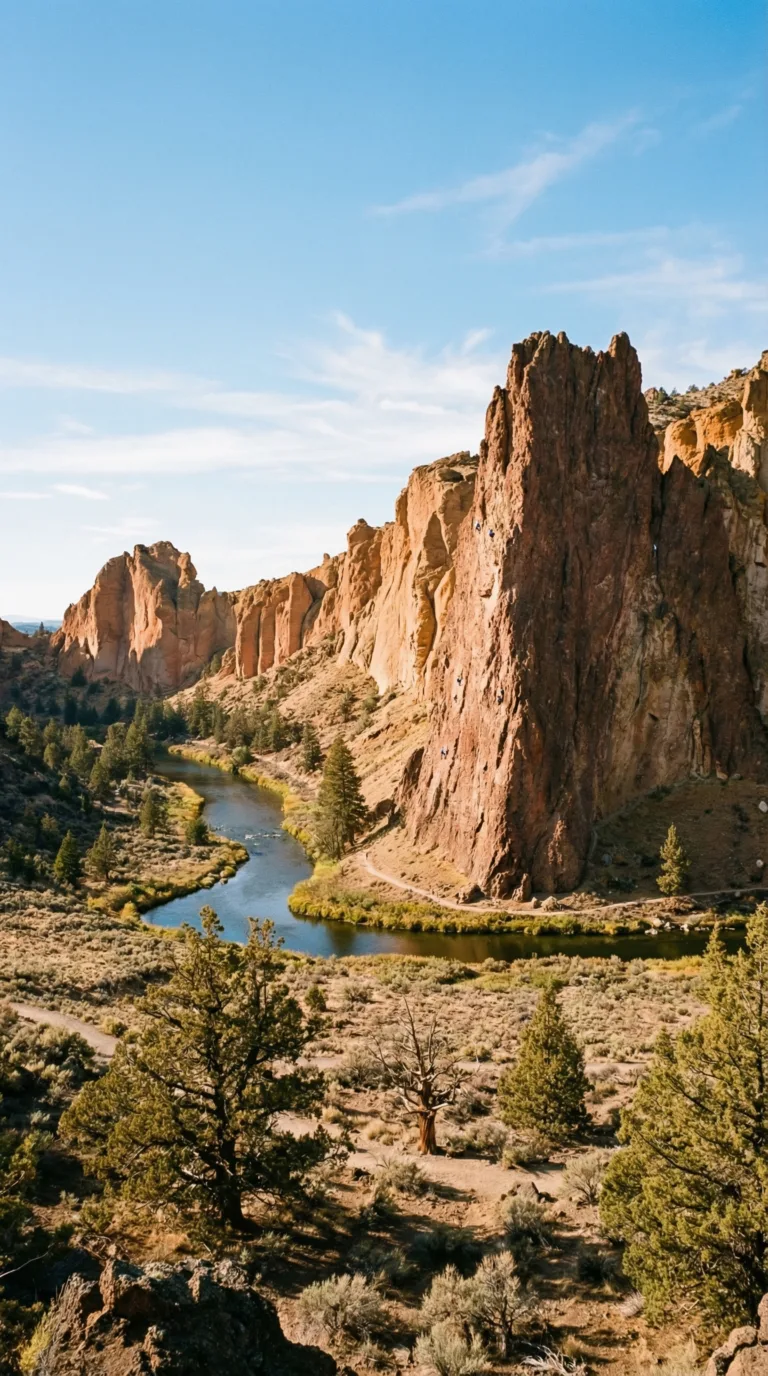
Smith Rock State Park sits 30 minutes north of Bend, where 600-foot orange and red cliffs rise from the Crooked River. Climbers know it as one of the world’s top sport climbing destinations, with more than 1,800 routes bolted into the volcanic rock. You’ll see people on the cliff faces from the parking lot.
Non-climbers come for the hiking. The Misery Ridge loop climbs 800 feet for views across the high desert to the Cascades. It covers four miles and takes most people two to three hours. The trail is steep but well-maintained. Juniper and sagebrush dot the landscape. Spring and fall offer the best conditions. Summer temperatures hit triple digits. Winter can bring ice to shaded sections. Day-use parking costs $10 per vehicle. Arrive before 9 a.m. in summer or you may not find a spot. The Oregon State Parks Smith Rock State Park page has current conditions and fees.
Sparks Lake
Sparks Lake sits 25 miles west of Bend on the Cascade Lakes Scenic Byway. This shallow alpine lake reflects South Sister and Broken Top mountains like a mirror on calm mornings. By late summer, it becomes more marsh than lake as water levels drop. Kayakers, canoeists, and paddleboarders launch here because motorized boats are banned. The silence and the views make it a favorite photography location, especially at sunrise.
Lava flows and wildflower meadows surround the lake. The road opens late June and closes in October when snow arrives. You need a Northwest Forest Pass to park, available at ranger stations or online for $5 per day. Nearby Todd Lake, Hosmer Lake, and Elk Lake offer more paddling options if you want to explore the byway further.
Southern Oregon: Crater Lake & Beyond
Southern Oregon trades the rain-soaked coast for volcanic landscapes, award-winning theater, and sunny wine valleys. This region sits farther from Portland, four to five hours by car, but it contains Oregon’s only national park and some of the state’s most dramatic scenery. The mountains here belong to the southern Cascades, where ancient eruptions carved out one of North America’s deepest lakes. Travel Southern Oregon covers everything with Shakespeare performances and whitewater rafting.
Crater Lake National Park
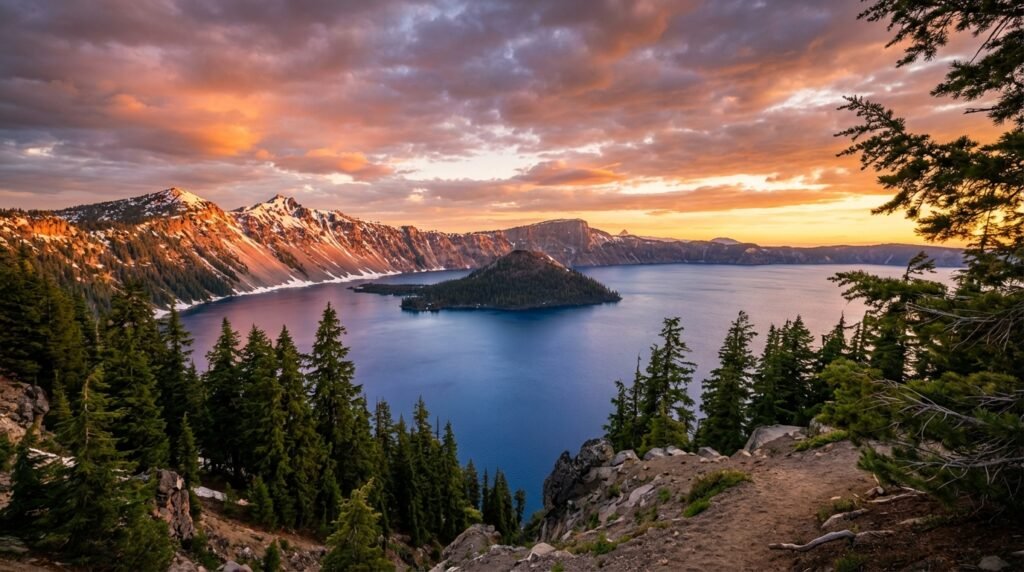
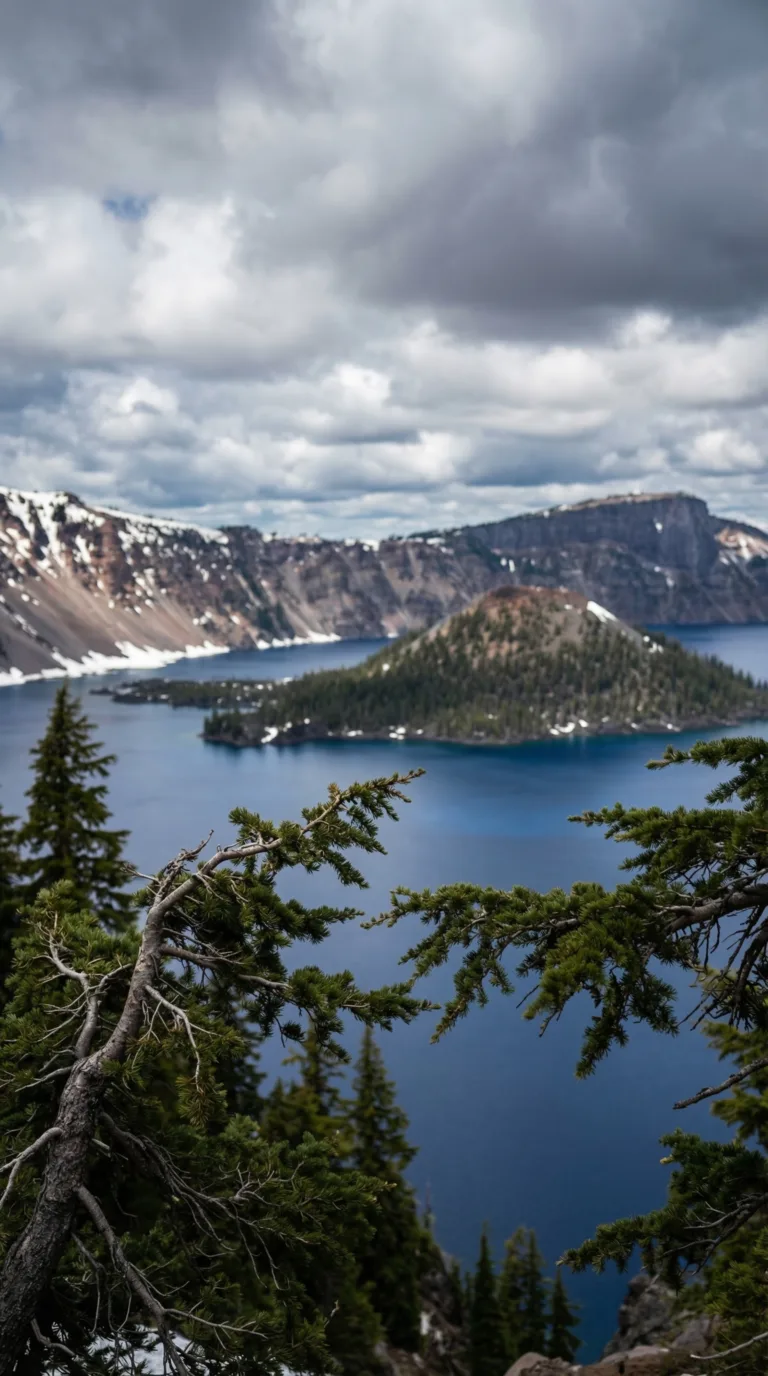
Crater Lake National Park is Oregon’s crown highlight. The lake fills the collapsed crater of Mount Mazama, which erupted 7,700 years ago. At 1,943 feet deep, it’s the deepest lake in the United States. No rivers feed it, only rain and snow, which explains the impossibly blue water that looks almost unreal in photographs.
Rim Drive circles the caldera for 33 miles, connecting viewpoints that look down into the basin. The road opens July through October, after snowplows clear the winter accumulation. Crater Lake National Park receives over 40 feet of snow each winter, so plan your visit for summer or early fall.
Wizard Island rises from the lake like a miniature volcano. Boat tours run in summer, departing from Cleetwood Cove. The Cleetwood Cove Trail is the only legal path to the water, a steep 1.1-mile descent that you’ll have to climb back up. For easier hiking, try Watchman Peak for sunset views or Garfield Peak for a longer trek with wide vistas.
In winter, the park transforms into a cross-country skiing and snowshoeing destination. Only the south entrance stays open year-round. Park entrance costs $30 and covers seven days. The nearest towns, Klamath Falls and Medford, sit more than an hour away, so plan a full day for your visit. Read more about Crater Lake National Park in our Crater Lake National Park Travel Guide.
Ashland
Ashland sits near the California border, known for the Oregon Shakespeare Festival. This Tony Award-winning theater company runs February through October, staging 11 plays in repertory. Even if you skip the shows, the walkable downtown offers farm-to-table restaurants, art galleries, and Lithia Park, a 93-acre green space designed in Japanese garden style.
Southern Oregon University gives the town a progressive, college-town atmosphere. Wine tasting rooms dot the Rogue Valley nearby, and hiking trails wind through Cascade-Siskiyou National Monument. Ashland makes a comfortable base for visiting Crater Lake, two hours north. The town feels more upscale and cultural than most Oregon destinations.
Rogue River
Rogue River flows with the Cascades and the Pacific, cutting through roadless wilderness. The river earned Wild and Scenic designation for its Class III and IV rapids, which attract whitewater rafters from across the country. Multi-day trips require permits and advance planning, but day trips launch from Grants Pass and Merlin between May and September.
The Rogue River Trail stretches 40 miles through canyon country, passing historic lodges accessible only by boat or on foot. Jet boat tours offer a tamer way to see Hellgate Canyon and spot bald eagles, black bears, and salmon. This is Oregon’s wild side, perfect for travelers who want adventure beyond the usual sightseeing.
Eastern Oregon: Hells Canyon Wilderness
Eastern Oregon is the state’s most remote corner. Few visitors make it here, but those who do find true wilderness. This is high desert country, far from the coast and the Cascades. The landscape is dry, rugged, and open. It feels more like Idaho or Nevada than western Oregon.
Hells Canyon
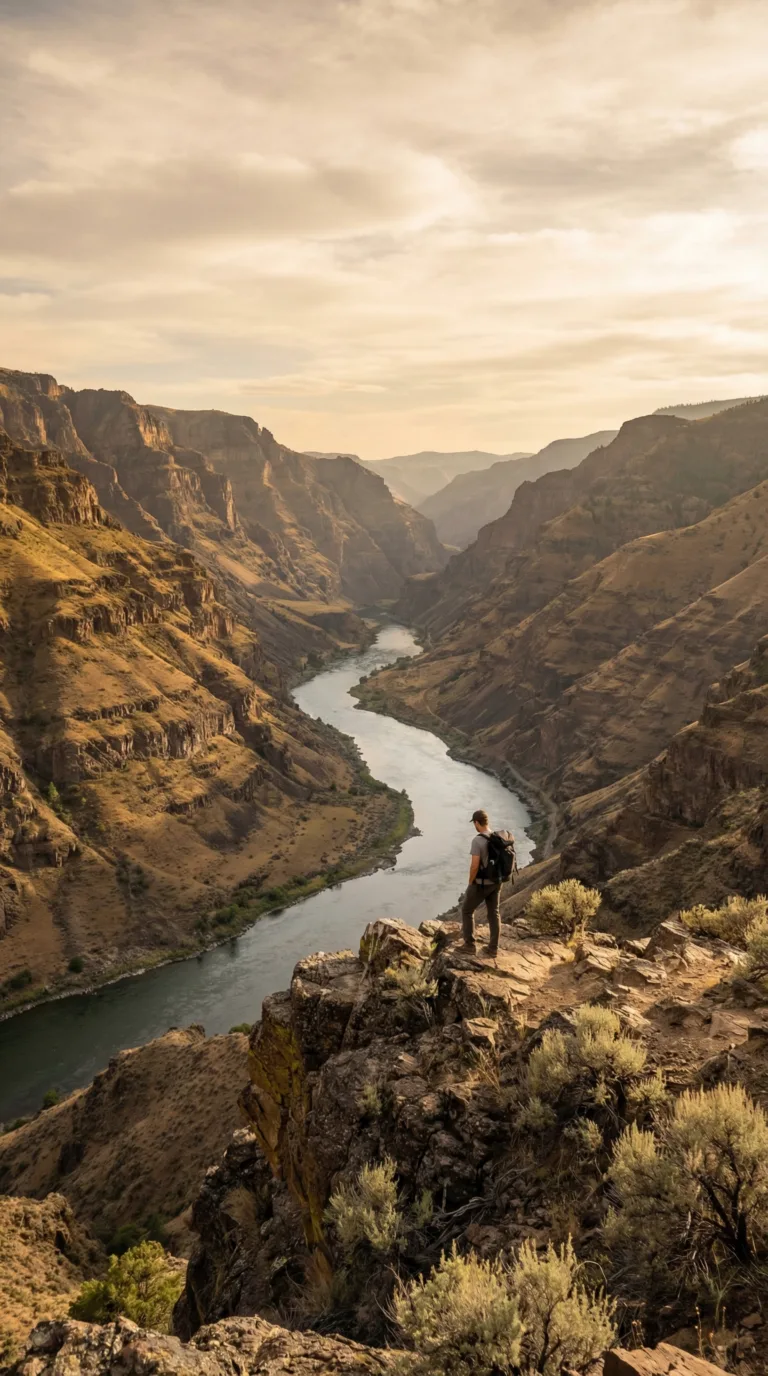
Hells Canyon is the deepest river gorge in North America. It drops more than 8,000 feet from rim to river, deeper than the Grand Canyon. The Snake River carves through the bottom, forming the Oregon-Idaho border. This is serious backcountry. You’ll not find crowds here.
Access the canyon via the Hells Canyon Scenic Byway from Joseph, a historic cowboy town worth a stop. The drive to Hat Point overlook covers 23 miles of gravel road from Imnaha. You can also take jet boat tours from Lewiston, Idaho, or backpack into the Hells Canyon National Recreation Area official USFS page. Summer brings heat. Winter closes roads with snow. Late spring and early fall offer the best conditions. Plan at least six hours from Portland, and book a night in Joseph or Enterprise. This is for adventurous travelers seeking solitude, not a quick day trip.
Oregon Itineraries: 3, 4, and 5 Days
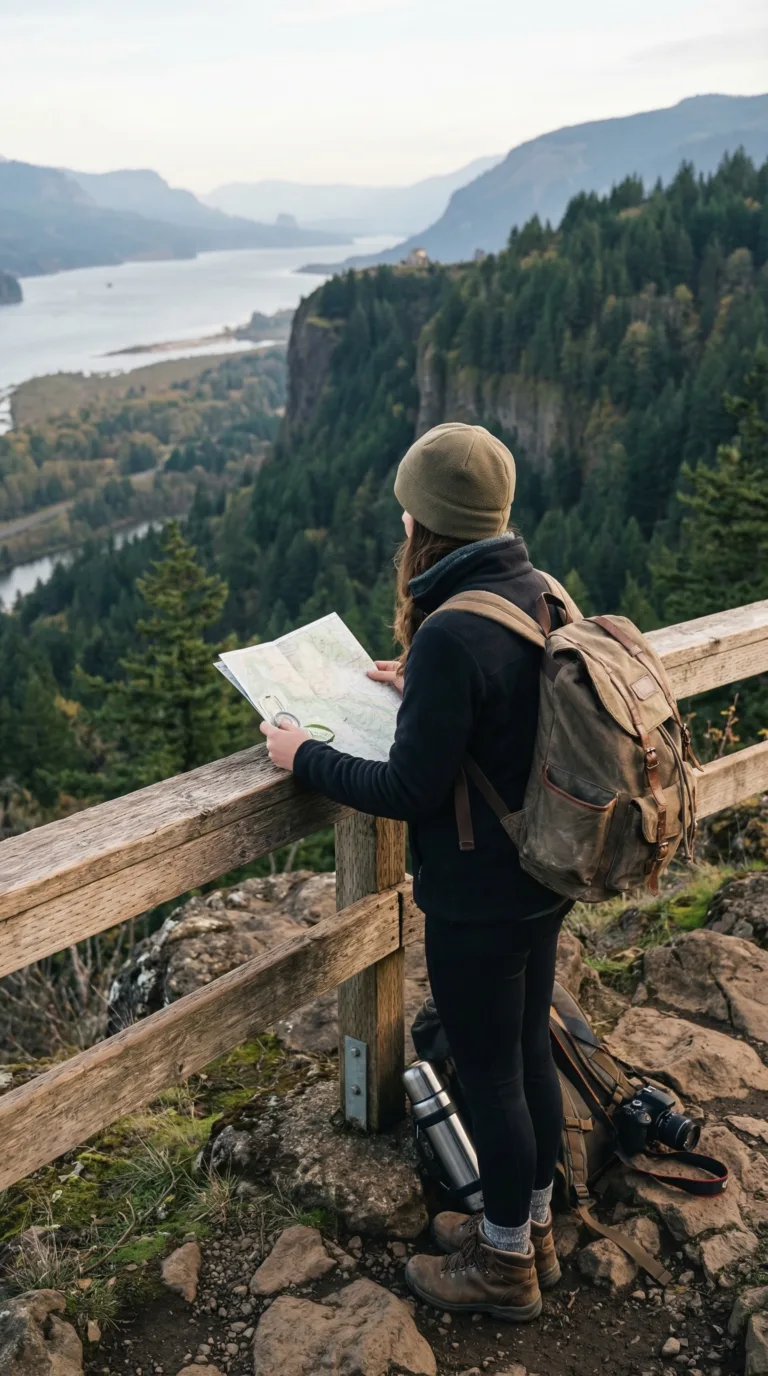
Oregon covers 98,000 square miles. You can’t see it all in one trip. These itineraries focus on the most accessible highlights within driving distance of Portland. All three assume you rent a car at Portland International Airport.
5-Day Oregon Itinerary
Best for: First-time visitors wanting to see coast, mountains, and city highlights.
| Day | Destination | Highlights |
|---|---|---|
| 1 | Portland | Explore downtown, Powell’s Books, food carts, Washington Park, brewery tour |
| 2 | Columbia River Gorge | Multnomah Falls, Historic Highway, Vista House, Hood River; drive to Mount Hood for sunset at Timberline Lodge |
| 3 | Bend | Drive over Cascade passes (scenic), explore downtown Bend, brewery tour, Deschutes River Trail |
| 4 | Crater Lake | Day trip to Crater Lake National Park (2 hours from Bend), Rim Drive, short hikes, return to Bend |
| 5 | Return to Portland via Willamette Valley | Stop at Silver Falls State Park (Trail of Ten Falls), wine tasting in Willamette Valley, return to Portland |
Transport note: Total driving approximately 650 miles. Requires car. Best June through September when all roads open.
4-Day Oregon Itinerary
Best for: Travelers prioritizing coast and Columbia Gorge over high desert.
| Day | Destination | Highlights |
|---|---|---|
| 1 | Portland | City exploration, Powell’s, food scene, neighborhoods |
| 2 | Columbia River Gorge & Mount Hood | Waterfalls, scenic drives, Timberline Lodge |
| 3 | Oregon Coast | Drive to Cannon Beach (90 min), Haystack Rock, Ecola State Park; continue south to Tillamook Creamery, overnight Newport or Yachats |
| 4 | Central Coast & Return | Heceta Head Lighthouse, Cape Perpetua, return to Portland via Salem (stop at Silver Falls if time) |
Transport note: Total driving approximately 500 miles. Coastal Highway 101 is slow but scenic. Allow extra time.
3-Day Oregon Road Trip
Best for: Weekend warriors or travelers with limited time focusing on Portland area highlights.
| Day | Destination | Highlights |
|---|---|---|
| 1 | Portland | Full day in city: downtown, Pearl District, Alberta Arts, food carts, breweries, Powell’s Books |
| 2 | Columbia River Gorge | Multnomah Falls, Historic Columbia River Highway, Vista House, Hood River, Mount Hood loop; return to Portland |
| 3 | Oregon Coast | Early departure to Cannon Beach, Haystack Rock, Ecola State Park, lunch in Cannon Beach, return to Portland via Highway 26 |
Transport note: Total driving approximately 350 miles. Doable as long weekend. All destinations within 2 hours of Portland.
What to Pack for Oregon
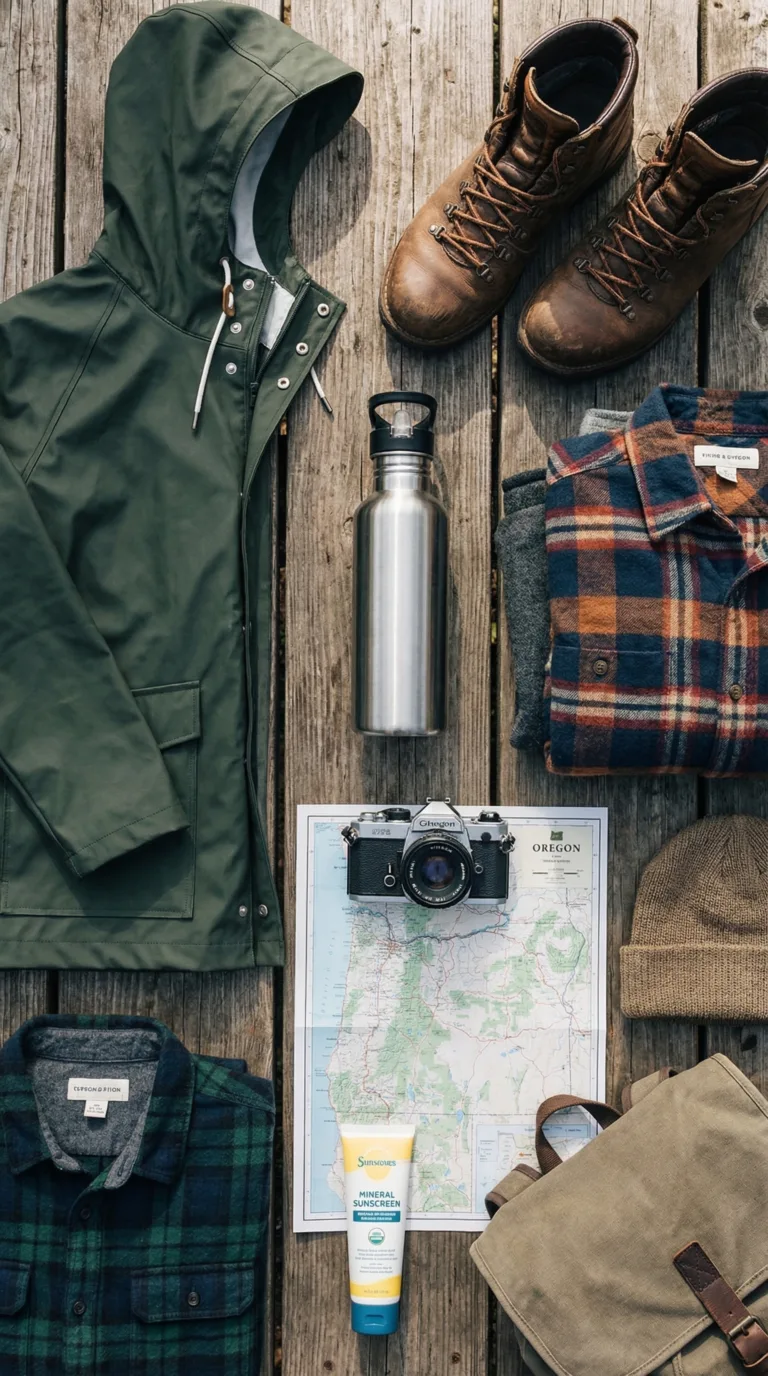
Pack layers for Oregon. Weather shifts fast here. You might start the day in fog on the coast, drive through rain in the Cascades, and end up in 85-degree sun in Bend. Bring clothes you can add or remove as conditions change.
A waterproof jacket isn’t optional. Even in July, the coast and mountains get rain. Pack waterproof shoes or boots too. Your sneakers will soak through on forest trails.
For hiking, bring sturdy footwear, a daypack, a reusable water bottle, sunscreen, and a hat. The high desert sun in Central and Eastern Oregon is stronger than you expect. You need sun protection even when it feels cool.
In winter, pack warm layers and check if you need tire chains for mountain passes. In summer, throw in a swimsuit for Crater Lake or the Deschutes River.
Oregon dress code is casual. Jeans and a fleece work almost everywhere, including restaurants. Save the formal clothes for home.
Estimated reading time: 3 minutes
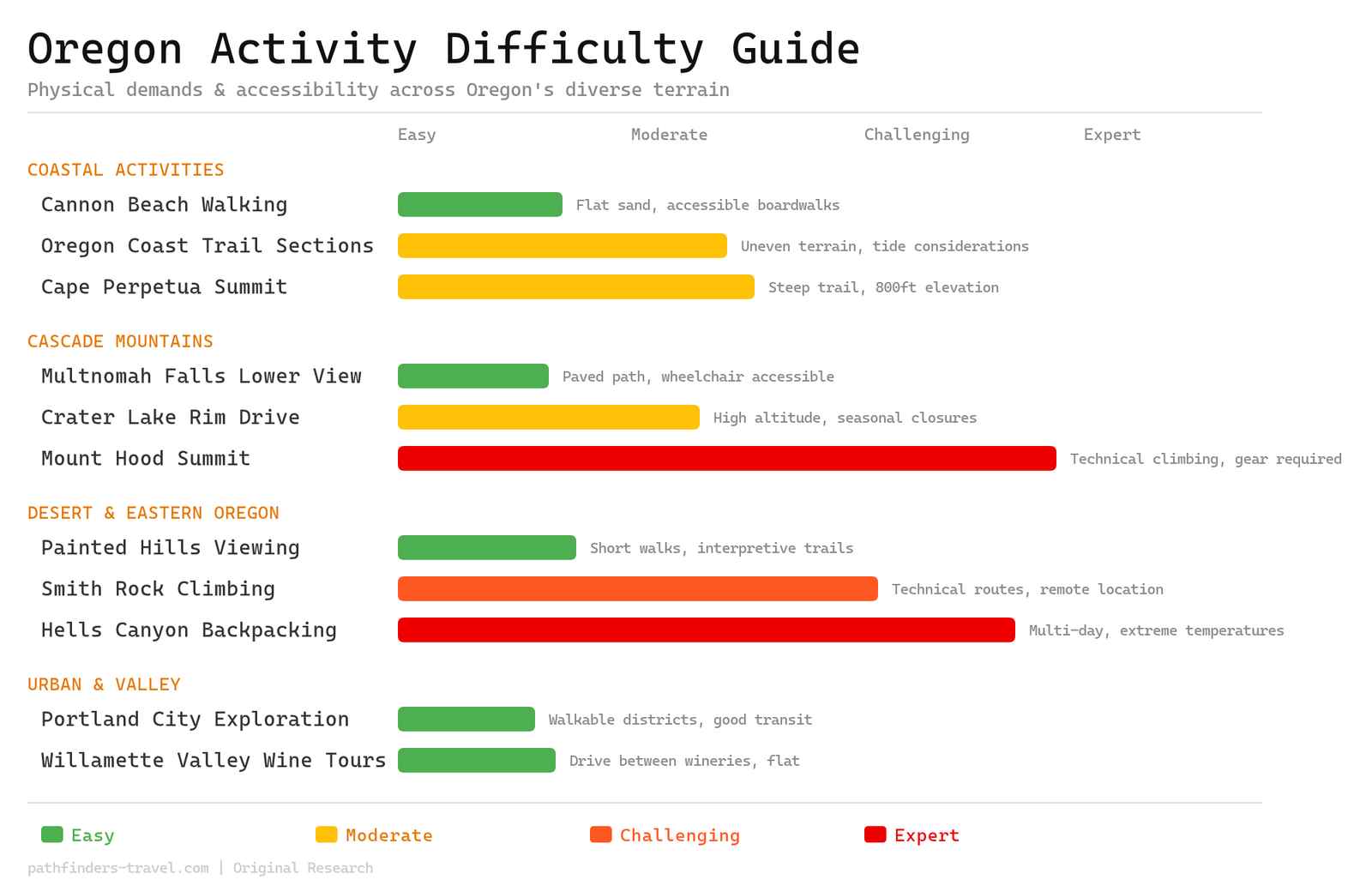
Activity Difficulty Guide
Oregon’s diverse geography creates dramatic difficulty variations, from accessible coastal walks and urban neighborhoods to technical mountain climbs and remote desert wilderness. Most visitors can enjoy highlights like Crater Lake and Columbia River Gorge with moderate effort, while serious adventurers can tackle expert-level peaks and backcountry routes.
Can I visit Oregon year-round?
Yes, but some destinations have seasonal access. Portland, the Columbia Gorge (most waterfalls), the Oregon Coast, Willamette Valley, and Bend (the town itself) are accessible year-round. Crater Lake Rim Drive opens only from July to October. The park stays open year-round, but the north entrance and rim road close in winter. Mountain passes require chains or traction tires from November to April. The Cascade Lakes Scenic Byway closes in winter, and high-elevation trails have snow from June to October. Winter highlights include storm watching on the coast, skiing at Mount Hood, and snowshoeing at Crater Lake. Check TripCheck.com and park websites for current conditions before winter or spring travel.
Oregon Travel FAQ
Here are answers to the most common questions about planning a trip to Oregon.
What is the best time to visit Oregon?
July through September offers the warmest, driest weather across the state. This period works well for the coast, mountains, and high desert. April to June brings wildflowers, peak waterfall flow, and fewer crowds, but expect more rain, especially along the coast and in the valleys. October and November deliver fall colors, harvest season activities, and lower prices, though rain increases and early snow appears in the mountains. December through March is ideal for storm watching on the coast and skiing at Mount Hood, but Crater Lake and mountain passes often close. Whale migration peaks from December to January and March to May along the coast. Summer is the safest choice for first-time visitors. Shoulder seasons reward flexible travelers with better rates.
What are the Seven Wonders of Oregon?
The official list includes the entire 363-mile Oregon Coast, Crater Lake, Columbia River Gorge, Mount Hood, Painted Hills, Smith Rock, and the Wallowa Mountains. These landmarks represent the state’s most recognizable natural features, spanning coast, mountains, high desert, and wilderness. The coast, Crater Lake, Columbia Gorge, Mount Hood, and Smith Rock are easiest to reach on short trips. Painted Hills and the Wallowa Mountains require more remote travel in Eastern Oregon.
How much does a trip to Oregon cost?
Budget travelers can manage on $60 to $80 per day by camping, staying in hostels, eating at food carts, and sticking to free activities. Mid-range travelers should plan for $100 to $150 per day, covering hotels, casual dining, some paid activities, and car rental. Luxury trips run $200 or more per day for resorts, fine dining, guided tours, and premium experiences. Major expenses include lodging ($70 to $180 per night for mid-range options), car rental ($40 to $80 per day), gas (around $50 to $70 per day of driving), and meals ($30 to $60 per day). Save money by camping, visiting during shoulder season, packing picnic lunches, using state park passes, and staying in smaller towns. A five-day trip typically costs $500 to $750 for budget travelers, $1,000 to $1,500 for mid-range, and $2,000 or more for luxury (per person, including lodging, food, transport, and activities).
Do I need a car to travel around Oregon?
Yes, renting a car is strongly recommended. Oregon is large, and public transit is limited outside Portland. Within Portland only, the MAX light rail, buses, streetcar, and bikes cover the city well. A car isn’t needed for a city-only visit. Beyond Portland, a car is essential for the coast, mountains, Crater Lake, Bend, and most destinations in this Oregon travel guide. An alternative is joining guided tours from Portland to the Columbia Gorge, coast, or Mount Hood, but these offer limited flexibility and higher costs. Book your rental from PDX airport for the best rates. Choose all-wheel drive or four-wheel drive if visiting in winter or driving mountain passes. Gas stations are sparse in Eastern Oregon and remote areas, so fill up in towns. Rent a car unless you’re staying only in Portland.
Where is the best place to vacation in Oregon?
The best place depends on your style, but Oregon’s standout vacation spots are Crater Lake National Park, the Columbia River Gorge, the Oregon Coast, and Mount Hood. Crater Lake is the state’s only national park and its most recognizable sight, while Multnomah Falls in the Gorge draws over two million visitors a year. Coastal towns like Cannon Beach, with Haystack Rock, suit a first trip well. For a first visit, base yourself near Portland and add Crater Lake or a stretch of the coast.
The Columbia River Gorge showcases over 90 waterfalls along the scenic Historic Highway, making it one of the state’s most dramatic natural attractions.
Rising 11,240 feet above sea level, Mount Hood offers year-round skiing and hiking opportunities less than 90 minutes from Portland.
Located in the foothills of the Cascades, Silver Falls State Park features a spectacular 7.2-mile loop trail that passes behind ten stunning waterfalls.
In Central Oregon’s high desert, Smith Rock State Park draws rock climbers from around the world to its iconic volcanic towers and dramatic canyon scenery.