This guide contains affiliate links. As an Amazon Associate we earn from qualifying purchases — at no extra cost to you.
Estimated reading time: 13 minutes
Last updated: 15 July 2026
Table of Contents
- What Is the Best Time to Visit the Poconos?
- Top Attractions in the Poconos
- Where to Eat in the Poconos
- Where to Stay
- Getting There and Around
- Day Trips from the Poconos
- Weather and What to Pack by Season
- Frequently Asked Questions
What Is the Best Time to Visit the Poconos?
The best time to visit the Pocono Mountains depends on your plans. Late September through mid-October brings peak fall foliage and crisp 45–65°F days. December through March is prime ski and snow-tubing season at Camelback, Jack Frost, and Big Boulder. June through August, at 70–85°F, is ideal for lakes, waterfalls, and water parks. October is busiest, so book early.
Want to see the Pocono Mountains in action? Watch our complete Pocono Mountains travel guide in 4K.
The Pocono Mountains sit two hours from New York City and Philadelphia. You get 2,400 square miles of Appalachian highlands without the crowds of New England ski towns. According to the Official Pocono Mountains Visitors Bureau, the region hosts 18 ski resorts, more downhill options than Vermont’s Mad River Valley. Water parks operate year-round under climate-controlled domes. Over 150 lakes dot the valleys.
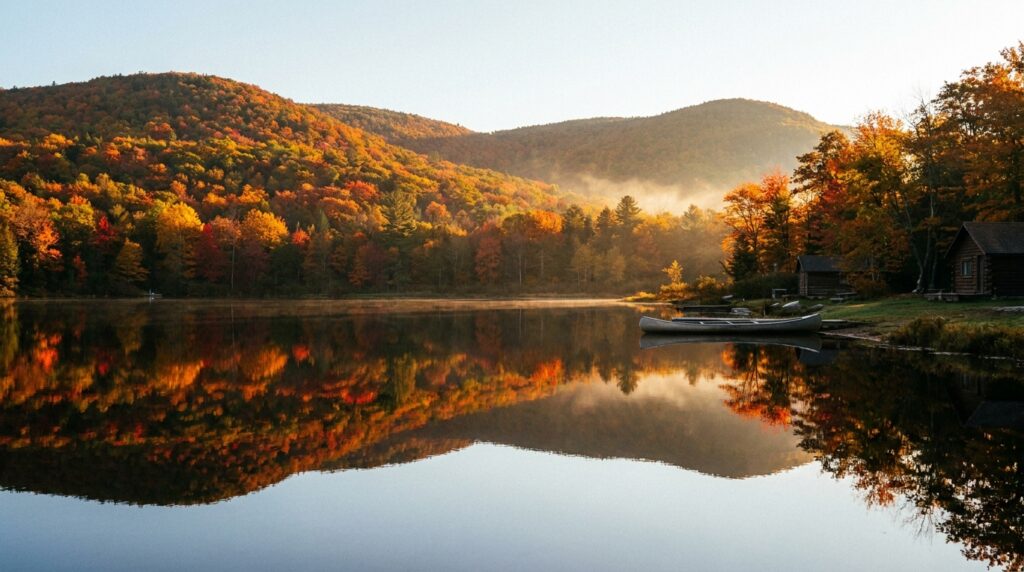
Fall turns the ridges orange and red by mid-October. Winter dumps enough snow to keep lifts spinning through March — ice grips turn icy trails into easy walking. Spring brings wildflowers to hiking trails that crisscross state parks. Summer fills lakeside resorts with families escaping city heat. The Poconos work in every season because the infrastructure adapts, ski lodges become mountain biking bases, indoor water parks replace outdoor pools.
This guide covers where to ski, which resorts offer the best value, where locals eat off the main drags, and how to structure day trips to nearby Scranton or the Delaware Water Gap. Pack layers. Weather shifts fast at elevation.
What We Used to Write This
This Pocono guide pulls from Pennsylvania tourism boards, state park databases, and real traveler reviews to cover attractions and practical details. Information was accurate when written, but we recommend verifying current conditions and hours directly with venues before heading out.
Top Attractions in the Poconos
The Pocono Mountains feature 18 ski resorts including Shawnee Mountain, 3 major indoor water parks, and over 150 lakes, making it Pennsylvania’s premier year-round outdoor recreation destination.
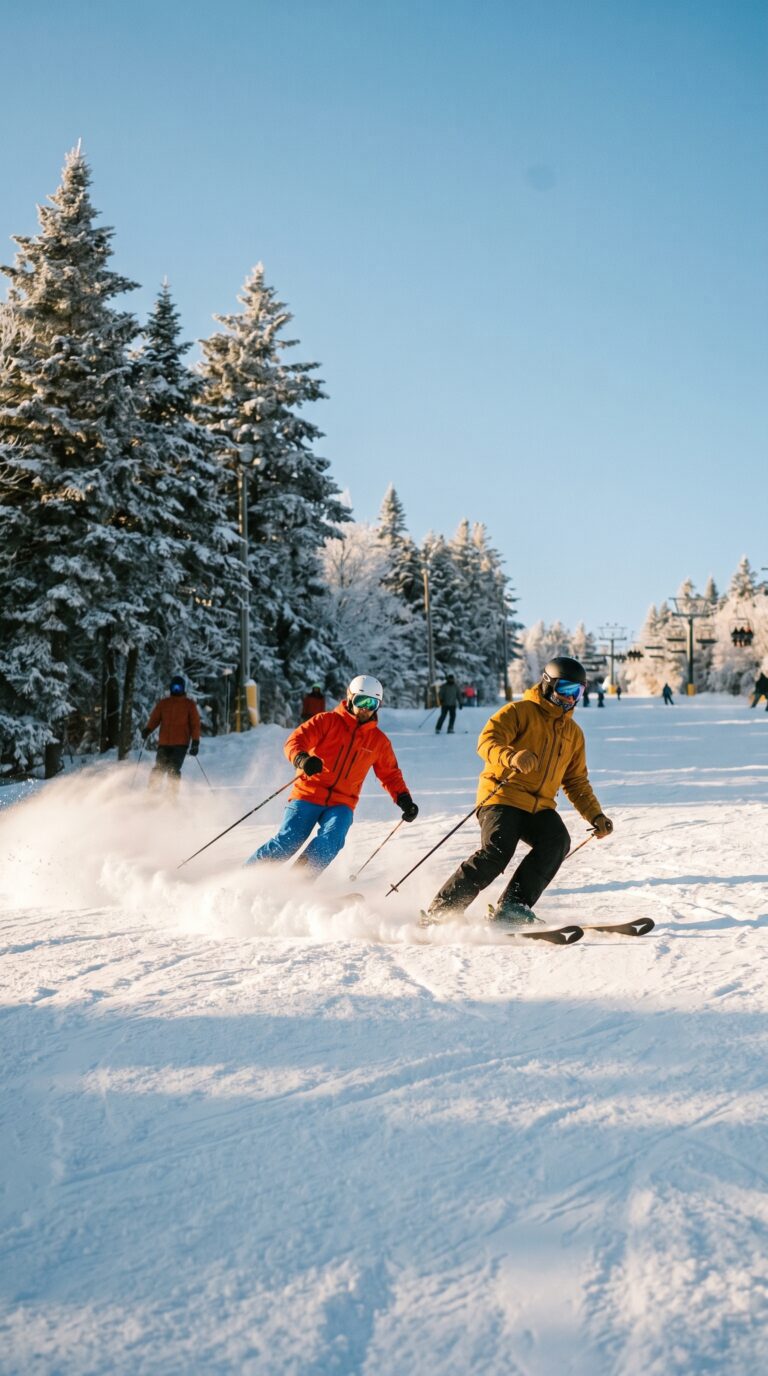
Winter brings the region to life. Shawnee Mountain Ski Area anchors the Poconos ski scene with 23 trails and a vertical drop of 700 feet. Camelback Mountain Resort offers 166 skiable acres. Jack Frost Big Boulder serves up 400 acres of terrain across two mountains. Beginners dominate the slopes here, 60% of trails at most resorts cater to novice skiers.
Planning Tip
Lift tickets run $60–90 on weekends. Midweek prices drop to $45–70. Night skiing costs less, usually $35–50. Most resorts operate December through March, snow permitting.
Snow tubing pulls massive crowds. Blue Mountain Resort runs 16 tubing lanes. Camelback’s tubing park features a 1,000-foot run. Sessions last two hours and cost $30–45 per person. Weekends book out fast, reserve online at least a week ahead.
Summer flips the script. Great Wolf Lodge opened Pennsylvania’s first indoor water park in 2005. The 79,000-square-foot facility stays 84 degrees year-round. Kalahari Resort counters with 220,000 square feet of slides and wave pools. Camelback’s Aquatopia spans 125,000 square feet. Day passes cost $50–80. Overnight guests get free access.
The region holds 150 natural and man-made lakes. Lake Wallenpaupack covers 5,700 acres, the third-largest lake in Pennsylvania. Boat rentals start at $100 per day. Non-resident fishing licenses cost $60.97 per year. Walleye, bass, and trout dominate the catch.
Camping options scatter across state parks and private campgrounds. Hickory Run State Park offers 381 campsites at $19–35 per night. Primitive sites cost less. RV hookups add $10. Delaware Water Gap campgrounds charge similar rates.
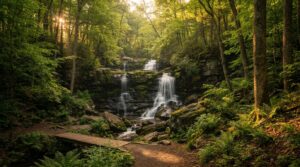
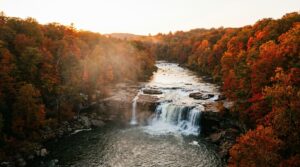
Delaware Water Gap National Recreation Area stretches 40 miles along the Pennsylvania-New Jersey border. The park logged 4.1 million visitors in 2024, according to the National Park Service. Hikers tackle 100 miles of trails. Appalachian Trail access points dot the park. Dingmans Falls drops 130 feet, the second-tallest waterfall in Pennsylvania. The boardwalk trail takes 20 minutes round-trip.
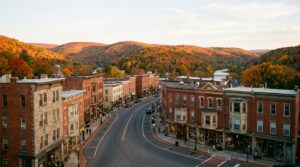
Jim Thorpe sits 30 miles south of the main Pocono resort area. Victorian storefronts line Broadway. The Lehigh Gorge Scenic Railway runs 16-mile excursions through the gorge. Tickets start at $23 for adults. Whitewater rafting companies launch trips from town. Pocono Whitewater runs Class II and III rapids on the Lehigh River. Half-day trips start at $50 per person.
Horseback riding outfitters operate across the region. Trail rides last one to three hours. Expect to pay $50–100 per rider. Carson’s Riding Stables in Lake balance books rides through state game lands.
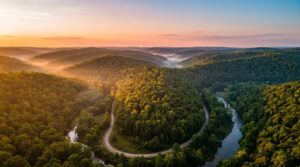
Fall foliage peaks mid-October. Route 209 through Bushkill delivers nonstop color. The drive from Stroudsburg to Milford takes 45 minutes without stops. Lehigh Gorge State Park offers river views and leaf-peeping trails.
What should I pack for the Pocono Mountains?
The Poconos swing from 85°F summer water-park days to snowy winters with lifts running into March — so what you pack depends on the season, but a few things cover the mountains year-round, plus winter traction when the snow flies. The essentials:
- Waterproof hiking boots — trails, waterfalls and shoulder-season mud
- A daypack with hydration — day hikes to Dingmans and Bushkill Falls
- A fleece mid-layer — mountain evenings stay cool even in summer
- A merino base layer set — the warm first layer for ski days and winter hikes
- A packable rain shell — mountain weather changes fast
- Trekking poles — steady on rocky ridge and waterfall trails
- Ice grips for your shoes — traction when winter keeps the lifts spinning
As an Amazon Associate we earn from qualifying purchases.
Where to Eat in the Poconos
Pocono Mountains dining ranges from upscale resort restaurants to casual mountain lodges, with Jim Thorpe’s historic downtown offering the region’s most concentrated dining scene featuring Victorian-era buildings and diverse cuisines.
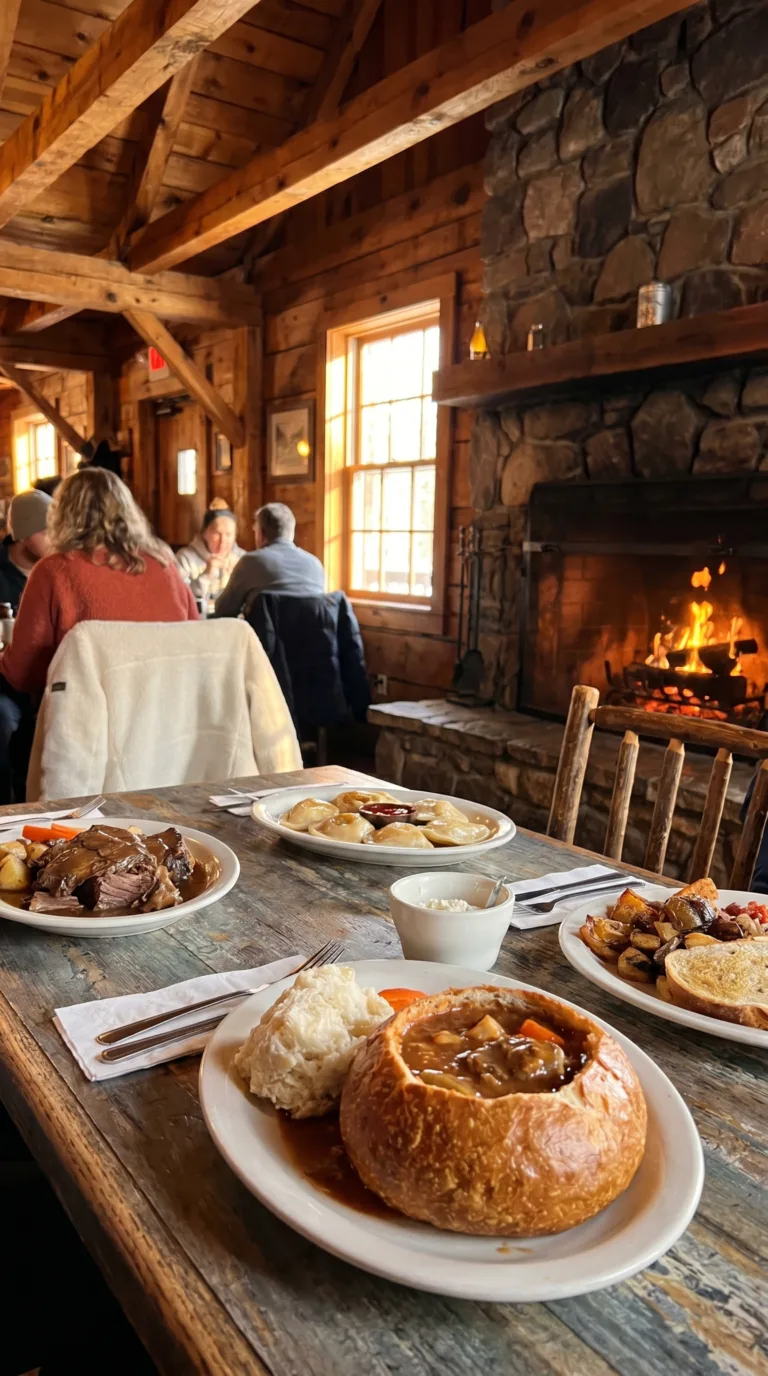
The Poconos serve over 300 restaurants across Monroe and Carbon counties, according to the Pocono Mountains Visitors Bureau. You’ll find everything from white-tablecloth resort dining to roadside BBQ shacks.
Jim Thorpe packs the region’s best restaurant density into three walkable blocks. Victorian storefronts house Italian trattorias, craft breweries, and farm-to-table bistros. Most spots don’t take reservations. Expect 30-minute waits on summer weekends.
Resort properties run their own dining operations. Great Wolf Lodge feeds families at buffet-style restaurants with kids-eat-free deals. Kalahari’s indoor marketplace offers counter-service options, pizza, burgers, stir-fry. Camelback Mountain Resort operates a steakhouse and a slopeside cafe.
Pennsylvania Dutch cooking shows up in random places. Diners serve scrapple for breakfast. Roadside stands sell shoofly pie. You won’t find Amish restaurants like in Lancaster County, but the influence exists in small doses.
Casual eating dominates. Local chains serve wings and nachos. BBQ joints smoke brisket in parking lots. Diners flip pancakes until 2 p.m. These places don’t pretend to be fancy.
Book ahead during ski season (January through March) and summer holiday weekends. Walk-ins work fine on weekday evenings. Most kitchens close by 9 p.m., even on Saturdays.
Where to Stay
The Pocono Mountains offer over 60 resorts including family-focused water park hotels like Great Wolf Lodge and Kalahari, romantic couples retreats such as Cove Haven, plus popular camping and Airbnb options.
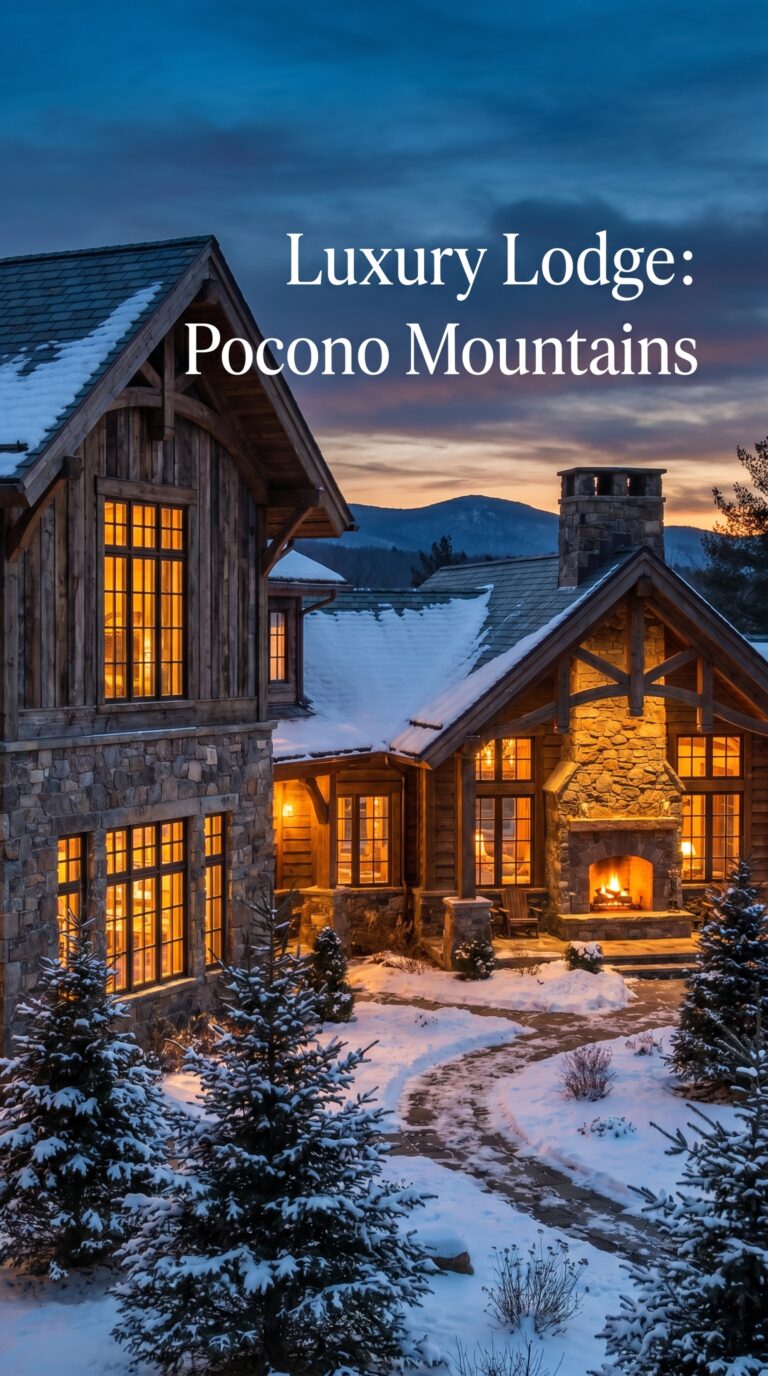
The Poconos pack in more than 60 resorts. You’ll find everything from screaming kids at indoor water parks to quiet couples-only hideaways with heart-shaped tubs.
Family resorts dominate the landscape. Official Great Wolf Lodge Pocono Mountains website shows a 79-degree indoor water park open year-round. Official Kalahari Resort Pocono Mountains website claims 220,000 square feet of water slides and wave pools. Camelback Resort runs a similar setup with ski slopes out front in winter. Expect $250–400 per night during peak weekends at these places.
Couples resorts take a different angle. Cove Haven invented the champagne-glass whirlpool tub in the 1960s. They still offer all-inclusive packages starting around $300 per night with meals and activities included. Several smaller romantic lodges scattered around the lakes cater to the same crowd.
Budget travelers have options. State park campgrounds charge $25–35 per night. Hickory Run and Promised Land state parks rent basic cabins for $60–90. You’ll find standard chain hotels along Route 611 for $100–150.
Airbnb listings flood the region. Search results show lakefront A-frames, modern chalets, and vintage cabins. Prices swing from $120 for a basic cabin to $500 for a six-bedroom lake house. Book early for summer weekends.
Luxury seekers should look at boutique lodges near Jim Thorpe. The Inn at Jim Thorpe occupies a restored 1849 building downtown. Rooms run $180–280 with exposed brick and mountain views.
Location matters. Stay near ski resorts if you’re visiting December through March. Pick lakefront properties for June through August. Jim Thorpe works year-round if you want walkable restaurants and shops.
Reserve three to six months ahead for winter holidays and summer weekends. Last-minute deals pop up midweek in shoulder seasons.
Getting There and Around
The Pocono Mountains are located 90 minutes from Philadelphia and 2 hours from New York City via I-80, with Wilkes-Barre/Scranton Airport (AVP) 30 miles away and a personal vehicle essential for exploring the region.
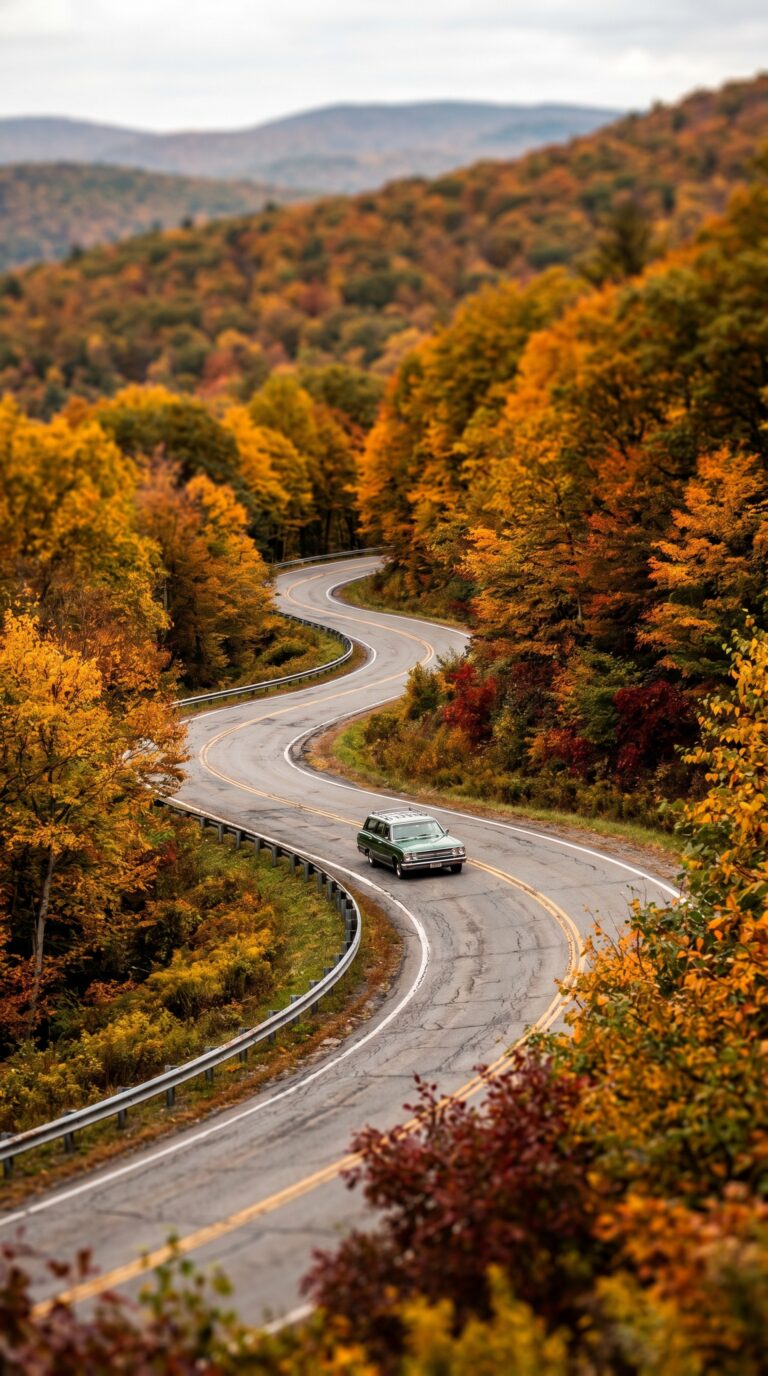
The Poconos sit in northeastern Pennsylvania. They’re part of the Appalachian Mountains. Philadelphia is 90 minutes south via I-476 and I-80. New York City is 2 hours east on I-80 and I-380. According to Google Maps, you can leave Manhattan at 8 AM and reach Mount Pocono by 10 AM on a weekday.
The Wilkes-Barre/Scranton International Airport official website shows AVP sits 30 miles from most Pocono resorts. Lehigh Valley International (ABE) is 45 miles away. Both offer limited routes. Newark (EWR) and Philadelphia (PHL) have more flights but add 90, 120 minutes of driving.
You need a car. No question. Public transit doesn’t exist here. Rental cars are available at all four airports. Winter driving requires preparation. Snow tires or all-wheel drive are recommended November through March. Chains may be required during heavy storms, Pennsylvania State Police enforce this on I-80 when conditions turn bad.
Day Trips from the Poconos
From the Pocono Mountains, visitors can reach 10 major Pennsylvania destinations within 2 hours including Jim Thorpe (30 minutes), Philadelphia (90 minutes), and Hershey (90 minutes), plus historic Gettysburg and Amish Country Lancaster within 2 hours.
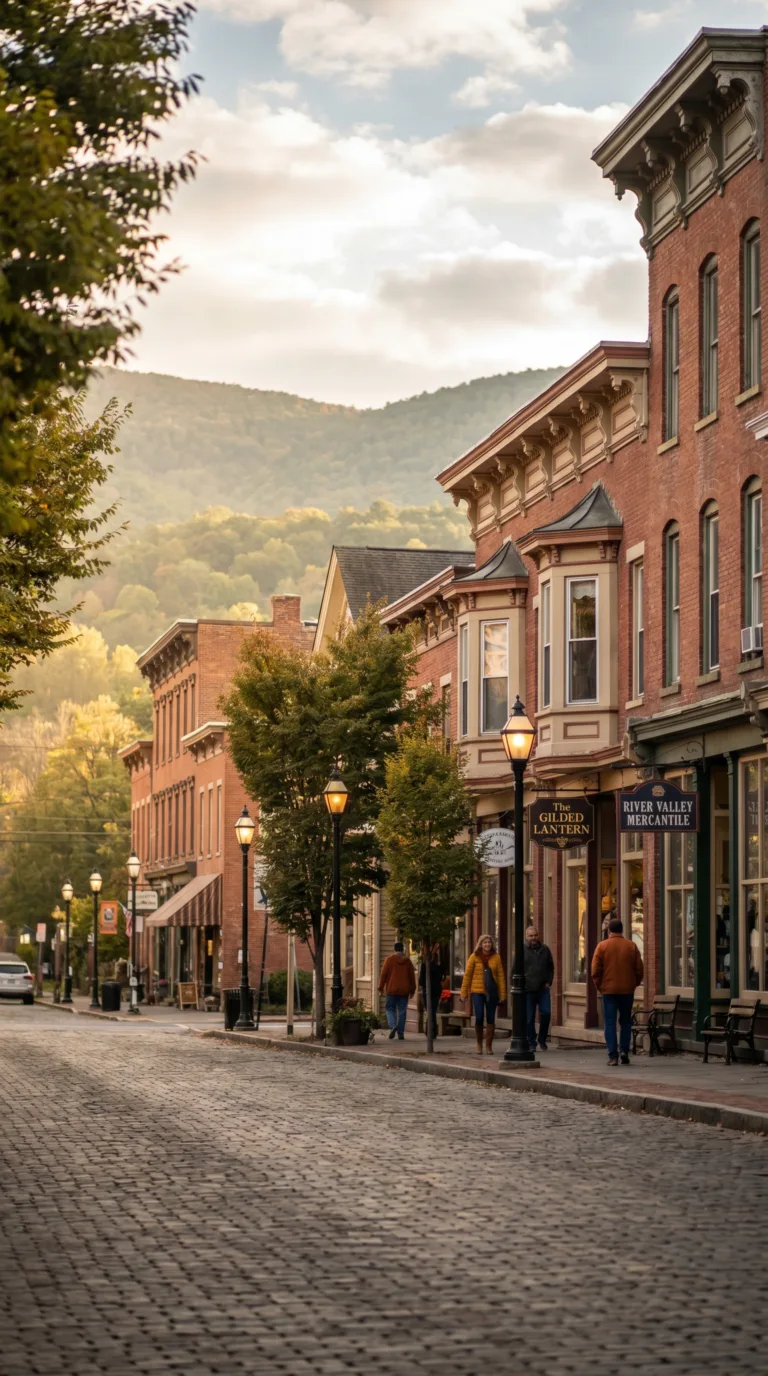
The Poconos sit at the center of Pennsylvania’s best road trip network. You can hit Victorian mining towns, Revolutionary War sites, and chocolate factories without spending more than two hours in the car.
Jim Thorpe is 30 minutes south. The whole town looks like a postcard from 1880. Brick storefronts line the main drag. The Lehigh Gorge Scenic Railway runs scenic rides from $23 through the canyon. Lehigh Gorge State Park trails start right from town.
Bethlehem sits 45 minutes southeast. The SteelStacks arts campus converted old blast furnaces into concert venues. The historic Moravian settlement dates to 1741. Christmas markets take over downtown every December.
Hershey is 90 minutes west. Hersheypark charges around $90 for gate-price day passes, less online in advance. The chocolate factory tour is free but books up weeks ahead. Check Visit Hershey & Harrisburg for current schedules.
Philadelphia takes 90 minutes southeast on I-476. The Liberty Bell and Independence Hall anchor Old City. Reading Terminal Market sells Amish pretzels and roast pork sandwiches for under $10. Street parking costs $2 per hour in most neighborhoods.
Gettysburg requires two hours southwest. The Gettysburg National Military Park covers 6,000 acres of battlefield. Rangers lead free walks daily at 10 AM and 2 PM. The park attracts over 1 million visitors annually according to the National Park Service.
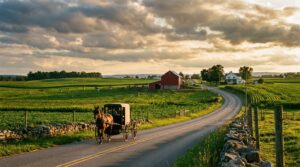
Lancaster County is two hours south. Amish farms sell fresh produce and baked goods directly from roadside stands. Buggy tours cost $25 per person. Skip the tourist traps on Route 30.
Harrisburg sits 90 minutes west. The state capitol building offers free tours weekdays. The Susquehanna riverfront has 20 miles of paved bike paths.
Longer hauls include Pittsburgh (4 hours west), Erie (3.5 hours northwest for Lake Erie beaches), and Ohiopyle (3 hours west for whitewater rafting). Allegheny National Forest is 3 hours north if you want real wilderness.
Weather and What to Pack by Season
The Pocono Mountains experience four distinct seasons with winter (December-March) ideal for skiing when temperatures range 20-35°F, summer (June-August) perfect for water parks at 70-85°F, and fall (September-October) peak for foliage viewing.
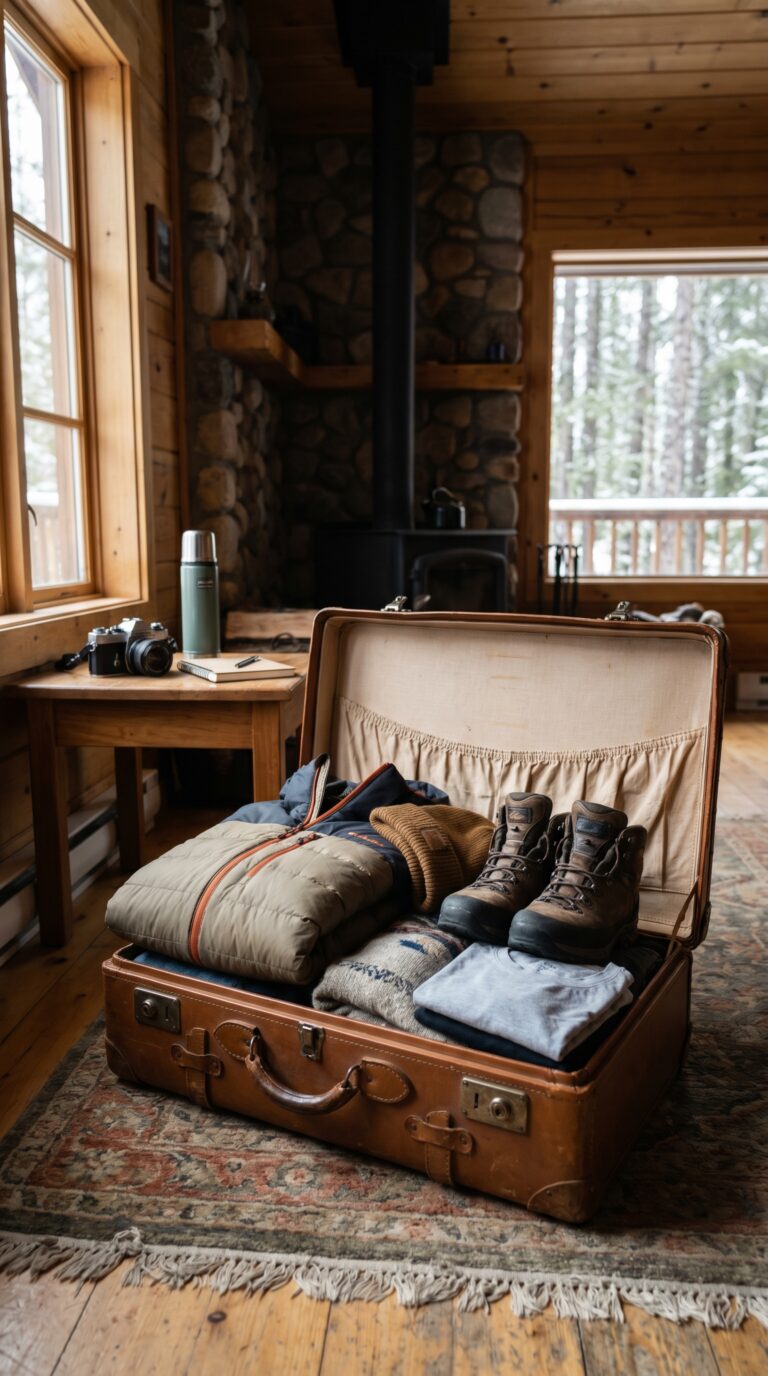
Winter brings the crowds. December through March sees temperatures drop to 20-35°F. Pack a heavy coat, waterproof snow boots, and your ski gear if you own it. Rental equipment costs $45-65 per day at most resorts.
Summer runs hot. June to August hits 70-85°F. Bring light layers, hiking boots, and swimwear for the water parks. Sunscreen is mandatory, mountain sun burns faster than you think.
Fall is foliage season. September and October deliver 45-65°F days with cool mornings. A medium jacket works. Bring your camera. According to the Pocono Mountains Visitors Bureau, October sees the highest hotel occupancy rates of the year at 87%.
Spring is unpredictable. April and May swing between 40-60°F with frequent rain. A waterproof jacket and layers handle the variability.
Year-round essentials, including comfortable walking shoes, insect repellent for summer hikes, and a reusable water bottle. Book early for winter holidays, summer weekends, and all of October.
Frequently Asked Questions
What are some free things to do in the Poconos?
Lots is free: waterfall hikes in the Delaware Water Gap National Recreation Area (Dingmans and Raymondskill Falls), the Lehigh Gorge Trail, public lake beaches, scenic mountain drives, and strolling the shops of Jim Thorpe and Stroudsburg. Note that privately run Bushkill Falls charges admission.
What is the nicest town in the Poconos?
Jim Thorpe is the most-loved Pocono town — a Victorian gem in a mountain gorge with shops, the Lehigh Gorge Scenic Railway, and trails. Stroudsburg and Milford are also charming bases, while Lake Wallenpaupack and Mount Pocono are popular for lake and resort stays.
How many days do you need in the Poconos?
A weekend of two to three days is enough to sample the Poconos: one day for a ski resort or water park and another for waterfall hikes in the Delaware Water Gap or a stroll around Jim Thorpe. Stay four or five days if you want to combine lakes, hiking, and day trips to Bethlehem or Philadelphia.
How far are the Poconos from major cities?
The Pocono Mountains are about 90 minutes (80–100 miles) from both New York City and Philadelphia, one of the closest mountain escapes for the Northeast. Scranton is roughly 30 to 45 minutes away, and the region is reached mainly via I-80 and I-380.
Are the Poconos worth visiting?
Yes. The Poconos pack waterfalls, lakes, ski resorts, waterparks, and Victorian towns into an easy drive from New York and Philadelphia, with something for families, couples, and outdoor lovers in every season. Just expect crowds and higher resort prices on summer and winter weekends.