AUSTRALIA TRAVEL GUIDE
Overview
Australia is a captivating blend of dynamic modern cities and ancient natural wonders. You can explore world-class museums and iconic landmarks in Sydney, then venture into the timeless Outback or snorkel the Great Barrier Reef in the same trip. From vibrant coastal metropolises to the red heart of the continent, Australia offers an incredible range of experiences that showcase both indigenous heritage spanning tens of thousands of years and cutting-edge contemporary culture.
We absolutely love traveling in Australia. The domestic flight network connects even remote destinations, the locals are friendly and welcoming, and the infrastructure makes exploring everything from bustling cities to pristine wilderness surprisingly accessible. Sydney is an excellent starting point – it’s perfect for experiencing iconic landmarks like the Opera House and Harbour Bridge, soaking up beach culture at Bondi, and discovering the vibrant neighborhoods that blend history with modern Australian life.
Melbourne serves as the cultural capital with its renowned laneways, coffee culture, and thriving arts scene. The Great Ocean Road delivers some of the most spectacular coastal scenery on Earth with dramatic limestone formations like the Twelve Apostles. For the ultimate adventure, head to tropical North Queensland for Great Barrier Reef diving and Daintree Rainforest exploration, or challenge yourself with Outback experiences in the rugged Kimberley region.
From the tropical beaches of the Gold Coast to the ancient rock art of Kakadu, Australia is a year-round destination that promises unforgettable memories. Whether you’re seeking thrilling wildlife encounters, cultural immersion with Aboriginal heritage, world-class wine regions, or simply want to witness landscapes that exist nowhere else on Earth, Australia delivers experiences that will leave you speechless.
Bookmark this Australia travel guide and keep checking back for more of our best Australia travel tips and hidden gems!
Country Snapshot
Safety
Australia is one of the safest countries in the world, with extremely low crime rates and excellent emergency services. The biggest safety considerations are related to wildlife encounters, sun exposure, and ocean conditions. Be aware of dangerous marine life when swimming and always swim between the flags at patrolled beaches.ated to outdoor activities and weather conditions, especially when hiking to places like Trolltunga or Preikestolen.
Most Australians speak English as their primary language, making communication easy for tourists. However, learning a few basic Australian phrases like “G’day” (hello) and “cheers” (thanks) will help you connect with locals.
Accommodation
As a tourist in Australia, you’ll find excellent accommodation options in major cities like Sydney, Melbourne, and Brisbane, as well as smaller towns throughout the coastal and outback regions. Sydney and Melbourne offer the widest selection of hotels, hostels, and guesthouses. For unique experiences, consider staying in eco-lodges in the Daintree Rainforest, farm stays in the Outback, or beachfront resorts in the Whitsundays. You can search for the best accommodation deals in Australia on Booking.com or Hotels.com.
Budget
Australia can be expensive, but there are ways to manage costs. Hostels start from around $25-40 AUD ($17-27 USD) per night, while budget hotels begin around $80-120 AUD ($54-81 USD). Private rooms are generally spacious and well-equipped. Meals range from $15-30 AUD ($10-20 USD) for casual dining, though grocery shopping and cooking can significantly reduce food costs, especially in expensive cities like Sydney and Melbourne.
Best Time to Visit
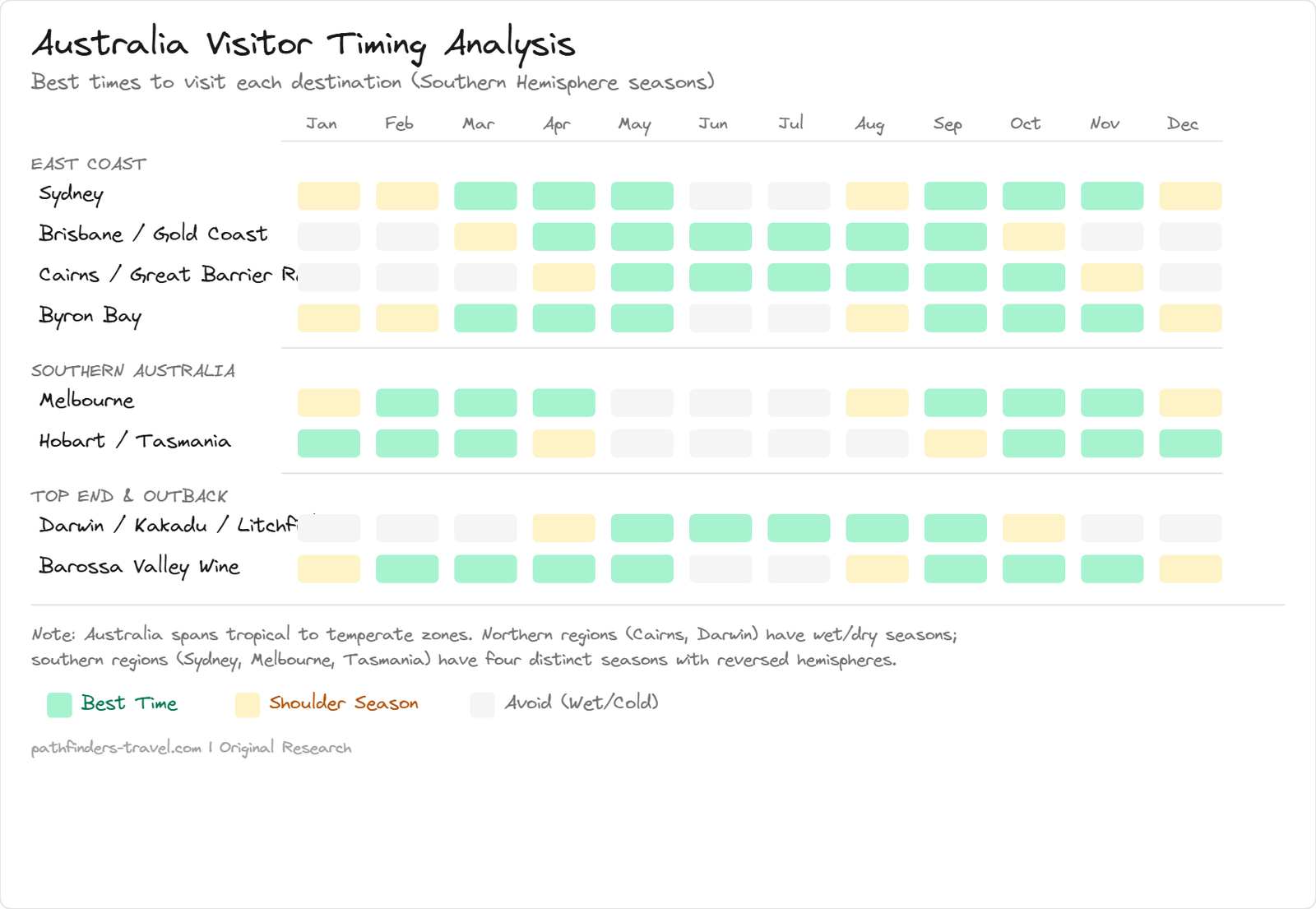
Australia spans tropical to temperate zones, so the best time to visit depends heavily on which region you’re exploring. The east coast from Sydney to Cairns is best from September to November and March to May, avoiding the summer humidity and winter chill. Northern Australia (Darwin, Kakadu) is best visited during the dry season from May to October, when waterfalls are flowing and wildlife is abundant. Southern regions like Melbourne and Tasmania shine during the warmer months from November to March. The chart below breaks down the optimal timing for each destination.
Places to Visit
Australia’s vast size means most travelers focus on one or two regions per trip. The East Coast from Sydney to Cairns is the classic route, combining iconic cities with Great Barrier Reef snorkeling and pristine beaches. The Southern Explorer route from Melbourne through the Great Ocean Road to South Australia’s wine country offers dramatic coastal scenery and world-class dining. For something off the beaten path, the Top End adventure through Darwin, Litchfield, and Kakadu delivers ancient Aboriginal heritage and untouched wilderness. Below are our recommended travel routes with key stops and drive times.
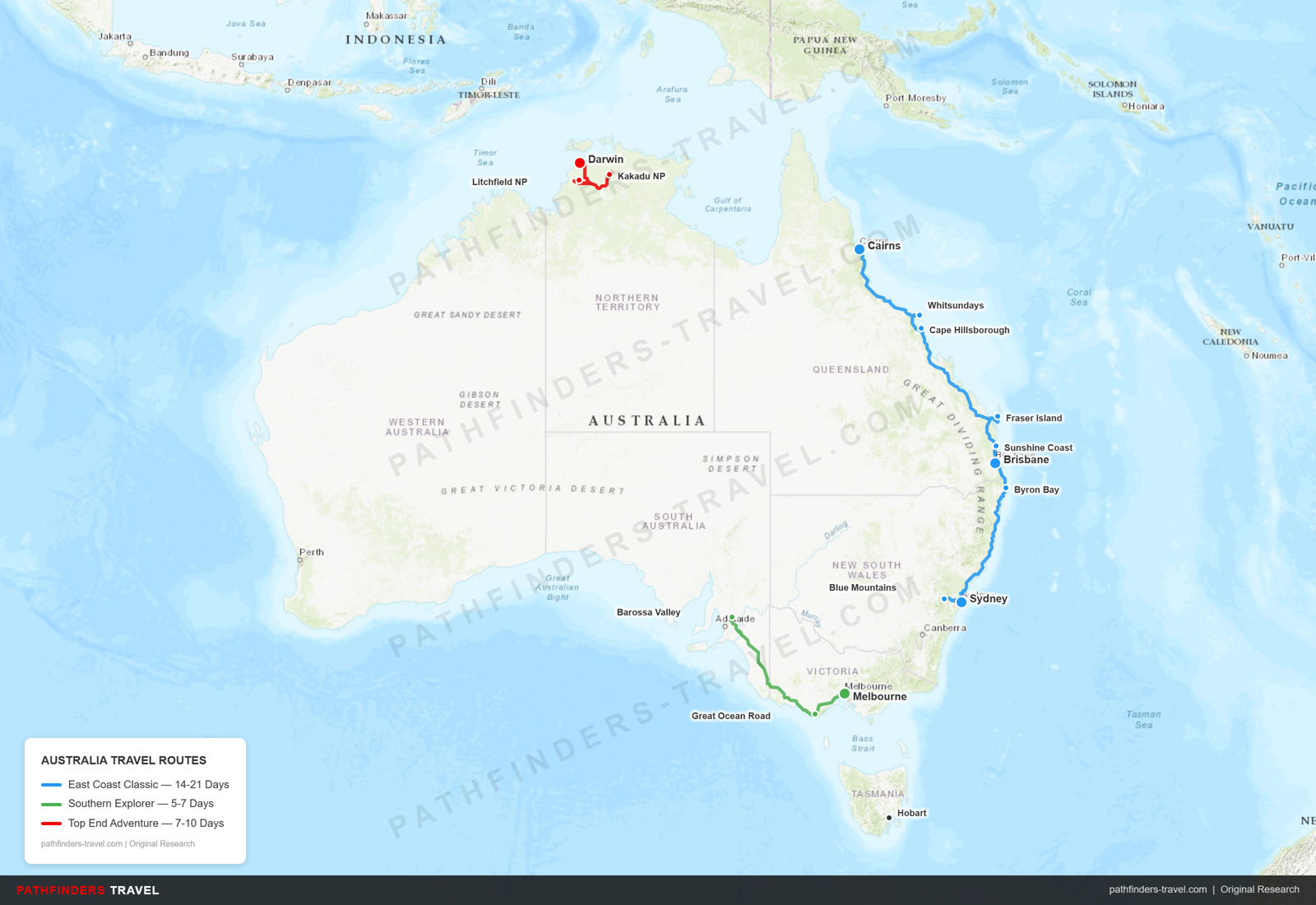
| # | Stop | Highlights | Drive Time |
|---|---|---|---|
| 1 | Sydney | Harbour Bridge, Opera House, Bondi Beach | — |
| 2 | Blue Mountains | Three Sisters, Scenic Railway, bushwalks | 1h 30m |
| 3 | Byron Bay | Lighthouse, surfing, hinterland rainforest | 6h |
| 4 | Brisbane | South Bank, Lone Pine Koala Sanctuary | 2h |
| 5 | Sunshine Coast | Noosa, Glass House Mountains, Australia Zoo | 1h 30m |
| 6 | Fraser Island | World’s largest sand island, Lake McKenzie | 3h |
| 7 | Cape Hillsborough | Kangaroos on the beach at sunrise | 5h |
| 8 | Whitsundays | Whitehaven Beach, Great Barrier Reef sailing | 2h |
| 9 | Cairns | Great Barrier Reef, Daintree Rainforest | 6h |
| # | Stop | Highlights | Drive Time |
|---|---|---|---|
| 1 | Melbourne | Laneways, coffee culture, Federation Square | — |
| 2 | Great Ocean Road | Twelve Apostles, coastal scenery, surfing | 3h 30m |
| 3 | Barossa Valley | World-class wineries, German heritage towns | 7h |
| # | Stop | Highlights | Drive Time |
|---|---|---|---|
| 1 | Darwin | Mindil Beach markets, crocodile cruises | — |
| 2 | Litchfield NP | Waterfalls, termite mounds, swimming holes | 1h 30m |
| 3 | Kakadu NP | Aboriginal rock art, wetlands, wildlife | 3h |
Destination Difficulty
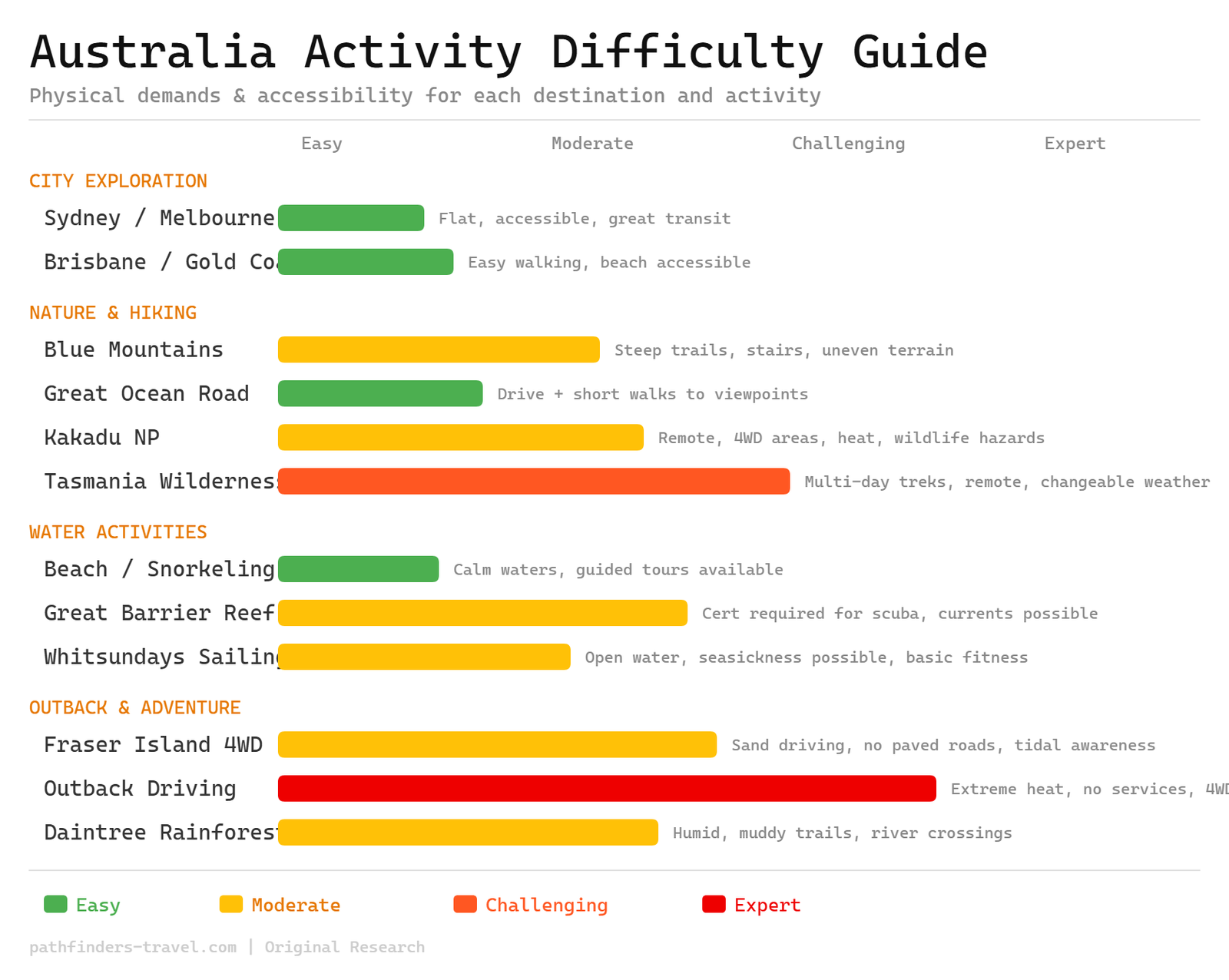
Australia offers experiences ranging from easy city strolls to expert-level Outback expeditions. Major cities like Sydney and Melbourne are flat and fully accessible with excellent public transport. Coastal destinations and national parks generally require moderate fitness for bushwalks and trail hikes. The Outback and remote wilderness areas demand serious preparation — extreme heat, vast distances between services, and unpaved roads require 4WD vehicles and careful planning. The chart below rates each destination and activity so you can plan according to your comfort level.
Transport
Transportation in Australia is generally by domestic flights, buses, and rental cars, with an extensive network connecting major destinations. The flight system is essential for covering vast distances, with budget airlines offering affordable routes. For scenic experiences, consider train journeys like The Ghan through the Red Centre. For remote areas like the Kimberley or Tasmania’s wilderness, rental cars or organized tours may be necessary. Renting a car gives you the most flexibility for exploring coastal drives like the Great Ocean Road and national parks. I’d recommend using apps like Google Maps or Citymapper for public transport navigation in major cities.
Best Activities
The Best Activities & Tours That I Recommend
Blog Posts

Things to Do in Hobart Tasmania: Visit Kunanyi and Its Scenic Trails
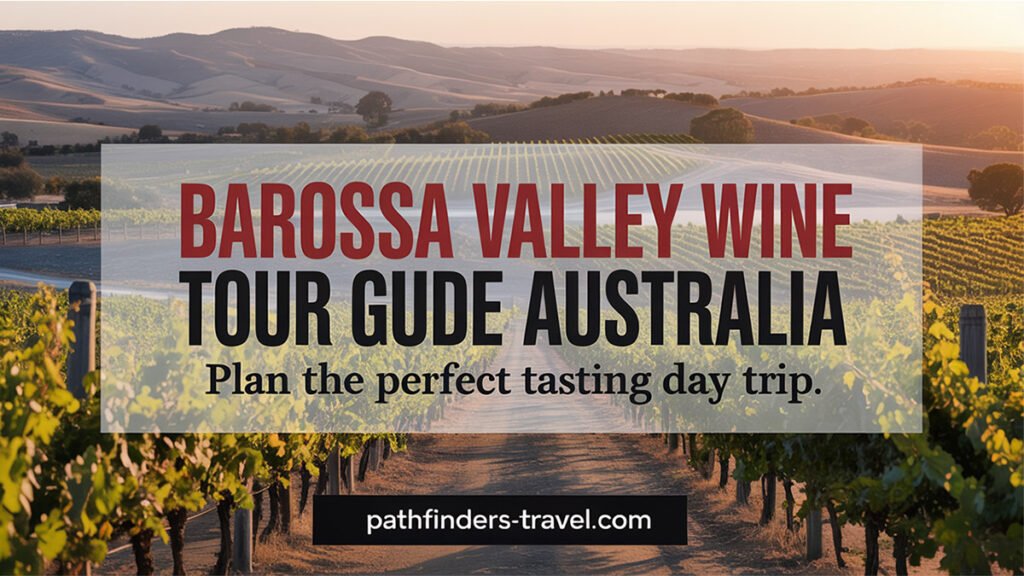
Barossa Valley Wine Tour Guide: Plan the Perfect Tasting Day Trip
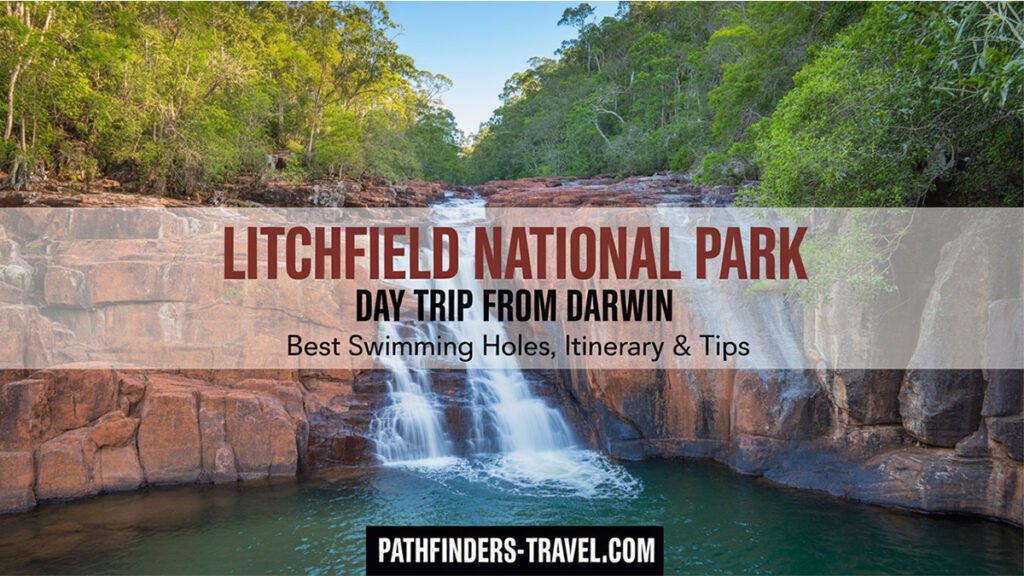
Litchfield National Park Day Trip from Darwin: Best Swimming Holes, Itinerary & Tips
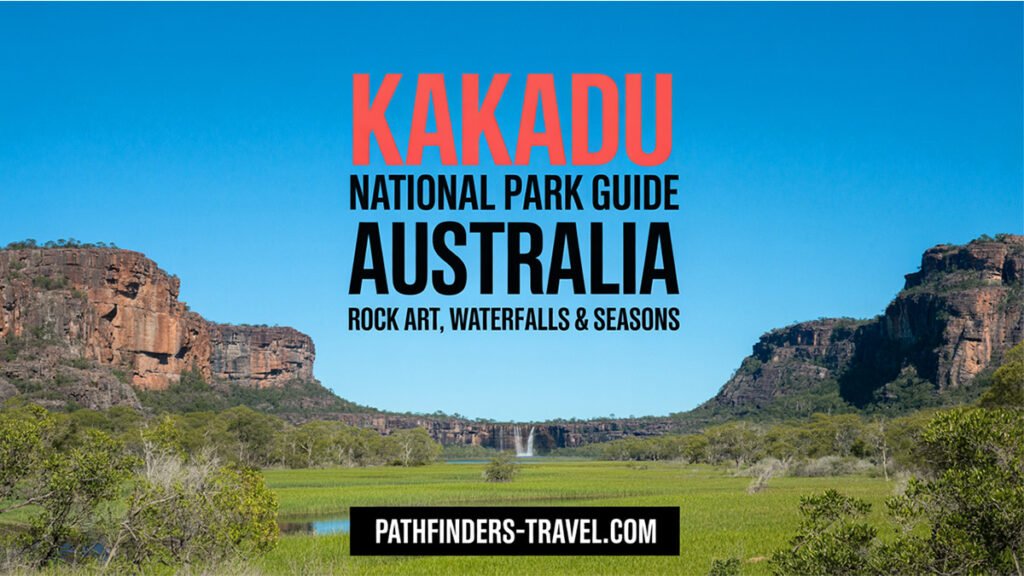
Kakadu National Park Guide to Rock Art, Waterfalls and Seasons
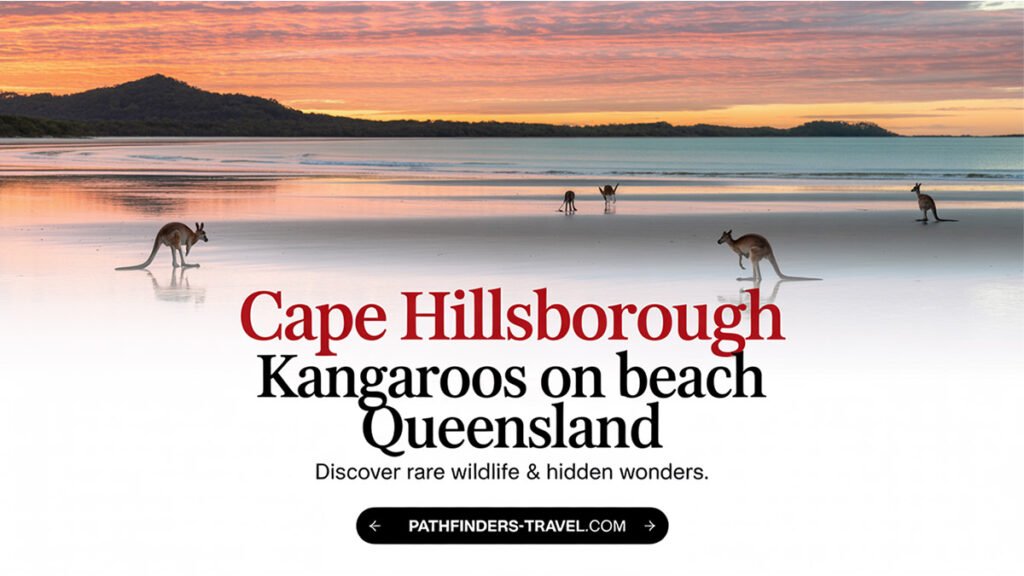
Cape Hillsborough Kangaroos at Sunrise & Queensland’s Hidden Wonders

Cairns Travel Guide | Daintree Rainforest, Mossman Gorge & Reef
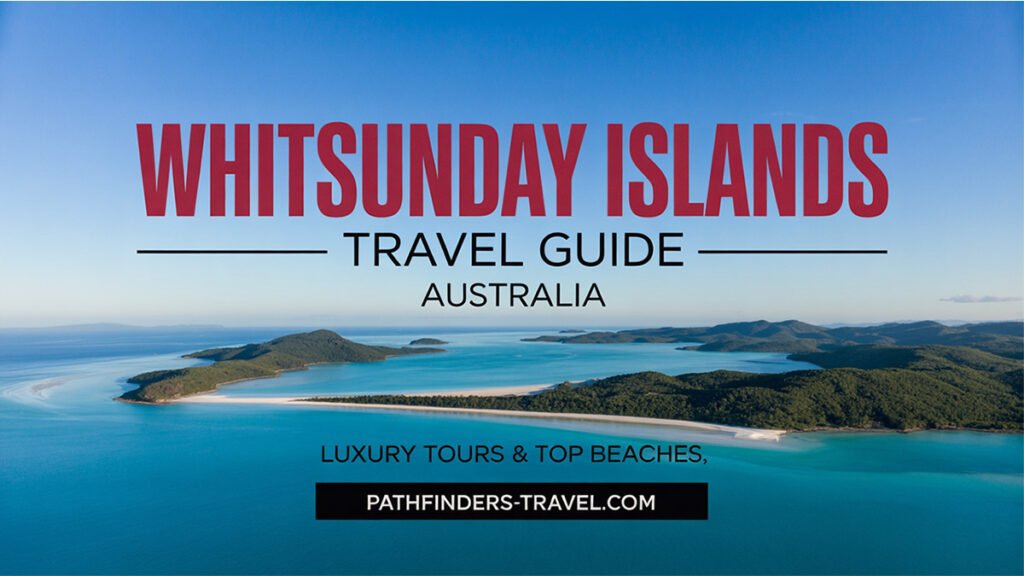
Whitsundays Travel Guide | Best Beaches, Sailing & Reef Tours
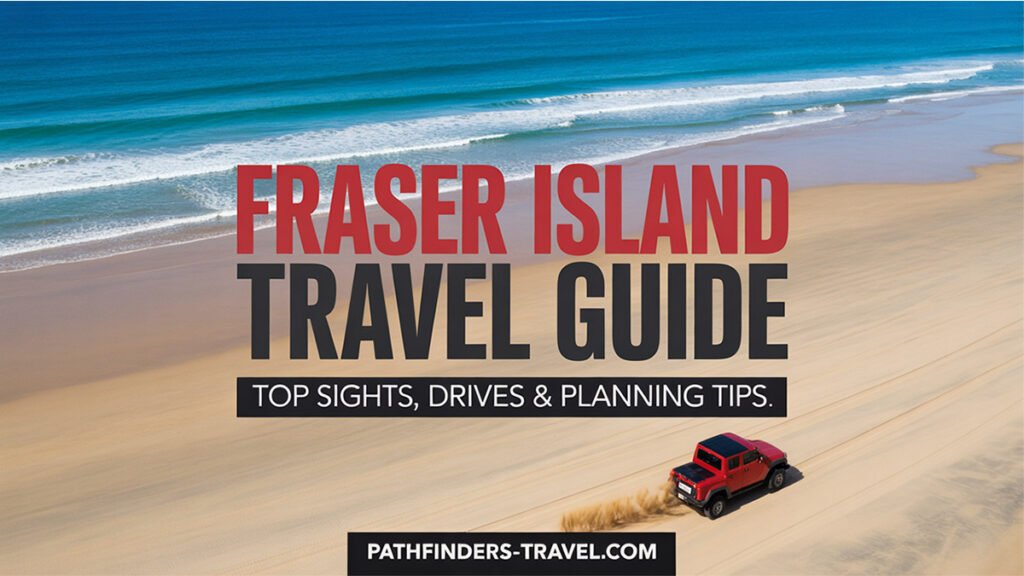
Fraser Island Travel Guide 2026 | Secrets of Lake McKenzie & 75 Mile Beach
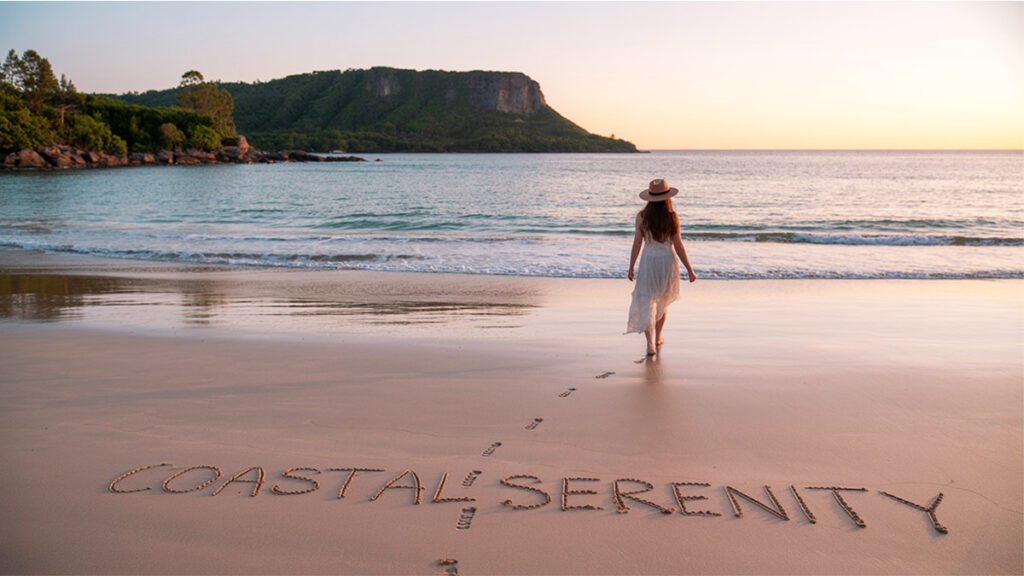
Sunshine Coast Travel Guide: Compare Nature vs City Coastal Escapes