
AMERICA TRAVEL GUIDE
Overview
America stretches across an entire continent, where world-class cities meet pristine wilderness, towering glaciers carve through mountain ranges, and diverse ecosystems span from Arctic tundra to tropical rainforests. From the northern lights dancing over Alaska’s Denali to the vast desert canyons of Texas, from Oregon’s misty coastline to the thundering power of Niagara Falls, the Americas deliver experiences that showcase both natural grandeur and rich cultural diversity. You can witness grizzly bears fishing for salmon in Kenai Fjords, hike among 800-year-old trees at Silver Falls State Park, explore the dramatic limestone cliffs of Big Bend National Park, and walk behind frozen waterfalls in Ontario—all within one remarkable continent.
We absolutely love traveling across America. The extensive highway systems connect major destinations, the blend of Indigenous, European, and countless other cultural influences creates rich experiences, and the infrastructure makes exploring everything from cosmopolitan cities to remote wilderness surprisingly accessible. Major cities like Toronto, Houston, and Portland serve as perfect starting points for regional adventures—they’re ideal for experiencing world-class dining and entertainment, taking day trips to nearby natural wonders, and connecting to destinations throughout their respective regions.
Alaska captivates with its raw wilderness, offering calving glaciers and abundant wildlife viewing opportunities year-round. Texas reveals dramatic landscapes from Palo Duro Canyon’s colorful layers to Big Bend’s Chisos Mountains, while the top things to do in Oregon include hiking the Trail of Ten Falls and exploring the dramatic Columbia River Gorge. For an unforgettable American experience, consider combining urban exploration in cities like Austin or Portland with natural wonders like visiting Niagara Falls, taking boat tours through Alaskan fjords, and planning a trip to witness the aurora borealis.
From Alaska’s successful wildlife conservation programs that brought humpback whale populations back from the brink, to the pristine turquoise waters of Tobermory in Georgian Bay, America is a year-round destination that promises unforgettable memories. Whether you’re seeking to kayak among icebergs in Alaska, exploring Manitoulin Island (the world’s largest freshwater island), hiking Oregon’s coastal trails, watching bats emerge at dusk from Austin’s Congress Avenue Bridge, or simply want to experience the raw power of Horseshoe Falls, the Americas deliver adventures across every season and climate.
Bookmark this America travel guide and keep checking back for more of our best travel tips and regional insights!
Country Snapshot
Safety
America is generally safe for travelers, with most regions offering low crime rates and reliable emergency services. Urban areas like Toronto, Houston, Austin, and Portland are generally very safe, though standard city precautions apply (watch belongings in crowded areas, stay aware of surroundings).
The primary safety considerations relate to outdoor activities and diverse weather conditions. Black bears, grizzlies, and other wildlife inhabit wilderness areas throughout Alaska, the Pacific Northwest, and Ontario, so practice proper food storage at campsites and maintain safe distances. Weather can change rapidly, particularly in mountainous regions and near large bodies of water where sudden storms develop. Alaska and northern regions require preparation for extreme cold from October through April. In Texas and southern areas, summer heat can be intense—carry extra water and start hikes early.
When hiking in areas like Columbia River Gorge, Big Bend’s Chihuahuan Desert, or along the Niagara Escarpment, stay on marked trails and respect barriers. The rocks around waterfalls can be extremely slippery year-round. Swimming in remote waterfalls or glacial rivers is dangerous due to strong currents, cold water temperatures, and underwater hazards.
Most people across America are friendly and helpful to visitors. English dominates in the United States, while Canada is officially bilingual with both English and French. Spanish is widely spoken in Texas and throughout much of the Americas. In Alaska, you may encounter Indigenous languages like Yup’ik or Inupiaq in smaller communities.
Accommodation
America offers accommodation options ranging from luxury hotels to rustic camping, with excellent choices in cities, tourist towns, and wilderness areas. Major cities like Toronto, Houston, and Portland provide the widest selection of hotels, vacation rentals, and hostels at various price points. For unique experiences, consider staying in historic lodges in Alaska like those near Denali, ranch stays in the Texas Hill Country, waterfront cottages in Ontario’s cottage country, eco-lodges near Oregon’s Mount Hood, or charming bed-and-breakfasts in wine regions.
Summer (June through August) represents peak season for most destinations, so book accommodations well in advance, especially for weekends near Niagara Falls, Alaska cruise season, Oregon coast visits, and Texas state parks. Winter sees high demand at northern lights viewing locations in Alaska and ski areas in the Pacific Northwest. Hotels fill quickly during major events like Alaska’s Iditarod (March), Austin’s South by Southwest (March), and Canada Day celebrations (July 1).
Many national and state parks offer camping and cabin rentals that require reservations months ahead through systems like Recreation.gov for US parks or Ontario Parks for Canadian locations. You can search for the best accommodation deals across America on Booking.com or Hotels.com.
Budget
Travel costs across America vary dramatically between regions and countries, with major Canadian cities and Alaska ranking among the more expensive destinations.
Accommodation: Budget hostels in major cities start around $30-45 USD per night, mid-range hotels run $100-180 USD, while luxury properties exceed $250 USD. Smaller cities in Texas and Oregon offer lower rates than Toronto or Alaskan destinations. Camping in national and state parks costs $20-50 USD per night for serviced sites, with some Alaska campgrounds reaching $35-45 USD.
Meals: Expect to pay $12-20 USD for casual dining, $25-45 USD for mid-range restaurants in cities. Toronto, Portland, and Austin offer diverse food scenes from affordable ethnic eateries to high-end dining. Texas barbecue joints and food trucks provide excellent value. Smaller towns generally cost less. Grocery shopping and self-catering significantly reduces food expenses, with major chains available throughout most regions.
Activities: Many top attractions charge admission—Denali National Park entry costs around $15 per person, Texas state parks charge $3-7 per person, Silver Falls State Park requires a $5 day-use fee, and CN Tower costs around $32 USD. Niagara Falls viewing is free from both US and Canadian sides, though boat tours and attractions cost $20-60 USD. Alaska glacier tours and wildlife cruises run $150-300 USD. Many hiking trails, beaches, and outdoor activities remain free.
Transportation: Gas prices vary significantly—Texas typically offers the lowest prices in the region, while Alaska and Canada run considerably higher. Amtrak connects some US cities but coverage is limited in Texas and the Pacific Northwest. Alaska Railroad offers scenic routes between Anchorage and Fairbanks. Car rentals offer the most flexibility for exploring most regions.
Money-saving tips: Visit during shoulder seasons (May or September-October) for lower accommodation rates and fewer crowds, take advantage of free national park days (several per year), purchase city attraction passes for bundles, cook some meals if staying in places with kitchens, and use public transit in cities rather than taxis or rideshares. In Alaska, booking cruises and tours during early or late season can save 30-40%.
Destinations in America
Transport
How to Get to America
International visitors typically arrive through major airports including Toronto Pearson (YYZ), Houston’s George Bush Intercontinental (IAH), Portland International (PDX), or Ted Stevens Anchorage International (ANC). Each serves as a regional hub with connections worldwide. Secondary airports in cities like Austin-Bergstrom, San Antonio, and smaller Oregon cities primarily handle domestic routes.
Travelers moving between the US and Canada can drive across numerous border crossings—major points include Windsor-Detroit, Niagara Falls-Buffalo, and Pacific Highway near Vancouver. Be prepared for border wait times, especially summer weekends at Niagara. All travelers need proper identification (passport required for international visitors; passport or enhanced driver’s license for US-Canada crossings). Alaska requires crossing through Canada unless arriving by air or ferry.
Amtrak’s Coast Starlight connects major Pacific Northwest cities, while VIA Rail links Toronto with other Canadian destinations. The Alaska Railroad runs between Seward, Anchorage, and Fairbanks, offering a scenic alternative to driving that takes about 12 hours for the full route.
Getting Around America
America’s vast size (spanning multiple time zones and climate regions) means transportation requires planning. The continent has excellent highway connectivity in populated areas, with Interstate 5 running along the West Coast and Highway 401 forming the main corridor through Southern Ontario. Alaska’s road system is more limited, with only a few highways connecting major destinations.
Rental cars provide maximum flexibility for exploring regions like Oregon’s Willamette Valley, Texas Hill Country, Ontario’s cottage country, and accessing national parks. Drive on the right side of the road throughout North America. Some toll roads exist in Texas and Ontario (Highway 407)—GPS systems may default to these. Winter driving in Alaska, Oregon mountains, and Ontario requires extra caution due to snow and ice. Alaska and rural areas require attention to gas station distances.
Public transit in major cities like Toronto (TTC), Portland (TriMet), and Houston (METRO) is reliable and affordable. Alaska’s larger cities have limited bus systems. The UP Express train connects Toronto Pearson Airport to downtown in 25 minutes. Portland’s MAX light rail system is extensive and connects to the airport.
Regional transit systems like GO Transit around Toronto connect surrounding communities including Hamilton and Niagara Falls (seasonal), making day trips easily accessible without a car. Texas cities are more car-dependent, though Austin’s CapMetro serves the metro area. Oregon’s Columbia Area Transit connects some Gorge communities.
Intercity buses (Greyhound, FlixBus, Ontario Northland) link some major cities affordably, though schedules may be limited and service has decreased in recent years, particularly in Alaska and rural Texas.
For navigation, Google Maps works well throughout most of the continent. Many national parks, Alaska’s backcountry, and remote areas have limited or no cell coverage, so download offline maps before departing urban areas. In Alaska, carry physical maps as backup for remote highway travel.
Best Activities
The Best Activities & Tours That I Recommend
Blog Posts

Florida Packing List: What to Pack for Beach Days, Afternoon Storms and Cool Evenings
This guide contains affiliate links. As an Amazon Associate we earn from qualifying purchases —…
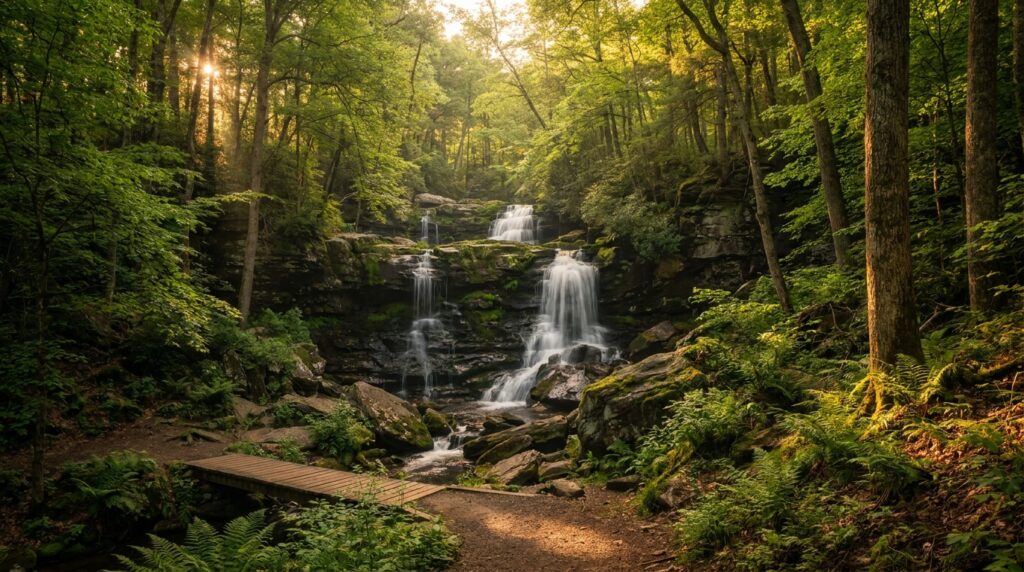
Ricketts Glen State Park: Waterfalls, Hiking & the Falls Trail
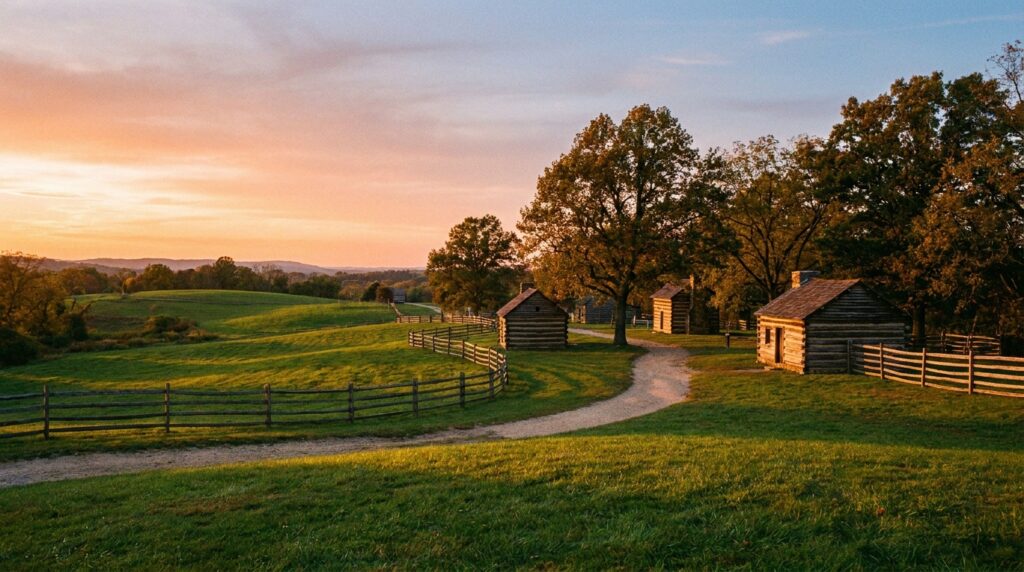
Valley Forge National Historical Park: Complete Visitor Guide
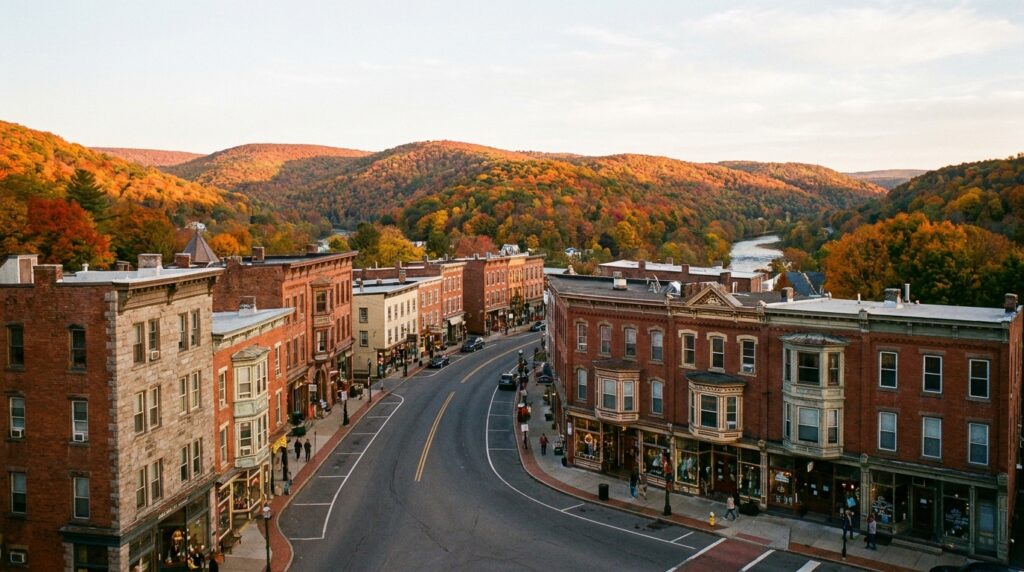
Jim Thorpe, PA Attractions: Scenic Trains & Mansions
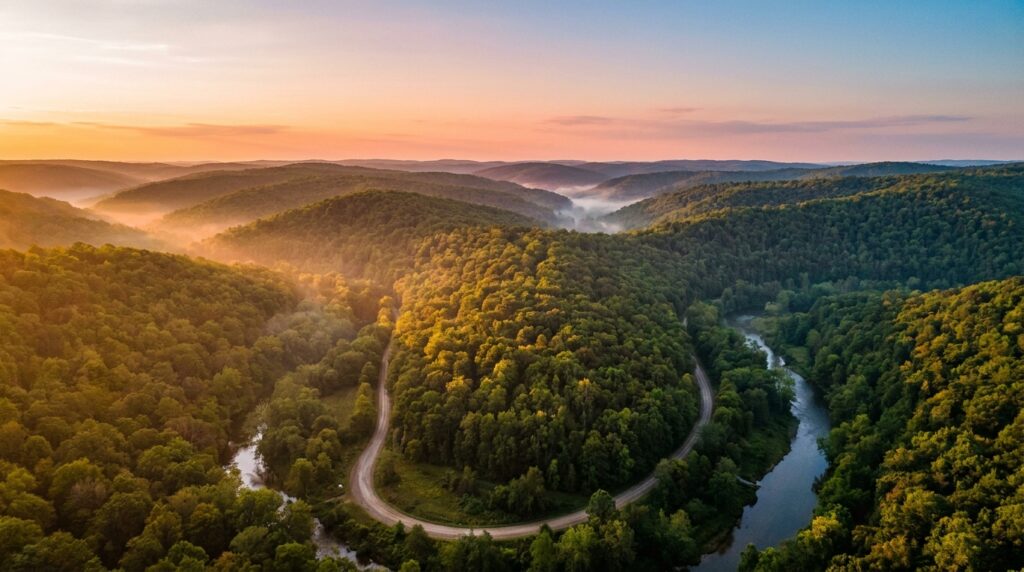
Allegheny National Forest: Camping, Hiking Trails & the Allegheny Reservoir
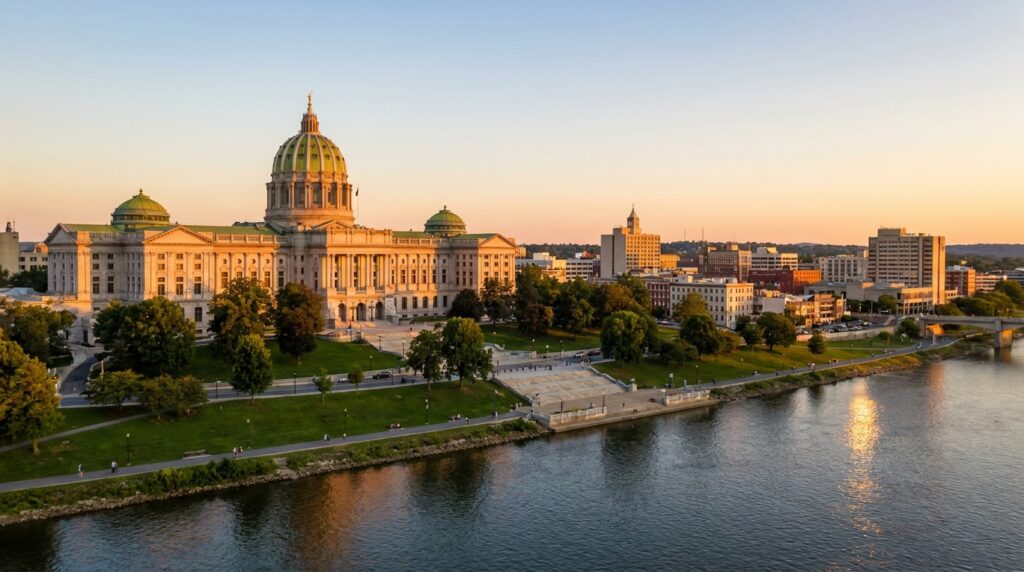
Things to Do in Harrisburg, PA: Capitol & Riverfront
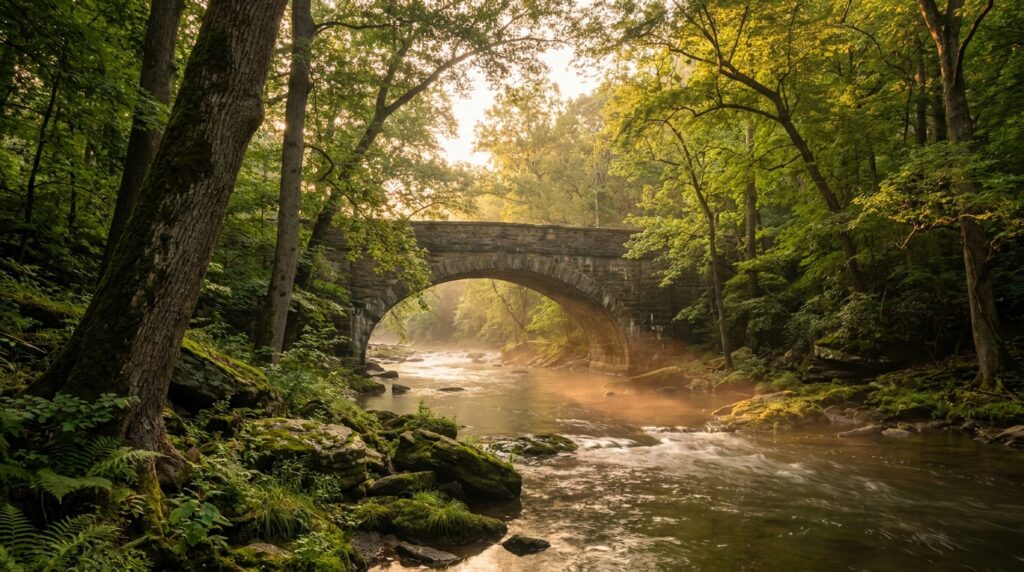
Wissahickon Valley Park: Forbidden Drive & Trail Guide
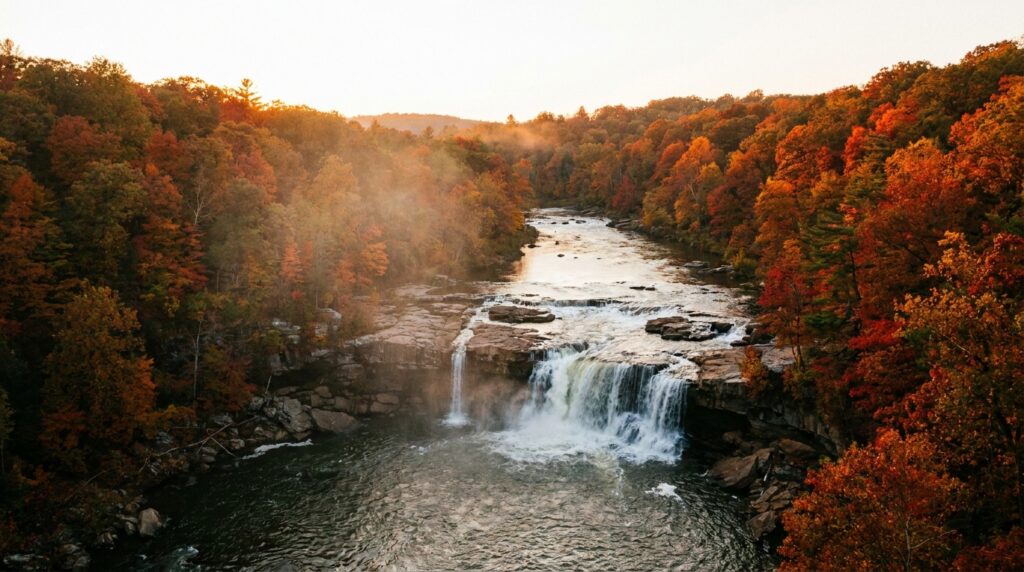
Ohiopyle State Park: Waterfalls, Whitewater Rafting & Hiking
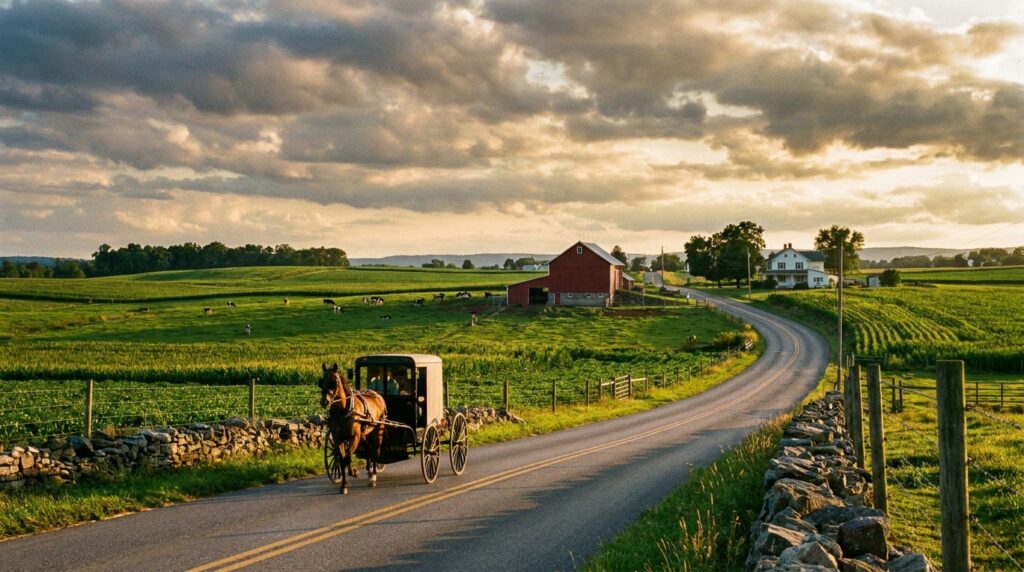
Things to Do in Lancaster County, PA: Amish Country
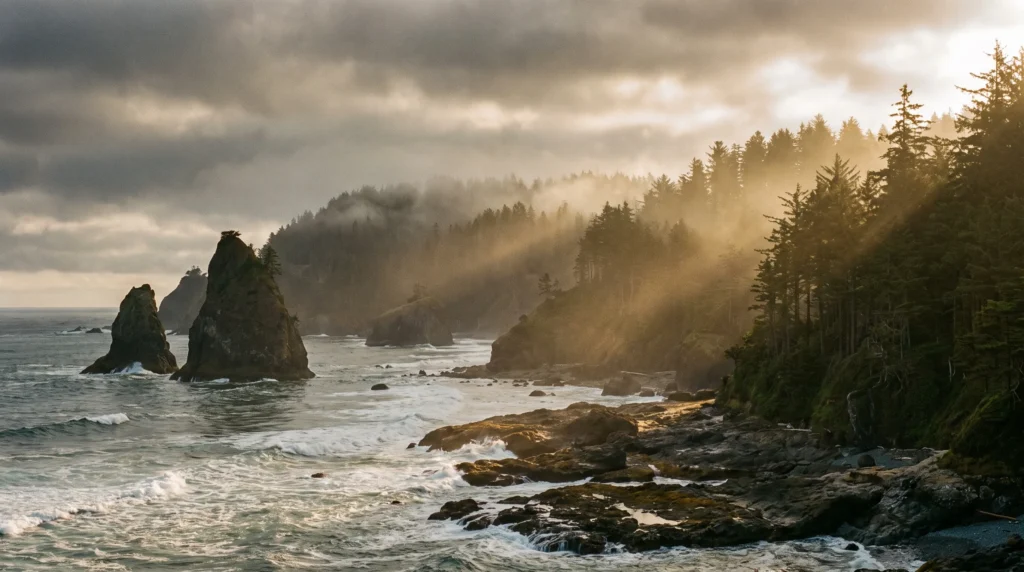
What to Wear in Oregon: Rain Gear, Boots and Layers by Season
This guide contains affiliate links. As an Amazon Associate we earn from qualifying purchases —…
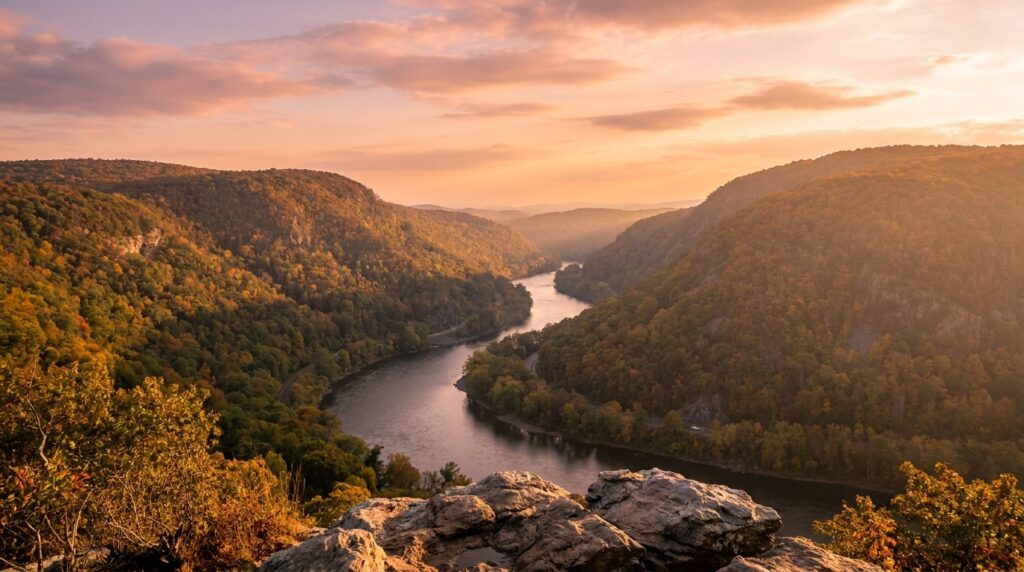
Hiking the Delaware Water Gap: Waterfalls & Trails
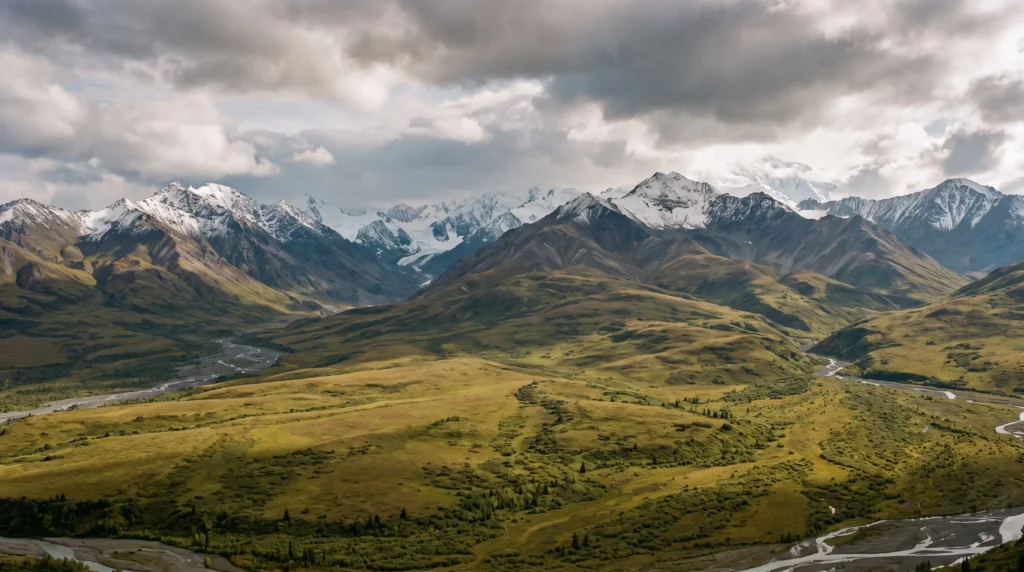
What to Pack for Denali National Park: A Complete Packing Guide
This guide contains affiliate links. As an Amazon Associate we earn from qualifying purchases —…
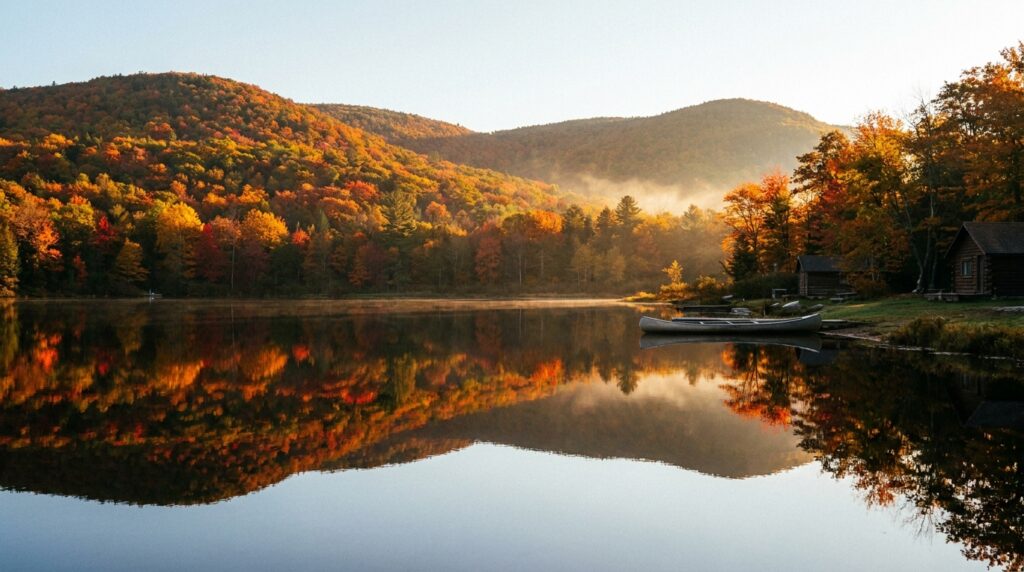
Pocono Mountains Attractions, Waterfalls & Lakes
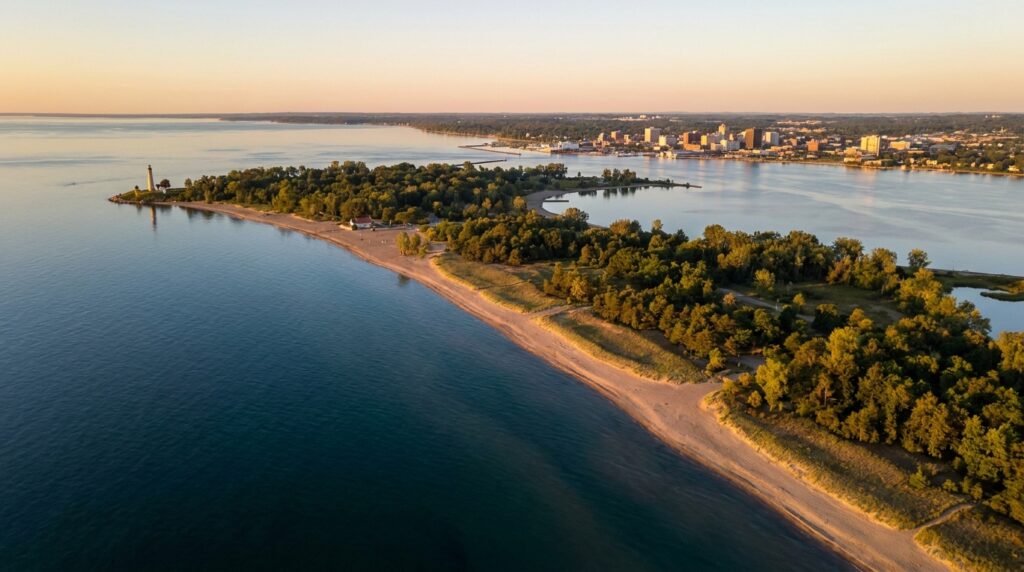
Presque Isle State Park & Things to Do in Erie, PA
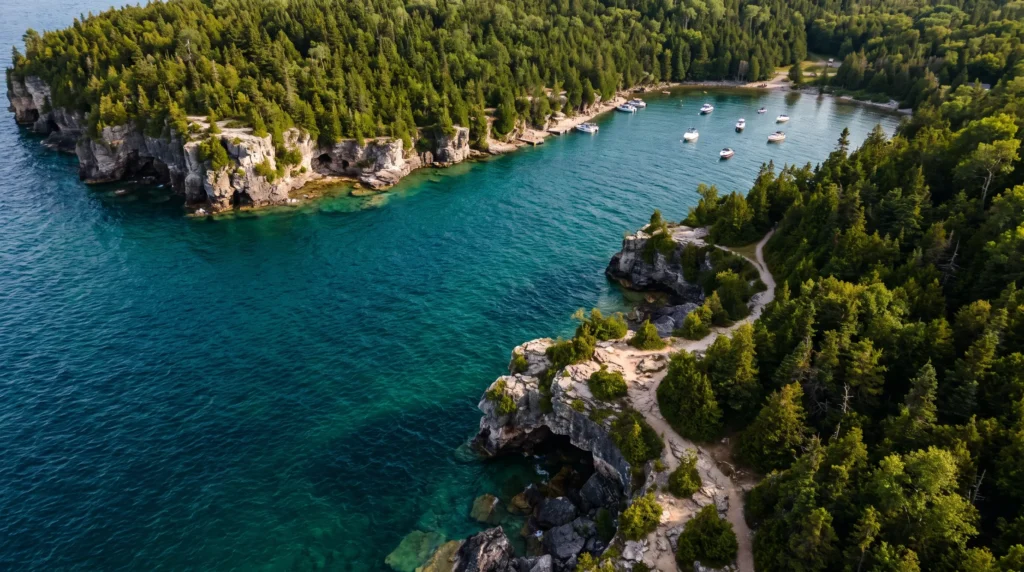
What to Pack for Tobermory Hiking, Shipwrecks, and Nature
This guide contains affiliate links. As an Amazon Associate we earn from qualifying purchases —…