Estimated reading time: 12 minutes
Last updated: September 2026
Table of Contents
- What Is Melbourne Best Known For?
- Discovering Melbourne’s Unique Culture
- Exploring the Laneways and Street Art
- What to Do in Albert Park
- Melbourne Cricket Ground Tour
- Yarra Valley Wine Tour and Yarra River Exploration
What Is Melbourne Best Known For?
Melbourne is best known as Australia’s cultural capital: street-art laneways like Hosier Lane, a world-class coffee and dining scene, and a deep passion for sport, from the Melbourne Cricket Ground to the Australian Open and the Formula 1 Grand Prix. It is also the gateway to the Yarra Valley wine region, about an hour from the city.
This Melbourne cultural guide invites you to explore Australia’s lively cultural capital, a city known for its artistic energy, sporting passion, and unique experiences. Melbourne has earned its reputation by offering more than generic tourist spots, attracting travelers eager to explore its creative soul in depth. From colorful street art tucked away in hidden laneways to iconic sporting venues and beautiful wine regions just outside the city, Melbourne offers an authentic Australian experience unlike any other destination. This guide will help you get around Melbourne’s rich cultural landscape, from its top-quality street art to the legendary Melbourne Cricket Ground and the calm beauty of Yarra Valley wine tours.
You can see this for yourself. Click here to watch the video from this point.
How This Guide Was Researched
This guide is based on research from official tourism resources, local visitor centers, and community travel forums. Prices and availability were accurate at the time of writing. For the latest updates, check the official websites linked throughout this guide.
Discovering Melbourne’s Unique Culture
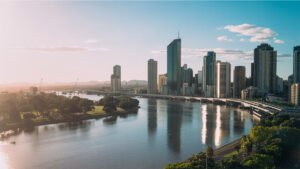
Melbourne pulses with creative energy that flows through its streets, galleries, and cafés. This cultural vibrancy stems from its unique history and the creative citizens who call it home. The city skyline itself tells a story, with Victorian-era buildings standing proudly alongside modern architectural marvels like Federation Square and the recognizable Arts Centre spire, creating a visual timeline of Melbourne’s evolution.
What makes Melbourne really special is its multicultural foundation. Waves of immigration from Europe, Asia, and beyond have transformed the city into a global melting pot where diverse traditions blend into something uniquely Melbourne. This cultural fusion appears everywhere, from the food markets of Queen Victoria Market to the annual festival calendar that celebrates communities from around the world.
Melbourne’s artistic heart beats strongest in its cultural institutions. The National Gallery of Victoria houses collections spanning continents and centuries, while smaller galleries showcase emerging local talents. Meanwhile, the city’s renowned café culture creates social spaces where ideas and creativity flourish over perfectly crafted coffee. This café scene isn’t just about beverages, it represents Melbourne’s approach to life, including appreciating quality, supporting local businesses, and creating community spaces.
The true essence of Melbourne thrives in its less obvious corners. Indie bookstores with reading nooks, street performers entertaining weekend crowds, and local food joints serving family recipes passed through generations all contribute to the authentic cultural experience. These smaller venues and experiences often provide more genuine cultural insights than the major attractions on tourist maps.
If you’re planning to explore more of Australia’s east coast, consider adding Sydney’s top attractions to your itinerary for an interesting contrast to Melbourne’s cultural scene.
Exploring the Laneways and Street Art
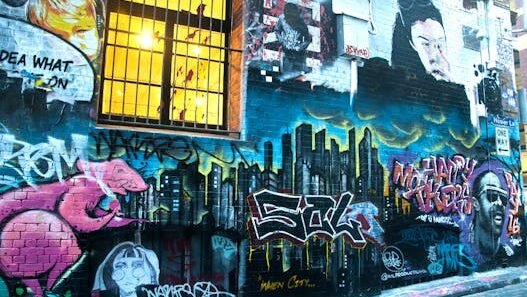
The best melbourne laneways street art experience ranks among the most recognizable cultural activities in Australia. These narrow corridors have transformed from simple service alleys into lively outdoor galleries, showcasing works from local artists and international talents alike. Melbourne’s street art scene has become so significant that it regularly attracts visitors specifically seeking these colorful urban canvases.
Famous Art Laneways
Hosier Lane is Melbourne’s most celebrated street art destination. This bluestone laneway features constantly evolving artwork, with new pieces appearing regularly as artists work in broad daylight. The lane’s walls display everything with political statements and intricate portraits and abstract designs. What makes Hosier special is its dynamic nature, visit twice in the same month, and you’ll likely see entirely different artworks.
Just off Bourke Street Mall, Union Lane offers another impressive collection of street art. This laneway gained prominence through community projects that encouraged young artists to contribute legal works. The result is a colorful corridor featuring diverse styles from polished character pieces to raw, expressive tags. The confined space creates an immersive feeling as artwork surrounds visitors on both sides.
Blender Lane in West Melbourne provides a more underground art experience with its alternative art scene. This laneway frequently hosts artist workshops and night markets, making it a center for creative community engagement. Meanwhile, Presgrave Place offers something different, known for its tiny framed artworks, stickers, and miniature installations, almost like a hidden treasure hunt for observant visitors.
Tips for Laneway Exploration
To experience Melbourne’s street art culture authentically:
- Visit early morning (before 9 AM) or weekday afternoons to avoid crowds and potentially see artists at work.
- Download city art maps from the Melbourne official tourism website or use specialized street art apps for self-guided tours.
- Look beyond the obvious, artwork often extends above eye level or in unexpected corners.
- Respect the art by not touching fresh pieces or adding your own marks.
- Explore the hidden cafés and bars within these laneways, which often feature interior artwork and support the local creative community.
The laneway culture represents Melbourne’s approach to urban spaces, transforming utilitarian areas into lively public galleries that remain accessible to everyone. This democratic approach to art helps explain why Melbourne has earned international recognition for its street creativity.
What to Do in Albert Park Melbourne
Just a short tram ride from the city center, Albert Park offers recreation, natural beauty, and sporting heritage all in one place. This 225-hectare green space surrounds the beautiful Albert Park Lake, creating a green space that locals and visitors alike treasure for its diverse activities and relaxed atmosphere.
Outdoor Activities
The 5-kilometer walking and running track circling Albert Park Lake provides one of Melbourne’s most scenic exercise routes. Early mornings bring a parade of joggers, walkers, and cyclists enjoying views of the city skyline reflected in the calm waters. The lake itself invites water activities, with rowing clubs and rental boats offering chances to experience the park from a different perspective.
If you want structured recreation, the park houses excellent facilities including:
- Tennis courts with both clay and hard surfaces
- A public golf course with 18 challenging holes
- Sports fields for football, cricket, and rugby
- Picnic areas with BBQ facilities for family gatherings
The Formula 1 Australian Grand Prix
Each March, Albert Park transforms into a top-quality racing circuit hosting the Australian Formula 1 Grand Prix. The temporary track winds around the lake, bringing international motorsport enthusiasm to Melbourne’s doorstep. Even during non-race periods, visitors can walk sections of the circuit and find markers indicating racing highlights from previous years.
The Grand Prix represents sporting event, it’s a cultural celebration that showcases Melbourne’s ability to host top-quality gatherings while maintaining the park’s natural charm throughout the rest of the year.
Dining and Leisure
Several quality dining options border the park, with The Point Restaurant offering lakeside views and upscale Australian cuisine. For more casual options, park kiosks serve coffee and light meals, perfect for refueling during a day of exploration.
The children’s playground near the lake’s southern end provides excellent family entertainment with modern equipment suitable for various age groups. Nearby, you’ll find quiet areas perfect for reading or simply watching the black swans and other waterbirds that call the lake home.
Albert Park beautifully demonstrates Melbourne’s talent for balancing active recreation with quiet natural spaces, creating environments where sporting enthusiasm and peaceful contemplation can coexist.
Melbourne Cricket Ground Tour
No melbourne cultural guide would be complete without exploring the legendary Melbourne Cricket Ground (MCG), affectionately known to locals simply as “The G.” This iconic sporting venue transcends its role as a stadium to become a cultural landmark that has shaped Melbourne’s identity since its establishment in 1853.
Taking a melbourne cricket ground tour offers an insider’s look at Australia’s sporting temple. These guided experiences provide access to areas normally reserved for elite athletes and media, creating a deeper appreciation for both the facility and its place in Australian culture.
Behind-the-Scenes Access
Standard tours include visits to:
- Player changing rooms where cricket and football legends prepare for battle
- The coach’s box and media facilities where games are analyzed
- The famous Long Room, known for its historic memorabilia
- The arena itself, where visitors can stand on the hallowed turf (schedule permitting)
- The impressive member’s pavilion with its distinguished history
Tour guides share fascinating stories about memorable sporting moments and the architectural evolution of this 100,000-capacity stadium. From cricket test matches to Australian Football League grand finals, Olympic events to concerts by international superstars, the MCG has hosted them all.
The Australian Sports Museum
Included with most tour packages, the Australian Sports Museum (formerly the National Sports Museum) houses an impressive collection of sporting artifacts and interactive exhibits. Highlights include:
- The Australian Football Hall of Fame
- Cricket Australia’s National Cricket Collection
- Olympic Games memorabilia
- Interactive zones where visitors can test their sporting skills
The museum presents Australia’s sporting narrative through engaging displays that appeal to visitors of all ages, regardless of their sporting knowledge.
The MCG’s significance extends beyond sporting achievements, it represents Melbourne’s community spirit and cultural identity. During major events, the stadium becomes the city’s beating heart, uniting people from diverse backgrounds through shared passion and celebration. Even on non-event days, its towering light towers remain a recognizable part of Melbourne’s skyline, reminding everyone of its central place in local culture.
For those interested in exploring more of Australia’s natural wonders after immersing in Melbourne’s sporting culture, consider a day trip to the Blue Mountains when you visit nearby Sydney.
While Melbourne showcases exceptional street art and cultural diversity, visitors often combine their trip with exploring things to do in Sydney to experience Australia’s two most iconic cities.
Yarra Valley Wine Tour and Yarra River Exploration
Just a hour’s drive from Melbourne’s urban center, a yarra valley wine tour from melbourne offers a perfect cultural counterpoint to city experiences. This scenic region has established itself as one of Australia’s premier wine destinations, particularly noted for cool-climate varieties that thrive in its unique terroir.
Wine Region Experience
The Yarra Valley’s gently rolling hills create a beautiful backdrop for its more than 80 wineries, ranging from boutique family operations to internationally recognized estates. Popular stops on wine tours include:
- Domaine Chandon, known for exceptional sparkling wines created using traditional French methods
- Yering Station, Victoria’s first vineyard, established in 1838, offering award-winning wines in a historic setting
- TarraWarra Estate, Combining fine wines with contemporary art in an architecturally significant building
- Oakridge Wines, Celebrated for both its premium cool-climate wines and outstanding restaurant
Beyond wine tasting, many vineyards offer farm-to-table dining experiences featuring local produce, cheeses, and chocolates that complement their wines. The region’s artisanal food culture has developed alongside its viticultural heritage, creating complete sensory experiences rather than simple wine tastings.
Exploring the Yarra River
Exploring the yarra river provides another dimension to understanding Melbourne’s relationship with its natural environment. This winding waterway forms the lifeblood of the city, offering recreational spaces and scenic beauty that enhance urban life.
River experiences include:
- River cruises departing from Southbank, providing unique perspectives of city landmarks
- Riverside dining at restaurants along Southbank and South Wharf precincts
- The Capital City Trail, a 29-kilometer cycling and walking path following significant sections of the river
- Kayaking adventures through the heart of the city or in more natural settings upstream
The river’s importance extends beyond recreation, it represents Melbourne’s historical lifeline as the city’s first major transport route and water source. Today, the revitalized riverbanks showcase Melbourne’s commitment to creating livable urban spaces where nature and city life harmonize.
Both the Yarra Valley and Yarra River offer cultural insights that complement Melbourne’s urban attractions. These experiences connect visitors with the region’s natural beauty, agricultural traditions, and the importance of landscape in shaping local identity and lifestyle.
Frequently Asked Questions
What not to miss in Melbourne?
Do not miss the street-art laneways such as Hosier Lane and AC/DC Lane, the historic shopping arcades and Queen Victoria Market, a tour of the Melbourne Cricket Ground, and the views from the Royal Botanic Gardens and Southbank. A day trip to the Yarra Valley for wine rounds out the classic Melbourne experience.
Is Melbourne worth visiting as a tourist?
Yes. Melbourne is consistently ranked among the world’s most liveable cities and rewards visitors with its arts, coffee and food culture, major sporting events, and easy access to nature such as the Yarra Valley and the Great Ocean Road. It suits travellers who enjoy culture, dining and walkable city neighbourhoods.
How many days in Melbourne is enough?
Three to four days is enough to see central Melbourne, the laneways, the MCG and the markets, with time for one or two day trips such as the Yarra Valley or the Great Ocean Road. A week lets you slow down and add the Mornington Peninsula or Phillip Island.
What month is best to visit Melbourne?
The mild shoulder seasons are ideal: autumn from March to May and spring from September to November bring pleasant weather and a packed events calendar. Summer from December to February is warm but can turn hot, while winter from June to August is cool and often grey, though quieter and cheaper.
What is the cheapest time of year to visit Melbourne?
The cheapest time is generally winter, from June to August, outside school holidays, when airfares and hotel rates drop. Late autumn and early spring also offer good value, while summer and major event periods like the Australian Open and the Grand Prix are the most expensive.