Estimated reading time: 15 minutes
Last updated: 04 April 2026
Table of Contents
- Welcome to Ashland: Oregon’s Cultural Jewel in the Mountains
- Top Attractions and Things to Do in Ashland
- Where to Eat in Ashland: A Culinary Destination
- Where to Stay in Ashland
- Day Trips from Ashland
- Practical Information: Weather and When to Visit
- Frequently Asked Questions About Ashland
Welcome to Ashland: Oregon’s Cultural Jewel in the Mountains
Ashland, Oregon is home to the Tony Award-winning Oregon Shakespeare Festival, which runs 11 plays across three theaters from February through October and attracts over 100,000 annual visitors.
How This Guide Was Built
We researched Ashland using tourism board resources, Oregon state park data, and firsthand traveler accounts. Details about attractions, seasons, and costs were verified at the time of writing. Before visiting, check official Ashland visitor resources for any recent changes.
Curious what Ashland really looks like? Watch our Ashland travel guide in 4K.
The Oregon Shakespeare Festival defines this city of 21,000 people. The festival draws theater fans from across the globe to southern Oregon, 15 miles north of the California border. According to the festival’s 2024 annual report, attendance topped 110,000 visitors that season. That’s five times the city’s population showing up for plays.
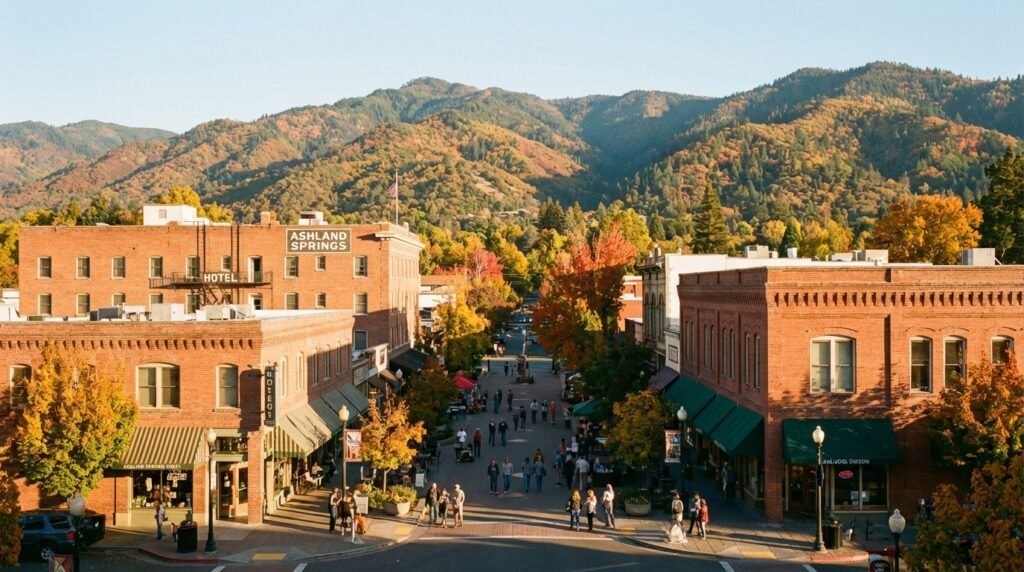
Ashland sits in the Siskiyou Mountains at 1,900 feet elevation. The setting alone makes it worth the drive. But the city of Ashland Oregon earned its spot in the top 10 of John Villani’s 100 Best Small Art Towns in America for reasons beyond Shakespeare. Art galleries line the downtown plaza. Restaurants serve food you’d expect in Portland or San Francisco, not a mountain town.
The Shakespeare festival Oregon Ashland connection started in 1935. A local college professor built an outdoor stage on the ruins of an old Chautauqua theater. That experiment became one of the oldest and largest professional non-profit theaters in the United States. The festival now operates three venues and employs hundreds of actors, directors, and crew members year-round.
Travel Ashland Oregon resources show a town that balances high culture with outdoor access. Mt. Ashland ski area sits 18 miles up the highway. Crater Lake National Park is a two-hour drive north. Lithia Park cuts through downtown with 93 acres of trails and Japanese gardens.
This guide covers where to eat, what to see beyond the theaters, and how to plan day trips into southern Oregon Ashland serves as a base for. You’ll also find practical details about weather, homelessness issues the city faces, and when to book tickets if theater brought you here in the first place.
Top Attractions and Things to Do in Ashland
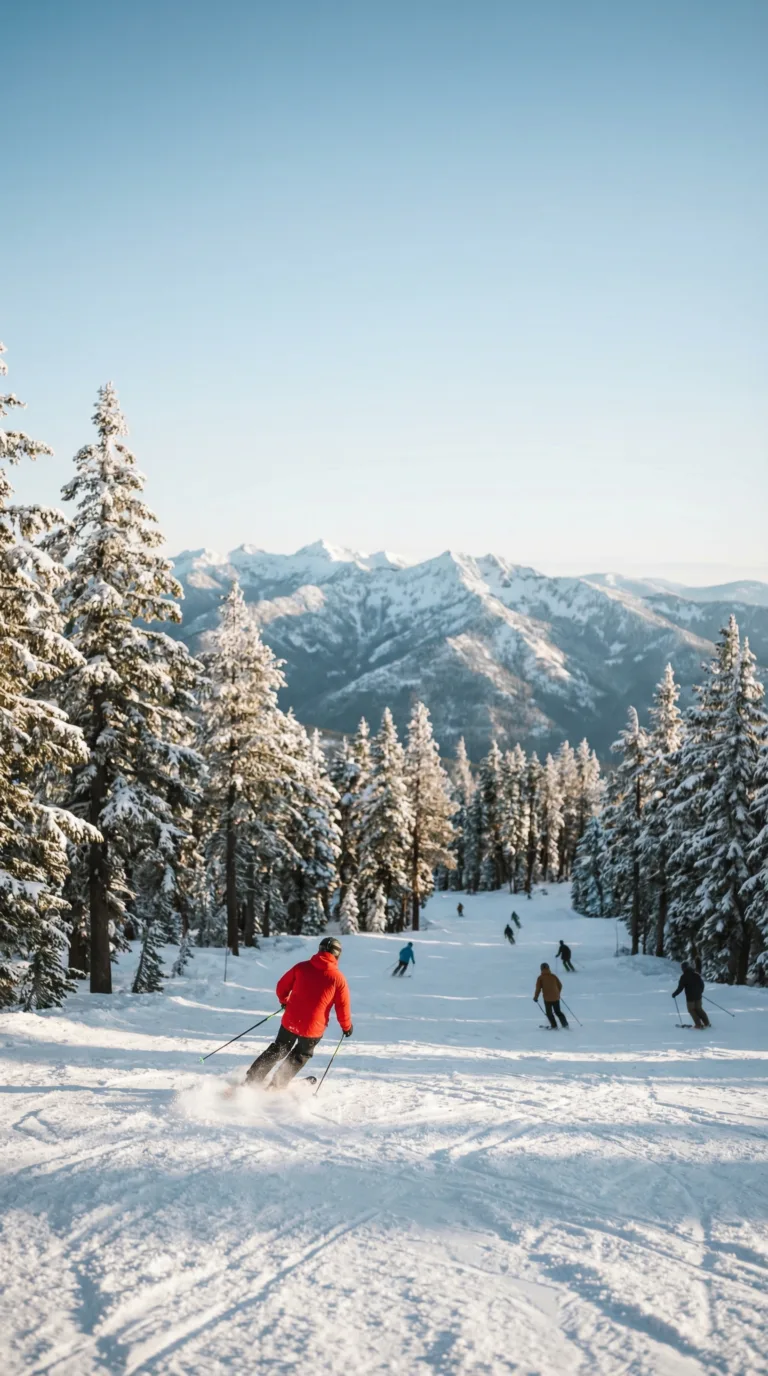
The Oregon Shakespeare Festival operates three theaters presenting 11 different productions annually, while Mt. Ashland ski area sits just 18 miles from downtown at 7,533 feet elevation with 200 skiable acres.
Ashland’s gallery district clusters along East Main Street and the downtown plaza. The Schneider Museum of Art at Southern Oregon University rotates contemporary exhibitions year-round. Admission is free. Independent galleries like Hanson Howard and Grizzly Peak showcase regional painters, sculptors, and mixed-media artists. First Friday art walks happen monthly from 5, 8 p.m.
Lithia Park spreads across 93 acres starting at the plaza. Ashland Creek runs through the center. Trails wind past a Japanese garden, duck ponds, and forested hillsides. The lower park stays flat and paved. Upper trails climb into the Siskiyou foothills. No admission fee. Open dawn to dusk.
Outdoor recreation extends beyond the park. The Siskiyou Mountains offer dozens of hiking routes within 30 minutes of town. Mountain bikers hit the White Rabbit Trail system. Rock climbers head to Emigrant Lake’s basalt cliffs. The downtown plaza hosts boutiques, used bookstores, and outdoor gear shops. Live music venues like The Armory and Oberon’s Tavern book local and touring acts most weekends. The Ashland Independent Film Festival runs each April.
Where to Eat in Ashland: A Culinary Destination
Ashland’s 22,200 monthly restaurant searches reflect a dining scene with over 100 restaurants serving farm-to-table Pacific Northwest cuisine, international flavors, and award-winning wine programs featuring Rogue Valley vintages.
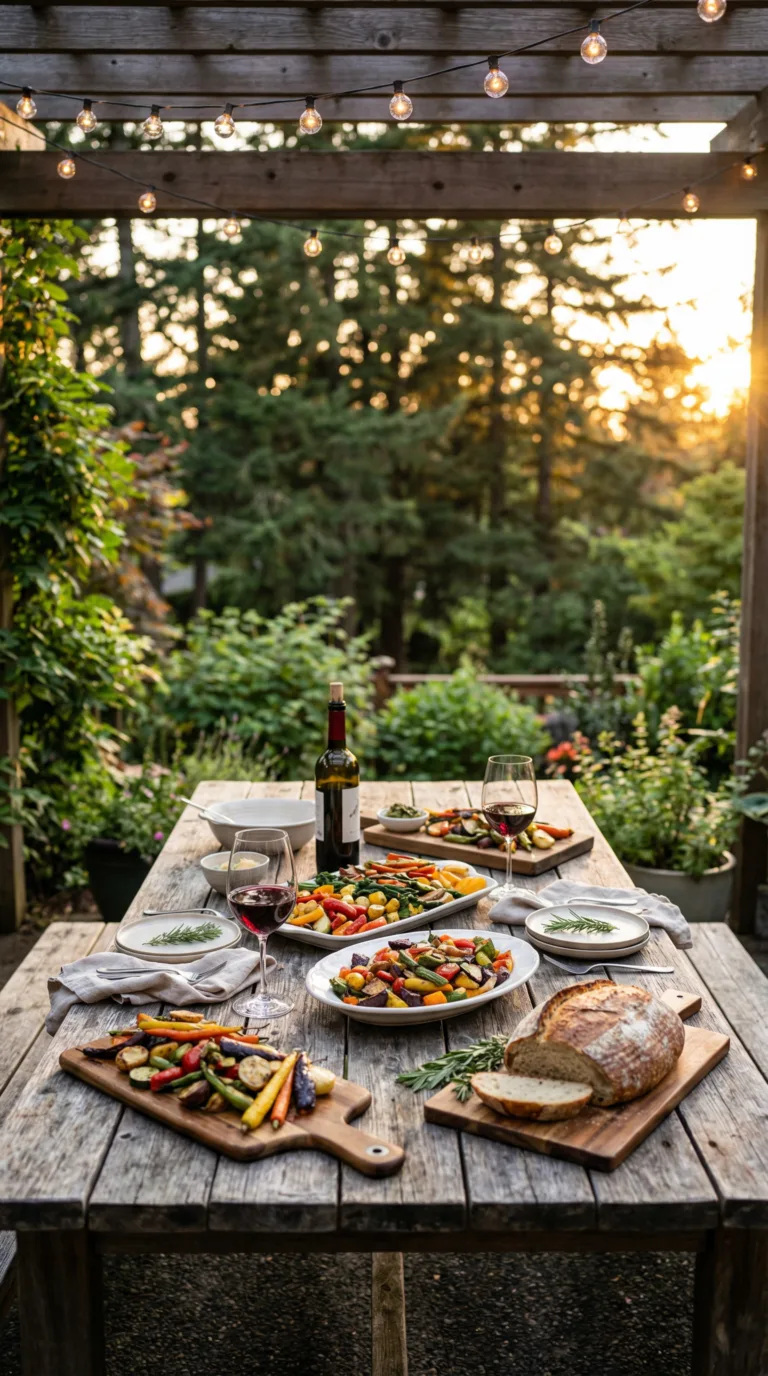
A city of 21,000 residents supports more than 100 restaurants. That ratio tells you everything about Ashland’s food obsession. The Oregon Shakespeare Festival brings 350,000 visitors annually, and they expect serious meals before curtain call.
Farm-to-table isn’t marketing speak here. Rogue Valley farms supply restaurants with heirloom tomatoes, stone fruit, and grass-fed beef. Menus change with the seasons because chefs actually shop at the Wednesday farmers market. You’ll see “Fry Family Farm carrots” and “Pennington Farms lamb” listed by name on dinner plates.
The cuisine range surprises people. Italian trattorias serve house-made pasta. Thai restaurants use locally grown herbs. Japanese spots source Pacific salmon. Mexican taquerías make tortillas from scratch. Mediterranean mezze plates feature Oregon olive oil. This variety exists because theater patrons demand cosmopolitan options, and chefs respond.
Pre-theater dining drives the restaurant economy. Most kitchens offer early seating between 5:00 PM and 6:30 PM with prix fixe menus designed to get you to the Elizabethan Theatre by 8:00 PM. Reservations fill up fast during festival season. The Travel Ashland dining guide lists current restaurant hours and booking links.
Wine bars and tasting rooms cluster downtown. The Rogue Valley Wine Association represents 70 wineries producing Syrah, Tempranillo, and Viognier in volcanic soils. Several producers maintain tasting rooms on the plaza where you can sample bottles without driving to vineyard properties.
Casual options fill gaps between fine dining. Brewpubs pour local IPAs with burgers. Bakeries open at 6:00 AM for pastries and espresso. Food carts park near Lithia Park serving tacos and Thai noodles. The Ashland Food Co-op stocks organic groceries and prepared foods if you’re renting a vacation house with a kitchen.
Vegetarian and vegan menus appear at most restaurants without special requests. Gluten-free bread comes standard at breakfast spots. Dietary restrictions get taken seriously in a town where half the population practices yoga.
Where to Stay in Ashland
Ashland’s 14,800 monthly hotel searches reflect strong lodging demand, with downtown properties within walking distance of the Oregon Shakespeare Festival theaters and over 30 bed-and-breakfast inns offering Victorian-era charm.
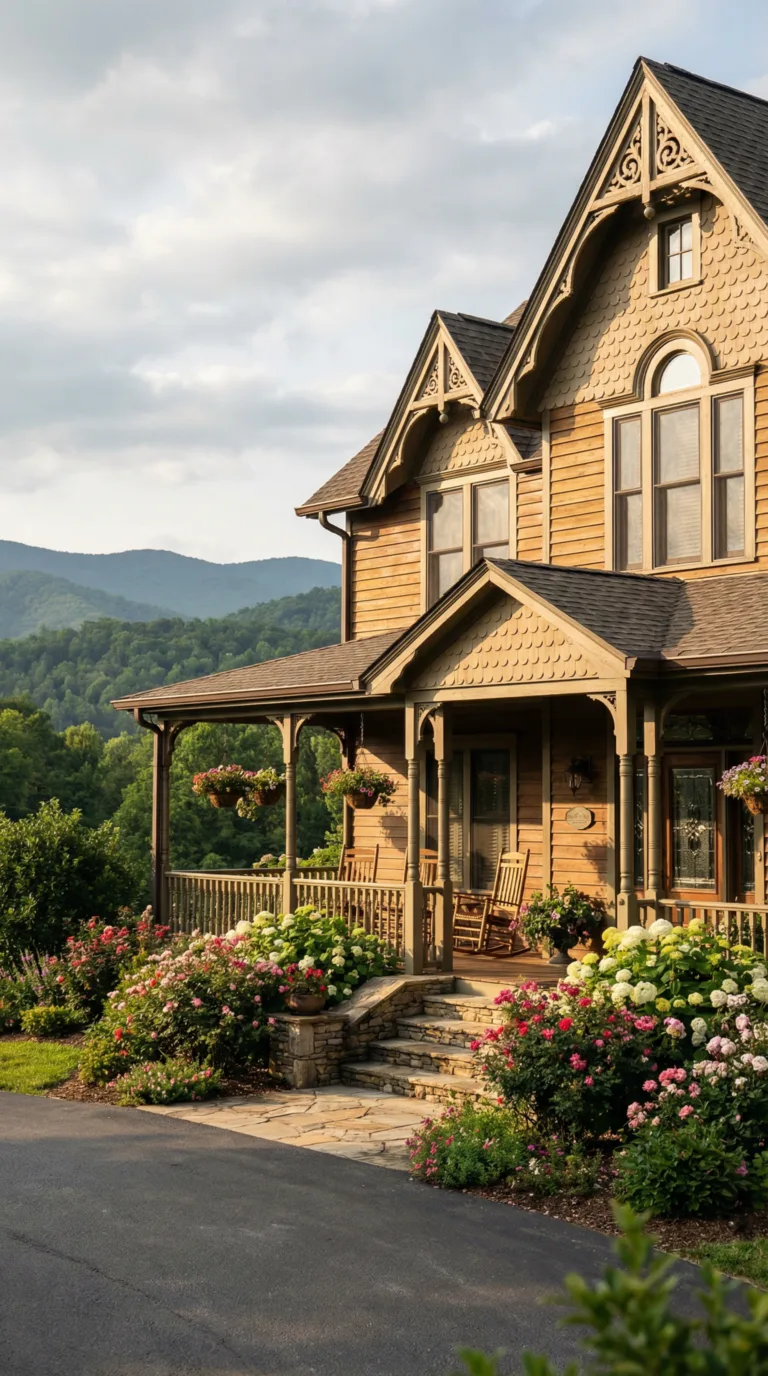
Book your room at least two months ahead if you’re visiting during festival season. Hotels fill up fast from March through October. According to Travel Southern Oregon, occupancy rates during peak Shakespeare Festival months hit 85-90%.
Downtown hotels put you within a five-minute walk of the theaters. You can leave your car parked and stroll to dinner after the show. Boutique properties cluster around the plaza. Historic buildings converted to modern hotels. Some offer theater package deals with discounted tickets.
Ashland built its reputation on bed-and-breakfasts. Over 30 B&Bs operate in town, most in Victorian houses with gingerbread trim and wraparound porches. Expect homemade breakfasts and owners who know which restaurants take late reservations. These places book solid on weekends. Couples dominate the guest lists.
Vacation rentals work better for groups or stays longer than three nights. VRBO and Airbnb list entire houses in residential neighborhoods. You get kitchens and multiple bedrooms. Parking comes easier than downtown.
Budget motels line the highway north of town. You’ll drive to everything, but rates drop to $80-100 per night in summer. Downtown hotels charge $180-250 during festival season, sometimes $300 for premium properties. Winter rates fall by 40%.
Parking matters downtown. Many historic inns have limited spots. Ask before booking. Pet policies vary widely. The Travel Ashland lodging directory filters by amenities including breakfast and pet-friendliness.
Day Trips from Ashland
Crater Lake National Park, located 90 miles north of Ashland via Highway 62, features the deepest lake in the United States at 1,943 feet and attracts 110,000 monthly searches from travelers planning southern Oregon itineraries.
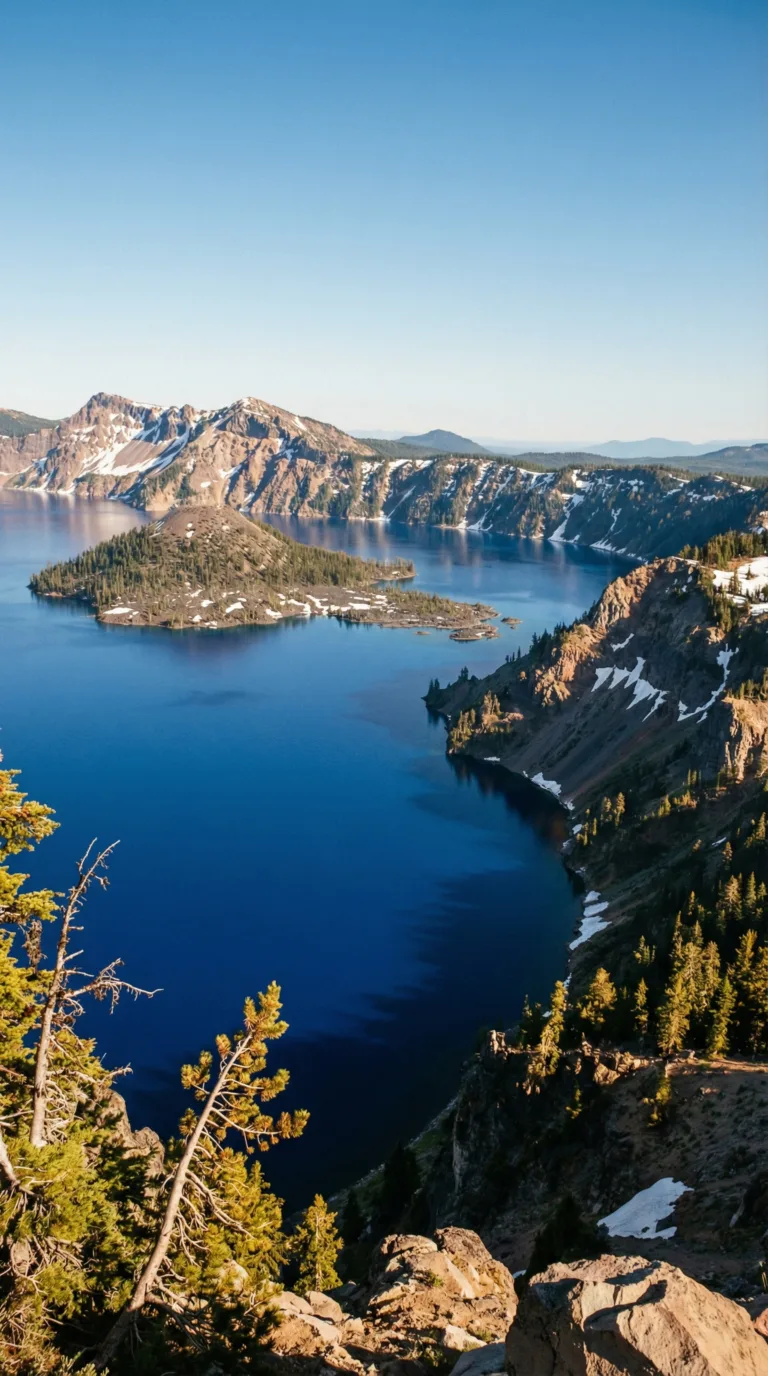
Ashland sits in the sweet spot. You can hit the coast in two hours. Crater Lake takes the same time going north. The Rogue River runs right through the region. Pick your direction based on what you want, including mountains, ocean, or whitewater.
Crater Lake National Park
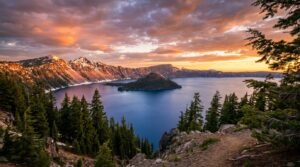
Drive 90 miles north on Highway 62. Two hours gets you to the rim. Crater Lake formed when Mount Mazama collapsed 7,700 years ago. The caldera filled with snowmelt and rain. No streams feed it. That’s why the water looks so impossibly blue.
At 1,943 feet deep, it’s the deepest lake in the United States, according to the Crater Lake National Park service. The National Park Service reports over 700,000 annual visitors. Most come between July and October when Rim Drive opens fully.
The 33-mile Rim Drive circles the entire lake. Budget three hours minimum if you stop at viewpoints. Boat tours run to Wizard Island in summer only, you hike down 700 feet to the dock, then climb back up after. Winter closes the north entrance. The south entrance stays open year-round, but you’ll need snowshoes or cross-country skis to explore.
Arrive before 9 AM in July and August. Parking lots fill fast. The elevation sits above 7,000 feet at the rim. Bring a jacket even in summer. Afternoon thunderstorms roll in without warning. Plan a full day for the round trip, you won’t want to rush this one.
Rogue River
The Rogue River flows right through southern Oregon. Multiple access points sit within 30 minutes of Ashland. Congress designated it a Wild and Scenic River in 1968. That means no dams, no development, just clean water cutting through canyon walls.
Whitewater rafting runs Class II to Class IV rapids depending on the section. Outfitters in Grants Pass and Shady Cove run guided trips from May through September. You can fish for salmon and steelhead if you have an Oregon license. Scenic float trips work for families who want calmer water.
Riverside trails follow the water for miles. The river stays accessible year-round. Spring runoff makes for bigger rapids. Late summer drops the water level but keeps the weather warm. This works as a half-day trip if you just want to get on the water.
Brookings
Drive 85 miles west on Highway 199. Two hours puts you at the southern Oregon coast. Brookings sits right where the Chetco River meets the Pacific. Locals call the weather pattern here the “Brookings effect”, mild temperatures year-round, less fog than the northern coast.
Samuel H. Boardman State Scenic Corridor stretches for 12 miles just north of town. Coastal cliffs drop straight into the ocean. Pull over at Natural Bridges or Arch Rock viewpoints. Tide pools appear at low tide. Bring boots if you want to scramble on the rocks.
The Chetco River runs clear enough to see the bottom in summer. People fish for salmon in fall. Old Town has a few galleries and seafood spots. Oregon State Parks manages most of the coastal access points, check their site for trail conditions before you drive out.
Bandon
Push 150 miles northwest on Highway 42. Three hours makes this a long day trip, but the sea stacks at Bandon justify the drive. Face Rock State Scenic Viewpoint shows off the best formations, massive rocks rising from the surf, shaped by thousands of years of waves.
Walk the beach at low tide. Tide pools hide between the rocks. Bandon Dunes Golf Resort draws players from around the world for links-style courses on the bluffs. Old Town runs along the waterfront with local art galleries and cranberry shops.
Cranberry bogs cover the land around Bandon. Harvest happens in October. You can buy dried cranberries and cranberry wine year-round. Consider staying overnight if you want to catch sunset and sunrise on the beach, the light changes everything out here.
Practical Information: Weather and When to Visit
Ashland experiences 60,500 monthly weather searches, reflecting a Mediterranean climate with summer highs averaging 88°F, winter lows around 32°F, and the Oregon Shakespeare Festival season running February through October as the peak visitor period.

Ashland weather follows a Mediterranean pattern. Summers run dry and warm from June through September. Winter brings rain, not blizzards. According to National Weather Service climate data for Ashland, Oregon, summer highs reach the upper 80s to low 90s°F. Winter lows dip into the 30s and 40s°F. Snow falls occasionally but rarely sticks around downtown.
Spring and fall deliver the most comfortable conditions. Temperatures hover in the 60s and 70s°F. Mornings feel crisp. Afternoons warm up nicely. NOAA climate statistics for Ashland, Oregon show annual precipitation totals around 20 inches, most of it falling between November and March.
The Oregon Shakespeare Festival drives the peak season. Shows run February through October. Hotels fill up fast during summer weekends. Winter (November through January) offers empty sidewalks and lower lodging rates. Some restaurants close one or two days per week in the off-season. Mt. Ashland ski area operates December through April, weather permitting.
Pack layers no matter when you visit. Mornings start cool even in July. Bring a rain jacket for winter and spring trips. Summer requires sun protection, the elevation and clear skies intensify UV exposure. Comfortable walking shoes matter more than fancy gear. Downtown involves hills and uneven brick sidewalks. Check the National Weather Service Ashland, Oregon Forecast before you leave.
Crater Lake access depends on season. Rim Drive opens fully only July through October. Earlier visits mean snow-blocked roads and limited viewpoints.
Frequently Asked Questions About Ashland
What is special about Ashland, Oregon?
Ashland is home to the Oregon Shakespeare Festival, one of the oldest and largest professional non-profit theaters in the United States. The city ranks in the top 10 of ‘100 Best Small Art Towns in America’ with award-winning galleries and a lively arts scene. You get cultural sophistication, theater, dining, arts, alongside serious outdoor recreation. Mt. Ashland offers skiing in winter. Hiking trails thread through the hills. The Rogue River runs nearby. The population sits around 21,000, but the amenities rival cities ten times that size. Ashland sits in southern Oregon near Crater Lake, the Oregon coast, and the California border. You can hit all three in a day trip.
Why is Ashland famous?
The Oregon Shakespeare Festival is the reason most people know Ashland. The festival has been running since 1935 and attracts over 100,000 visitors annually. It presents 11 plays across three theaters from February through October. One of those theaters is an outdoor Elizabethan stage. The festival has won Tony Awards and built an international reputation for theatrical excellence. Ashland is also known for its restaurant scene and art galleries. Mt. Ashland adds winter sports appeal. The city punches way above its weight class as a cultural destination in the Pacific Northwest.
Is there a homeless problem in Ashland, Oregon?
Yes, the Ashland City Council officially recognizes homelessness as a critical issue. Like many West Coast cities, Ashland has a visible homeless population. You’ll see people experiencing homelessness in the downtown area and Lithia Park. The city runs shelters and outreach programs to address the issue. Visitors may encounter individuals in public spaces. This doesn’t significantly impact the tourist experience for most people, but it’s part of the community reality.
How far is Crater Lake from Ashland?
Crater Lake National Park is approximately 90 miles north of Ashland. Drive time is about 2 hours via Highway 62. It makes an excellent full-day trip. Road access is seasonal, Rim Drive fully opens July through October. The north entrance closes in winter. Leave early. Allow a full day for the round trip and exploration.
When is the best time to visit Ashland, Oregon?
Peak season runs spring through fall (March to October) during the Oregon Shakespeare Festival. Summer (June to September) brings the warmest weather and all attractions open, but crowds and prices peak. Fall (September to October) delivers beautiful autumn colors, fewer crowds, and warm weather while the festival still runs. Winter (December to April) means Mt. Ashland skiing, quieter downtown, and lower prices, but some businesses cut their hours. Spring (March to May) offers mild weather, the start of festival season, wildflowers, and good shoulder season value.